
Leaderboard



Popular Content
Showing content with the highest reputation since 05/20/16 in Blog Comments
-
4af3a3b61d25366b7b1efa7923eea289.mp49 points
-
Item 1 on the latest list is complete 😁
 7 points
 -
A story with a happy ending. Vision AGI were receptive to paying for our third party costs and have paid up. Plasterer in Friday to cover the hole and then we paint. Good as new. Thanks everyone for the support and the words for the email. Phew.7 points
-
Latest "from the mound" picture. (could have been taken back in August, but I forgot 🙂
 6 points
 -
I followed your @TerryE story a number of years ago and designed my system based on your posts. Thanks for all your detailed posts all those years ago. My system: Installed and running 4 years instead of 6 yours like yours Heated by the same 3kw wills heater during the night 100 sqm of polished concrete, 100mm deep and reinforced with fibres not a steel mesh. Self installed Wunda 16mm PERT-AL-PERT PIPE, manifold and pumpset - 5 heating loops with similar double back loop design. The pump is on a low nice quiet setting. I’ve no idea how to calculate how much water it pumps or the flow like you did nor do I feel I need to. It's working so I’ll leave it. I’ve a temp difference of circa 5 degrees after the system is up and running. It’s the basic temperature dials on the manifold so this isn’t digital or recorded like yours. Portable oil heater for the misses for when she thinks she’s cold. We’ve our temp between 20-21 degrees so lower than yours It was a major refurb, not a new build but we did a PHPP for the house which I can compare to. Main differences: I don’t have all the fancy temperature probes or data logging you have. We have temperature sensors but they aren’t recorded. I could fix this by purchasing a few but don’t really feel the need. I have an electrical meter on the wills so know exactly the energy going into the slab. I don’t run the pump after the wills is off to spread the heat like you nor do I do it for a few minutes on the hour. I did play around with this for a while at the start but it doesn’t make a massive difference. This slab is all one large open plan kitchen / dining / living / entrance hall area. You do notice the floor warmer in the hallway nearer the manifold but this is fine as the heat rises in this double height area to the upper unheated rooms. Things I’d change: I don’t have the fancy controls you have nor do I have the coding skills to develop it. It’s therefore a much cruder timed system. Note I’m based in Ireland, not the UK. For the first two years it was definitely cheaper to use a cheap wills than invest in an ASHP but the massive increase of the electrical unit rate has changed this. I've had the ducts fitted for years from outside to the wills heater so it’s an easy swap we’ll have to make soon. All loops are circa 90-100 meters long so I’d like to connect the ASHP directly to the slab avoiding a buffer too. Question: If I were to data log temperatures does anyone have any advice on what products to use that don’t require coding, are relatively cheap and what number would you advise getting and what to record? Do I go all out and record the flow and return temperatures for example? My biggest achievement: For the winter period 2021-2022 when everything was turned off in Spring the total units used was 3,347.1 when PHPP has a number of 3,349.0. Other years were higher or lower but that year was bang on!6 points
-
Well this was a long cup of coffee... It's common to try and exclude consequential loss but my understanding is it may only be enforceable with business customers unless the contract was specifically negotiated with you rather then being standard T&Cs. I believe you, being a "consumer customer", also have statutory rights under the Consumer Rights Act 2015 in that excluding consequential loss probably amounts to an unfair contract. https://www.citizensadvice.org.uk/consumer/somethings-gone-wrong-with-a-purchase/claim-compensation-if-an-item-or-product-causes-damage/ https://www.consumercouncil.org.uk/sites/default/files/2019-09/A_Guide_To_Consumer_Law_for_Businesses.PDF https://www.squirepattonboggs.com/~/media/files/insights/publications/2015/10/the-consumer-rights-act-how-does-it-impact-on-brand-owners/cra-article-for-consumer-brands-alert.pdf https://assets.publishing.service.gov.uk/government/uploads/system/uploads/attachment_data/file/450440/Unfair_Terms_Main_Guidance.pdf Reading on it appears they believe the exclusions of unforeseeable consequences would be ok but the exclusion of foreseeable ones would be unfair. If that gets raised I'd argue that the consequences of a leak were reasonably foreseeable by both parties! So looks like a pretty certain that a consequential loss exclusion is unfair when the buyer is a consumer. I'd get quotes for the repairs and send them a letter asking them to pay up before you do any work. Point out that clauses in contracts with consumers which use terms like "consequential loss" are considered unfair. I believe you have to give them the opportunity to fix it before you can get it done yourself by a third party and claim compensation. Give them a two week deadline to respond? You could probably also claim for your time locating the source of the leak but I think I would just point out that that by taking action to promptly identify the source of the leak, and removing sodden insulation yourself, you have minimised the possible damage and the cost to the rooflight company. I've also been reading something about the Alternative Dispute Resolution (ADR) Directive which provides an alternative to court action. I think TrustMark is an ADR provider. Perhaps find out if the rooflight co is a member and involve them?6 points
-
One of my favourite jobs when it's going well. I even used up the scraps to gain some brownie points when I was doing my step flashings.
 6 points
 -
The vision vs the reality
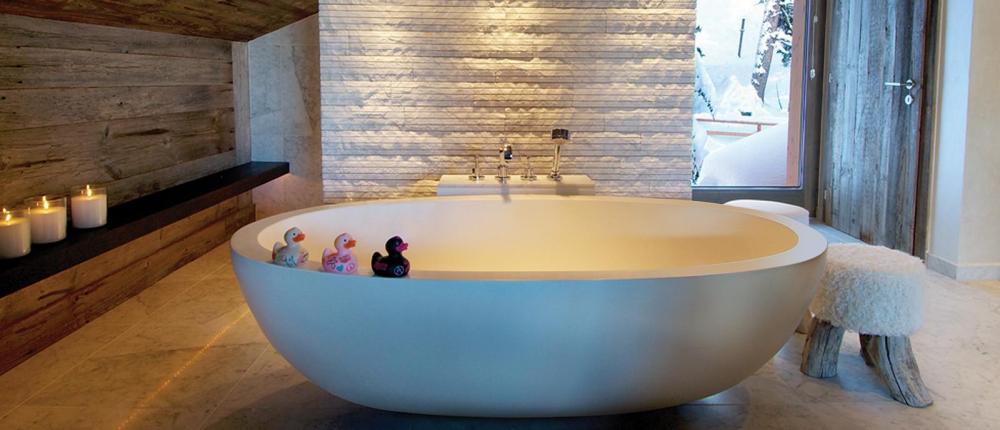
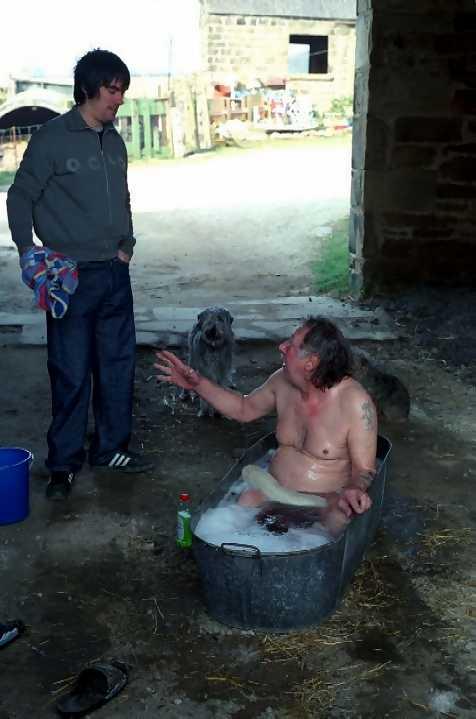 6 points
 -
That's what we do. We don't know the full background or your experience. We may have forgotten what you explained earlier. I've been in the design and construction business 50 years and get people telling me things I know or am even very expert in. I don't mind. Because there are some valuable nuggets in there. And because others reading behind the scenes might gain from the info. Looking forward to following your progress and teaching you how to suck eggs.5 points
-
He said yes.5 points
-
I love problem solving and you cannot beat the feeling of doing so via improvisation. Getting on site in the next 3-4 weeks is going to be a big relief. Having to travel 1hr each way has been a real drag and I think that even though we are moving into a static caravan. It will be into a static caravan that we own on our land and the place we will call home. Living in rented for two years, has felt like living in limbo.5 points
-
I paid for the application in August 2023 to allow me to get on with getting the footings in for the extension (and have them inspected). I then spent 3 months maybe, doing the plans in the evenings. I finally submitted them in October. They came back after about 6 weeks and asked for some ammendments (that are included above) and finally got approval 19th December 2023.
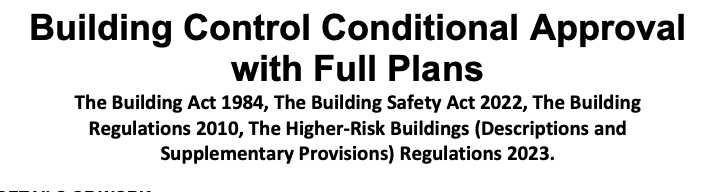 5 points
 -
aaaaaand relax. I even managed to get the EPDM on today a couple of mins before the heavens opened. The engineer is scheduled to come tomorrow to set the foundations out but may cry off due to the incoming rain. If so he says he will come on Sunday. Digger Tuesday if the warranty company get their shit together. Southbank1-210748-210804.mp45 points
-
Thanks. Its funny actually out of all the plots I found, the 4 acre plot was the cheapest (less than a third of others). It was by chance a owned by a previous self builder who built a passivhaus, who sold it to me for the very reason he wanted a self builder to have it, could have went for 3 times the price. A very nice man.5 points
-
Unfortunately I have come across this attitude before but quickly nipped it in the bud by talking about the build process and using words they didn’t expect a woman to know, can’t stand men like that and certainly wouldn’t give them my business. Hubby had put some of them in their place too when they tried to address him instead of me and he turned round and said there’s no good talking to me you need to talk to the boss!5 points
-
I can empathise with your feelings. Part way through our build my father in law died. We were both hoping he'd live long enough to see our house finished, but it wasn't to be. I did put a small memorial to him, and my late father (who died back in 1972) right up at the very top of our house:
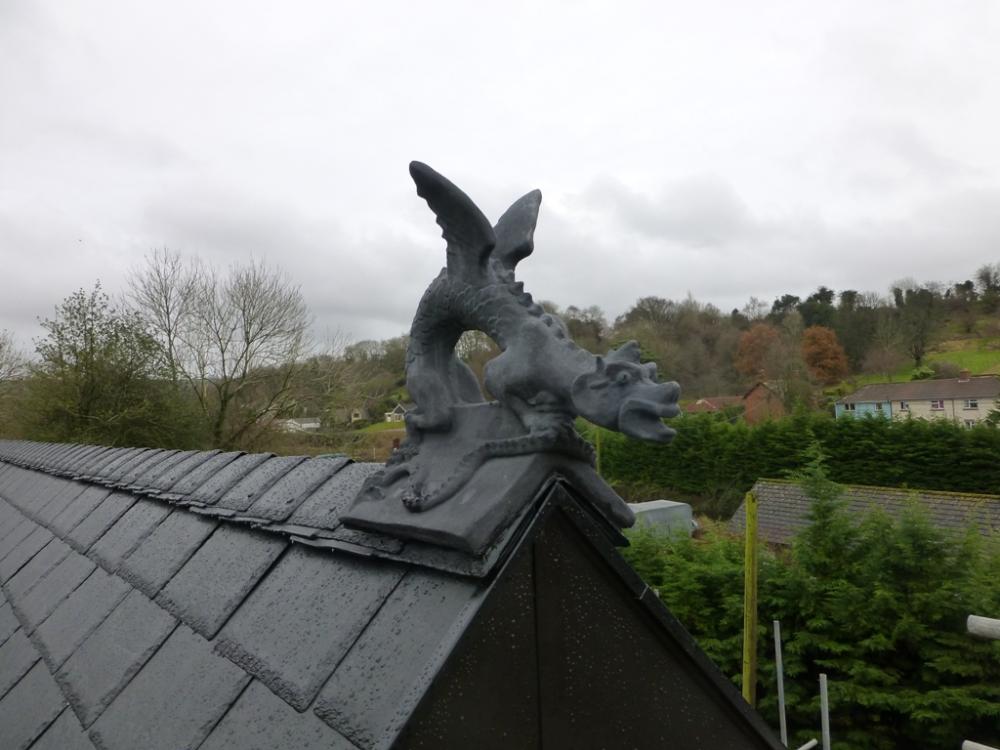
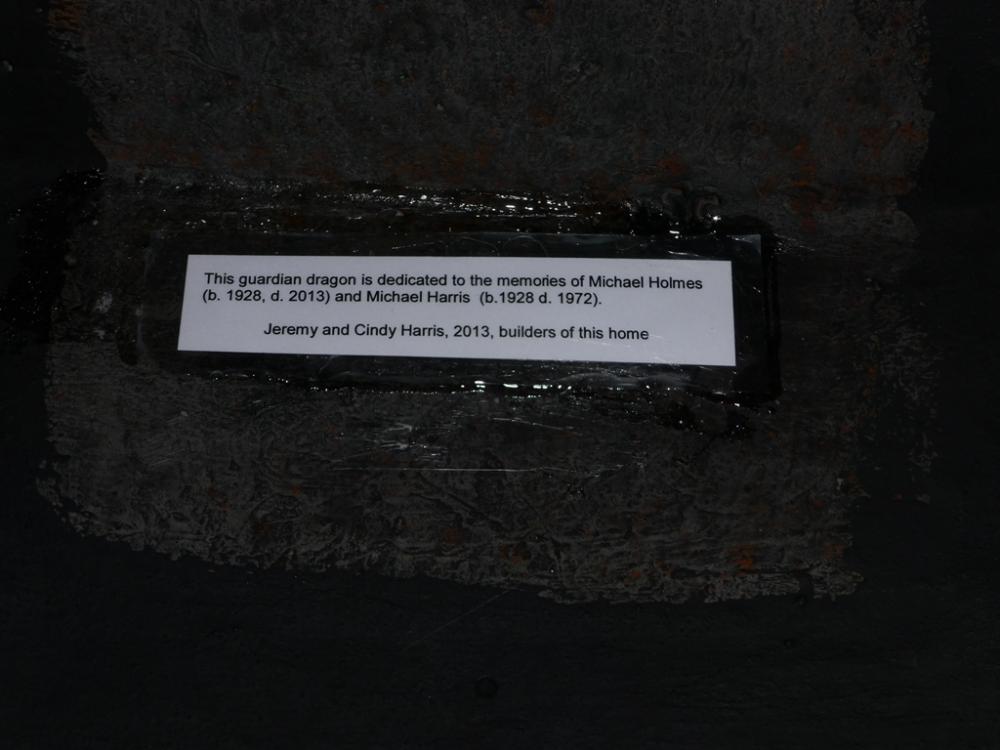 5 points
 -
Plus one to that. I've used gas all my life and would never consider electric - until induction. It's quicker than gas It's more controllable than gas - I have never been able to get a proper simmer on gas without moving the pan half off It's much much much much easier to clean It looks so much neater than a gas hob It's safer - it only heats the pan so the surface only gets hot where the pan is and even then it's nowhere near hot enough to burn if just touched. You have time to remove your hand before you are burned It's safer - when you remove the pan it automatically switches off it's safer - handles don't get hot, even metal ones. When I used the same pans I am using now on my gas hob I couldn't pick the pans up with a holder, now there is no problem.5 points
-
Is that all, come on I’m bored stiff sat here pictures of the big hole please picteres of progress c,mon c,mon I’m about to kill one of the in-laws if they ask me another stupid question about my polystyrene house.5 points
-
Hi @ProDave This is exactly why I am doing a "blog" detailing my experiences and routes for various aspects of the self build. We will never be embarking on such a project again which is a great shame when you consider the "learning" one gains from such a venture. Yes, I can sit back and reflect on where I could have made a saving and or used a different approach but as long as we get over the finish line without breaking the bank, I shall consider it a successful mission. I just hope others reading this record will be able to consider options they may not have considered, as explained by either myself or contributors such as yourself.5 points
-
5 points
-
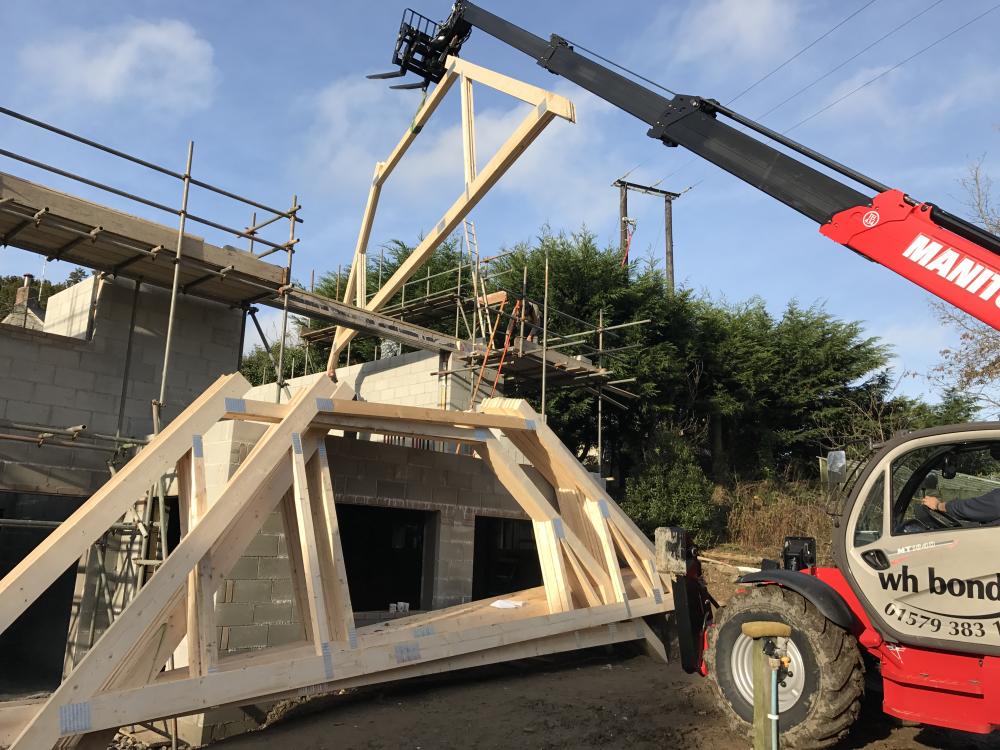
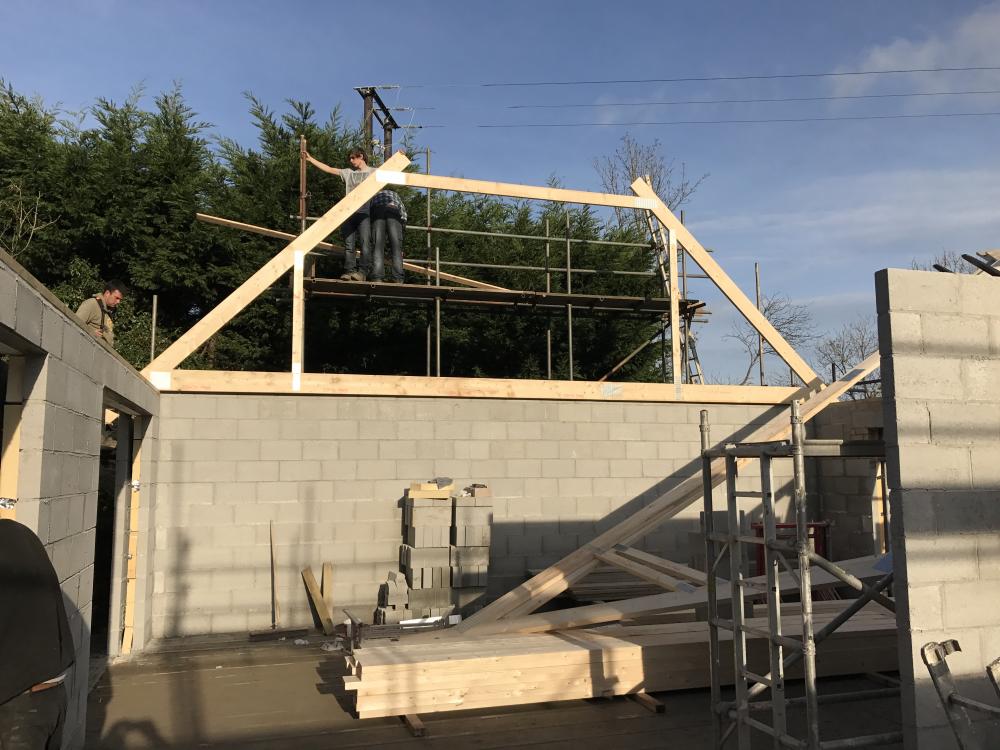
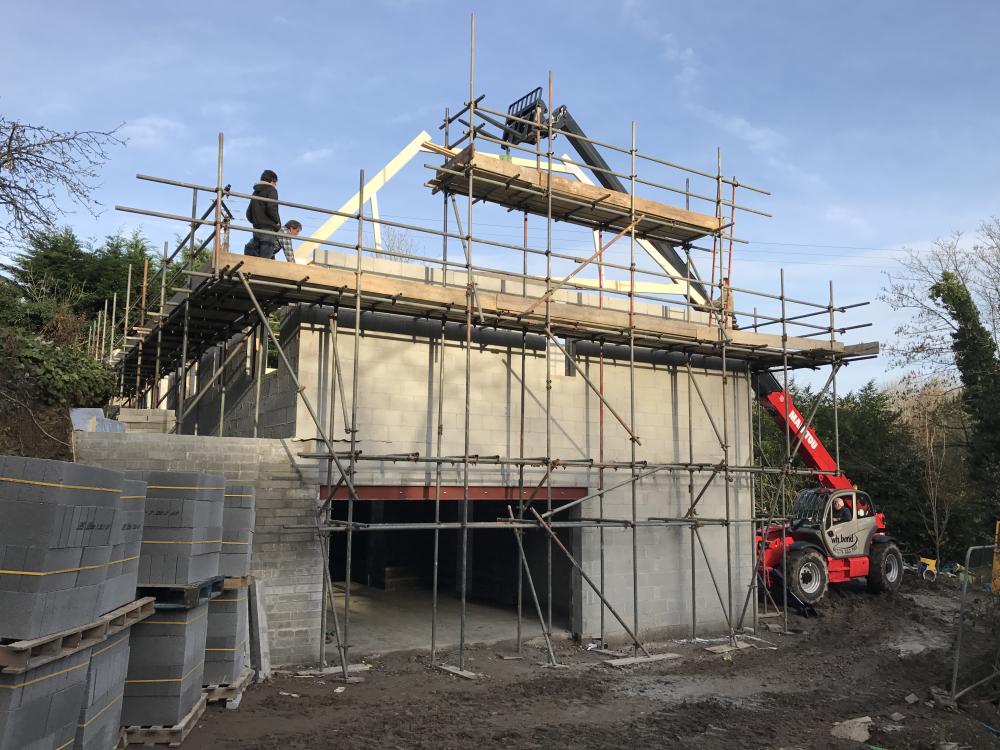
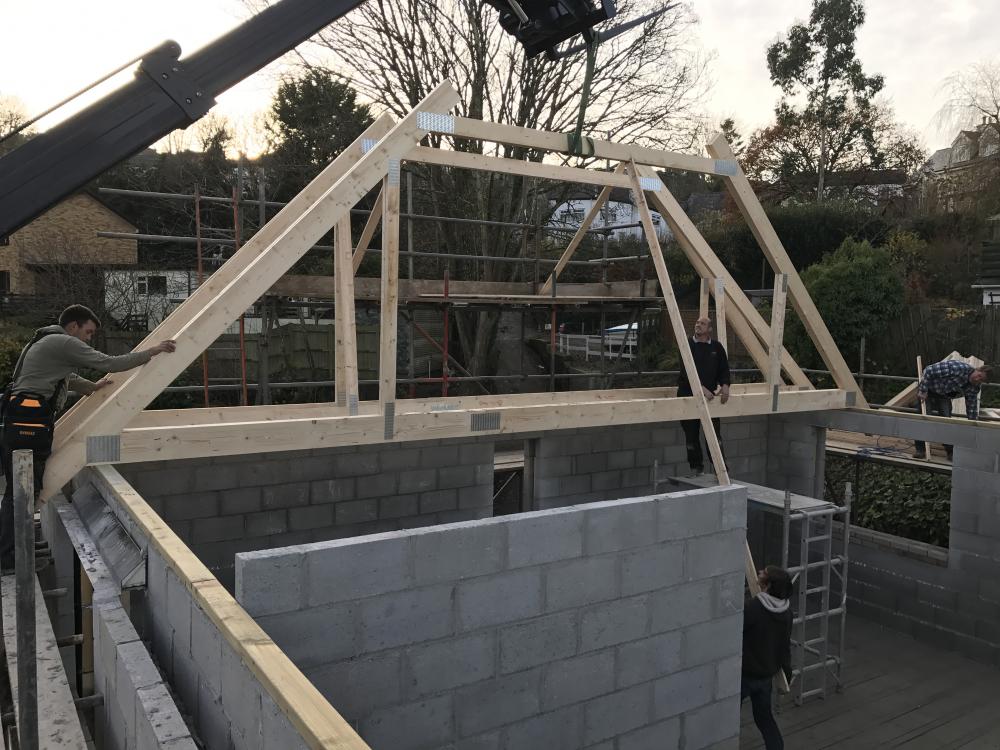
Day 1 of roofing, took best part of the day to actually get the trusses on site. But at least it's a start! Roger in place as always to offer a reference of scale ???
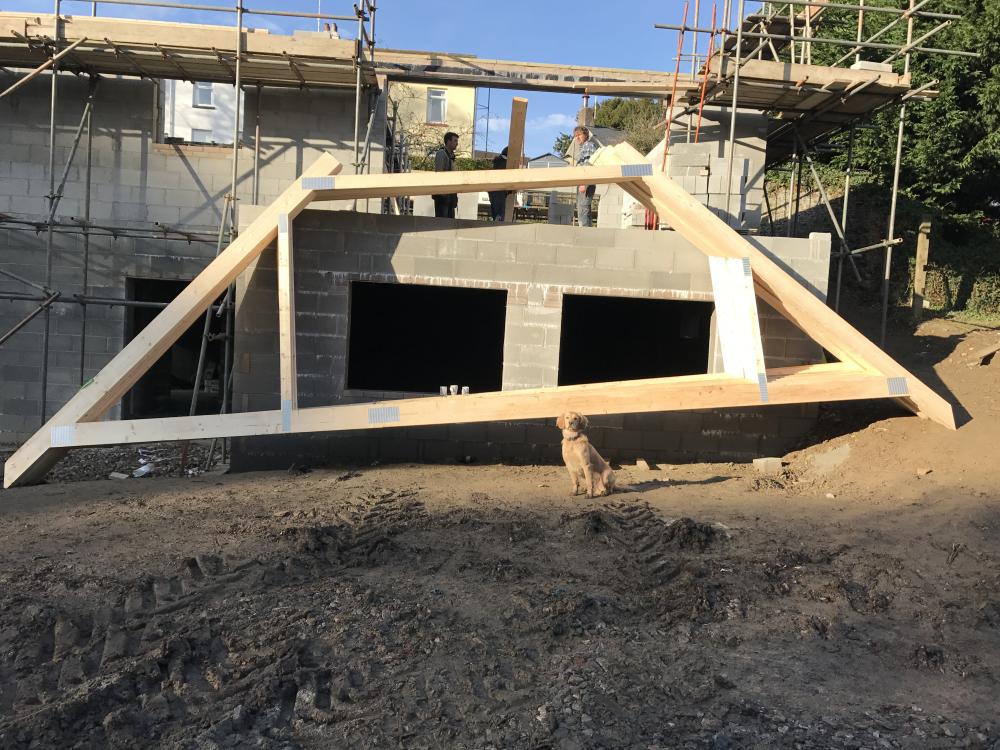
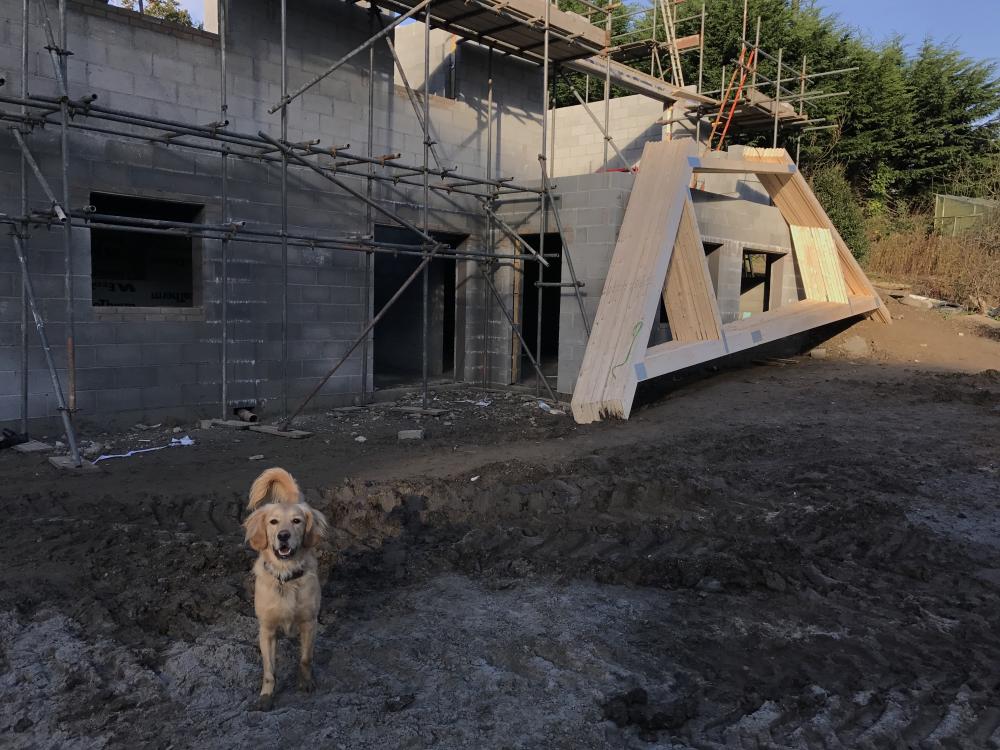
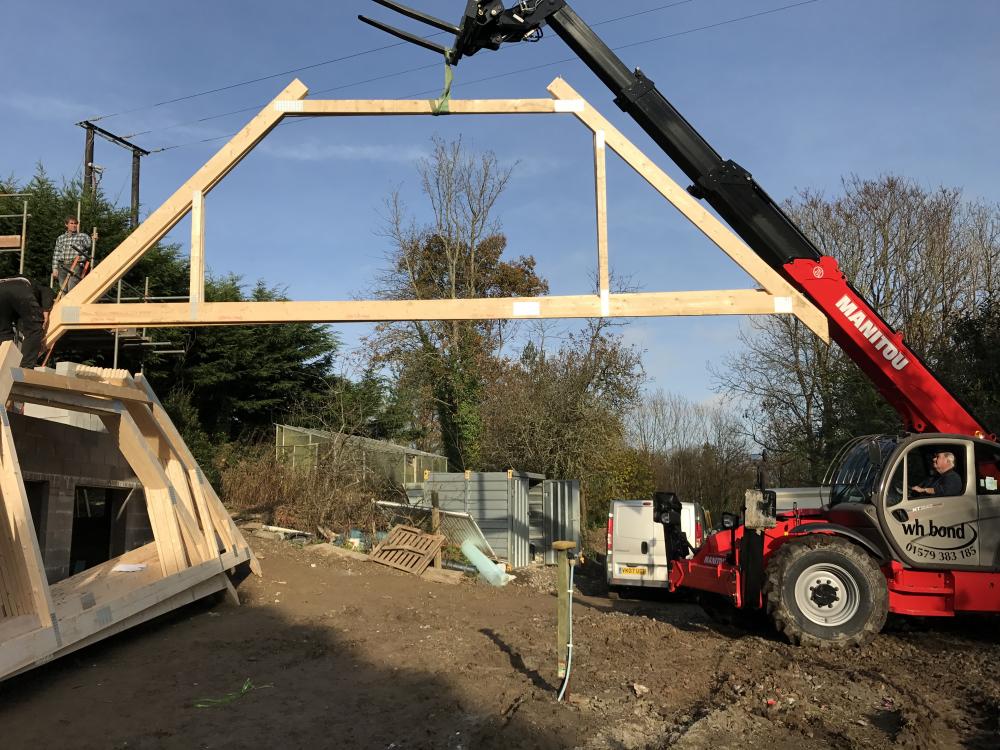
 5 points
 -
This is just getting ridiculous now. Don't you know you're suppposed to have disaster stories, compromises, rogue workers, and budget failures? 😉 You and you're wife must be so happy and proud - deservedly so; you've done an amazing job. Love the terraces, and as @MikeSharp01 notes, we at least deserve an update once the planting has settled in, just so we can be a little more jealous than we already are. 🤣 Love it! ❤️4 points
-
Congratulations. This has been a masterclass in successful self building by managing contractors! More important than that is the contractor selection, project management, etc, and I think it's you (with assist from Mrs P) that has done that so you can feel great satisfaction with how this project has gone. I'm guessing (maybe you said before) your background is in project management and if not it's an even greater achievement. When you have time and if you have the energy I and I'm sure many others on here would appreciate it if you could share as much as you can on your process for managing this project. What your average day looked like, tips and tricks, preparation, etc. I think this could be really useful for those of us with less project management experience!4 points
-
Well that's very kind. There are several things to say: Firstly, we have been lucky. What's the most important attribute of a successful project manager? Answer: Be lucky! Secondly, the blog no doubt gives a slightly rose-tinted view for a couple of reasons: I have not majored on the couple of trades who have been more 'difficult', primarily because it's not fair to trash them when they have no way of replying. Also, I am mindful that where we have had issues that might be down to me - lack of clarity of instructions, clash of styles etc. None have been fraudulent or dangerous. In terms of the process of finding good trades, it's largely down to previous contact and personal recommendation. Those trades we did not already know were mostly recommended by those we did know. Notably the few we have been less enamoured with were people I sought out directly through the internet, adverts etc. but equally that method did throw up some excellent teams (e.g. the plasterers, and indeed the main timber frame company Turners). For national suppliers/trades (e.g. our ASHP team Air2Heat and the MVHR guys Heat, Space and Light) a trawl of BuildHub has been very useful, and reliable. I thought about asking for reference sites but in truth I don't think these are at all reliable; ask any trade for a reference and if they want the job they'll provide one (and often those good trades that don't need the work won't be bothering to provide referees because the whole thing is a bit of hassle for a job you might not get). And has anyone ever followed up a reference and got bad feedback? So I didn't bother with that. The other big thing is communication. I spent quite a lot of time lining people up as early as possible, and talked to them - a lot. By which I mean I kept in regular contact every fortnight or so to confirm we were still on schedule, and check they were still lined up. Some people I just On a couple of trades I got cold feet due to difficulties getting hold of them or lack of confidence they could make our dates, so I switched to alternatives, giving them plenty of notice we were going elsewhere. I have tried to keep the communication up through their work for us too - everyone likes to be told what a great job they are doing and it costs nothing. Build up a stock of that and if you need to call out issues, change things, or beg some favours it lands much better. We have really worked hard to keep people on site happy too - tea and coffee making, free snacks, a well-stocked fridge - several contractors have commented that ours has been a great site to work at. It costs next to nothing and reaps lots of good will. Also boosting good will is paying invoices immediately - I mean the same day, within a couple of hours. We have the cash to fund the project so it does much better for us in keeping trades happy than sat in our account earning nothing in real terms.4 points
-
You will have many more stressful days like that. just think how that plywood saved the day, then every time you have a day like this planned think what could go wrong, and what would save the day, whatever you think will save the day make sure you have it ready. it could be an extra man on concrete pour day or that stack of 4x2 that you found free on Facebook, get it all ready you will find the majority of lads are used to solving problems.4 points
-
I've had the same one for 45 years. Still think that I am a lucky chappy. 🤣4 points
-
This is the Christmas present my husband lovingly made for me, as a permanent reminder of my favourite ever comedy sketch. He taught himself embroidery just so that he could make this!!
 4 points
 -
I don't like the design of that one little bit. I would have expected there to be some form of gutter around the perimeter of that, with that able to drain somewhere safe, to give a safe exit for any water that does make it past the seals. No doubt they will remove the glass, re seal everything and put it back, and then all will be well. Until next time...... When it is off, make sure every single fixing screw hole is well sealed, that will be where it is getting into the building. And since the framework does look to be larger than the upstand, I would talk to them about the idea of drilling safe weep holes to allow any seepage out onto the roof.4 points
-
Things take a while when you are self building don't they? So, back to this circular rooflight internal finishes joinery. I thought you'd all like an update, particularly @Onoff who I was expecting on site back in November ? Here is what has been done. Firstly, there was a slight thermal bridging issue with the metal frame for the roof light being inside the thermal envelope. Got some drips earlier in the year when plaster was drying out and condensing up there. Not a huge amount we could do easily but I have at least stuck some aerogel (left over and lying around) on those areas. Those are the silver triangle pieces. Hopefully there will be less moisture (than plaster drying out) when we are living in it. Back in Jan the tackers said they would have no problem with that rooflight meaning that HWMBO was left with stud wall construction only. And this week was the week for them to do it. They turned up with a flexi 6mm board (that they also said was moisture resistant). They used some plasterboard to batten out slightly from the square bits of the hexagon, some 25mm battens a little bit further out and then some creative battening across the corners and then they bent the 6mm board into shape and fixed it. Today they did the top bit (no photo, too dark when I got home). But they have left the plasterboard about half an inch short of the glass and made sure that the black edge is covered (in case the finished skim isn't quite circular - otherwise the absolutely circular black edging would show it). I'll post again after the plasterer has been in on Monday - hopefully he'll have no issue with it. But so far so good. Did have to hire a huge tower scaffold though. Ours only goes up about 3m and they needed the platform for this work at over 5m. Its still pretty hairy standing on a step ladder on top of the platform but even I can reach the roof light from the top. Bodes well for painting.4 points
-
@Tennentslager I thought it looked like an old carpet from 70s, hopefully it will be warm. It was very itchy and scratchy to handle. @Redoctober UFH is an option for a suspended timber floor. I think @ProDave has done this on his I believe you use a dry screed mix on top of the subfloor, don't know whether the system differs. At the moment our heating is going to be electric and our stove. I want to utilise the firewood on our croft and hopefully next year make a peat stack. The house is classed as a crofter's cottage, so looking to use the croft to heat the house where possible. I want to use the electric radiators really just as a quick boost early in the morning. Hopefully the amount of south facing will provide sufficient solar gains for most of the day. Although it can be windy here, generally the temperatures are fairly mild through the winter and the recent snow was fairly rare. The house is well sheltered from the prevailing wind coming off those mountains behind the gable end and from those cold north winds behind the house. Here is a couple more that my wife took when I was working overtime in the office ?
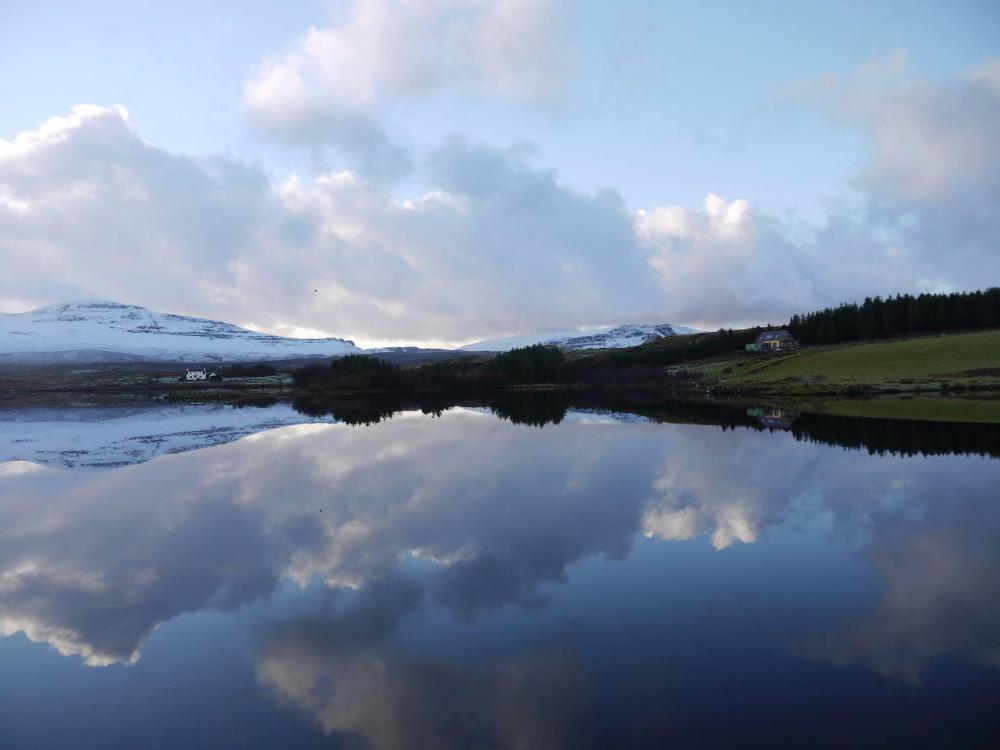
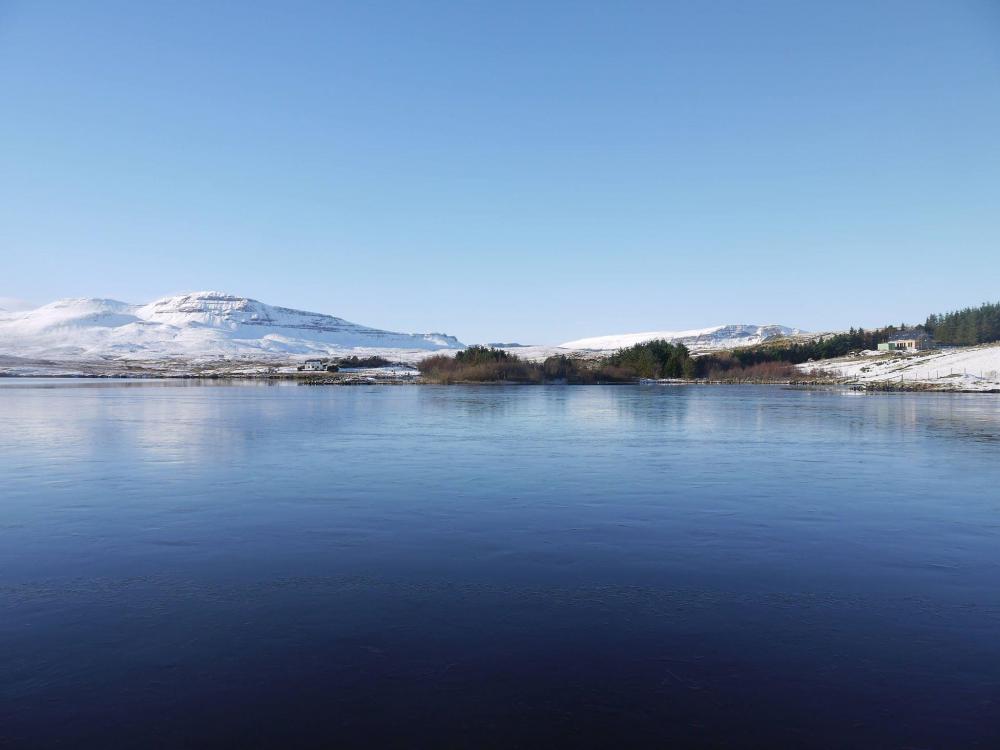 4 points
 -
Be aware that UV isn't a true sterilisation method, it acts as a disinfection system but even then it only works reasonably well if the water supply to the UV unit has been filtered to < 5µ. If the supply to the UV unit isn't filtered down to this level then UV treatment won't do much, as bugs will be shielded from UV by the fine particles that haven't been filtered out. A 5µ filter will need pre-filters to take out the larger stuff, or else you'll be replacing filters every couple of weeks. UV treatment also has an annual running cost of around £80 to £100, roughly 50% of that is electricity and 50% the cost of UV tube replacement. To that you need to add the cost of the filtration system expendables, which depends a great deal on how clear the water coming in is. Might be worth considering a backwashable filter vessel 1/3rd filled with Turbidex, as that will filter down to close to 5µ on it's own, and can be backwashed to clean the media, rather than having to replace cartridge filters. Backwashing can be run automatically at night (our main filtration system does this, a backwash every 4 days, at around 02:00). I'd try and avoid over-complicating any rainwater harvesting system if you can, as even a basic system will require a bit of regular looking after and the simpler the system the better, IMHO. If you can restrict rainwater use to non-critical uses, like toilet flushing (and NOT running the washing machine, they don't normally get hot enough to kill any bugs), then you can get away without much in the way of filtering or disinfection. My experience is that any form of water treatment requires maintenance and incurs a significant running cost.4 points
-
@vivienz
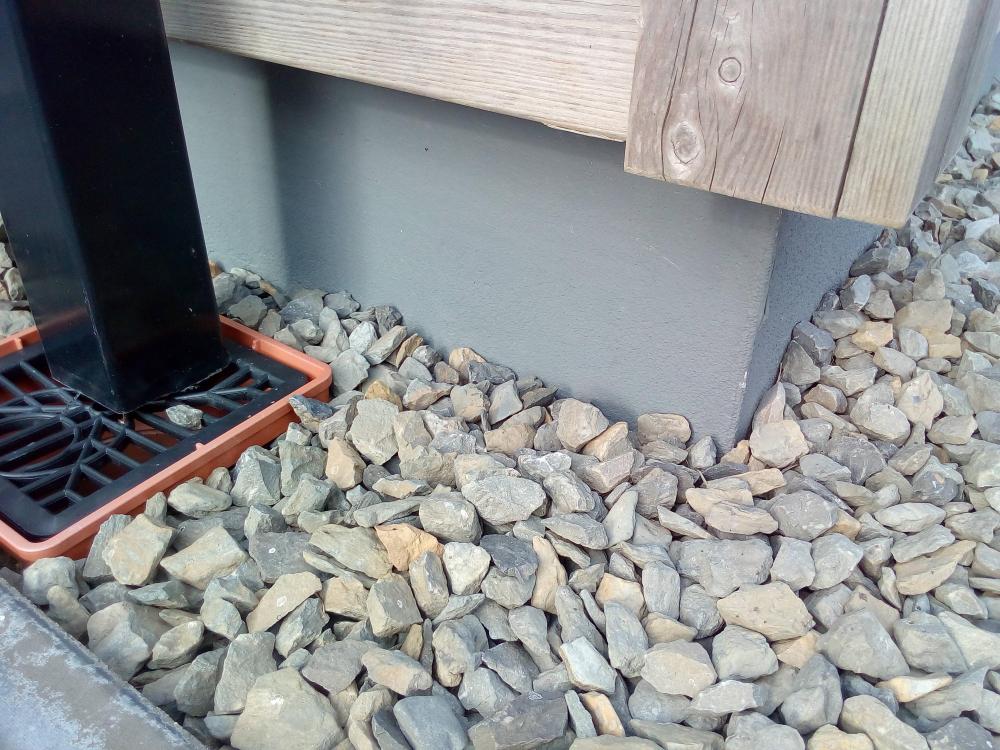
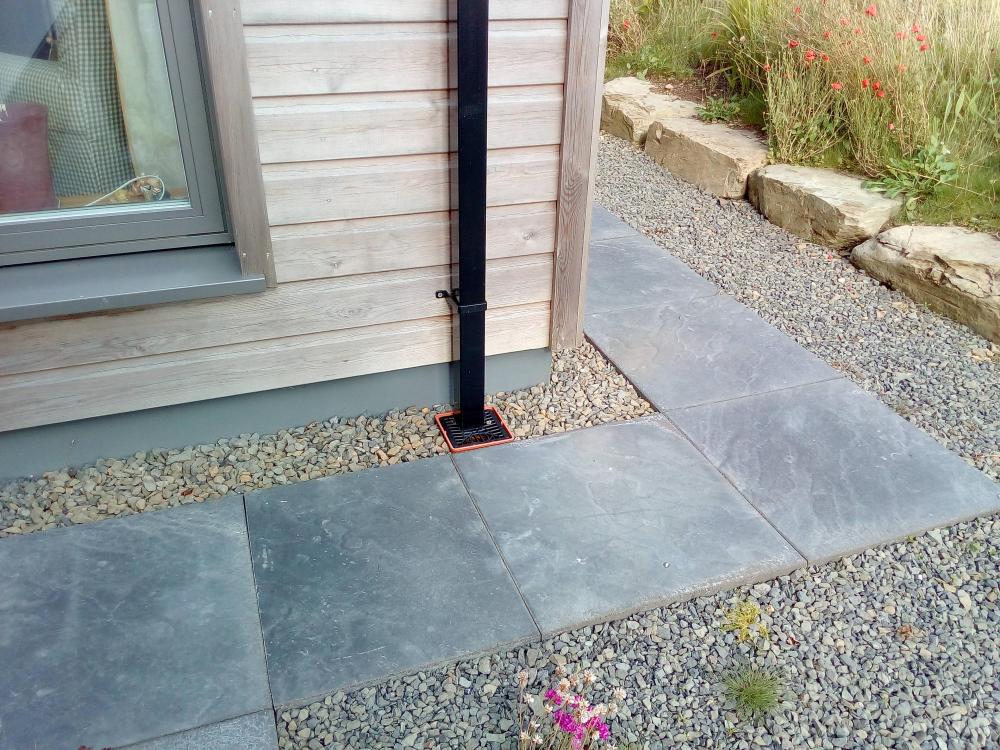
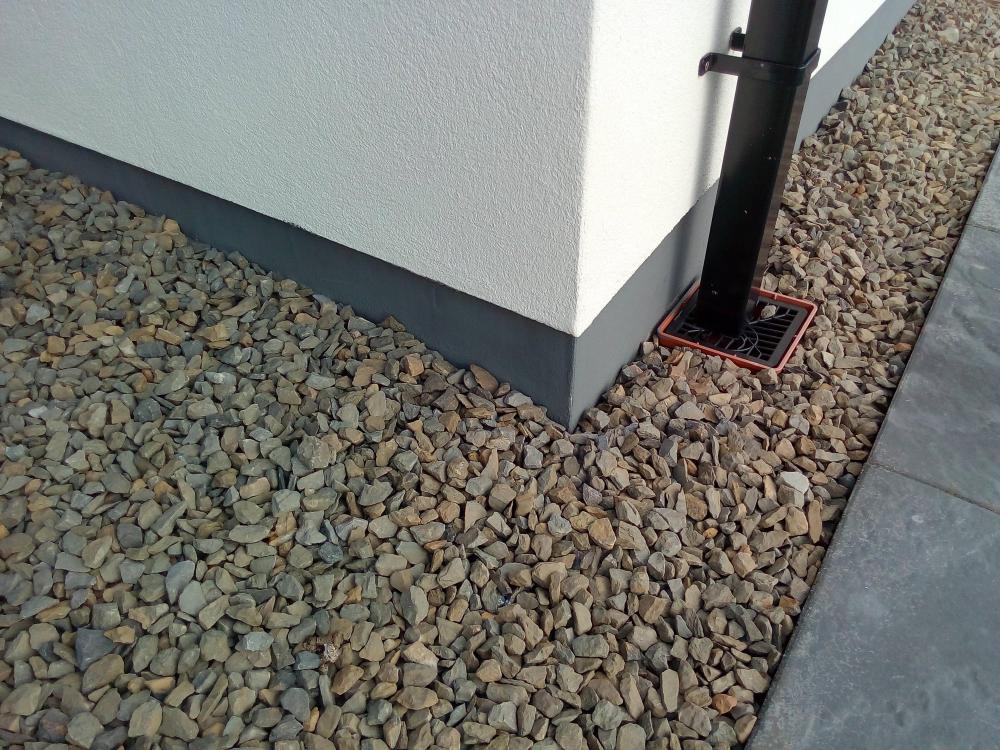 4 points
 -
God how I wish my dogs could do it I’m sure they would have the same sense of urgency as we do! Yes you’re right it can be a lonely place a building site, we get very few visitors even the family don’t visit because I suspect they can’t comprehend how we can live in a caravan, my son in particular thinks we should just buy a house and settle ourselves down but for the money we had we were only going to get a small house and we’ve tried that already and it didn’t work.We too went and looked at an ex council house just after the foundation was poured and it didn’t go as planned, but we decided to continue and I’m sure in the end it will be fine but you do get these moments when it all gets too much, for me writing it down did help and all your words of encouragement are much appreciated4 points
-
Yep, had my own wobble this week. I tend to have a depressive episode around this time of year (second half of August, first half of September) and sort of know to discount it a bit. Last Sunday (19th) I went up to the site to try to finish off fitting the membrane on the west gable but what with the slight depression and it being the first day I'd been able to work at height for a week I was already feeling a bit frustrated. My safety glasses (needed most of the time for the reading bit on the bottom) kept misting up under the midge net and the scaffold tower was being awkward to put together and I rather lost it - threw a few bits of tower down pretty hard breaking one platform and one top ladder section. Haven't been up to the site since except to check that no other parts of the scaffold tower are damaged and to pick up post. Through the early part of the week I was pretty seriously thinking about giving up on the whole project. On Wednesday I went and had a look at the outside of a cheap ex-council house that's up for sale and started thinking through what I'd do with it, etc. Since then I've been thinking on two separate tracks at the same time: if or if not, while trying to do useful things to get out the depression cycle, which I am but still feeling a bit fragile. E.g., today moved most of my office stuff up from the living room to the small bedroom as that'll be a lot easier to heat in the winter. So, yeah, maybe this forum needs a Mental Health section. Whatever, reading and talking on here has helped. Thanks all. More amusingly, either I'm reading this wrong or you have very well-trained and dexterous dogs…4 points
-
Certainly didn’t cough up! We came to an ‘agreement ‘ where they are paying 83% of the cost, feeling pretty pleased with myself actually and glad I decided to fight it.4 points
-
We have stick built primarily for cost saving, will share the actual cost later but hopefully £50K+ saving, fortunately have some time and energy though I do feel a bit bushed in a good way at 53 and the challenge and satisfaction from it all. Also having the support of my Dad, he's 74 has been invaluable and an opportunity to spend time together. Maybe that sounds a bit odd. I am still enjoying it.....4 points
-
Well, after an awful night, the Building society rang me very first thing and said everything is fine and the issue was never in doubt at thier end ! Offer coming out this week. On hearing the issues he gave me his direct number and said "look, just deal direct with me from now". Not impressed with Buildloan!4 points
-
Got myself a roof!
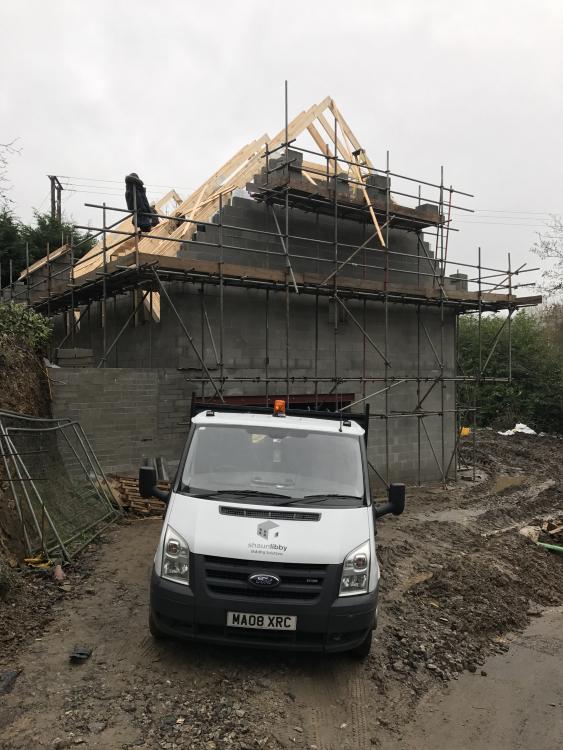
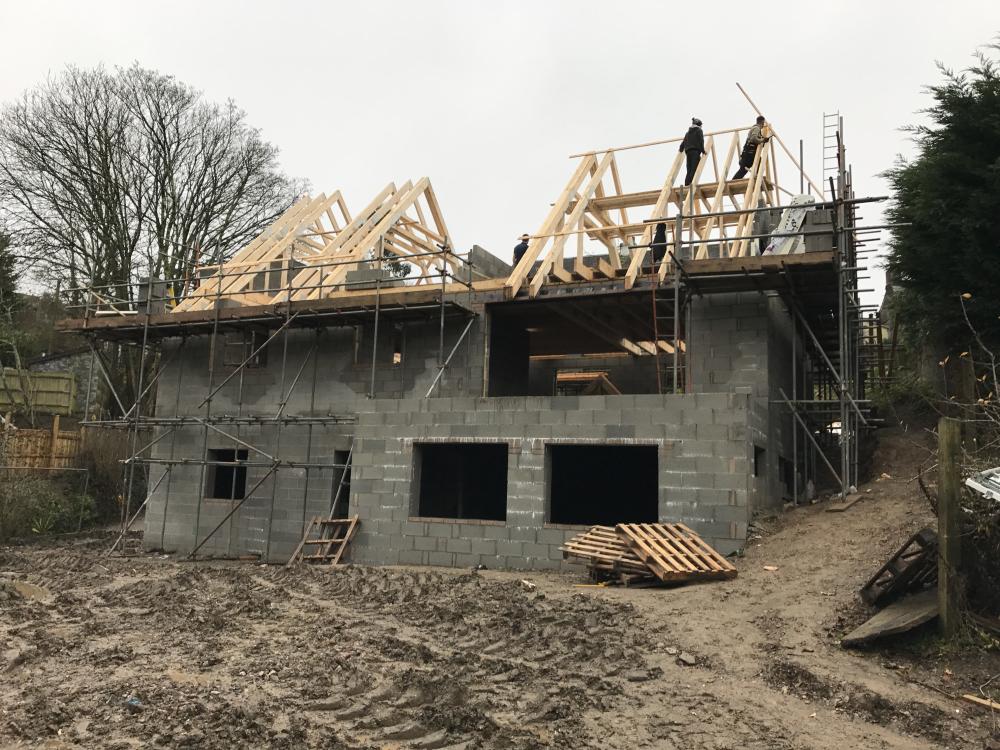
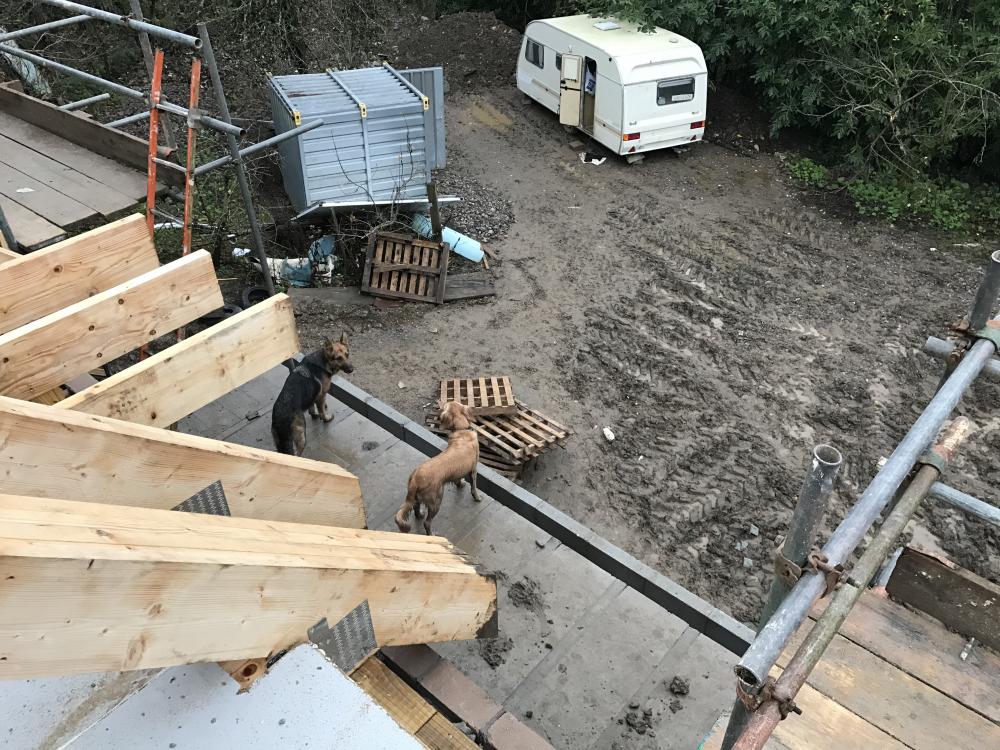
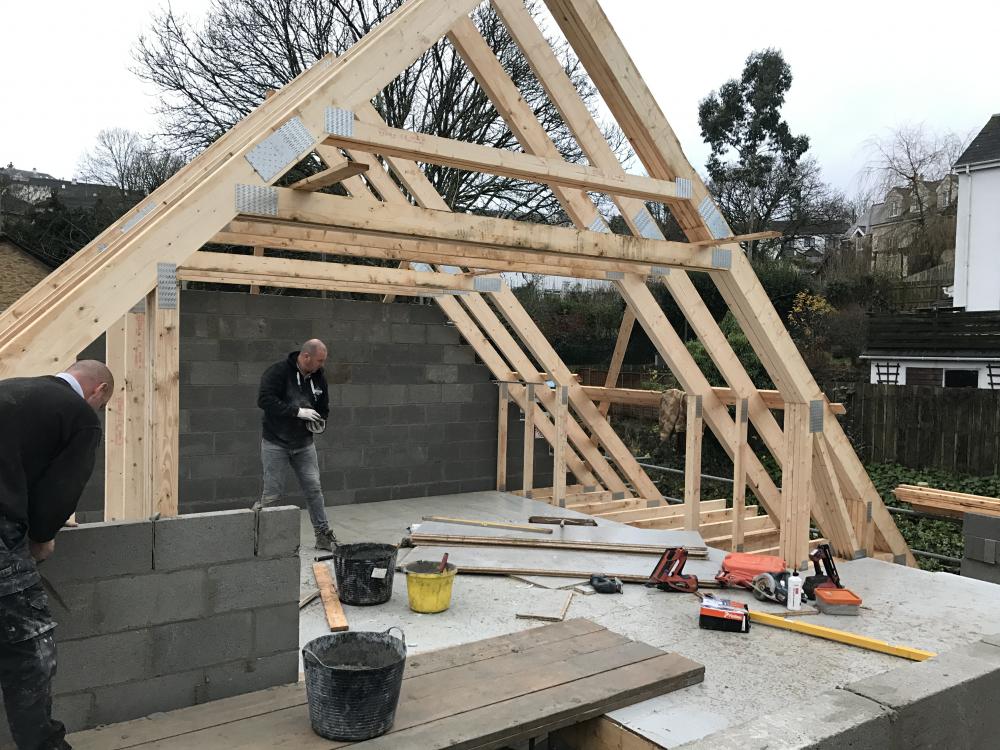
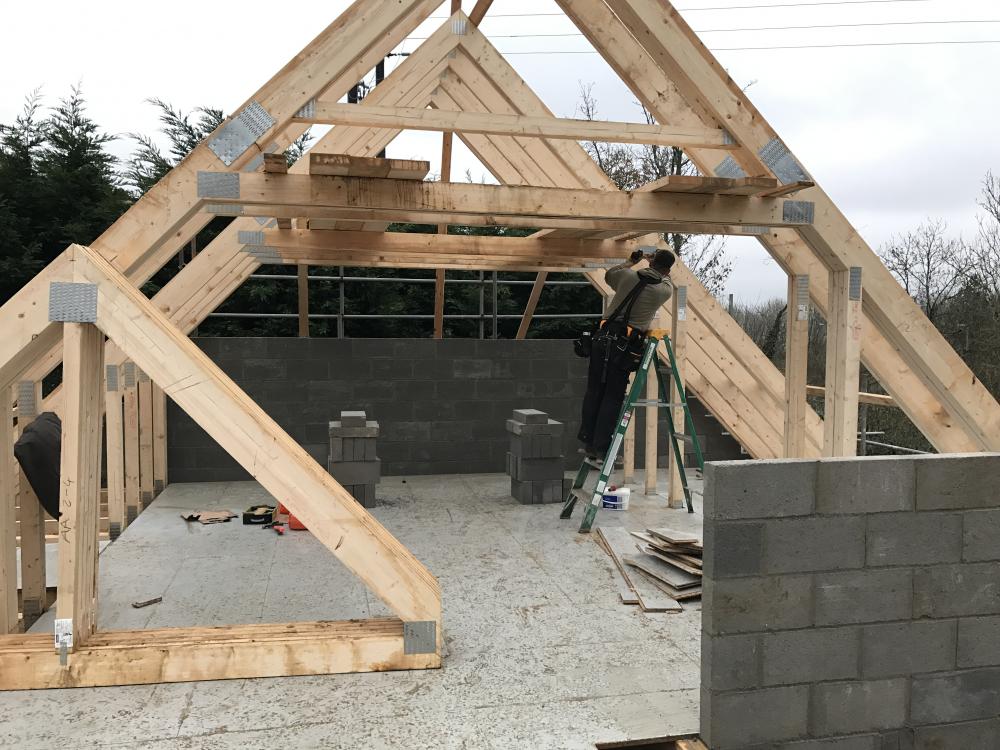
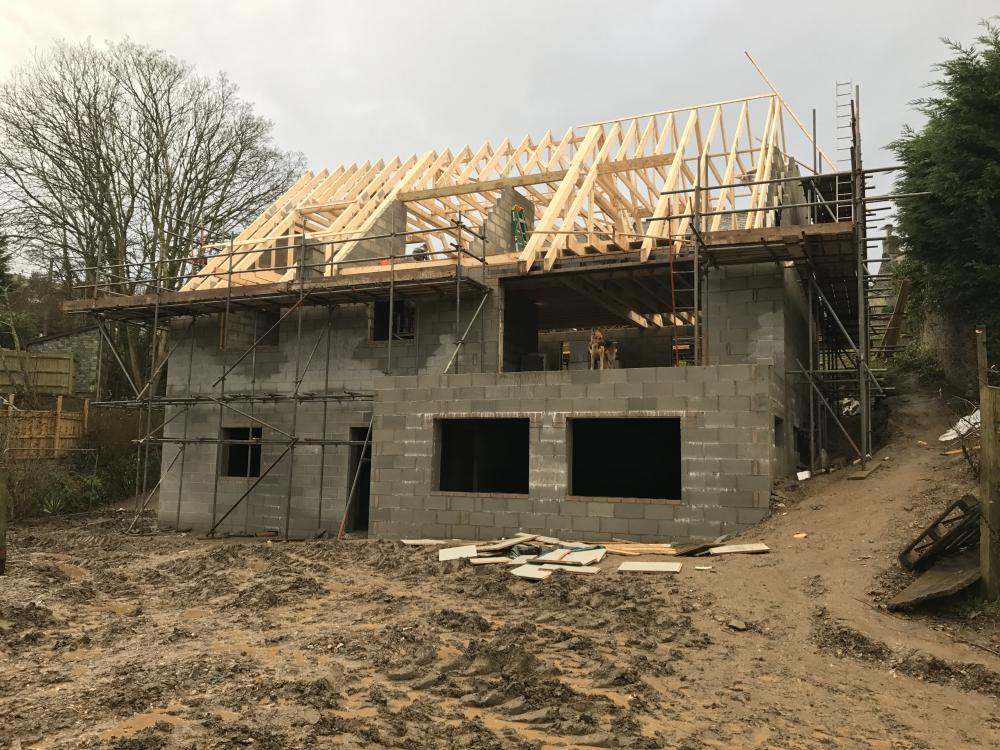
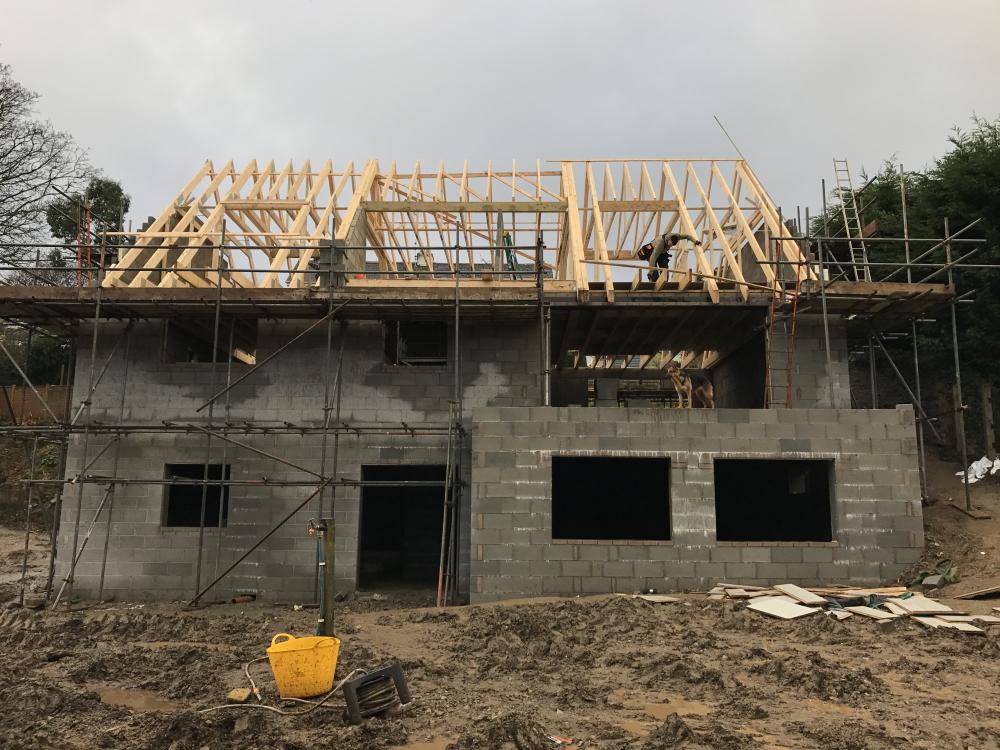 4 points
 -
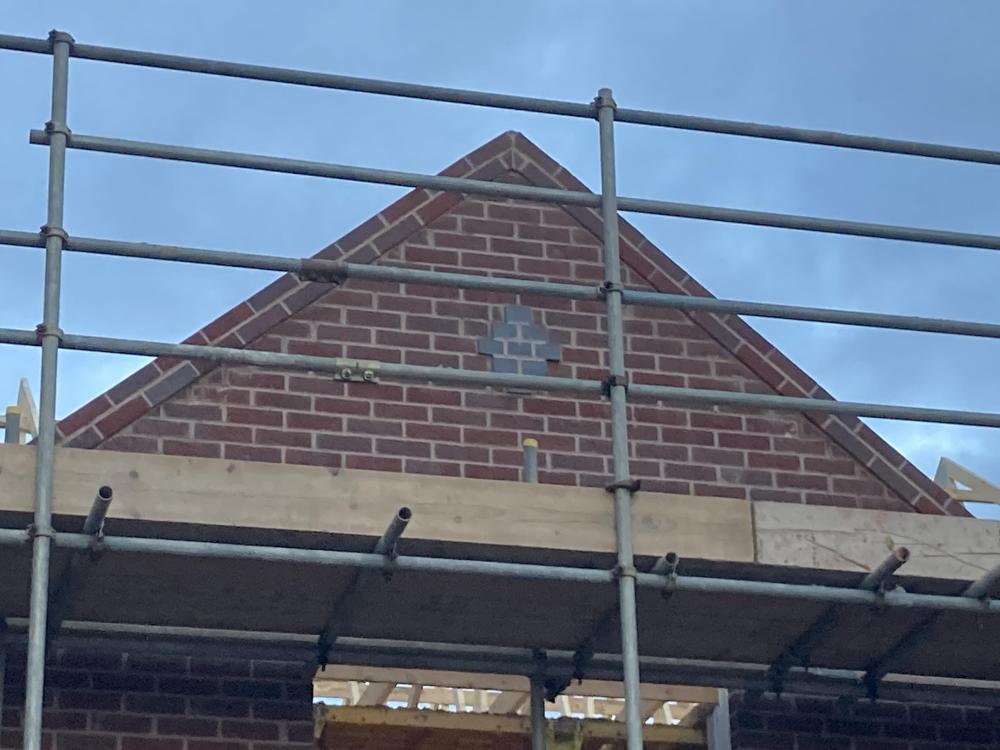
Roofs completed, gables built on one house and half way up the other. The roofers start on Monday after a delay in deliveries due to me changing the roof tiles. I had both the LABC and the warranty inspector out on Tuesday and they have passed the houses off with flying colours. 😀 The LABC inspector was there for about 7 minutes and the warranty inspector for about 2 hours. I now know all about the LABC guys divorce 😂 Onwards and downwards now. I can't wait to see the back of the scaffolding and regain access to the rear of the site for the landscaping before I say goodbye to the forklift. My next battle recommences with the DNO. It is now 19 months since i first applied for electric connection quotes and I feel that I am no nearer getting connected now than I was 19 months ago. Oh and I just had another council tax bill for a building that was demolished in July.
 3 points
 -
I didn't want to over dramatise 😂 but yes, the first of the 4 ops she has had has been marked up by the medical staff as a life saver3 points
-
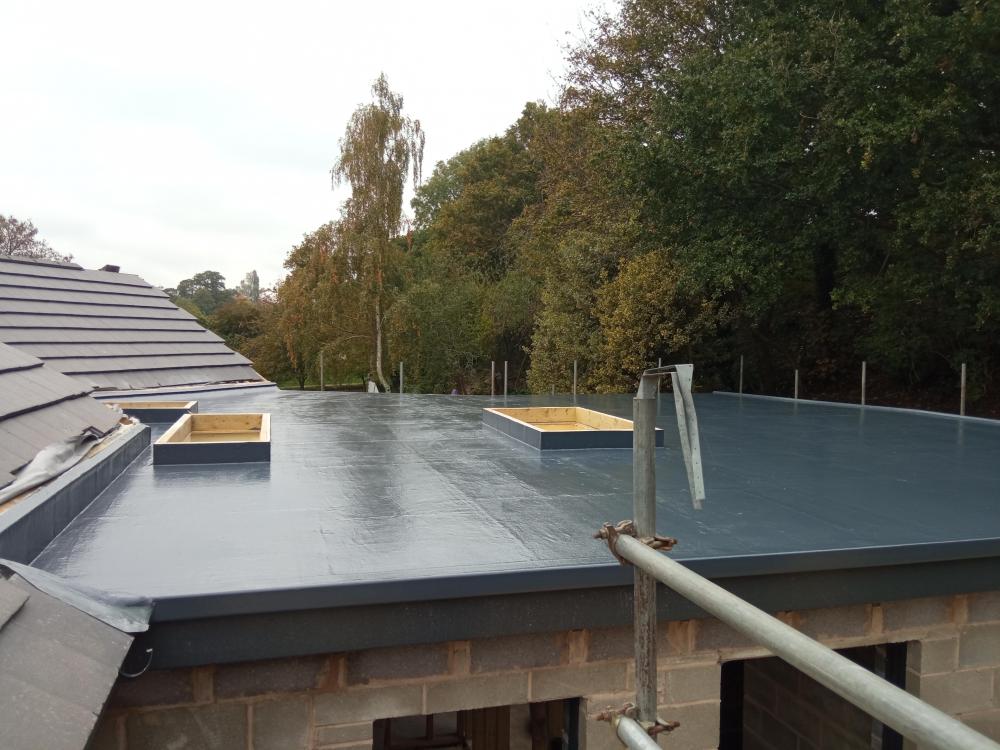
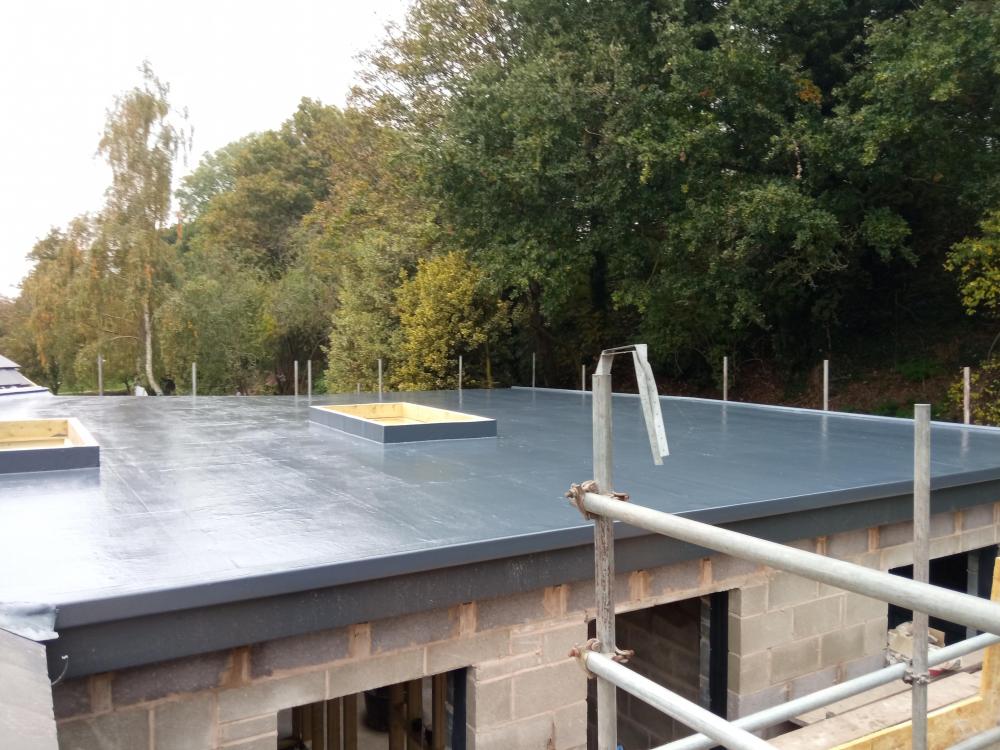
Here's a couple of better pictures before we leave the site for the day. It's touch dry too (with some flies stuck on it) and thank god it hasn't rained.
 3 points
 -
Can’t wait to get home from work today. The sun is shining. The roof should be dry. There’s a hole somewhere. I’m going to get home and get up on that roof with a hosepipe and find it. If it’s not in the roof surfacing then we’ll let the roof dry and hosepipe the roof light tomorrow. That’s my Friday night. Nothing I’d rather do ?3 points
-
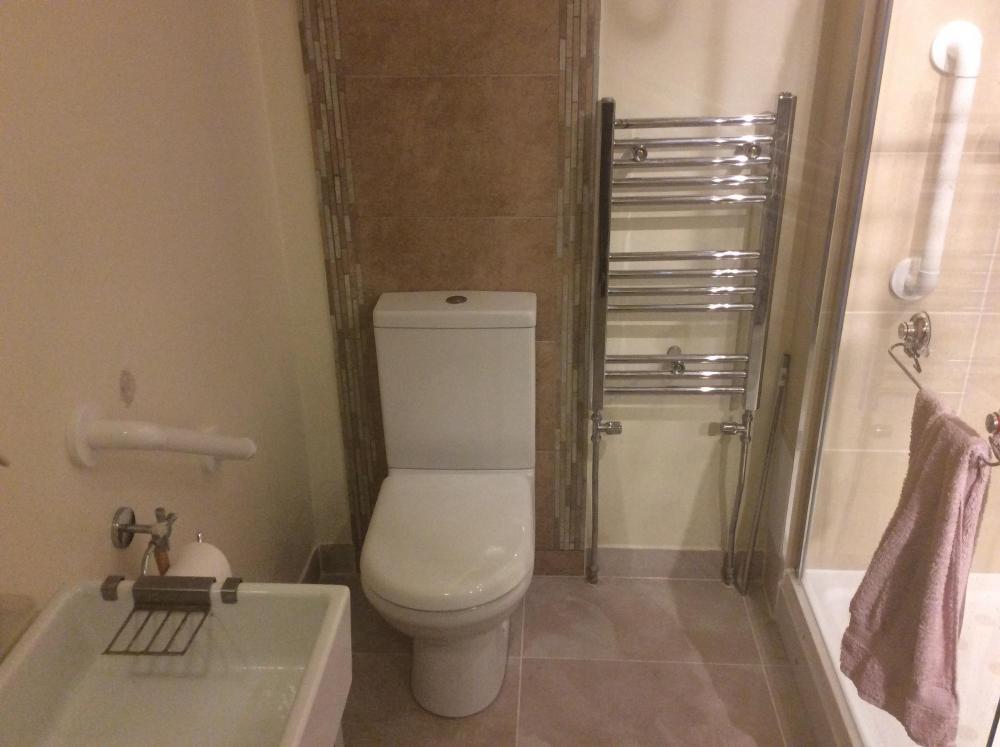
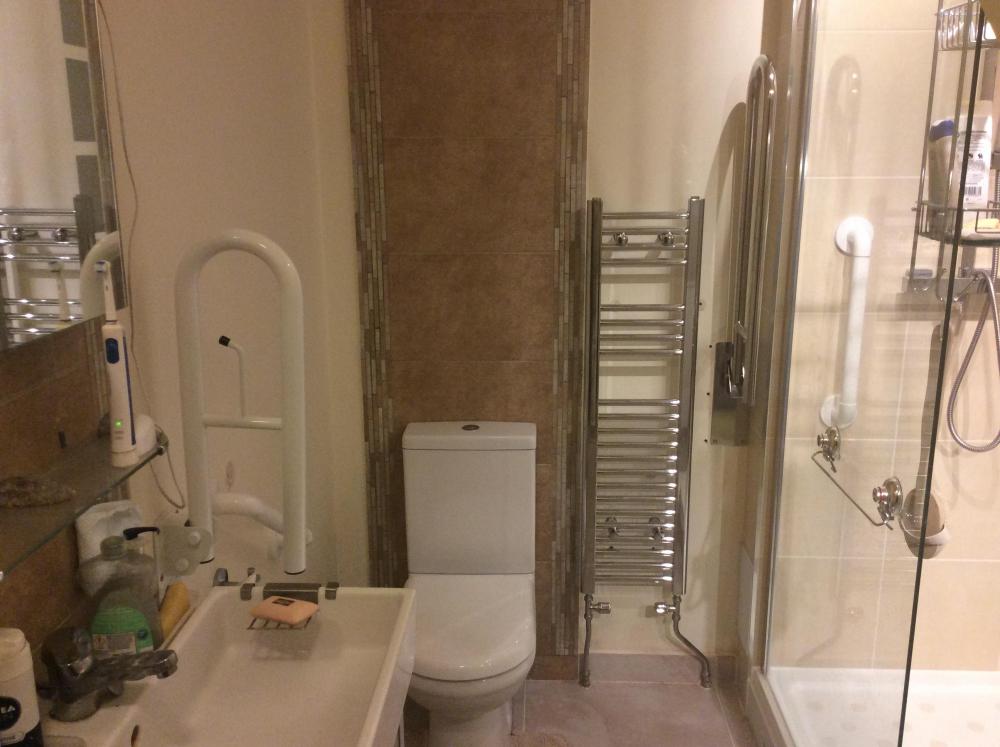
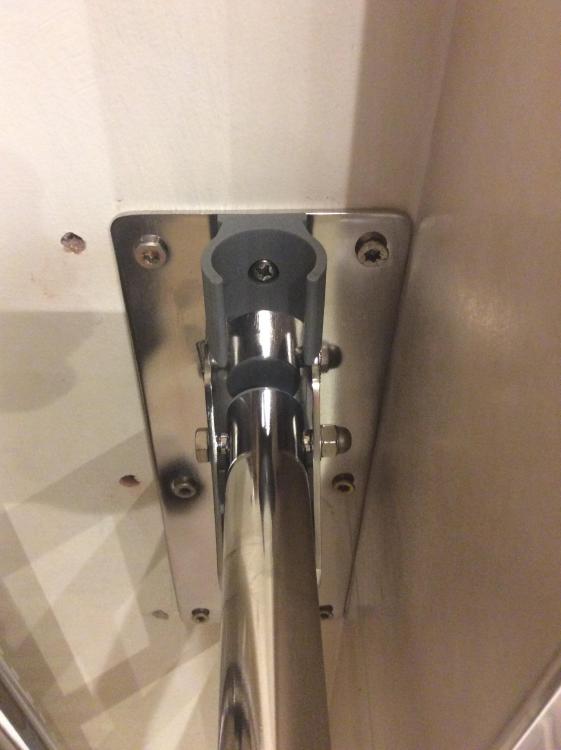
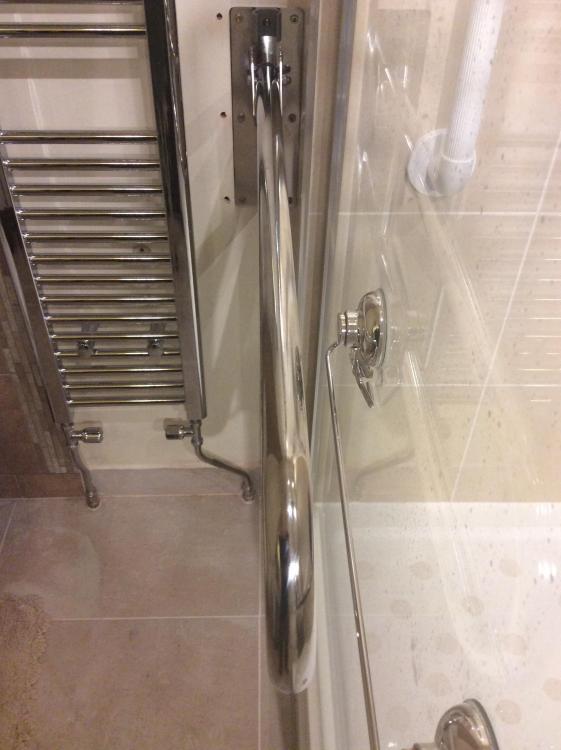
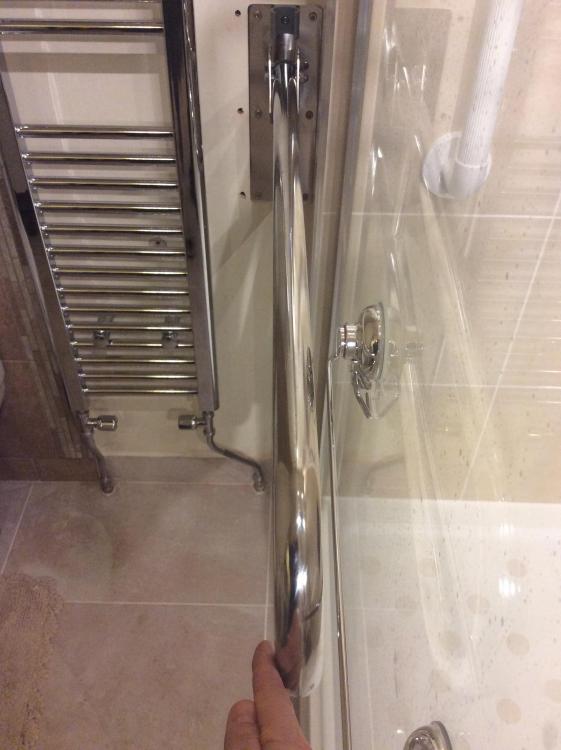
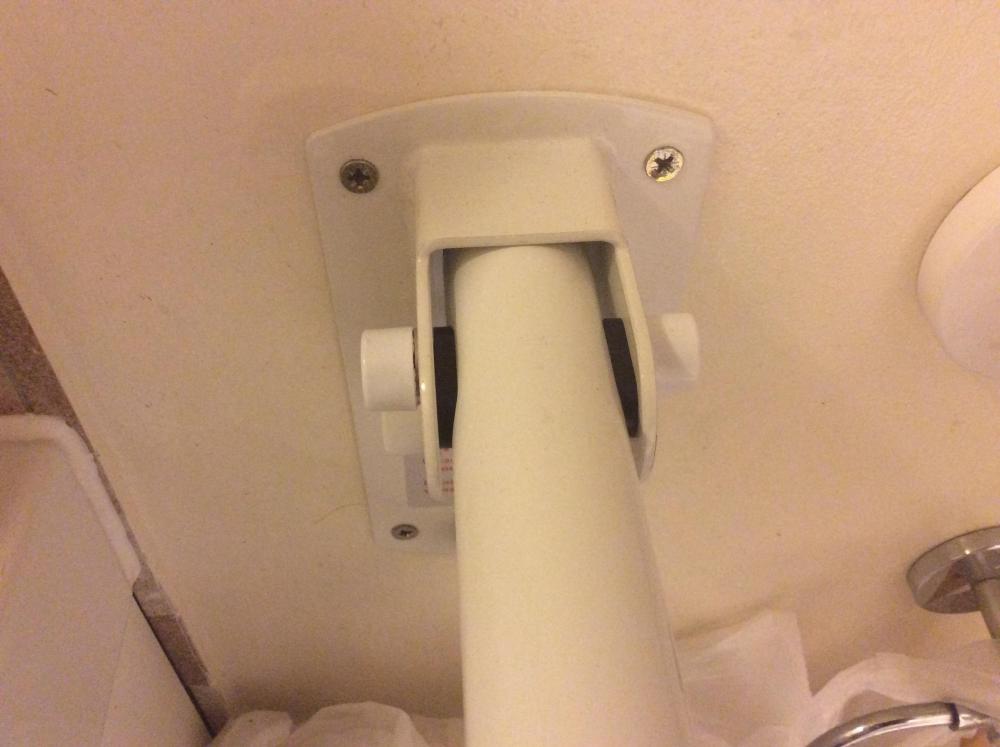
Notes of an update, which perhaps would benefit from an article of its own. Before: After: 1 - Grabrails The older person for whom the room was adapted has spent a couple of weeks mainly in a wheelchair, following a slip off the settee (note to self: investigate a custom cushion with non slip fabric for the settee). This slip was caused by weakness following sickness for a small number of days, which caused some weightloss - only 2-3kg , but significant for someone weighing around 43-45kg. Recovering more normal energy intake will help that over several weeks. A couple of months in we have made adjustments to some elements that had been left in until we had decided what to do. We have fitted trombone-Hitler grabrails as per the photo below. I have no idea what the real name is of the piece of kit. On these grabrails we have fitted 2 types bought from Screwfix, Croydex have not been very impressive in this situation, Nymex have been. Croydex have more play at the hinges, whilst Nymex have rubber bushes at the hinge to hold the rail steadier. The extra row of holes is where we got it slightly wrong with the stainless steel grab rail. ( * The action is like a fascist salute, and it looks like a trombone; it seems highly appropriate to remember an evil Dictator in the name of a piece of kit to benefit people he wanted to kill, in the spirit of The Producers.) 2 - Radiator Width We have also narrowed the radiator, as the previous one is exactly the same width as the wheelchair usually used in the shower room, which has the effect of preventing the wheelchair backing against the wall by about 50mm. That may seem like a detail, however gaining an extra inch makes the transfer if the user wishes to do it sideways (rather than face on) feel more comfortable. That is an example of how tiny details can make a difference. 3 - Squeezable Wheelchair Another detail is that the wheelchair used for this bathroom is a folding wheelchair, and the width can therefore "squeeze in" by about 2cm, which makes it just fit between the loo and the shower, and also slightly wedge itself in, which also helps. I admit that that was not planned. 4 - Turning Space Remarkably there is also room to turn the wheelchair in the alcove by the shower, though this is miles from meeting regs for a turning spot. None of these details would work for a larger or taller man, but in these circumstances they do - a strategy of "marginal gains". 5 - Wheelchair Accessible Shower I also have a plan for making the shower wheelchair accessible should that prove necessary, which simply involves removing the end screen (about 4 screws at the wall end, the block at the top, and a Stanley knife cut along the silicone bead at the bottom), plus raising the floor by 125mm with a tightly fitting but non screwed stud frame, and a ramp from the door, which would then be topped with ply and tiled or covered with vinyl. This can then be removed to do a full restoration later. 6 - Individual Adaptations It is worth noting that some of the above is only possible for the particular small individual. If mum were a rugby player we would be whistling in the wind, and would have had to go with a full wetroom.
 3 points
 -
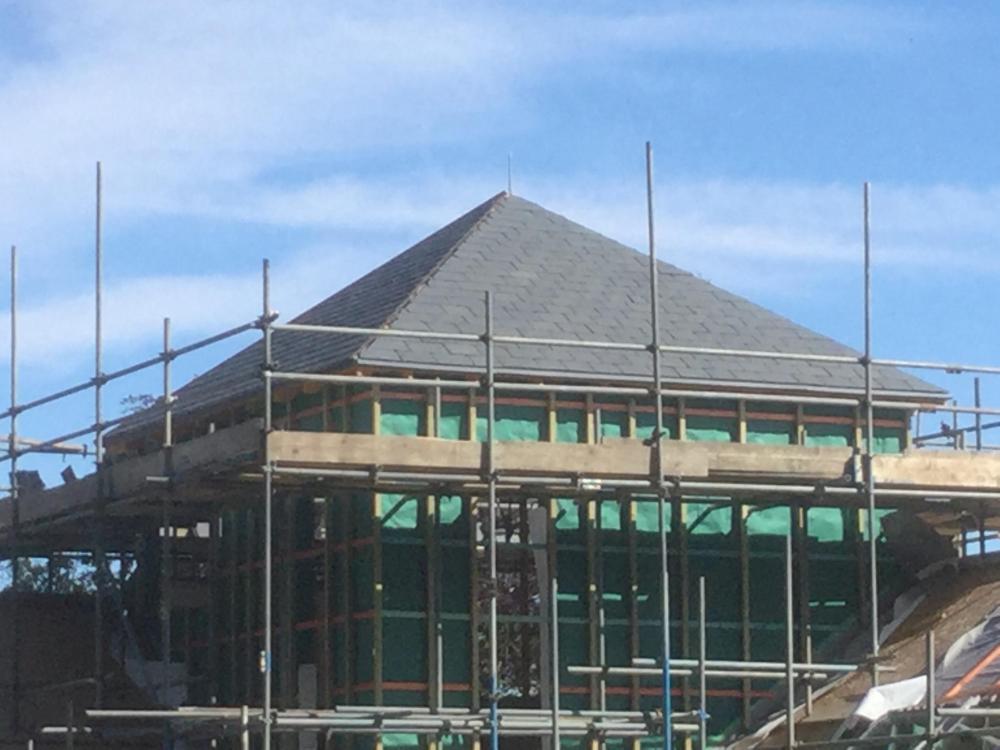
So the roof of the tower is nearly complete, the slates are in and all we need now is the lead man to do the hips.
 3 points
 -
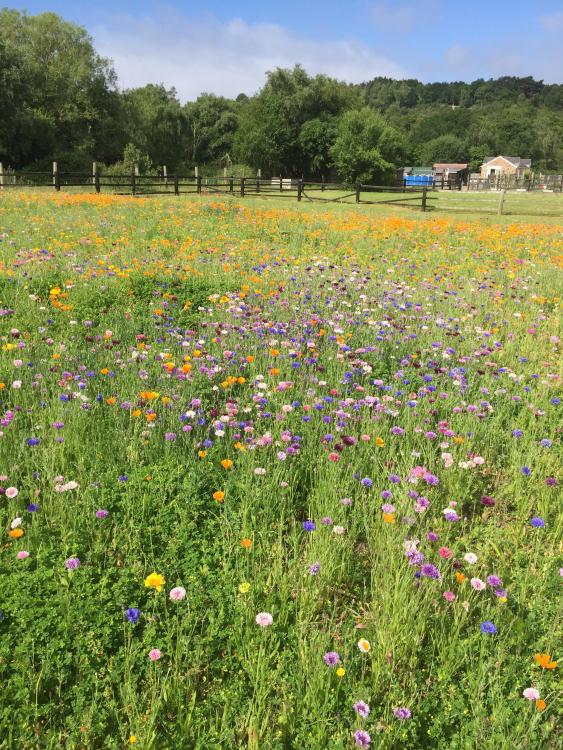
Summer of 2017 - photos of the paddock near the stable. Our daughter wanted wild flowers for her wedding but she then brought the day forward from June to May due to another family wedding clashing. The flowers looked beautiful on the original wedding day but were not out on the wet and wild day she actually got married on.

 3 points
 -
Fingers crossed you get a bit more progress made with your new guy.3 points
-
What a great start and an even better solution. Self build seems to be a long list of daunting operations that one has to corral into an orderly list, you then need to read the “for dummies” before deciding if your going to learn to be the expert or if its something you can safely outsource. Reading the posts on this forum really sheds some light on the many mysteries of a self build and often shines a bloody big spotlight at potential problem areas. Thank god for BH ...... learning every day.3 points
-
@Ferdinand A little history on how we ended up here which may explain the outcome. I’m 31, this is only the 2nd property I’ve ever owned. The first being a shared ownership flat I bought 3 weeks before the recession hit and 8 years later I sold for less than I bought it for. I had a 5 year sharesave plan with work that was due to pay out in July 2016, I had made a good profit on it and the amount was enough to allow us to leap the property ladder a bit, looking around we couldn’t find anything we wanted to purchase should the money have been in our pocket. Anything we did like was way out of our price range £300k - £350k. We saw this plot of land with planning permission for sale, liked the house and saw enough potential to change things to make it a home we could love. So the brief was always to get my wife and I a house we simply couldn’t afford, in size and spec. The planning permission was originally submitted in 2000 and was reapplied for several times, so many things were not included that may have been part of it had the design stage actually started from 2010 onwards. 1 - Passive house or any particularly environmental facets were never really considered, MVHR wasn’t part of the design and I wasn’t even that aware of what it was until I was well in to the build. I had brickies on site 3 months after completing the purchase of the land, so there was no dwell time to consider things like that. Remember the brief above, we NEEDED a house! I did quickly look at solar panels, but the capital expenditure just wasn’t an option we had. Briefly read up on 3G, again was disregarded due to cost, although I can’t remember what that was now. 2 - yes traditional block built house, trussed roof. We did consider block ground floor due to retaining wall and then timber frame on top but due to access issues and overhead HV power cables a crane was unlikely. Plus the 3 little pigs came to mind and I wanted a house made of bricks! I got 3 quotes for the watertight shell and all came in around £75k - and the end my chosen builder did say to me he believes he underquoted by approx £10-13k, so it could be argued that this cost should be factored in. 3 - as above the build is on our absolute limit of affordability of capex, however we do have a reasonable monthly income between us - may sound daft but I can afford a monthly gas bill more easily than I could £10k for a heat pump (this may be an age related perspective ?). If we added in many of the features that people here like to include the house would simply not have been an option to us. Either make it smaller or go back to the drawing board and pick up associated architect and planning fees - none of this was an option. 4 - Doors were Travis Perkins, £90 for a FD30 and £70 for a standard door, this was well under budget and proved to be a big cost saving on what I had expected. Flooring was £42/m2, so a reasonable cost, I think the wide board again makes it look like more than it is, link posted in a previous comment. The grey floor tiles in small en suites are indeed Wickes, the grey wall tiles are from TileMountain.co.uk @ 9/m2 and look much better than that price. The large format 900x450 black tiles were also from tile mountain and were only £25/m2 they don’t photograph well but look great in real life, a kind of rusted iron look to them with a slight sheen/glimmer that really shows off when wet. The tiler thought they cost me £60m2 upwards and couldn’t believe what I paid for them. 5 - Labour. Electrician was £3500 labour only, he used my site as a “hospital job” doing a couple of hours on odd afternoons when other jobs ran shortness or cancelled, or on Fridays when he wanted to finish up close to his home. I pestered him to ensure he always stayed ahead of where I was and his slower progress never ever impacted anything I needed to be doing. He was an acquaintance already and we ended up with a good working relationship. For example it took him about 4 months to complete first fix 100% but as I say this never mattered as any room I needed to board or progress onwards was always completed. - Plumber - friend did boiler room and snagging of my work for £1000 all in, this figure came about as I told him I only had £1000 for plumbing labour, so that was that. I did all first and second fix myself. - Plasterer / Renderer - £6000 labour only for external render, internal scratch coat and skim. Cousin of mine so no other quotes were obtained because I know his work his top quality (he works on a lot of the ridiculous houses being build in Rock, Cornwall - Gordon Ramsay’s place included). I probably did get some mates rates here but I don’t actually know to what extent, 4 plasterers on site at one point who I didn’t know so they all had to be paid out of the total. Tiler - £160 a day, my advice is don’t be afraid to use day rate, if you trust the tradesman you could both end up with a better arrangement. When you ask someone to quote on price you are offloading the risk and paying a premium for this, my advice here would be to de-risk the job as much as possible yourself then get some one in on day rate who will be happy to do a good days work for a days pay. Joiner - £100 a day, this was a bit of luck on my part. Skilled joiner had some health issues and couldn’t drive at the time I met him, was getting himself back in to work after an extended sick period so was willing to work quite cheap. At first I was picking him up each day but he got his licence back during the build. I’ll agree this probably saved me a fair bit, I’ve had him here working for the final 4 weeks. Ah the jack and Jill bathroom - I think my first post here which I remember your good self replying to offering advice. Well we took it and now have 2 separate bedrooms with 1.8 x 1.5 en suites, 1 with 1500 Bath 1 with 1500 shower. It’s the ones with the light grey tiles. Much better than the jack & Jill so thank you. The drive retaining wall is just standard blockwork, only completed the day of the photo so still very green. Further down it will transition to Gabions to keep costs down. We we do have space for another property, actually several more but the guy I bought it off, who is now our neighbour placed a covenant on it that a I could only build 2. Ground is slightly made up at that end of the site so I don’t think footings would be easy. As I said before I think some sort of lodge garden room structure on a slab may be what happens there, and may look at the possibility of Airbnb’ing it. However I liked this plot as it’s private and I don’t think I have any sort of knack for customer service. I may still build the lodge but use it as a Cigar and Whisky lounge!3 points
-
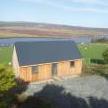
Here's my entry to the Buildhub shed of the year, I'll be living in it for a couple of years if I don't finish the bathroom :3 points
-
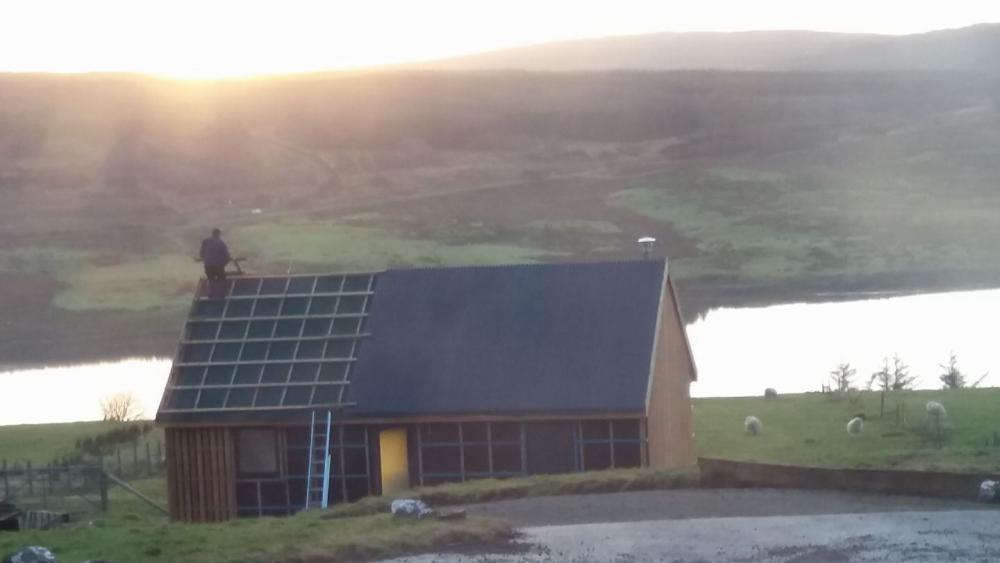
Slow going on your own and with no scaffolding... but that the hardest side done! Just need to finish the easy side now...
 3 points
















This leaderboard is set to London/GMT+01:00