Dudda
-
Posts
487 -
Joined
-
Last visited
-
Days Won
1
Everything posted by Dudda
-
If you can you always screw through an airtight layer as over time screws move and the holes get bigger with expansion and contraction. You don't get that with screws.
-
Just one concern I have on smaller service voids. If you have timber frame, then PIR (say 50mm) and then only 25x45mm battens you'll need fairly big screws (100mm or so) to fit the battens through the insulation to the solid timber frame. Then you'll have a lot of small plasterboard screws into the battens. You're making Swiss cheese of a thin batten that will split in areas. Might have to use 25x 60 or 75mm battens to avoid this especially if you are double slabbing, using heavier pink or the acoustic blue board or green boards in wet areas.
-

Final pre start meeting - Groundworks/Foundation design
Dudda replied to Lots2learn's topic in Foundations
I know with Jeremy's slab (not sure of yours) was a structural concrete slab which the timber frame was built off. This is one is completely different as it's just a finishing sand and cement screed on top of a block and beam structure. It's put in after the timber frame is up. See the detail showing internal load bearning walls above. It could probably be a liquid screed with the fiber mesh reinforcement but the SE would need to confirm that. -
Final pre start meeting - Groundworks/Foundation design
Dudda replied to Lots2learn's topic in Foundations
Then you need to insulate the floor of the garage. Leaving 150mm will only allow the same 75mm of insulation in the floor later. Yes you have to have it ventilated. The silicone render your using doesn't allow air or moisture to pass through it. If you put insulation in that void the timber frame won't be able to dry out and you'll have serious issues. The alternative is to fit wood fibre insulation and a breathable render. As both of these allow moisture to pass through you should be ok but it's a much more expensive option to just increasing the insulation you have internally. The UFH will easily fit in the 75mm sand and cement screed so that's not an issue. As others have mentioned the insulated B&B floor is a good idea to overcome your floor problem of losing heat. -
Final pre start meeting - Groundworks/Foundation design
Dudda replied to Lots2learn's topic in Foundations
I don’t know where to start as I don’t know what your budget is, the timeframe or what’s your relationship with your architect and or builder. The drawings show your house is built to minimum regulations. For example it’s showing 75mm of insulation in the floor. That might just allow you to get sign off and pass regulations but it’s not near enough in my mind especially for UFH. You’ve a big concrete lintel under the door for another example. That’s a huge cold bridge. Easy to fix but will cost more. This could be all you can afford though. The architect might be taking this into account and know space is more important to you than lower running costs. You need to discuss this with your architect BEFORE you sit down with the contractor as he’ll start seeing money signs everywhere. Talk to them about levels of insulation, airtightness, what the contractor has signed up for (eg does it state in the contract the builder has to reach a certain level of airtightness) what are the running costs and savings to be made long term, etc. Your paying them for a service and you need them to explain in detail to you the insulation they’re putting in and how much more it would cost to increase this. -
Getting Fit for Self-Build
Dudda replied to Ferdinand's topic in General Self Build & DIY Discussion
It’s not just physical training. It’s also mental training like when you wake up Saturday morning after a long week at work and it’s snowing outside. The last few months have left you knackered and you’ve to go to a freezing site to keep pushing on to make it watertight with all day Sunday still facing you as well. edit: and on your own! -
So much harder with refurb projects when you're gutting a house. I used 13 skips and will need another two next year I reckon. Digging out the existing floor for a new insulated polished concrete floor took about 3 rubble ones. Ripping out the old stud walls, old blockwork, all the old plasterboard, sanitary, old kitchen, rotten timbers and floors. I recycled the old radiators, pipwork and other metal, sold the fireplace surround and a few teak doors but everything else was waste. I found it hard to sell anything worth keeping. Some timber had woodworm so couldn't risk re-using any. It was burned in a bonfire. Crazy amount of waste. Neighbours thought we were digging an underground tunnel with all the skips and waste coming out of the house.
-
One of Google's Project X moonshots, Malta, uses an idea similar to SunAmps to store heat energy which can be then used to generate power. It takes excess PV or wind energy and converts to heat storage. This stored heat energy is then converted back to electricity when required. As Google is behind this and it has a lot of funding it could really help develop the heat battery storage market. I know they're concentrating on large scale at high and low temperatures but the research and development will help with smaller domestic scale uses. https://venturebeat.com/2018/12/19/alphabets-x-lab-spins-out-molten-salt-energy-storage-project-malta-as-an-independent-company/ https://x.company/projects/malta/
-
Just finished reading all 12 pages. Very tired now. Thanks for all the testing and updates on increasing to 50% and then the on/off for a week. Very useful. Are you worried at all about any damage to the controller or PCM or anything else turning it on and off (essentially resetting it) every day?
-
While it's good to keep things like this in mind a floor plan should be designed around natural light, functions, space, flow, views, acoustics, etc. Residential services can be made work to almost any layout. I've seen factories and data centers designed around machinery and service runs. The result was never quality architecture or design.
-
Sliding External Shutters: anyone ?
Dudda replied to ToughButterCup's topic in General Construction Issues
Did something on a much larger scale which was a sliding outer door (3 meters x 2.5 meters) which acted as additional security and protection. We used a large Henderson track due to the weight. I've used Henderson products for various sliding walls and doors inside and outside on lots of commercial and residential projects. They do a shutter track which I haven't used but looks exactly the same as their other tracks which I've no problem recommending. Then just get a joiner to make the shutters to suit. https://www.pchenderson.com/product/shutter-slide-coming-soon/ -
Put in the insulation, slip membrane to stop screed getting down between joints in the insulation or tape the joints, UFH pipes and then screed. It's very simple and easy to just spray paint or mark out with masking tape on top of the slip membrane/plastic where the internal stud walls and kitchen units are going and then just keep the UFH pipes away from these areas.
-
This is all taking shape. Do you reckon you'll have it done for Christmas? You're making good progress lately with the tiling and it looks sharp. What's left after the grout? Hang the WC and connect the WHB? Anything else?
-
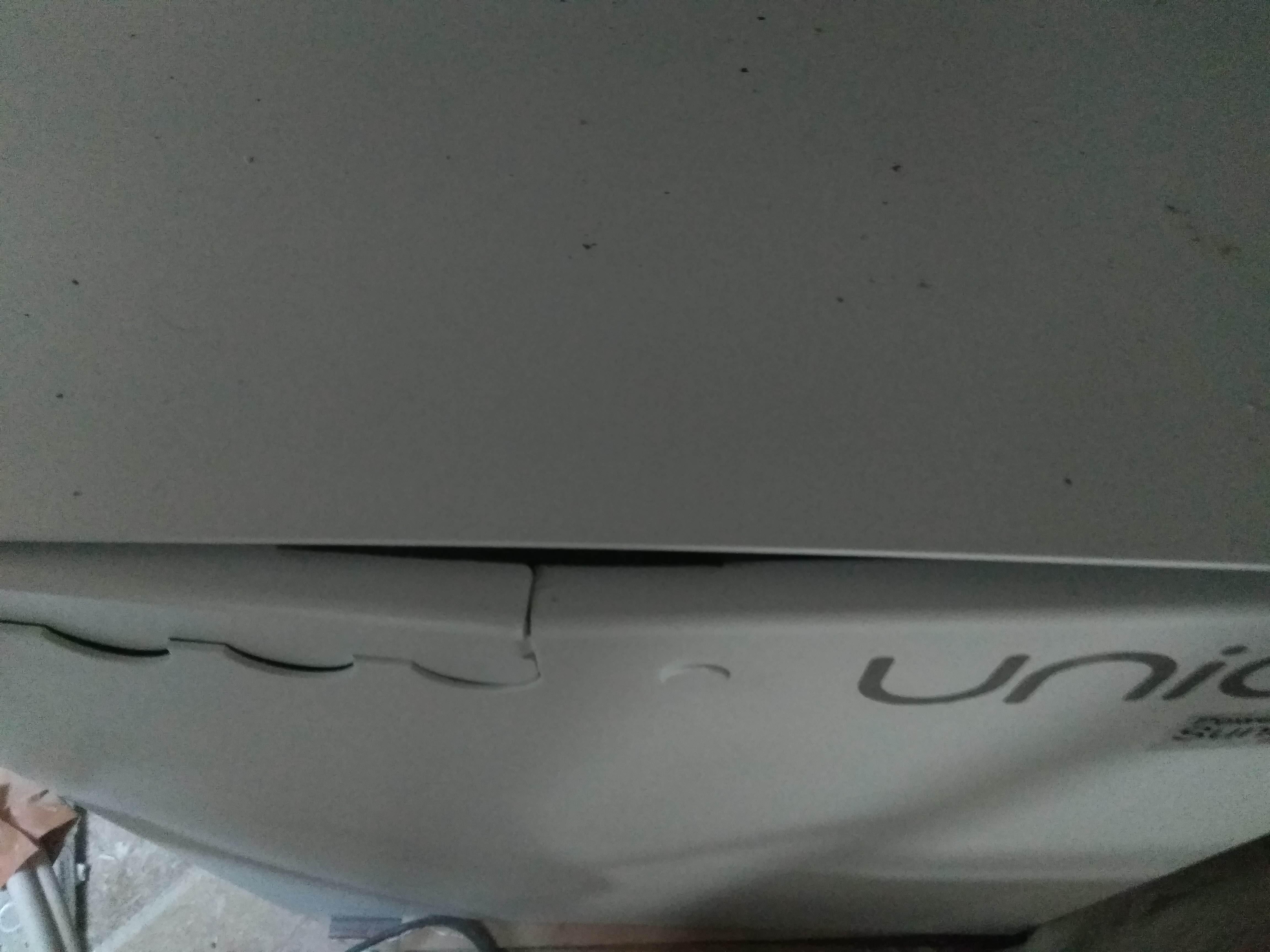
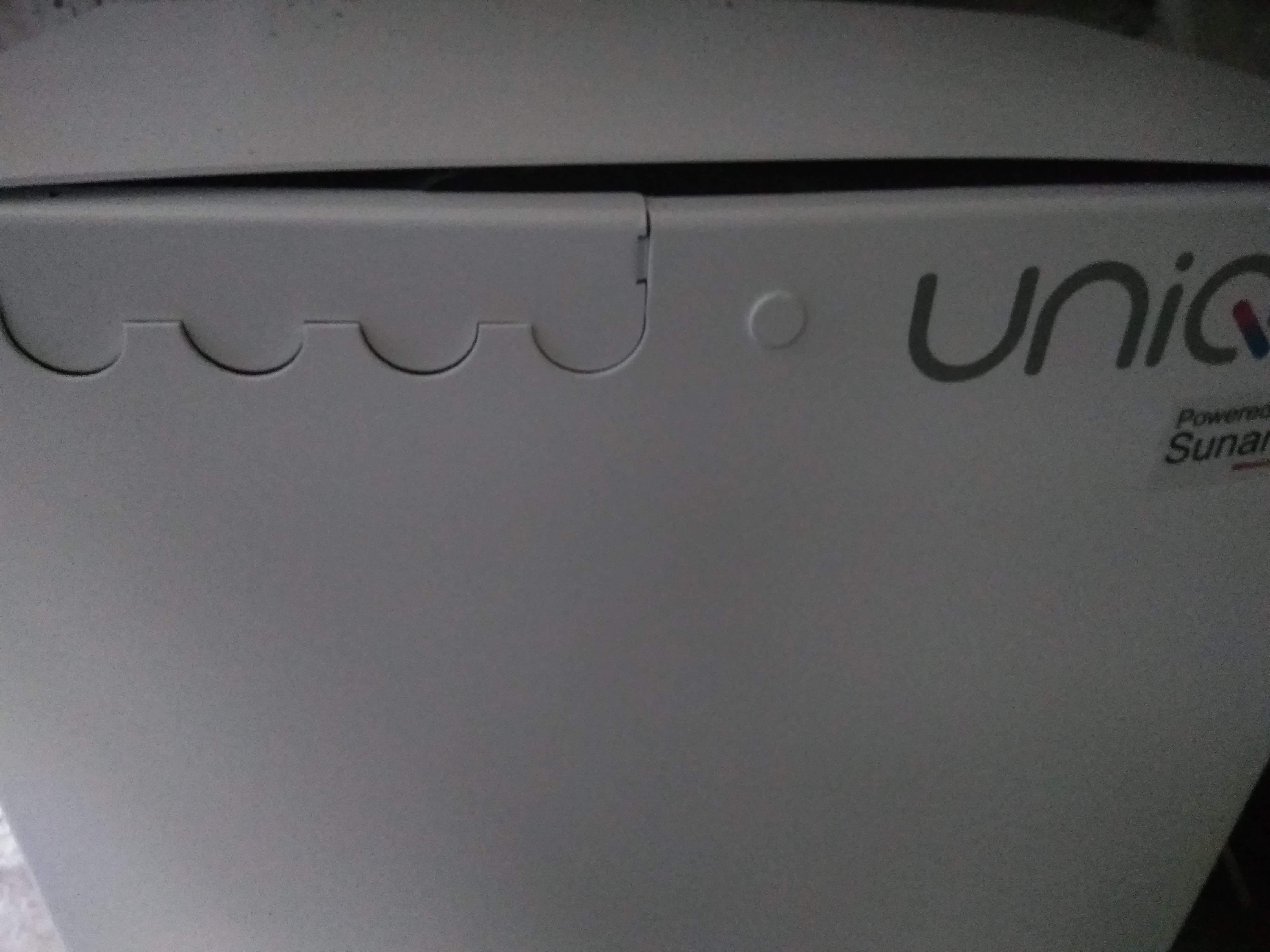
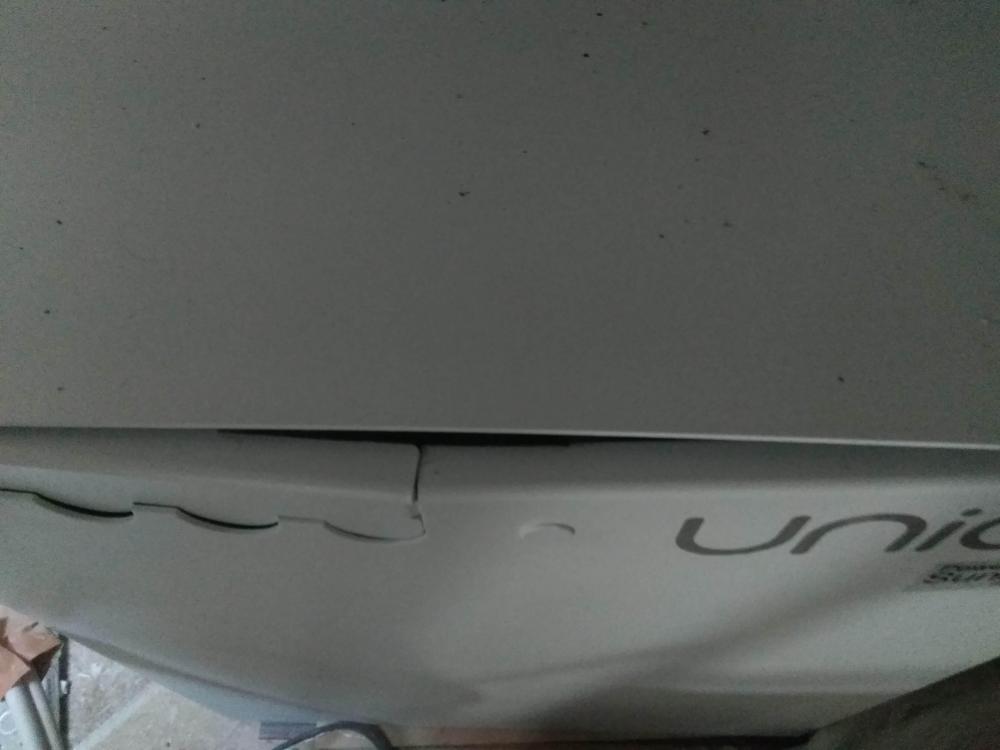
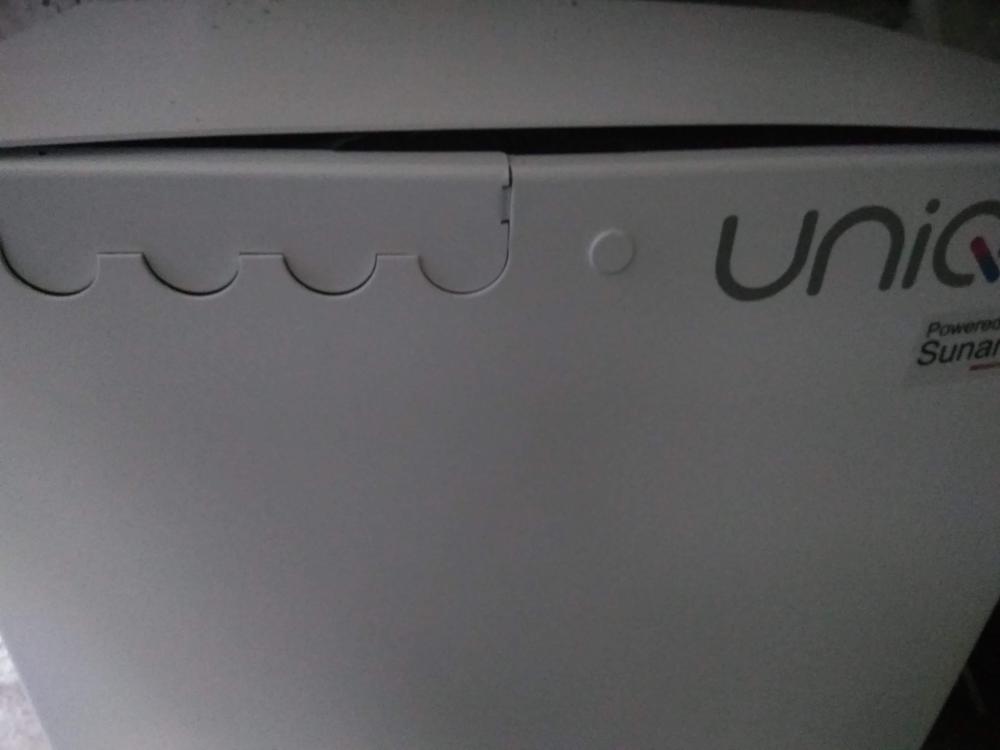
Mine is in pretty bad shape too. The top is completely mangled but the sides are now too. This is actually a good day. It's been a lot worse and yes like @JSHarris it was obvious to me the insulation had to be cut to fit the pipes which was done. It's working fine but can't say I'm happy. My pressure gauge reads 1.5 bar, I've the expansion vessel and a pressure release valve so not worried personally. It's more the other half and my Dad which thinks it's going to explode.
-
"Thermal Bead Screed"...anyone used or heard of it?
Dudda replied to JohnW's topic in Heat Insulation
I don't see the point. The thermafloor is easy to put down and by putting a polythene sheet above the insulation your stopping the screed flowing between the joints in the insulation (if any exist) which would create a thermal bridge. It would want to be incredibly poor workmanship or a very complex shape with an uneven sub floor to justify the thermal bead screed I think. What you could do is increase the thermafloor insulation to 150mm and use a 75mm concrete screed. This would give you an even better u-value while still providing a decent 75mm thick slab for the underfloor heating pipes.- 4 replies
-
- 2
-

-

-
- insulation
- ground floor
- (and 1 more)
-
I've used them and would recommend them. It's very easy to isolate a particular outlet if required. One main reason I did was for hot water you can use a smaller diameter pipe to the outlet from the manifold and therefore it doesn't take as long for the water to become hot in addition to wasting less water. eg a 10mm hot water pipe from a manifold to a wash hand basin will have hot water very fast. If this was a traditional with larger diameter pipes and branches and 't' it would take a lot longer. A pumped hot water return system would be faster again but have heat wastage from the circulating hot water.
-
It was only about 60 sqm. The existing buildup was 60-70mm screed on 25mm eps insulation on a concrete sub floor. We removed the screed and old eps insulation which gave us about 85mm to work with to get as insulated as we could. First we put down sand in areas to level the subfloor, new radon membrane, then 50mm pir insulation. A 50x50mm timber batten was used at the perimeter and under internal walls fixed to the sub floor. Then the 18mm T&G OSB3 on on top. The supports to the perimeter and under internal walls (which continued through door opes) supported the OSB preventing creaking or squeaking and making it feel solid. On top of this the Wunda boards were fitted with the UFH, then laminate timber. Now I know putting UFH on such a small amount of insulation (50mm PIR) isn't ideal or very efficient and wouldn't generally recommend it but we couldn't use radiators and wanted to get as much insulation in as possible.
-
If using overlay board or floating floor you can use overfloor underfloor heating boards. example: https://www.wundatrade.co.uk/product-category/home/overfloor/ I've used it on a renovation project where we weren't digging out the sub floor and had very limited height to work with. We therefore used as much PIR insulation as we could and then the overfloor UFH boards which work out thinner than a screed. A good cost saving is possible if you're willing to put down the additional insulation and UFH yourself. EDIT: you just beat me to the post Nick
-
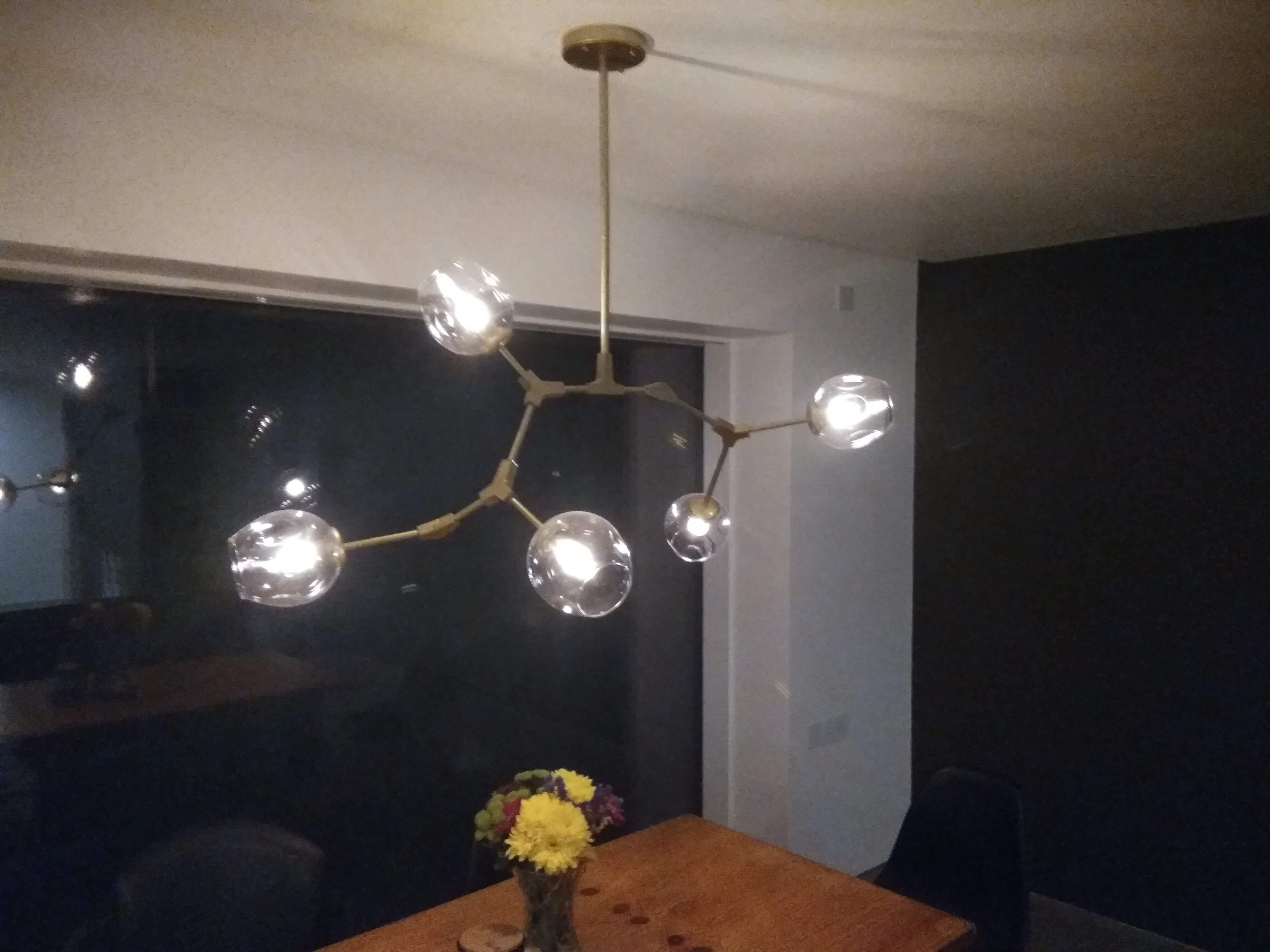
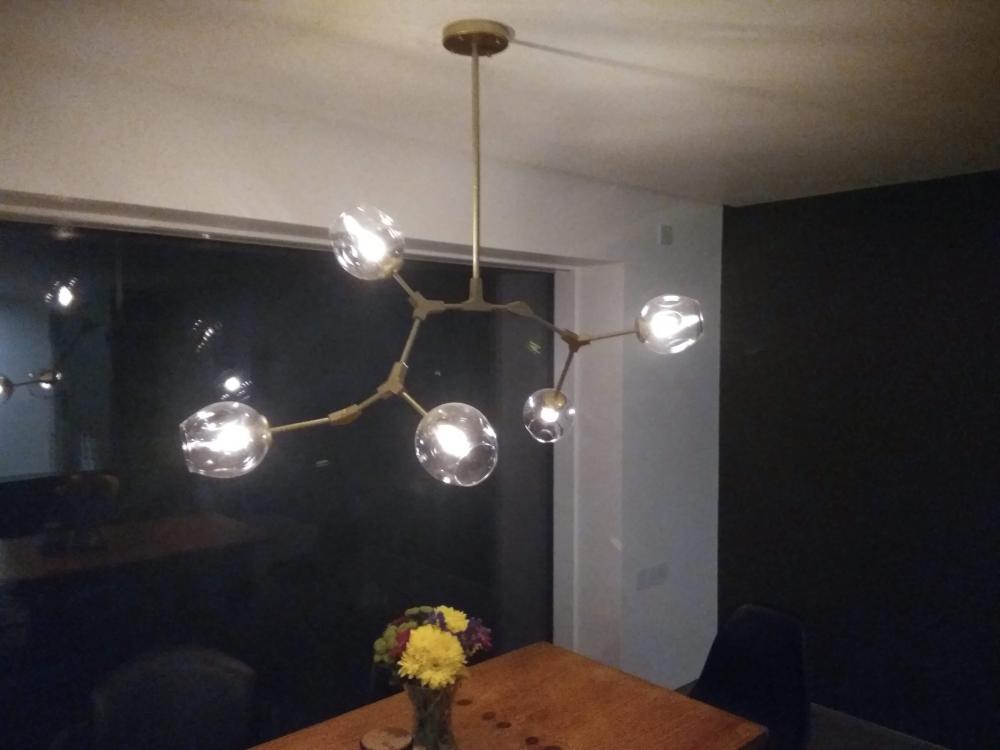
This light cost about £27,000.00 for the original http://www.lindseyadelman.com/bb0939#1 I purchased a reproduction for about $130.00 https://www.aliexpress.com/item/Designer-chandeliers-in-the-Nordic-idea-branches-pendent-lamp-glass-ball-lamp-droplight-of-post-modern/32692080299.html Sorry it's a poor quality photo attached but I really like the light and very happy with my aliexpress purchase. I'd have no problem recommending this website and you may find a reproduction of the light you're wife wants for a fraction of the cost.
-
Still have my UFH wills heater on a timer and want to change it to the thermostat. The plugin relay, solid state relay, microcontroller pin, logic level control, etc. replies are a bit above my knowledge. What am I telling the electrician to install and if possible a shopping list of parts if I’ve to order online in advance?
-
Sorry where's the link to @JSHarris simple hack? Sunamp are working on a SunampOS Qontroller which is “a system controller with advanced Demand-Side Management, app-based system configuration, remote diagnostics, stage of charge indication and other monitoring functions.“ You should contact SunAmp and find out how near this is to release or what stage and get clarification on what exactly the SunampOS will do. Report back as a lot of others (including myself) would be interested in this.
-
Airtightness and first fix
Dudda replied to dnoble's topic in Environmental Materials & Construction Methods
Ideally anything going through an airtight layer is screwed and they won't loosen over time. In your case if the battens were screwed to the structure through the OSB that would be better. -
timber windows, paint or varnish internal window sill/board
Dudda replied to Jude1234's topic in Windows & Glazing
Are they fitted yet? Best to seal them all around before fitting to avoid cupping and warping particularly for big or deep window boards. That goes for whatever method you choose. If you go varnish you can always white gloss in a year or two. -
Tapered insulation is more expensive for such a small amount. It's fine on a large area but not worth it for such a small quantity. Multiple ways to fix this. Was the original MVHR for rigid ducts with branches? That's not necessary. Use radial semi rigid ducts and you can still use whatever heat recovery unit you want. You can use 75mm Outer diameter which has 68mm internal diameter (I think) or you can use 96mm outer diameter which has 75mm internal diameter. The 96mm is better for longer routes. Both these will fit very comfortably in the 125mm space you have. The drawing shows the parapet capping as flat. It will either slope in or out a few degrees. If you slope it out with a nice 30 degree pitch you'll gain another 50mm height in the parapet on the inside while it stays the same outside. Build the whole parapet up - nobody will notice and I don't think I'd worry about this. Build the parapet in timber. It doesn't need to be a block parapet and building it in timber will give you more room to insulate. Option one is by far the easiest and a potential saving on everything if you do the semi rigid radial ducts yourself which is very easy to do.
-
You're probably getting a guarantee with your timber frame (presuming it's design, supply and erect). While it might be possible to ventilate a timber frame through rockwool/wood fibre and a breathable render would this void the timber frame guarantee? They may demand a ventilated cavity in small print someplace. In addition what happens if someone paints the house with a non breathable or acrylic based paint? I'd talk to the timber frame company and see what they'll approve unless you can convince your architect to take design responsibility and then use his insurance if it goes wrong.