Dudda
-
Posts
487 -
Joined
-
Last visited
-
Days Won
1
Everything posted by Dudda
-
I'd say it's still drying out and not near enough ventilation. It's so small and you are both producing a lot of moisture breathing, cooking, showering, etc. Are you planning MVHR or DCV?
-
Why pink? And can you go for the whitest pink you can find or do they have a say in how pink? Heard of planners requesting certain colours but never pink. I'd go 7016 however get it costed. I found black up to 35% cheaper on some projects as its standard although I still went for 7016 on that job.
-
How are you ventilating the house? I'm guessing you don't have Mechanical Ventilation with Heat Recovery (MVHR) and it's just wall or window vents? If in the unlikely event you do what Declan is suggesting and do it really well you could end up with the situation where your house is to airtight for natural ventilation. This is great if you've MVHR but if not you'll then need to install more wall vents. Not a big issue just something to be aware of.
-

Ideas please: how to fill this gap.
Dudda replied to ToughButterCup's topic in Roofing, Tiling & Slating
Don't bother with the blocks. Introducing an unnecessary cold bridge. Will you even see the gap below or are you having a service cavity or counter battens internally? You may not even have a gap after them. I'd do what Declan suggested and go with insulation offcuts, bit of foam and some mortar to hold them until the felt is on. I'd be sure to spend as little money and time on it as possible. -
External Wall Insulation Failure
Dudda replied to Dudda's topic in General Self Build & DIY Discussion
The boards are fine. They're only removing the render and mesh. One or two boards may get replaced or additional fixings which got loose in pulling off the render but in general they're left. -
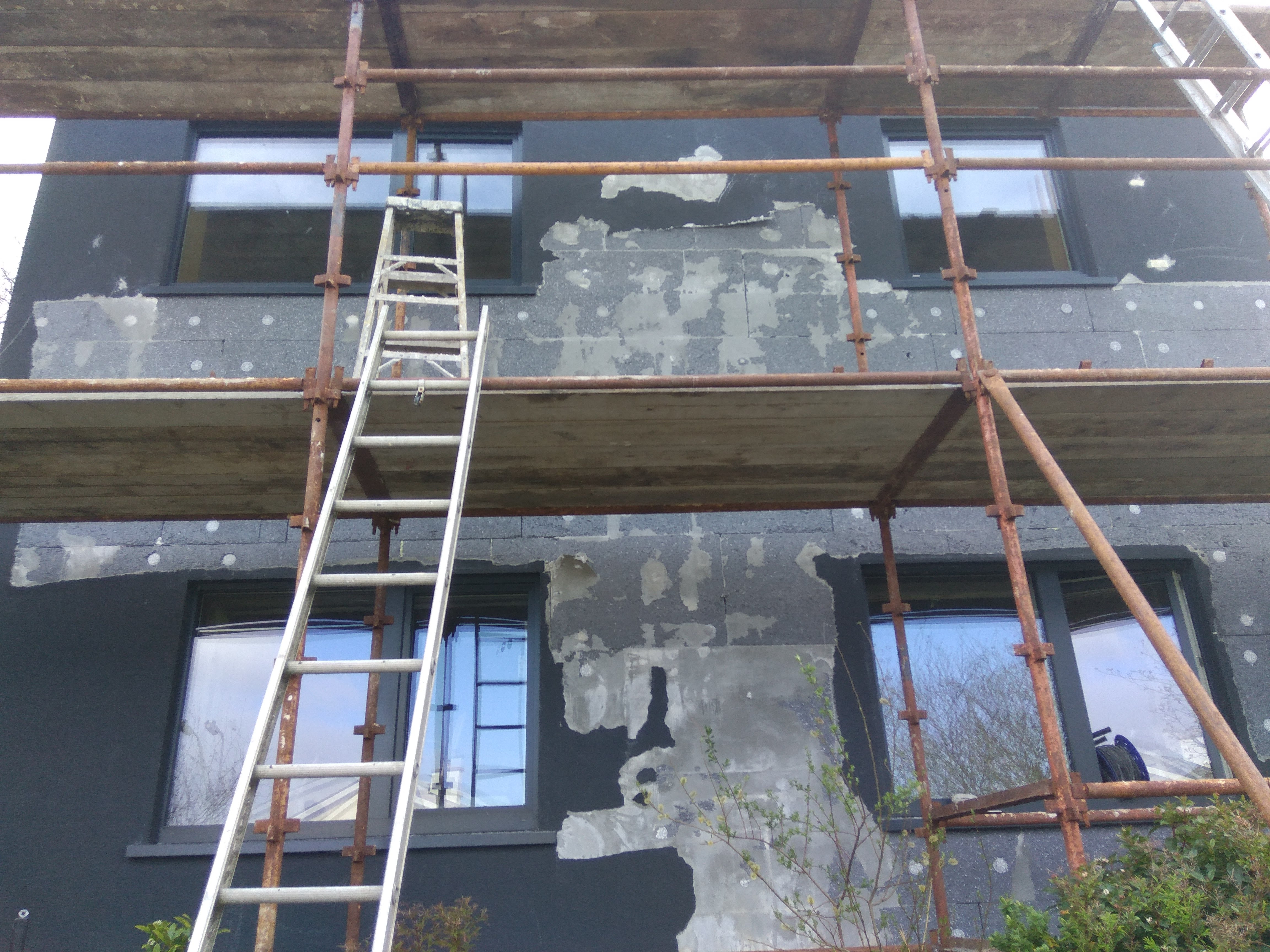
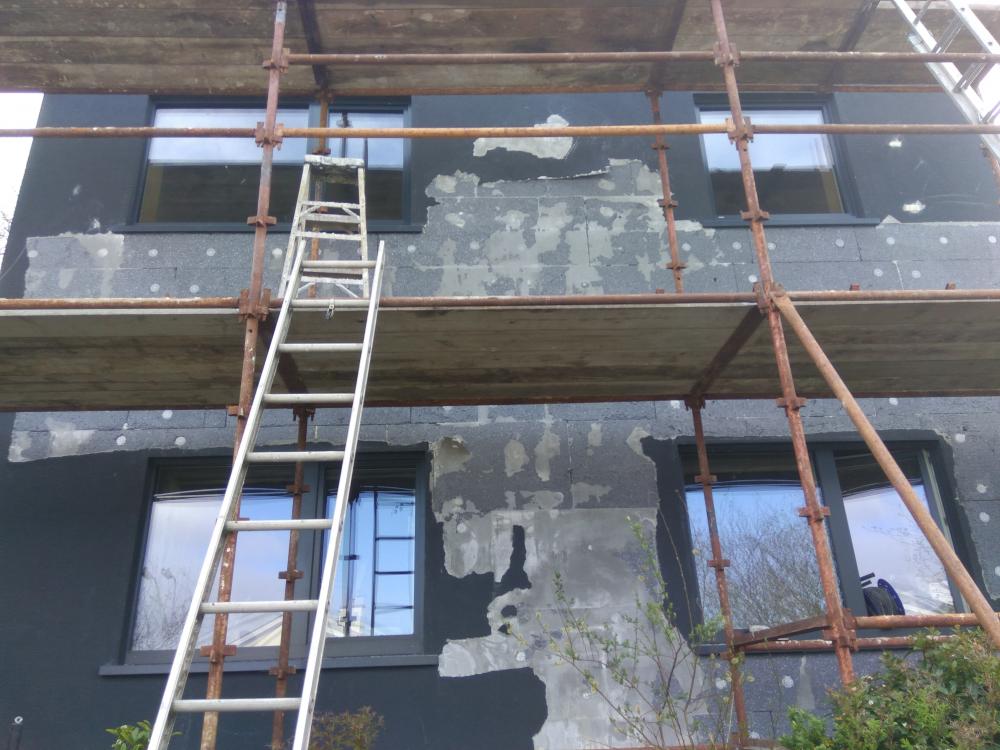
My external insulation has failed. It’s under guarantee so getting replaced at no cost. It was finished 15 months ago. The external render and mesh didn’t bond properly to the EPS and is coming away surprisingly easy. We’re still not fully sure of the cause. It’s an exposed south west facing gable so originally we though water was penetrating in someplace and causing it to bubble in an area. It was only when they started removing the bubble they noticed it was widespread and therefore not a localised water issue. If it was water at the top the render would bond fully under the window cills. We now think it’s most likely frost damage. When the base coat was applied it was very cold and think it froze before it had a chance to dry out. Lesson is don’t apply external insulation in winter or cold weather.
-
Welcome. The underfloor heating requirement totally depends on your house and to an extent your preferences. You definitely don’t have to have it and we can only give general advice with regard to UFH on comfort, how it can be used for cooling, etc without knowing more about your plans and proposed specification and insulation. If you want to achieve Passive House Standard you need someone to prepare a PHPP file for you. As you already have planning permission its critical this is done as soon as possible as it could alter some of the design. If not already done I’d start and get this carried out as this will inform you exactly what is required in terms of heating, cooling, etc and therefore if UFH is suitable or required.
-
Get them galvanized. I've had powder coated steel rust on a project. Admittedly it's on the edge of Ireland facing the Atlantic but it is rusting where galvanized beside it isn't. I haven't specified powder coated structural steel since anywhere.
-
Very 1st draft of my dream home
Dudda replied to Youngredders's topic in New House & Self Build Design
If I’m honest as an architect I’m a bit worried looking at them plans. It could be better in so many ways. Why not get an architect? Yes you can get bad architects but look around, get recommendations and meet a few in your area before making a decision. You’re going to need someone to do planning and construction drawings and sign off on stuff for you so why not look for an architect now rather than later? If you go to far down the wrong route you could end up with planning refusal having wasted thousands. If you’re spending several thousand on a house then its a small investment that will pay for itself over the build. In addition the architect will know about local planning regulations (number of stories, accessible toilets) as well as getting the optimum room sizes, light, views, etc for your budget. -
SunAmp — new, design, in 4x capacities
Dudda replied to Dreadnaught's topic in General Alternative Energy Issues
Nope sorry. No idea on anything more. -
SunAmp — new, design, in 4x capacities
Dudda replied to Dreadnaught's topic in General Alternative Energy Issues
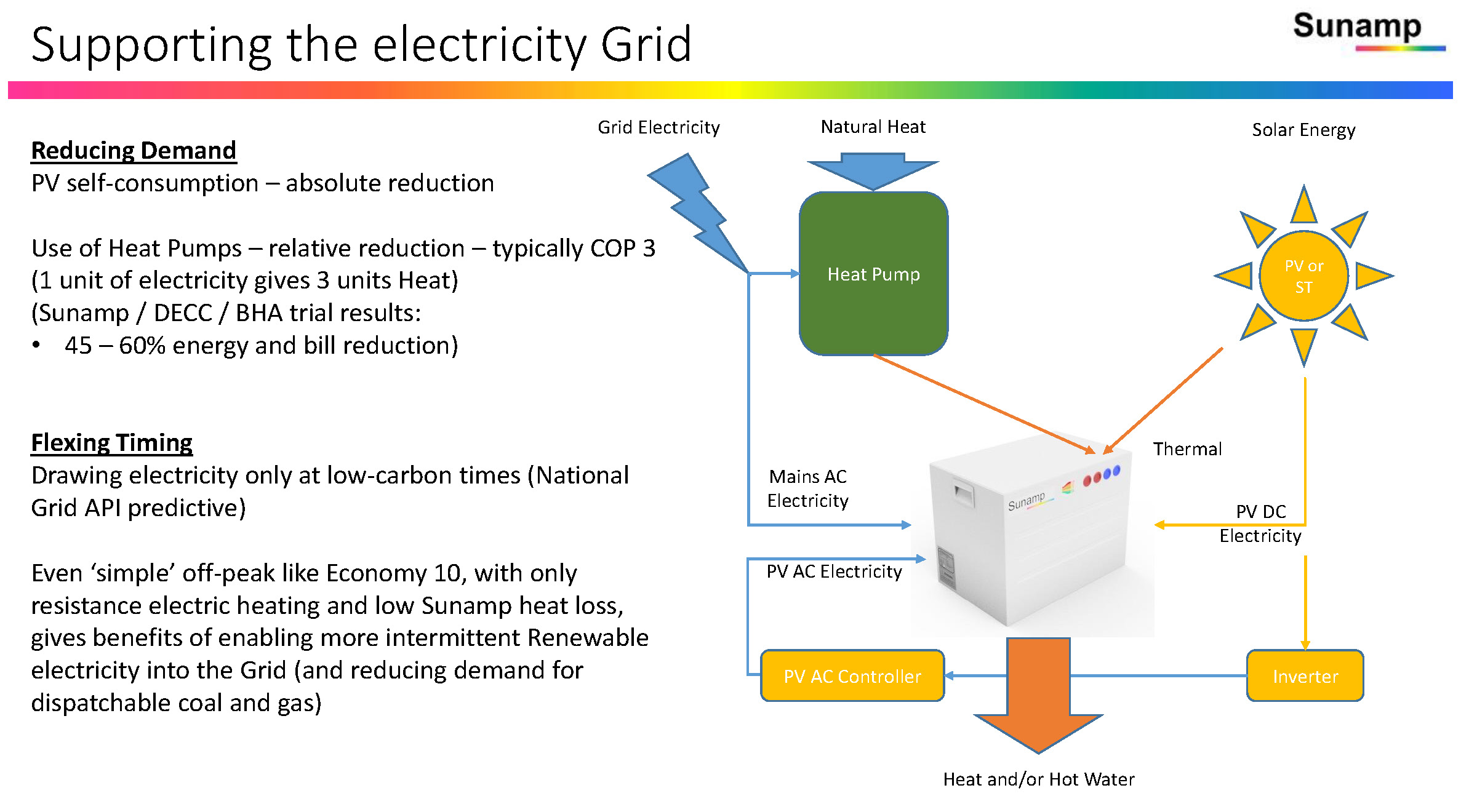
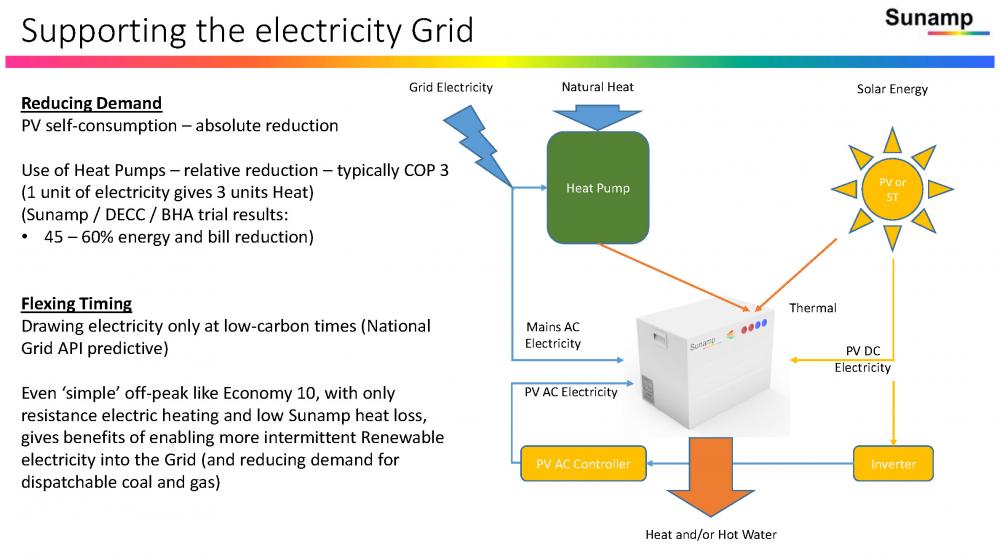
Andrew did say in a tweet that more info and an updated website is coming soon but I couldn't wait and went looking. Really interested in this new third generation and found kinda hidden in the SunAmp website more info. Some of the relevant pieces I've post below. Most interesting is probably the SunAmp OS.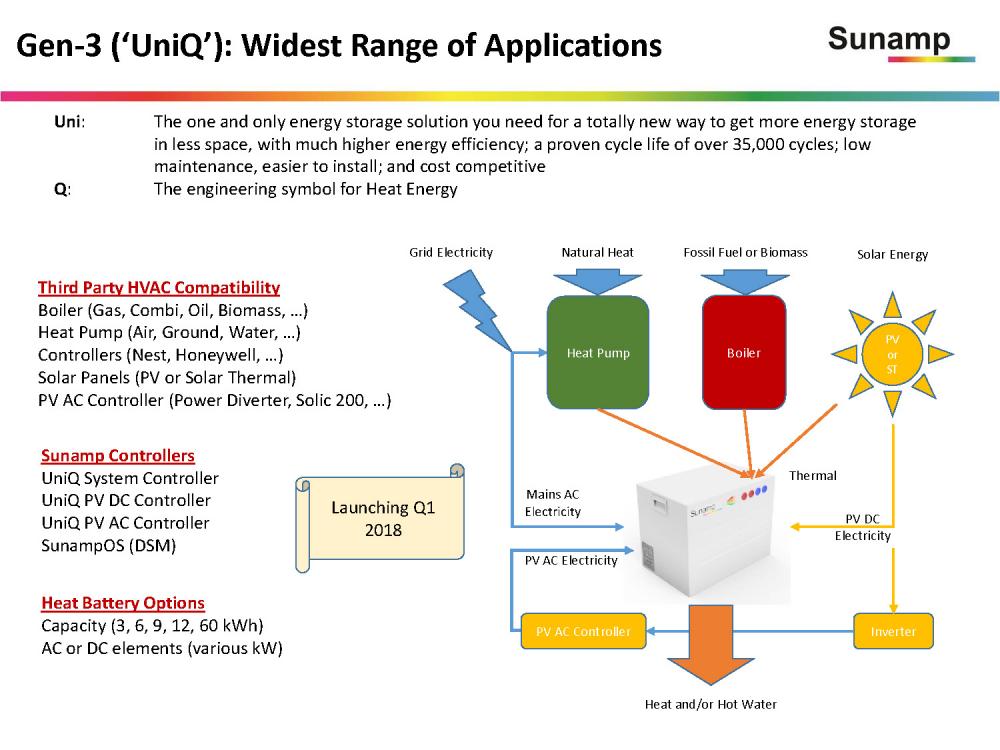

-
The bits of vertical timber in the corner. You fix a string line between them to help setting out blockwork. Usually they’re just hammered into soil and can easily get moved but no chance of that here if they’re in the concrete. You should post plans or explain the layout more so we can make sense of the foundations and rooms. Which way it faces, enters, views, etc.
-
I don't see what's wrong in using the small battens like what you're at. If you think about a wall it's timber with insulation cut to fit between. Around the window it's the same thing in your case with some timber pieces and you'll have to cut 25mm insulation and fit them between. If you make the timber pieces a bit wider you may also be able to use them to fix the plasterboard or window boards into. You can go getting special straps made or look at special expensive insulation that can take the weight of the window but I'd keep it simple and use small pieces of timber (but a bit wider and treated) like you already are. EDIT: Just see 'B' on plan is a 25mm timber packer to support the window so very similar to what your at.
-
I'd go with the steel kit linked to above. It's hot dipped galvanized and as you're on an island I'd imagine the elements can be fairly strong and the air has a high salt content. A second hand or fabricated stairs would need to be galvanized increasing cost.
-
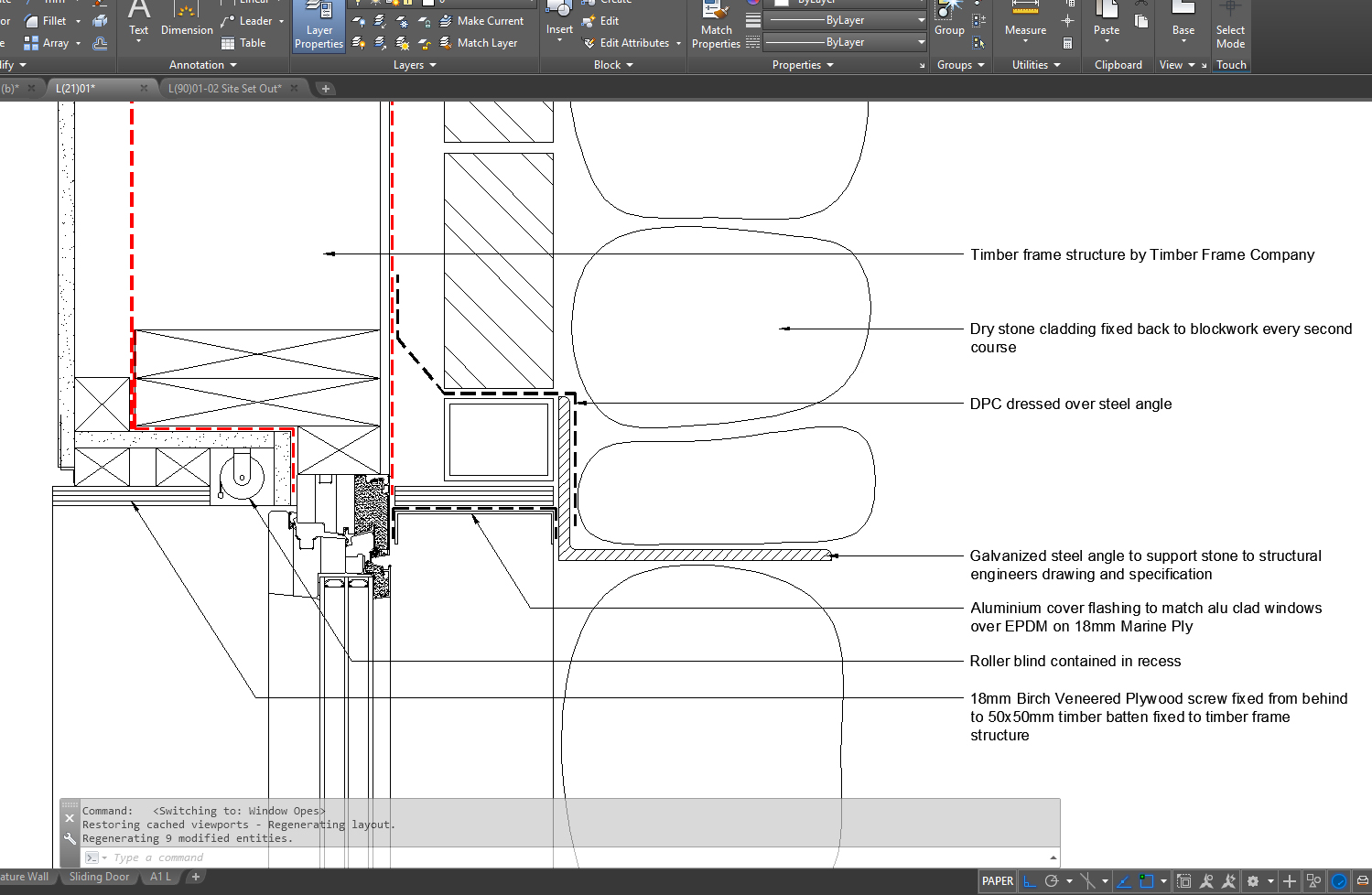
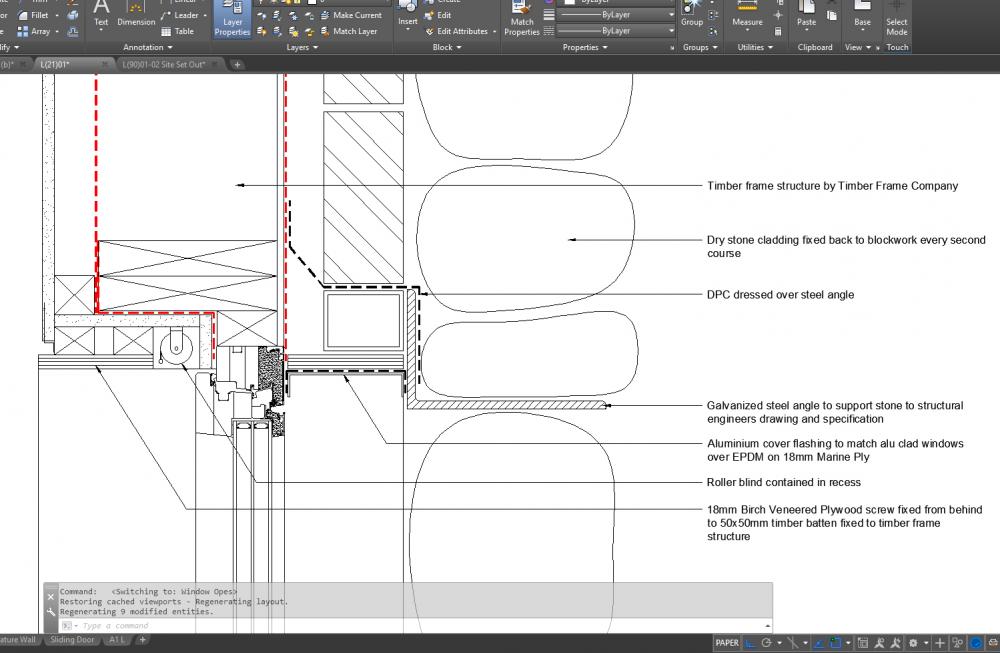
Coincidence: I’m an architect and had a meeting with a timber frame manufacture just this morning asking him to make all the opes 50mm larger as well. I’ve created a detail where the window blinds are hidden from view and a birch ply window surround frames the view. See below. As for the insulation in your situation you should be fine but I’m not 100% following the detail. Is the insulation only the depth of the window frame or the depth of the ope? Have you a drawing you can show us?
-
No point adding comments to the shop drawings so.
-
M16 bolts at 500mm centers. M14 at larger centers would be find but the structural engineer will always over specify to be safe. If you've any more steel to get, get them to pre drill it.
-
A stretchy garage design to tolerate ground heave.
Dudda replied to epsilonGreedy's topic in General Construction Issues
Just started foundations for a client in a house this week. I want a feature window as close to an old apple tree as possible so it's 2 meters (it's only one of two in the original orchard that remains). We we're going to cantelevering the house foundations over the roots but they're so shallow we're having to move the house 2 meters further away. Hope the poor thing doesn't die now. Anyway at 8 meter your a lot further. -
Kwikstage Scaffolding: problematic diagonals.
Dudda replied to ToughButterCup's topic in General Self Build & DIY Discussion
Are they not long side diagonals? For the 8" side not the 4" side? -
Can planning permission mandate a specific supplier?
Dudda replied to epsilonGreedy's topic in Planning Permission
The problem isn't really if you can tell the difference or not, it's about being true to the original. This is particularly the case in conservation. If you're restoring a building that's listed or protected you should put in cast iron downpipes and not cast aluminium downpipes even though they look exactly the same as it's the principle of restoring with original materials. On a new house in a conservation area it's not as clear cut and some places are more relaxed and allow you use modern materials that look like originals be it slates, downpipes, sash windows, etc. Personally I'd be strongly in favor of using original authentic materials in listed or protected buildings and agree with the planners in such a manner. It's the principle of protecting our heritage for future generations. On new builds I don't think you should be forced to use original materials as it's not an original building but a fake original building so fake original materials should be acceptable if used right. The problem is they're often not used right which is why planners insist on original materials. EDIT: unrelated but something I want to highlight. The tiles in your link have a 25 year guarantee. Be sure and get written confirmation that it's a colour and structural guarantee and not just a structural guarantee. I've recently re-roofed a building where the tiles lost their colour after 8-10 years. The roof wasn't leaking so was fine under the structural guarantee and not a defect therefore the manufacturer didn't want anything to do with the problem. You can have a roof that looks crap but is still waterproof and structurally sound. -
Can planning permission mandate a specific supplier?
Dudda replied to epsilonGreedy's topic in Planning Permission
You'll get the odd slate with an enlarged nail hole but its rare. Yes you'll have more wastage with reclaimed slates but it is cheaper. The trick is to buy slates that are the right size and match your battens to the slates. It takes a bit of figuring out but it's fine. I though this company even sell reclaimed slates? Sure they advertise on their website how you can resell them and the great resell value they have. That sales guy was only trying to earn commission I'd say -
Can planning permission mandate a specific supplier?
Dudda replied to epsilonGreedy's topic in Planning Permission
You can't if it's conservation or protected or protected area which is when they usually specify it. They can specify a certain slate but the issue is only one company now make this slate. They don't specify you have to use this company it's just you're now forced to because they are currently the only one supplying it. We've tried on several projects with several planners as it is a huge cost implication. Options to reduce cost: Source reclaimed slates. Even slates that are 150 years old will survive another 50 years without issue. Get thicker slates. The thinner the slate the more expensive it is as it has to be a higher quality and cut thinner. This is unusual as you'd expect thicker to be more expensive. You'll have to talk to your engineer as increasing the roof timbers by 20mm or more might be required as the thickest cheapest slates are very heavy but this will still work out cheaper. EDIT: what we do on projects where we're afraid of this happening is propose Blue Bangor slates to the front elevation and Spanish to the rear on the drawings we submit for planning. They usually accept this and it's cheaper than them conditioning Blue Bangor which implies the whole roof. -
Can planning permission mandate a specific supplier?
Dudda replied to epsilonGreedy's topic in Planning Permission
Yes. I've had to use this company several times (at least 6 that come to mind) as it was specified as a condition of planning. To be fair while expensive they're a good company to work with. One person here flew over and visited the quarry as we had really unusual large slates that had to be specially made. It was like €90 a slate!!! On another job we managed to source reclaimed slates and didn't have to use them. -
A timber fire is nice to curl up at around during a cold winter. Wouldn't want to curl up around a burning sh*t
-
The thing with foam is they degrade with time even if only slightly. Foam may pass an airtight test when newly installed but will struggle after a few years. A lot of foams are not good to have touching cables either. The best job is as Roundtuit said and some airtight mastic or silicone like Orcon F and try and cover with tape. If you get both sides you'll be fine.