
Conor
-
Posts
4165 -
Joined
-
Last visited
-
Days Won
12
Everything posted by Conor
-
No piers is fine. I built a shed almost the same size a few years ago and used a pier along the longest back wall. My neighbour and his dad popped round one day, his dad being a builder of 50 years, questioned why I had out the pier in!
-

Temporary Building Supply requirements?
Conor replied to Randomusername's topic in Electrics - Other
Just a backboard. And a very crude door! Make sure your spark leave meter tails and fits the right type of breaker and the 16a commando sockets only. We had ours refused for having a 13a socket wired up. -
Pitch pine most likely. If that is a suspended floor with nothing underneath, you'll have terrible draughts unless you do a good job of filling the gaps and sealing the wood.
-
Can't see it being an issue if you just downsize for the short section that goes through the wall. Alternative is to core two smaller holes and use Y junctions and have two pipes go through, e.g. two 90mm OD. Or you can do what I did, use 125mm galvanised steel ducting that has <1mm wall thickness and a 127mm core bit.
-
We had something similar in our last house. It did scratch, but they were very fine like you'd get in a stainless steel sink. Still looked great.
-
Surely you are getting a ready mix delivery to site rather than mixing on site? That's a 10m³ total pour. You'll want C25 or C30 mix. Concrete company can advise. You won't get a consistent, graded mix on site. Ask them to dowel through the formwork so the steel is continuous. Even with that, I think differential movement in the slab is eventually inevitable. Whether this matters or not, depends on what you're doing with it. I'm assuming the build up is something like: firm ground/compacted stone, sand/dust binding layer, DPM, 100mm concrete? Are they doing basic things like using a vibrating plate to compact the ground, a later to set the levels of the formwork etc?
-
Whatever you have laying around and can fit through the hole!
-
Yes. Don't that before, slid a piece of timber batten in though the hole where there was nothing to screw in to. Works a treat, unless you are fitting a very heavy light fitting.
-
No, we just left everything (except medical) at the site address. Probably not 100% legit but changing addresses for a year or two is a pain in the arse. Had a letter box on the site gate so no issues missing post
-
It is scary how tall a single skin block wall can be. I questioned our main spine walls (7m, 4m long) a few times with architect and SE and they said it's fine.
-
Plenty of air circulation underneath and dpc under the joists where they rest on top of the support pads. Fyi 4x2 is normally more than enough for a deck, as you can put plenty of support pads in.
-
Our ASHP will eventually be sitting one a concrete path. But that requires retaining walls and various other things that will take time... So i want to set the monoblock on a temporary base so we can get all our plumbing finished and signed off. How sturdy does it need to be? How much do these things vibrate? 9kW coolenergy. At the minute the side of the house is loosely compacted stone. Thinking of a few concrete blocks on their flat. Or would I need to pour a concrete base? Can mount the isolator on the wall so no issues there. Will leave the cables long and away that I'll have to disconnect the water pipes when we move it and refill the coolant.
-
You won't get the flow rate with 10mm for a shower, bath or kitchen sink. 10mm pipe is easier to work with but there isn't really a cost saving so just do 15mm for everything except the hot sink outlets. I did all my WC s in 10mm as I had a 10mm manifold separate from the rest so can be run on recycled or rain water.
-
Getting level with bifold threshold - UFH installed
Conor replied to richie9648's topic in General Flooring
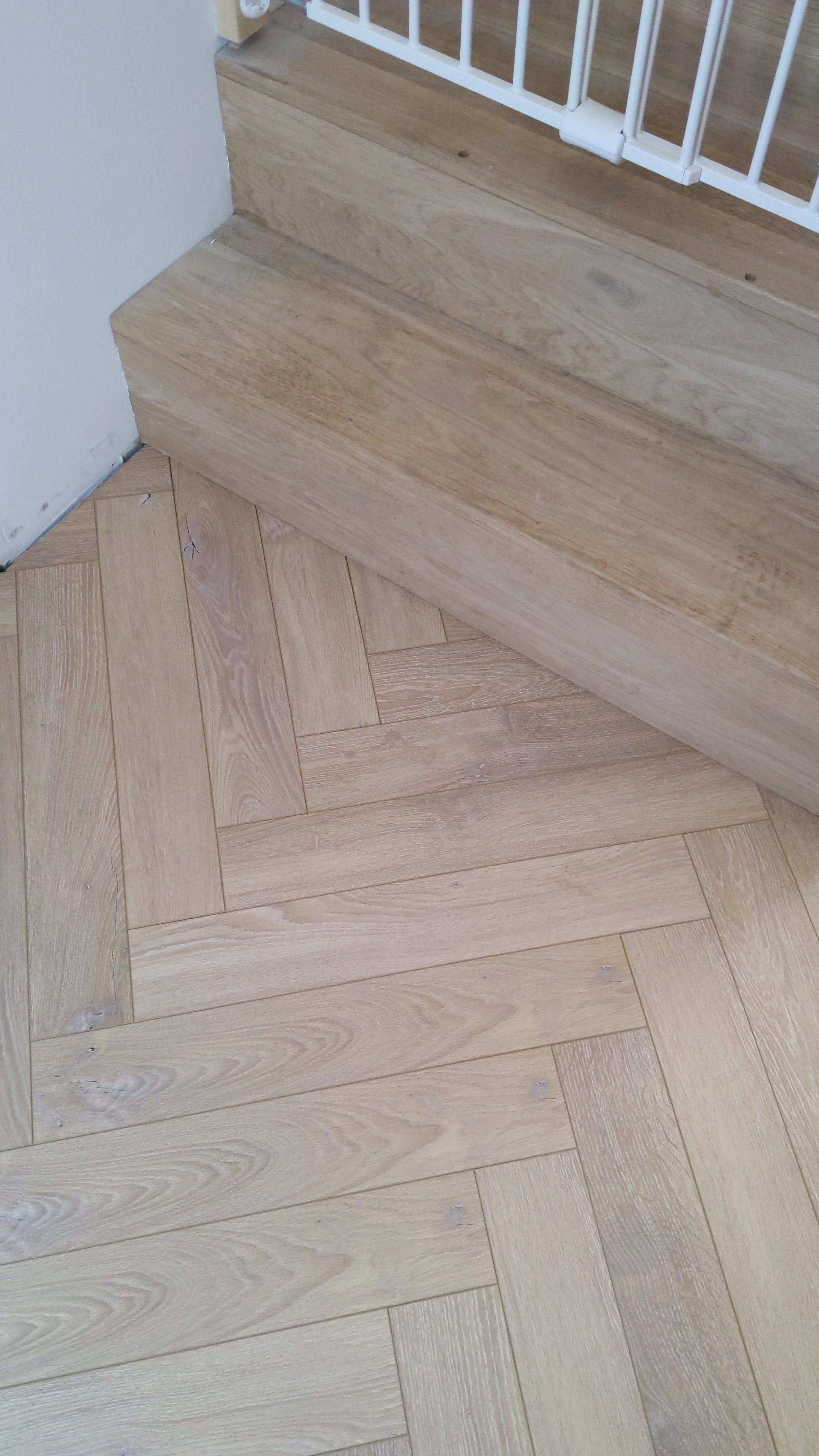
Do not do this. It'll never be right. The ply will warp and move about and as the lvt planks are only a couple mm thick, they need a perfectly solid and even surface. Forget the lvt and go for laminate. We did the same, left 20mm for an engineered wood floor, chickened out and found a lovely herringbone laminate instead. Was only 12mm thick so we used 5mm wood fibre underlay to get it up. Worked brilliantly. We had wanted lvt but all the people we spoke to said it was a no go to build up that much. Only realistic option would have been to lay a full click laminate floor and out the lvt on top. Only other option is 20mm of self leveller, but then your stuck with lvt or lino for ever.
-
You have a manifold at your main supply point at your hot water cylinder. You run the individual pipe all the way from the appliance to the manifold as a single run. So for a standard bathroom you'd have three 10mm pipes (WC cold, sink cold, sink hot), two 15mm (shower cold, shower hot). It's a lot of pipe compared to doing it the old way, but it's fast and no more expensive as pipes are cheaper than fittings.
-
Is the entrance door a 'first fix" item?
Conor replied to Dreadnaught's topic in Doors & Door Frames
As late as possible but before rendering and internal boarding/ skimming -
Just had our final inspection and he never asked for anything, the toughened watermark on the glass was enough. Just in case anybody else is panicking!
-
Can't see how that would be allowed as you'd have grey water filling the gully. Was done a lot in the past but I can't seeing that being desirable. Can you not connect in to the soil pipe within the bathroom? Using a tee with 40mm boss on the top.
-
It's so much easier once you have each connection for the appliances installed and the ground opened up. We changed ours a fair bit and ended up saving a good 30m of pipe. Fyi building control only really care about the external drianage works and never asked to inspect out internal stuff. And I wouldn't worry about the depth. Keep it simple.
-
I found it impossible to get a fixed cost for my groundworks. Too many unknowns. Ended up doing time + materials with a friend and worked out ok. Less than expected and muck away costs were half of what I'd assumed.
-
It's so much easier once you have each connection for the appliances installed and the ground opened up. We changed ours a fair bit and ended up saving a good 30m of pipe.
-
You've too much detail. Mine was just dashed lines going in an indicative direction from each bathroom to the relevant stack. It's assumed that detailed levels, falls and bends will be worked out on site. I'm assuming it's a combined system? Why the bends between the gully at the bathroom and the soil pipe? That's the kind of thing to leave off the drawing and just show the pipes in a straight line.
-
It's to keep the wall dry for the top coat. Our renderers did the soffits and fascias, we put on guttering, then they came back and did the walls.
-
At that particular point we left a gap in the hollwocore slabs - about 150mm. Same at the other side of the house at the other bathroom. Didn't fill in around the pipes, just used a combo of pipe lagging and conduit. I concreted in the hole up to the edge of the stud and floored over. For holes in the concrete walls, I drilled 25mm holes and sleeved the pipe through with conduit. For bigger services, I use a 100mm core bit.
-
22mm for the heating manifold. 15mm to showers 10mm to sinks and toilets. Supposedly faster heat up time. Works well in our main bathroom. We've only 2.5bar of mains pressure so flow rates are quite low Probably wouldn't bother again as using 10mm stuff is more expensive, you have to adapt up to 15mm or whatever at each end so more fittings needed.