


Conor
-
Posts
4165 -
Joined
-
Last visited
-
Days Won
12
Everything posted by Conor
-
Keep internal. Hardly any flow from and mvhr unless in the depths of a cold, damp winter. Even then it will creep down the sides of the pipe. Fyi my condensate drains are only 22mm until they connect to a 40mm branch at an appliance.
-
 For that size of opening I'd be going for standard patio doors. Also substantially cheaper. Too narrow for bi-folds. We have a couple two metre openings in the house and they both have double patio doors.
 -
Your inverter can limit the export. That's what I've had to do with mine. Once my G98 is approved, I'm putting in a G99 for the extra.
-
2.5m for the ground level where it stands, so minus the deck height. Personally I'd split the difference unless you have a neighbour that would be likely to complain.
-
Not if the dhwc pressure is the same or lower than the heating loop. In that case you'd have small fluid transfer from the heating to the water until you got to the point where the pressures equalised. Though I doubt that as you'd normally have higher water pressure than heating system pressure - by nature of the fact that you fill the heating loop with mains pressure water to 1.5bar. @graham1 any idea of the pressure of you mains water? Was the green colour clear (i.e. inhibitor or additive dye) or cloudy / murky (copper corrosion)?
-
Lead flashing directly under cill acceptable?
Conor replied to warmington_ash's topic in Roofing, Tiling & Slating
No, we had the same issue and had to raise the sill of our bedroom window. Can't remember the exact gap needed but was around 150mm. -
Put sockets and light /lamp switches about 200mm higher than the typical bed site unit height at either side of the beds.
-
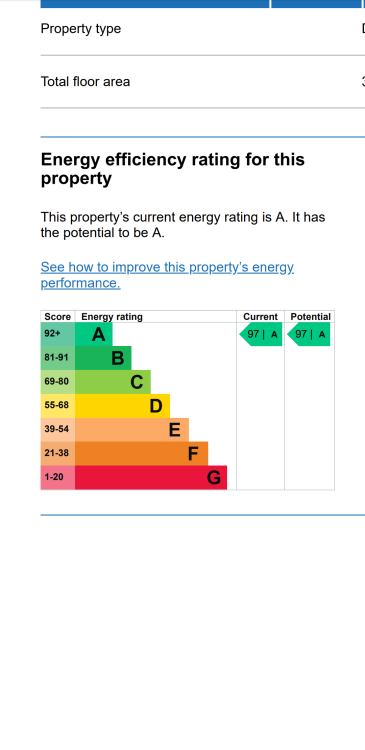
We got our as-built EPC
Conor replied to Conor's topic in Energy Efficient & Sustainable Design Concepts
We taped and painted everything in the entire house... Except the roof panels. They were interlocked and glued with foam. But thats where all the leakage is. Nothing at all for. The walls or Windows, but huge air flow through the ceiling openings on the first floor. Will email the sap guy and see if a better air test result would make a difference. -
Even though I'm disappointed in the airtest result of 1.8 (the thermohouse roof panel system is NOT airtight, despite what they say!), I'm happy enough. First time seeing an EPC with no potential improvements! We hit the passive House heat requirement target but not the airtightness so certification not an option.
-
Get a safe gas registered person round to check it all.
-
If you want to maximize the clear opening, go for bifolds. Our triple glazed Solarlux are excellent.
-
Welcome. I'm a fan of moving in 5o a place, living there for a year through all the seasons to decide how to line in it before taking on any big jobs. Stick with your existing heating and spend the money on insulation and airtightness. Then in a few years when you are all done, you will have a better idea of heating demand and possible options. If you are doing any plumbing works in the meantime, just assume you'll be fitting a heatpump in the future so oversize radiators etc.
-
Tiling onto cement board with some flex
Conor replied to Moggaman's topic in Roofing, Tiling & Slating
Easily. -
Phone the gas company and enquire if the property has been disconnected. I wouldn't touch that nut in your photo, looks more like a plug than a valve. Be aware than it can take a minute or more for any air to be purged from the pipes... But it does sound like you've no gas flow at all.
-
3-4 to 1. Dampen the block and door lining a bit before or else it'll suck all the water out of the mix. You might need a couple layers. If you do, scratch lines in to the first coat before letting it go off and applying the second
-
As above, thin ply and use as an electric Brad nailer (can get one from Screwfix for a few quid, and will drive 12-18mm pins in nicely).
-
Holy thread resurrection! I'm doing the same today, but I know I'm chronically bad at wrapping presents and making bed. So I'm likely to cut corners. In absence of DPM tape, what's an acceptable alternative? I have duct tape, air tight tap, flash and, and adhesive bitimous tanking membrane (thick and not very sticky). Just for a shed floor so not that critical... Cheers.
-
Tiling onto cement board with some flex
Conor replied to Moggaman's topic in Roofing, Tiling & Slating
If it were me, I'd be lining with 12mm OSB first. -
What about the order / schedule that was agreed with the window company? We had a similar issue but had ours replaced for free as the order form had toughened specified. Fyi the window company of anybody should know that floor level glazing has to be toughened.
-
New build equestrian property County Down
Conor replied to Lord Greyabbey's topic in Introduce Yourself
Raise the wall plate level up but keep the ridge the same... Gives you more head height under the eaves. It reduces your roof angle though so can't take it too far. We did that and have a pitched door upstairs... So 3m ceilings in all rooms, rising up from the 1.2m wall plate. It's way better than it sounds. -
There's filters on either end of the system so don't see why you'd need to clean?
-
A general guide would be MAX of 3N/mm² load capacity for basic bricks, blocks etc. That would mean for 2000kg, you want at least 150mm² of surface area supporting that weight. 4 brick columns more than enough. This all assumes your concrete floor is sound and solid. Might want to set on some paving slabs to spread the load out a bit.
-
Long weekend should do the trick. You'd want to keep any serious point loads off until 28 days, that's normally the design strength.
-
One thing to bear in mind is that demolition works requires specific insurance.. your contractors may not have this and your own site insurance won't cover it either. So I ended up doing it myself.


