
Conor
-
Posts
4165 -
Joined
-
Last visited
-
Days Won
12
Everything posted by Conor
-
I used ITS, best price I could find as a lot of places didn't ship to NI. Cost was £4200 for a 5pkW system with GSE roof trays. I did have to spend another £150 on cable and MC connectors and crimping tool tho as the kit only came with enough to connect the panels, not enough back to the inverter. Not got the bill from the spark yet but expect it to be about £800. I installed all the roof trays and panels myself. He also provided a test certificate which satisfied my electric supplier so I'm eligible for payments (8p per kWh so not much).
-

Any way to terminate this Brita 3rd outlet/pipe?
Conor replied to JohnBishop's topic in General Plumbing
Pipes are generally known by their outside diameter, same for the fittings. -
Nope. My filter gets cleared out regularly.
-
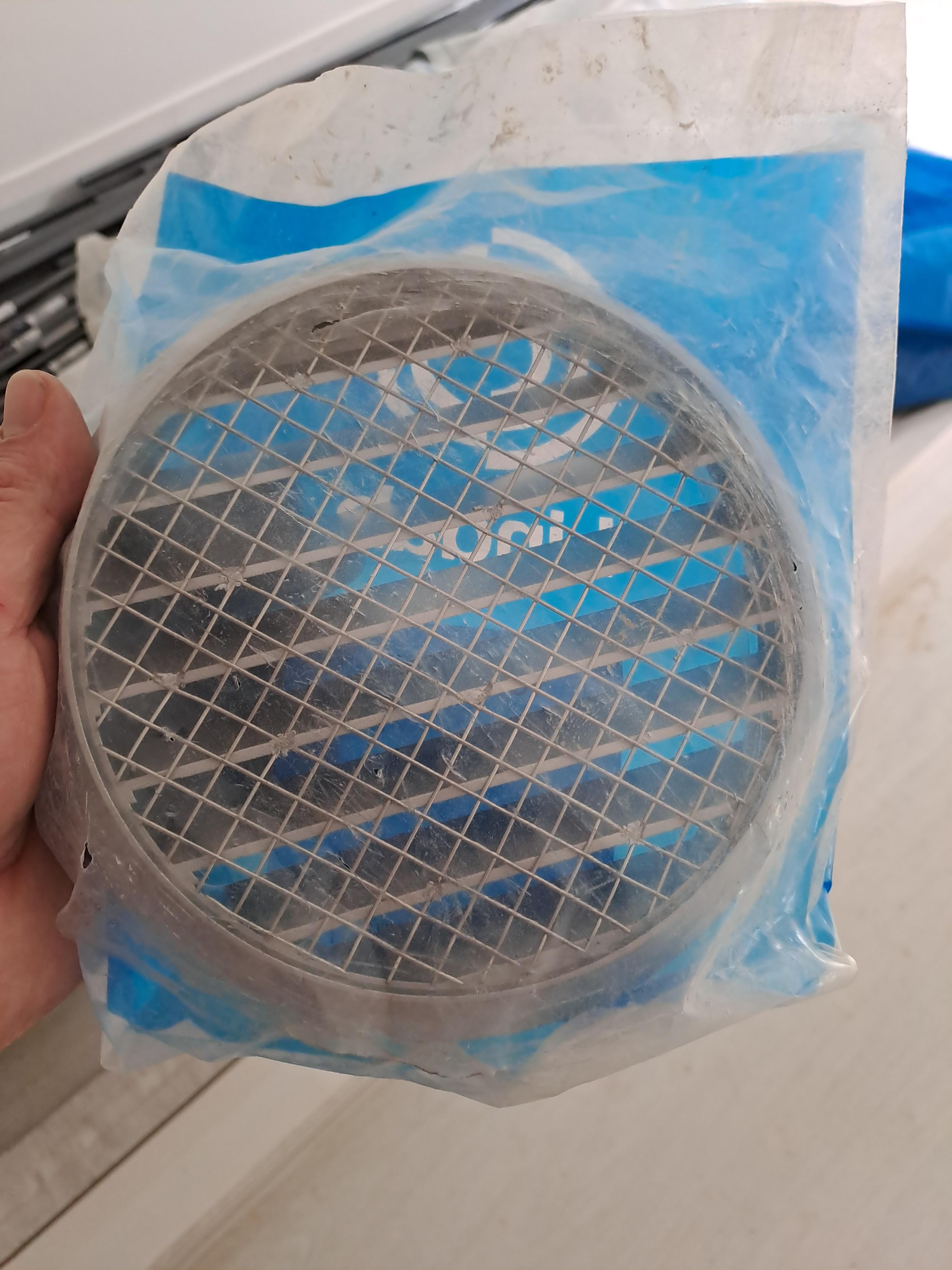
There should be mesh on them. There is on mine. Speak to lindab in case it's a mistake.
-
Be as vague as possible and let them come to you for more details. E.g. specify along the likes of "concrete tiled roof", "rendered walls"
-
Problems with how to finish reveal with aluclad windows
Conor replied to cbk's topic in Plastering & Rendering
The fitter is talking through their hole. Should be done the same way as Dave's. Ours was similar, the renderer used adhesive beads that he stuck to the window frames before putting the base coat on. Fill any big gaps around the window frame with standard Exterior frame sealant. Btw, if you're using aluminium sills, you'll want these fitted before rendering. -
Have you submitted drawings and have they been approved? In that case you should get them out at the normal foundation stage. If you've not submitted drawings and/or got approval, I wouldn't start. I did this a few years ago and got a stern word of "advice" from the BCO.
-
Underlayment - vinyl and wood laminate flooring
Conor replied to JohnBishop's topic in Wood & Laminate Flooring
We used 5mm Wood fibre underlay for our laminate, and 2mm foam rolls for the LVT. For our roll out vinyl we didn't use anything. All screed floors tho. -
Twinwall. Tough as old boots. Will deflect rather than shatter, unlike PVC. Just allow a generous fall to allow for any deflections.
- 1 reply
-
- 1
-

-
You'll be pretty well insualted and airtight by the sounds of it. 16kW sounds way too much. We built a 345m² ICF house. We installed a 2-9kW coolenergy heatpump. Not used it in winter yet but it's coping well heating the 300l tank. Our modelled peak heat load is 5kW. Today, its cooling the house through the UFH. Consuming about 3kW to do this, so less than what our PV is generating. Very happy and wouldn't consider anything else.
-
As above, get the detailed concerns from the councils treenofficer, then get your own arborist to write a report. Photos, proposed fencing to protect roots etc. Just need to demonstrate that there is no risk to the trees. If there are any that you might be too close to, you can propose that they are removed and you plant replacements on other parts of the sore. That's what we did.
-
Look out for second hand lengths of granite / quartz worktop with a sink cutout on gumtree / Freecycle. That's what we did, got it all for free Inc the sink. Just need a tap. Plan to mount on a couple brick piers. Have the water supply sorted and just going to use a rainwater gully for the waste. Don't forget to insulate all your pipework, either that or draindown over winter.
-
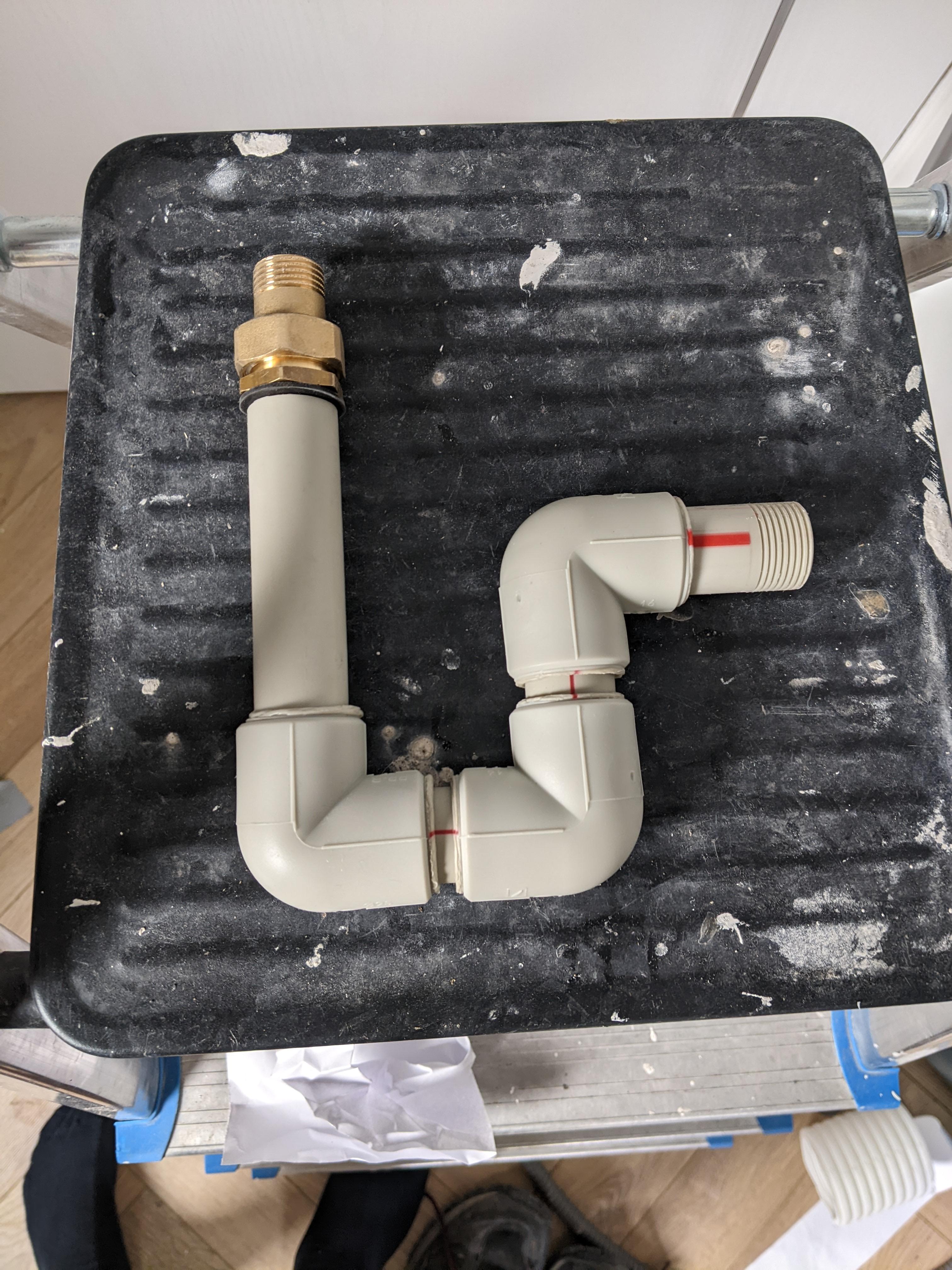
The waste trap for my MVHR is this 25mm plastic jobbie. It is ribbed at the end rather than a mechanic thread. It needs to connect to a 40mm solvent weld pipe. How do I do this? I've spotted 21.5mm solvent weld waste pipe and adapters to 40mm. Just can't figure out how to get from the 25mm to 21.5mm. or is there a washing machine style flexible solution?
-
Let the contractor do his thing. I've supervised works laying pipes in ground that was made up of more utilities than earth.
-
Fantastic. But you'll end up needing to half the amount of glass of you want a sensibly comfortable house built to PH standards. We've quite a lot of glass on the south elevation (4x6m glass wall), but make up for it by having virtually none on the east and west gables. As others have also said, roof integrated PV is the way forward. And ASHP of course.
-
Is the void ventilated? That's by and far the most important thing.
-
Retaining Wall Granular Backfill
Conor replied to BadgerBadger's topic in Landscaping, Decking & Patios
We used 25mm limestone chippings from local quarry, around £12/tonne I think. Just make sure it's clean. -
.
-
Retaining wall- preventing water ingress
Conor replied to Jason Livesey's topic in General Self Build & DIY Discussion
You'll l need a reinforced concrete wall, covered with a tanking membrane, protective sheeting, backfilled with clean stones and a pwrimoter drain at the bottom. Cavity wall isn't a suitable retaining structure. -
Phone the water company. They'll come out and find it. Likely been tarred over at some point.
-
No, you just need a warrantied waterproofing system. We used an external bitimous membrane system. They came out, supervised the start, inspected the final works. Mortgage lenders and insurers care more about water I guess than anything else.
-
It's EASY. I only hit my house three times. Just checked balloo. 6 days hire for the price of two. So that's a 5 tonne digger for a guts of a week for £300.
-
It's the 12th week coming up... You'll get good deals through the hire companies. Get digging
-
Get the digger in and strip it back. won't take long to dig down 400-500mm over the footprint. Only then will you know what is needed. You'll only need 100mm or so of compacted stone. The whole beauty of a floating raft is that it is much more tolerant of varying ground conditions across its area.
-
Try ecology. We put our own costs together and got the architect to sign it off and they were happy. They'll happily accept a QS, architect estimate or builders quote. If you search the forum for ecology every result will be 100% positive. For get about the local banks. You were right to run away from that builder, that's too cheap, even here.