


Temp
-
Posts
10690 -
Joined
-
Last visited
-
Days Won
43
Everything posted by Temp
-
I think nail polish remover is Acetone but don't let the wife catch you pinching it.
-
There are several different adhesion problems. Is it coming off after several layers have been printed or are you having problems with printing the first layer? That would never work for me but perhaps I misunderstand. I use blue 3M painters tape over glass and normally print with 0.3mm layer heights. I start by zeroing the Z axis and levelling the bed so the nozzle height is around 0.15mm above the bed, but I find that only works for some filaments (Filamentum for example). Some cheaper filaments I have to go down to 0.1mm or even 0.05mm or the first layer doesn't print well - the main problem is with small shapes such as the outline of holes getting pulled off if the nozzle is too high. If the first layer prints well then I don't usually have any issues with the print coming off later. My default speed is 50mm/s with the first layer printed at 25mm/s (50%). If you get an issue with prints warping and coming off the bed later in the print that can be a cooling issue. Try reducing the fan speed. Some stock fan shrouds only blow air from one side of the nozzle (typically they blow backwards towards the rear of the printer) so if you get problems with the front edge or front corners lifting but not the back edge or corners (or less in the back) that could be a clue its a cooling fan issue. I've had to drop fan speeds as low as 20% before. You can also set it so more layers are printed before the fan turns on. You can also print a fan shroud that blows from all sides. Adding a brim around a print can also help hold it down. This also helps if you have problems with the nozzle not priming correctly. Sometimes adding a brim changes the order in which things are printed on the first layer and that can also help (eg the small outlines get printed later instead of first). I've heard that wiping the blue tape with IPA improves adhesion but I've not tried that. I've also used hair spray and the Pritt Stick and water method, both work but I find the tape easier although recently have had issue with the tape only lasting a few prints.
-
Not used it myself but apparently its very susceptible to small temperature variations which distort the print or cause it to come off the bed. Some people say even a slight draught from an air conditioning vent is enough to cause a problem and recommend fully enclosing the whole printer in a box. I've heard mention of an Ikea cabinet or box that people use but haven't investigated. Edit: Forgot to mention there are YouTube video suggesting using acetone and scrap abs to help adhesion to the bed. https://youtu.be/saNoiV-op-0
-
Building regs ? Building up to the boundary
Temp replied to LindfieldRes's topic in House Extensions & Conservatories
It is possible to have an internal gutter so nothing overhangs the boundary but they can be a problem. If they aren't designed and installed correctly they can be prone to leaking into the roof space. Avoid if possible. -
Mortgage "deed of release" of land
Temp replied to Moonshine's topic in Party Wall & Property Legal Issues
I don't know if you can get a free trial at one of these sites but they appear to have templates.. https://uk.practicallaw.thomsonreuters.com/0-507-0016?transitionType=Default&contextData=(sc.Default)&firstPage=true&bhcp=1 https://www.lexisnexis.com/uk/lexispsl/property/document/393746/55MS-G1P1-F18B-61SJ-00000-00/Deed_of_release_of_covenants The land registry also has this guide which covers the removal of a charge over land and mentions form with links. https://www.gov.uk/government/publications/discharge-of-charges/practice-guide-31-discharges-of-charges Never done it myself. -
Yes gotta hide them away somewhere.
-
Ours looks similar to @ProDave. We got it pretreated with Osmo hardwax oil from Woods of Wales. http://www.woodsofwales.co.uk/ . That was about 12 years ago so our prices are too out of date. Do shop around. I picked up a lot of samples at the self build shows. All looked good at the show but when I got them home in the sun/natural light several looked very different, one or two were practically orange. Quite surprised. Some places grade it from Rustic to Clear depending on how many knots there are. We prefer something in the middle, clear is more expensive and looks too characterless in my opinion. If you are gluing the T&G make sure to use plenty. I recommend using a brush not just running the nozzle down the groove. Will help stop creaking.
-
Just to add to my post above... Which Osmo makes a difference. Osmo hardwax oil used indoors is fantastic stuff for floors. Osmo uv protection oil (clear) for outdoors is also very good but leaves freshly cleaned oak a bit too white. I prefer a coat of Danish Oil followed by several of the Osmo on external oak
-
We have an oak gate between garden and paddock. Left if bare. Took 10 years to get through the black and horrible stage to get to the silver/grey stage. Personally I think your house needs to be designed for either the honey/brown colour of treated oak or the silver/grey of weathered oak. Bit like some cars look better in some colours.
-
Over in Belgium virtually every building site had some sort of crane. They seem to consider them as essential as scaffolding.
-
The project team have a company sterilising printed bands. Thats the reason they say you should not send them to hospitals yourself. My guess is they either irradiate them or soak in bleach.
-
The team behind that project have been working to get a design approved by the NHS. The stl files are on their site and were updated to version 7 today. The ones I've been printing were the previous version which I think are only accepted by care homes. They have been designed to be stackable eg you can print a stack of 4,8,16 etc in one go then split them. They have to be printed in PLA or PETG. Other materials might be acceptable but they haven't been tested yet. You just print bands. They have people making the clear part and doing assembly. The clear part is just a ring binder cover with 4 punched holes.
-
After a lot of agro with my printer (blown fuses, failed bearings *2, crap prints) I've just finished printing a batch of visor headbands for the NHS. Part of this project.. https://national3dprintingsociety.co.uk/medical-am-covid-19/
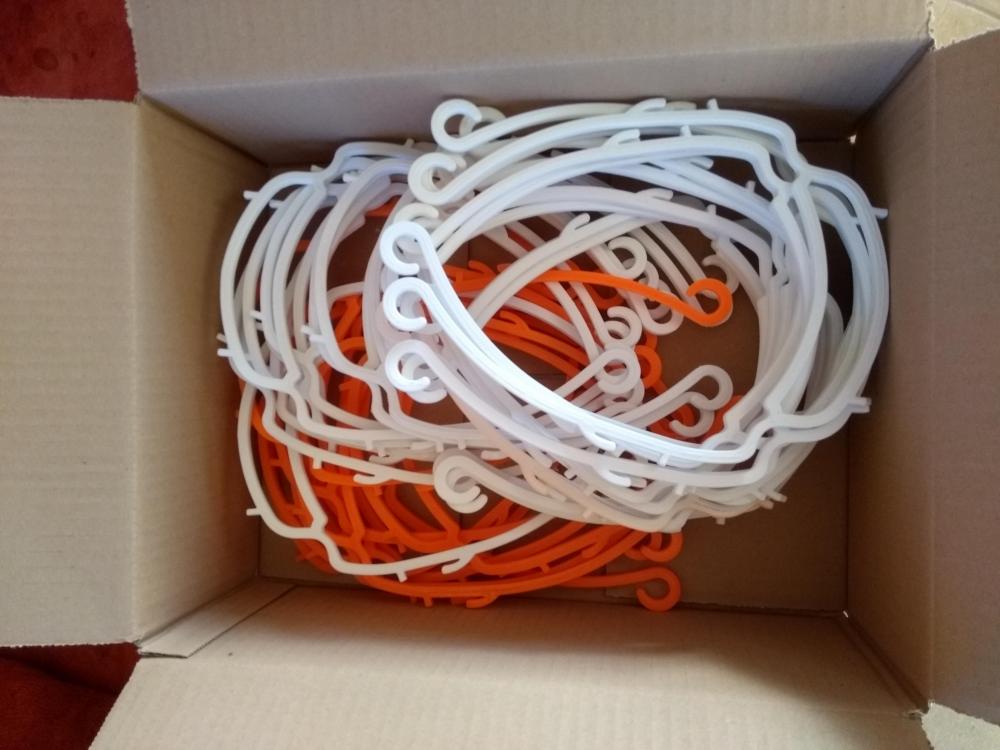
-
Just been quoted £206 for 1000 L delivered from BoilerJuice. Two other online services quoted £230 and £260.
-
Mapei appear to have their own floor epoxy primer. Perhaps you can put that on the self levelling compound? Give them a call.. https://www.promain.co.uk/manufacturers/mapei/mapei-floor-resins-and-paints/mapei-primer-sn.html
-
Crazy isn't it. I'm going to dip my tank tomorrow to see if I can get enough in to make an order.
-
Just for info.. Engineered boards are usually either 14mm or 18-21mm. I think the 14mm is only recommended over concrete floors. Think building regs require 18mm+ on joists.
-
I think it was May futures that went negative. Actually oil is still positive but watch this space.
-
Building structure for indoor pool
Temp replied to lib8899's topic in General Self Build & DIY Discussion
Pools can be expensive to heat so id recommend lots of insulation in the walls and good quality glazing. The glazing could well be pretty expensive if you want a 40ft long full height window. -
Building structure for indoor pool
Temp replied to lib8899's topic in General Self Build & DIY Discussion
Re planning permission check the rules here. Might not need planning permission. https://www.planningportal.co.uk/info/200130/common_projects/43/outbuildings You should also check the Permission for your original house as sometimes permitted development rights are removed by a planning condition. -
+1 I'd go with good quality pipe, gravel and paving slabs. Much easier to dig up if there are any problems but I reckon it will be fine.
-
This RPi based CO2 logger claims to come ready to log.. https://www.co2-logger.com/product/co2-logger-development-kit/
-
Before you refill yours with new fuel check for bugs in the tank. One caused me no end of grief with poor running. They crawl into the removable spout of my jerry can and then get flushed into the tank when I fill up.
-
No mines a Toro.
-
Likewise. I keep looking at the hole in my deck trying to decide if I should get it repaired, replaced or buy welding kit and figure out how to patch it myself.


