.jpg.5f778cfe1b98f06fc7bd4b79ad2393e1.jpg)
Simplysimon
-
Posts
1496 -
Joined
-
Last visited
Everything posted by Simplysimon
-
.thumb.jpg.bac90f3bbf6868cf2118d010d936c99d.jpg)
Makita and Coffee Lovers Combined
Simplysimon replied to Barney12's topic in General Self Build & DIY Discussion
jura bean2cup and we tend to buy the 1kg taylors from waitrose when we are passing, costs a fortune buying coffee there, normally £70-£100 a kilo! -
is it because they are posi joists as opposed to jji, haven't used either but heard jji are better
-
there is no need for tapered firrings to run in the same direction as the joists, you can work out the fall over the distance and every 400/600 centres cut a rectangular section to run at 90deg to the joists. the sections will all be a different height to create the fall and if you have a saw you can make them yourself these are graded firrings
-
has there been an allowance made for the thickness of the floor in the manufacture of the stairs? the bottle or top nosing should be level with ffl
-
Having done a few dry rot repairs, i certainly wouldn't trust it not to spread if the source of moisture was found and rectified and the mc of the timber to be reduced. i've seen dry rot in timber and brickwork where there was no damp but had spread from a damp area which had been removed and repaired.
-
Small room floors with UFH - mesh or fibre?
Simplysimon replied to curlewhouse's topic in General Construction Issues
i wouldn't bother with mesh, it's not a structural slab as on b&b, fibres should stop it cracking -
Loft Insulation Upgrade
Simplysimon replied to MikeGrahamT21's topic in Lofts, Dormers & Loft Conversions
we've an open loft, floored and p/boarded by previous owner, i can barely get from one end to the other due to 'stuff', if i was to legally convert it i would need to upgrade joists, forgot, i'd need to empty it first, and then if used as a bedroom there would be less weight in it than there is now prior to upgrading joists. -
Small room floors with UFH - mesh or fibre?
Simplysimon replied to curlewhouse's topic in General Construction Issues
what's the concrete being laid on below the celotex? fibre is really only to help prevent cracking and is not structural reinforcement. -
unfortunately not, there is sufficient moisture in the timber, even the cellulose is sufficient to allow dry rot to continue. it will grow through brick walls and everything 1m past the last visible signs of the mycllium needs to be removed (carefully) and burnt. upon replacing the timbers, they need to be treated, new dpc and kept well away from brickwork. as stated outside ground level needs to be 150mm below inside floor level.
-
@recoveringacademic the joists don't need it but as stated buy the wallplate treated it's vacuum/pressure treated and far better than using brush/spray
-
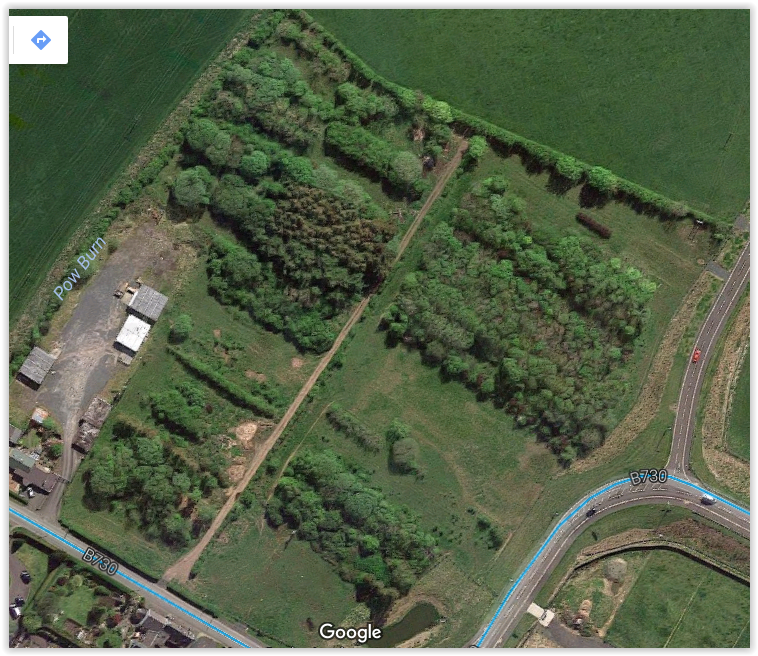
i had some trees, now i don't. a digger and a day = 50 cube of timber. everything to the left of the track apart from the brownish rectangle which is a stand of firs is gone apart from a few random trees. plots are called the hawthorns, bloody sharp thorns clearing up.
-
@Ed_MK footprint will be about 100m2 and we are up in ayrshire
-
hi @Ed_MK, broke ground for our founds today, (woo-hoo) and our quotes came in above yours for beam and block engineer - underbuilding #2.pdf
-
@Triassic, i'm sure you're aware, as the formwork goes higher the pressure at the bottom increase. if you do it yourself you will need steel formwork, yes it can be done with timber as @mvincentd did and has been done for years before steel came along, but it is a big job, and shuttering is a specialised trade. if it were me i'd go with icf, shutter it and insulate it in one go. simon
-
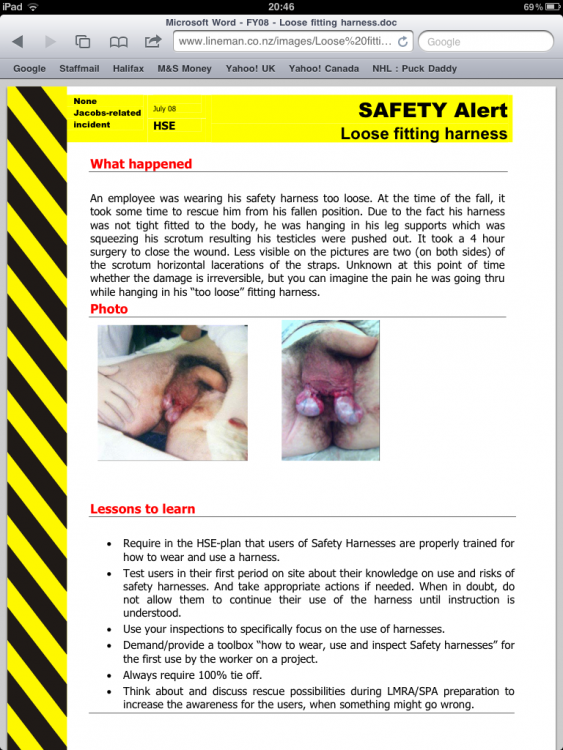
and if you don't use them correctly....
-
hi all, just wondering if anyone has used a viltra treatment plant simon
-
Optimum Underfloor Heating Ltd. Inverness got a price and it seemed quite good
-
@bissoejosh just catching up on a few posts as been off forum for a while, i'm doing a jjii beam stud wall and roof of 350mm. as i'm a joiner and teach, i was concerned about cold bridging, insulation, airtightness and ventilation. going down the passive route to avoid these problems. kit is designed and should be signed off by ser this week. i'm building the kit myself as i've got a shed to build it in i had originally thought of twin stud, but reckoned jji an easier option, had thought to manufacture the jji but reckoned that getting them tested and signed off would be too much hassle. i would also look at different options for insulation as this is one of the biggest problems of cold bridging, we're going down the route of pumped cellulose to avoid gaps.
-
shed supplier was http://www.buildings-uk.com/ they were very helpful with the details, oh and by the way, they also do metal stairs. quality of steel and manufacturing is very good. simon
-
@Crofter as i've got machines stored in other peoples sheds i can't complain! @Nickfromwales pm sent
-
@Roger440 started out at m3 but i was unhappy with condition of ground, went down 1.5m and then hardcored back up. @CC45 did you use bolt boxes/cones?
-
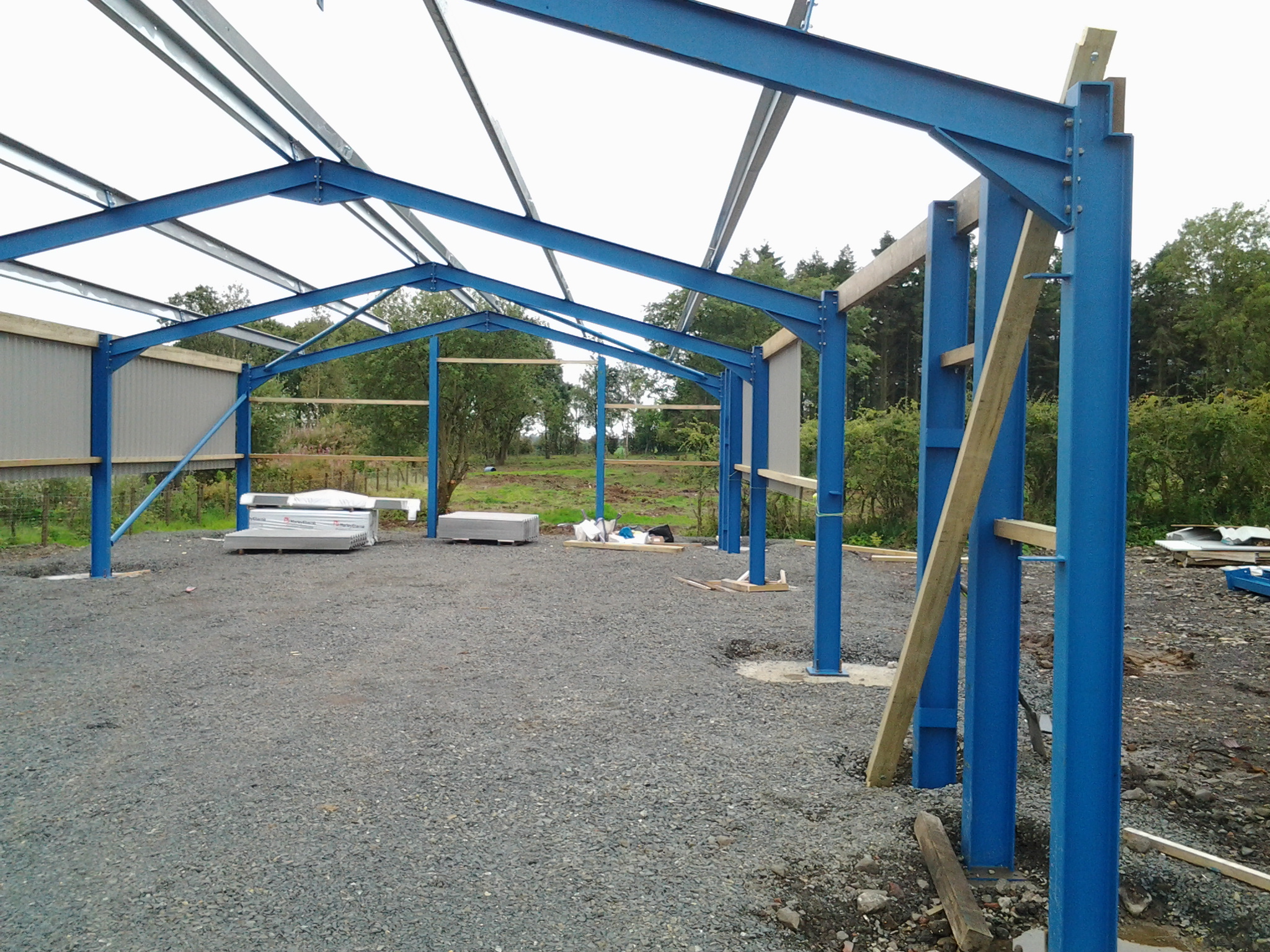
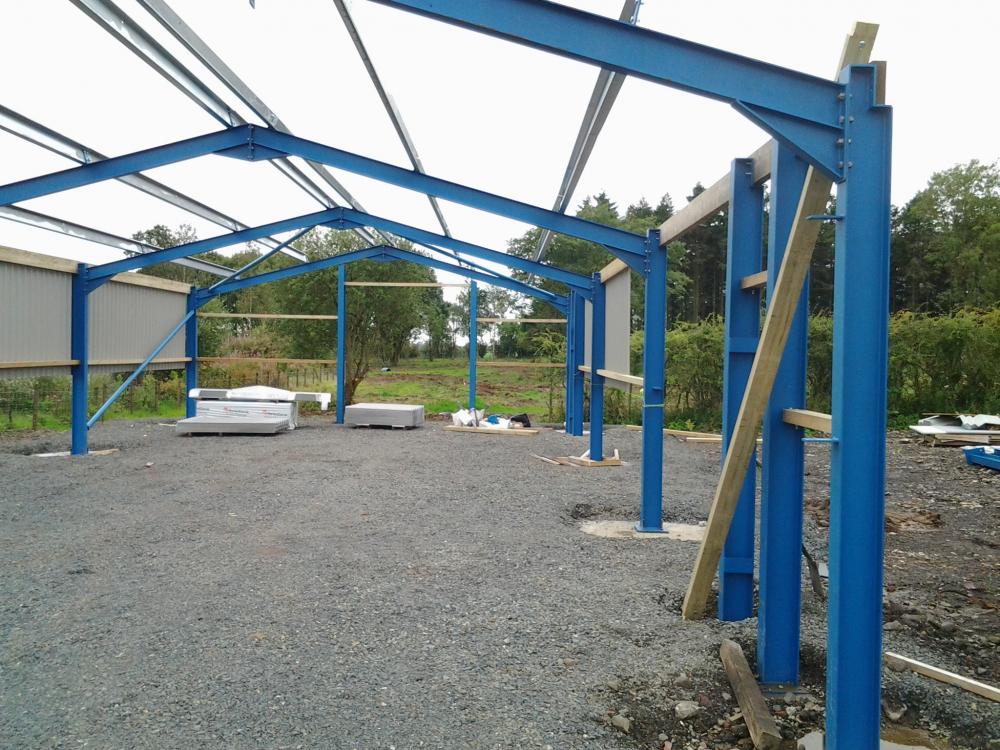
60'x30', a big meccano kit! first one i've done and i'm quite pleased!, 'insulation' is the fibre cement roof. need a decent size to build the kit in, will end up as 2/3 stabling 1/3 workshop/garage for me. it's surprising what you can do with a tape, a water level and a merlo! simon
-
hi all, been off forum for a while, progress with house is slow, still waiting for building warrant and structural engineer. i have though, got started on the shed, frame up and cladding started. simon
- 20 replies
-
- 2
-

-
- steel frame
- agricultural shed
- (and 1 more)
-
the solid insulation is fine as a support for the floor on it's own without the need for timber battens. i would also suggest using the chipboard flooring as opposed to osb. whichever board is used the pressure is spread over a sufficient area without damage to insulation and providing a better overall insulation solution
-
90mm reduction equates to the removal of the top rail, that's a lot. +1 on the above, move the linings, it's the only sensible/logical option
- 17 replies
-
- 1
-
-
- trim doors
- internal doors
- (and 1 more)