Temp
-
Posts
10690 -
Joined
-
Last visited
-
Days Won
43
Everything posted by Temp
-
We have stone tiles on our ground floor kitchen and living room. Both slabs shrank towards their respective centres (very slightly) causing a crack where they meet at a doorway. This crack propagated through the stone. The crack was curved slightly more in one room than the other. This happened despite us having fibres in screed (recommended by builder) and him covering the screed with plastic to control the setting process and waiting more than the recommended drying time (1 day per mm). So yes. If you plan to screed and tile through door ways I would form a deliberate crack (expansion joint). It might be possible to tile over this gap once everything has settled but I would use a threshold strip/tile that can be replaced in case there is any movement later. It might be different if you are screeding before building internal stud walls on top.
-
I think the NHBC also have a guide called something like Building near Trees.
-
If you've only just reached breaking point you're doing pretty well. We almost cracked during the planning process! There was a point when I probably would have punched the planning officer had he been anywhere near me but we eventually got to stick it to them. Water was also a low point for us. We had to divert a main and the water co insisted we needed an Archaeological Watching Brief despite nothing in the planning conditions. At least twice the Archaeologist drove 30 miles to get to us only for the water co team not to turn up. Once it was done they told us they had to put chemicals in the new bit of pipe and wait 4 weeks before coming back and testing it for bugs. They did eventually come back but it was a week or so too late so they had to repeat the entire process over again.
-
Is that a Yale No. 1 Rim lock? https://www.amazon.co.uk/Yale-Double-security-automatic-latchbolt/dp/B0019N7QH2 No2 is similar with different dimensions.
-
"Nice thing about standards is there are so many to choose from" (With apologies to whoever said that first).
-
Ah but which version of Torx is best :-) Apple use a version with a different number of lobes in their laptops.
-
Possibly exacerbated by the very dry summer we had? See how it goes next year.
-
10 years back we needed some 4-6-4 sealed units. Several places told us they can make them to virtually whatever spacing you want. You can get them filled with Argon or Krypton to improve u-value but if you go for Krypron you may have to pay for a whole cylinder which can bump up the cost. It can be worth calling around to find somewhere that already has a cylinder from a previous job. PS: Window companies get their sealed units from a specialist sealed unit manufacturers. Can be cheaper to go direct.
-
They will want paying in Euro. I'm not worried about tariffs because both sides want to maintain trade. I think exchange rate movement is a bigger risk. My contacts in the city say a no deal Brexit will be good for the investments they manage because they are "underweight UK". Eg they expect the pound to fall if there is a no deal. They say they haven't deliberately sought to profit from a no deal, it's just that they see better growth opportunities overseas for the next few years.
-
timber windows, paint or varnish internal window sill/board
Temp replied to Jude1234's topic in Windows & Glazing
Instead of varnish consider Osmo hardwax oil. It's more like a varnish than an oil but its said to be easier to recoat or repair than varnish. Its intended for wood floors. May come in different colours but I've not checked. We used the standard version. Not as glossy as varnish. -
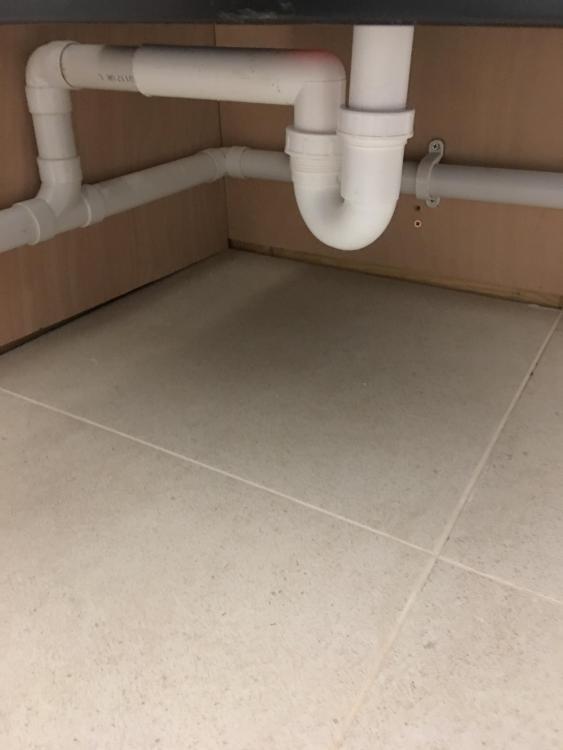
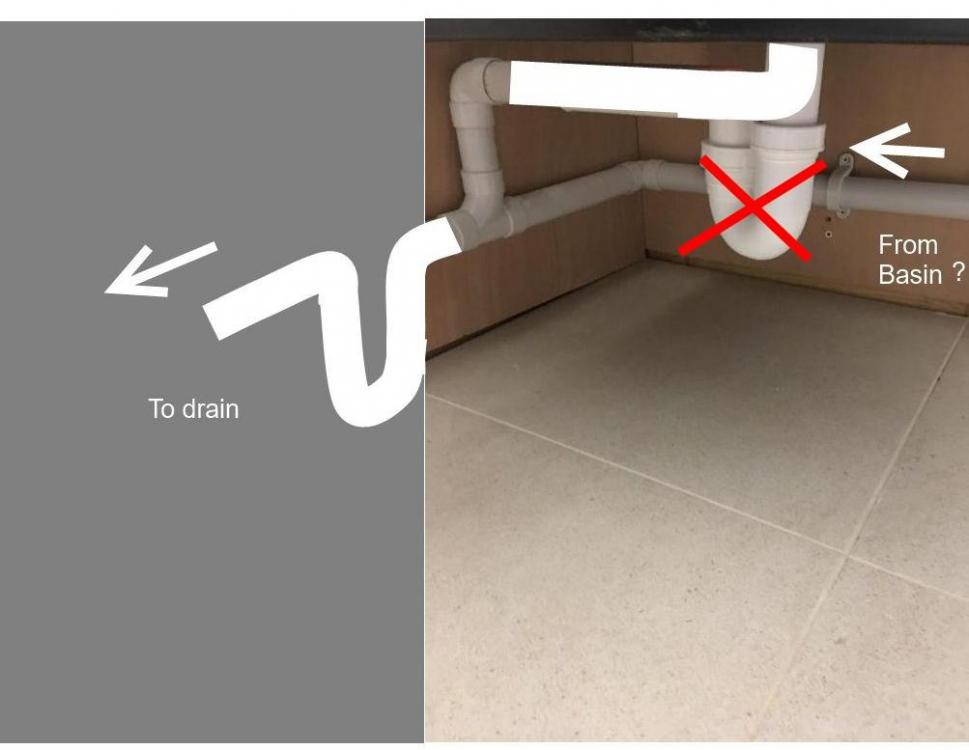
Lizzie, This picture suggests there is another appliance or sink in the same room? Perhaps you can arrange both to share the same trap so that the other appliance/sink keeps the trap full. Might be better than a waterless trap but what do others think? Something like this..
-
If you are planning to drive abroad you can order an International Driving Permit and Green card already. The driving permit is valid for 12 months. My guess is there will be a last min rush to order these.
-
There is quite a lot of official advice from the government in their technical guides. Also quite a lot of omissions.. https://www.gov.uk/government/collections/how-to-prepare-if-the-uk-leaves-the-eu-with-no-deal#travelling-between-the-uk-and-the-eu
-
Seems to me it's the leavers not the remainers in the Cabinet that are most likely to scupper the deal.
-
+1 My understanding is that the regs require either a step or a fall not both.
-
My MVHR pipe just discharges outside onto the ground although I've never actually seen any water coming out. Perhaps you could do likewise so no trap needed.
-
Cheap but good looking vanity worktop
Temp replied to Jude1234's topic in Bathrooms, Ensuites & Wetrooms
Limestone/Travertine for under £100? http://www.naturalstoneandtimber.co.uk/internal/vanity-tops-natural-stone-timber-ltd I'd want to go select in person. -
Found a good article here... https://www.homebuilding.co.uk/how-to-build-a-new-home-on-a-garden-plot/ Suggests they won't face cgt unless the plot is on something like a paddock rather than garden.
-
I half remember that 20 years ago the tax man would claim cgt if you got pp to build in the garden of your house before selling that bit off. I think this policy was abandoned back then to try and increase the number of plots and houses available.
-
PP condition - Turning areas within curtilage
Temp replied to Moonshine's topic in Planning Permission
In case it helps... I see no reason why the turning area couldnt be combined with the disabled access ramp to the front door. -
Bit of googling found this... https://www.samconveyancing.co.uk/news/conveyancing/gifting-property-4-ways-to-gift-your-property-2928 Which suggests there are different ways to transfer the property and there might be differences in the tax treatment.
-
Does that (CGT) apply even if the property is still part of their principle private residence?
-
PP includes demolition. Is this part of the "development"?
Temp replied to howplum's topic in Planning Permission
1) is correct. They can't add the CIL to an existing PP started or not. As for 2).. If they introduce the CIL before you can get the new PP done then I would avoid including anything on it that has already been started. For example I would ask the planners to rule that anything done to date such as the demolition or site clearance is lawful under the existing PP even if it's not fully implemented. If they say you need retrospective PP for anything the existing owner has done I would apply for it separately to the application for your new house. That way their is no possibility they can say you have started your development before claiming the CIL exemption. -
PP includes demolition. Is this part of the "development"?
Temp replied to howplum's topic in Planning Permission
Phew. Keep checking as it maybe on the way. Any applications not completed when it arrives could be caught. -
PP includes demolition. Is this part of the "development"?
Temp replied to howplum's topic in Planning Permission
Its horribly complicated but I think they normally assume the land owner is liable for the CIL unless someone takes liability for it. I think (but I'm not sure) that liability transfers automatically to a/the new owner when the plot is sold. My concern is that if you buy a plot with PP and work has already started you probably can't claim the self builder exemption. That could cost someone £lots they weren't expecting.