


Gone West
-
Posts
4668 -
Joined
-
Last visited
-
Days Won
20
Everything posted by Gone West
-

Fixings for MF to block and beam ceiling
Gone West replied to Thorfun's topic in Bricklaying, Blockwork & Mortar
Product Details One-piece self-tapping concrete screw with ICC-ES Approval. For use in a variety of base materials including wood. Coated in a corrosion resistant Perma-Seal coating with an optimised thread design for low installation torque. Also incorporates a gimlet drill point for wood, no pre-drilling required. -
Sourcing tall windows.... 5m x 1.0m without splitting into two?
Gone West replied to fatgus's topic in Windows & Glazing
We used Rehau Geneo profiles and had all the windows made using the same profile with triple glazed units. We had a three quarter glazed gable where the tallest pane was just over 4m.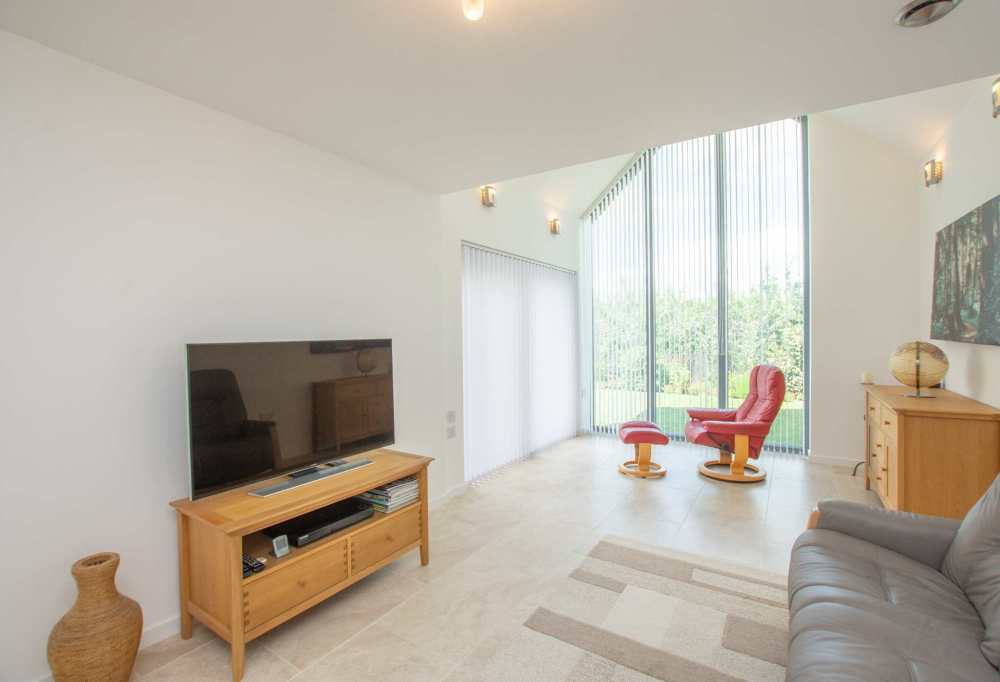
-
Insulating a (presumably hollow) metal door from within
Gone West replied to Garald's topic in Heat Insulation
https://www.mikewye.co.uk/product/foam-glass-bubbles/ Presumably something like that is also available in France. -
how was this made, what type of wood/gravel?
Gone West replied to CalvinHobbes's topic in Landscaping, Decking & Patios
A lot of NT pathways are made of hoggin. Easy to use and if it sinks a bit you can just top it up. -
Timber I-beam portal frame using 15mm OSB3, 350mm Icynene with plasterboard and skim. No tapes or membranes at all. Airtightness was 0.47ACH.
-
I hope so, as I'm gradually going over to Dewalt 18V XR tools.
-
Nibe (or any heat pump) water scheduling
Gone West replied to SBMS's topic in Air Source Heat Pumps (ASHP)
Safe, but you might run out of hot water. -
Nibe (or any heat pump) water scheduling
Gone West replied to SBMS's topic in Air Source Heat Pumps (ASHP)
Just thinking about it logically, I would turn both off and see what the effect is. -
EU greenhouse gas emissions see significant drop in 2023
Gone West replied to SteamyTea's topic in Boffin's Corner
We're trying to keep up. https://www.beba-energy.co.uk/solar-panels/thanet-earth/ -
We didn't use decoupling mat but did use flexible tile adhesive. The concrete had been down five years before we tiled the downstairs and we didn't have UFH.
-
Right angle toilet connection (and AAV thoughts)
Gone West replied to MortarThePoint's topic in Waste & Sewerage
IIRC it was a rodding elbow and I drilled a hole in the centre of the rodding cover for a 50mm 45 degree bend which I bonded on somehow. It was eight years ago so the details are a bit thin I'm afraid. -
Right angle toilet connection (and AAV thoughts)
Gone West replied to MortarThePoint's topic in Waste & Sewerage
In our downstairs wetroom we were tight for space and I used a short, straight WC connector into a 90 degree bend with a 50mm AAV vertically off the bend.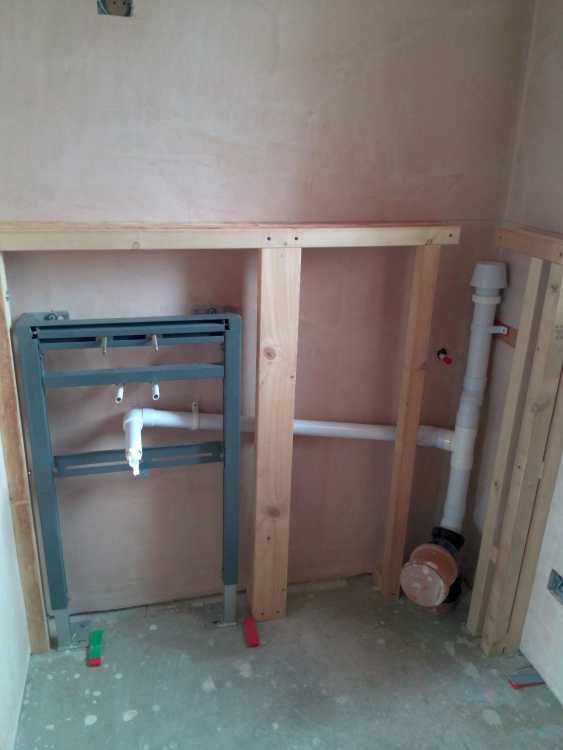
-
Light refurb/renovation & building regs
Gone West replied to Roger440's topic in Building Regulations
I think it depends on how obvious the work is, that you plan to do. Are you detached, do you have nosey near neighbours? Most people don't know the difference between Planning and Building Regs. If you think there's a good chance someone might dob you in, then be careful. If not then I doubt anything would happen. -
replacing asbestos cement soffits
Gone West replied to Del-inquent's topic in Roofing, Tiling & Slating
The wind has never moved it. I've not tried hosing it because I didn't want water going in the vent slots. I have brushed it with a broom and it was ok. To a degree it is held in place by the slot in the fascia. I won't be altering it for the time being. -
replacing asbestos cement soffits
Gone West replied to Del-inquent's topic in Roofing, Tiling & Slating
Nope, makes it easy to remove though. 😀 -
replacing asbestos cement soffits
Gone West replied to Del-inquent's topic in Roofing, Tiling & Slating
Ours are fitted like that where the 1970s cavity wall alterations were made. Apparently our uPVC soffits replaced asbestos ones as well. -
The twin cylinder softeners like Harvey, etc regenerate when required by switching over to the other cylinder. I had different models in the different houses I lived in, in the SE. They were all ok. Fortunately moving to Cornwall means I don't need one any longer.
-
Congratulations, and well done for sticking with it.
-
Octopus, did i imagine this?
Gone West replied to Post and beam's topic in Air Source Heat Pumps (ASHP)
I can second that. We did, though, get some cash back and a nice hamper for all the hassle they caused us. -
I thought you could make ASHPs quieter by making them bigger. I don't know if that is because of larger fans spinning more slowly or thicker sound insulation inside the casing.
-
We've only lived here for the last four Augusts. Wonder why so many people come to Cornwall for their holidays.
-
I don't know how much, but when I looked at the display it was reading 60C. I'm going to replumb the place so hopefully will have a better idea in the future.
-
Three years ago I bought an old bungalow that had a 4kW PV system fitted in 2012. It also has a Genersys 1.4kW solar thermal system.
-
No it's not. I get over £2k a year for FiTs, but I wasn't really aware of the whole REGO payment scheme.
-
I'm registered with Good Energy for my FiT payments and hadn't heard of this, so I had a read, very interesting. https://www.goodenergy.co.uk/business/insights/fit-rego-boost/




