Temp
-
Posts
10641 -
Joined
-
Last visited
-
Days Won
43
Everything posted by Temp
-
Not sure how accurate these costs are but they suggest £250 to £450 per square meter. https://www.checkatrade.com/blog/cost-guides/retaining-wall-installation-cost/
-
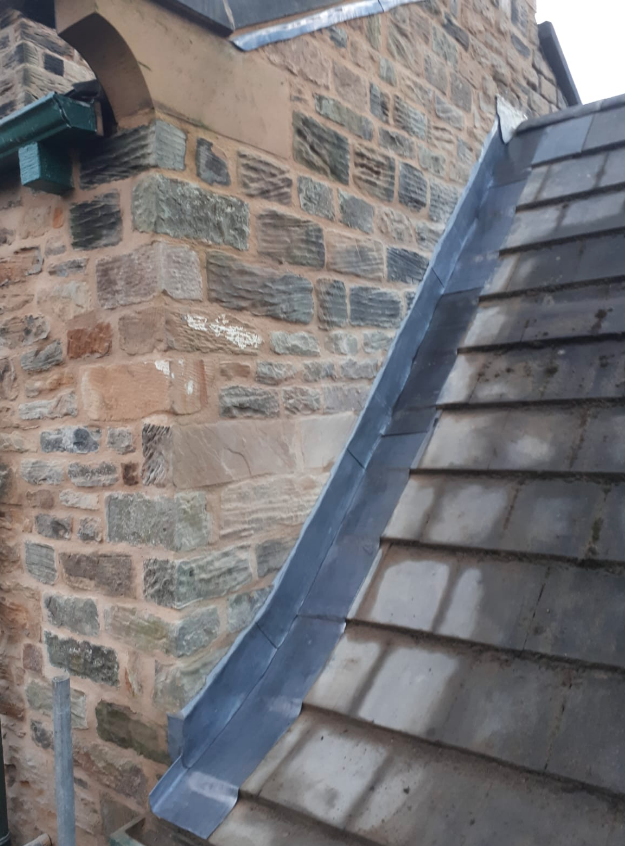
Sounds OK to me. The soaker should be at least 100mm wide under the slate so you have an extra 50mm to cope with any unevenness of the wall that the tile cutting cant cope with.
-
Phenolic boards such Kingspan K103 have a better thermal conductivity than PIR but not by much 0.018 vs 0.022 W/mk I think. That's about 18% better. When you screed the floor form expansion joints at doorways. Screed can shrink very slightly and form a crack at doorways. This crack is never straight and can propagate through tiles or stone. The expansion joint forms a deliberate crack that you can cover with a grout line or door sill.
-
+1 We have 21mm Engineered Oak over UFH and B&B without screed. We actually fitted battens the same thickness as the insulation and secret nailed the Engineered oak to that. We did find we needed high flow temperatures to push enough heat through the floor when it's very cold but that's possibly because we built to 2005 Building Regs and have a full height window and no curtains. Put as much insulation under the UFH as you can. We only have 80mm and if building again might double that. I know better now.
-
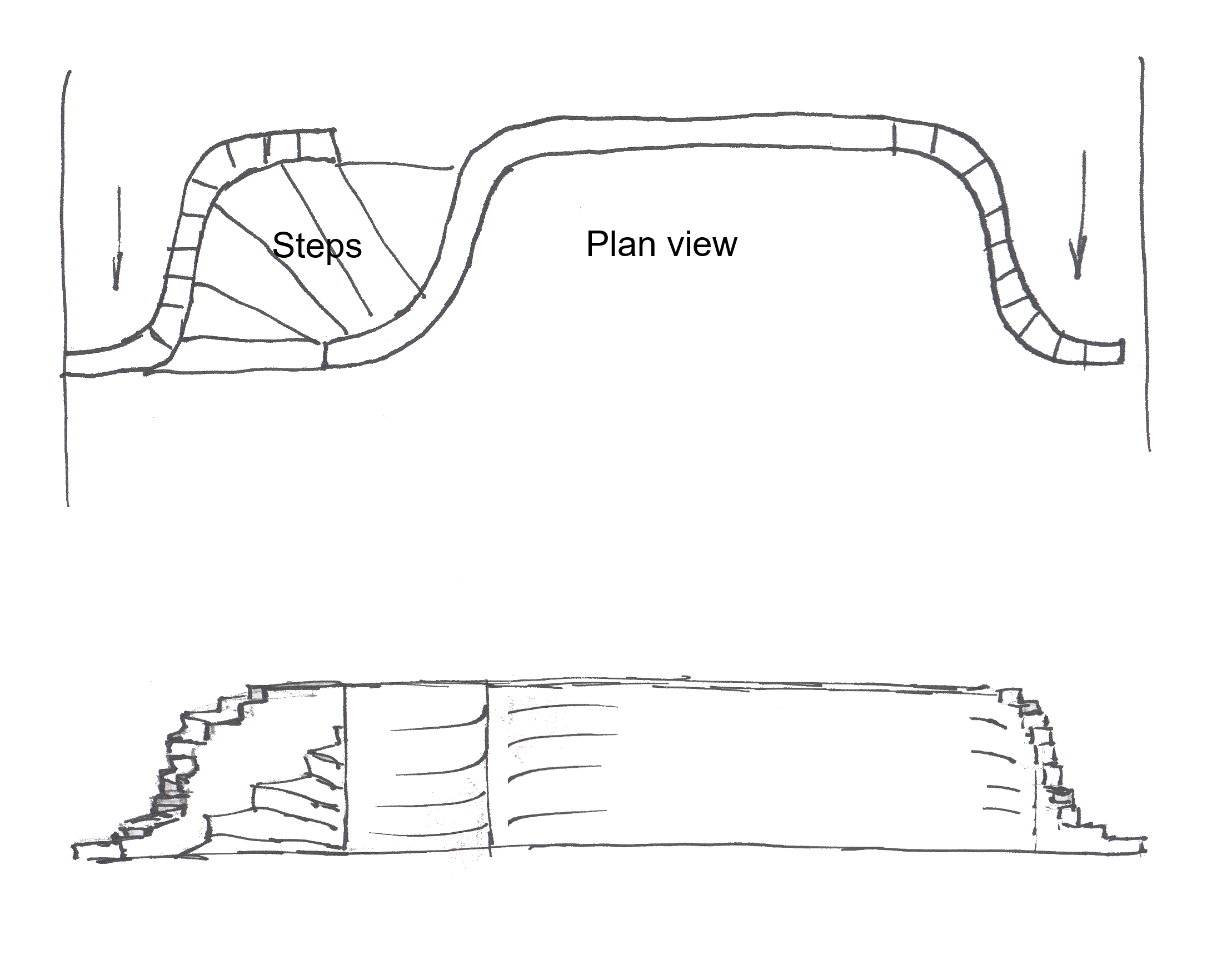
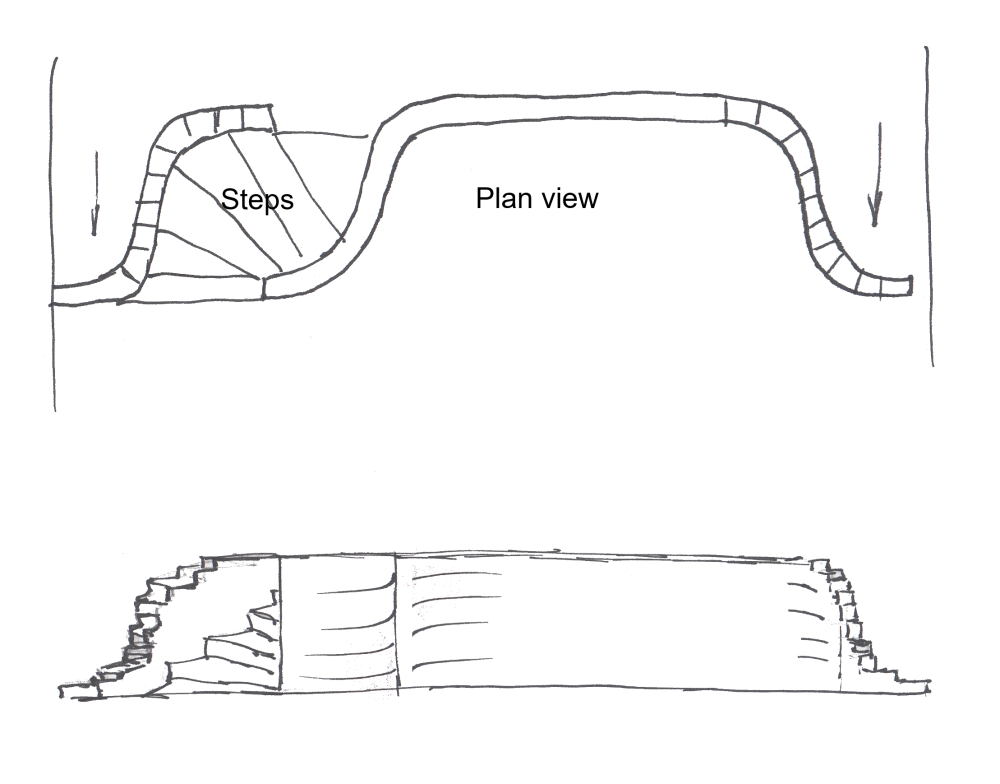
If you dig out the full width you would most likely have to take out the fences both sides and build side retaining wall and reinstate the fences. How about leaving a meter of so either side sloping down and taper the retaining walls something like this. Gives you a recessed area near the "P" of "Plan" for a small BBQ or seating area. Not a great sketch sorry..
-
I think using insulation is much better idea than plywood. Less chance of damaging the pipe fitting when removing it.
-
Garden Design with Low Retaining wall
Temp replied to Richini's topic in Landscaping, Decking & Patios
This is roughly what we did. the plastic sheet and french drain on the uphill side seems to keep enough water out of the wall that moss doesn't grow on it. The top of the wall was/is capped with same stone used for patio but some sections have come loose over 15 years. Perhaps no SBR used? The armoured cable for wall lights has potted junction boxes one per light. The Paving Expert web site is also good for all things related. They have a slightly more robust design.. https://www.pavingexpert.com/featur03#retain Perhaps bookmark their site index. https://www.pavingexpert.com/pavindex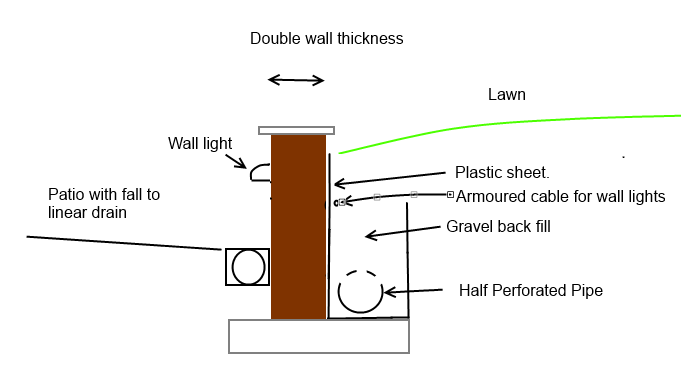
-
Ground Floor Extension Planning and Party Wall Advice
Temp replied to Can_Do's topic in Introduce Yourself
Because you are building close to the neighbours the Party Wall Act will probably apply. If the neighbour knows their way around the Act they can make it quite expensive for you in terms of surveyors fees. If he was happy with your project all you would need do is give him notice and plans and he would give you a letter in return, no surveyors involved. If he's not happy he can ignore your notification or object to it and you are obliged to get surveyor(s) involved. He can agree to share your surveyor or have you pay for one of his own. There is no penalty for not complying with the PWA only risk. If the neighbour wanted to cause trouble they could ask a court for an injunction stopping work on the grounds that your work is causing cracks etc. The court would take a dim view of your decision not to comply and might be more likely to grant the injunction abs possibly costs. If his facia boards are timber perhaps offer to replace those facing you with uPVC to get his support? Perhaps point out if he agrees to your project you won't raise the issue of his gutters overhanging the boundary. If he's still not happy you may have to get PWA surveyors involved. -
Built in microwave that doesn't keep beeping?
Temp replied to Mr Punter's topic in Kitchen & Household Appliances
-
What's Going on With This Brickwork
Temp replied to Richini's topic in Bricklaying, Blockwork & Mortar
You could get another block leaf built but it might be easier to build the new floor then add internal wall insulation and plasterboard. Treat it a bit like a garage conversion. This would take less internal space. -
Garden Design with Low Retaining wall
Temp replied to Richini's topic in Landscaping, Decking & Patios
Does the patio have a decent fall on it away from buildings and where does it drain to? We have something similar in our garden to your proposed solution. We have a brick retaining wall about the same height. There is a French drain on the uphill side of the wall and a linear drain on the lower/patio side. Seems to work OK. Will try to post a drawing later. -
Garden Design with Low Retaining wall
Temp replied to Richini's topic in Landscaping, Decking & Patios
Your two thread are likely related. https://forum.buildhub.org.uk/topic/33522-whats-going-on-with-this-brickwork/#comment-493044 -
What's Going on With This Brickwork
Temp replied to Richini's topic in Bricklaying, Blockwork & Mortar
Just seen your other thread, -
What's Going on With This Brickwork
Temp replied to Richini's topic in Bricklaying, Blockwork & Mortar
It looks like there are 2 DPC, one just above the drain cover and another two bricks above it. Is that a linear drain around the whole perimeter? If the drain fills up with water there will probably be penetration below the lower DPC. There may also be some rain splashing up above the lower DPC. My guess is they painted the inside with a liquid DPM of some sort to try and minimise water penetration but a single skin wall is never a great idea. Perhaps consider raising the floor inside.. install a DPM lapped up the walls above the top DPC. Fit insulation and new floor screed to raise the floor. -
This is what I did on a bigger outbuilding with tiled roof. How much is necessary I don't know.. Install duct for electricity. I used rebar hammered into ground and cable ties to hold duct in position. Level ground and compact with wacker plate. Add hardcore and compact in two layers. Add 25mm sand blind and compact. Add shuttering and plastic sheet to stop concrete losing water before it sets up. Pour concrete and level with top of shuttering. Push heads of long bolts into the concrete to later bolt building down. I used threaded rod and nuts. Support while concrete sets if necessary. Put lengths of pipe over bolts to stop you being impaled if you trip over.
-
Don't just put a shed on a concrete base that's bigger. Rain lands on the perimeter and runs under or rots out the bottom. Either raise the shed on a coarse of engineering bricks or make the slab slightly smaller than the shed and raised above the surrounding ground. The idea is rain hitting the walls of the shed drips off onto the ground not the top of the slab. You can also put gravel filled trenches around to reduce splashing up onto the walls.. I'd probably go for 100 + 100mm.
-
Can we use an i joist instead of ecojoists on an 8.1 span?
Temp replied to CalvinHobbes's topic in General Structural Issues
Perhaps I'm missing something but I don't see the connection between the use of a structural ridge beam to support the roof and the type of floor joist. Are there posts under the ridge beam that bear on the joists? Normally the beam would be supported on the gable end walls, interior walls or posts that go all the way down to the ground floor. -
Advice on Insulating under rafter instead of between
Temp replied to MarkH395's topic in Heat Insulation
I'd get the membrane on at least in case it rains. Then 75mm glass wool batts (allowing 25mm for the membrane drape. Then as much PIR below the rafters as you can afford. Expanding foam where the PIR meets the purlins. Tape any joints.- 9 replies
-
- 1
-

-
- insulate
- vaulted ceiling
- (and 1 more)
-
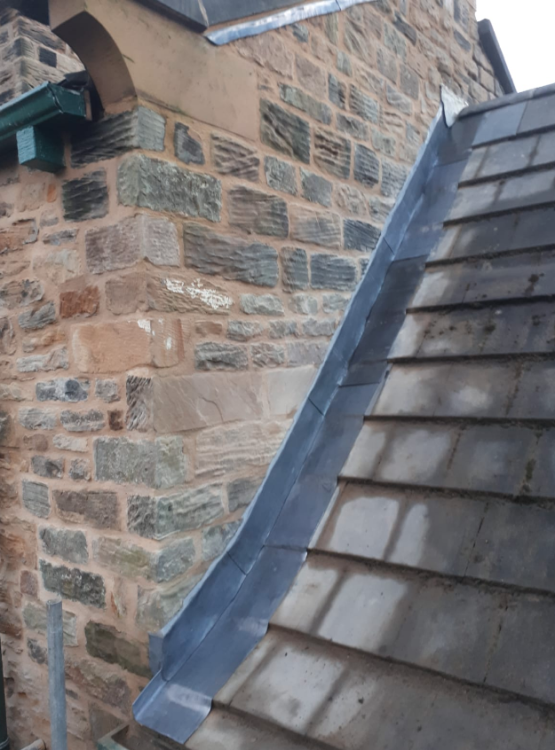
PS if the wall is very uneven so there are wide gaps between wall and slate the lead may need support.
-
You can do what you propose but you must have soakers underneath. Sorry if obvious but you can't just have the flashing or water gets blown under. It doesn't look great though in my opinion..
-
If it was mine I'd lift the lid on the cover and see the cable could be lowered. If so then cut the concrete either side of the cable with disc in angle grinder. Chisel out a channel in the concrere. Split a plastic pipe lengthwise to get it over the cable. Concrete it into the slot cut.
-
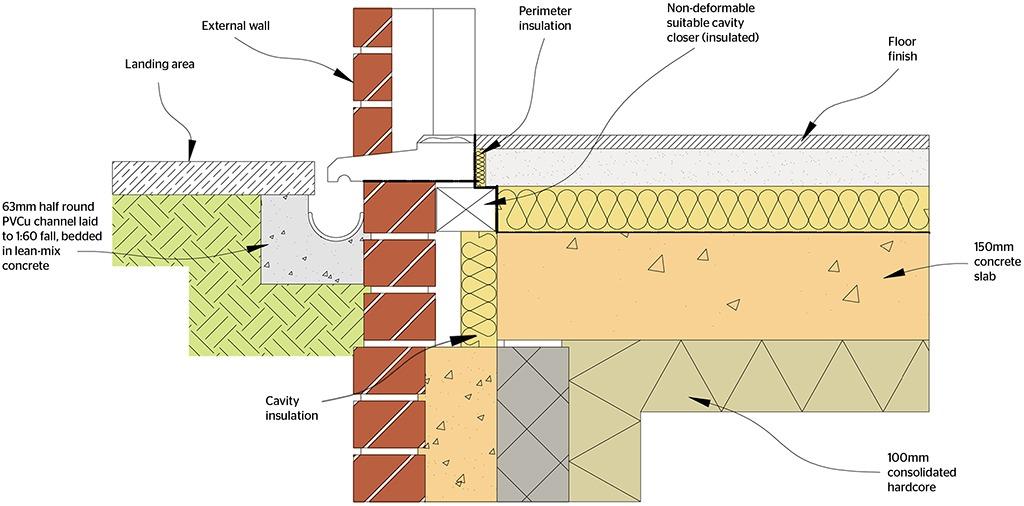
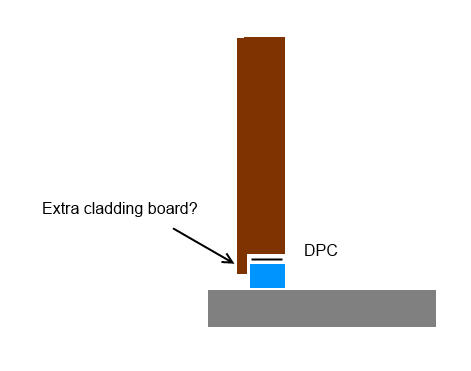
The reason the dpc should be 150mm above patio is to prevent rain splashing up above DPC. That may not matter at a threshold because the rain splashes onto a door or glass etc. Thus is what Building Regs recommend for a level access threshold..
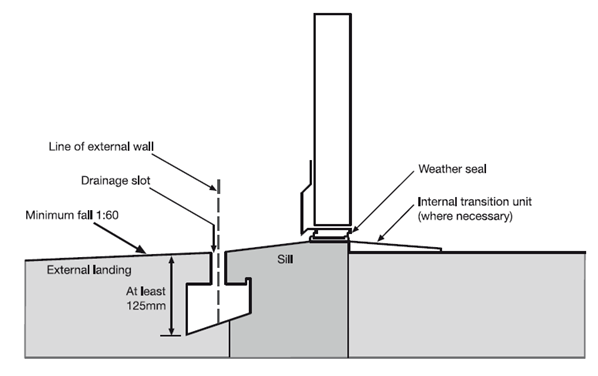
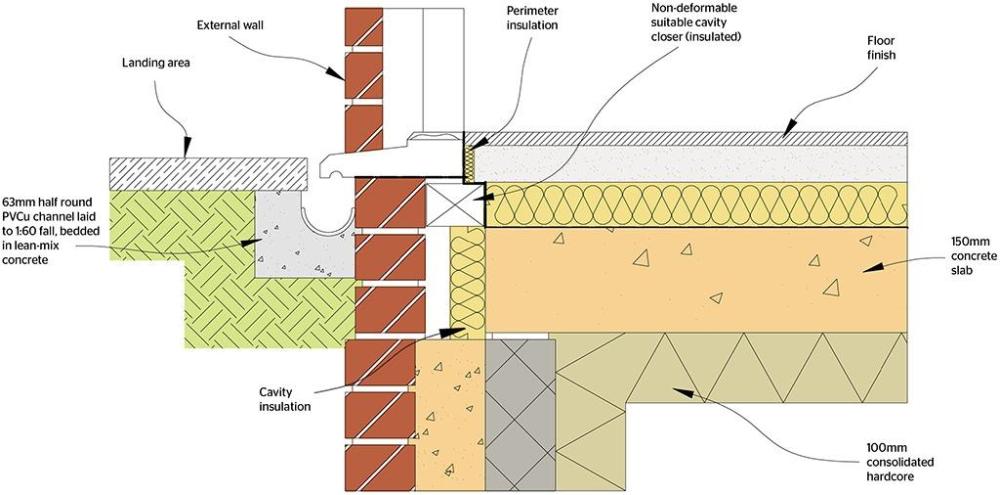
-
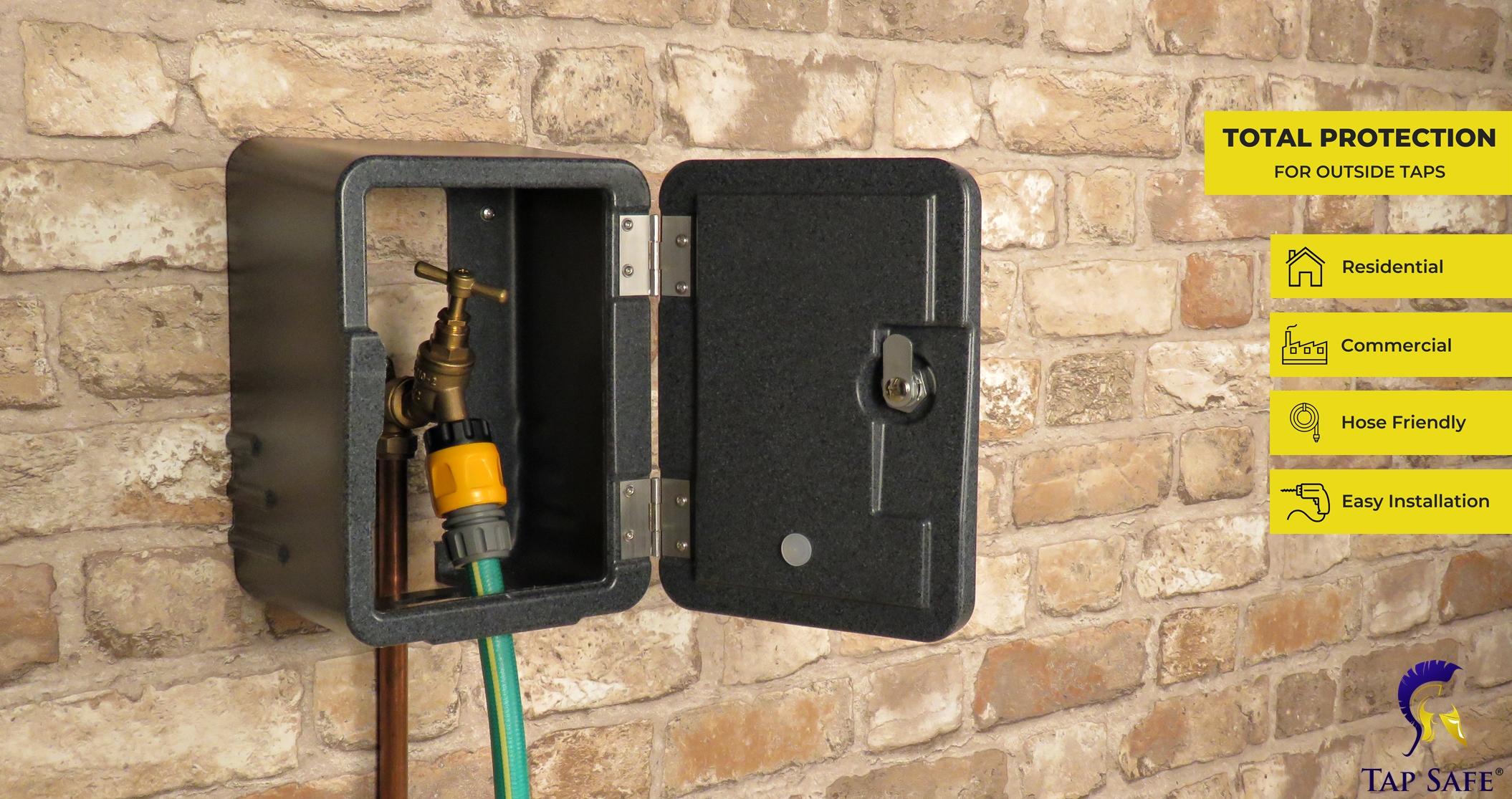
https://www.tap-safe.co.uk/
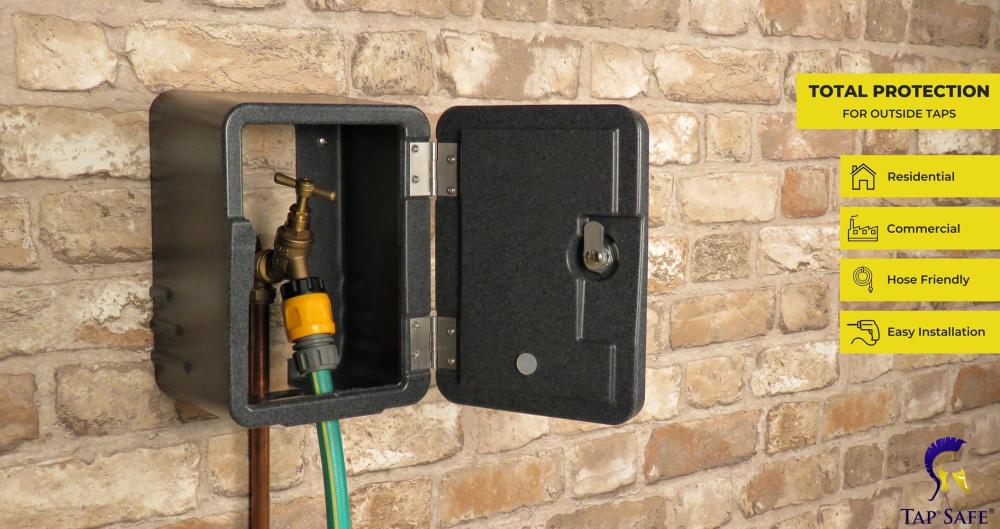
-
Google found.. https://www.monsterplumb.co.uk/lockable-half-inch-hose-union-bib-cock-quarter turn lever-1?gclid=CjwKCAjwg-GjBhBnEiwAMUvNW5HZqt6MhWZ_ByfhfzDdFCUNfyy6hXCrTwhbf8RT55lSf2pvPG0IJRoCDbsQAvD_BwE
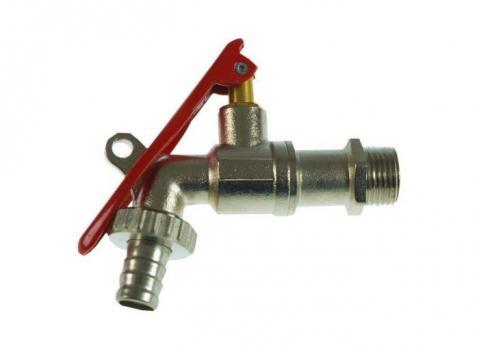
-
I've never done a Velux so you may know more than me but.. I think there are several different flashing kits for different situations and types of tile so check you get the right one.