Mr Punter
-
Posts
7798 -
Joined
-
Last visited
-
Days Won
22
3 Followers


Mr Punter's Achievements

Advanced Member (5/5)
2.5k
Reputation
-
22m I seem to remember.
-
The rise and going look consistent and easy for outside steps. There should be a handrail both sides.
-
With the drip tray as long as it directs water away from the building it will be OK. From my first view it looked like it was going between DPC and blockwork but I see it is l shaped. Traditional screed would be 75mm.
-
A few things: Is this habitable space? Will it need to meet building regs? The waterproofing does not look very robust. A proper tanking membrane would be better. The drip tray flashing may act as a tray to hold water which would rot the battens and frame at the bottom. The sole plate should be min 150mm above ground level. Taped joints in the Celotex is not a great VCL and a sheet of polythene may work better or in addition. The 50mm screed would need to be liquid as it is too thin for traditional s & c.
-
Once it is scraped back and repainted it will be OK. I really hate ivy when it gets anywhere near a wall or fence.
-
SE was a good plan. What is the wall supporting? Hopefully you will be able to add a decent amount of insulation under or on top of the new slab.
-
Material choice for barge boards (capped), soffits and fascias
Mr Punter replied to zzPaulzz's topic in General Joinery
I don't understand the question. Normally these are either treated softwood capped with PVC or aluminium or all PVC or they are durable timber (oak, Sweet Chestnut etc). -
Self installed Air Conditioner
Mr Punter replied to Annker's topic in Mechanical Ventilation with Heat Recovery (MVHR)
F gas regulation is law. -
What is the trick to get rid of them?
-
Grohe Concealed Cistern - Very very slow weep into pan
Mr Punter replied to steveoelliott's topic in General Plumbing
I have found that they all leak. I have used several makes. We are in a hard water area so it may be the scale that kills them. Just had to refund over £100 to a tenant because she has said her water bill is high due to a leaky cistern. -
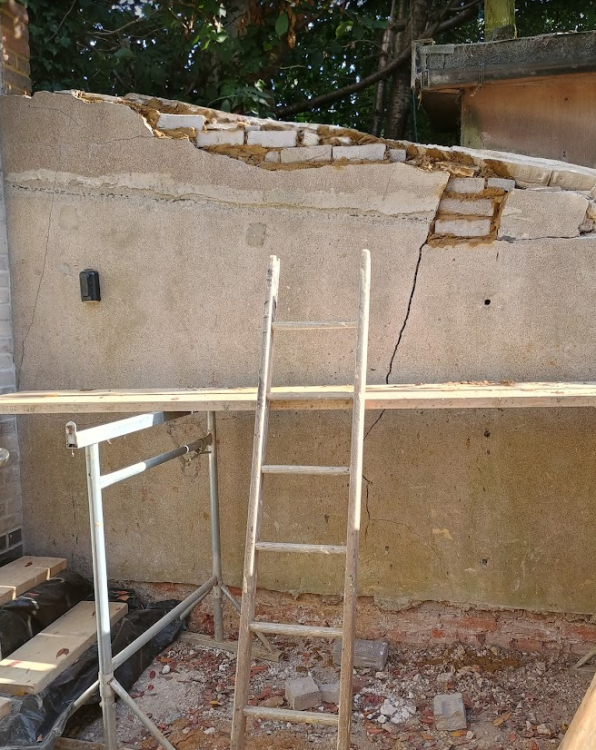
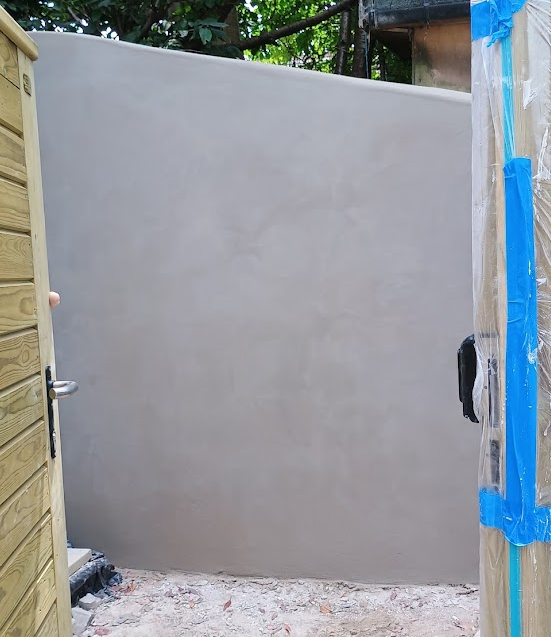
True although I got lucky recently and found a couple of guys to do some rendering from seeing them on another job still working at 6:30PM last Tuesday. Very keen price for the location. CIS registered. Got on with the job on Saturday, Sunday and this morning and they are popping back this Saturday to finish up. Albanian and Afghani. Before: After:
-
It is an awful looking job. There are lots of photos of bits you will not normally see. I would want all the unpainted timber ends to be properly coated to protect them. Smarten up the grp. Leadwork looks rough but is hopefully keeping the rain out. Make sure everything is secure and properly fixed. I agree with @Jenki that nobody would try to move a rafter on an existing roof to get a vent tile central.
-
Aluminium box gutter in non standard ral colour
Mr Punter replied to G and J's topic in Building Materials
I have used Guttercrest powder coated ali gutters and copings. Nice quality and still looks OK. The brackets were fixed with stainless screws. 7 years on no sign of corrosion. -
Umm I think you mean push back...
-
Blimey what is the cost of that patio and sleeper retaining wall? Also, was it designed and built by others, or were you in charge? That is a lot of work and very well executed.