


markc
-
Posts
3826 -
Joined
-
Last visited
-
Days Won
22
Everything posted by markc
-
Do not scrimp on fitting. Yes it can be done cheaper, quicker etc. but we’ll fitted windows will save you a lot of pain in the future
-
+1 . Buried posts will be easier!
-
Hi and welcome
-
Most houses have walls long enough for ExpJ to be recommended. if you were adding onto an existing the yes it would be advisable but as a stand alone the two ends can both move so I can’t see any problem
-
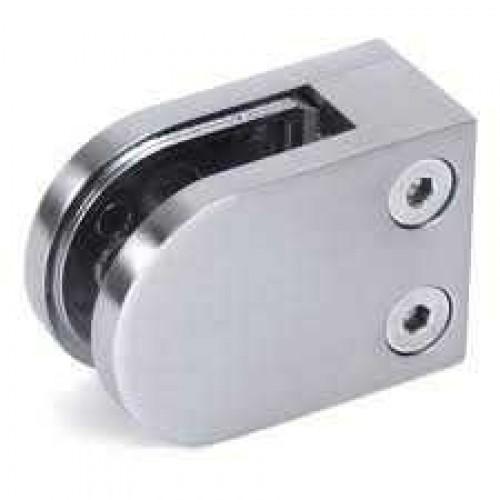
Not at home at the moment to show the whole thing but these are the clamps I use for screens.
-
I have 10mm thick screen 1200 wide and held with 2 clamps on the bottom and two on one vertical. Few weeks ago I ran into the bathroom, tripped and hit the glass very hard without bothering it
-
Gripfil is pretty much instant unless you are holding a lot of weight, 30mins should be more than enough
-
Round over bit, if you want full bullnose then it’s a 12.5mm radius. but I would probably go with a 10mm radius with guide bearing on the end to make life easier
-
That will do what you want and loads more.
-
Stiff mix will stay put in there, plenty of surface to get hold of and a small volume so unlikely to slump
-

Who is responsible for repairing/replacing this?
markc replied to Jb23k1's topic in Party Wall & Property Legal Issues
That’s good for you, write to them with your concerns and give reasonable time to propose a suitable remedial scheme to prevent anything collapsing into your garden -
Who is responsible for repairing/replacing this?
markc replied to Jb23k1's topic in Party Wall & Property Legal Issues
This is an odd one, and will likely come down to what was there first? And/or who built the retainer? Was it done as a fence by the lower party, or built as a retainer to increase level area of the upper property. Deeds often, but not always mention who is responsible for the boundary -
Yes that will do it, the guy is basically telling you it uses some oil, quite normal for an old lister or new Hatz engine, and as mentioned above, it will run for ever.
-
Birthday pressies - Makita?
markc replied to CalvinHobbes's topic in General Self Build & DIY Discussion
I have loads of 18v Makita stuff and find the eBay 5ah batteries as good or better than the genuine Makita ones -
Crack in wall and sagging bedroom floor
markc replied to mattsm's topic in General Structural Issues
Very similar situation couple of years ago, timber lintel had failed and whole front needed pulling out and rebuilding -
Good morning and welcome
-
No such thing as a silly question, answer depends a lot on what is outside and level of surrounding ground compared to the new (loler) level
-
So it’s mains supply and will run on a 13a plug
-
Replacing box lintel on first floor load bearing wall
markc replied to jayc89's topic in RSJs, Lintels & Steelwork
If the king post trusses sit above the bit you are taking out then you need to support those. If it’s only ceiling above the opening then yes a couple of props and spreaders top and bottom. -
Replacing box lintel on first floor load bearing wall
markc replied to jayc89's topic in RSJs, Lintels & Steelwork
I would be looking to support what’s above the wall, then as you pull stuff out and find the upper masonry isn’t sound it can be pulled out and replaced without having to re jig your supports. -
Good morning and welcome
-
Scaffold hoist, usually 110v, pretty bullet proof.
-
Very difficult to say a speed number but to give you an idea of drill bit longevity, using a mid sized Makita sds (runs very slow but has a hard hit) I’ve done around 250 10mm dia and 80ish mm deep in an old cellar, some very soft and a lot of very hard bricks. Cheapie dewalt bit and it’s showing wear on diameter but still drilling well
-
What drill (powered end) are you using? If masonry bits are not lasting it’s usually due to excessive rotation speed causing heat
-
Last minute objection from neighbour's surveyor
markc replied to CPT2023's topic in Party Wall & Property Legal Issues
If the original (agreed) scope of works specifically says mortar flaunching then the neighbour doesn’t have an valid argument. you have no obligation to cover his surveyor fees or modification of the stack, but how will a stand off affect your short or long term peace of mind and awkwardness around the neighbour. How about meeting with the surveyor and your builder to see what the objection is really about

