
JohnMo
-
Posts
12465 -
Joined
-
Last visited
-
Days Won
179
Everything posted by JohnMo
-
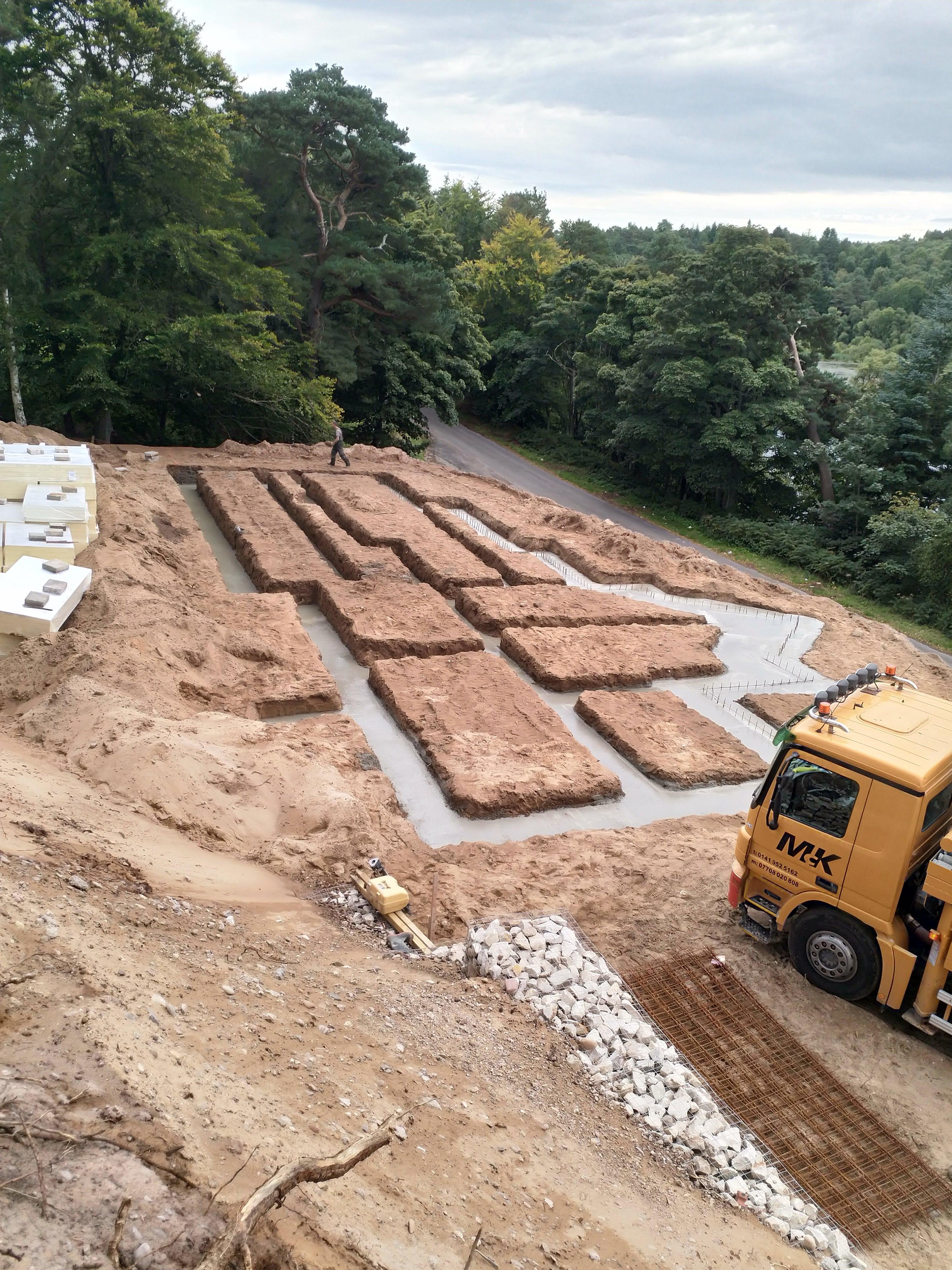
Your all lucky, our front foundation width was closer to 2m wide and reinforced. All the fun you have an a sand hill.
-

Semi-rigid Pipe diameter
JohnMo replied to gavztheouch's topic in Mechanical Ventilation with Heat Recovery (MVHR)
Used 90mm to keep velocities down, managing to use a single run where in 75mm, it would have been ideal to run two runs to the outlet. No issue getting bits. -
To answer your question, structural calcs would need to be redone
-
MVHR flow rate - safe to reduce it ?
JohnMo replied to ollie's topic in Mechanical Ventilation with Heat Recovery (MVHR)
Schools and COVID precautions are not really appropriate settings to aim for in a living or sleeping space. My recommendations are taken from. https://www.paulheatrecovery.co.uk/air-tightness-standards-testing/ -
eBay - GRANT HPID6 AERONA³ AIR SOURCE HEAT PUMP 6kW INVERTER DRIVEN ASHP inc controller £2k. Others available from £1200. 300l uvc pre plumbed £1k. £1k for stuff and install. My price does not include UFH or radiators.
-
Or buy one yourself at the time get local plumber and electrician to install. £3-4k all in, instead of £15-17 being quoted on other threads, they may get a fair bit back over 7 years, but have to spend now.
-
I would strongly suspect 4x2 3mm wall steel (not iron) over 3m will sag quite a bit with it laying flat. 6 or 8mm wall would be better, the calculations would have to be done for wind and and snow loading etc. But it needs to be designed.
-
Where is the kWh price heading in 2022?
JohnMo replied to epsilonGreedy's topic in General Self Build & DIY Discussion
£150 applies to England and Wales, NI, Scotland will be announced by Nicola. -
MVHR flow rate - safe to reduce it ?
JohnMo replied to ollie's topic in Mechanical Ventilation with Heat Recovery (MVHR)
I would look up passivhaus recommended flow rates and use that as the minimum. Oxygen levels will never be the issue. You need to worry about CO2. CO2 in bedrooms can be the worst. Get a monitor, tweek flows, monitor bedrooms, somewhere around 1000ppm or below should be the target. Once you have that move monitor to living room and check that also. I have our living space at below 800ppm. So if we have guests CO2 levels don't get too high. -
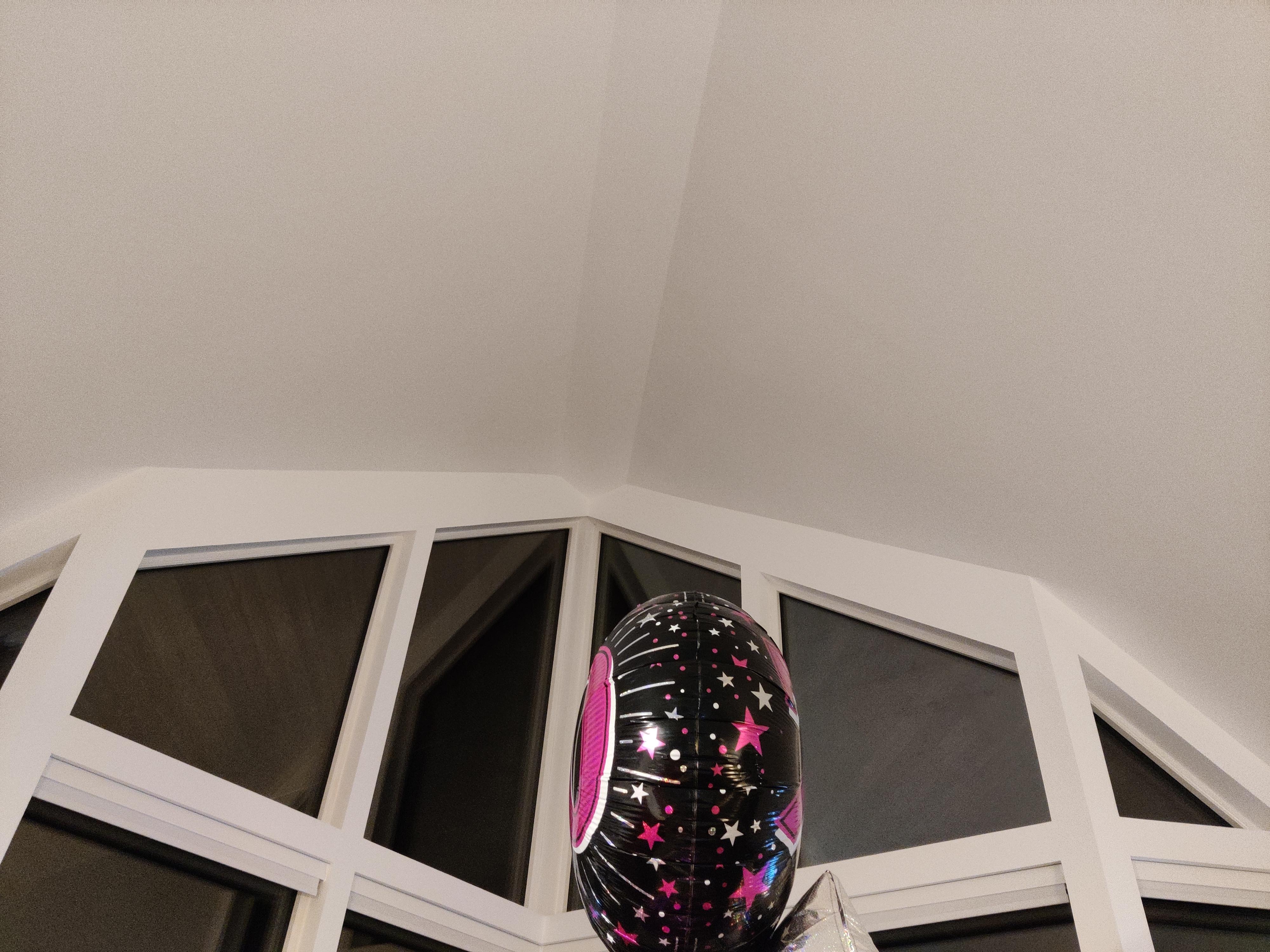
We have a flat section at the apex, but it's painted white, there are no lights pointing at the apex, so you just don't notice what up there. The big windows at the front grab the attention. Long spans equal either structural steel or glulam beams. Our glulam beam are 450mm deep. So even with 350mm insulation, you still end up with a small flat spot. We are Scotland and the outside is covered in sarking board, breather membrane, then slates.
-
BER say DHW allowance for calculating should be 4kWh per day for 2.4 people. So there is a big over estimate on DHW, unless you have bedding for about 10 people. Did the people doing the heating calculation have the wall, floor and roof build up? Also did they have your postcode for allocating degree days for the heating calculation?
-
Underfloor heating flow direction incorrect?
JohnMo replied to HighTower's topic in Underfloor Heating
Shouldn't have an undue affect on anything, but the flow meters will not read correctly, as you have noted. Not sure how they balanced the system, or if they did? May be worth fixing to allow correct balancing. If you are changing the pipes around, install isolation valves on the hot and cold pipes to make any future maintenance easier. -
Do you "really" need to skim Plasterboard?
JohnMo replied to idontknowwhatiamdoing's topic in Decorating
Same with us, pretty much the standard in Scotland. You need to use tapered edge plasterboard, not square cut. -
Also missing from your drawing and worth noting if you are doing any calculations, is there will be an insulation upstand from the insulation below the screed, to screed top, against the wall, I used 70mm PIR. But is more normal to use 25mm
-
If you already have gas and a 32kW boiler, just hook up to your existing system, job done. Not sure why you would install an ASHP just to provide the UFH loops and keep the gas for DHW.
-
I always found them overpriced, so never used them, always felt ripped off.
-
The way I looked at this. The thermal bridge you are mitigating is downwards to the ground. Comparing Marmox and Thermalite "R values", Marmox is approx 3x better. But thermolite blocks are more than 3x as thick (215 compared to 65). So the resulting u value is better for the Thermolite block, certainly no worse. Thermolite easier to install and get hold of, cheaper to purchase, win, win.
-
Why does MVHR need complex control or even coupling to home automation. It's supposed to run at a constant flow 24/7, except when on boost? My option is you are making thing complex for the sake of it.
-
Underfloor Heating, how should they be filled? Biocide?
JohnMo replied to revelation's topic in Underfloor Heating
Did you add anti freeze? Either way not sure there will be an issue. Tap water is treated with chlorine, so any bugs would be killed. Once you get ready to commission you will be flushing to get rid of air, so water will be replaced anyway. If your UFH water goes through a boiler of any sort you should use the manufacturers recommended chemical treatment. -
I have a jacket for my buggy, keeps you well toastie. There was an article a few years ago, about heat poverty. This women never heated the house, just wore heated under clothes, for a few pounds a year running costs.
-
And a big jumper. Or heat your body, look at motorcycle and walking body warmers, battery powered. Then you can what ever temperature you like, for way less effort and expense.
-
Timber frame vs ICF vs Traditional masonry for a new build
JohnMo replied to Indy's topic in General Construction Issues
No more like a concrete matrix. You can do a render direct to the outside. We did an internal parge coat (sand cement and lime) then battened and plasterboard with taped joints. Outside is mix of stone slips and vertical larch cladding. -
And me, even got a refund from SSE because they charge me for to much cable.
-
Timber frame vs ICF vs Traditional masonry for a new build
JohnMo replied to Indy's topic in General Construction Issues
Would agree with that, our structural steel requirements were huge, challenged the engineer and it was reduced by about 70%, but still had considerably more than the manufacturer said that would be needed -
Timber frame vs ICF vs Traditional masonry for a new build
JohnMo replied to Indy's topic in General Construction Issues
Not sure why timber frame would be an insurance issue, nearly all new housing in Scotland for the past few decades has been timber frame. Why block and beam, insulated concrete slabs don't creak either. That's what I chose, did it myself, no regrets. Dead pallets saved from landfill, up cycling at its best. Four weeks start to finish ready for roof. Stone or brick slips attach direct to woodcrete, no block work required. Direct internal plastering equals airtight walls, or cement, lime parge coat.