


Gone West
-
Posts
4668 -
Joined
-
Last visited
-
Days Won
20
Everything posted by Gone West
-

Glass gable ends. Looking for examples..
Gone West replied to Olly P's topic in General Self Build & DIY Discussion
It is difficult. We didn't want a transom on our three quarter glazed gable so window dressing was tricky. We made some vertical blinds as an experiment and they are still there.
-
We use the MVHR to distribute heat from the bathrooms, which are at around 24C, around the house as well as leaving doors open. Using the MVHR only works because it's a very small amount of heat required.
-
We heat our PH with three electric towel rails in the bathrooms and a small area of electric UFH in the kitchen. We have found that putting them on as soon as the house temperature starts to drop after the Autumn keeps the house at 23C without any problems. There is supplementary warm air heating from the MVHR if it's particularly cold for any length of time. We also have a solar gain area for Autumn and Spring heating. We are in the SE England near the coast and our wall and roof U values are 0.095 with airtightness of 0.47ACH. I ran a lot of iterations of PHPP before I was happy we would not need conventional central heating.
-
Sorry to hear about the heating problems you still have. If it were me I would leave the CH on 24/7 for two or three days. Is your system able to be set to run continuously for 24 hours or does it do it's own thing and turn itself off.
-
According to the instructions our towel rails have Fernox anti corrosion inhibitor and anti noise silencer installed in the water.
-
Husky air source heat pump, anyone still got one?
Gone West replied to Simtronic's topic in Air Source Heat Pumps (ASHP)
No, I didn't think it was. -
Happy New Year Zoot. Like the door, glad things are moving along for you.
-
Husky air source heat pump, anyone still got one?
Gone West replied to Simtronic's topic in Air Source Heat Pumps (ASHP)
Really, I've seen more obvious than that. -
Husky air source heat pump, anyone still got one?
Gone West replied to Simtronic's topic in Air Source Heat Pumps (ASHP)
We used Isoenergy to repair our EASHP and they have an office in Tewkesbury so might cover your area. https://www.isoenergy.co.uk/ -
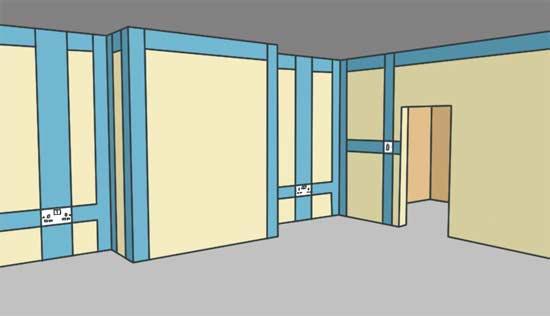
Or horizontally at the top of a wall within 150mm of the ceiling. I think this is current (pun).
-
Did the crack in the tile appear just after the ridge tiles were screwed down. The crack appears to line up with the join in the ridge tiles. Could you unscrew or loosen the ridge tiles as they may be holding the cracked tile a lot more firmly than they are held further down the roof.
-
Integrating an MVHR to our build
Gone West replied to djcdan's topic in Mechanical Ventilation with Heat Recovery (MVHR)
Yes, good idea, we don't fry food either. It's if we sold up and the new owners didn't behave in the same way that there would be a problem. If the MVHR is extracting correctly then the oil droplets would condense in the ducting if not they would condense on kitchen surfaces. -
Heat pumps, lock-down and darkest Somerset
Gone West replied to Hogboon's topic in Introduce Yourself
I think it's a great shame that, it seems, a lot of people are 'conned' into thinking it's a straightforward process to replace a gas or oil fired boiler with an ASHP. This is only relatively easy if it's being fitted to a modern reasonably well insulated house with underfloor heating. Fitting an ASHP into an old house essentially means replacing the whole central heating system and the DHW storage system. I think the government should not be advertising ASHPs as a panacea for home owners heating requirements and government CO2 reduction targets. -
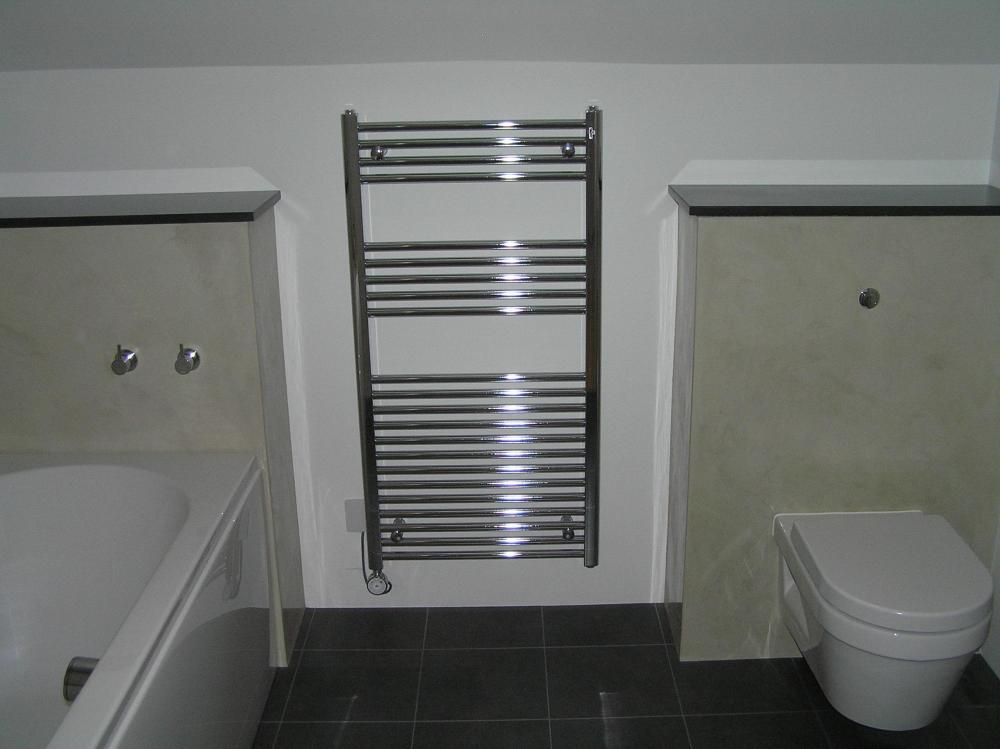
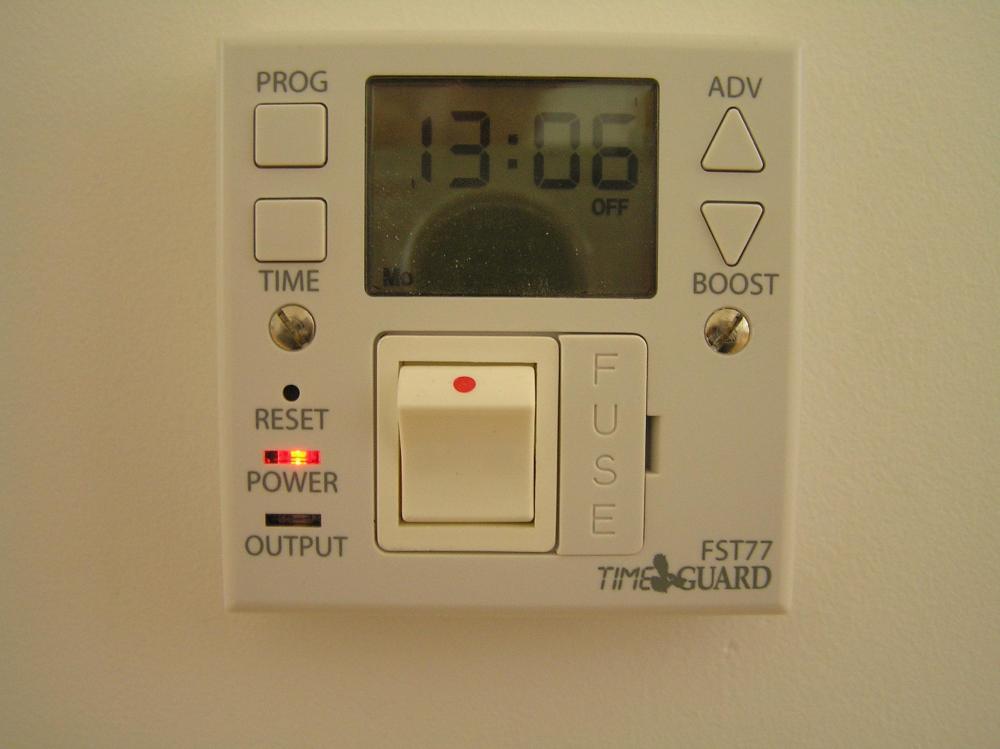
Our towel rails are 150mm off the floor and the electric cable loops down from the thermostat to the wall plate. The thermostat controls the temperature of the towel rail and a timer controls when it's on.
-
We've got three electric towel rails which I fitted. Once connected up I turned them on with the top vent plug removed to allow the fluid to expand. Some fluid may come out of the plug hole when it's hot so best to drape an old towel around it. When it's up to temperature turn it off and refit the vent plug.
-
Yup. Does the towel rail already have the fluid filled.
-
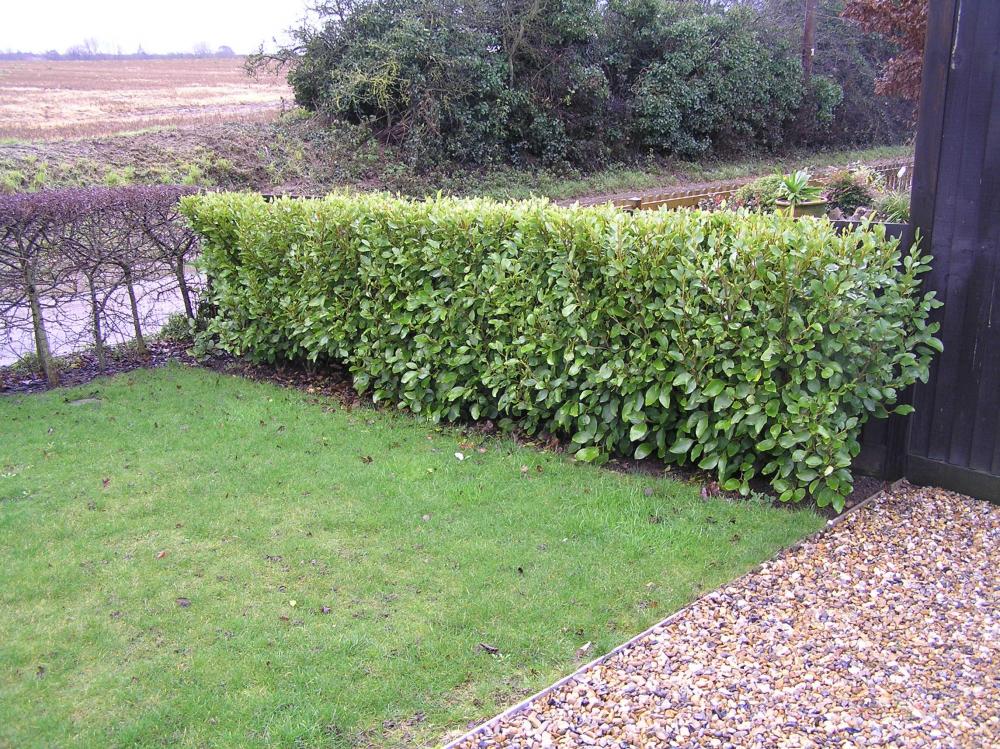
We have a short section of Griselinia littoralis which is perfect for a low level hedge, 1m high. It's evergreen, nice shade of green, not fast growing and easily trimmed.
- 1 reply
-
- 1
-

-
Integrating an MVHR to our build
Gone West replied to djcdan's topic in Mechanical Ventilation with Heat Recovery (MVHR)
We dry our washing in the wet room which has an electric towel rail and a MVHR extract vent. It dries overnight. -
Integrating an MVHR to our build
Gone West replied to djcdan's topic in Mechanical Ventilation with Heat Recovery (MVHR)
Same here . -
Integrating an MVHR to our build
Gone West replied to djcdan's topic in Mechanical Ventilation with Heat Recovery (MVHR)
The only problem with that approach is that if in the future a lot of frying of food takes place the oil droplets will condense on the inside of the ductwork. Not an easy job to clean. -
We have used Miele dishwashers and washing machines, both integrated and free standing, for the last twenty years, in different houses, without any problems.
-
Aviva insure our timber clad, timber frame house with no problems. They also insured our old timber frame bungalow.
-
Don't think there is any difference in the style, just the name.
-
Mexicano.
-
Running mvhr in new build
Gone West replied to Pete's topic in Mechanical Ventilation with Heat Recovery (MVHR)
If you have a narrow gap under a door then the air will move faster and it is possible to have a slight draught for that reason. I think a minimum gap of 10mm is usual. The air from the supply vents will always be a degree or two cooler than the air in the room so will always feel cooler. You can fit a small post heater to overcome the heat loss if you find it uncomfortable. Setting it up correctly will probably result in reduced air flow. I put a section in my blog about commissioning my MVHR system. Some cross posting with Russell.




