PeterW
-
Posts
18480 -
Joined
-
Days Won
207
Everything posted by PeterW
-
If it was me I would be inclined to find the joists in the roof and screw a joist to them, and then create a drop wall down along the entire open side of the “box” so that it supports the shelf on its whole edge. This will give you something to stop you pushing stuff off the back of the shelf, and really strengthen the whole lot. Have you considered lighting too, as looking at that picture your double tube fluorescent is where your shelf needs to be. Consider a square panel LED in the middle of the opening so you can see to access things. For real strength, glue and screw the shelf boards to the joists, and use a decent foaming D4 glue and your shelves will go nowhere ..!!
-
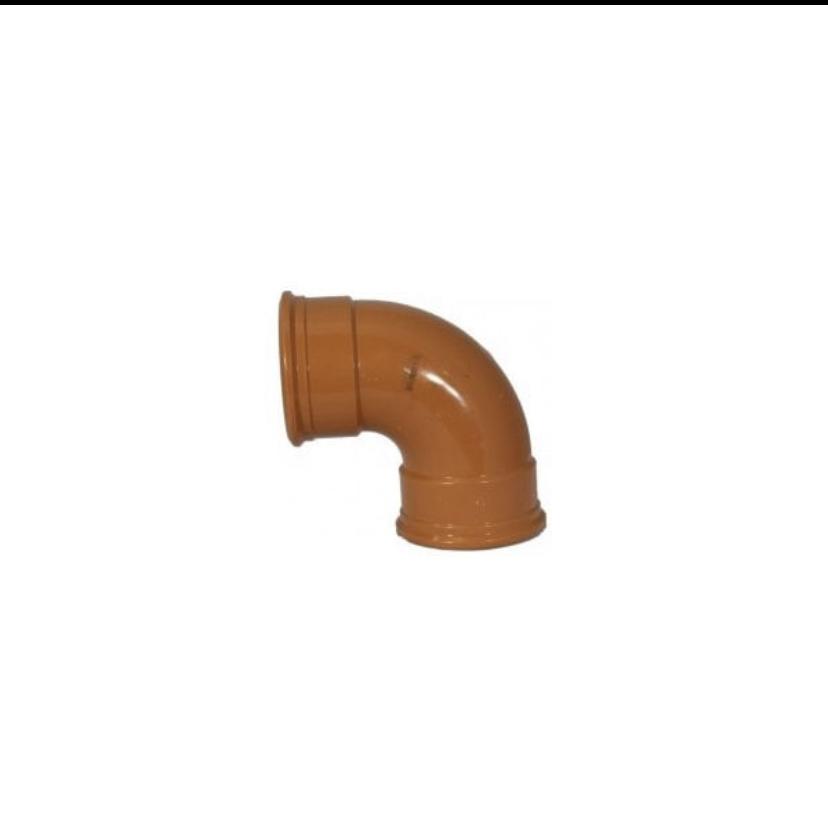
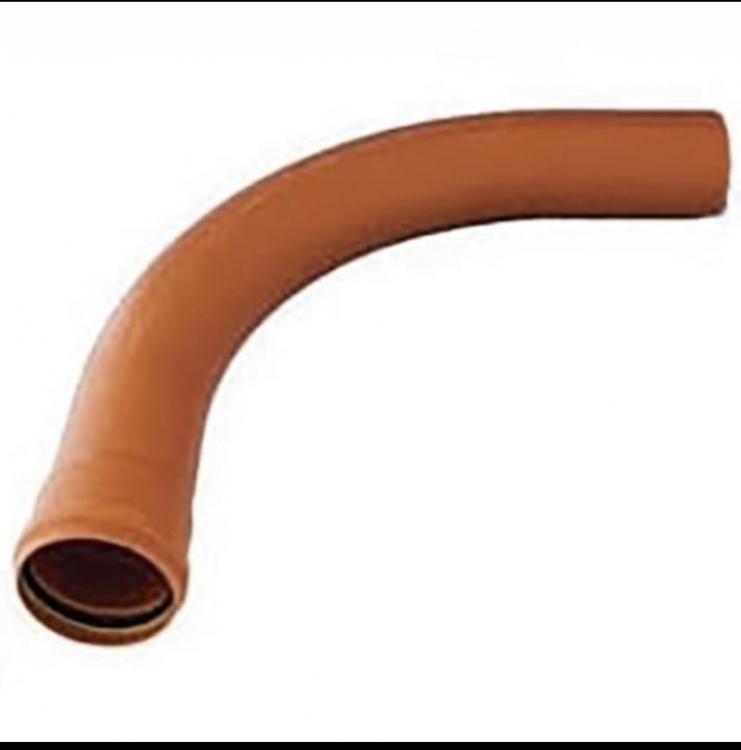
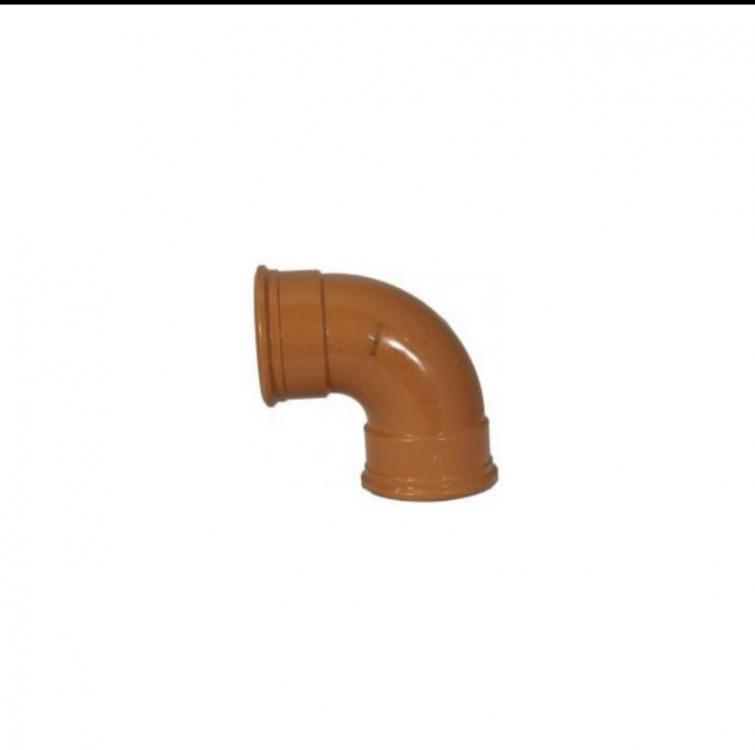
Probably worth clarifying Don’t use these underground to change direction unless you have to Use these If you have a 45 degree entry to an IC and have to come in at 90 degrees to it, a 45 around 400 to 600mm away from the IC is preferable in case you need to rod as if they are too close together you can jam the rods.
-
Use Y or 45 degree connections for your drainage field. And what you suggest is ok but angle the MDPE into the chamber at 45 degrees so it doesn’t spray up the wall when the pump runs.
-
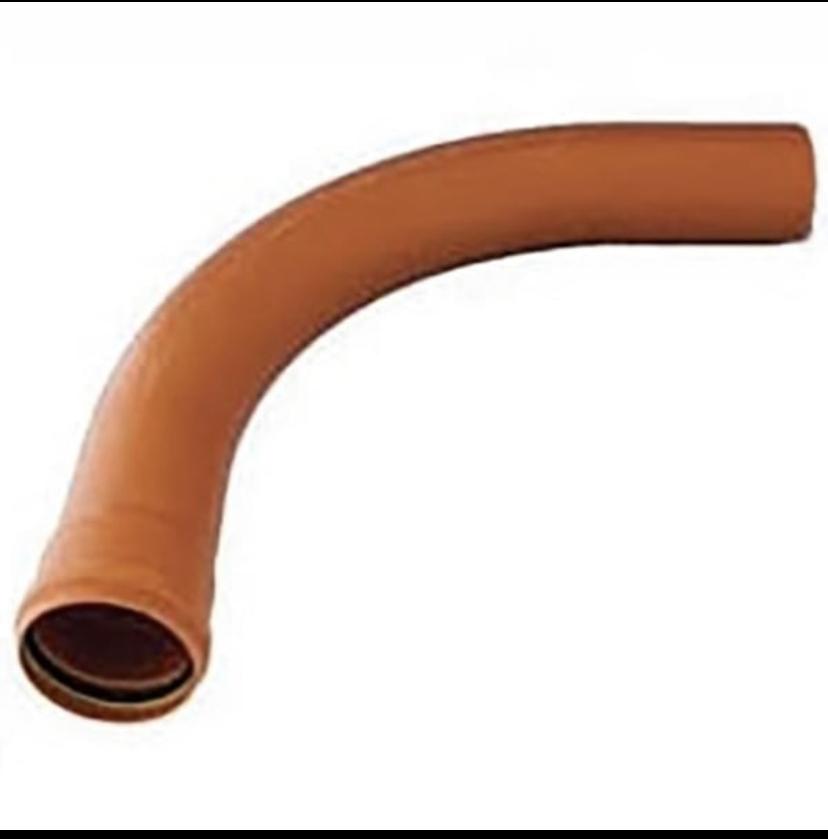
No I mean correctly. If you have a branch and stack, and a run out of the founds to a rodding point on the main run but have a 87.5 degree join or put elbows between the rest bend and the main run, you will slow the flow down in the branch before it meets the main run, so a rodding point is irrelevant as it will never be able to reach the blockage. Issues occur when bends are placed too close to rest bends, or elbows are used where a pair of 45 degree bends would be better. You can buy “slow bends” for use underground, sometimes called large radius bends. If you have to change direction by 90 degrees then consider one of these over shorter bends.
-
And they never enforce it ..!!! I snagged a new NHBC warrantied property that had 4 soil stacks - 3 through the roof - and a single IC in the centre of the drive. No rodding points or access to any of the stacks. Best practice is rodding points but unless you design the connections correctly it is irrelevant.
-
The Elastathane products are one pack polyurethane such as this https://www.jjroofingsupplies.co.uk/cromar-elastathane-25-polyurethane-single-coat/ Not sure on the final finish, but they are available in a number of colours.
-
What make / model is it @Vijay..?
-
Also bear in mind the additional cost of the house electrics for a 3ph installation along with the added risk of a 415/3ph installation.
-
Under the main cover there should be a battery isolator key ..???
-
Well if you want in roof @Barney12 has some GSE panels ....
-
Take your isolator key out as that’s just the battery discharging through the control circuit.
-
Look newish and are £115 each new so £50 each is pretty good.
-

Low profile / slim design smoke and heat detectors
PeterW replied to Construction Channel's topic in Electrics - Other
Cavius make some really nice small ones at 40-50mm in size and are wireless and battery though so would need to ensure BCO was happy. -
Up the battery to a leisure battery and then add an Oxford bike charger to the side - it will trickle and maintain the battery and a leisure battery will easily provide what you need capacity wise
-
Yes that is reclaimable as it is materials required for the build of the dwelling. Are you doing it yourself or are you getting a contractor as they should zero rate it
-
Too many vertical stacks in that. Flip the en-suite in the master round and they can share a stack with the main bathroom (which doesn’t have a WC..??) and then the kitchen waste and cloaks can feed into that too. En-suite 3 needs a rework as turning a WC fed horizontal soil 90 degrees is asking for trouble. Move the WC and the shower, put the WC as close the the stack as possible. Can probably get this to 3 stacks and a couple of ICs without too much hassle.
-
Just before and just after the meter box : quick check please
PeterW replied to ToughButterCup's topic in General Plumbing
Thats not a pressure gauge - it’s a PRV (Pressure Reducing Valve) and is probably preset at 3 bar. Useful as a failsafe if you don’t have an invented cylinder, but not a replacement for the control group that comes with the UVC. That sort of PRV reduces the flow too, so I tend to set at 4.5 bar and let the control group drop it to 3 bar before the cylinder. -
I pay £68 for a 5 inlet 450mm IC with 2 risers. Unless pushed I wouldn’t use a 300mm IC as they are too tight to rod. Long straight runs are the key - putting connections such as dishwashers and washing machines on the end of runs along with kitchen sinks means your “slow flows” will get plenty of volume.
-
£2k is cheap if there is 6m in the footpath - I paid £1300 and they only had to dig a hole in an unsurfaced road and pull a cable less than 2m...
-
Tanks don’t cost anything to install ..?? It’s about £80-100 per annum, and then the cost of removal is usually around £150 for the uplift. A decent LPG boiler is £1000, installation another £750 with all the bits. ASHP (non MCS) can be had for £2000, installation about the same as a boiler. Add in an annual service for the boiler at £100, and even without your cost variance, the TCO for 10 years is £1000 more for the boiler when you consider tank rental. Even a 50% variance on cost per unit would mean that the savings are substantial over the life of the system.
-
An IC has 5 inlets - you could do this with 2 ICs comfortably. This needs a bit of thought but you can remove a lot of things in this design.
-
ASHP shouldn’t cost £10k more though - and you also need to do the whole life cost and include service and install.
-
No it’s not. Storage heaters properly sized will support the heating loads, and it would result in a higher level of storage needed and not peak loading. The better solution for an older property purely on Electricity for heating may be E10, and use the later period to boost the building temperatures at that point.
-
Green roof needs designing in from the outset as they have a different build up which can be much thicker and also have structural impacts. Not something you can just swap in as a direct replacement.
-
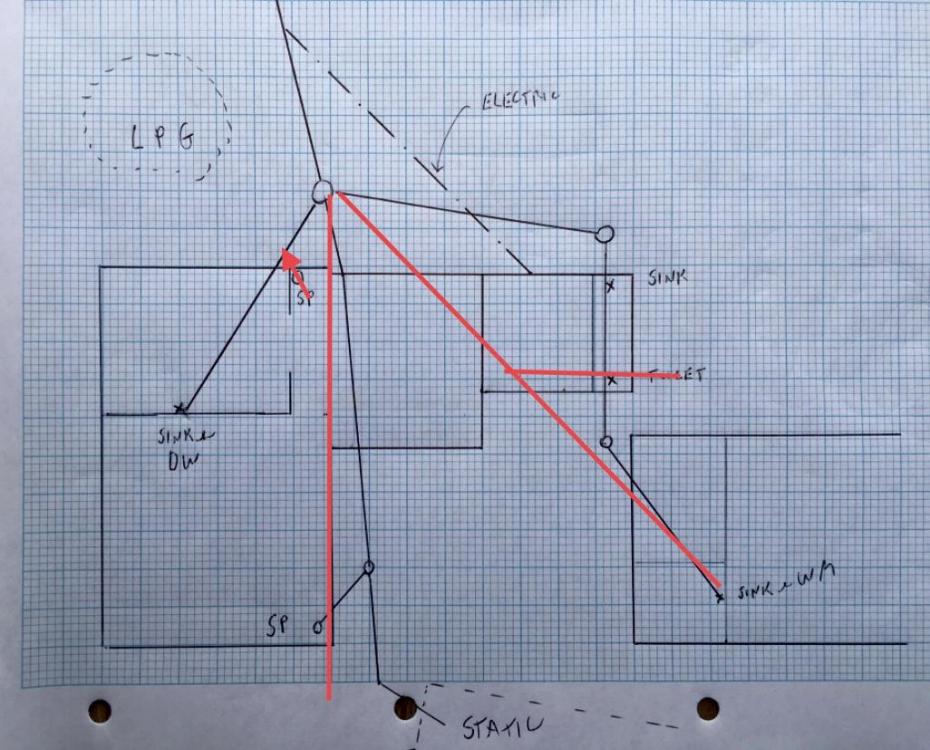
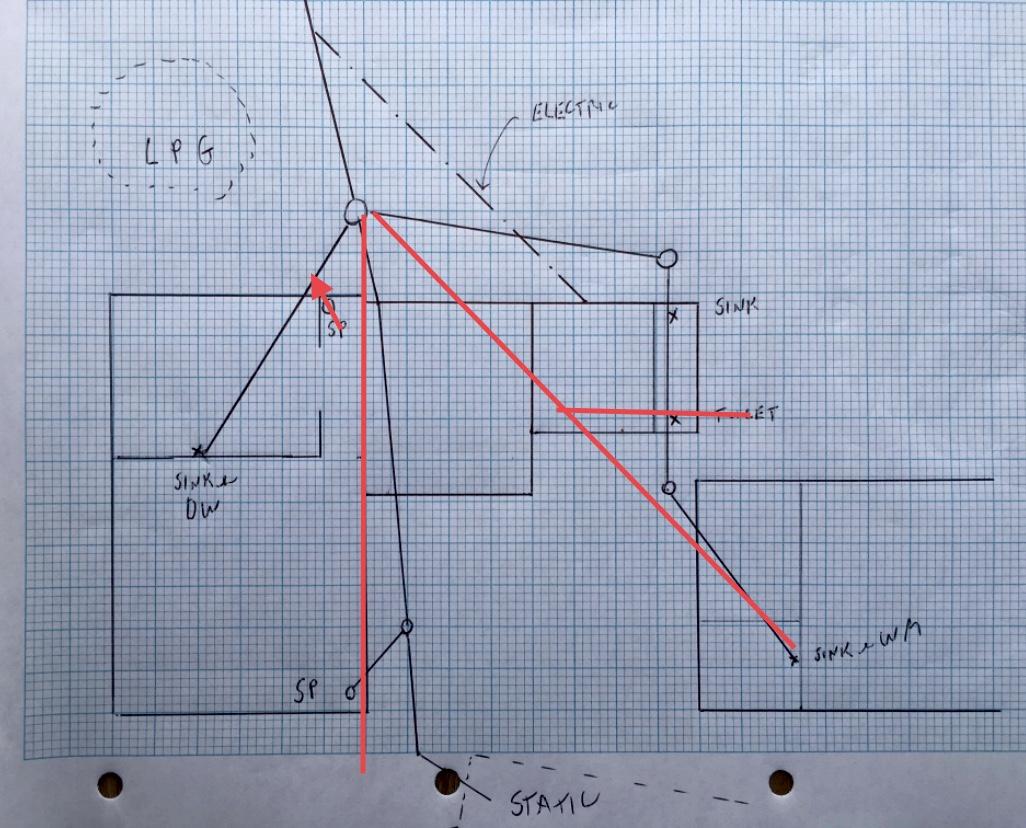
Looks complicated. Can simplify and lose some of the ICs. SP pickups from upstairs as per previous - rest bend and into a 45 Y connector. On right side, feed the sink into the toilet branch, come out at the right into a rodding point or even a back inlet gully with a rod point. Make sure you bench the rest bends properly - they need to be encased in concrete, stand them on a block dug into the oversite for good measure. And don't forget - on most inspection chambers, the flow run is 30-50mm lower than the side branches ..!