joth
-
Posts
2918 -
Joined
-
Last visited
-
Days Won
5
Everything posted by joth
-
Hadn't realised Agile Outgoing was so high. Do they have historic data for the export prices at all? My assumption was that times of high PV export would equate to times of very low wholesale prices, as the grid would be awash with excess PV. But in the current situation maybe it makes sense Standard outgoing is now 7.5p, still not much but the same as the Go cheap rate import
-
Sure but until the roof structure is up theres still chance to change that. Whereas insulation under floor and in the walls will effect the groundworks so needs deciding far sooner, that's the point.
-
If you've not yet started the build, put your thoughts into adding more insulation and airtightness. Solar PV can be retrofitted quite easily later in the project. Insulation can't.
-
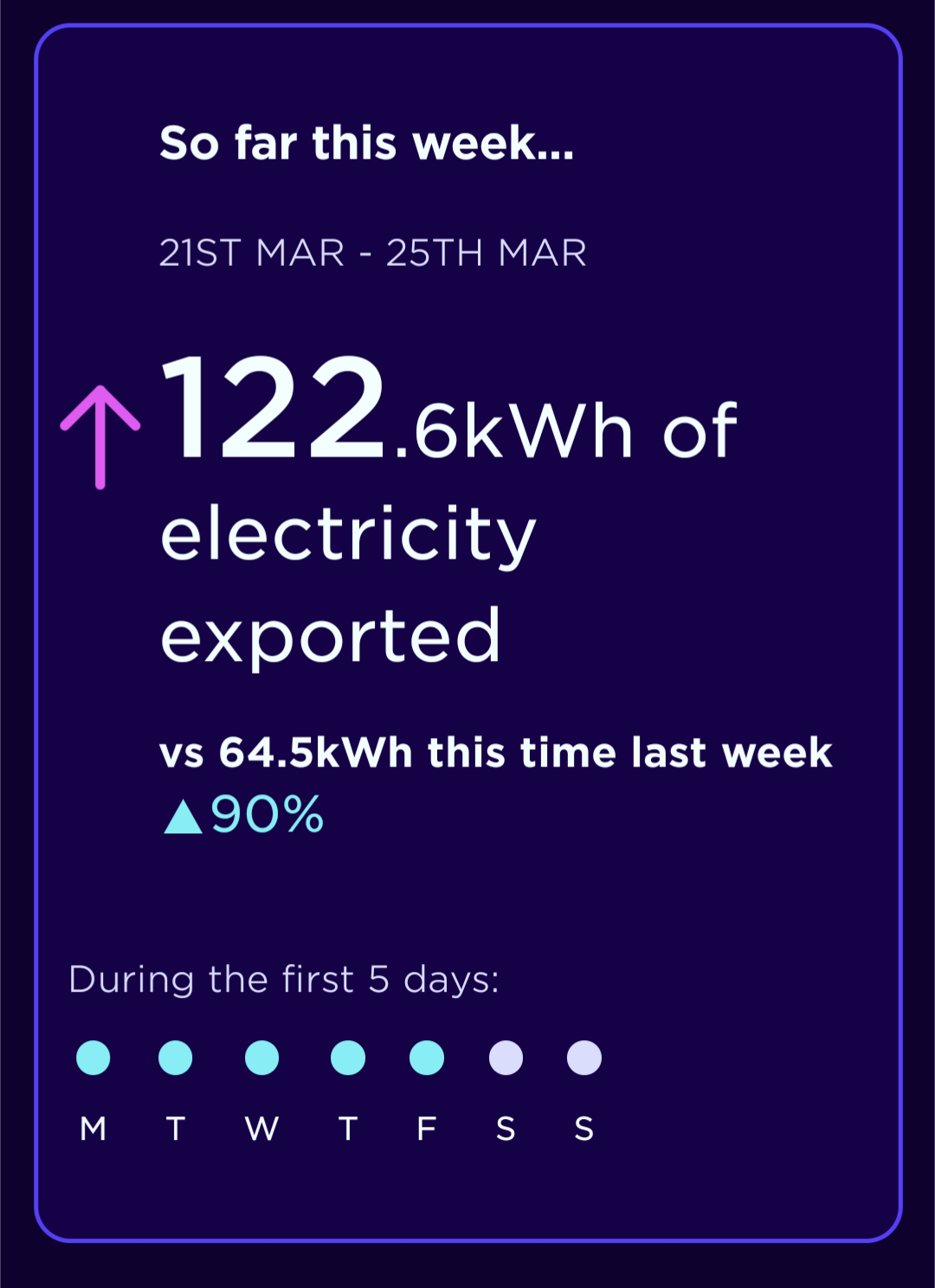
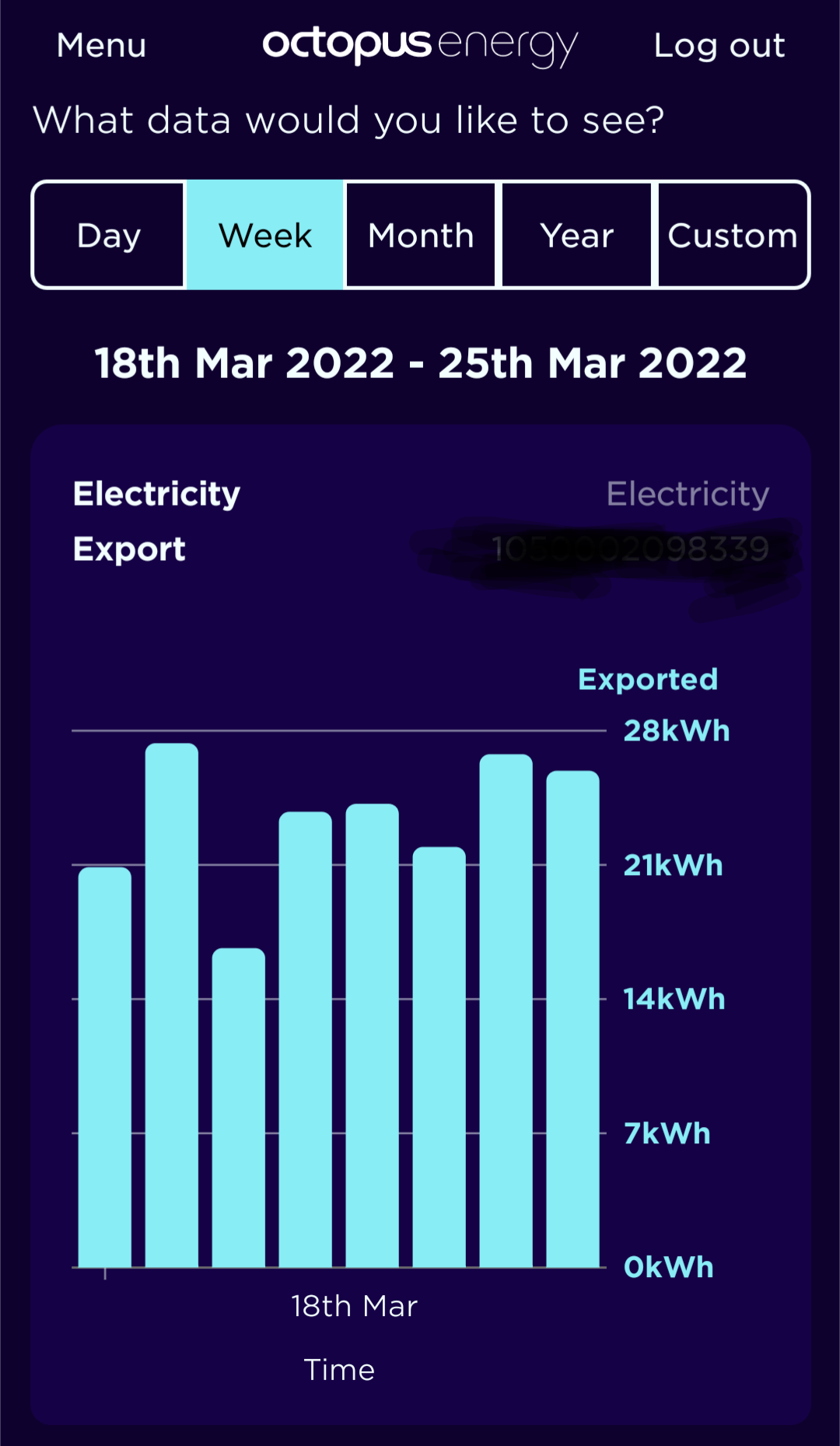
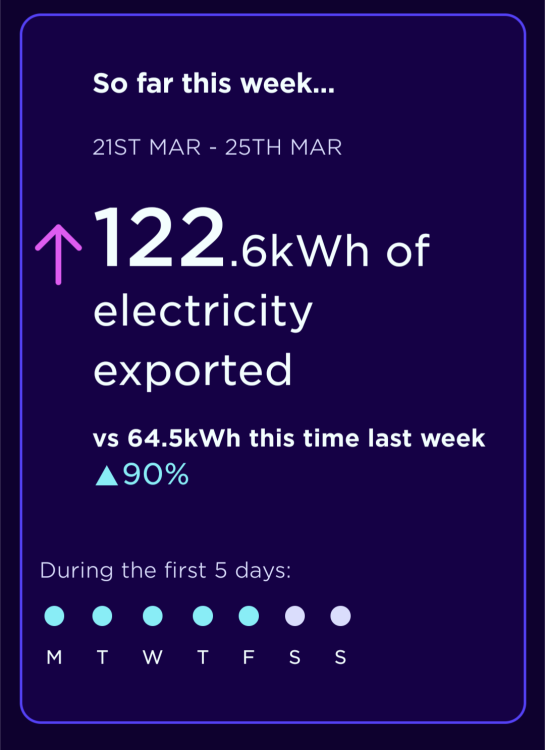
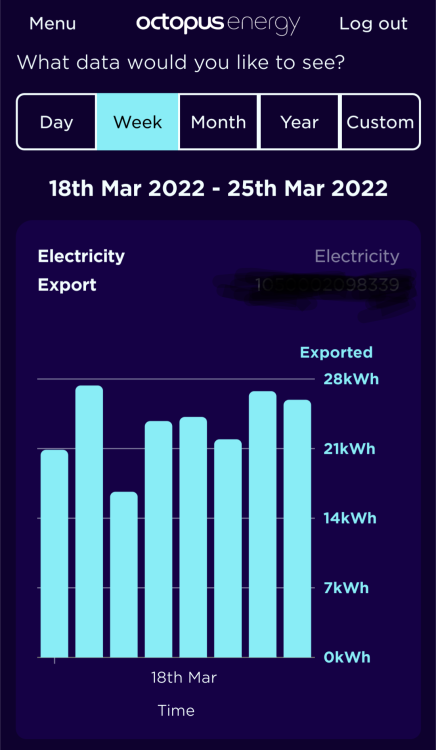
Loxone has some degree of support for this, but my experience was it's too course grained to be of much use. It samples spare export once a minute then turns on appliances in priority order for a fixed time (e.g. for the duration of the wash cycle) They are building in integration for Siemens/Neff and Miele appliances maybe that will eventually lead to finer control, bit overall I agree the demand side load shifting is a very long way off if we ever get it. funnily enough we've been away this week so our 8kWp has mostly all gone to export. No amount of self use or storage can really cover this scenario. Still made us a whopping £13 on the SEG in a week
-

VAT abolished on solar panels insulation and heat pumps
joth replied to Radian's topic in Building Materials
So they will again spend Millions of our money on administering the schemes, and hardly anything in grants. It can no longer be ignorance and must be cynical (followed by a photo op of putting petrol into a borrowed small car Yes and what's more, the supply and fit must be a standalone job, not part of a bigger job such as renewing a roof (as maybe required to install solar) or lining a building with airtight membrane. So doing a serious retrofit like to EnerPhit standard will still all be 20% VAT if instructed through a single main contractor, or if done DIY. The only way to get the savings is to pay lots of individual trades separately and risk the work not joining up, which is especially bad if EWI is not joined into other improvement work correctly (for example) allowing damp in. Shame, it would have saved us about £8000 in vat if this was workable. -
Textured porcelain (e.g. wood effect) feels a little warmer to touch IMO than smooth polished tiles, as you don't have such a large contact area . That said yes it's a bit cooler feel than the wood floors, except when the UFH is on, but not cold. We tend to be slippers or socks indoors which hides most of it
-
Which heating system to use on our new build?
joth replied to Johnny Jekyll's topic in Underfloor Heating
How many showers? If 1 I'd probably do a combi, if more than one shower then an UVC. I'd put the wet UFH pipes in the screed because no reason not to. With 300mm insulation under it it will work fabulously. Only the wall insulation letting U values down a bit (and windows?). I'm guessing in South London the plot is a bit space constrained against larger walls? Will you do an airtest? Best do it before the plasterboard is in. Well done. -
+1 We were 200W pre-renovation, but the Ubiquiti gear and some CCTV (and, the Virgin Media router, no less) have added at least 100W. And working from home means more laptops & monitors on charge/standby which never seem to get to low power sleep as well as you imagine they should. I need to re-audit everything and find out where it's really all going. A good spring-summer time project, when incidental heating is much less desirable! The heating has just stopped coming on, so now is the time.
-
For 1 day every 3 years, I can deal with a bit of heat escaping. Compared to the £ and CO2 cost of manufacturing, transporting and keeping a UPS on constant standby, an open window for a couple hours a year is completely negligible. And we only really heat the house for 4 months a year, so odds are the outage occurs in summer when an open window is most welcome.
-
Honestly if you have specific items you really want to keep running like this, it's probably much cheaper and more reliable to get a dedicated appropriately sized UPS for it. The MAJOR issue with using a house battery for both solar PV self-consumption and critical system support during a grid outage is it is a compromise between these 2 use cases, and it will do a half-baked job of both. This is because to get high efficiency in solar self-use, you need to empty (or very nearly empty) the battery every day to create maximum capacity to fill up when the sun shines. However if the grid outage happens on an overcast day before it's had time to charge, you'll be heading into the outage with an empty battery and no way to fill it until +24 hours. You can leave X % permanently in reserve, but you really need to size X for the total base load of the house, not just the critical items. This is fine if you're SteamyTea with a near-zero base load, but anyone else that has humans living in the house, this probably means setting aside a significant portion of the house battery for "just incase" multi-day outage scenario. For £450 you can get a 1.2kWh UPS that would keep a typical MVHR running for 2+ days, come rain or sun. Personally, I'd just plan to open a window.
-
My neighbour just bought a batch of Sila (to make his house match ours!) fine. Trick is to get the stuff grown in the French alps https://www.sivalbp.fr/en/wood-cladding/new-age/siberian-larch/ Expect there will be (another) run on that, if there isn't already.
-
Well done! I'll be fascinated to see how the next 2 weeks play out for you. I think ours was 9 months from deposit to RHI approved. Post regular updates 🙂
-
Loxone, with various home-brew integrations to make it play with the FTC6 acceptably As Dave says, if there's 10 people in the house each taking a bath it will obviously need more than 1 charge a day, but the point of #2 is to optimize for Solar self-use rather than avoid running short. Generally we shower in the morning, then if it tops up midday from solar it will be good through to the following morning. (Hence I sent the midday target temp a little higher than the overnight one, to help it ride through) (Arguably as octopus Go cheap rate is the same as my SEG export rate, 5p/unit, this is pointless, but I don't want to assume that will remain that way for any length of time)
-
I've set our heat pump to do DHW on a number of criteria: 1/ between 0030 and 0430 (Octopus Go cheap tariff) 2/ whenever the PV has been putting out greater than 3kW sustained average over the last 2 mins. (It has a minimum "ON" time of 10mins, but remains on as long as the solar is >3kW and the tank is below the 50-deg target) 3/ whenever there's a surge in use of DHW (defined by the mid-point of the UVC drops below 40 deg C) 4/ manual "boost" button pressed in the loxone app. So far, this has never allowed us to run short, and never had to use #4. #2 is a rough heuristic for "is there enough spare generation to run the ASHP". it's not great as doesn't allow for the kettle or oven immediately going on, or sun dipping behind the cloud, but it seems pretty good on average.
-
Variable temperature boiling water tap
joth replied to SimonD's topic in Kitchen & Household Appliances
Pretty much. Care to redo the maths, using the Kelvin scale? 🙂 -
Fan Coil Units for use with a (cooling) ASHP
joth replied to ProDave's topic in Air Source Heat Pumps (ASHP)
The buffer (LLH) feeds two circuits (GF UFH and FF FCU) each with their own circulation pump, so it's just a matter of turning on/off the relevant circulation pump, which the FTC6 manages itself. Originally I just looped the FCU fan off the zone pump, but I have a more elaborate independent variable speed control from Loxone setup now. (So in winter I can drive extra ventilation even when the zone isn't running). One snag with this is the ASHP primary pump seems powerful enough to push a slug of very hot water through the LLH and into the FCU even when the zone isn't active, e.g. when transitioning in/out of DHW mode. This maybe in part as they used a crumby mid-position valve for the heating/DHW change over, which I'll probably replace when I change the buffer for a larger one. The FTC6 has a very manual switch from heating to cooling mode, so I just change it over twice a year. It switches from DHW heating to zone cooling fine modulo issue mentioned above that I'm sure the mid-position valve has some latency/let through that means it is doing pointless work cooling the UVC for a short time, or vice versa. Unless you have an ecodan the challenges will be different depending on the exact install. Also in summer I don't use ASHP for DHW that much as the solar divert to immersion heater does most the work. Yeah having done it I have some sympathy for their view. On a standard (non passive) house, cooling via UFH is probably not going to achieve much and it takes a lot of effort to totally insulate all pipework and components to ensure no condensation drips anywhere. If you want really effective cooling a separate a2a heat pump is going to work much better and probably now cost that much more, once installing FCUs per room is taken into account. I'm still improving ductwork and buffer tank to try and see if I can get mine at better efficiency this summer. The heating has just stopped coming on, so now is the time for system changes! -
What’s the worst mistake you’ve made on your build?
joth replied to Adsibob's topic in General Self Build & DIY Discussion
Does it even need a diagonal steel? If it's just a floating cantilever of boxed in ceiling, the cross member could probably be timber? What is steel (10) actually supporting? From your description it sounds spurious Anyway commiserations for that. Our worst mess up was putting too much boxing in around the downstairs WC sink and by the time I realized it felt too late (tacking done but not yet decorated) so we decided to swap it to a tiny hand basin which looks ridiculous under the giant lit mirror we planned to go over it. I now look back and think should have just fixed it when I had the chance. -
Sounds like an old school reference to E7 meter but that's obsolete with smart meters, and anyway not the responsibility of "the guy" installing the 3phase from the pole, as it's supplier vs DNO responsibility Who exactly does the guy work for, and what was that company asked to do?
-
In addition to the above, we didn't put it under: 1/ the wine rack. 2/ the cat's litter tray
-
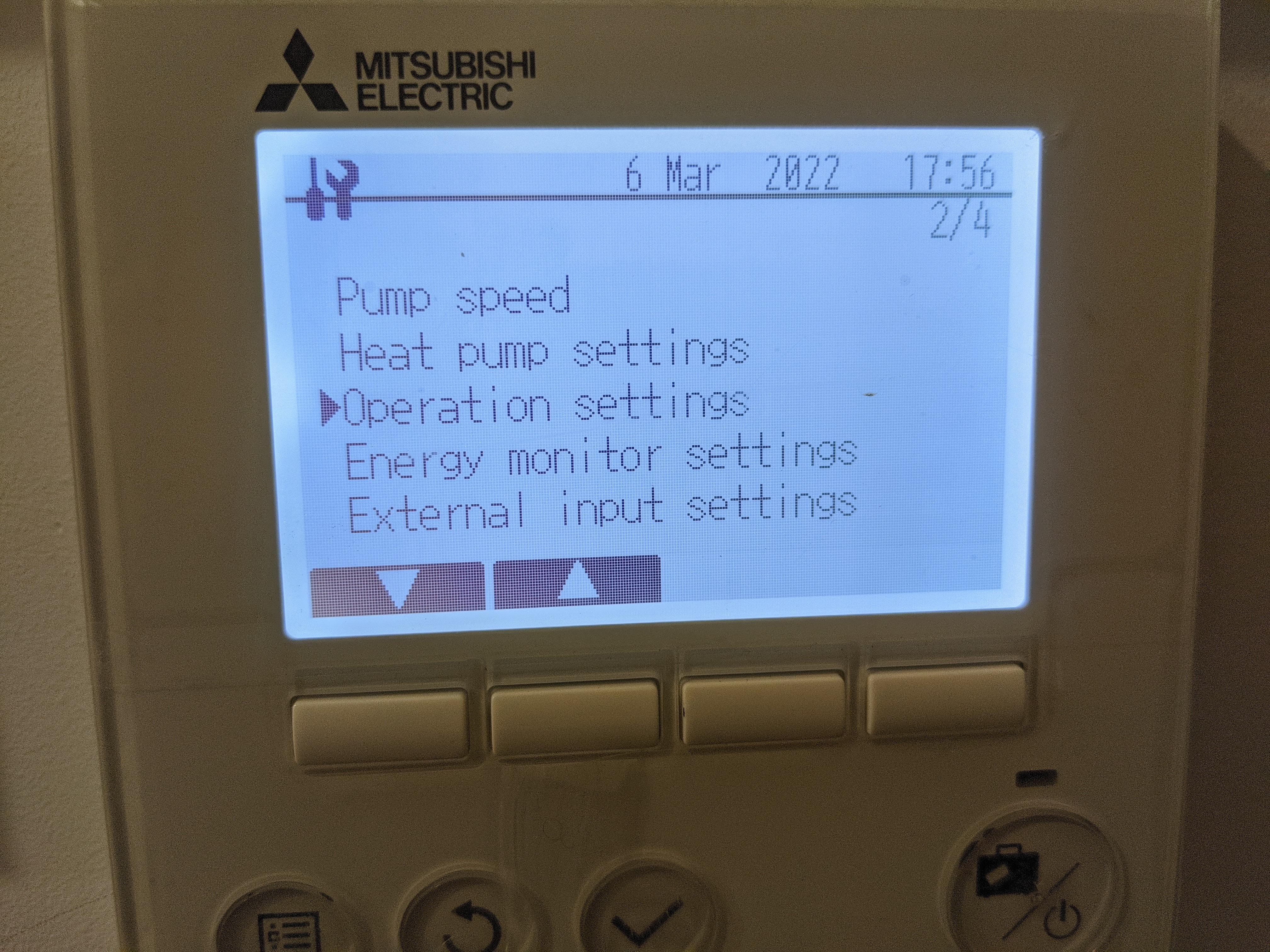
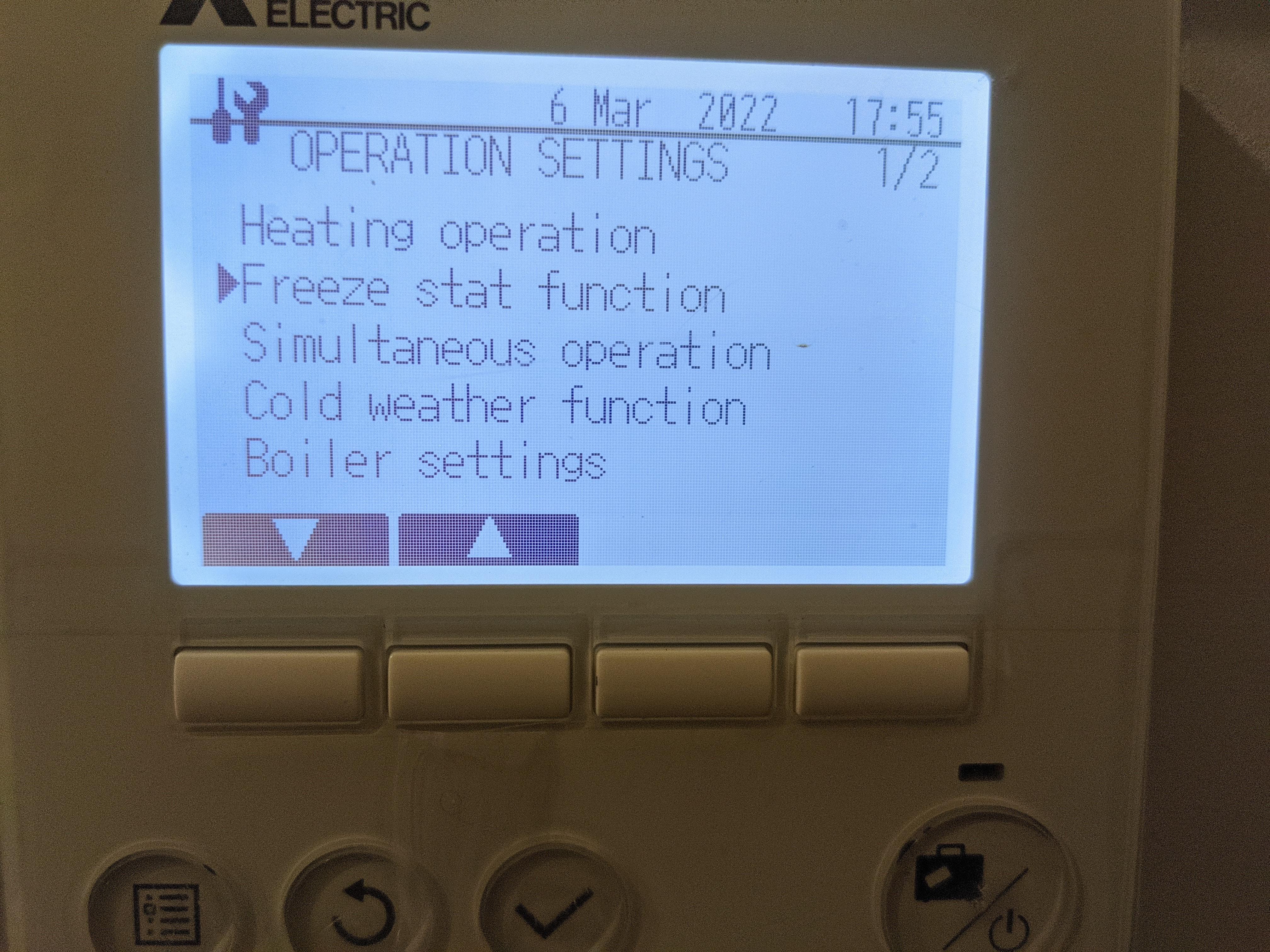
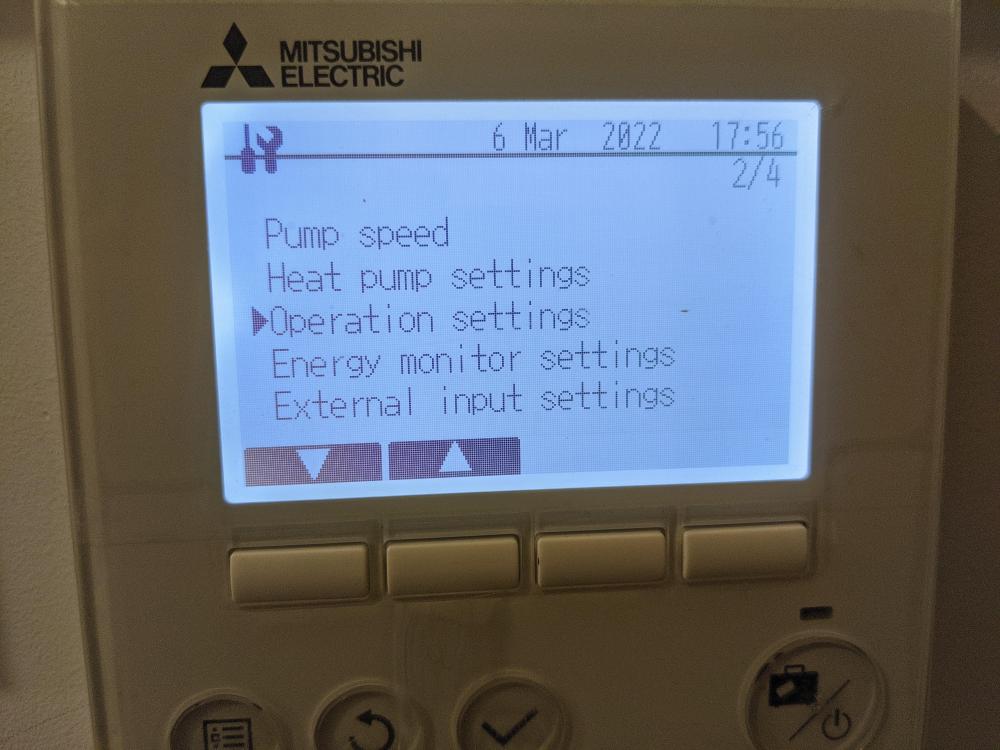
On mine it's in Operation Settings
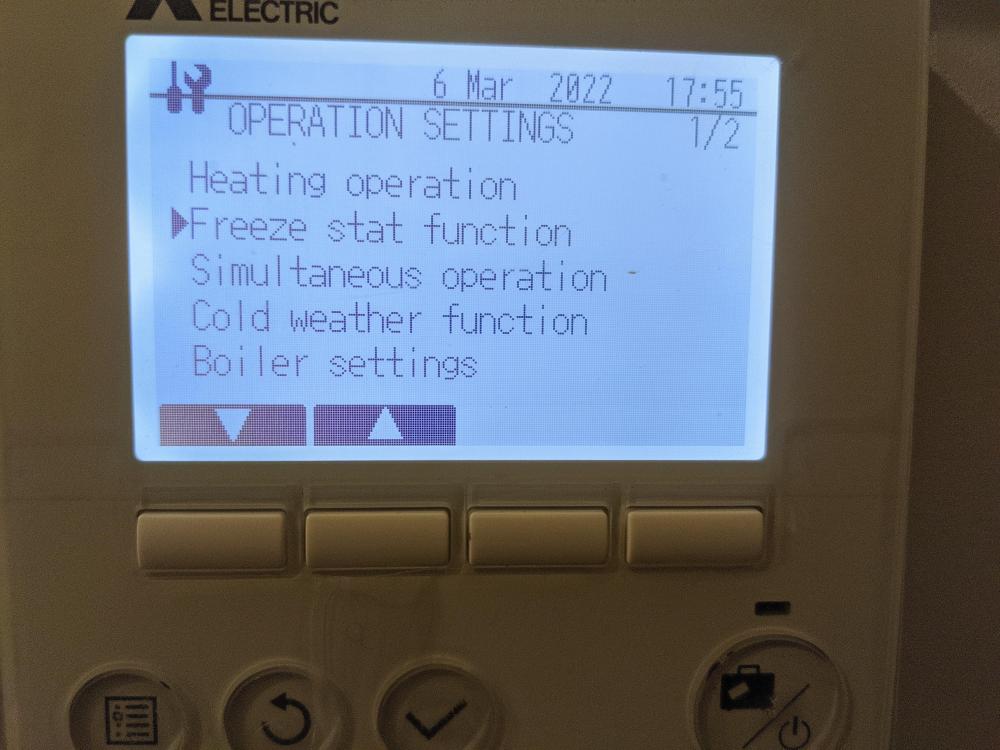
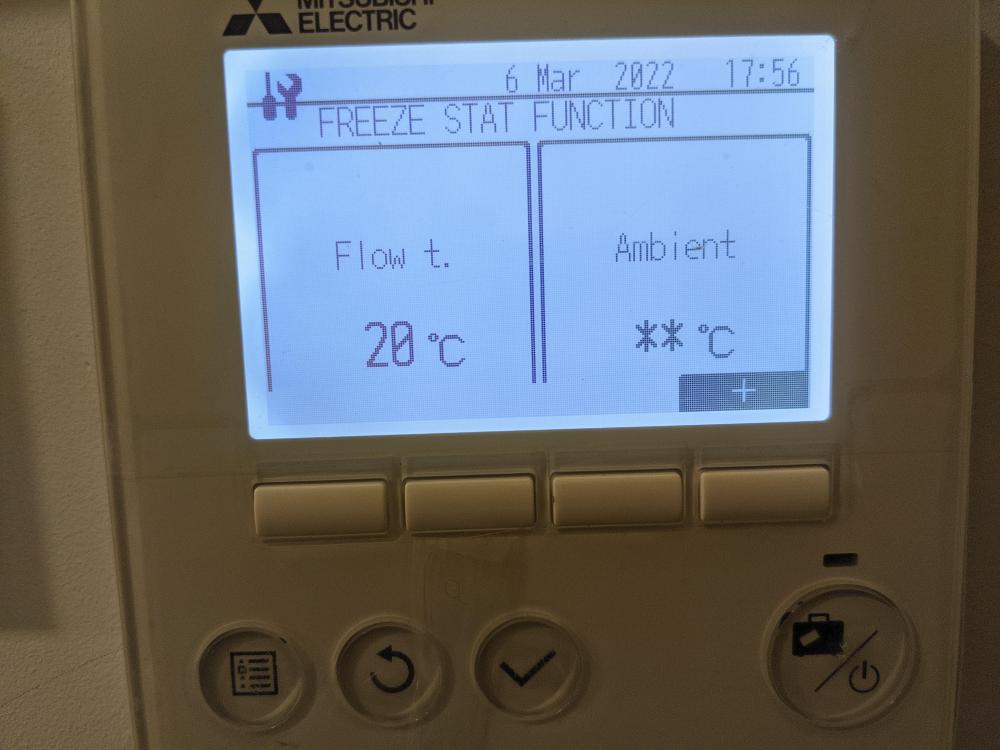
-
Learning to live with mistakes. 5 Amp circuits
joth replied to ToughButterCup's topic in Power Circuits
Sorry I wasn't clear: I don't control the 13A socket from a light switch, that would be a bad idea. I just put in additional normal "ring main" sockets in places I might want a table lamp, and control the lamp over wireless. This way it supports dimming and colour temperature changes too, and avoids complicated sockets on dimmers design I didn't say anything about using a phone to control it! That would be grim. I have normal looking light switches, and even better motion sensors, that turn on the lights via Loxone server. No cloud or public internet, or even explicit human interaction needed. These table lamps just appear as additional lighting fixtures configured like any other as part of the room lighting mood. -
Learning to live with mistakes. 5 Amp circuits
joth replied to ToughButterCup's topic in Power Circuits
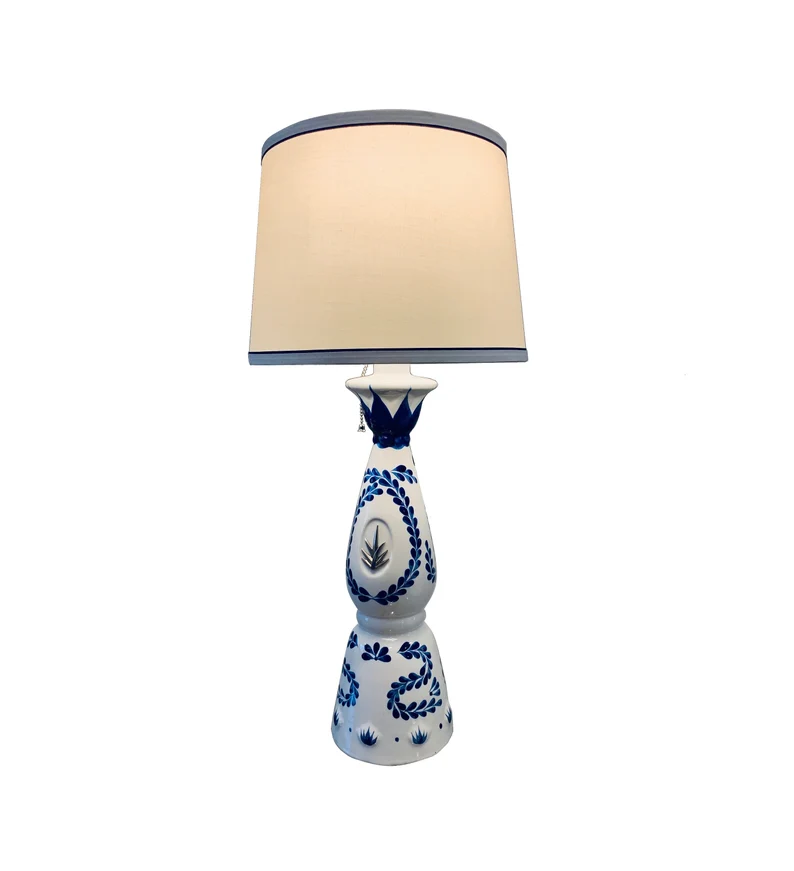
I also can't see the point of 5A sockets when I could just put a much more flexible 13A socket there. If remote control of table lamps is the goal (and it doesn't sound like it is in this case?) then it's the one time I find Wifi (or Z-Wave or other wireless protocol) bulbs are an acceptable choice. I'm just in the process of converting some old tequila bottles (full of very special lost memories) into table lamps, which will have WiFi bulbs and sit on 13A outlets in some hard to access niches
-
The difference is it's generally much cheaper to do the 3ph upgrade now than retrofit. If you do it later you'll pay the costs all over again. Battery costs about the same to do now or later. (in fact probably costs less to do it later as prices are dropping) That said the in your case the single phase is fairly cheap (ours was quoted over £4k) so it makes the upgrade looks proportional larger I agree
-
This is a weird statement. Generally people hope a new house is going to last many decades. Generally people hope the mains supply won't need digging up and re-laying just because a boiler or heat pump of EV charger or PV install or etc etc changes over those many decades. So the justification for putting 3ph is less about what you're going to have in it on day 1, and more about what is plausible to be needed in it in the next.. 20+ years? Some of the common justifications are EV chargers (more than one car? so you may want 2 chargers at some point). If it's a forever home, maybe a stair lift or elevator. Will you have PV solar panels - going over 4kW is much easier on 3 phase. Heat pump already discussed. Etc.
-
Hertfordshire low energy efficient retrofit
joth replied to lauraCWretrofit's topic in Introduce Yourself
Welcome! Last year we completed a retrofit of a 1960s property in Herts, using pavatherm wood fibre EWI. The details are on the PH DB. Airtight construction with breathable wall construction and MVHR makes for great internal air quality. Happy to help if you have any Herts specific queries ?