Iceverge
-
Posts
4487 -
Joined
-
Last visited
-
Days Won
32
Everything posted by Iceverge
-
What kind of external insulation at you using? Are you planning on leaving an air gap behind the phenolic insulation internally? Can you fit more externally?
-
I would just build it at 500mm external dimensions. The batts will have plenty of flexibility anyway .
-

Ideas on how to span a 10m opening
Iceverge replied to Pigsfoot's topic in General Structural Issues
Something like this I'm guessing but larger? That 10m span is going to be tricky with a flat roof. You're lightly to end up with a very thick roof section. You could put a hollow core concrete plank up there at 250mm thick if you like the brutalist look. It would require crane access and substantial support and foundations however but it'd probably be cheap. More elegant perhaps might be a tensioned fabric sun sail.

-
How far back to sit my windows ?
Iceverge replied to Big Jimbo's topic in General Construction Issues
Given that the best window installed is about 6 times worse than the worst wall these days I completely agree. Ideally some kind of 360deg frame that a brickie would build into the opening . It would be made to the mm that would take care of the cavity tray, the reveals, the head and the sill. It would allow the finished window to click into place as well as any add ons like external flyscreens/ and blinds. It would site the window nicely in the centre of the cavity and provide a chunk of external insulation to the frames to really minimise thermal bridging. -
How far back to sit my windows ?
Iceverge replied to Big Jimbo's topic in General Construction Issues
@Big Jimbo Have you looked into aluminium folded sills? -
Precast concrete lintels here separate for each leaf. No need for any cavity closer although I did make OSB window boxes. Simply install the windows just inside the outer leaf. Use A/T membrane taped to the window and tape to fix it back to the inner leaf. Screw J beads into the windows and fix your plaster board reveals and heads. Blow in EPS beads. Simple.
-
Timber framed VS SIP build.
Iceverge replied to gustyturbine's topic in Structural Insulated Panels (SIPs)
What was the build-up of the floor regarding plasterboard and OSB/Chipboard? -
Groan....... The Kooltherm salesman strikes again. Go back to your architect. Get them to redraw the house with 200mm EPS in the floor or 150mm PIR minimum. Use 150mm or 200mm of EPS blown beads or Cavity wall batts in the walls. Use 400mm mineral wool or cellulose for any insulation on flat over ceilings. Kingspan Kooltherm phenolic insulation is pound for pound the most expensive insulation with the exception of Vacuum insulated panels and Aerogel. It's bordering on professional negligence when "professionals" just rubber stamp manufacturers designs without any thought to the pocket of the client.
-
Timber framed VS SIP build.
Iceverge replied to gustyturbine's topic in Structural Insulated Panels (SIPs)
Insulated service cavity? -
Timber framed VS SIP build.
Iceverge replied to gustyturbine's topic in Structural Insulated Panels (SIPs)
A layer of board insulation outside a frame makes a lot of sense. It keeps the sheathing warm and really mitigates the effects of any thermal bridging around openings. What is inboard of the cellulose in your case? A variable membrane or just plasterboard? -
Timber framed VS SIP build.
Iceverge replied to gustyturbine's topic in Structural Insulated Panels (SIPs)
250mm cavity here in South West Ireland. Full fill with EPS beads, wet plastered both sides of the blocked. No issues with full fill. Infact it's the standard method for cavity walls here and believe me, we get our share of rain. -
Horizontal cylinder in a 'cold' loft. Bad idea?
Iceverge replied to Post and beam's topic in Boilers & Hot Water Tanks
Do you have space for 2 x slimline cylinders where you were thinking of putting the square tank? Alternatively if the loft is big a V large cylinder would give excellent performance. Heat pumps like large volumes at a low temp. Make sure you have space to access it to service/install etc.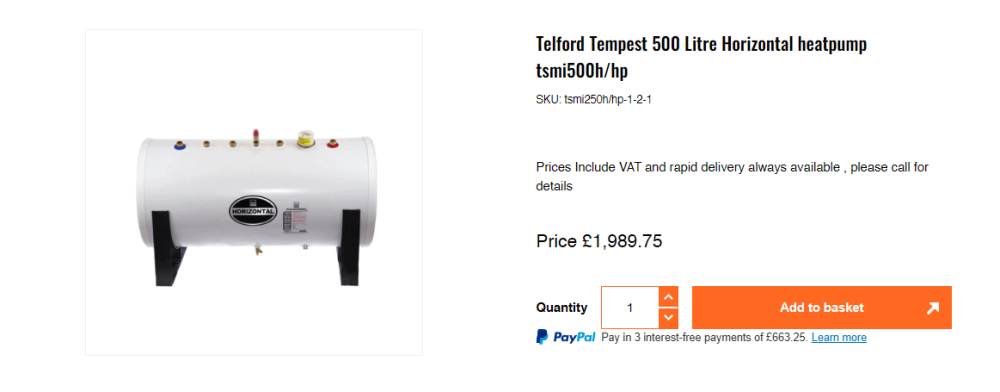
-
how to insulate ceiling of room beneath barn
Iceverge replied to vagrantly3893's topic in Heat Insulation
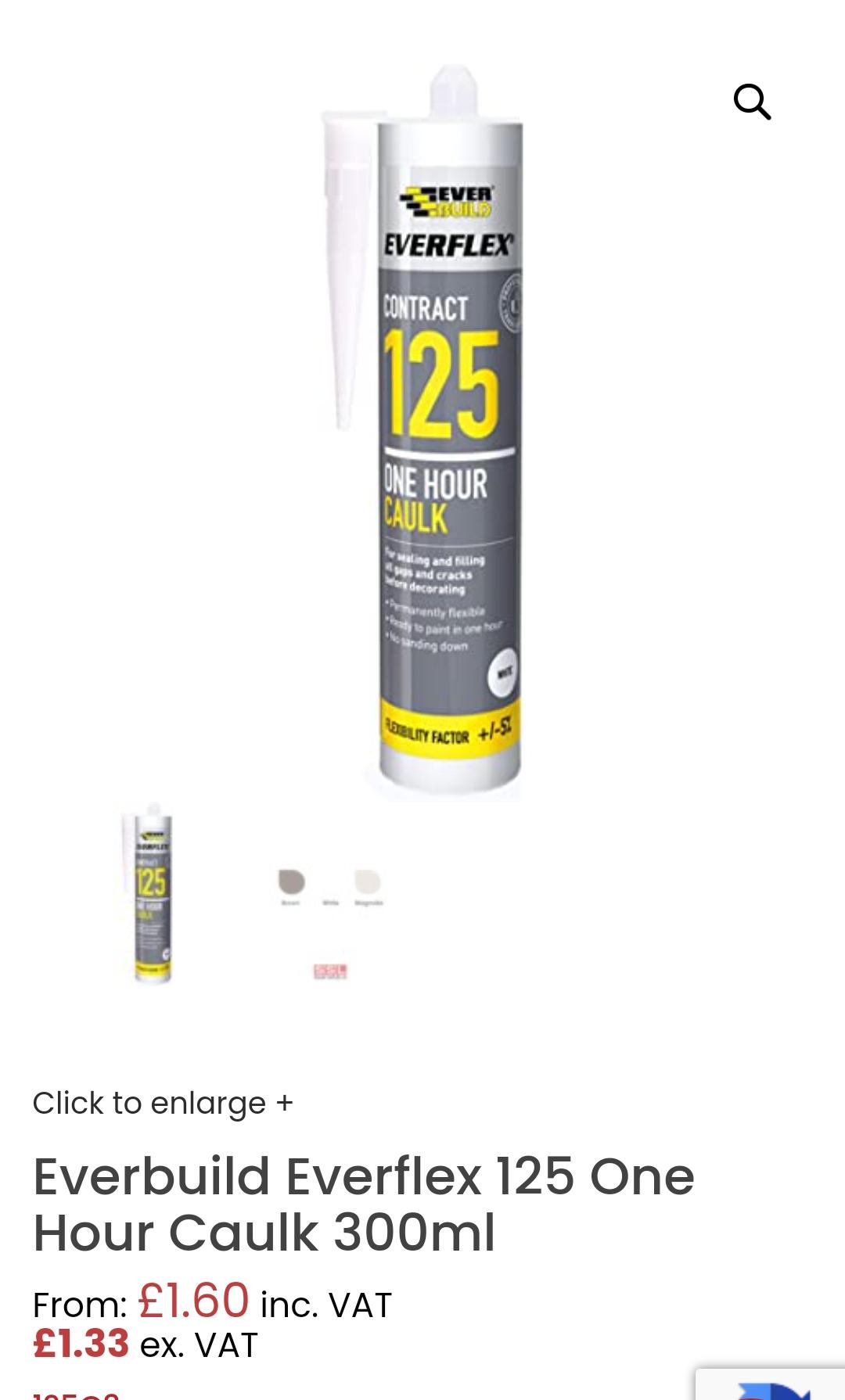
Again you can tape if you want it won't make much difference. The main aim of the caulk is to stop as much of the bulk air from escaping from the house into the roof. As you're in an old barn its probably fairly "holey" anyway so I wouldn't sweat it. There's lightly plenty ventilation in the roof so I would stay away from trying to create a vapour Barrier anywhere. Just buy yourself a couple of 150mm rolls and get going. -
how to insulate ceiling of room beneath barn
Iceverge replied to vagrantly3893's topic in Heat Insulation
Sorry I forgot to reply. Correct on point one. Probably not the best person to ask but here's a suggestion. You can do whatever suits best. If you're regularly trafficking the attic and storing stuff I think I'd close it in as it'll be tidier and less lightly to become pulled out.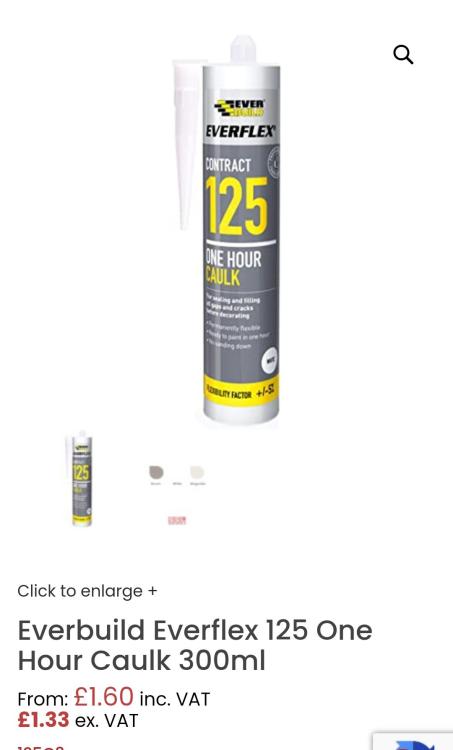
-
Horizontal cylinder in a 'cold' loft. Bad idea?
Iceverge replied to Post and beam's topic in Boilers & Hot Water Tanks
My 2pence worth. Put the UVC as near as possible to the kitchen tap. Run a radial system with narrow bore pipes to the wash basins. Put the cylinder over a tanked floor with a level floor drain such that if you even spring a leak then the house won't be ruined. Don't trust plumbers just because they've got a ticket. Ours made a mess of our house. -
Horizontal cylinder in a 'cold' loft. Bad idea?
Iceverge replied to Post and beam's topic in Boilers & Hot Water Tanks
Unheated is not a problem so long as it's within the heated envelope. What is your preferred distribution system? Radial or trunk and branch? Are you planning a hot return loop? -
'Packaged' UVC, larger than 200l?
Iceverge replied to Post and beam's topic in Boilers & Hot Water Tanks
Been having a quick Google and they do seem to be thin on the ground. What's the special requirement for a square one driven by? -
Passive house plumbing first fix - any tips
Iceverge replied to markharro's topic in General Plumbing
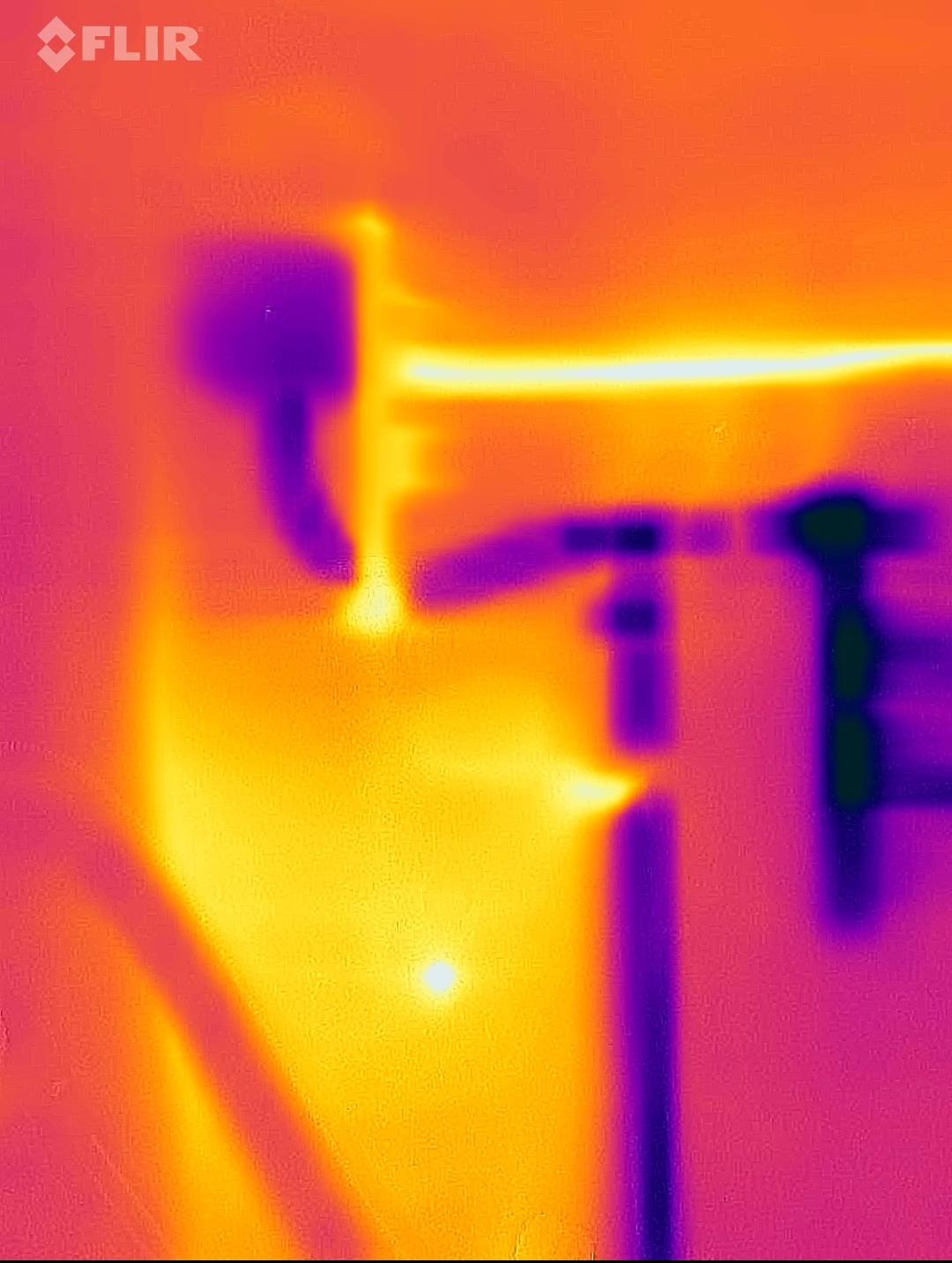
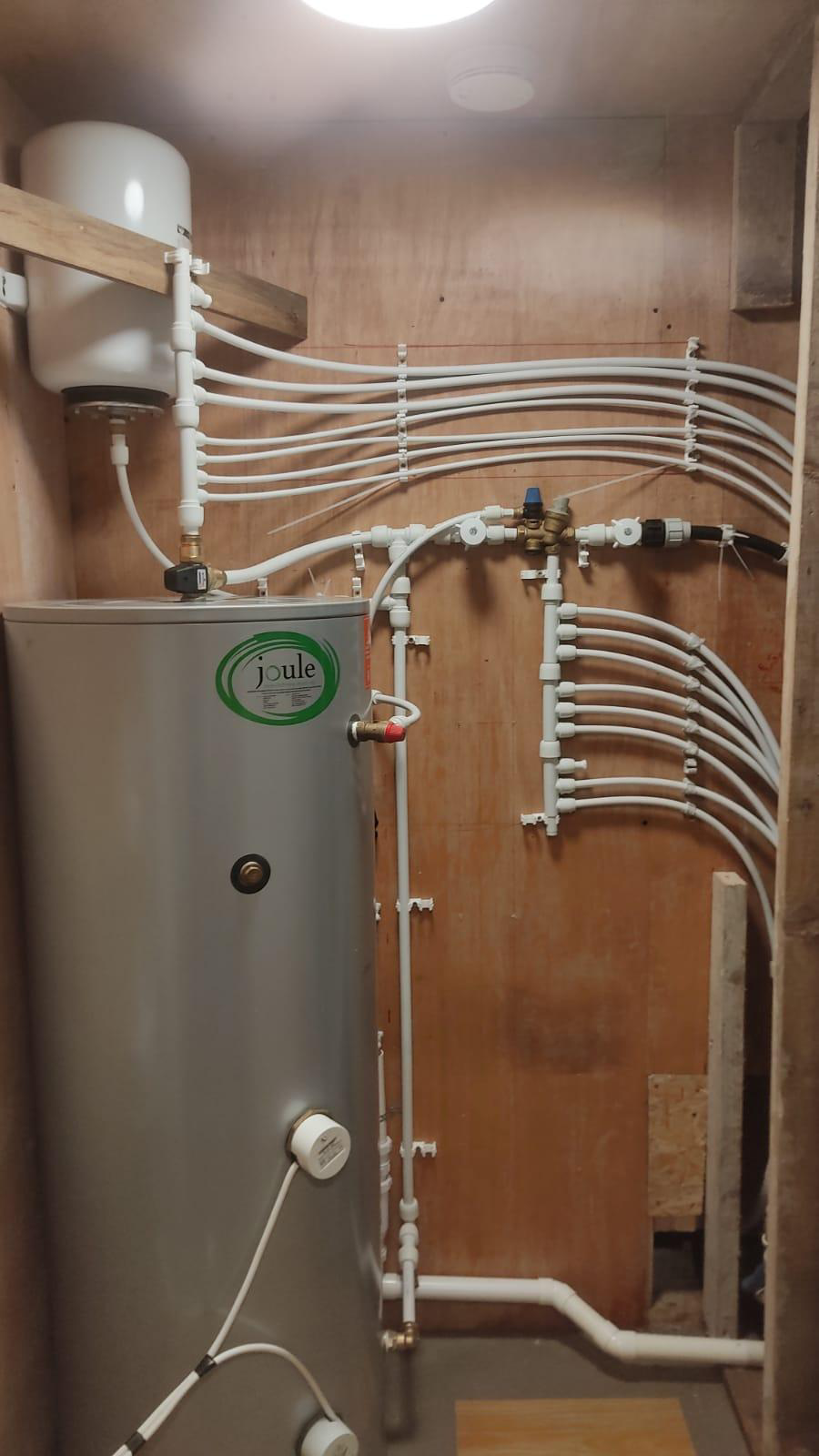
On insulating the pipes. We had massively over dimensioned pipes installed originally by the plumber. This resulted in huge amounts of water sitting in the pipes that had to drained out of the tap before any hot water arrived. I initially tried to insulate my way out of this. Adding up to 30mm of pipe insulation in places. Tightly fitted and taped. It made almost zero difference. If you ran a tap and did the same 20 minutes later the water in the pipe had cooled to near room temp resulting in equally long hot water wait times. Far more important I think is to have minimal water in the pipes in the first place as that heat is lost anyway in a few minutes . The cylinder itself and closely connecting pipework(especially copper) looses heat all day, every day. I would take lots of care to insulate any tank fittings, especially copper and make sure nothing can heat via convention other than your hot water manifold. Looking at ours the hottest spots are a Brass blanking plug in the centre. A T+P valve on the right of the tank and a hot water pipe (uninsulated) for the shower in use at the top of shot. This is worst case for the pipe and will only be for 20mins per day. The brass blaming plug and T+P valve will be like this all day.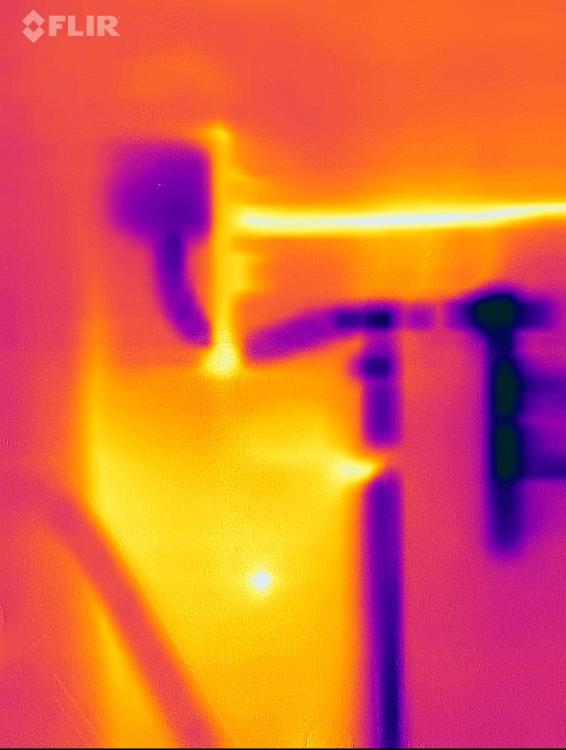
-
how to insulate ceiling of room beneath barn
Iceverge replied to vagrantly3893's topic in Heat Insulation
I would. 1. Remove the planks. 2. From the top down use some permanently flexible sealant to seal any gaps around the perimeter and joints of the fermcell. This will help with airtighness and prevent most of the moist air from the house coming into your roof space. 3. Then lay 140mm of a good quality mineral wool like Rockwool or RockSilk between the beams. You could then put timbers at a depth of your choosing across the beams at 90deg at closer centres. Say 100mm or 140mm and lay more more mineral wool in-between. 4. Then screw some OSB on top to allow for storage on top and finish off the sandwich. There's no need for a vapour barrier if you make a good attempt at the airtightness with the sealant. It may cause more issues than it solves. Theres probably no point in going crazy with the insulation depth either as you've a large thermal bridge with the brick wall adjacent. You could always insulate that too from the top if you were really keen. -
Passive house plumbing first fix - any tips
Iceverge replied to markharro's topic in General Plumbing
If it was me and I had a floor drain under the cupboards in the kitchen I would use be happy to Tee off the 15mm to the hot tap. Get her to define this please in litres per minute. If needed take a measuring jug and a stopwatch to the bathroom. Infact this is a really good exercise with all your current taps whereever you're living now. Time to hot and litres per minute. It'll let you make some informed decisions. Our shower at 10l/min is more than adequate for Mrs and she has very thick hair. 15mm for the shower. I would keep all basin hots as dedicated 10mm runs. They only flow at about 4l/min so a 10m run of 15mm pipe would take 20 seconds to hot while a 10mm would take about 7seconds to hot. I would run 15mm to the utility tap and T 15mm to the WM. Only some WM have a hot feed but it's worth it if you can. Similarly with a dishwasher which only use about 6l of water. (Much less than hand washing) Even with a large deadleg of 2l you're still saving, presuming you heat your hot water via an ASHP or solar. Don't worry if you buy a dishwasher without this though. You can just run it when PV output is high or on a cheap time of use tarrif. -
Passive house plumbing first fix - any tips
Iceverge replied to markharro's topic in General Plumbing
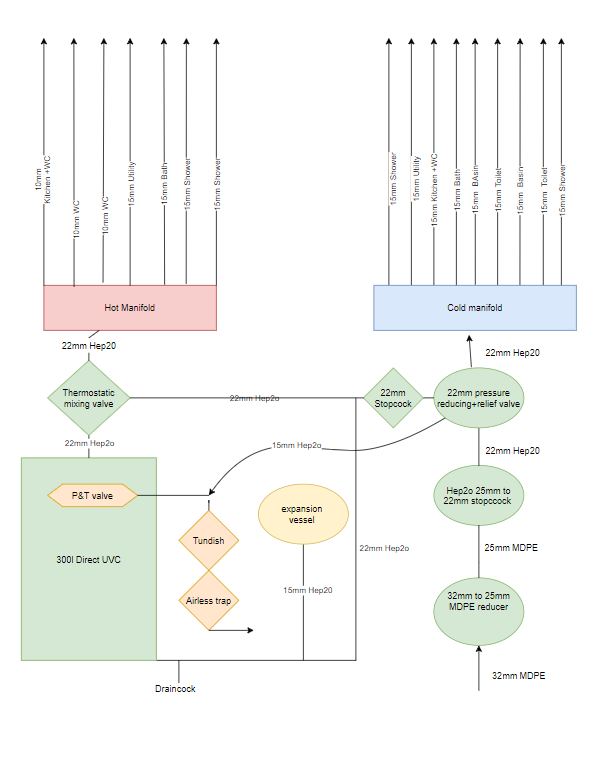
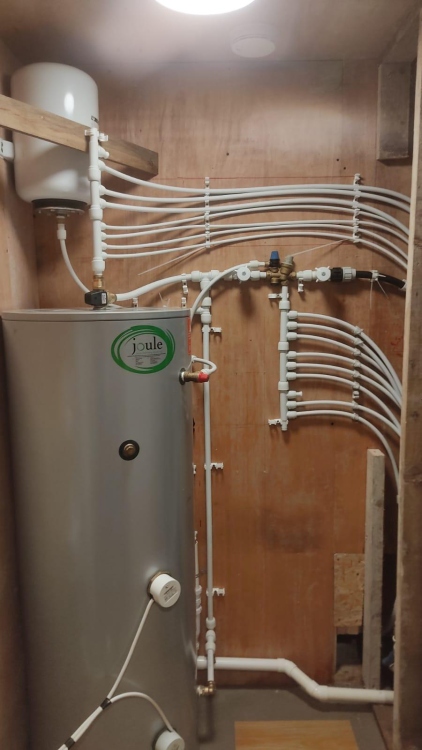
Here's a diagram of mine.. And a Pic. Things I would change..... On @Nickfromwales advice avoid compression fixings of Hep2o pipes although I've had no issues yet. The Multiblock heats via convention from the thermostatic control valve (screwed directly onto the top of the tank) as it is higher than the top of the tank. This should be lower. Note the hot manifold and the 10mm pipes with the first draw off. It is preheated via convection and there's super speedy hot water to the basin taps. I only insulated the hot manifold as the Hep pipes contain almost no water and it cools instantly once switched off in any case with or without insulation. I should have tanked the floor and put in a floor drain too. I could have ran 10mm cold to the W/C cisterns and the basin taps too but fittings and manifolds were cheaper for the 15mm.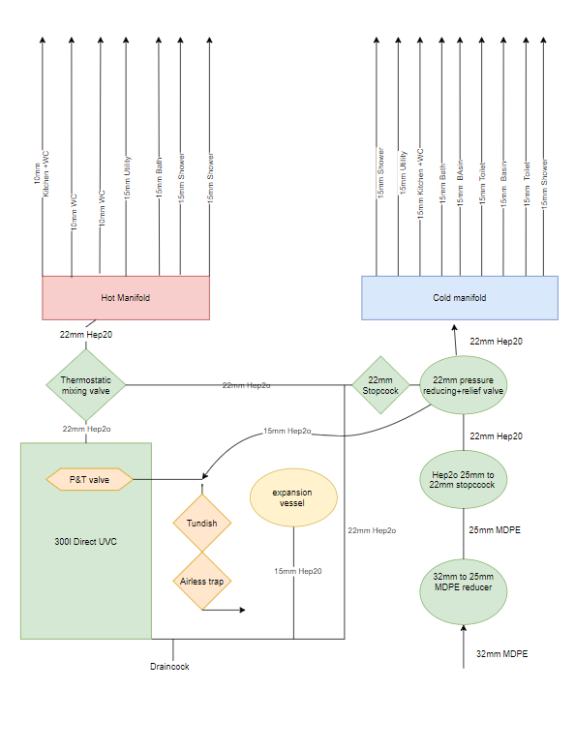
-
Passive house plumbing first fix - any tips
Iceverge replied to markharro's topic in General Plumbing
If I was to do it again I would have a rule that no joint should be inaccessible and should any joint fail it could safely drain into a floor drain. In this case Tees in a bathroom with a wetroom floor for instance would be fine. Had we been a bit more savvy with the UVC location we could have had a 4m run to the kitchen tap and less than 6m to the basins. No circulation loop needed or long runs. Hot dead legs to the showers and baths make no difference with such large flow rates and longer run times. -
Passive house plumbing first fix - any tips
Iceverge replied to markharro's topic in General Plumbing
Yes. Maybe the right name is something else. Yes like a spider with a pipe for each outlet. It's like the branches of a tree where a big pipe splits off into smaller ones to feed outlets. You end up with lots of joints but less pipes. Unfortunately this means you have lots of joints hidden and inaccessible. You also have large deadlegs and can have flow rate issues as lots of outlets are fed from the same pipe. UnVented Cylinder. All basins. I did it for the kitchen tap too as it was a 13m run. It did limit the hot water to 6l/min though rather than 10l/min with a 15mm to have a quicker delivery of hot water. Loads yes.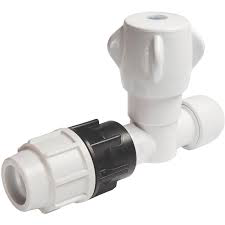

-
Short product support life for smart devices
Iceverge replied to JohnMo's topic in Networks, AV, Security & Automation
+1. Despite quite liking tech I fail to see the benefit of it in most applications in a house. Most of it seems to massively over complicate previously simple tasks or harvest as much data, audio and video of you (and your kids and your neighbours) as possible. I like our robot vacuum and the robot lawnmower(when it was installed)but that can be plugged out and thrown away and won't affect the lights or heating. Tech additions I would like to see. 1. Central locking. 2. A washing machine that separates cloths, selects the correct wash for each and returns them dried in a tidy stack. 3. An external sweeping robot to keep driveways and foot paths clean like a robot hoover. 4. A dishwasher that would empty itself into the cupboards. 5. A window cleaning robot. -
How much do drywall screws impact insulation value of a wall?
Iceverge replied to nostos156's topic in Heat Insulation
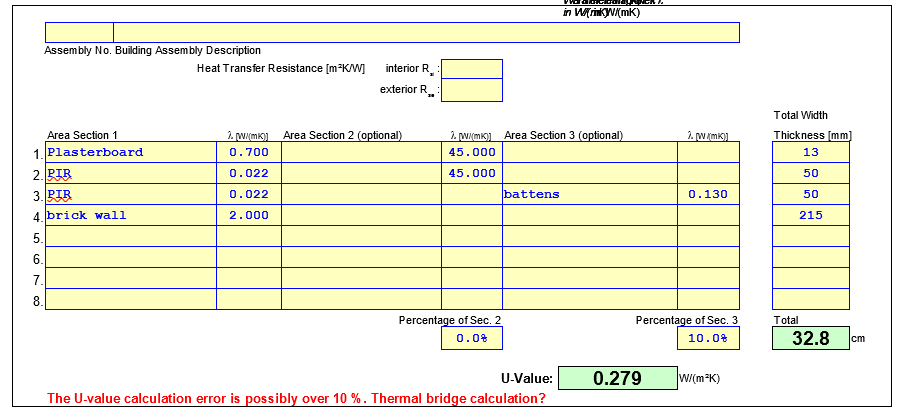
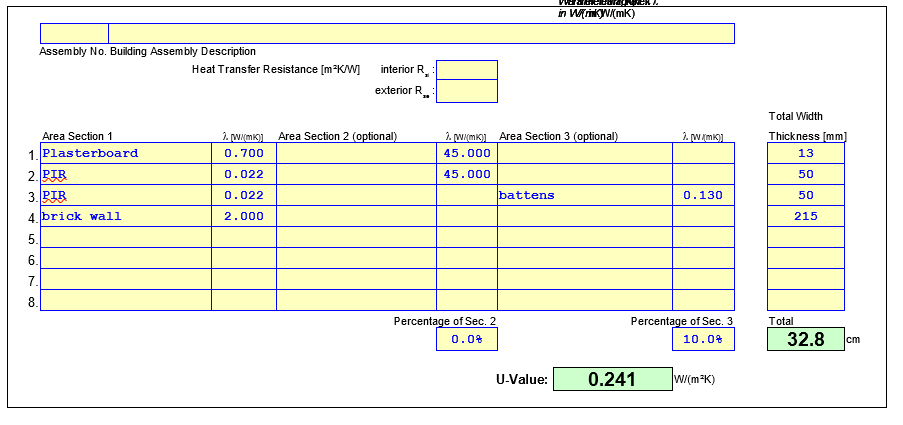
I don't have access to the ISO files so I was just calculating it on my mobile/in my head. A quick play with PHPP (note the display can't show small % so both inputs look the same) . Assuming steel screws and a total steel area of 0.02% even for the bigger screws as the thread portion won't conduct much. Without screws: With Screws: About 0.04W/m2K of a difference. I'm not sure @ADLIan how I'm more than an order of magnitude out from your 0.006 W/m2K. @nostos156 The worst case of my numbers it's still only 6p of difference per m2 per year.