Iceverge
-
Posts
4487 -
Joined
-
Last visited
-
Days Won
32
Everything posted by Iceverge
-
you have my attention..... I have the facility to put them on a timer if I can convince myself to spend that fiver I found down the back of the couch last year... What brand did you use? Has anyone used a MEGA one to get the instant boost only when needed?
-
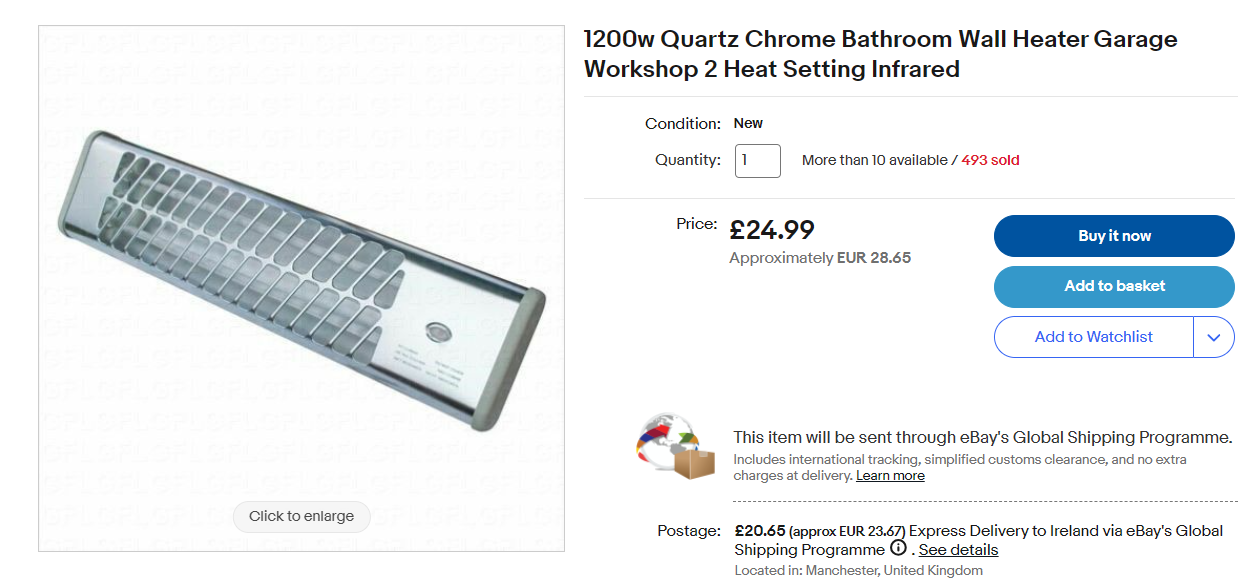
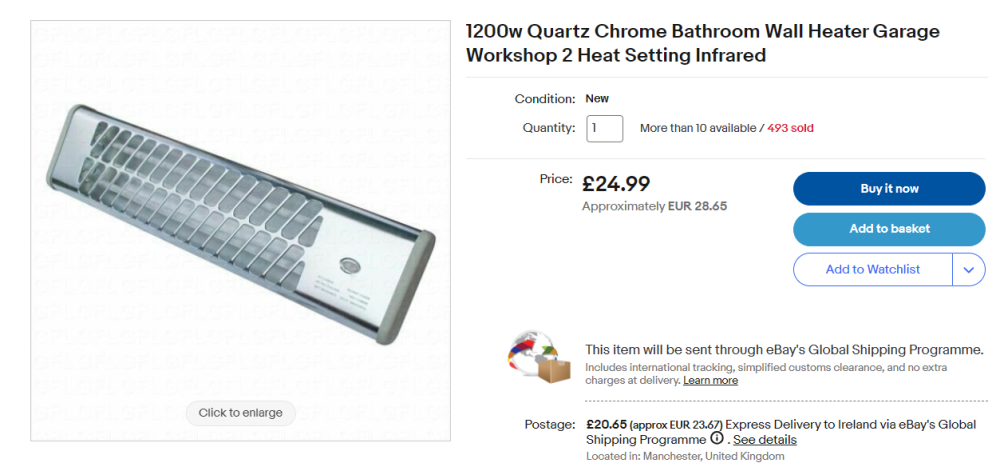
So we have a passive house. It works well. Normally ticks over at about 20 deg with one of these plugged in downstairs. In my quest for the finer things in life I thought wouldn't it be nice to have a bit of extra comfort in the bathroom when I stepped out from the shower. So last winter I broke the piggy bank open and installed one of these. It goes on, makes a racket and soon the bathroom is a toasty 24-25 deg. Lush. However is reduces the moisture content of my eye balls in the process to about 1%, and the fan disturbs the tranquil harmony of my aquatic experience. Given that I have no intention of heating the room when I'm not in it would one of these be a viable alternative to "shine" heat at my goose bumped epidermis when towelling off? If anyone would like to suggest underfloor heating mats or "do it properly first time around mate" please send your suggestions to 2018. Many thanks.
-
 Welcome welcome. Sounds a nice project. You could post your (deidentified) plans if you like. I know I should have. Plenty of knowledge that would have helped make our build better. ICF is attractive for lots of reasons ( e.g. inherent airtightness, good thermal bridging) but equally not so for others (expensive, requires specialist tools and skills, questionable ability of synthetic renders durability in very wet climates). Is there any particular reason you want to use it? If you can get your heating load to a passive level (10W/m2) or 2.8kW overall then a tiny heat pump would do you. It'd overcome the issues with the electricity supply. Unless you have free timber from a nearby source, don't mind the labour of handling it and the air pollution (both inside and outside the house) doesn't bother you I would ditch the wood burner.
 -
Great Progress. I thought that another 50mm of soft insulation in the attic would be easier that the 25mm under the trusses or is there some specific requirement i'm missing? Could you do a sketch of the Check reveals with EPS. I'm intrigued as the UPVC frames of our building are the weakest spots. Speaking of windows, what did you choose?
- 14 comments
-
- 1
-

-
- the windy roost
- icf
- (and 1 more)
-
It would save a good chunk of the budget for sure. For a truly low emission impact building be careful that your design is climate appropriate too. No reason it couldn't last 500 years if done right. In the British Isles we have scores of examples. Robust water shedding is much more important in Wales than the Mediterranean for example. Consider the optimum roof angle and orientation for PV, make informed decisions about glazing. Too much will be expensive to heat and cool.
-
Ah, build a passive house proper out of stuff that used to be plants. Then use an ASHP and some PV and you're punching.
-
0.8kW would be plenty for our house if it was continuous. Have you any evacuated tubes to tie onto it for the lower winter temps?
-
Do you adjust you panel angle for the lower winter sun?
-
Looks nice. Very LA hills. I double down on the overheating cautions and also the heating energy requirements for all that glazing. Good windows are still 5 times worse than average walls in terms of heat loss.
-
It's highly unlightly the slab is structural. The load from the above flat and the roof will be transmitted to the ground by the walls extending right through to the foundations. What is the existing floor? You speak of a screed. In all probability it's a concrete floor. Probably about 100mm thick. Insulation is plenty strong enough to take distributed loads. You can put a whole house on it in the case of an insulated raft foundation. However it doesn't like point loads, think high heals. If you had only one layer the risk is that at the joint the OSB/PLYWOOD wouldn't be able to distribute the load sufficiently and would sink into the insulation making a wonky floor.
-
Underfloor Heating ground and first floor and ASHP advice
Iceverge replied to Gaz Bancroft's topic in Underfloor Heating
I'm thinking ecotherm did the U value calcs and passed them onto your designer. They are hallucinations unfortunately. Start at 200mm PIR (or 300mm EPS)in the floor. 200mm mineral wool in a full fill cavity and 3g good quality UPVC windows and doors. Avoid french doors and brush sealed sliders. They leak like the Titanic. Instead make sure all doors and windows have compression seals to shut. -
Dig out the floor. It's a day or two of work. Add 200mm PIR or 300mm EPS, screed or power floated concrete floor. You can use the opportunity to run wiring in conduit to all the outlets and avoid pulling down ceilings. Otherwise. PIR as much as you can. 9 or 11mm OSB in two layers floating over the top, joints crossed, screwed and glued. Cork tiles or carpet.
-
MVHR mouldy and full of water
Iceverge replied to haddock's topic in Mechanical Ventilation with Heat Recovery (MVHR)
Any link to be fix. I had something similar last year with ours (proair 600) but I put it down to a tilt in the unit and not being able to drain properly. Must have another look again to see if it's ok. -
Screws to fix upvc windows to timber.
Iceverge replied to saveasteading's topic in Windows & Glazing
Depends on the windows I would have thought. They may need pre drilling if there is metal reinforcement in the frame. She could always use windows straps but if she doesn't want to then something like this maybe.
-
What to put where & what to allocate for the future ? UFH
Iceverge replied to syne's topic in Underfloor Heating
I assume this is a renovation? What kind of heat loss figured do you have for the remainder of the house? UFH pipes widely spaced in 150mm concrete and heat pumps may not be the best choice as it's very slow to react and only works as a "banked heat" in very well insulated houses. If you have a poorly insulated house a quick reaction system would be preferable. IE very large radiators or high output (closely spaced pipes) UFH in a thin screed. -
The nub of the issue here seems to be the limited power transfer capacity of the UFH at low flow temps. I imagine due to the dry install with a very thin insulating layer of air around the pipes and the insulative effect of the OSB and timber floor. The system would probably work pukka with a gas boiler. It's a done deal now as I guess you're not going to bother pulling up the floor an a simple resistive rad is so reliable and cheap to buy. However from a design perspective to maximize the heat transfer power of any UFH system my thoughts would be. 1. Maximise the surface area of the pipes. Longer pipe runs with lower diameter. 2. Higher conductivity pipes. 3. Attaching the pipes to mesh as @TerryE did. Perhaps even using an extra roll of chicken mesh or similar to distribute the heat as quickly as possible. 4. Using a very low viscosity screed to maximise contact area with the pipes when pouring. 5. A dark covered a rougher textured surface to loose heat to the room as quickly as possible. EG slate tiles. 6. A screed with maximum thermal conductivity like anhydrous screed rather than concrete. This is of course separate to the energy storage side of a heated slab.
-
The Conor Threshold: the Lancashire version
Iceverge replied to ToughButterCup's topic in Rainwater, Guttering & SuDS
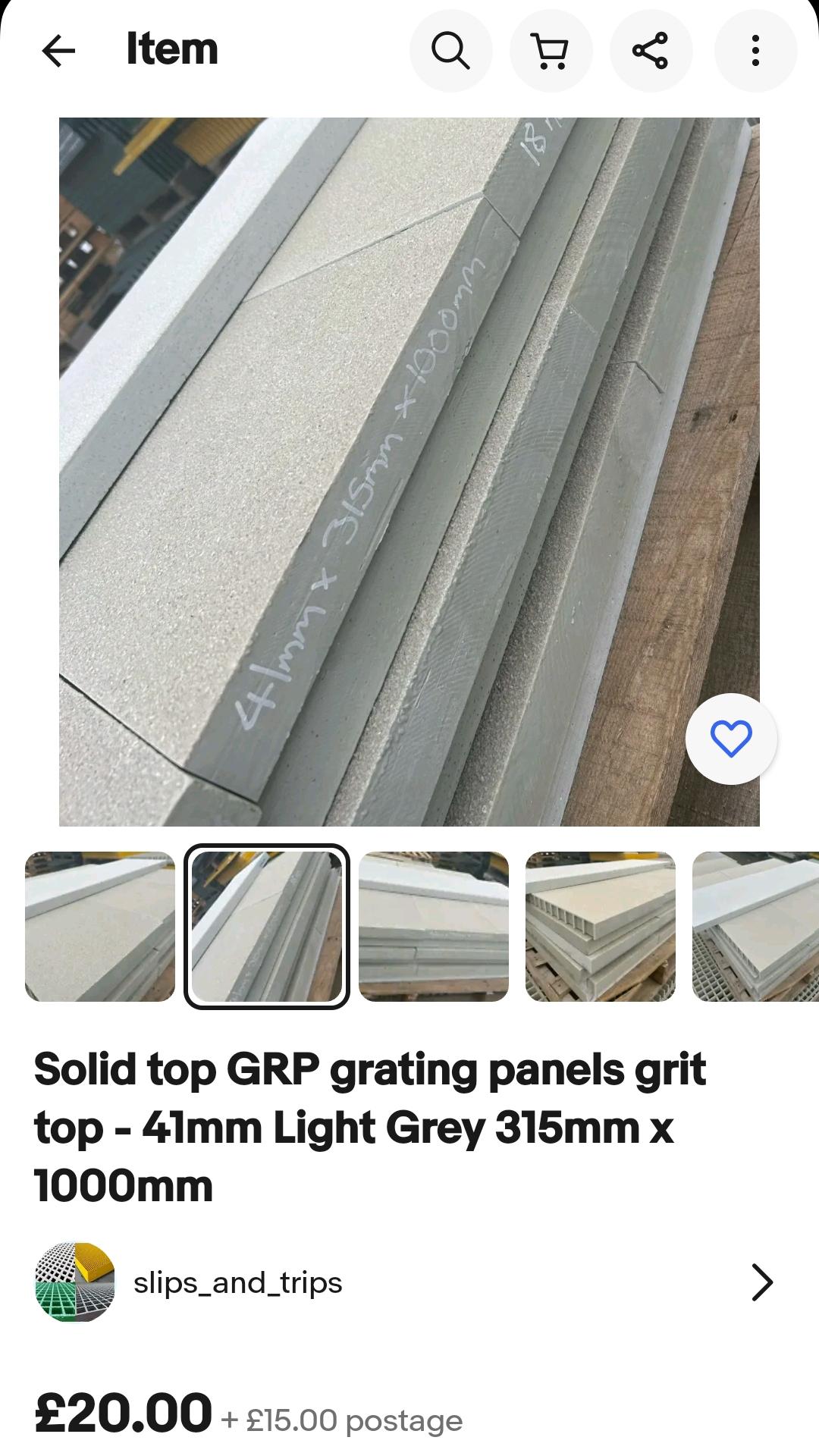
Have you considered covered GRP grating? Used some for our thresholds. F Just cast it into the concrete inside and support outside with some "muck" or a few blocks. Leave it with a slight fall towards the outside drop the door on top with a bead of sealant and hey presto it's done. If you fill the pockets with foam it performs well too.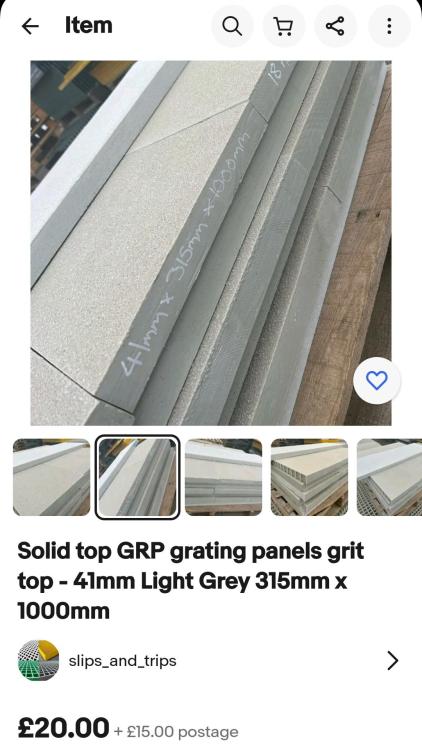
-
Shutters *other* than roller shutters for sound and heat insulation?
Iceverge replied to Garald's topic in Sound Insulation
excellent. any chance of some thermal pics/back of the hand observations? -
Yup SketchUp, it's an old version on my PC. I would think a big coil is important but I'm not an expert. There is something to be said for buying as close to a standard product as possible future replacement etc.
-
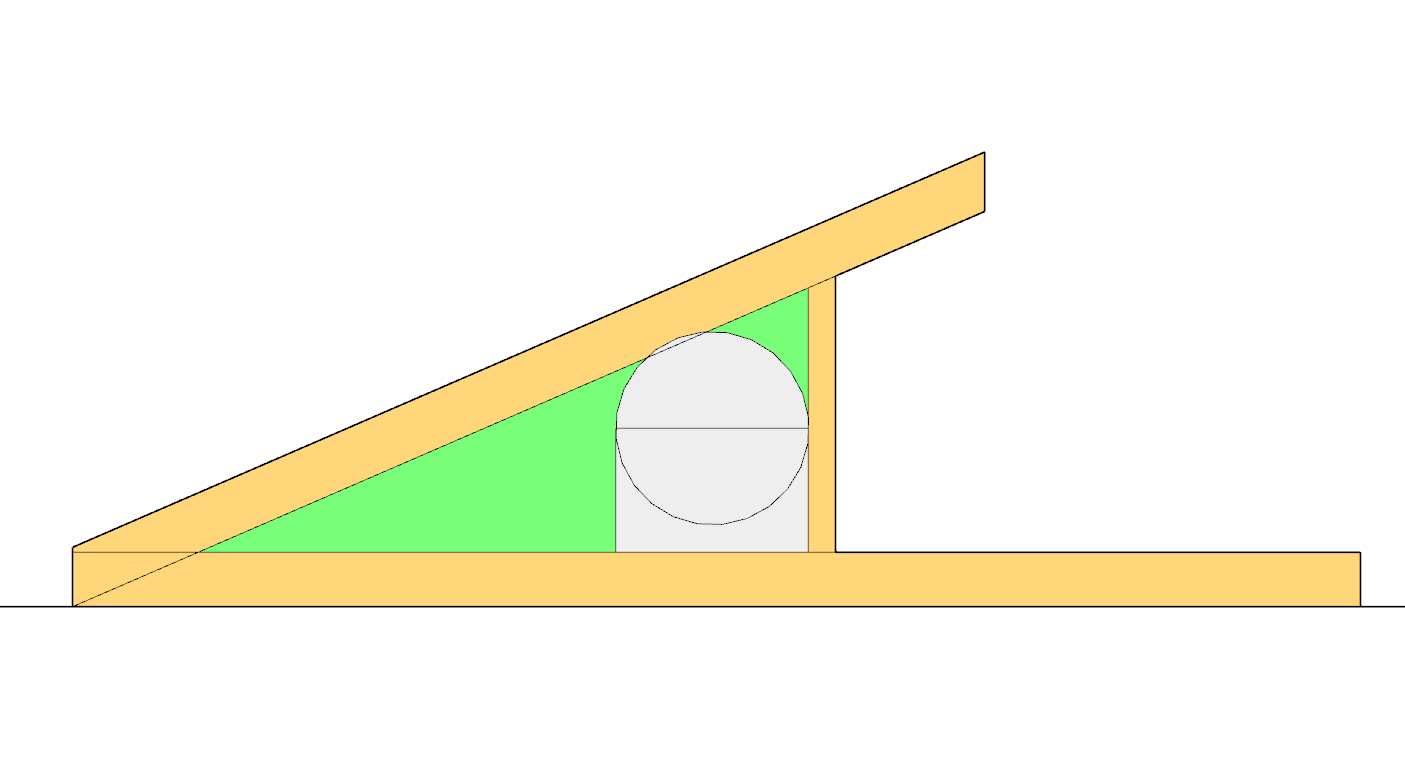
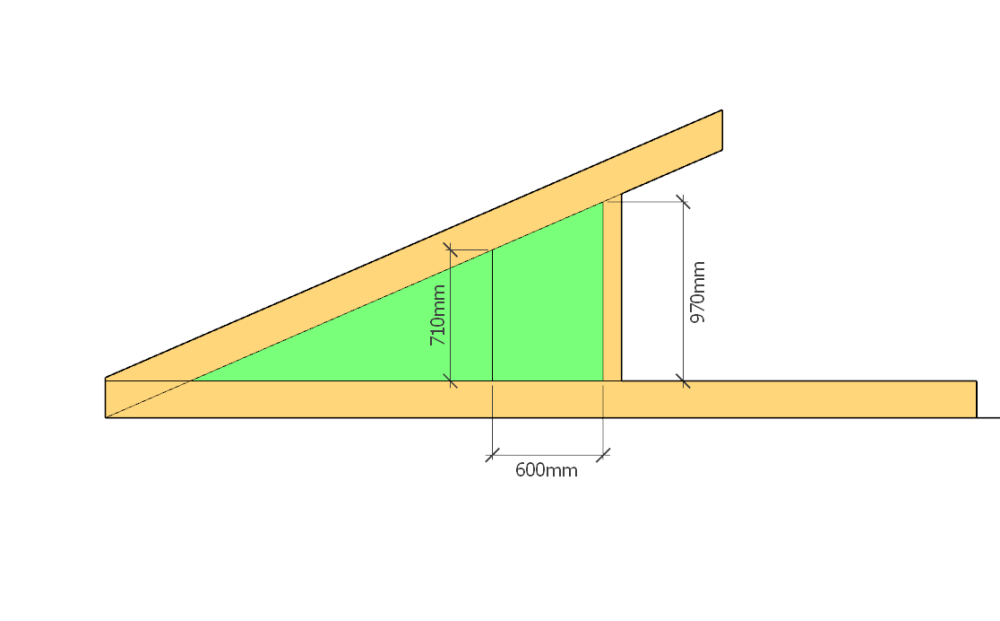
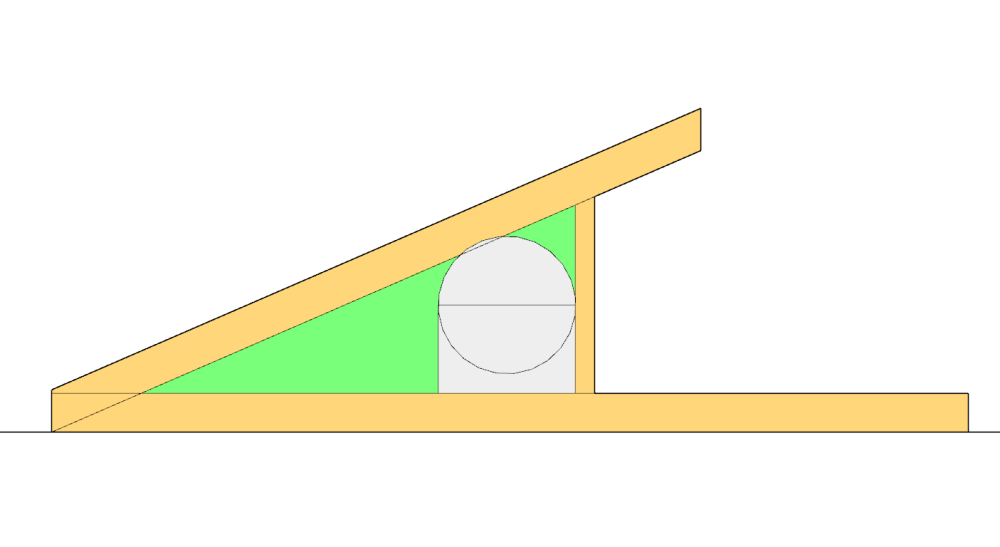
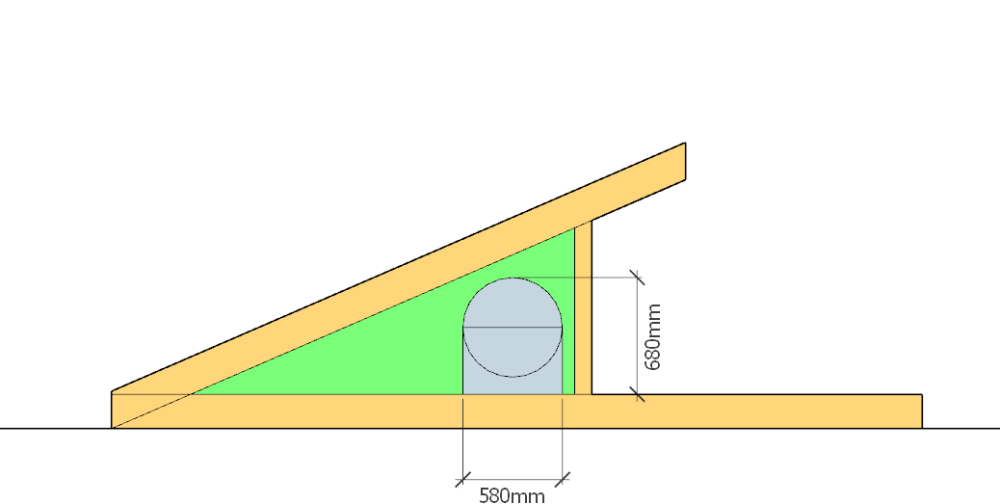
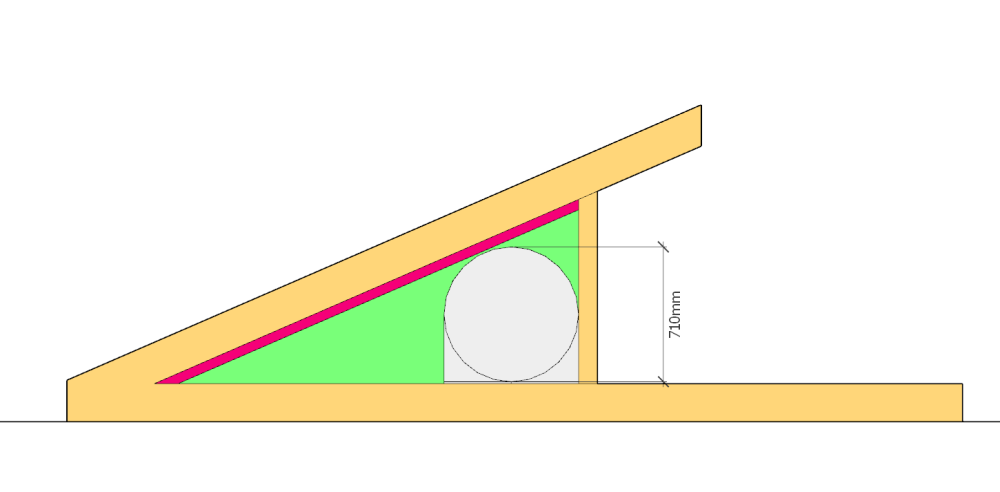
I think this is what you mean? Telfords Biggest Cylinder (400l/500l) doesn't fit The larger cylinder even with the lower cradle would be fantastically tight if you did want any insulation above it. Their Standard 300l and below will be fine, even with the PIR below the rafters. You may need the immersion relocated/lower cradle as it will be a pain to remove otherwise. No need to stop at 50mm insulation on the underside of the rafters then either.
-
Roof buildup for 1 3/4 storey house.
Iceverge replied to LiamJones's topic in Lofts, Dormers & Loft Conversions
I would say it's worth getting a quote from a supply and fit company. It was comparable when we built ours. PIR between rafters isn't a recipe for success. -
Use insulated plasterboard over the 2x4 in that case. As thick as you can get away with.
-
I would get some prices to make an informed decision. In 2020 in Ireland we had a borehole all done and dusted for about €4000. Similarly our council requires separate supplies for a farms and houses. A person in my locality was only granted planning on this condition although he owned an existing borehole 30m from the house. As to whether the second borehole got done in the end I couldn't possibly say but it was shown in the plans....
-
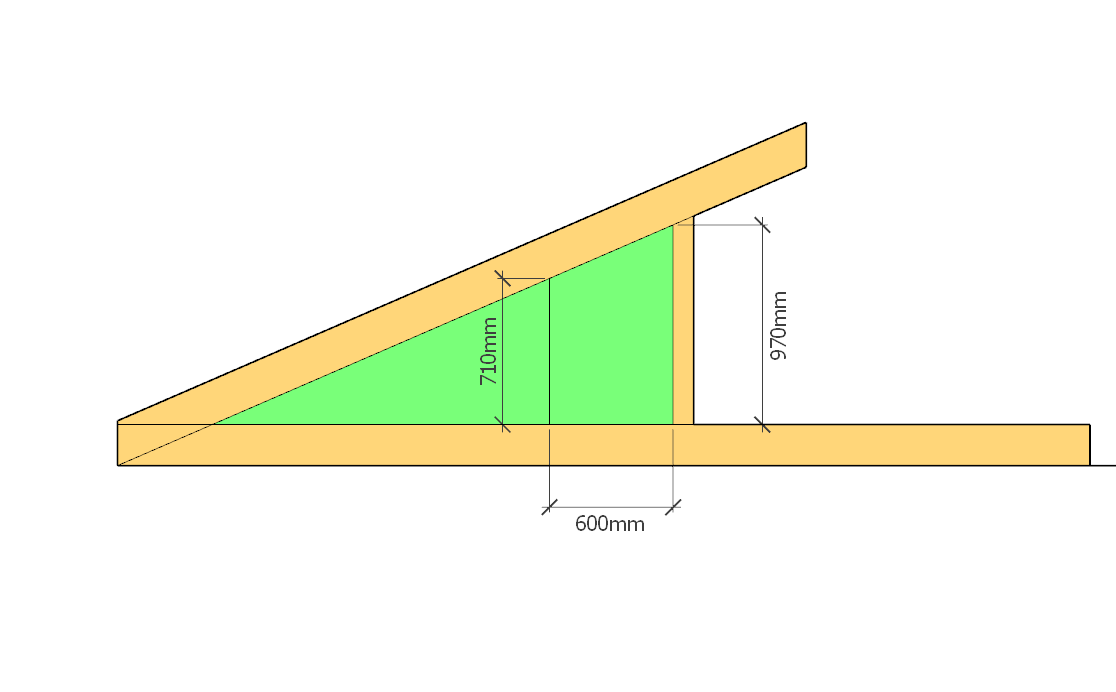
It looks fine. (Also metric tape. Nice.) What is the height of the highest part inside the studs and I can redraw it accurately? Are you planning on lining the ceiling with more insulation or is that it and I can edit my drawings as applicable.
-
Flow issues can be overcome with a cold water accumulator and a booster pump.