Iceverge
-
Posts
4487 -
Joined
-
Last visited
-
Days Won
32
Everything posted by Iceverge
-
Proceed with care or you could end up with a worse building than what you started with. Fundamentally you want to prevent anything getting wet or even worse wet and cold because it will fall apart in shortish order Internal insulation is making the structure cold and unless you install a perfect vapour barrier (almost impossible on a retrofit) it'll get damp. Ideally external insulation would be the best but if you can't do that a considered later of breathable insulation between the studs (woodfiber being one) covered by a breathable layer of lime plaster and breathable lime paint will keep you warm and preserve the house for future generations.
-

Integrating an MVHR to our build
Iceverge replied to djcdan's topic in Mechanical Ventilation with Heat Recovery (MVHR)
No issue so long as it's specced correctly. They are easy to DIY and eliminate cross talk. Just avoid this style of flexible ducting.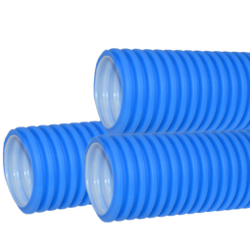

-
It's not difficult, just take your time. After various experimentation with a beesmoker, Joss sticks, talc etc I found the easiest way was the back of your hand for the larger leaks, it's surprisingly sensitive. Then I shoved a long candle into a piece of conduit for the minute pinholes. This was remarkably accurate at finding weak spots with the added advantage you don't have to do any climbing or bending down No special equipment, some on here have DIY'd manometers but it's not easy to make an accurate one The guy with the blower door did the proper measurements Are your joists built in already?
-
No mention of form factor. You can build a super low energy demand house to current insulation levels if you keep the design compact. The window target is also some low hanging fruit. A neighbour priced upgrading to triple glazing on his 250m2 new build. €800 inc vat.
-
Quandary: Timber frame or masonry cavity wall
Iceverge replied to Moonshine's topic in General Construction Issues
Good timber frame is the best. Bad timber frame is the worst. Block builds span the mediocrity in between. -
MVHR and open fireplace
Iceverge replied to Ronan 1's topic in Mechanical Ventilation with Heat Recovery (MVHR)
I've already purchased it and fitted a socket strategically over the main entrance door with it in mind. It's unlikely anyone will ever look at it. Also that lovely one you selected it over 5 times the price. You've underestimated how tight I am! -
MVHR and open fireplace
Iceverge replied to Ronan 1's topic in Mechanical Ventilation with Heat Recovery (MVHR)
Whilst you're building at any rate I'd put MVHR anyway. It'll help with your SAP. Does away with trickle vents and room extractors and will ensure if you end up with some airtight rooms they won't be stuffy. Given your project is pretty large it won't be significant in the budget. -
MVHR and open fireplace
Iceverge replied to Ronan 1's topic in Mechanical Ventilation with Heat Recovery (MVHR)
I grew up with open fires as a kid. In the country. It was great. Or so I remembered....... Then we moved into a rented stone house with open fires. IT. WAS. FREEZING. The memories of being a child in smoky drafty house with a permanent cough and cold returned. We moved again into a small cottage. Open fire. Right bollocks to that I said, went on Donedeal.ie and €200 later and a bit of mucking about had myself a stove. It was a revelation. 4 times less firewood and 4 times as much heat. Happy days. Then we had a baby and all my time disappeared. The novelty of lighting up a roaring fire gradually waned as every day I had to drag out ashes and drag in firewood and wait for a good hour to have any meaningful heat. It became more and more of a chore. I began to feel like this woman. Then I started to read up about indoor air quality. It wasn't too pleasant and now every time I refuel or clean out our stove I get a pang of guilt as a plume of particles drifts off towards our toddler. I'm giving her a better chance of chronic lung problems every time I do this. You say your missus has notions but please make sure she's informed. Here's a good article. https://passivehouseplus.ie/magazine/insight/home-heating-choices-and-air-quality On a less depressing note avoiding a fire in your house will save you money. Even with free timber the payback for our passive house to install a stove was 22 years compared to direct electric. Today my task is to install our entire heating system for our new build. Here's a snap!
-
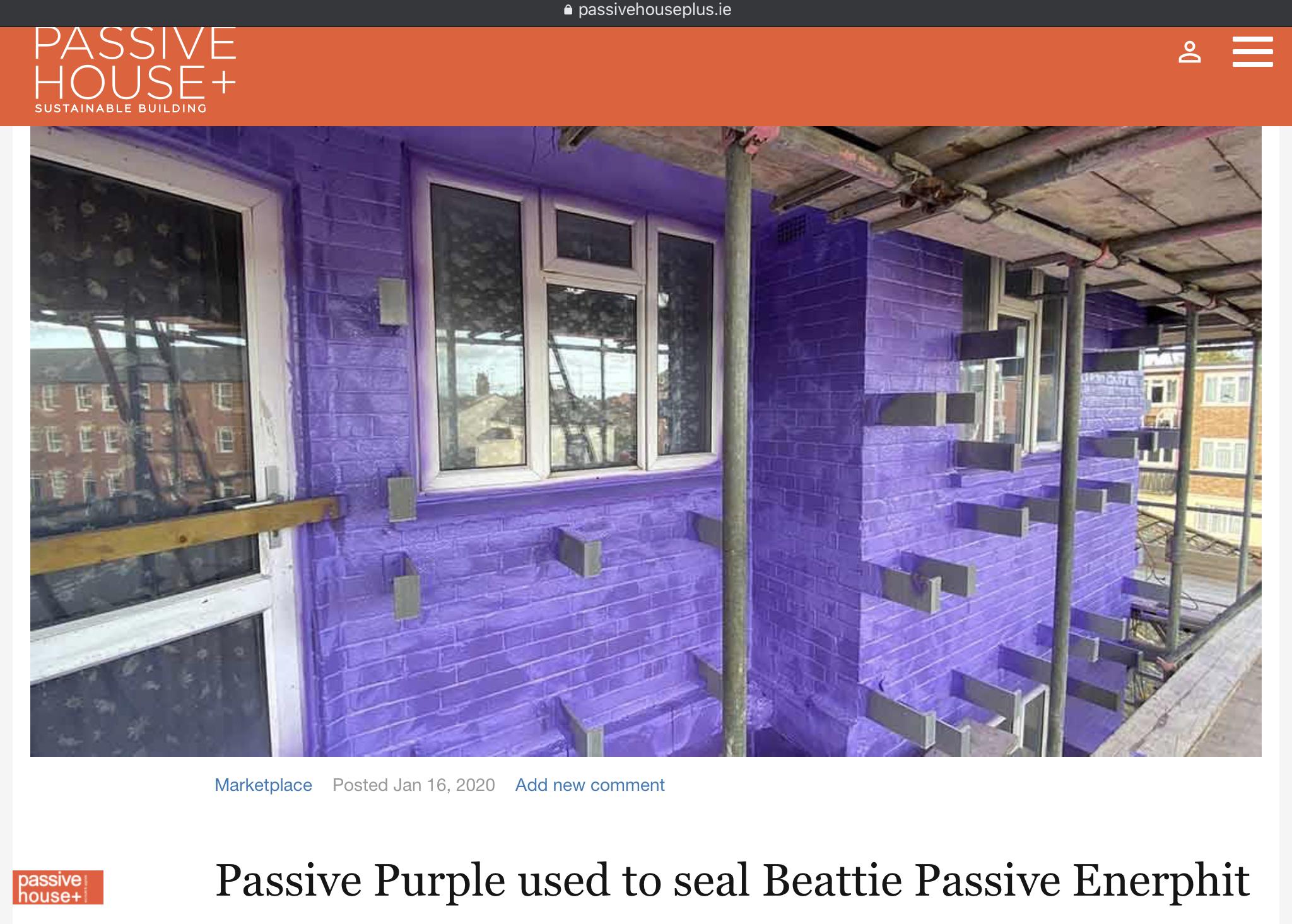
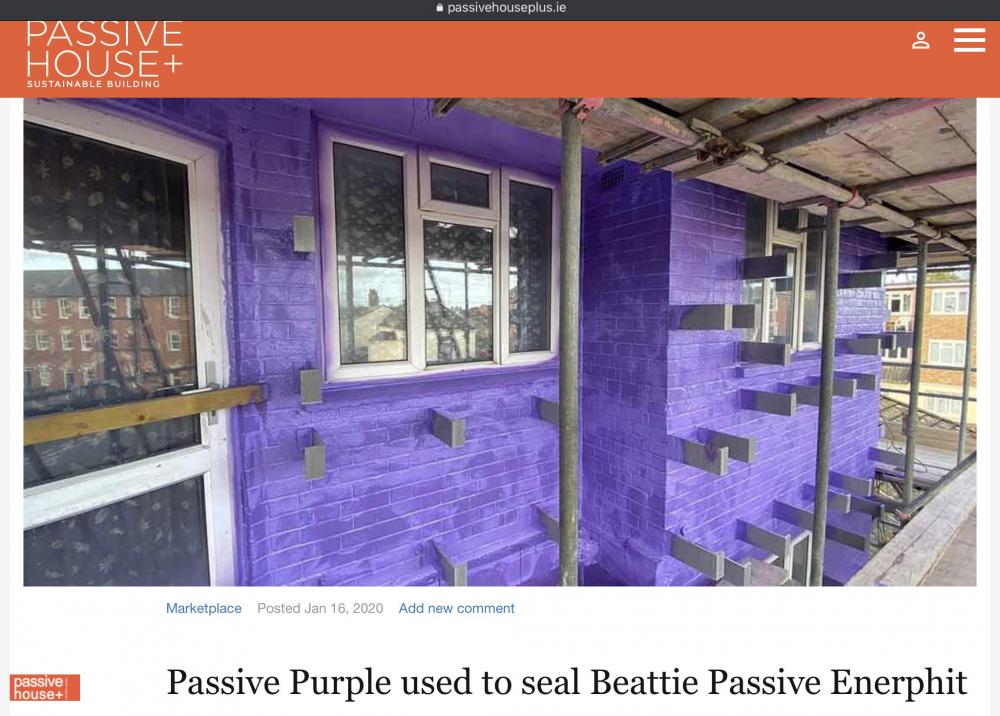
no nonsense questions only nonsense answers! yup it can be done like in the below picture with airtight paint. the trouble is thought that it’s difficult to join to your roof airtight layer. if you’re joining to the windows with an external parge coat you’re very weather dependant to get tapes to stick. it’s impossible to pinpoint leaks using a depressurisation fan afterwards too. Have a look through Philips from prodomos blog, i found it useful. I also bought all my airtightness kit from him although i’m not sure if he can supply GB post brexit. https://www.prodomo-ireland.com/prodomo-ireland-s-blog/
-
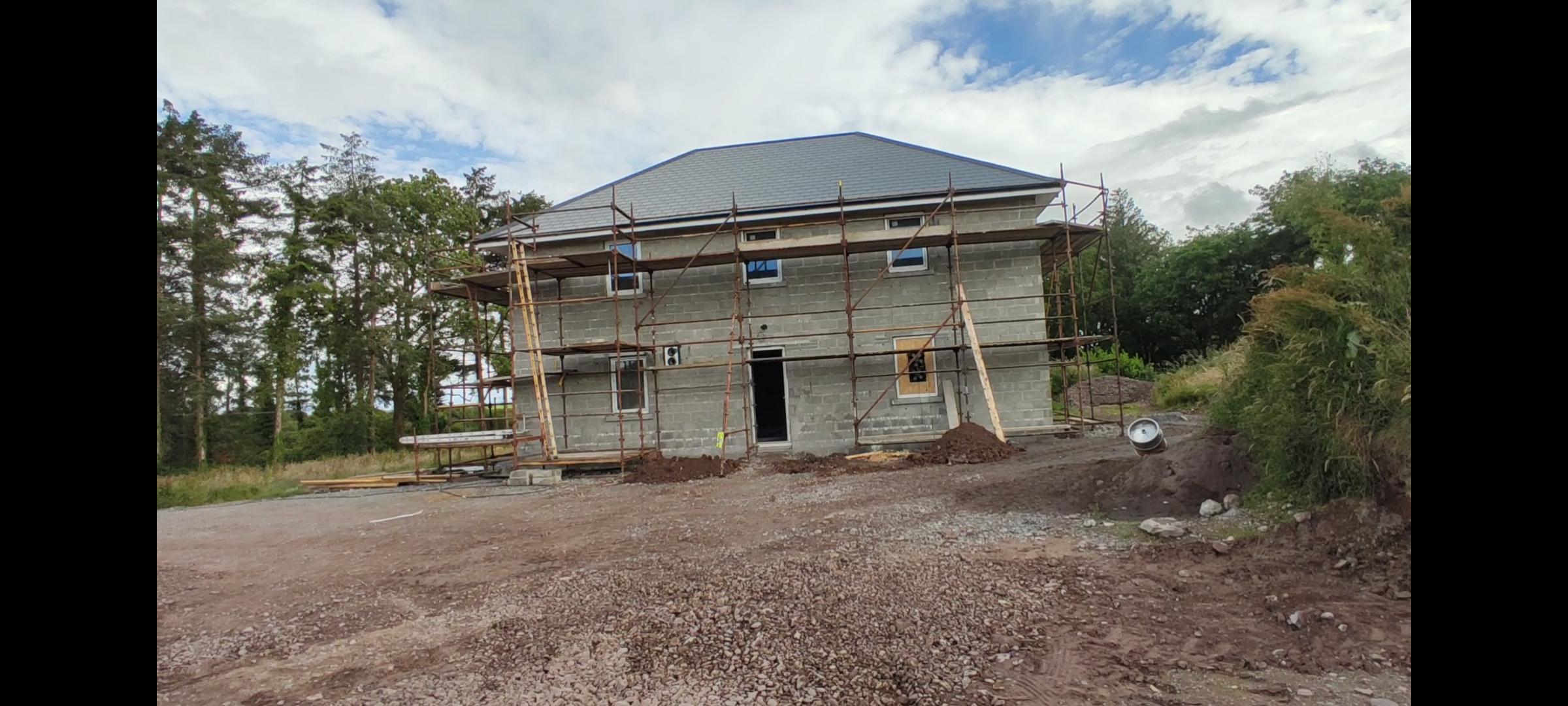
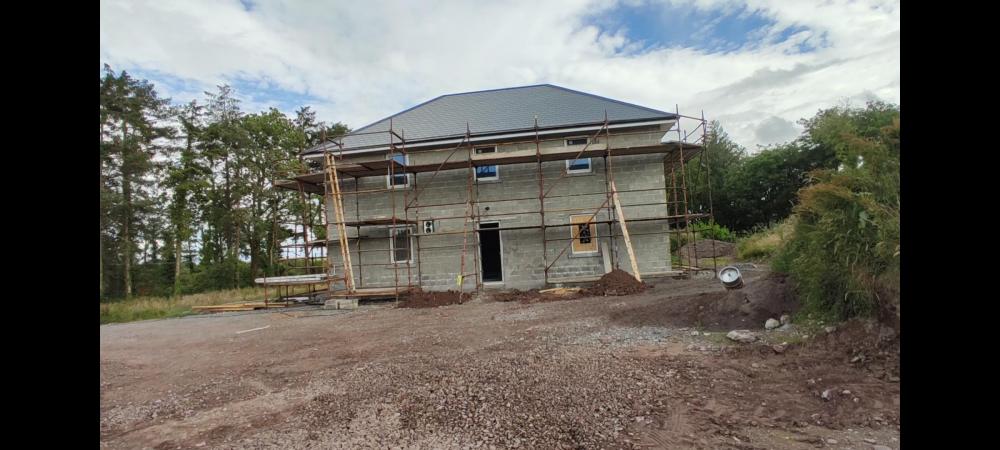
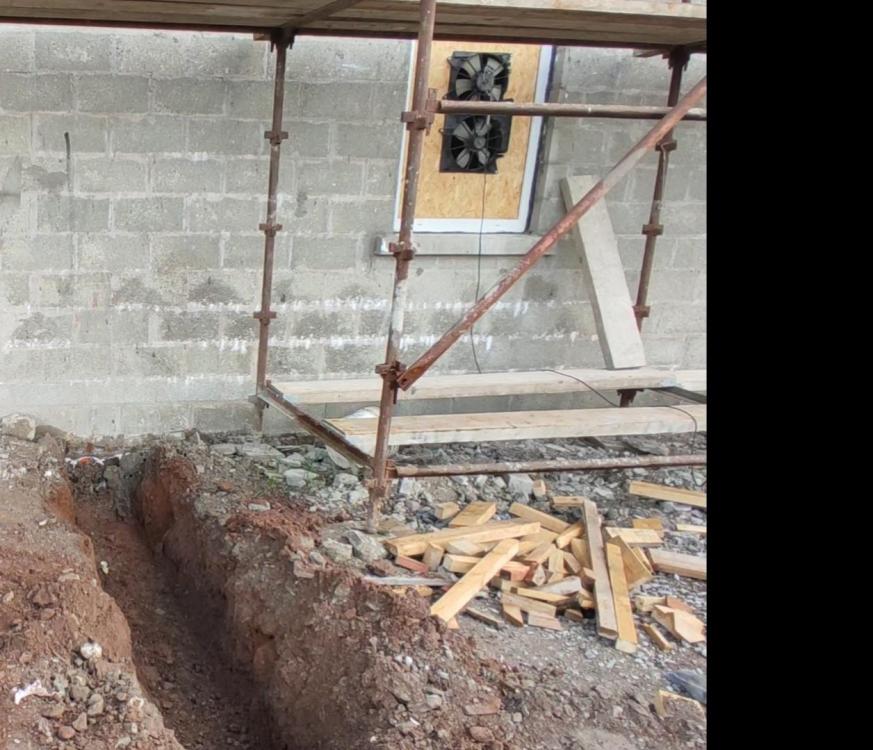
Here's a snap of mine.
-
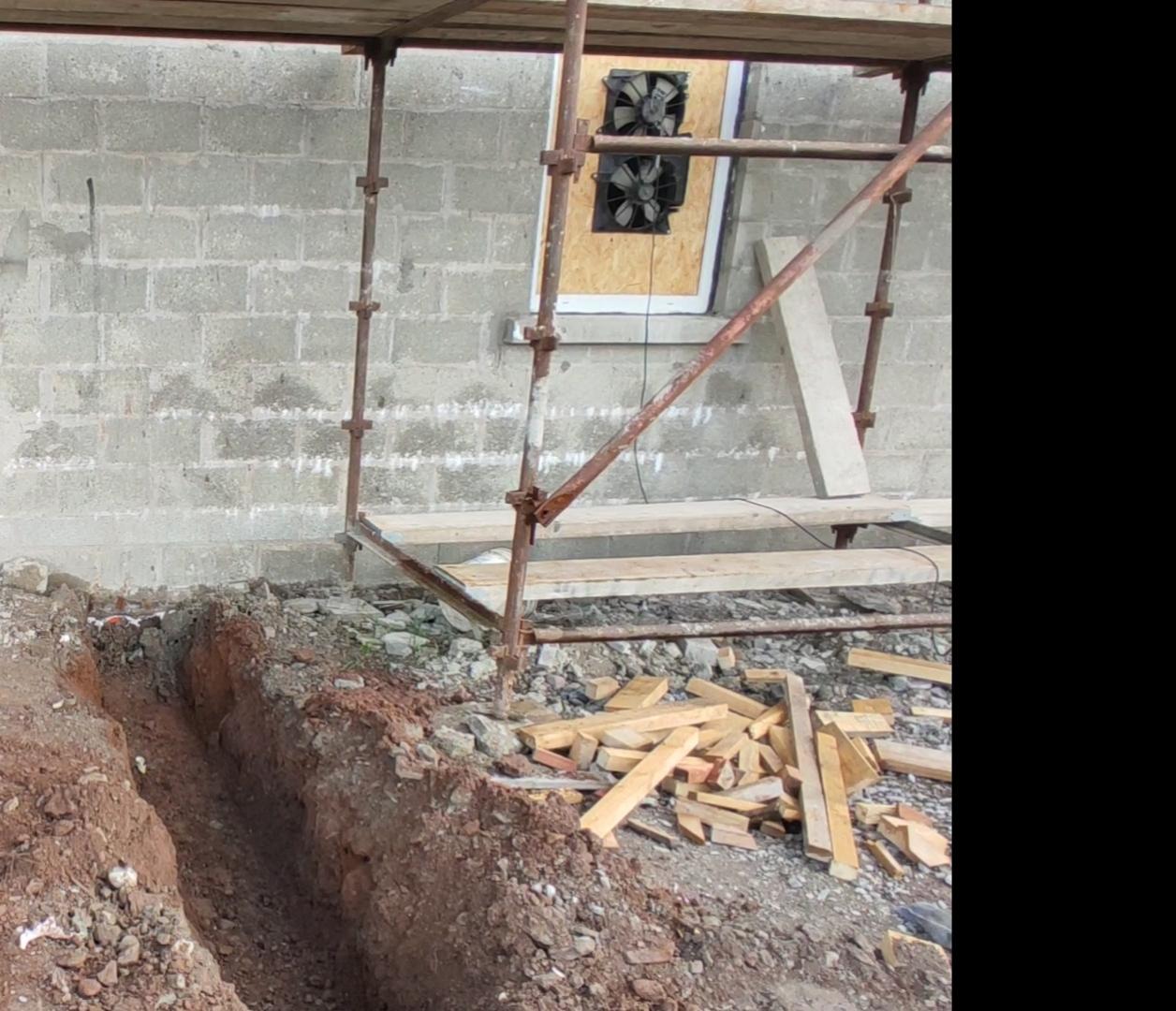
The best thing you can do is make sure your builders understand the concept in that case and the level of detailing required to get a good result. I'd scour eBay and buy a car fan, wire and some crocodile clips to make up a test fan in a sheet of OSB or ply for one of the windows. Clip it onto the car battery to depressurise the house, (best to leave the car running I found as it draws a lot of current and flattens the battery). Go searching for leaks with the back of your hand. This will do more explaining about the nature of airtightness than anything else I could say. https://www.ebay.co.uk/itm/2006-2011-LEXUS-IS220-2-2-D-RADIATOR-FAN-422750-1620-/203184726071?_trksid=p2349624.m46890.l49292
-
You're playing catch-up by the sounds of things. Don't worry persistence and patience will get you there. How hands on are you with the build might I ask before I start making suggestions?!
-
training Backhoe loader/180 Excavator Training.
Iceverge replied to BogBeast's topic in Tools & Equipment
Ace. When's the komatsu being delivered to site?? -
Perhaps approach the contractor with a fairly easy to achieve airtightness spec of about 2 ACH50 and insist that it's verified and written into the contract. My guess is that they'll tell you that you 1. Don't need it 2. They'll do a great job but there's no need to test it 3. It can't be done 4. It'll cost £100k more. You can build for 1990's money but you'll end up with a 1990's house. My other gut feeling is that the contractor is giving you a low price to get their foot in the door and as soon as you're building they'll find all sort of "unexpected problems," ( Not unlikely TBF) and alter the price accordingly. Ask your architect about some reputable contractors they've worked with and get a few more quotes .
- 25 replies
-
- 1
-

-
- timber
- renovation
- (and 3 more)
-
Hold down straps - Insulated foundation
Iceverge replied to SuperJohnG's topic in General Construction Issues
Can you fix straps to the rebar and pour the slab over them. -
Prehaps I should have asked what the plasterboard was fixed to? If it's the bottom of the joists then you'll have to deal with plastered blocks between and for the thickness of the plasterboard below the joists. If you use a service cavity then you'll have the thickness of the blocks unplastered in the service cavity. These are potential leakage areas.
-
Very Smart looking. I'll have a proper look later.
-
You'll have to do the sums but the brickwork on a newbuild is often half the cost of a fitted kitchen. You wouldn't consider compromising a house remodel to work around an old kitchen. The increase in cost of thicker EWI is only the material cost of the extra insulation. It can't be upgraded later cheaply . Unlike other technological advances there is an end game with reducing a house's energy demand. The consensus seems to be about passivhaus levels. In computing for instance there will always be demand for more power as we develop more and more demanding software. For domestic housing you can build to match your heat need to that produced internally by showering cooking, living lighting etc doing away with the need for a central heating system. You'll only install a small backup heater for weather extremes and short periods of low occupancy. The extra cost on a new build is marginal, often negative.On our house I estimate an extra €325 floor insulation, €2000 wall insulation, €1500 roof insulation, €2000 (MVHR in lieu of passive ventilation (DIY), €1000 airtightness (DIY), €1000 thermal bridge mitigation and €800 upgrading to Tripleglazing. Total is less to €9k but we were then able to remove all central heating from our house and use an immersion in lieu of a heat pump which saved a similar figure. We ended up about cost neutral for a warmer, draft free house with plenty of fresh air. A word of warning, this only works if you go the whole hog and don't stop before the finish line but the takeaway point is that there is a finishing line. Ask those suggesting 100mm to you what they are basing it on and again I suspect it'll be "rules of thumb" and "we always do it this way". Retrofits are often limited by the soffit depth but as I understand it you're replacing the roof too? EPS blown beads in the cavity for me. Less issues with water wicking and sagging compared to mineral wool. I really like woodfiber as a material but it's very expensive as and given you have a brick wall internal to it you wouldn't benefit much from its great decrement delay. Also as it's an organic material I'd be keen to see it behind a vented cavity in the damp British isles.
-
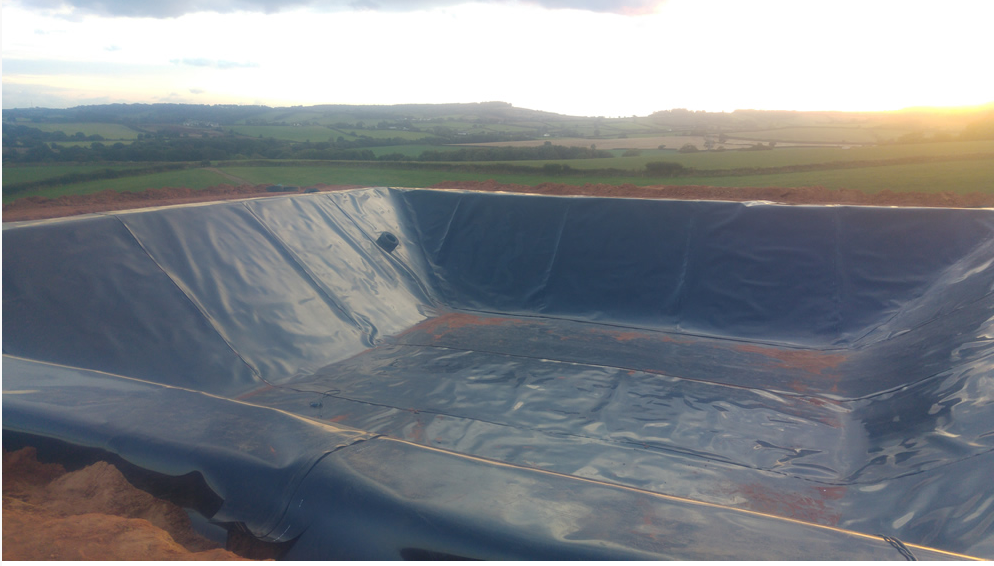
A membrane lined slurry lagoon is what you're after. Then a few hundred Chinese solar tubes, Then sit back and wait for your goldfish to grow to the size of sharks in the tepid water and eat your children.

-
Knock and rebuild it. You're only saving brick walls by the sounds of things and in the overall scheme of a house they're actually pretty cheap. You'll save a lot of money on the demolition if it can be done by one guy in the seat of an excavator vs many workers manually hauling everything out piece by piece. Otherwise build your extension from dense concrete blocks and pump your current cavity with EPS blown beads. Then add 200mm+ of graphite EPS over everything and cover with a synthetic render. Decrement Delay = Phase Shift = How long heat takes to soak through a surface . It's related mainly to overheating, roofs especially. When the exterior surface of the structure gets very hot in the sun you want to delay the heat transfer until it's nighttime. Its's a combination of specific heat capacity and mass of the structure and the sequence of layers within it. Timber frame walls with PIR = very poor. Timber frame walls with woodfiber = excellent decrement delay. Thermal capacity or a wall/roof is the ability of the inner few cm of a wall to absorb and release heat later without warming too much themselves. This slightly slows the rate a structure heats up and also cools down. It does not cure overheating or underheating but helps buffer the extremes. You don't need 300mm concrete walls for this, a few mm of plasterboard is plenty in a well designed house. Remember the thermal capacity of the structure is added to everything else in the house (furniture,inner walls, flooring books etc) too to help buffer heat. "Thermal Mass" isn't a measurable commodity but rater a general concept encompassing these above misunderstood principles. Whenever a "professional" mentions it your bulls**t alarm should go off as it's almost guaranteed they have no idea how to measure or design any of the above. Good luck with the project anyway. Do you have any plans to show us?
- 25 replies
-
- 1
-
-
- timber
- renovation
- (and 3 more)
-
Sips panels and rendering
Iceverge replied to Russell griffiths's topic in General Self Build & DIY Discussion
It might work if they had magnesium oxide based SIPS.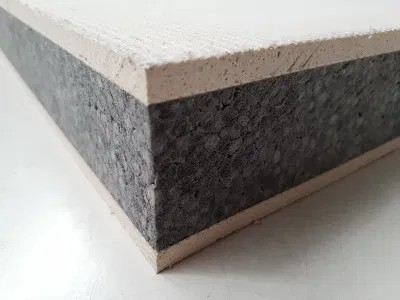
-
Tremendous work. Did you include the sequestered energy for cellulose? How are you calculating overheating? I used PHPP and it was much less sensitive to construction methods. Keep it up.
-
what seals the blockwork in the chase behind the conduit? I had numerous leaks here that i found as the chasing the blocks had left a thinner mortar bed etc and more chance of gaps into the cavity. It was solved with some airtight sealant and paint before first fix. Do you silicone the chase behind the conduit before you put it in? How did you deal with the blockwork above the plasterboard?
-
My fear is that the silicon would be dislodged by the plasterers and electrician. We kept all the wiring inside the airtight envelope so air in the conduits itself wasn't an issue. My worry was the blockwork behind the conduit.