
Nickfromwales
-
Posts
31378 -
Joined
-
Last visited
-
Days Won
346
Everything posted by Nickfromwales
-
That's usually a part blocked NRV ( rubber crap flap ) and the residual fluid that's been pumped away ( still sat in the outlet pipe as the unit doesn't pump that pipe clear, it only pumps the unit out into it ) is able to slowly seep back into the machine, back-filling the unit and raising the level switch causing the unit to bail out again. Another inevitable annoyance associated with one of these things. How far below ground ? Basement ?
-
Sorry, forgot to discuss this. They come with an integral heavy rubber 'crap-flap' on the outlet as standard. No other type of NRV would do as the sweetcorn launcher would block them. Consideration must be given to the ongoing discharge pipework as certain runs require an air admittance valve to be fitted mid point to alleviate any possible siphoning issues. Upsizing the pipework will negate this, which is what I did each time. I didn't like the idea of an AAV getting contaminated, then jamming in the part open position and then the turd tornado crop-spraying out of it ( as they pump at around 10bar iirc ). Edit : 10psi . My bad. Linky
-
I stopped using them about 15 years ago. They are, without a second or a shadow of doubt, THE biggest pieces of shit ever to disgrace a tile job. The number of ( repair ) jobs they create is great for trades, not so great for the poor fool that fitted them. It's almost as if they were designed to leak and cause slow, severe, penetrating leaks which only become apparent after its too late to do anything other than rip the tiles and PB off and start again. Utter and total crap. ? Ive got a master and an ensuite in the same house to fully redo ( when I can ) just because of these trims, ( fitted in the last <10 years ), and the water just flows under them, along behind, and then pours out the end behind the tiles. ?
-
Jeremy, I've just reread this and I think I should clarify I was referring to the "god-awful" trim that Mermaid supplied for the bottom seal , and the comment certainly was not aimed at your install. One problem from posting hastily whilst grafting, it doesn't always get read before sending. . Oops !
-
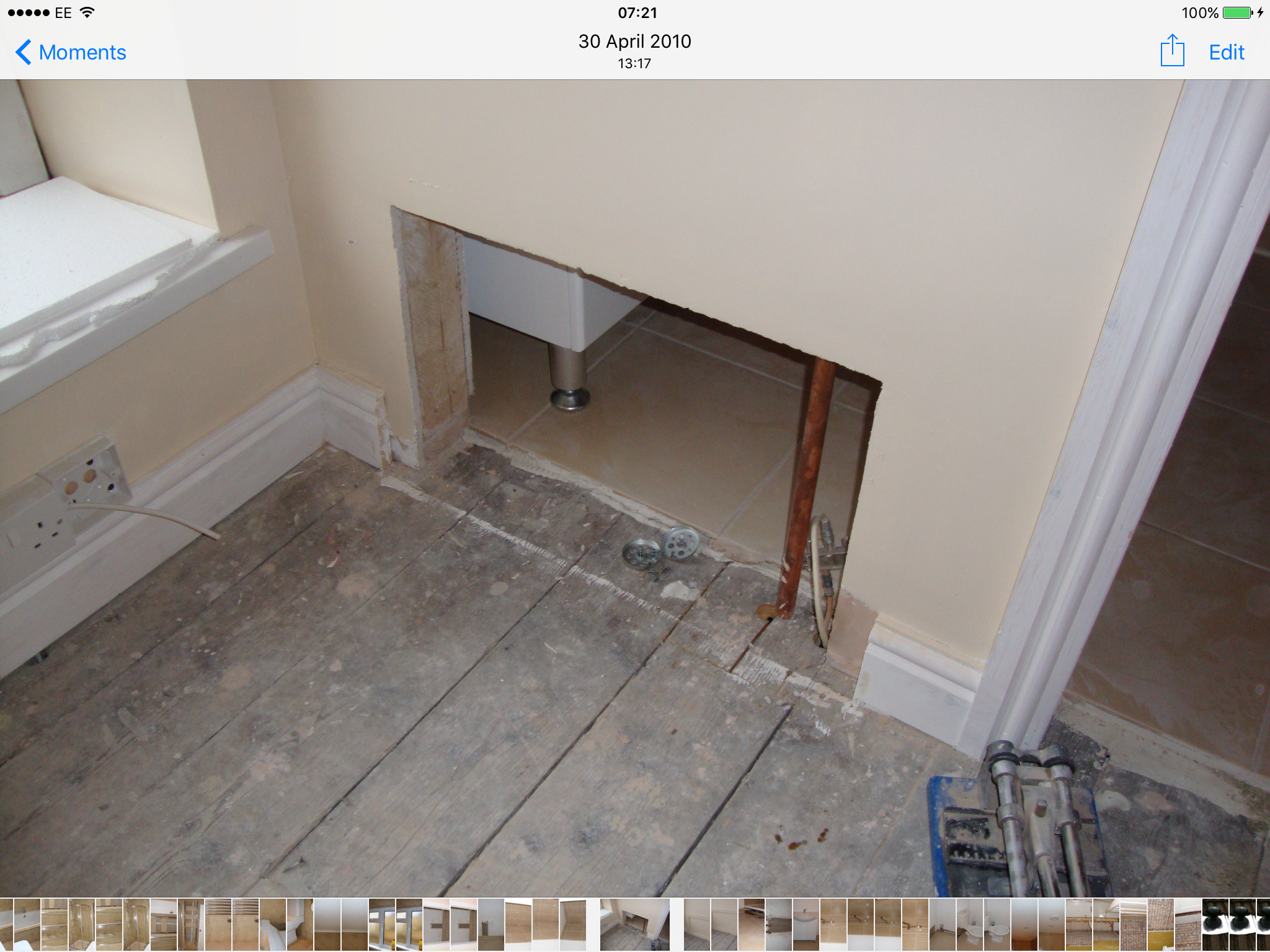
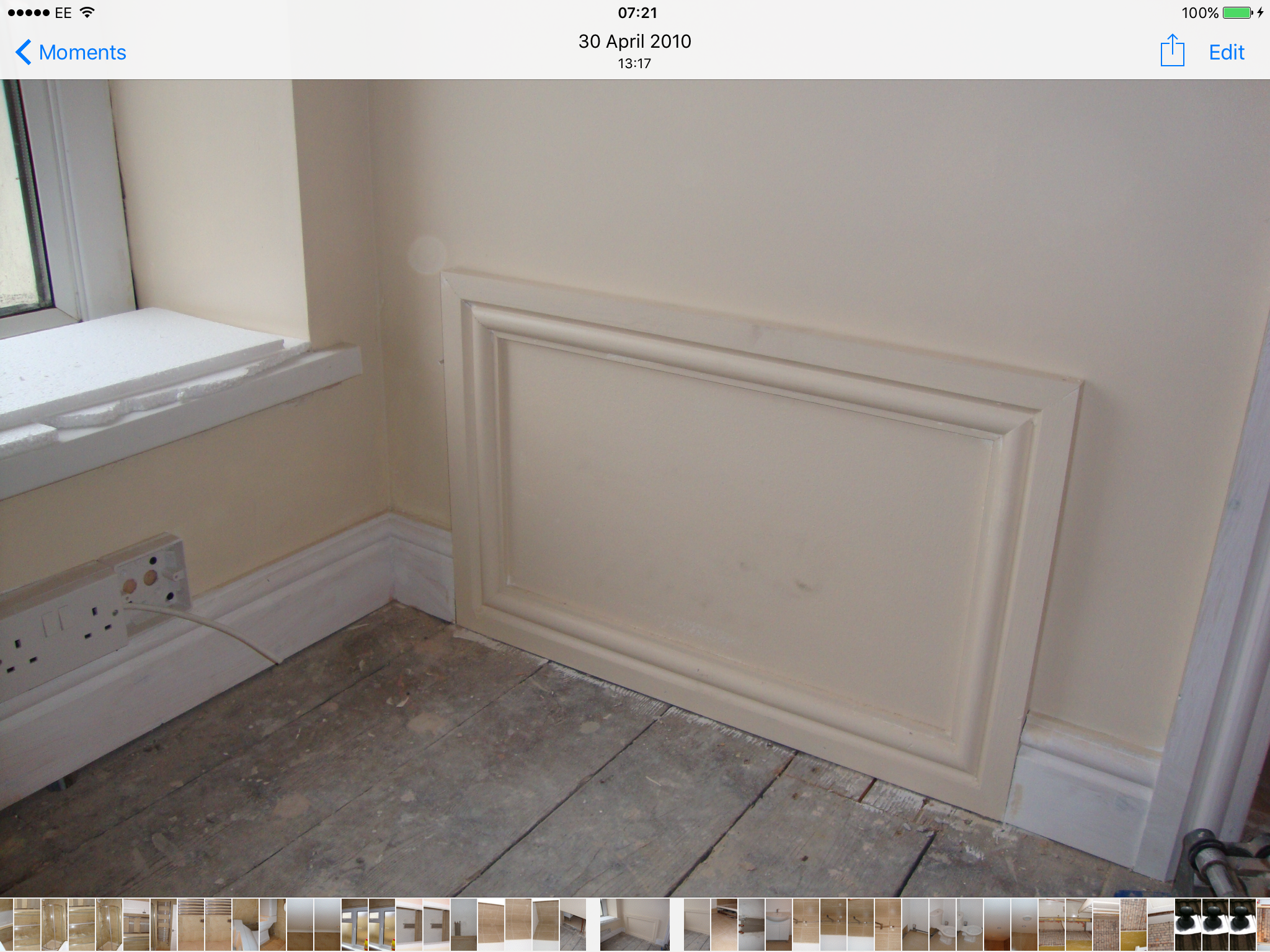
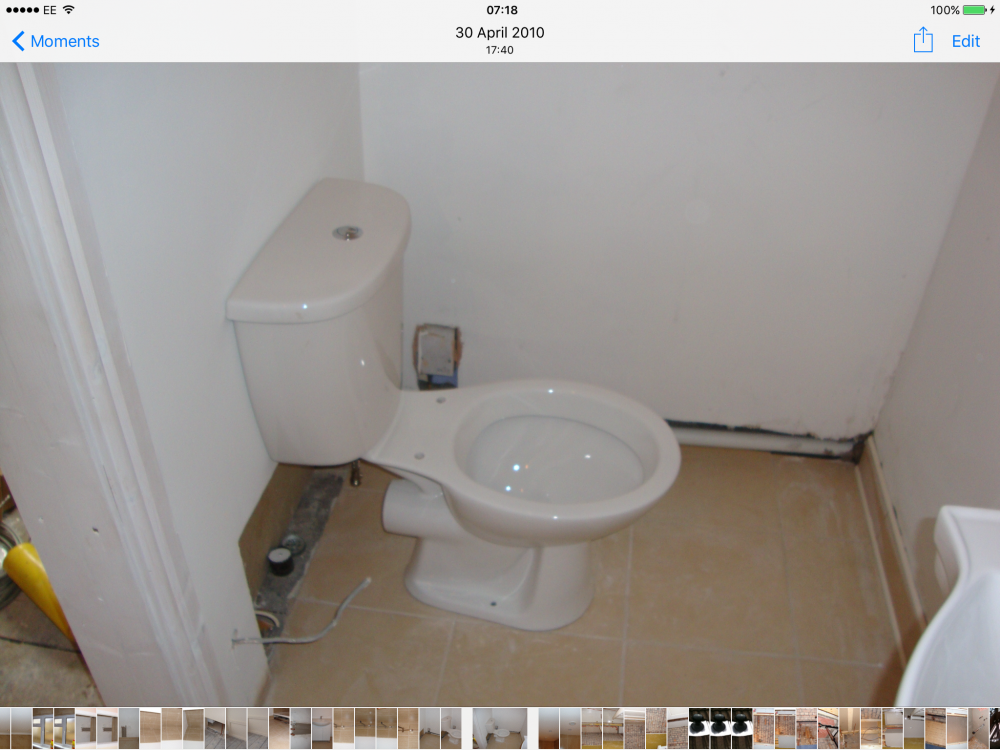
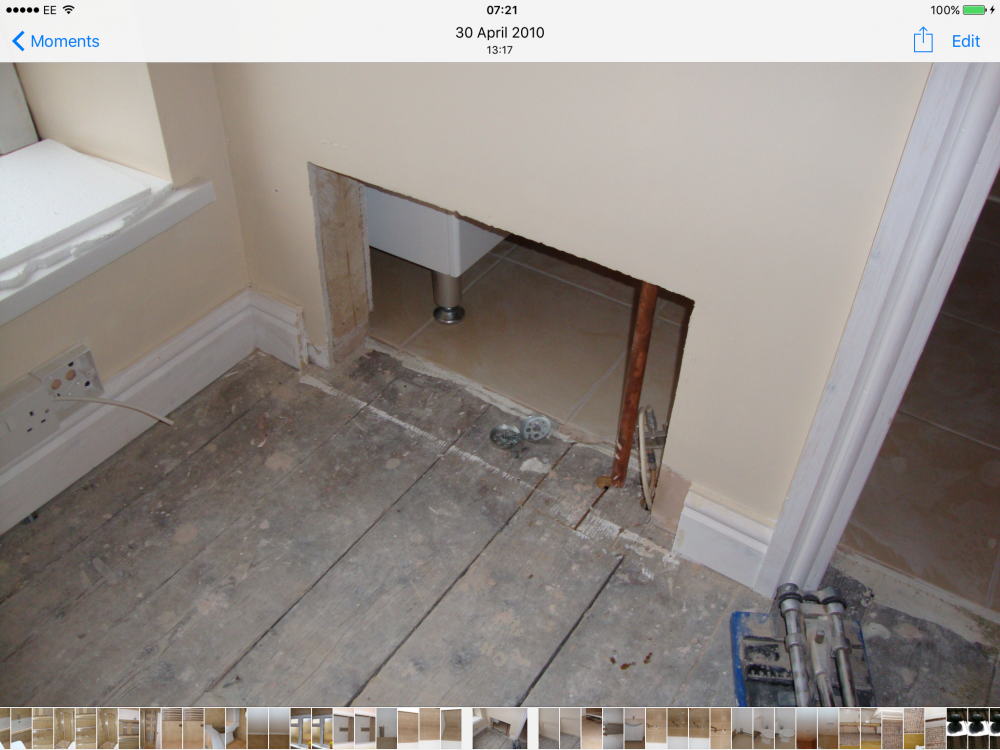
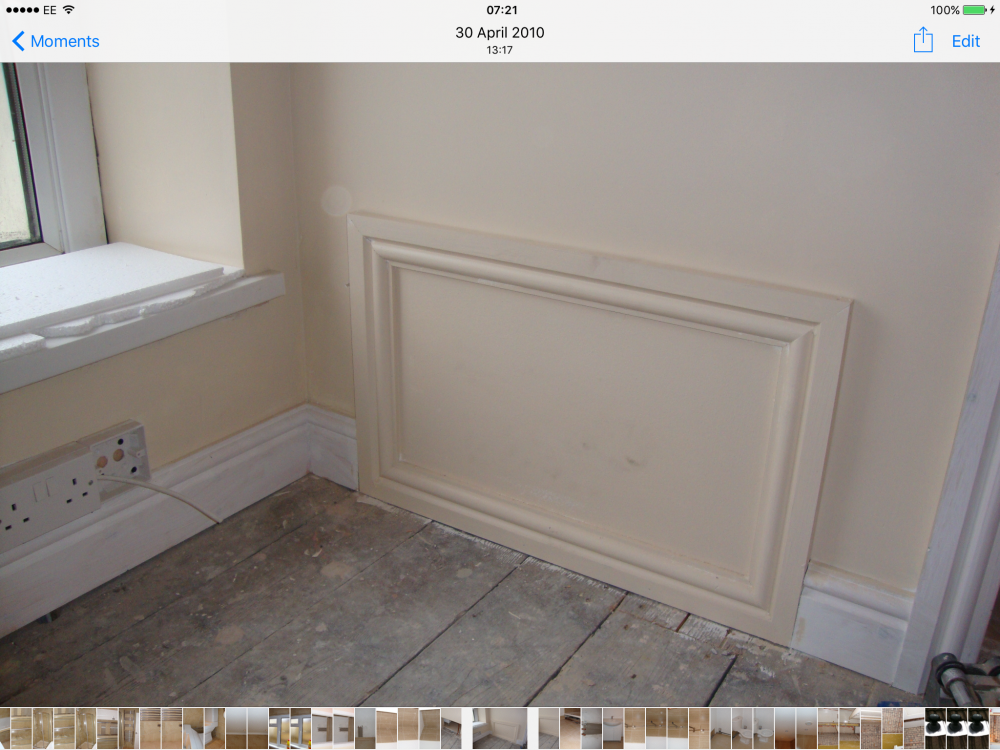
Here we go.... The rear access was big enough to get the unit out without disturbing the bathroom, and a boxing around the bit of the unit sticking out into the room made it 'invisible'. Boxed and tile skirted to match what you see there. Just looking at the date makes me realise I've fitted ( under duress ) probably two or three of these in the last 20 years!
-
I fitted one for a friend of my wife's parents. Ensuite added to the master bedroom for accessibility ( night loo visit instead of the far away downstairs bathroom ). Installed as the budget wasn't there to tap into the sewerage, against my advice and will. I made the ensuite out of stud frame and decided the best of this evil was to mount the unit backing onto the bedroom, boxed within the wall so the Sani-shat was out of view from inside the ensuite, and out of sight from the bedroom. The idea was that if the unit failed / other, you could get at and remove the unit via the removable panel I created, thus leaving the bathroom and WC in place and unnafected. A new ( replacment ) unit could then be fitted in its place within about 30 mins start to finish. That was taking the WC, basin and an elevated shower tray. Still working but I told them "#1's only if you want an easy life, #2 goes downstairs" and I also said don't ask me to EVER fix it, it'll only ever be slung and a new one fitted. Until they agreed that I wouldn't fit it. Just waiting for the ? to hit the fan, only a matter of time tbh.
-
I'd rather ? in a bucket and throw it out the window. Work of the devil. Yes they're servicable, plenty of people ring and ask me to fix them...............I tell them to FO. My reply is "replace or nothing" as its always the impellers blocked or the capacitor for the motor ( which are immersed in the worst milkshake you'll ever see ). I'm shaking my head as I'm typing....yuk. The tray can't go flush as the sani-shat inlet is at the bottom of the unit and you cannot have waste runs going uphill. So elevated tray or nowt sorry. Can't you get a soil pipe in here somehow? ANYhow ?
-

Fitting concealed shower valves and taps - tips?
Nickfromwales replied to jamiehamy's topic in Bathrooms, Ensuites & Wetrooms
Bloody foreigners ? -
Fitting concealed shower valves and taps - tips?
Nickfromwales replied to jamiehamy's topic in Bathrooms, Ensuites & Wetrooms
Explain ! -
I went another route with Mermaid ( after ditching that god-awful bottom trim ) and scribed the panels to the tray exactly, then lowered them into a very generous bead of CT1. Wiped away what displaced with wet wipes and looked great. A cosmetic silicone seal could have been applied if it was suitable but it wasnt in that instance and still looked good with just the CT1 tooled, wiped and finished accordingly.
-
Fitting concealed shower valves and taps - tips?
Nickfromwales replied to jamiehamy's topic in Bathrooms, Ensuites & Wetrooms
My favourite is Rocol Gas Seal of all things. Works excellently at lubricating the threads / filling the valleys and is almost completely non-setting. The jet blue / boss white stuff isn't bad TBH, but I don't find it smears as well unless you've put quite a bit on. Always dismount compression stuff after final assembly to remove any excess product from the interval bore of the pipe / fitting or just be VERY sparing when applying.....a little goes a long way -
Fitting concealed shower valves and taps - tips?
Nickfromwales replied to jamiehamy's topic in Bathrooms, Ensuites & Wetrooms
It may be the brass of the fitting is flawed. Double check exactly where it's weeping from before considering a leak sealing product. I've split brass items before, ( a good few times TBH ), by over PTFE'ing them and over tightening. Check this isn't the case. -
Whole house water pressure boost
Nickfromwales replied to iSelfBuild's topic in General Self Build & DIY Discussion
Yes, it wasn't a dig just an additional statement . -
Whole house water pressure boost
Nickfromwales replied to iSelfBuild's topic in General Self Build & DIY Discussion
In the eyes of the water authority, here, you cannot fit a pump directly to the main unless it's designed to not pump at or in excess of 11-12 litres per min ( or basically whatever rate your local water board has to supply by law ). With a large domestic property the metabolism of the cold break tanks means that downstream disinfection isn't required. I checked for my last such job, and the only requirement was the A-B bylaw air break from the incoming cold main to the stored water in the tank. The system performs really well with the only problem being excessive use due to the customer thinking that I'd now somehow connected them to the local reservoir and they had an infinite supply of high pressure water. A bit of education later and they were good to go. I don't see how the pressure switch on the mains would work tbh as the second the pump kicked in you'd lose the static pressure ( in the poorest of mains ) switching the pump back off. That would see a stop-start scenario so I'm unsure about that one. The Grunfoss home booster will just keep sucking until it's vessel is satisfied, so that isn't a good example afaic. No home-brew solutions can be used for this, as they have to be approved or comply with current regs / bylaws. -
You soon get lazy when you've a series of holes to drill . Best set to mention the need for a recirculating coolant system if your doing any serious work. A can of spray is ok, but leaves you machining single handed, so the automatic coolant systems are worth considering. A cheap and cheerful one here.
-
I still remember the lecturer in the SWALEC training centre in St Mellons, Cardiff screaming as another fresh 16 year old left the chuck key in the lathe and switched it on. After a few seconds of spooling up to speed you could hear it fly off and whack a few walls and the ceiling before coming to a stop. Worse day was when I left the lever up on the metal folding press and all it took was a fly landing on it to drop the couple of hundred kg anvil back down, flicking the lever like a whip as it went. Caught me right in the chops and nearly took my front teeth out. Looking back I realise just how dangerous the equipment we were 'playing' with was . Nowadays we wouldn't be allowed in the same room as it ! I can't remember why we had a lecture about NOT blowing bubbles ( with the unlit oxyacetylene torch ) in the oil pot used for tempering, but the word explosive rings a bell ? Good times. ?
-
I wouldn't want a pillar drill without an emergency strike switch at the front to cut the power, if you get tangled up for any reason . A foot operated switch would be a good option but having the cut off inaccessible at the rear would put me off tbh. When geared right down these drills have some serious torque available and won't stop for anything, also very unpleasant when they pick up and spin the vice block ........never let go of that !
-
What are you most pleased about?
Nickfromwales replied to ToughButterCup's topic in General Self Build & DIY Discussion
On 3/4" I'd use around 26 turns of PTFE, 40 turns would be excessive / of concern. -
Resin joint without a doubt. Also, I would never leave an unused / non-terminated supply connected to the breaker, that's just bad practice. If it's for any reasonable duration then you simply disconnect the live from the supply trip, bend it back on itself and zip tie it out of the way.
-
What are you most pleased about?
Nickfromwales replied to ToughButterCup's topic in General Self Build & DIY Discussion
I filled and tested a full hot cold and heating system today, not pressure tested along the way ONCE, and only one compression joint weeping. Oh, and all copper and soldered joints. Luck or skill you decide, but dry as a bone............"Excellent". ? -
Whole house water pressure boost
Nickfromwales replied to iSelfBuild's topic in General Self Build & DIY Discussion
Doing that in my neck of the woods will see you getting severely prosecuted. Any builder / other 'well intentioned' putting a cold mains booster pump directly onto the cold mains is just an uneducated If you have poor mains pressure and flow then you won't necessarily use more water per day, it's just you'd like some reasonable performance whilst doing so. For eg, filling the bath takes the same amount, filled quickly or slowly. To achieve this you need the cold main getting fed into break tanks ( so disconnecting the incoming main from consumer consumption ) which a pump then 'sucks' water from. Then you fit a buffer ( usually a cold mains accumulator of suitable size ) to allow the pump to pressurise the accumulator thus creating an artificial cold mains system for the property. As pumps are very harsh in their delivery, usually starting at just above 1 bar and shutting off again at 3 bar, a buffer is required to smooth out the delivery to make it tolerable, and typically the system would be set up to store the pressurised water at around 2.5-3 bar to best take advantage of the accumulator ( charging it with sufficient stored volume vs back / pre-charge pressure ), but this does provide a very good means of boosting very poor mains to acceptable performance without breaking any water bylaws. Dont underestimate the required volume of cold water break tanks as any shortfall there will see the pump running dry or the supplied water getting unacceptably aerated. As always, it's requirement first and design / solution second. -
What are you most pleased about?
Nickfromwales replied to ToughButterCup's topic in General Self Build & DIY Discussion
"Fire in the hole!" ??- 31 replies
-
- 1
-

-
- self build
- advantages
- (and 1 more)
-
What are you most pleased about?
Nickfromwales replied to ToughButterCup's topic in General Self Build & DIY Discussion
Does this mean we can't say rude things and fart loudly now? Ola! ? -
That looks very similar to what I used as an apprentice. Cleaned at the end of every day with Trichloroethane 111 aerosol spray, ( and that's the last thing you'd remember for 30 mins or so ) Banned now of course. .
-
You don't get a geared-down drill that way though . Pretty much essential for a pillar drill TBH.