
Nickfromwales
-
Posts
31381 -
Joined
-
Last visited
-
Days Won
346
Everything posted by Nickfromwales
-
Not unless you want them to fall off . You can tile onto ply, but I use cheapo silicone NOT tile adhesive. Why chipboard? ??
-
Buying tools is the one thing I can allays justify as they'll make me money. Also, having the right, and good quality tools, makes me work quicker, so a no brainer. Ive used my mates £200 chopsaw and its dire, compared to my £630 beast. Double compound means I'm not having to feed the wood in in any particular orientation too, so speeds up the cutting process. Same applies across the board, even down to the humble hammer . Go buy it ?
-
Unless there's an environment where unsupervised children, infirm or elderly folk use the outlets, there is no real requirement for thermostatically controlled outlets. Rentals should have a thermostatic shower if there is an instantaneous water heater ( like a combi for eg ). I have a 3-way thermostatic valve that does my bath filler / shower rose / shower handset, so they're covered, and I fitted a separate TMV under my combi to supply temp controlled hot water to the basins ( x2 ). Even though they are mixer basin taps it's just so much safer, and easier to control. Simply flick the tap to the hot position and turn on full to get the same flow & temp every time. No faffing with hot and cold taps to get a decent temp as that would just bug me, plus my TMV was less than £20 delivered off eBay. ? With an UVC you typically run direct with no 'front of house' TMV at the cylinder, but a TS needs one as the stored ( set ) temp is way higher than with an UVC.
-
Yes. It's part of the anti-scald mechanism that a TMV provides. Flow may speed up / slow down etc but the temp will remain virtually the same until the supplies go beyond the operating requirements, at which point some will stop or run cold ( but never got beyond the set temp ).
-
Im on it like a tramp on a kebab. .
-
Nope. It uses the existing pressure, rather than 'sucks' like a thirsty kid on a milkshake as a pump does. . Link That's free if you think what you were going to chuck down the drain with the pumped option . It's also a fantastic performing shower which will have spares available for the next 15-20 years as Mira have great after sales ?
-
T-ing out off the existing pipe will cause negative pressure in the household pipework, so when the pump kicks in, and water taking the path of least resistance, anyone opening a tap nearby will hear air getting sucked into the tap instead of water coming out Id just buy a very good quality Mira Exel or similar, which will operate well on very low pressure but with ADEQUATE flow, for the interim. That shower then migrates to the new bathroom as it'll cope with both low and the new high pressure system. Spend on the expensive shower and get the pump idea out of your mind, and wallet ?
-
Looks like trapped moisture in the wall or unsuitable paint. Do you know if the plaster was allowed to fully dry prior to painting, and what paint was used?
-

Request for help with immersion heater
Nickfromwales replied to vivienz's topic in Electrics - Other
-
The time has come to fit the wet room tray.
Nickfromwales replied to MikeSharp01's topic in Bathrooms, Ensuites & Wetrooms
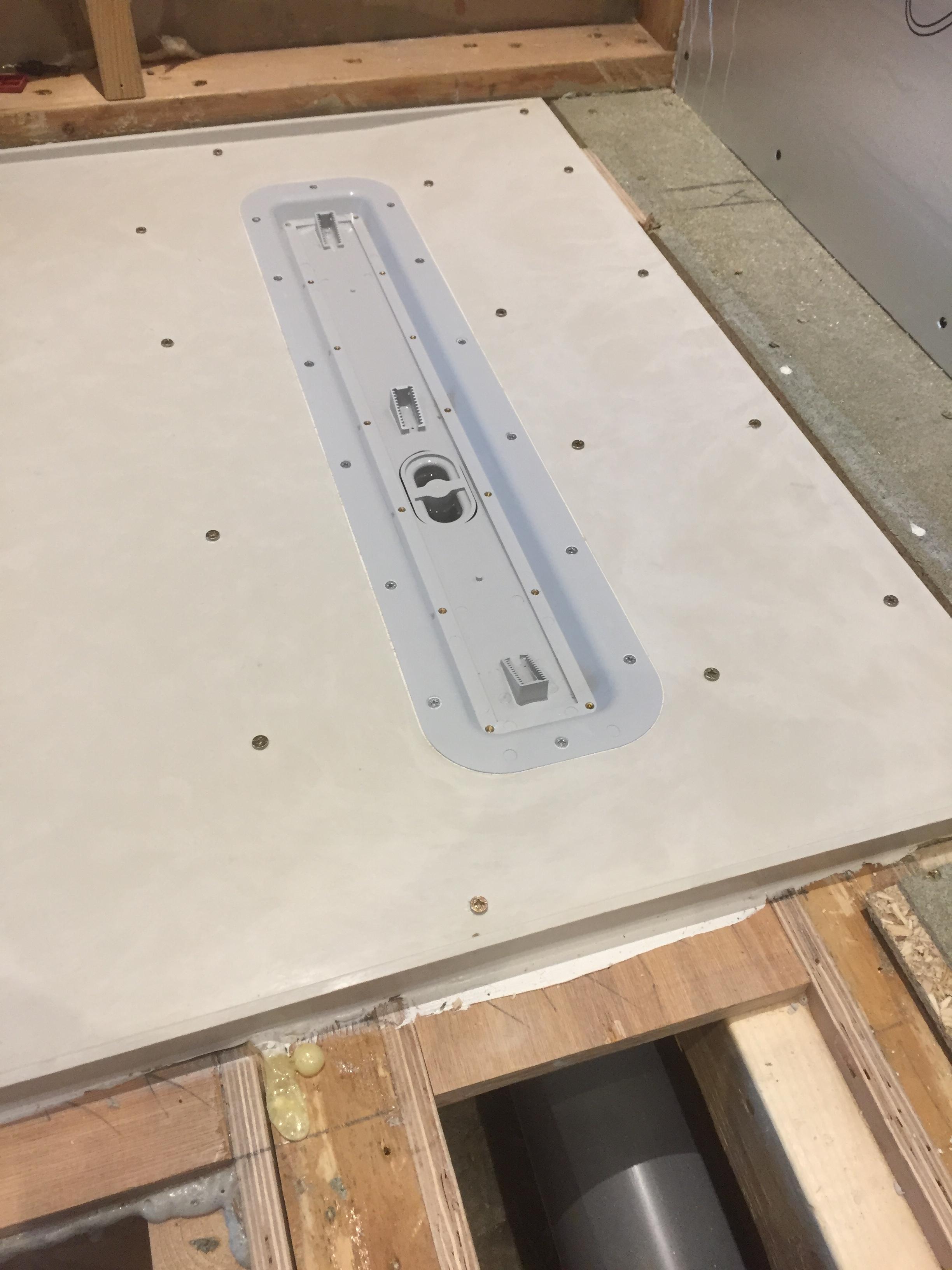
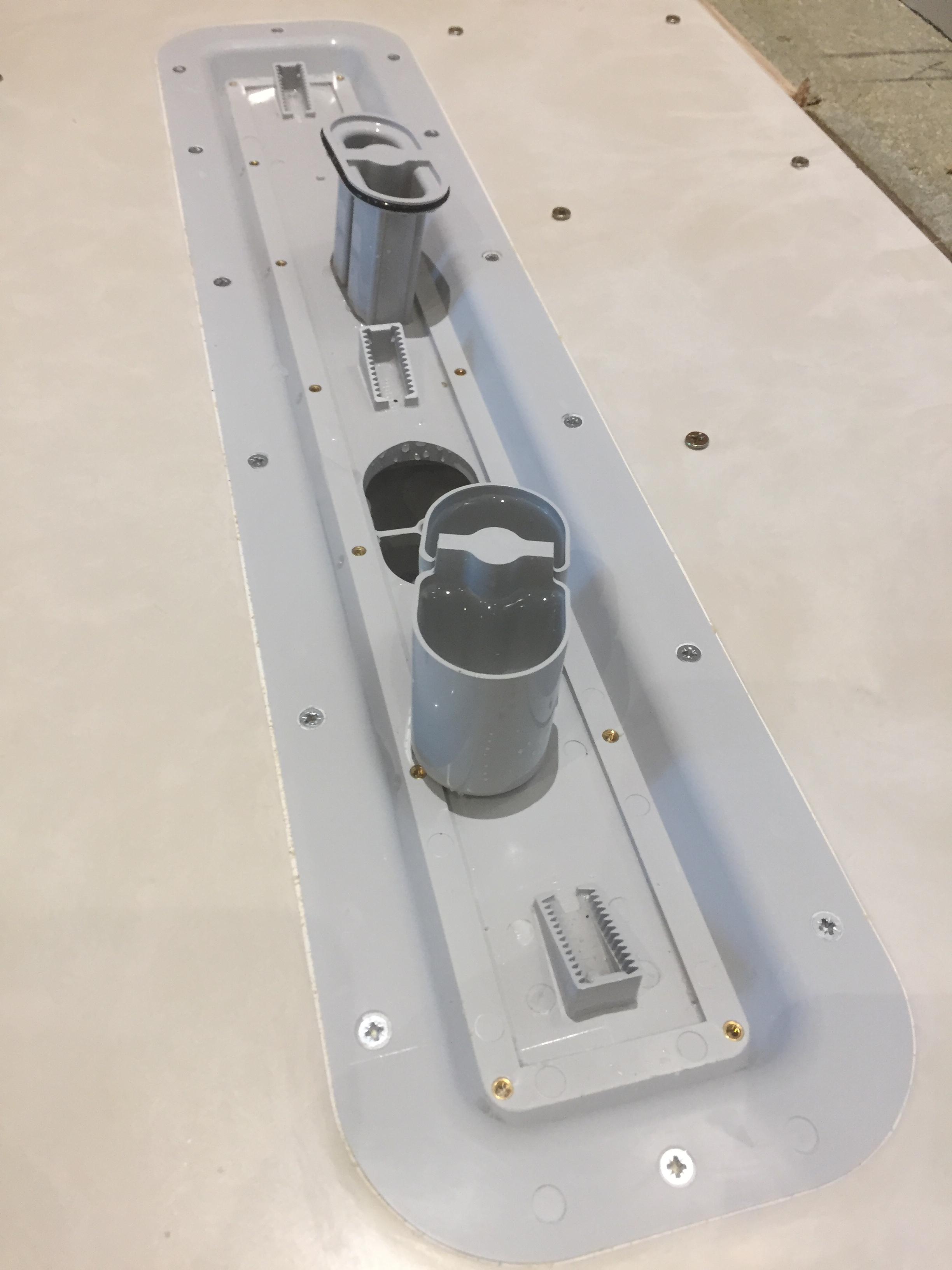
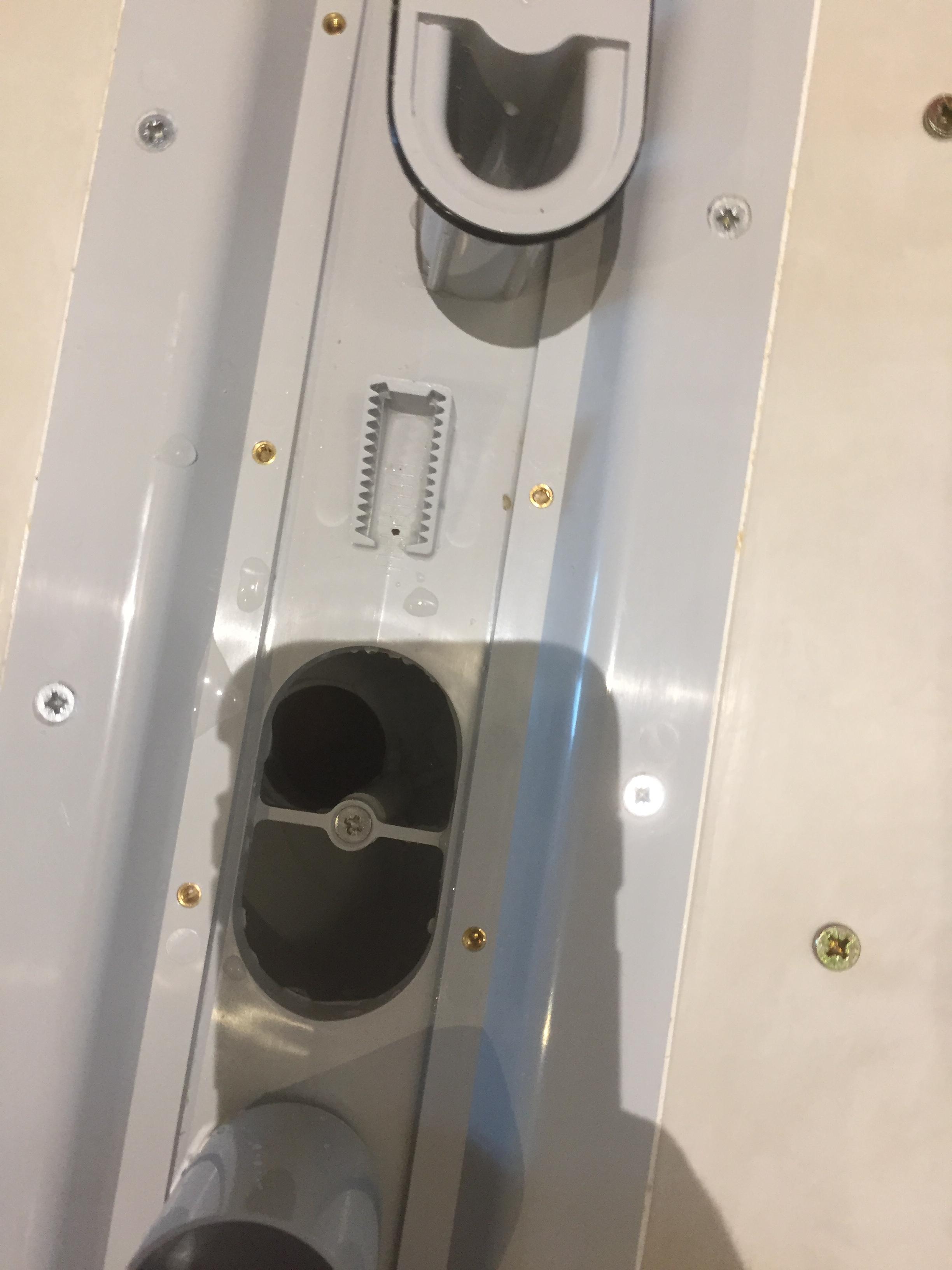
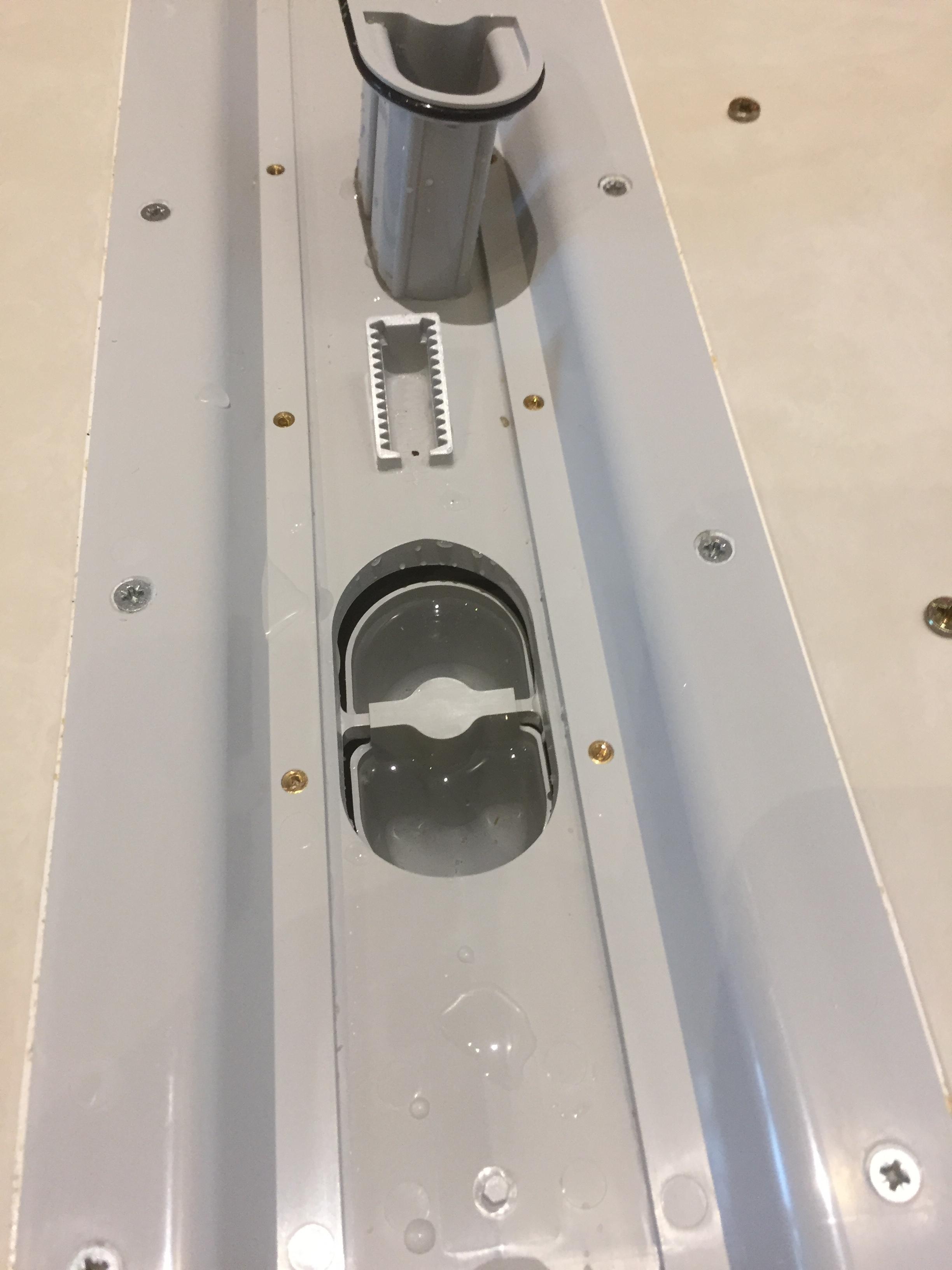
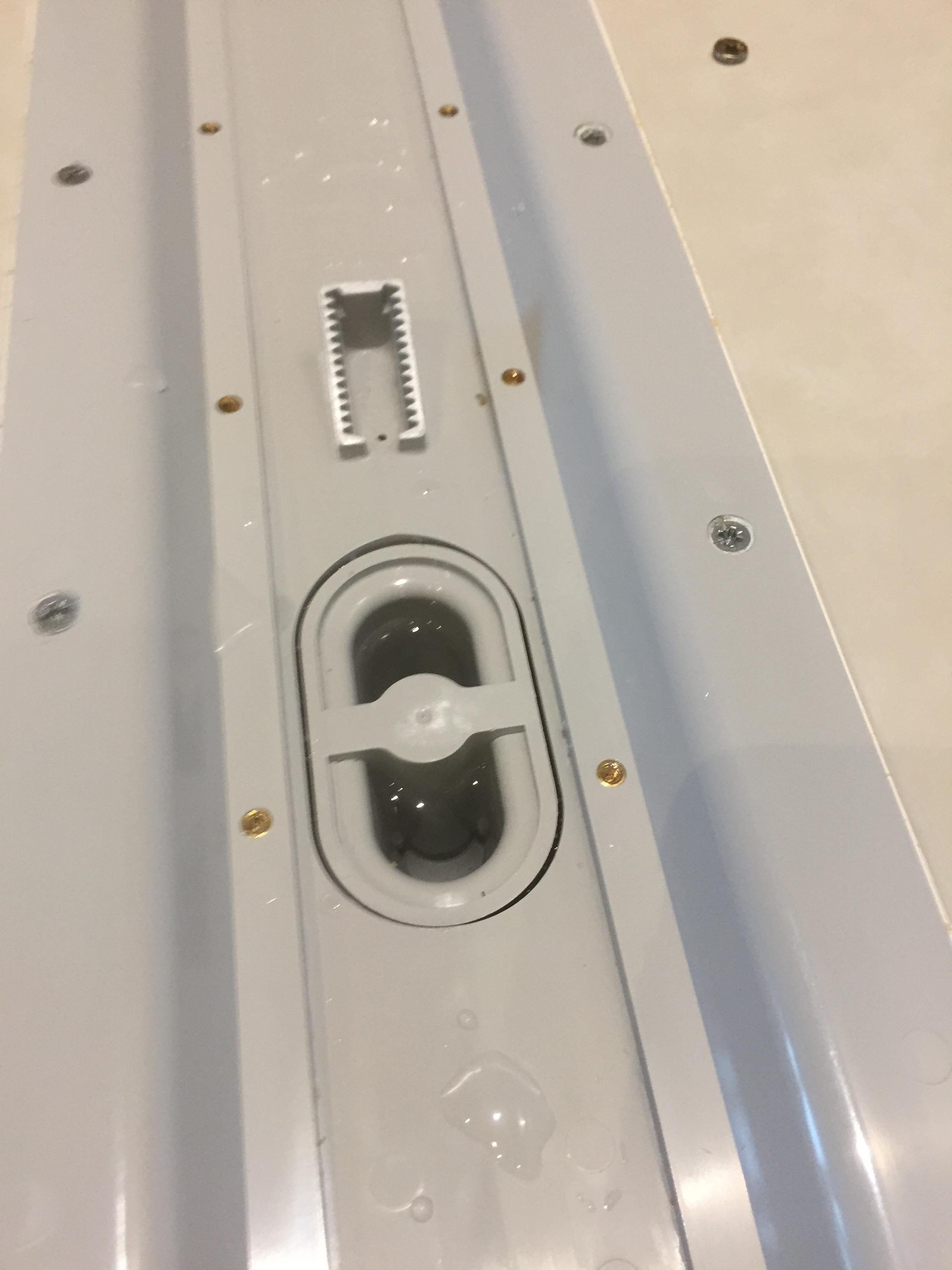
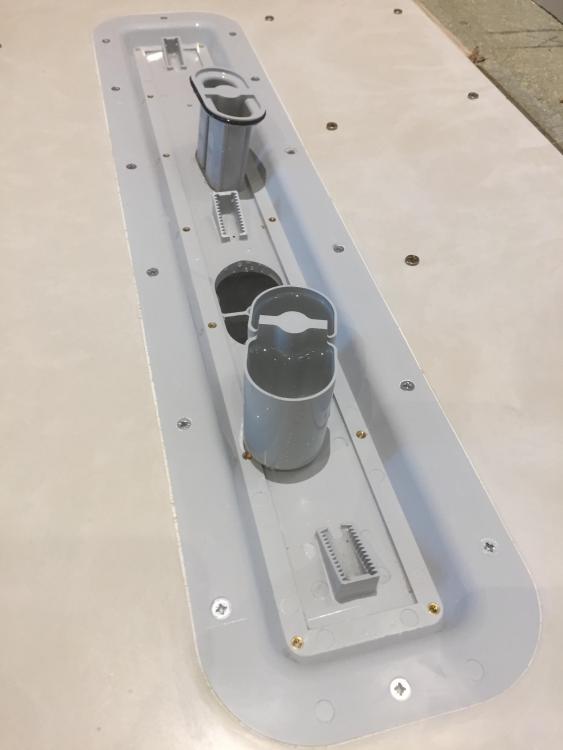
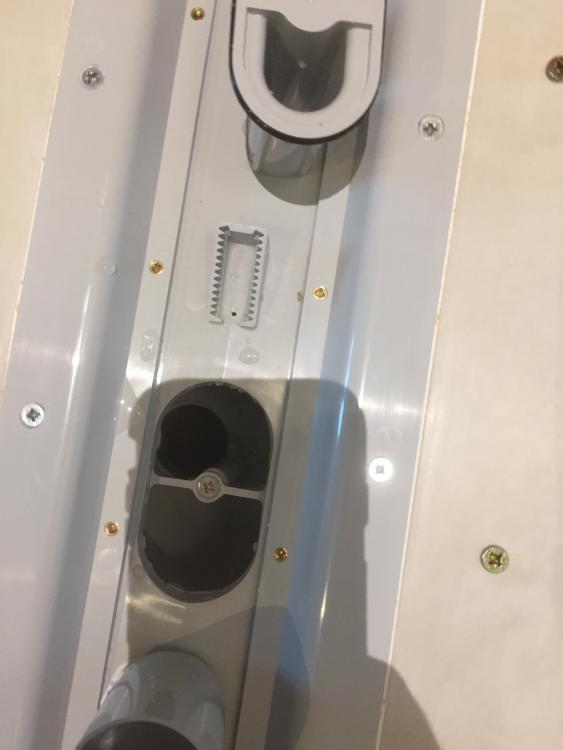
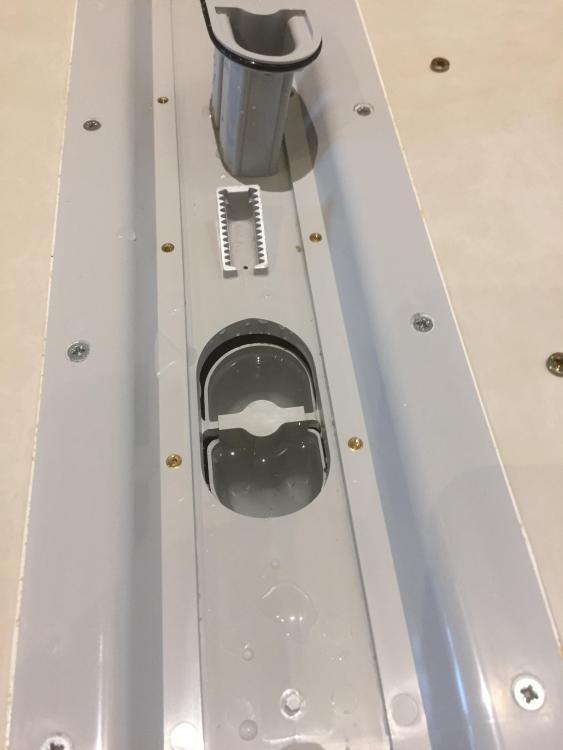
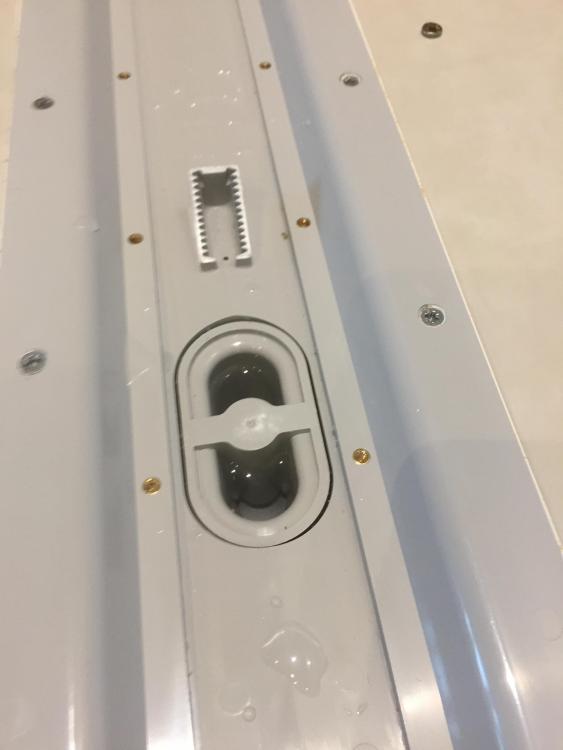
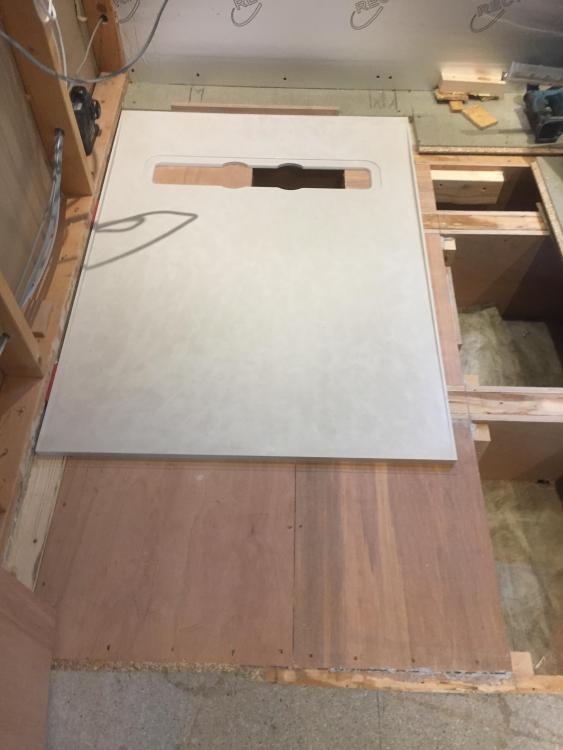
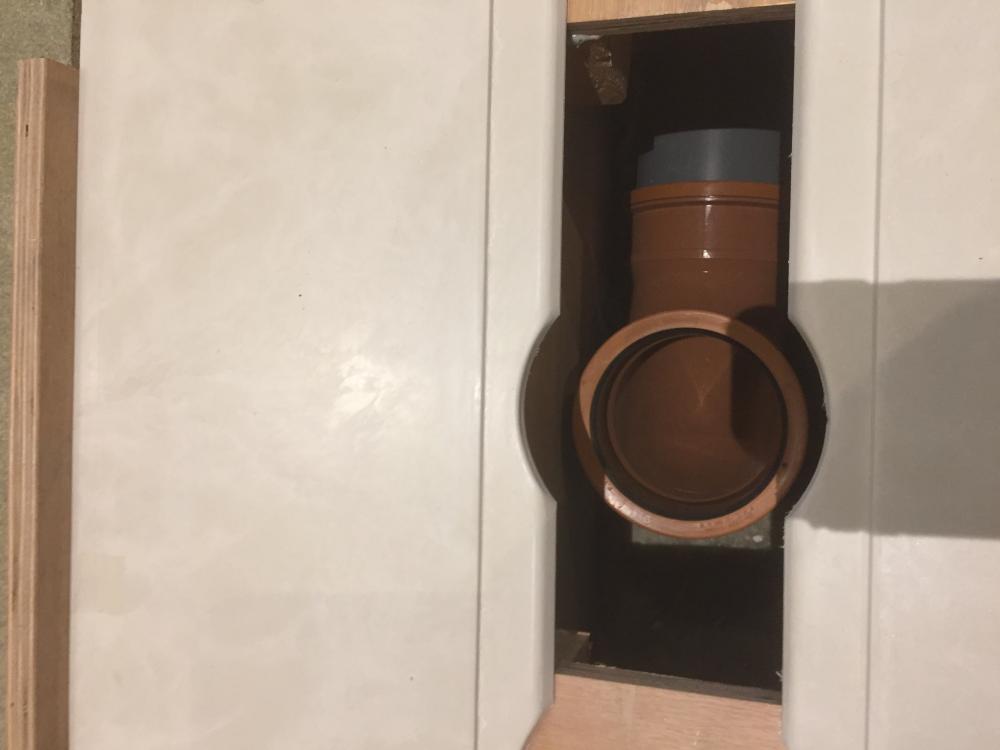
What I said above ? The tray stays down, For clarity, the trap body is the part that is bonded to the underside of the tray, so cannot be removed from above as it's physically bigger than the waste hole in the tray . The trap 'bucket' is the removable part ( see images above ) which gives access to the trap body and outlet for deep cleaning . If you see the MIs they state that the trap must be mechanically supported / fixed, so as to be load bearing should anyone put their entire body weight on one foot whilst standing directly onto the trap. If you fit the tray according to the MIs then your latter proposal won't work. Also, backfilling with foam is actually stated in the MIs as a big no-no . Vermin love to nibble through foam and make snug little homes in it . Keeps them nice and warm -
-
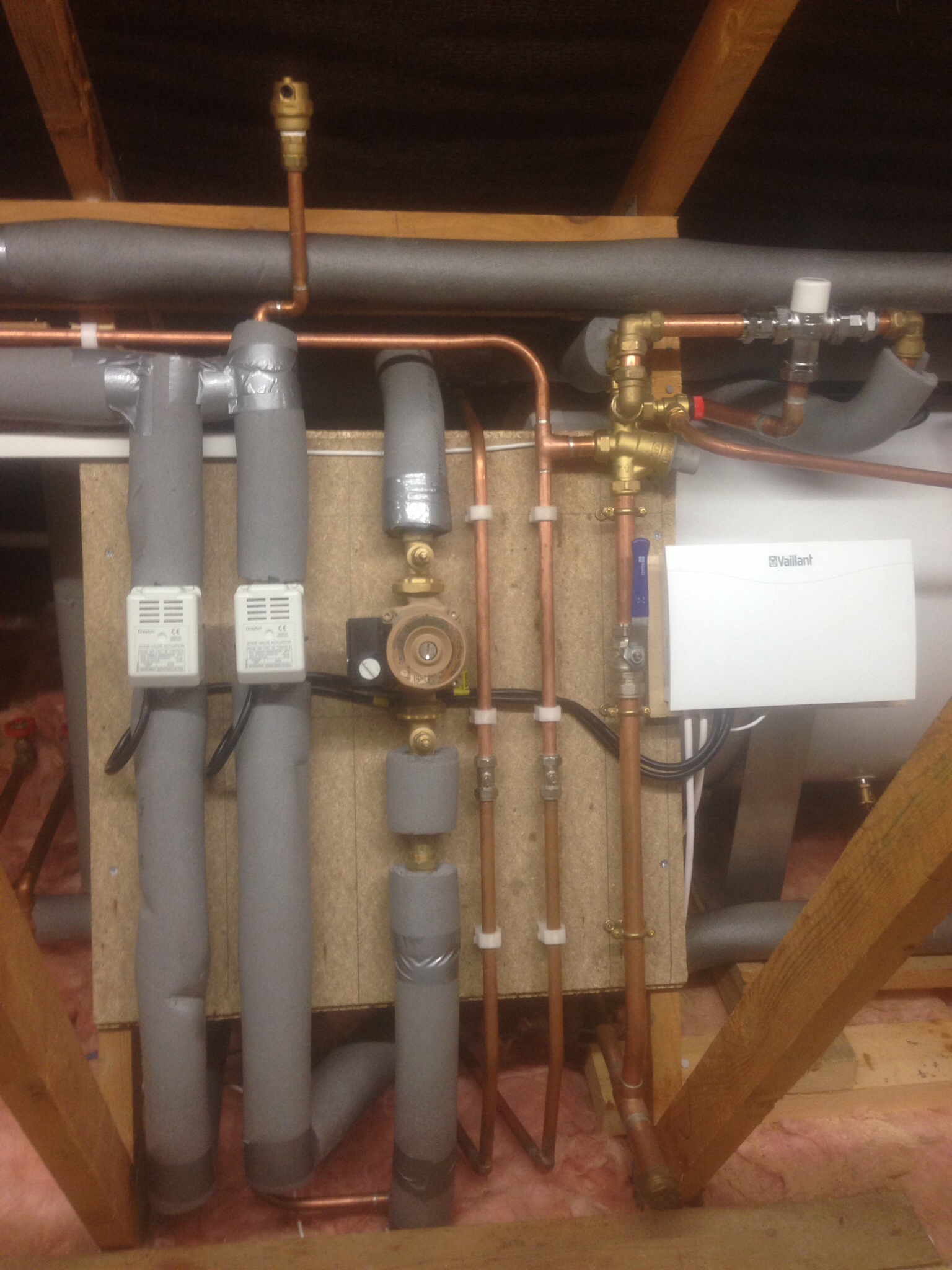
Ok, Capt.Skinflint I take it you have a copper hot water cylinder and its gravity fed from a cold water storage tank ( CWS ) in the attic yea? Well, before polishing those shillings you've been keeping hidden away, consider your actions. To add a pump will suck a small hot water tank empty pretty quick, and the minimum standard when upgrading to a pumped system is to increase the 25 gal tank to a 50 gal tank, FOR STARTERS. That's primarily to get the stored volume up to match the new demand, but it's also to stop the water getting low and stirring crap at the bottom of the tank which will then go an d block all your filters and kill either your pump, your new shower, or both. . Then, lol, consider that you'll need to separate the plumbing to the shower from the rest of the system so it can just pump the shower and nothing else. This will involve fitting a Sussex / similar type flange on the top of the hot water cylinder and feeding the pump with that for hot, then you'll also need to fit a new CWS connection and run new pipe week from that to supply cold to the pump too. Simples eh? How long do you need a pukka shower for, and what will be the new system? Combi / UVC / TS / other ?
-
The time has come to fit the wet room tray.
Nickfromwales replied to MikeSharp01's topic in Bathrooms, Ensuites & Wetrooms
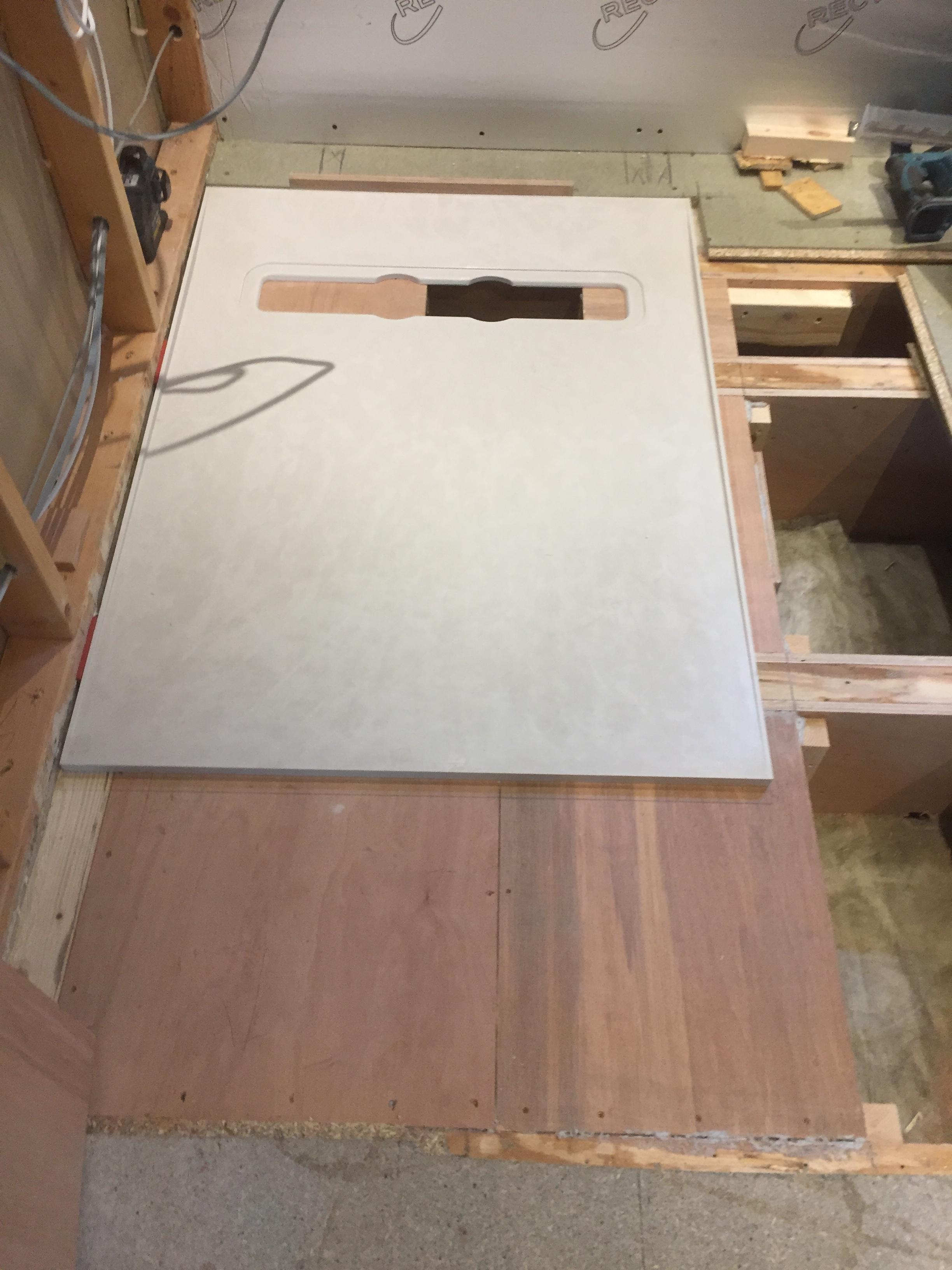
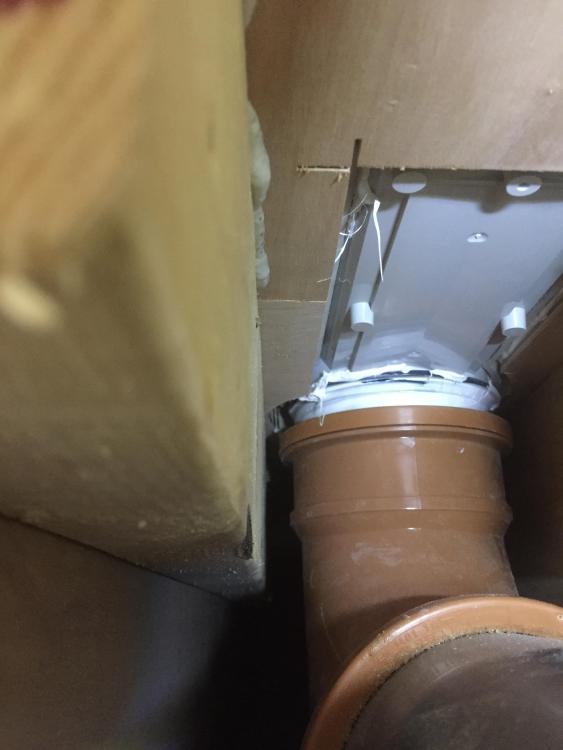
Nope. The tray goes down and stays down . The trap is called a 'self-cleaning' trap ( which means you can clean it yourself ). This is an Impey linear 2 for eg..... The last shot is the vertical outlet staring down into a 110mm soil bend ( as Impey provision for their trap bodies at 110mm, tres bien ? ). Bingo.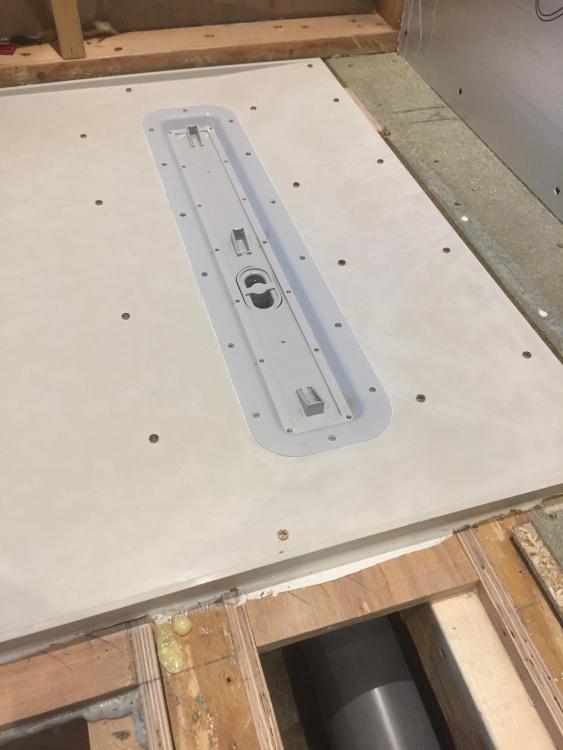
- 16 replies
-
- 2
-

-
- wet room tray
- level
- (and 2 more)
-
Hi @Jons, and welcome. Member @jamiehamy has done this exact same conversion which is documented well both here and on Ebuild ( our former hideout ) There is a lot of info from the start of the journey and if you ask he may be able to link the EB content ?
-
The time has come to fit the wet room tray.
Nickfromwales replied to MikeSharp01's topic in Bathrooms, Ensuites & Wetrooms
I'd use cementitious powder, flexible tile adhesive, not sand and cement. Unless you use a very good priming agent the sand / cement will be hard to get to stick and stay down. Also, the S/C mix will not adhere to the GRP at all, so I reckon you'll get a bit of a 'hollow' fix where the tray can bounce if it's not absolutely flawless in manufacture. Work the tile adhesive into the screed so as to get a good bond and make it slightly wetter than would be preferable so the excess fills the void around the trap when you compress down. Also, you'll need to put a big blob where the trap is going as the MI's for all these types of trays require the trap to he mechanically supported. -
The time has come to fit the wet room tray.
Nickfromwales replied to MikeSharp01's topic in Bathrooms, Ensuites & Wetrooms
What make tray is it mike? The MI's should state the methods of fixing for both solid and floating floors. Ill add add to this in a bit -
Kick-starting the week
Nickfromwales replied to ToughButterCup's topic in General Self Build & DIY Discussion
All working out nicely then -
Kick-starting the week
Nickfromwales replied to ToughButterCup's topic in General Self Build & DIY Discussion
I used to be like the Energizer bunny, but now it's more about pacing myself and not having a heart attack This is where Ian's thread starts to die ( gress ). -
Kick-starting the week
Nickfromwales replied to ToughButterCup's topic in General Self Build & DIY Discussion
Tried that the other night, needed jump leads -
Request for help with immersion heater
Nickfromwales replied to vivienz's topic in Electrics - Other
Red dial will be the temperature setting -
Request for help with immersion heater
Nickfromwales replied to vivienz's topic in Electrics - Other
Yup, the last post was not making any sense at all . A multimeter has different settings, one for ohms ( like a horse shoe symbol ) and then you have voltage ( you need AC not DC ) so the 'wavy line' not the flat line . First, as said with the power off, select ohms and take a reading across the red and blue. Then with the power on, select AC volts and do the following in the exact order. DONT FORGET TO SLECT THE CORRECT SETTING EACH TIME YOU USE THE MULTIMETER Place the black probe onto the blue wire and hold it there, making sure your touching the metal probe on the copper wire. Then, place the red probe on the red wire and see what voltage you have. REMOVE THE RED PROBE FIRST AND THEN THE BLACK PROBE OTHEWISE YOU CAN GET ZAPPED BY THE BLACK MULTIMETER PROBE ! What exactly are you going to undo with the socket? I don't think you should proceed any further without touching base here first. -
Kick-starting the week
Nickfromwales replied to ToughButterCup's topic in General Self Build & DIY Discussion
I need a bloody man-shed. Bollocks. Time for another one.
-
Steel lintel with granite heads
Nickfromwales replied to DeeJunFan's topic in General Structural Issues
It would tick both boxes, and use less expensive granite. What you see from the underneath is the problem, have you asked about the fixing issue if cladding the underside too? Feasibility etc? -
Mira and Triton have excellent after sales so you'll deffo get the bits to fix it. Maybe best to change the sticky valve / part too as your only extending the problem not solving it. .
-
External Door Lintel - 100mm Steel... options?
Nickfromwales replied to iSelfBuild's topic in RSJs, Lintels & Steelwork
I only needed 100mm for steels holding 2 storeys of stone and brick up . A 6x4 lintel as a pad only bears 100mm widthways. ?