
Nickfromwales
-
Posts
31377 -
Joined
-
Last visited
-
Days Won
345
Everything posted by Nickfromwales
-
Whether we like it, or dislike it, agree or disagree, the manufacturers installation guide is the bible. Some dont stipulate, some do, some are happy with anti-freeze valves, which I opted for on the last ones where I had 'free reign', but we should make the OP aware that they need to check if they are OK to deviate. Me personally, I hate the thought of glycol. No need for it, but there is always the power cut in the arse of winter to consider as worst-case.
-
Not saying we shouldn't Look at what we promote here, with everyone contributing to help the next chap. "Can" is down to cost, "Niche" comes with a price tag, and often the goal not being achieved by corner-cutting or commercial bean-counting, or lazy trades getting a newer, elevated wage, to still turn out crap.
-

Time for some new Makita goodies- any good deals on?
Nickfromwales replied to Crofter's topic in Tools & Equipment
Bought both of mine used. Have beat the life out of them since, still going strong and refuse to die. https://www.ebay.co.uk/itm/177846701855?_skw=makita+18v+recip&epid=7003305250&itmmeta=01KH4VPDFDKDMYENZNNM2W9712&hash=item29687d4f1f%3Ag%3A0ycAAeSwPE9piN9A&itmprp=enc%3AAQALAAAA0GfYFPkwiKCW4ZNSs2u11xB511a3Nv7c0HhXl3iul7XiW%2BjrfdGUbP3ok1JeJn9jnZE4f0etcNloT%2Bx0jyb73fuAzKXCiT5n4J%2F9hC9nnnIXzhquKe%2BSdaCaECS8OjnpBmaOEGsJ6YuCOO%2BMoUR0vWn7wOzjc7iAf%2FpqoAnNzNDFlZYUSUE4s2me0RQqveFzSh690IMD3plfNX53yQuQtbUBPrGHdvO%2Fh5x9t7GxazIBgsRPeQdZzHc9P9OuJni1GRHY7%2FDSE2O%2Fo1Cnx9lmu0g%3D|tkp%3ABk9SR_7X2ZuJZw&LH_ItemCondition=3000 -
Not if the ASHP manufacturer states that it is mandatory, in the MI’s.
-
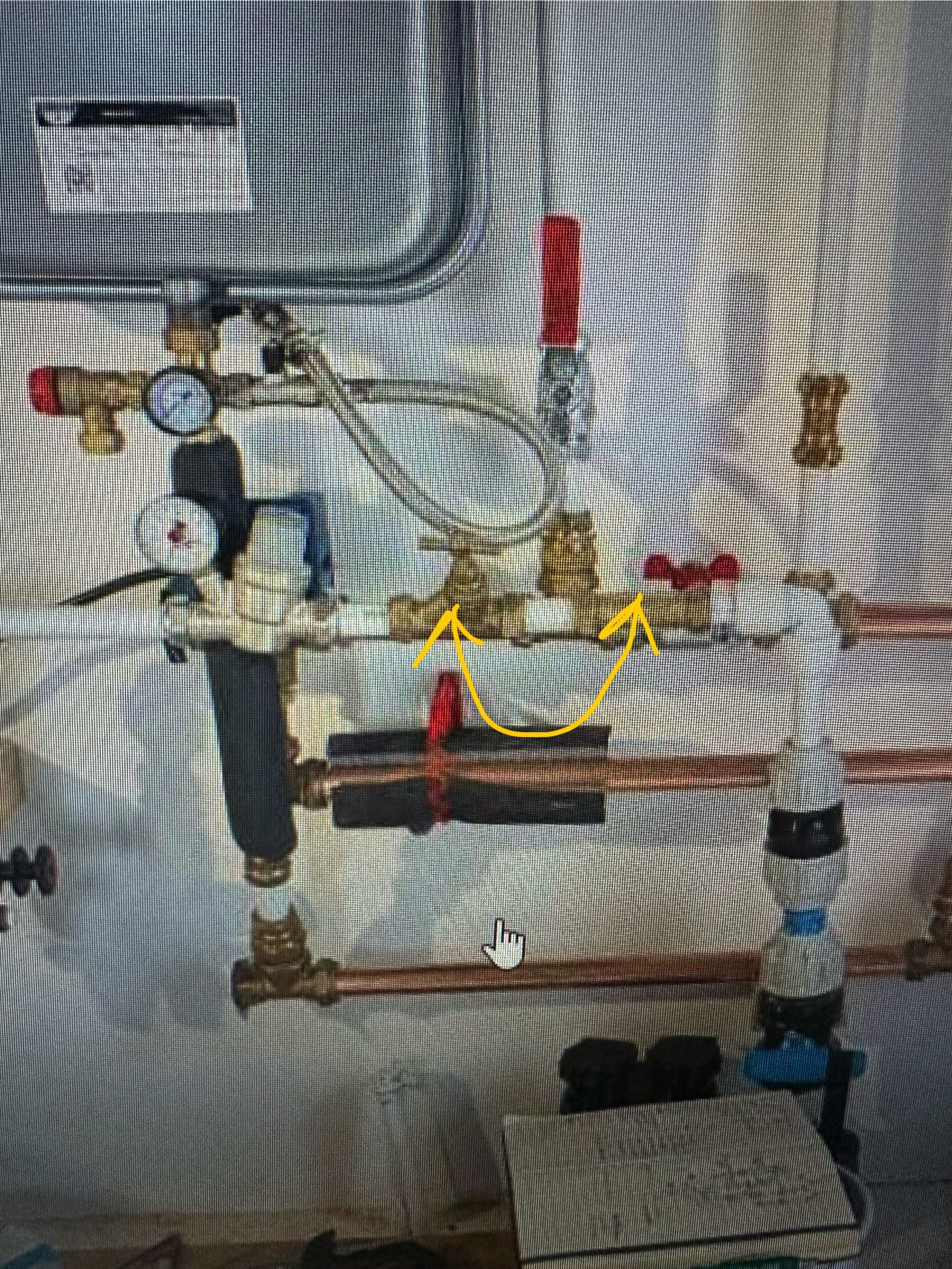
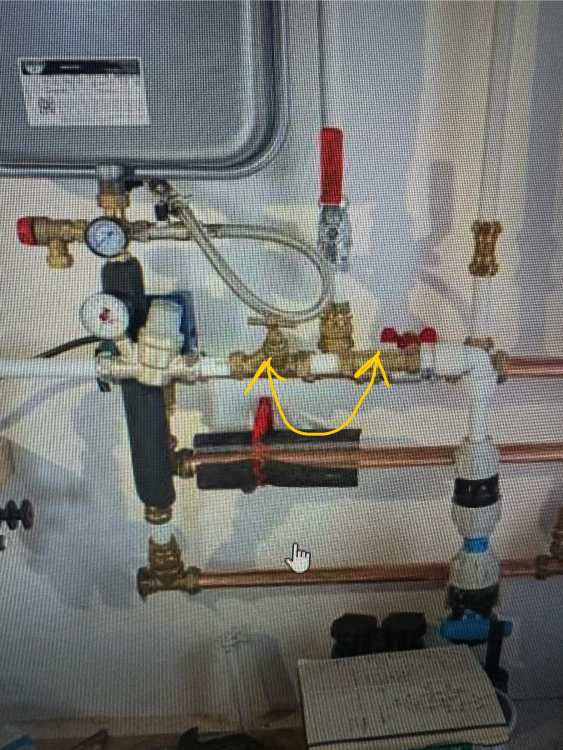
These 2 are supposed to be the other way around, so you can clean / service / replace the double check valve by turning the stopcock off. Should be a quick swap with just a spanner.
-
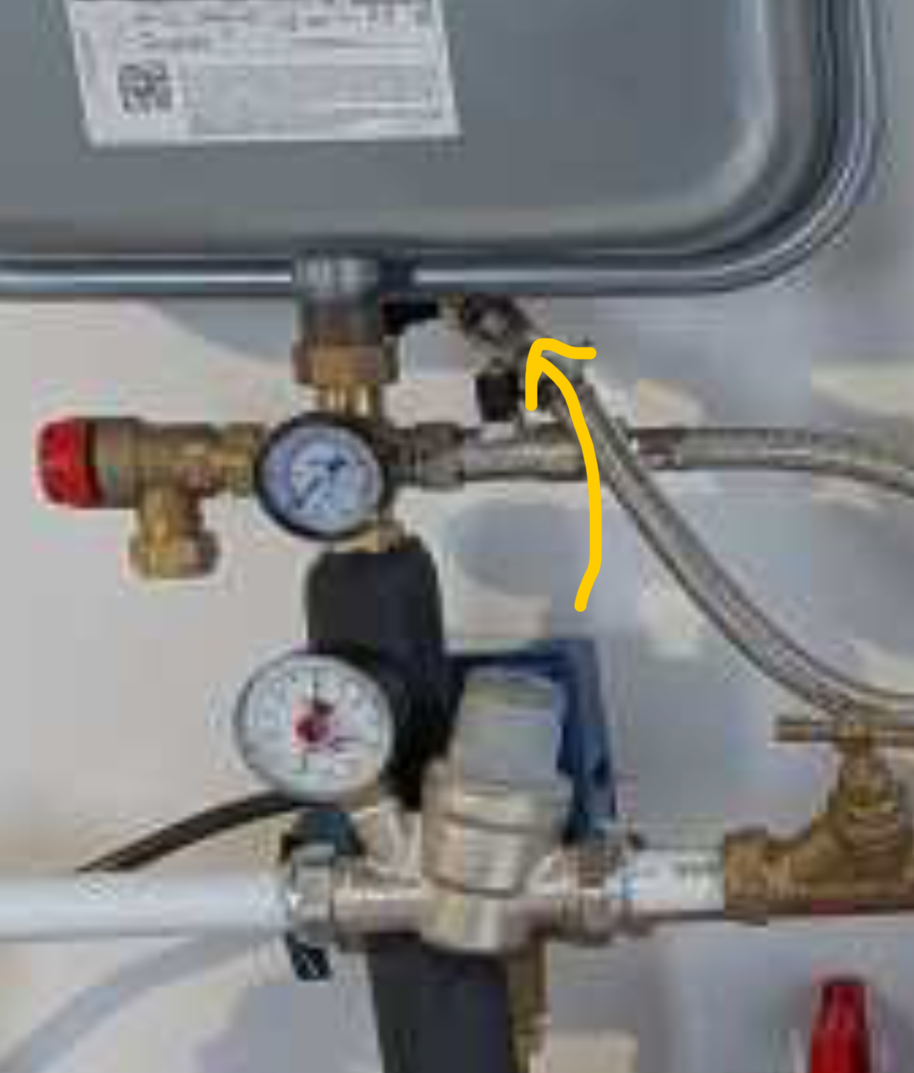
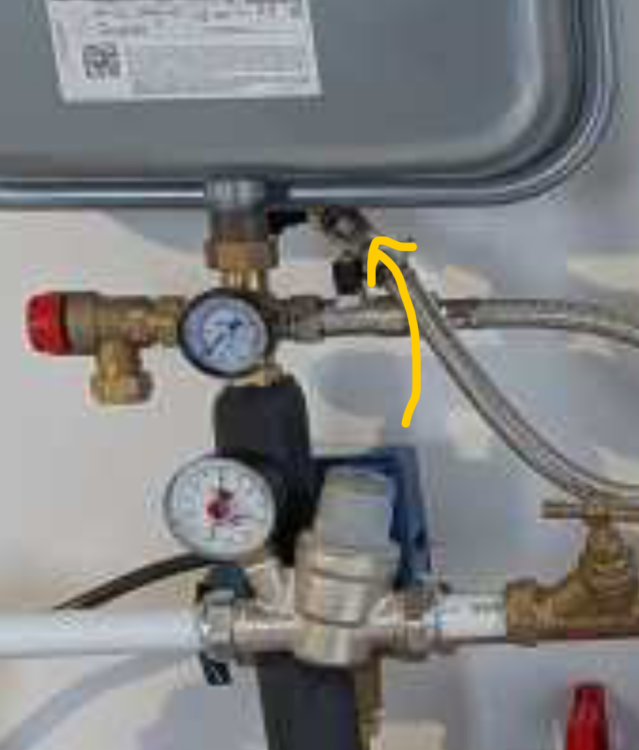
Nice work. You need to tee into the hard cold mains feed and connect this part of the “filling loop”. Don’t use softened water. That filling loop is how you fill the heating system. Fill and test for leaks without treating it, check for the next 48/72 hrs to be certain you’re kosher, and only then do you put the glycol in.
-
Tres Bien, Rodney.
-
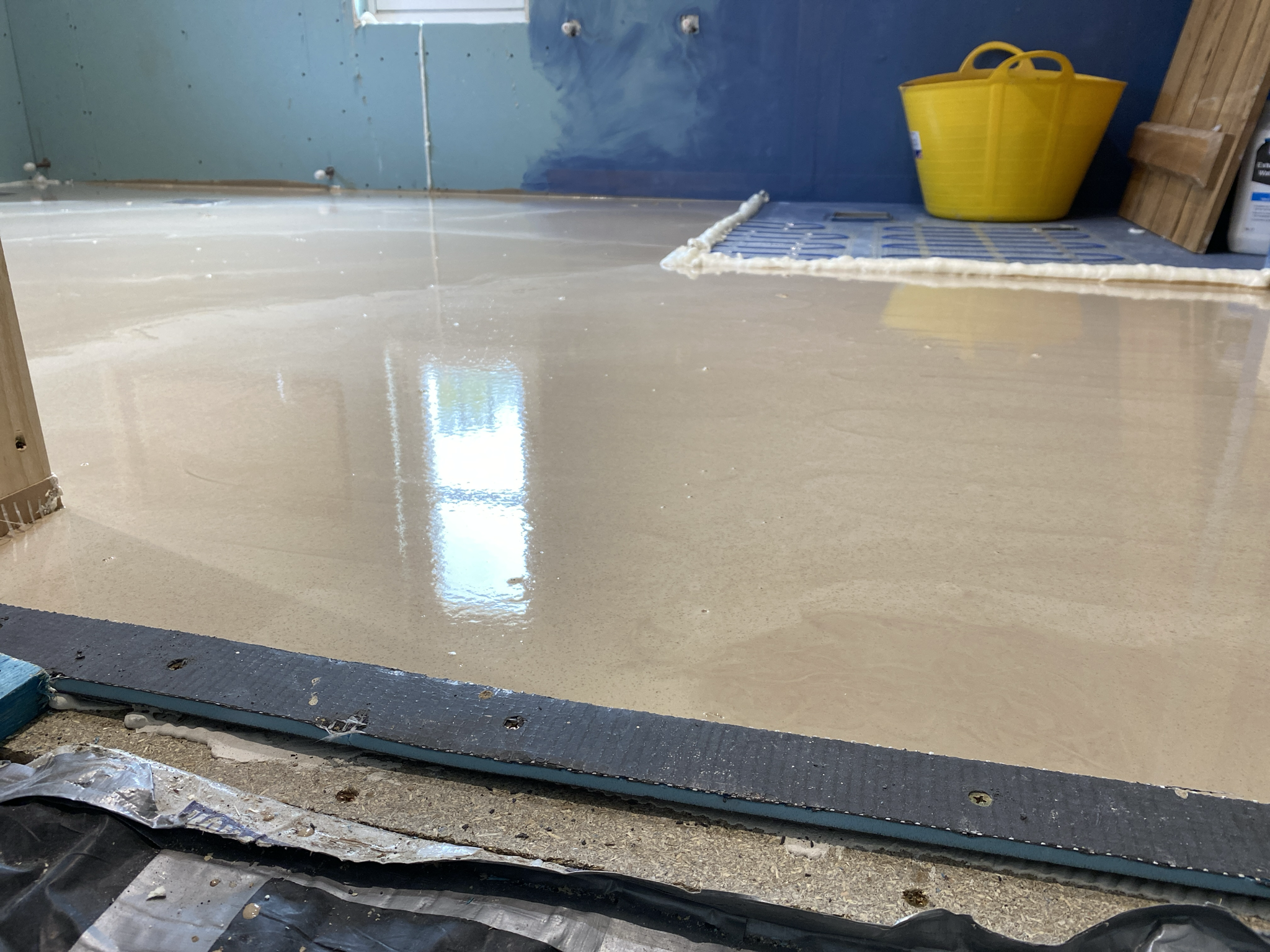
I'd defo still insulate to some degree, maybe just 6mm or 10mm Marmox boards, to get the steel isolated as best as practicable. Cost is negligible, results far better. CT1 the Marmox on, to clean, decontaminated red oxide or liquid DPM, and then you can bond the timber to the Marmox for a face-fixing-free finish with zero cold bridging.
-
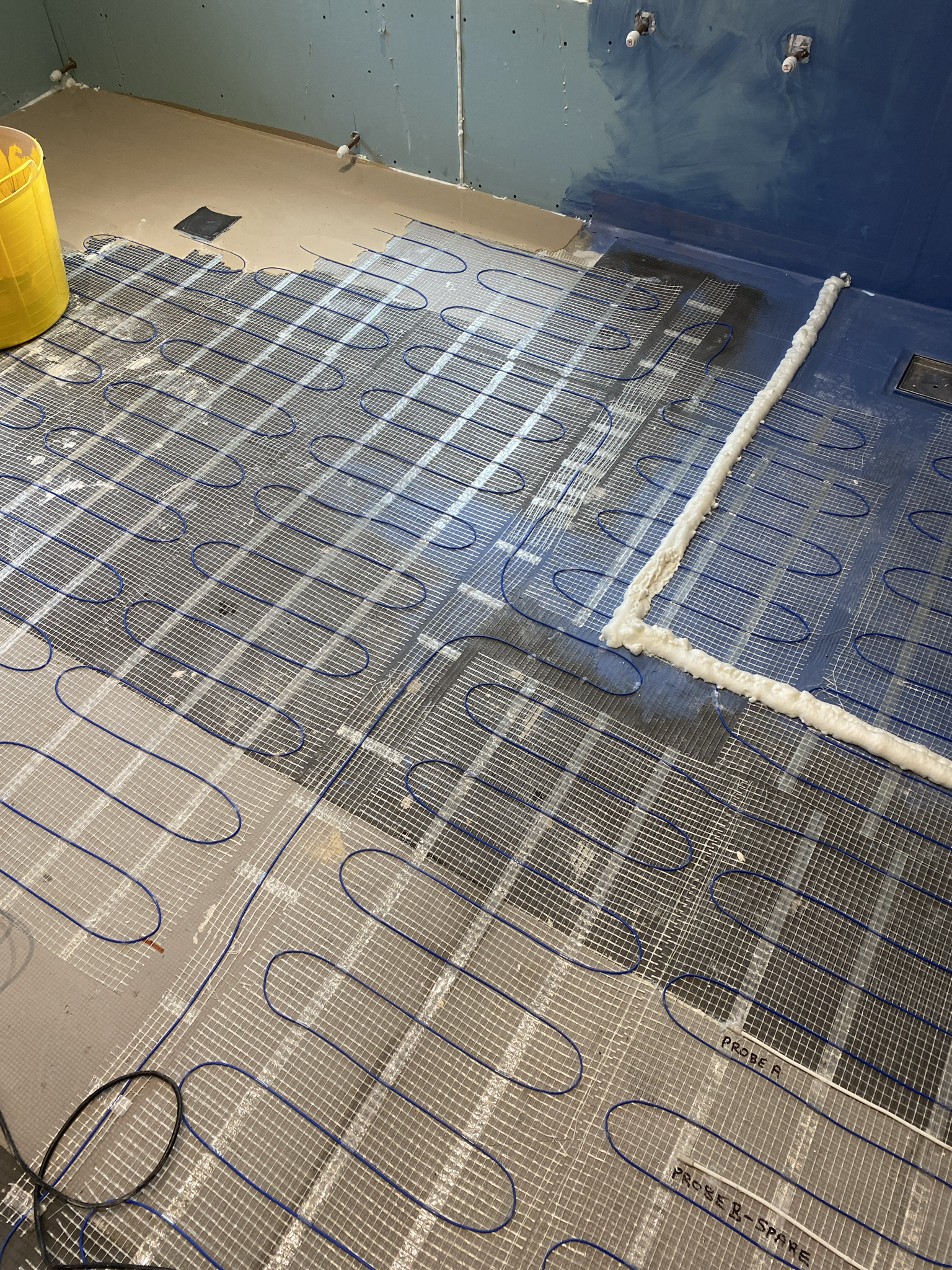
Been bitten once, so now I leave the multimeter hooked up whilst laying, if I'm not self levelling. I use mitre bond and activator to pin the UTH mats / wires down, as once the bastards float you're screwed! I use the grout float to skim the wires / mats so there's no metal trowel going against them, and always fit a second, redundant probe for the thermostat in case the original one carks it Thanks. Got the knees and back to show for it though!
-
Boiler dropping 3/4 bar pressure every 24hours
Nickfromwales replied to AidanGee93's topic in Boilers & Hot Water Tanks
Probably blowing out of the PRV (pressure relief valve). Check to see if the blow off pipe, the 15mm copper pipe poked out through the wall, is letting water out. Zip tie a sandwich bag over it, making sure rain can’t collect in it and give you a false reading, and report back. A few smallness leaks will defo have an impact, but maybe not as much as you’re seeing. Possible cause is the expansion vessel has snuffed it, or needs re-pressurising. -
For tiling on to yes. For fixing and priming the substrates and underlayment, then its perfectly good! Been doing this for 30 plus years. Above those layers you use a tile primer such as Ultra, if it's needed. No need whatsoever to screw these boards down, does nothing but waste screws, time and money.
-
Use a Y-branch (135 degree) and not a T Put a 'single socket' 135 bend in the branch, and then go vertical to pick up the WC. That means when the goods in transit hit the branch they're already heading towards the stack, instead of dropping into a T with a "thud". https://skyplastics.co.uk/pushfit-135-deg-triple-socket-branch-110mm-black.html?gad_source=1&gad_campaignid=11823408165&gbraid=0AAAAACepU-bFP3X5wMqLbWz1M4ZiHqX2W&gclid=Cj0KCQiAy6vMBhDCARIsAK8rOgldyshF_iNQbKD8AmrMjpPTNH97RAhWJvgKNEN-Zg3keFU2keaNwhUaAp4XEALw_wcB https://skyplastics.co.uk/110mm-single-socket-135-bend-2.html
-
You just need 6mm or 10mm tile insulation (not cement backer) boards, set down into flexible tile adhesive over the original chipboard flooring (cleaned and primed with 50/50 water/PVA immediately before laying) and then put the UTH wire on to the insulation board and off to go. Done loads of these over the years, on concrete or timber, ground and 1st (and 2nd) floors, and no issues. You can tell when they lack experience, when they only quote directly what the manufacturer or rep recommends.
-
The hangers are just fixed into the Celcon blocks, so out of the fire, and into the frying pan. Just ask your builder to ping string lines for the hangers to be dead straight and level, as that is often 'nearly good', but could have been better. ....."only"..... which are strong as feck. Ledgers are held up by bolts, not by the resin. Bolts for the sheer strength, and clamping force, and the resin anchor for holding the bolts (M16 bars) in place. I'd happily argue that multiples of small fixings using expansion for their means of purchase would degrade the material that the block was made out of, as these are many, and very close together. @Gus Potter @saveasteading?
-
Installing parquet over overfit type UFH boards
Nickfromwales replied to sb1202's topic in Underfloor Heating
400kpa, sorry, I'm a dick. -
Two questions relating to UFH manifolds
Nickfromwales replied to Bancroft's topic in Underfloor Heating
Bastard. -
Another VoC. Take a punt and just start?
Nickfromwales replied to flanagaj's topic in Planning Permission
We're dropping DPC by 500mm on a current knock-down, but retaining (or slightly raising) the original ridge height. At +200mm ridge height, I doubt anyone would a) notice, or b) give a shit. If the old biddy next door can see the church tower clock before you know down, and cant see it afterwards, expect trouble, for eg, so each case is completely unique in being able to advise for / against "pushing one's luck". -
Two questions relating to UFH manifolds
Nickfromwales replied to Bancroft's topic in Underfloor Heating
We aimed for an SCOP 6 at Leicester, always a big "ask", but for a system sold to Joe public we're happy with mid 5's, very happy actually. Your near 6 is pretty much unheard of, excellent result, so I assume an SCOP of mid 5's at yours, also? Are you still "dialling this in" as it were? -
Strip off 3 layers, and then recut the last undercut to make it reach into the gutter. Then relay the 3 courses, stretching each course by 18mm or so to get the additional length. Shouldn't affect the overlap requirement, but if its already a small overhang on each course then go to 4 courses removed, and stretch by 15mm per, when relaying. Should be fine, hopefully, but you'll need to measure each course and overhang to decide. Biggest bodge is fitting new facia over existing wood, as it pushes it our further. Ends of timbers straight cut, instead of plumb cut, so a facia can't be practically fixed, and so on. Just a bit shit, but easily salvageable with a bit of DIY skill and time / effort. If removing courses, then prepare to have to fix a new run of membrane too, as that will need to extend to match the slates; you'll need to add a new 600mm 'skirt' at the least.
-
Do the fixings in vertical pairs, 75mm down from the top of the ledger, and 75mm up from the bottom, and repeat until you have run out of money to buy more resin and bar. You'll only get one chance to do this right, so invest in the important things. 100% defo blow the holes out as above, but this will be your builders job and you'll need to impress upon them the job is wanting doing properly where he may say "don't teach me to suck eggs", even if under his breath of in his head..... If they're not on day rates, offer to pick up the tab for the extra hours adding more fixings, which should keep them happy. Joist hanging off legers is the way forward here for sure, as long as the fixings are at higher frequency AND robust.
-
ESP32 S3 m5Stack Cores3 swmbo friendly watering system!
Nickfromwales replied to Pocster's topic in Boffin's Corner
No doubt, lol. -
It's like picking one single grain of sand off a beach and polishing it for a few hours and saying it's a diamond. As above, it's just not achievable as nobody has enough GIF to do absolutely amazing work for the same price as someone else making it a bag of shit. Public just won't or can't spend this amount on capital 'adventure', especially if they're not living there for the rest of their lives, which they'd need to do for the ROI. Great TV though, I'm sure, ......as is GD.......
-
https://www.wickes.co.uk/Blue-Circle-Quick-Set-Concrete---20kg/p/133769?utm_source=google&utm_medium=cpc&utm_campaign=PMAX Shopping||Cement %26 Aggregates&gad_source=4&gad_campaignid=20270986274&gbraid=0AAAAADs4IsYOANBSeLHJsbmqj-njvueG3&gclid=Cj0KCQiAy6vMBhDCARIsAK8rOgnDqse4ZsMWkB6Z9L53s2aHSe14vWE4qM_8lLBu7BpXN81UQ7X4ZrsaAogrEALw_wcB
-
The ones on the motorway get me, bad enough in a car but must be horrific for bikers.