
Nickfromwales
-
Posts
31376 -
Joined
-
Last visited
-
Days Won
345
Everything posted by Nickfromwales
-

Time for some new Makita goodies- any good deals on?
Nickfromwales replied to Crofter's topic in Tools & Equipment
The alleged fast chargers without fans will not charge a hot battery. They wait until it’s cooled fully and then charge at full pace. Best deals are batteries + charger bundles. -
Another VoC. Take a punt and just start?
Nickfromwales replied to flanagaj's topic in Planning Permission
Permissions get handed out like penny sweets to developers. Had one client jumping backwards through hoops for 2 years of battling, costs of over £25k for the ‘privilege’, had to set the medium sized house back from the road to not offend the morning commuters, and half a mile further up the road was a developer site, houses 2m from the pavement, and all squeezed in with a shoe horn. These were just horrid red boxes, zero interest and not very ‘easy on the eye’, 2 or 3 PV panels on each, so the developer could trim back of insulation and boost the SAP by cheating, as the cheaper option to facilitate, and garages you couldn’t get a car into if it was tipped on its side = parking on streets / mayhem. The client had to do all sort of things to the house to please the public, including a faux chimney breast (on a PH!); the list went on……just an absolute piss take. Double standards tossers, and the fact it’s ultimately down to one individual to decide is just ridiculous. -
Asbestos risk in hand, then just over-skim it. Don’t even dream about buying some filler in a tub and DIY’ing it, you’ll be looking for a cyanide pill half way into the job if you do and your arms will be hanging off before you even begin sanding. The dust and mess from this will be horrendous and right through the house. Persist with finding a plasterer, and all they should be doing is asking you for some staging or scaff tower on wheels, so they can do the job properly. Clean, quick, and one sitting. You just use a 4” scraper to knock all the highest ‘snots’ of Artex off, and then it’s a lathering of neat PVA and leave that to dry. If you want to save money, and attract a plasterer a little easier, do this first. Realistically, it’s an hour or so for a spread to just do this themselves, so pick your battle. Then the plasterer will neat PVA it again and lay straight on to the wet PVA with one set of skim to dub it all out. If it’s been scraped throughly then 2 sets would be enough, but if really lumpy then I finish that with a sponge float and then leave to stiffen up, and then 2 sets over that. Find a good spread, ditch the idea of over-boarding as it’s not as good a job and will be more expensive too (cost of boards, labour to install, and ceiling will still need to be heavily scraped back to board over anyways!).
-
Not for long though, even they could see through you
-
Or ask the wife to switch it on/off.
-
Seeking advice on replacing lead on valleys.
Nickfromwales replied to Munchincocopops's topic in Roofing, Tiling & Slating
Sarking is the sheet board that goes (in some instances) over the roof rafters. If no sarking then the breather membrane is there instead. If sarked, the membrane sits directly onto the sarking. Then roofing battens. -
Connection to steep sloping lateral drain
Nickfromwales replied to JackOrion's topic in Waste & Sewerage
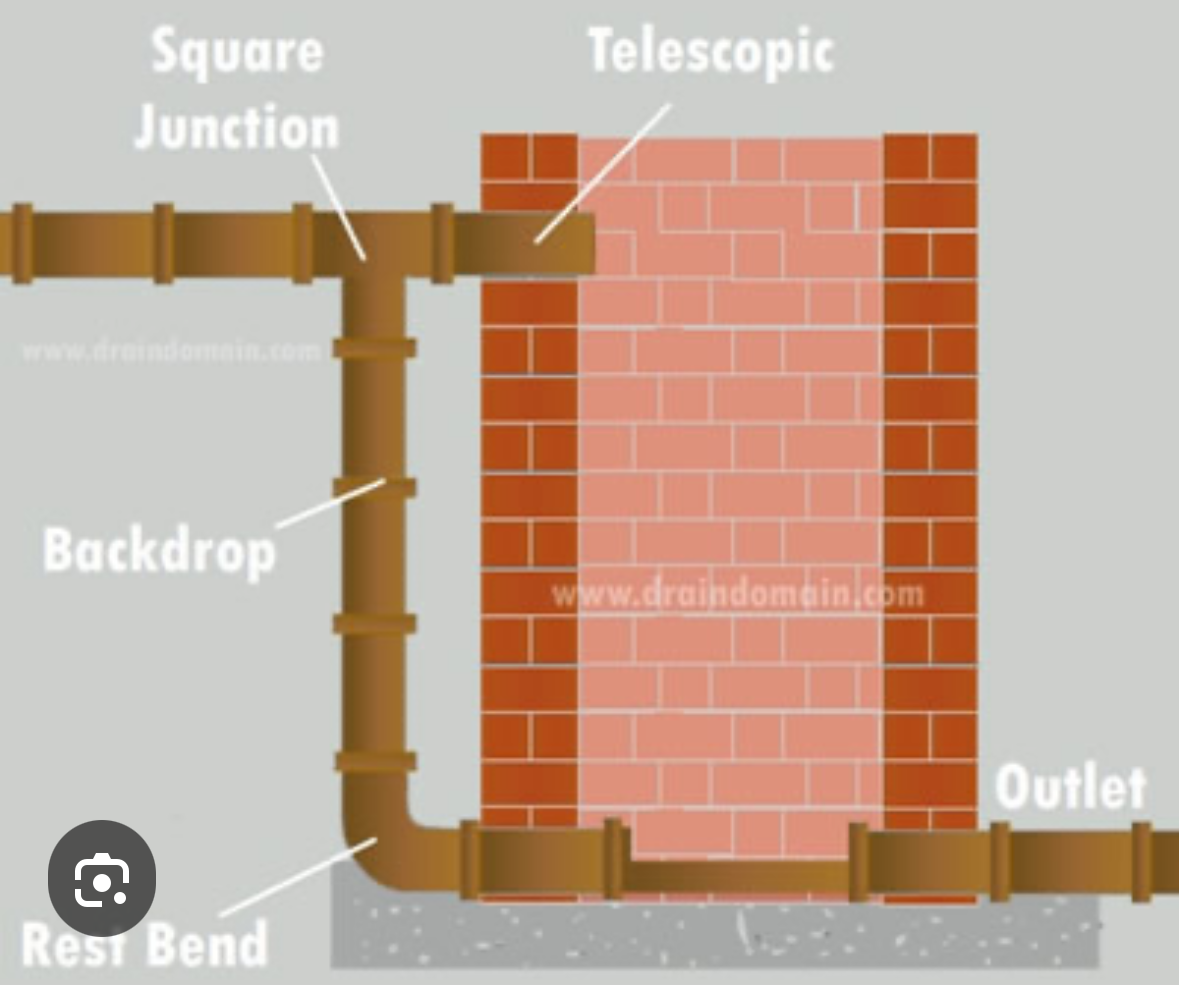
Sounds like it needs (or would benefit from) a ‘backdrop’ chamber? As above, get a (good) groundworker in and get a professional opinion. When they suggest a solution, then go to the BCO and ask if that satisfies their expectations.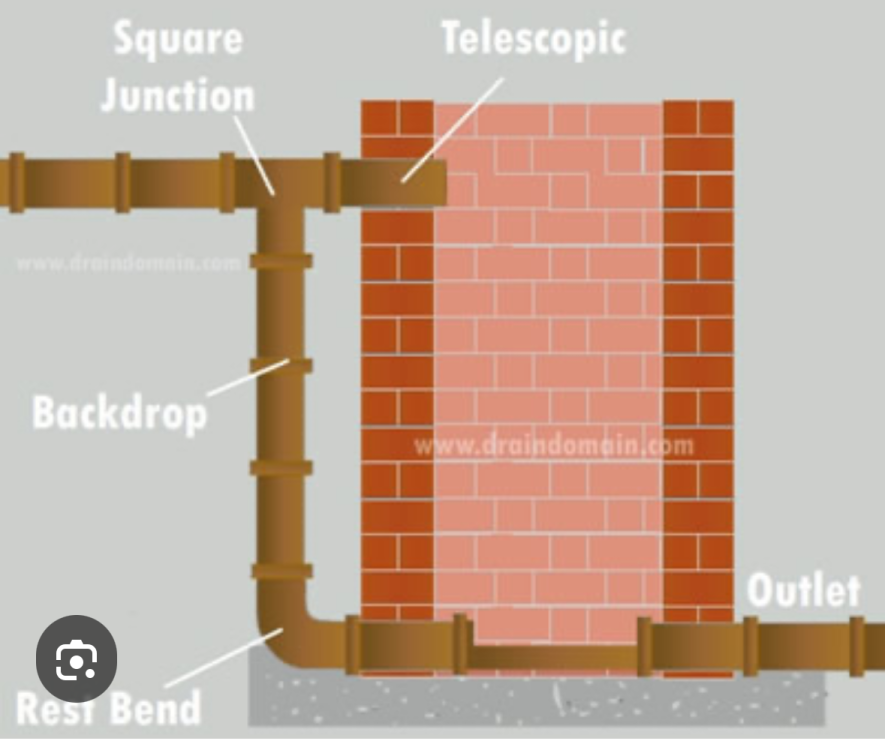
-
Indeed! My only reservation about AB is I think they need to up their game here, in terms of looking more meticulously at what potential damage could be done and to mitigate against it before doing the treatment. For eg, on the job I posted about here recently, the underbelly of the MVHR unit had 2 open ports and I hadn’t yet connected the condensate, so these were ports where air would have flooded in, gone right through the unit internals, and out through the 2 roof vents. That would have been catastrophic imho. I think they need to have a checklist for any time they attend partially completed projects, to seek and identify these types of things. Possibly a pre-visit email stating where these possible leaks / faux pas may exist and asking the client to prepare these accordingly, ahead of their visit. I'm seriously impressed with AeroBarrier, and I will be using them into the future with my new and future self build clientele, as it’s a very, very good system and the results were amazing. However, they do need to button this loose end up as it’s only my diligence (in putting 2 layers of duct tape over these MVHR ports) that stopped that unit from being (potentially) wrecked. I also blocked off every single room vent very robustly too, as obviously you cannot have any open MVHR ceiling terminals during this treatment. That’s my only criticism. edited to add: I assume AB would have blocked off all the MVHR vents as standard practice, I’m just happier if I know these are done ‘my way’.
-
If you’ve got MVHR and you’re going with AB then make sure you seal everything up, so the airborne sealant can’t get into it and exit through the unit internals to outside.
-
Boiler dropping 3/4 bar pressure every 24hours
Nickfromwales replied to AidanGee93's topic in Boilers & Hot Water Tanks
A bag on the red one should be the kiddy. -
Heat pumps. Any negative points about 3 phase?
Nickfromwales replied to saveasteading's topic in Underfloor Heating
You’ll need it installed house wide, if you can’t then don’t. What is your as-built airtightness result? -
I’ve given you contact details for one of the best screeders you’ll ever meet. Family run business, with dad having passed the baton to his sons. One of their previous projects was an £80m 8-storey mega house for a wealthy chap in London.
-
My mate (details have been shared with the op btw) did @Russell griffiths place, and I’ve used him for 25 years. When I say you can paint it green and play snooker on it, I’m not joking.
-
There’s near zero ‘ripples’ if you lay a dry screed properly, it’s trowelled by hand to float it almost completely flat.
-
Passive house Shepards hut ?
Nickfromwales replied to Waterworks's topic in Energy Efficient & Sustainable Design Concepts
You’re being racist to me now eh? -
Passive house Shepards hut ?
Nickfromwales replied to Waterworks's topic in Energy Efficient & Sustainable Design Concepts
No minibar then??? 🫣 -
Dealing with Kitchen Appliances - LVT Installation
Nickfromwales replied to steveoelliott's topic in Wood & Laminate Flooring
This. Same as carpet fitters, lay one side, move furniture over, lay the other side, put furniture back. -
Passive house Shepards hut ?
Nickfromwales replied to Waterworks's topic in Energy Efficient & Sustainable Design Concepts
Apart for all the deaths, that’s a great idea A handful of solar PV panels, small UVC for hot water, and split AC for heating and cooling. Job done. ✔️. -
Aka, ‘look the other way’, when a couple of windows are on night-latch vs fully shut.
-
This only matters at openings, and with a dry screed you can put a line of masking tape and draw a line across it and tell them to screed to that line. And they will. Then just feather the few places where it needs it, nothings ever perfect, and off to go.
-
There is no laitance with a dry screed? More accuracy, better finish, no follow up to get it ready, generally just better outcome. Also, it’s not a liquid, so less prep as it doesn’t want to find a gap and disappear down / into it. Then make life easy! Not sure what that’s all about. Last few cemfloor installs I’ve been on just needed sealing / priming etc.
-
Ok, so just get the test done and see if there’s a problem. Mechanical ventilation is just a powered fan, in whatever form that takes, so either push/pull like MVHR or single point extraction as per what you have.
-
Use my mate for the dry screed and you can pretty much paint it green and play snooker on it. You won’t need a full bed of SLC, your LVT installers will just use feathering compound wherever necessary (LINK) so less time and complexity and then it’s easier to manage trades. You should only need to do a full layer of SLC if you’re putting LVT down over a concrete slab. A good screeder will give you the result you want, save you time, and money.
-
If you’re not short of time, and your time is ‘free’ then don’t buy pre-folded tape? 200mm wide tape is something I’ve never seen or used, usually we’d just do multiples of runs of 50 or 60mm tape, but typically 80 and 90mm is the biggest stuff we use, with the largest being the window tape. That is where the backing is split like 15mm so you can just put that onto the window or door frame and not get tangled up with exposed self adhesive trying to grab on to everything in sight. Once you start you’ll get the hang of it quite quickly tbh. Get the consistency of the adhesive right, and it’ll be easy to work / manipulate, but if it’s too sloppy you’ll be finding it a horrible job. Get a plasterers hawk and a medium size plasterers trowel and that will speed things up.
-
Do the windows have trickle vents? Have you fitted extractor fans?