Gone West
-
Posts
4521 -
Joined
-
Last visited
-
Days Won
19
Everything posted by Gone West
-

Comfort cooling MVHR
Gone West replied to AliG's topic in Mechanical Ventilation with Heat Recovery (MVHR)
That's interesting, we have only a relatively small amount of south facing glazing due to planning constraints so I designed a porch, which is outside the thermal envelope, to be an area from which to harvest solar gain. Although the floor warms up fairly quickly it also cools down fairly quickly because it has no other form of heating, although it is insulated. IIRC your slab is 100mm thick and do you assume the whole thickness of the slab is at 23C and then the surface increases to 24C where the sun is shining on it. Do you have an idea of how deeply the solar heating effect penetrates into the floor? -
Cooker hood in a passive house
Gone West replied to Besidethewye's topic in Kitchen & Household Appliances
@Besidethewye We have our MVHR kitchen extract around 2m from our hob and have fitted a recirculating extractor hood above the hob. Although we don't fry food we have planned ahead for when we no longer live here. -
That's the surprising part. It was designed by a PH designer to PH standards with a ground floor constructed with high density concrete blocks with a 300mm cavity filled with Rockwool.
-
I guess it should be fine in a perfect house but it's something we experienced at a friends house. They couldn't keep the ground floor at the temperature they wanted because it was very slow to react to heating and cooling. The ground floor was high density concrete block but the first floor was timber frame. We found the temperature variations between the two floors uncomfortable. It certainly wasn't a steady 23C over the whole house.
-
Too high a 'thermal mass' building can feel uncomfortable if you like a fairly constant warm indoor temperature. If you live in an unshaded, sheltered spot then as has been mentioned decrement delay can be very important. There are different ways of dealing with the problem, the easiest of which is to let the climate deal with it for you. If, as we do, you live in an area where it's always windy, it isn't a problem. Passive stack ventilation can be weather dependent so MVHR is more reliable at delivering the correct amount of ventilation.
-
That doesn't sound right, neither of mine use anywhere near as much as 2kWh a day each.
-
ASHP- struggling to warm house in the cold weather
Gone West replied to Jude1234's topic in Air Source Heat Pumps (ASHP)
Strewth, it was -3.1C here this morning, the coldest this winter by a long way and I thought that was cold. -
They started off by having the 3mm gap and filling it with PU glue but then changed to butt joints. They didn't tape the joints. Yes very difficult to quantify. All I can say is that ours was trimmed back and that Icynene is very different from other types of spray foams I have seen. When cured it is very flexible, rubbery and doesn't crack. A potential problem with Icynene is that it doesn't stick to cold surfaces very well and is therefore best sprayed when the surface temperature isn't too cold. A friend had the walls of an outbuilding sprayed in the winter and the Icynene pulled away from the corners.
-
The early Woolaway bungalows were notorious for concrete failures and virtually impossible to get a mortgage on.
-
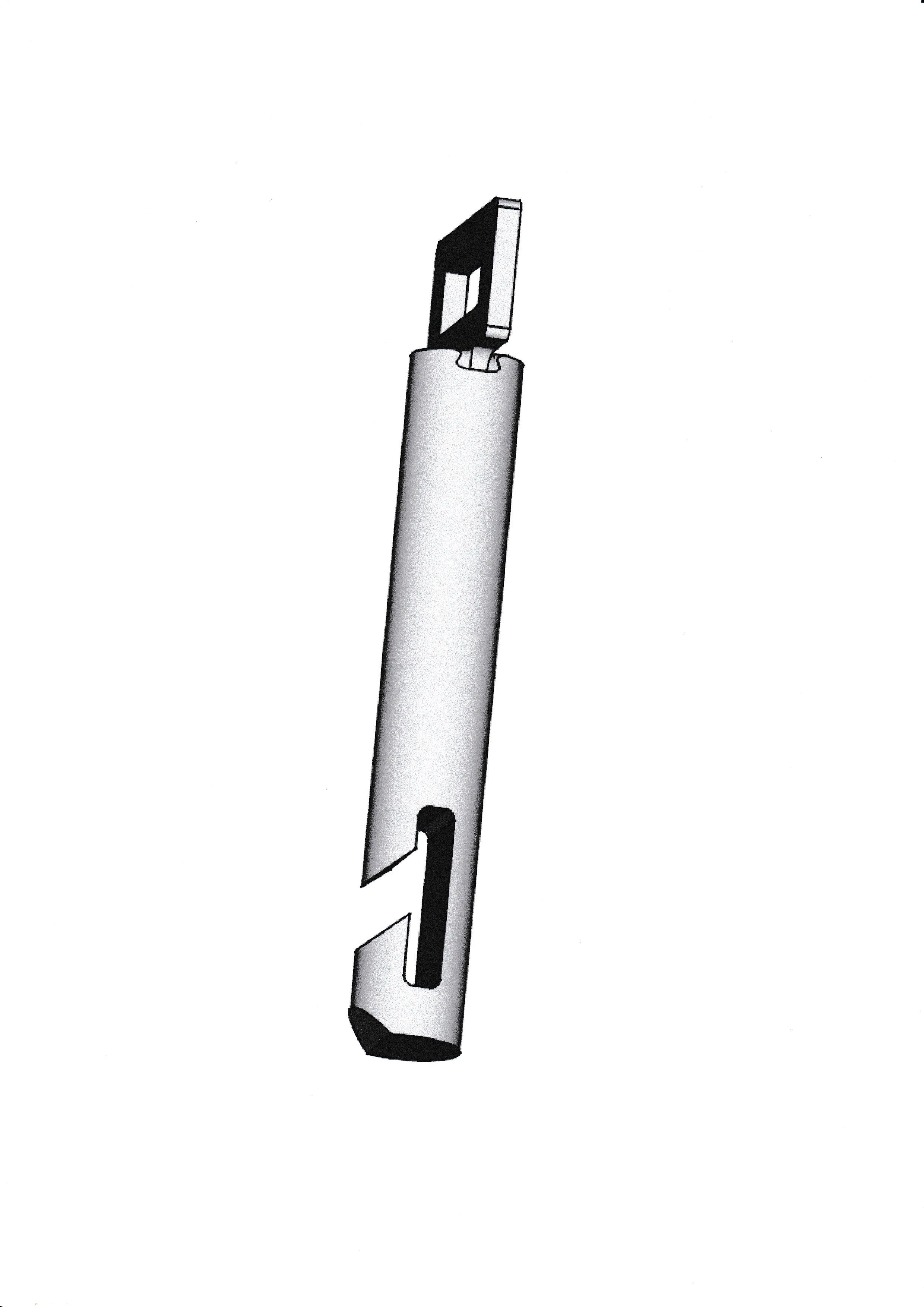
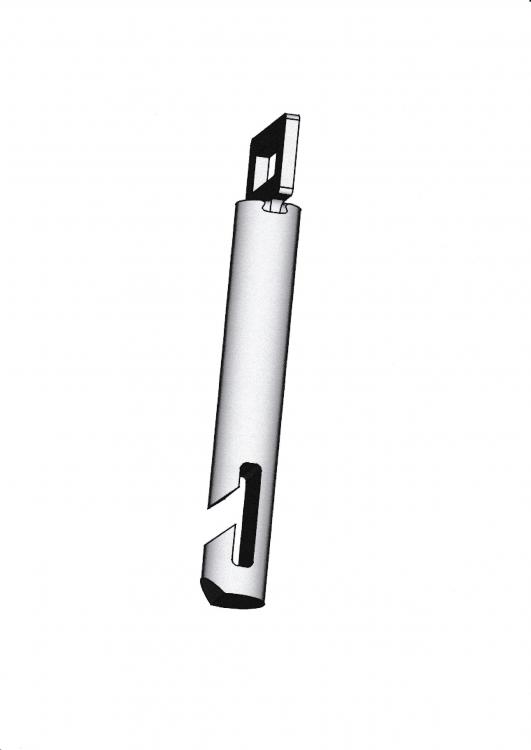
I used FreeCAD to create the model and .stl file. The cost of each of my hooks printed in nylon was 75p and they are 41.5mm long and solid.
-
Thank you, that's a very generous offer, but I have ordered them from 3DPRINTUK and should receive them next week. I hope it all goes to plan as I know next to nothing about 3D printing although I do understand about triangulated surfaces as it was a large part of the modelling work I did 40 odd years ago.
-
The OSB3 was square edge and butt jointed. I think that the 350mm of Icynene I have, is the largest contributor to the good airtightness result along with careful detailing around windows and doors. The vast majority of the offgassing happens in the first 24 hours.
-
The temperature of the air from MVHR supplied to the living areas of the house is lower than the room temperature so it won't feel like warm air coming out of the vent, but it will be warmer than air directly from outside. The only way for the supply air to have a higher temperature is to use a MVHR post heater of some sort.
-
Hi, welcome to the forum. Some friends of ours lifted the roof on their bungalow and they lived in it while the work was being done. I would say that having the whole building sheeted so work can continue whatever the weather is a very good idea.
-
Hi, welcome to the forum. I'm trying to understand the makeup of your wall. Why do you have two 100mm block walls as well as a 150mm stone wall. Why not use stone slips on the outer block skin and increase the amount of insulation to stay within the 450mm. Alternatively use the 150mm stone wall as the outer skin and remove the attached block wall and again increase the insulation?
-
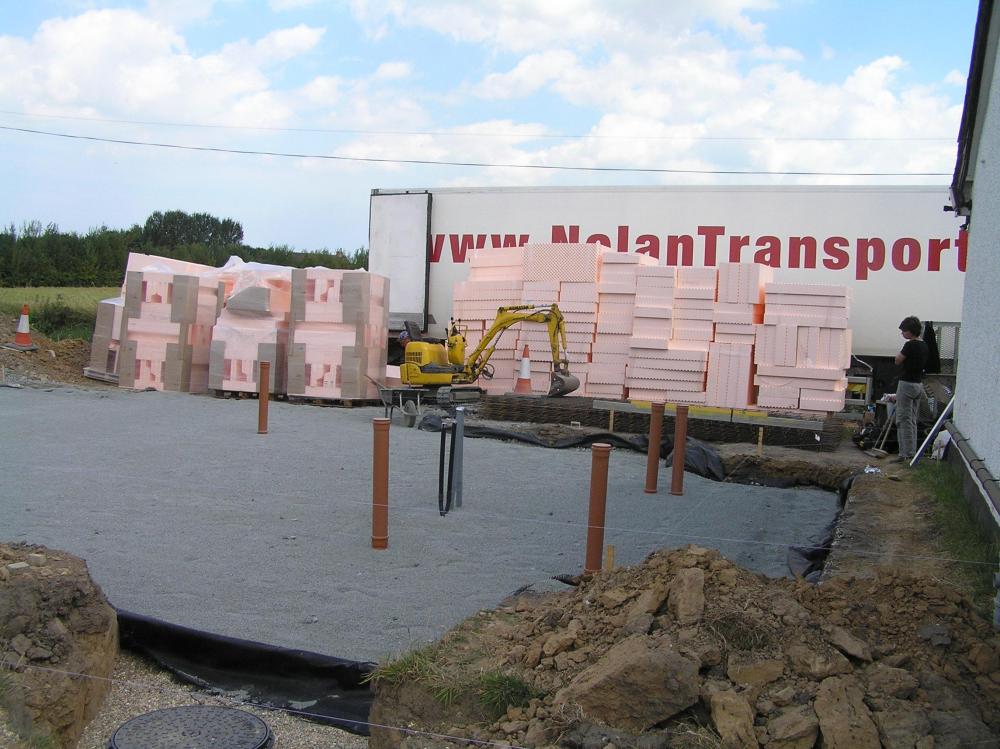
We have an Isoquick insulated slab and all the rest bends and soil pipes run through the sub-base under the insulation. Our insulation is 300mm and with the sub-base meant the soil pipes entered the sewage treatment plant quite low down and we needed an invert on the tank.
-
We have a Wren kitchen, supply only, which we fitted ourselves. Everything was delivered on time and for the price was good quality. Their kitchen 'designers' weren't much good in our case but everything worked out fine in the end. I had heard lots of horror stories but maybe we were just lucky.
-
The new two bedroom bungalow next door was rated as an 'F' whereas the original bungalow on the site was a 'C', as was our old bungalow. The owner didn't challenge the rating. Our new house was assigned an 'F' rating, which we appealed against saying it should be a 'D' and the VOA lowered it to an 'E'. I think the VOA make it up as they go along and hope owners can't be bothered to appeal.
-
As an update I've created an .stl file and got an estimate from the site that @Temp linked to. It all seems straightforward.
-
Couldn't afford to buy oil anymore, building the new house has cleared me out .
-
Painful, that's what it is.
-
VAT - Service Disconnection
Gone West replied to andy's topic in General Self Build & DIY Discussion
VAT reclaim's in the past. Working on other things now. Onwards and upwards . -
We have four AAVs and they are just above basin overflow level and are behind false walls in the bathrooms. We have been using them for nearly a year and, "touch wood", they seem to be fine.
-
I think the term 'flood level' in relation to AAVs refers to the basin overflow level.
-
I used Floplast AAVs which are "permitted to be used below flood level in locations where the temperature is in the range of -20°C to +60°C". I used them only very slightly higher than flood level but I don't see why they shouldn't be used below flood level as they are designed for that purpose. I think I would be cautious and check with some experimentation before final fitting though.