


Gone West
-
Posts
4668 -
Joined
-
Last visited
-
Days Won
20
Everything posted by Gone West
-

pros and cons of below shading options
Gone West replied to vk108's topic in Energy Efficient & Sustainable Design Concepts
As it's not retrofit I would design in hidden external blinds or shutters but if the cost is okay I would rather consider something like SageGlass like I believe @NSS used. -
Hi Matt, welcome to the forum. You will probably be lucky to get a PP result within the eight week requirement if your area is anything like around here. Good luck with your plans.
-
No I never put them in my planning application. I had to put the details of the driveway and fencing/hedging in but never mentioned gates. There are rules about the hedge/fence being no more than 0.9m above road level for a certain distance back from the road edge, might be 2.4m, can't remember for sure. I'm sure the planners aren't really interested down here unless someone complains.
-
thickness of heat sink for ufh
Gone West replied to scottishjohn's topic in Energy Efficient & Sustainable Design Concepts
I take all these per m2 figures with a pinch of salt. There are so many different ways of calculating the results I doubt whether anyone is comparing apples with apples. If it's a PH compared to a conventional house I would have thought using external floor area more sensible as a lot of the cost is in the floor and walls. Some people use all their costs, some cherry pick and leave out site works or paperwork or whatever. I can come up wildly varying per m2 costs depending on how I work it out. A house costs what it costs and if you've ended up with what you want, that's great. For most people it's the first, and for me the last, self build they will do so there is a steep learning curve and nobody gets it perfect the first time. -
Masonry leaf with new timber self build
Gone West replied to davidc's topic in New House & Self Build Design
We have built a timber frame with timber clad house and used brick slips for the plinth. It will be interesting when we come to sell it whether they think the brick slips are real bricks. -
IIRC they are 0.9m and 2.1m. We bought the posts, hinges etc from Jackson as well. https://www.jacksons-fencing.co.uk/fencing/entrance-gates/traditional
-
Roof Windows - Will they drive me mad?
Gone West replied to Moggaman's topic in Lofts, Dormers & Loft Conversions
We have a Fakro roof window with triple glazing and a g-value of 32. Whilst you can hear the rain on the glass I don't find it a problem. There are external shutters to further reduce the noise if required. https://www.fakro.co.uk/products/all-products/accessories-for-roof-windows/external-accessories/arz/ -
Solar Gain and opening windows?
Gone West replied to Tony99's topic in Energy Efficient & Sustainable Design Concepts
They would probably welcome solar gain from November to January and coatings that reflect the heat in the summer would also do so in the winter. Coatings work well if you never want solar gain, as I have on my bathroom roof window. -
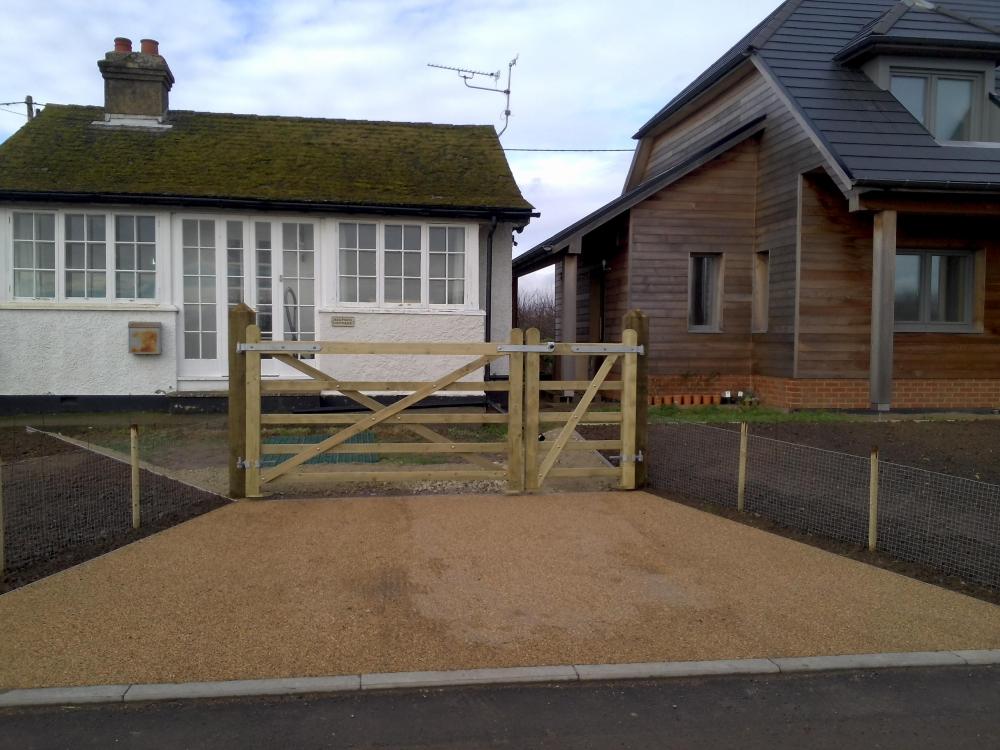
These are our gates when we put them in a few years ago. They are from Jacksons Fencing.
-
Septic Tank v Sewage Treatment Plant
Gone West replied to canalsiderenovation's topic in Waste & Sewerage
I didn't need planning permission for mine but did need building regulations approval. -
Septic Tank v Sewage Treatment Plant
Gone West replied to canalsiderenovation's topic in Waste & Sewerage
Yes the idea is that certain types of water plants have a lot of root growth which are covered with bacteria that further break down any remaining effluent. It doesn't have to be reeds, in fact because the recommended reeds grow so tall I asked the suppliers if I could use different plants and for the last seven years I have used irises. Since I installed the system nine years ago the manufacturers of my system seem to have changed their installation details and tertiary treatment is no longer a requirement. When the new bungalow was built next door, a few years ago, the BCO allowed the new sewage treatment plant to discharge into the old cesspit which he said should be filled with pieces of a type of foam medium on which the bacteria grow on the surface. -
Septic Tank v Sewage Treatment Plant
Gone West replied to canalsiderenovation's topic in Waste & Sewerage
Around here they knock holes in the base so they don't need emptying so often. -
Septic Tank v Sewage Treatment Plant
Gone West replied to canalsiderenovation's topic in Waste & Sewerage
I would be very careful and have someone else around in case the worst happens. This is what we fitted, it's upside down by the way .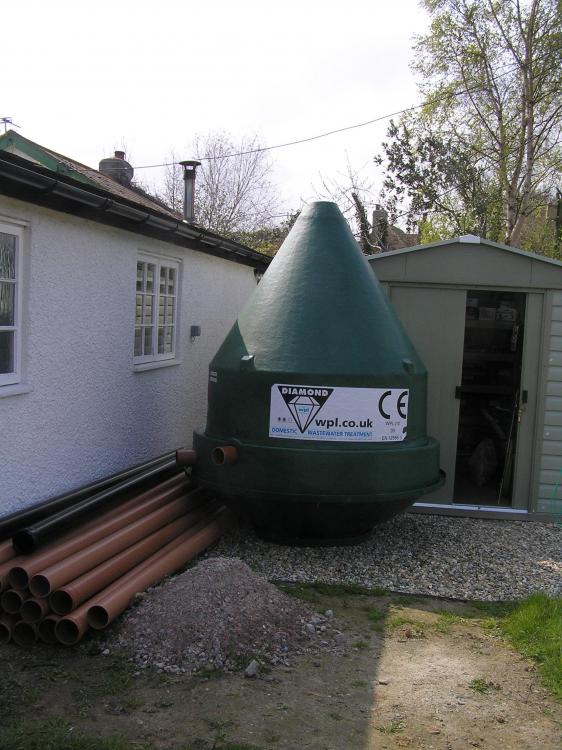
-
pros and cons of below shading options
Gone West replied to vk108's topic in Energy Efficient & Sustainable Design Concepts
What stage are you at with your new build? -
As you say I just wanted to be able to isolate each pipe run separately. I was lucky when I bought mine as the manufacturers were changing the design and I bought the old design for £4 each for a four way manifold from Screwfix.
-
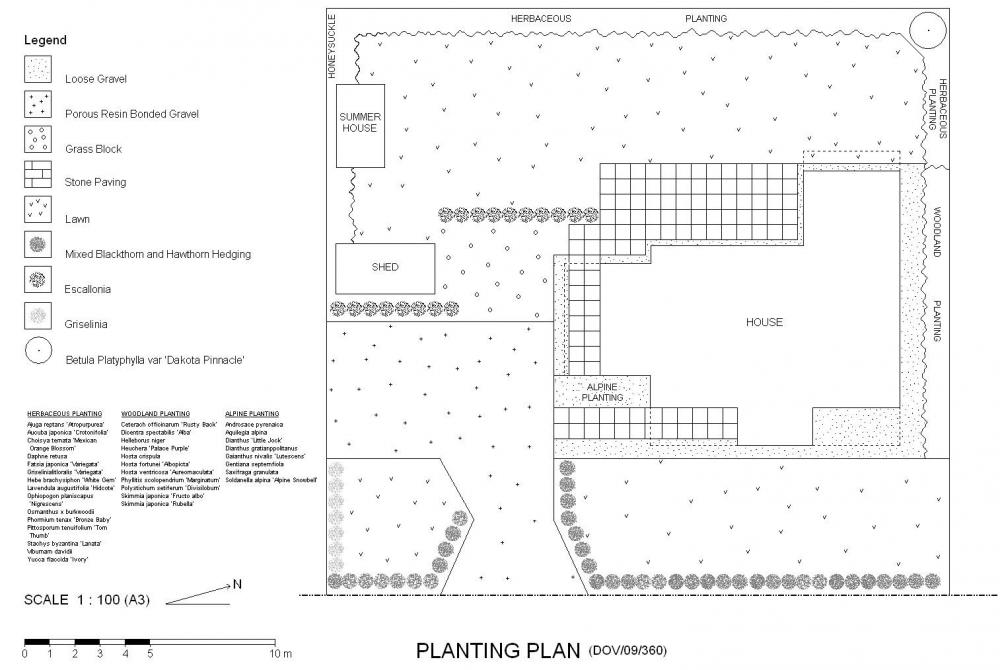
This may be of some help.
-
Our EPS raft is laid on 50mm granite fines for drainage and the EPS is Peripor which has very high compressive strength and has very low water absorption.
-
Come off it, I've had mine dug up once already.
-
Kwikstage scaffolding questions
Gone West replied to Vijay's topic in General Self Build & DIY Discussion
Not the sort of offer I would make . -
That Roofers Been Signed Off Sick
Gone West replied to Triassic's topic in General Self Build & DIY Discussion
Can't he recommend someone. -
We had secondary glazing on some of the windows in our old bungalow. We found it to be very effective once all the the draughts had been eliminated. So as has already been said, draught proofing the original sashes, and secondary glazing system if necessary, should improve things greatly.
-
The Genvex Combi 185LS we have uses a small, 585W, EASHP. This heats the water and provides supplementary air heating through the MVHR system. This means the air being supplied to the living rooms is never below room temperature, so never feels cold. This system works well for us because we have a small house which is very airtight and has very well insulated walls, roof and floor with U factors < 0.1W/m2K. This means we don't need UFH. I ran many iterations of the PHPP to find what levels of insulation and airtightness were required for our house to use the Genvex Combi 185LS. It wouldn't work as the sole form of heating and DHW in a larger house or house with higher U factors.
-
I've found the same. I keep the unvented hot water tank at 45C and don't notice any increase in the temperature of the utility room. I think I calculated the heat loss of the tank at just over 0.5kWh/day.
-
Hi from Snowdonia - Welsh cottage renovation. 100% newbie
Gone West replied to connick159's topic in Introduce Yourself
Hi Connick, welcome to the forum. We've all started knowing a lot less than we do now. Persevere and you'll get there in the end and ask as many questions as you like, they won't be daft. Good luck with the project. PS You're in a lovely part of the world, do you have any pictures of the house. -
We are A95 without any renewables so to reach A100 wouldn't need much in the way of PVs. Get your SAP calculations checked and if you really need 11.7kW of PVs then the fabric of the building/air tightness needs improving.





