
Nickfromwales
-
Posts
31376 -
Joined
-
Last visited
-
Days Won
345
Everything posted by Nickfromwales
-

Bath Surround / Boxing In, and concealed pipework
Nickfromwales replied to Onoff's topic in Bathrooms, Ensuites & Wetrooms
Good idea. CT1 has its place, but not the better choice here. . Lightly sand the area with 80grit, clean with meths and smear the surface with sikaflex immediately prior to completing the install. That'll ensure max contact and adhesion. -
Protecting Doors and Thresholds
Nickfromwales replied to worldwidewebs's topic in General Self Build & DIY Discussion
Silly you, you clearly meant to say "electrician" . -
Bath Surround / Boxing In, and concealed pipework
Nickfromwales replied to Onoff's topic in Bathrooms, Ensuites & Wetrooms
Maybe chamfer the nuts to better suit the mating surface, then plenty of Sikaflex not CT1 ( better adhesive imho ), and turn the inserts down into the washers so the profiling stays as needed and the inserts get rotated rather than the nuts? -
Another endorsement for the Bosch quick change set. Expensive but good, with the only bad bit being the clips on the box both broke off within a year. New box on order though, so not too problematic. I bought the extra long pilot bit to offer a more precise 'start' without the need to pilot or squint under the cutter to see if your on target.
-
I buy the multipacks from screw fix tbh. In fairness though I do use a lot of bits and the second they get slightly blunt they're in the bin. For my needs its not cost effective to be setting up a sharpener but for you it may well be a good idea as the sets tend to have one of each size so you'd need to keep them in good order. Bummer is that the sharpener is only good for the HSS bits really and the others become bin clutter as soon as the edge goes off them. Get a good set of HSS bits and a multipack of flat bits and your pretty much covered, and for SDS / masonry, I just buy off eBay 3 or 5 at a time and reorder when on my last but one. This pack is what I go for usually, but I have just bought a nice set of Milwaukee ones for 'best'. Nobody but me uses them.
-
Not enough depth for radiator after re-plastering
Nickfromwales replied to daiking's topic in Central Heating (Radiators)
Not on my shift ?. Just my opinion, but they look dire at best and should never be on show. I've seen many lazy bathroom fitters use flexis to fit chrome towel rads and it looks terrible. Plus, push fit flexis are nowhere near as flexible as compression flexis so i tend to avoid them altogether tbh. Bit of a design flaw there ?, as the top rail would constantly be full of air. They needed to tee the 'vent' out of the top right corner to be getting full marks ? Some mothers do 'ave 'em ? -
I always fit FR spots below hallways & stairwells and habitable rooms, and always in kitchens / utilities. If your making a hole, make it safe afaic.
-
Not enough depth for radiator after re-plastering
Nickfromwales replied to daiking's topic in Central Heating (Radiators)
Sounds like a plumbing job me old China ? You could recess the brackets but it's not cricket ? -
Not enough depth for radiator after re-plastering
Nickfromwales replied to daiking's topic in Central Heating (Radiators)
Will rotating the brackets take you from the deepest depth to the narrowest depth ? The brackets are usually an offset L so laying them one way makes the radiator project less . Pipes should take a bit of 'gentle tugging' if the bracket will get you half way there. -
My thoughts exactly tbh.
-
Just thought back and the 6w ones deffo did come with unsheathed input cables. Why the hell didn't they just supply these drivers with those lights?!?
-
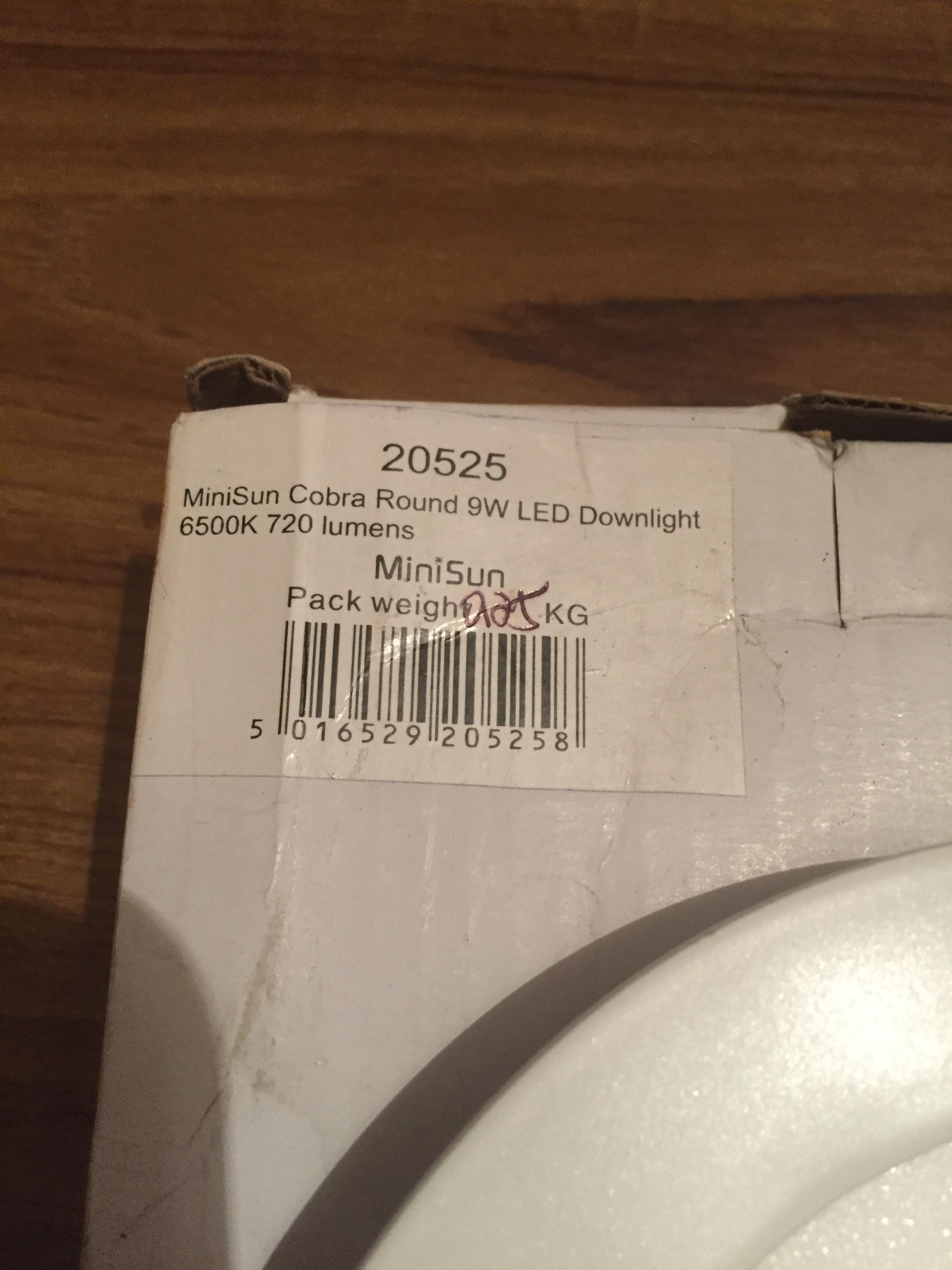
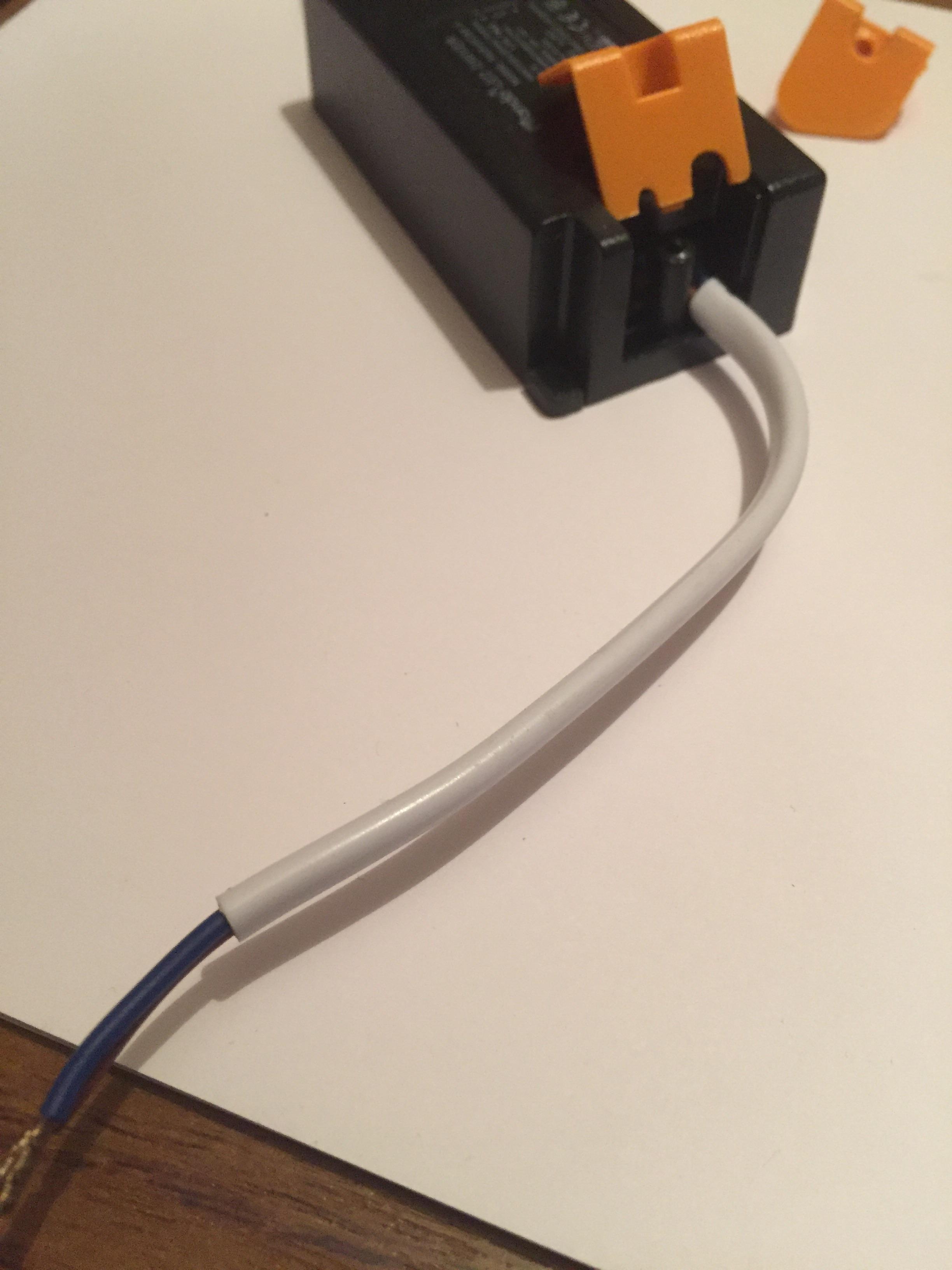
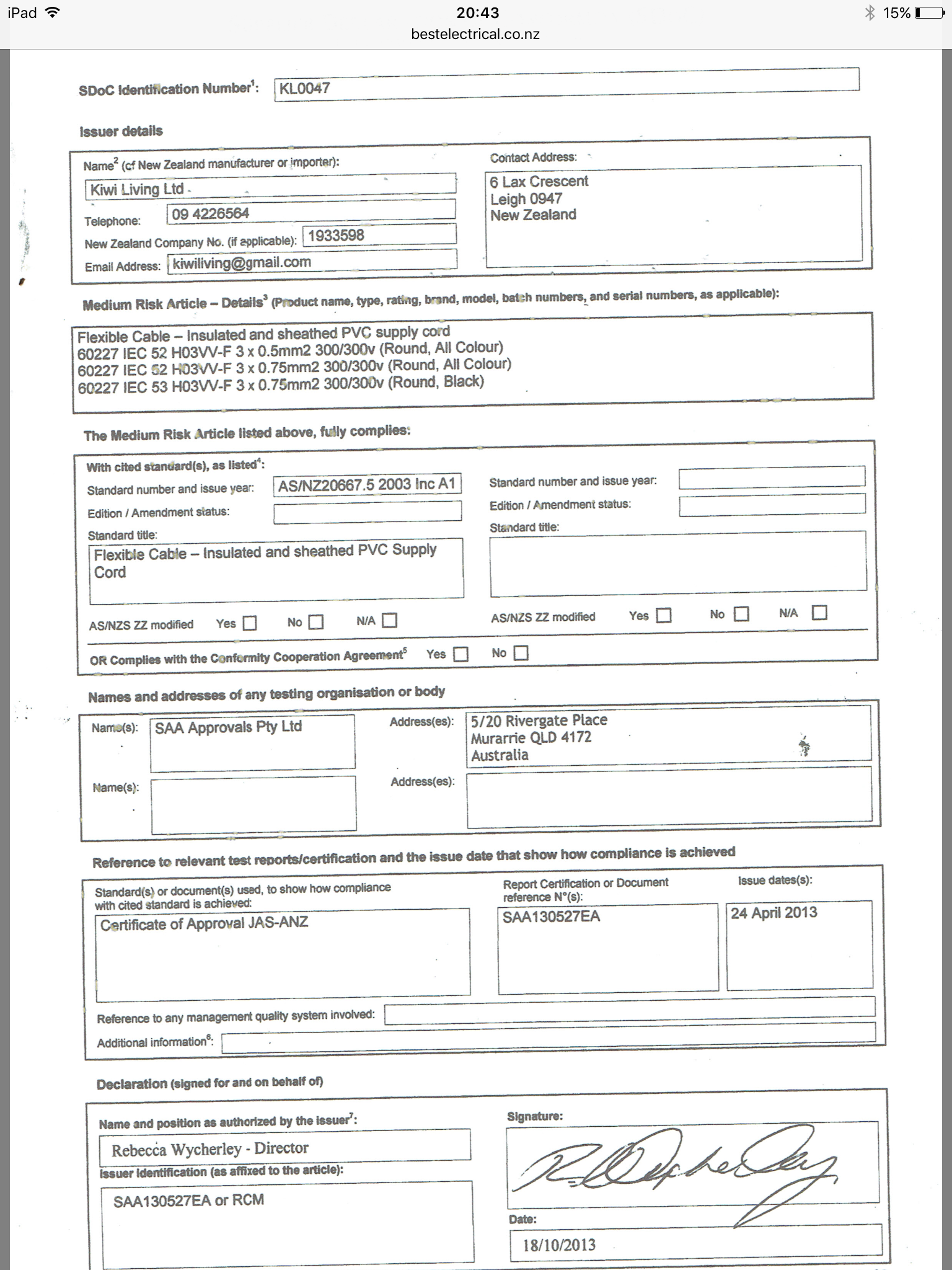
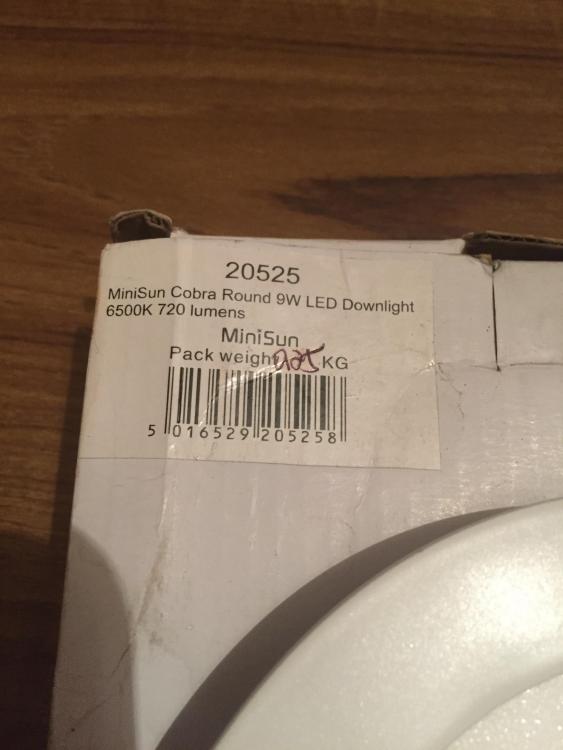
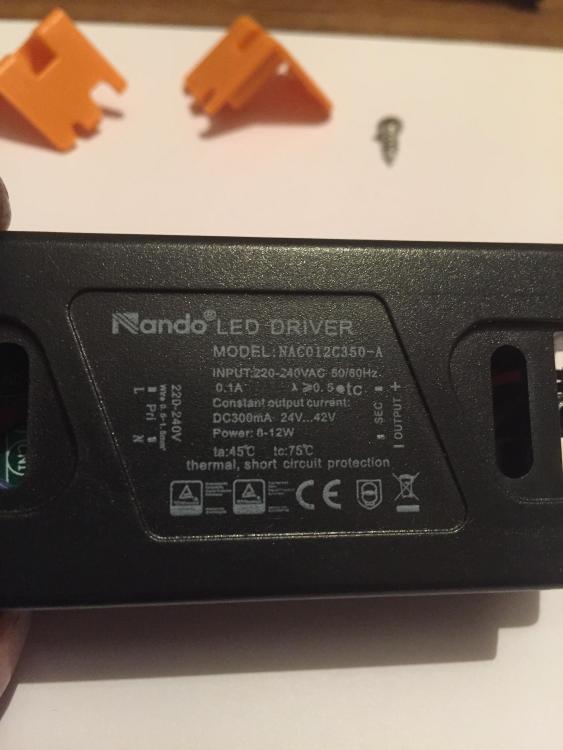
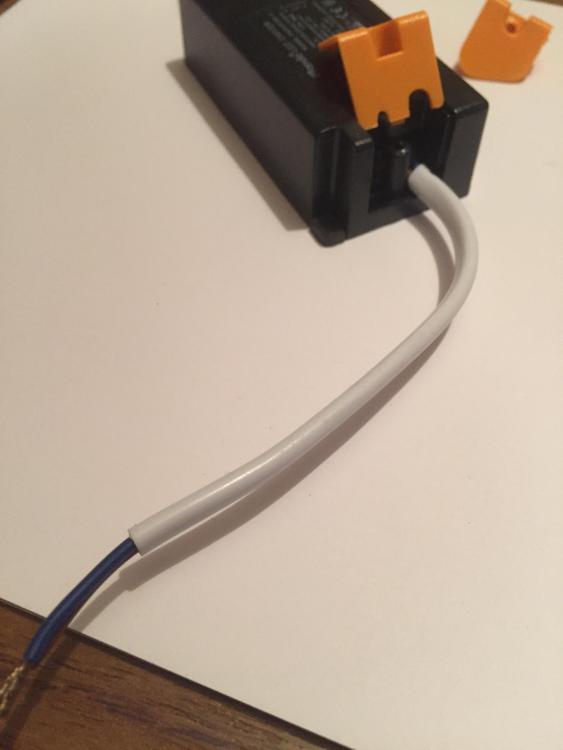
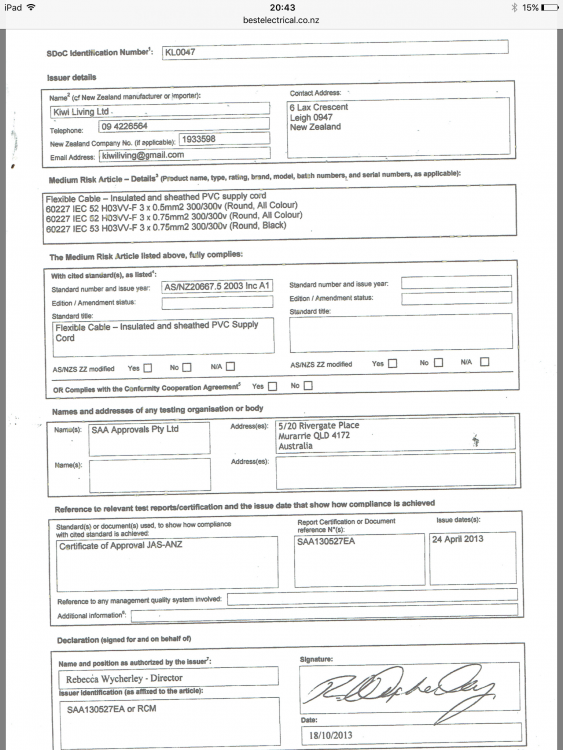
Hmmm. Seems that inconsistency may be a supplier problem too. The ones I got ( 9w ) as follows... Very handy twist to lock connectors to separate lamp from driver. Cord grip kind of provided by the orange cable clamp / cover Cable has writing and a CE mark and an SAA number which I googled briefly and got this. Long and short, the cable is certified and cosha for mains use . I had 3 of these running in a tiny bathroom. ( 1100mm x 3000mm ) and my DAB didn't blink when switching on / off and I'd foil lined the room with PIR sheets. I'd use these again in a heartbeat. Oh, and 6 for £40 delivered. Tres bien x2


-
Is it actually glorified speaker wire, or is it 230v rated stuff? Any writing on it? For testing, put it in a large Tupperware box and seal it in, but put it outside or do NOT leave unnatended. The unit will usually have the heat from the light adding to the running heat of the driver, so recreate that as best you can with the driver sat over the light. Much as leds are supposed to run very cool, these units do get quite warm. I bought these ones and they're fine. The 9w have a fantastic output. FWIW I just made them off with Wagos straight onto the twin and earth cables . No complaints from me, and just ordered 4 more to go in my boys ( work in progress ) attic conversion, due to the lack of head height. These also have excellent dispersion vs standard recessed GU10 / MR16 downlights, and can be bought IP66 too with no additional recessed depth. Remember that, afaik, you need to supplement these with additional fire proofing measures as they're not fire rates from what I can derive. Anyone know different. ?
-
Dewalt went through a VERY rough patch, but their current pro range is very nice stuff. The consumer stuff usually has shitty little low power batteries which do ok for diy but you'd end up killing them if you use it for a build etc.
-
Advice on filling/joining 2 freshly plastered areas
Nickfromwales replied to 8ball's topic in Plastering & Rendering
Heed @8ball 's words about not getting excessive amounts of pva solution on the adjacent faces . -
Bath Surround / Boxing In, and concealed pipework
Nickfromwales replied to Onoff's topic in Bathrooms, Ensuites & Wetrooms
Relax chief, the one you have is bombproof ? Do you have the 80ish mm half round clip that holds the soil connector onto the metal frame? -
Bath Surround / Boxing In, and concealed pipework
Nickfromwales replied to Onoff's topic in Bathrooms, Ensuites & Wetrooms
-
They usually don't. The most a 'conventional' roofer would do is cut a cross in the membrane and poke the flue through it. The breathable membrane only needs to not let any accumulated water / dew etc through to the fabric of the dwelling, so making some form of upstand at the highest point would satisfy that criteria. As long as the outermost junction is rain / watertight then your protected against water coming down the flue wall, and if your sealed at the airtight layer your ok for airtighthess. The breathable membrane is the least of your concern or liability imo.
-
I've fitted gas burners in commercial buildings, and they've been stainless twin wall and on corrugated metal roofs. Don't see this being too difficult to sort . Fit one of these to the airtight junction, with a ton of CT1 / intumescent mastic, and then another at the roof junction. Simples.
-
Bath Surround / Boxing In, and concealed pipework
Nickfromwales replied to Onoff's topic in Bathrooms, Ensuites & Wetrooms
I shit you not, I was in the process of thinking up something appropriate to add to the title, to pay homage to the efforts you've made in documenting your "journéy dù crappér" ( that's French for toilet adventure btw ) and the delights held within. I think it's due for an amendment....... . Id leave the void empty, and consider a chrome plated 'magazine' that relies purely on gravity. Loaded from the bottom, and dispenses from the bottom, with a slight trough at the bottom to hold the next roll from popping out. You'll still need a loo-roll 'holder' though, as I think an all-in-one device may be a bit tricky to make work AND not look chavvy. Why not just fit a bidet, and then do a handstand under the body drier to finish off ? ??. -
Bath Surround / Boxing In, and concealed pipework
Nickfromwales replied to Onoff's topic in Bathrooms, Ensuites & Wetrooms
Only now catching up on your "bog mini-blog" ?? You ever watch "Fast 'n' Loud"....? Change the 'beer assistant' for a 'bog-roll assistant' maybe? ? -
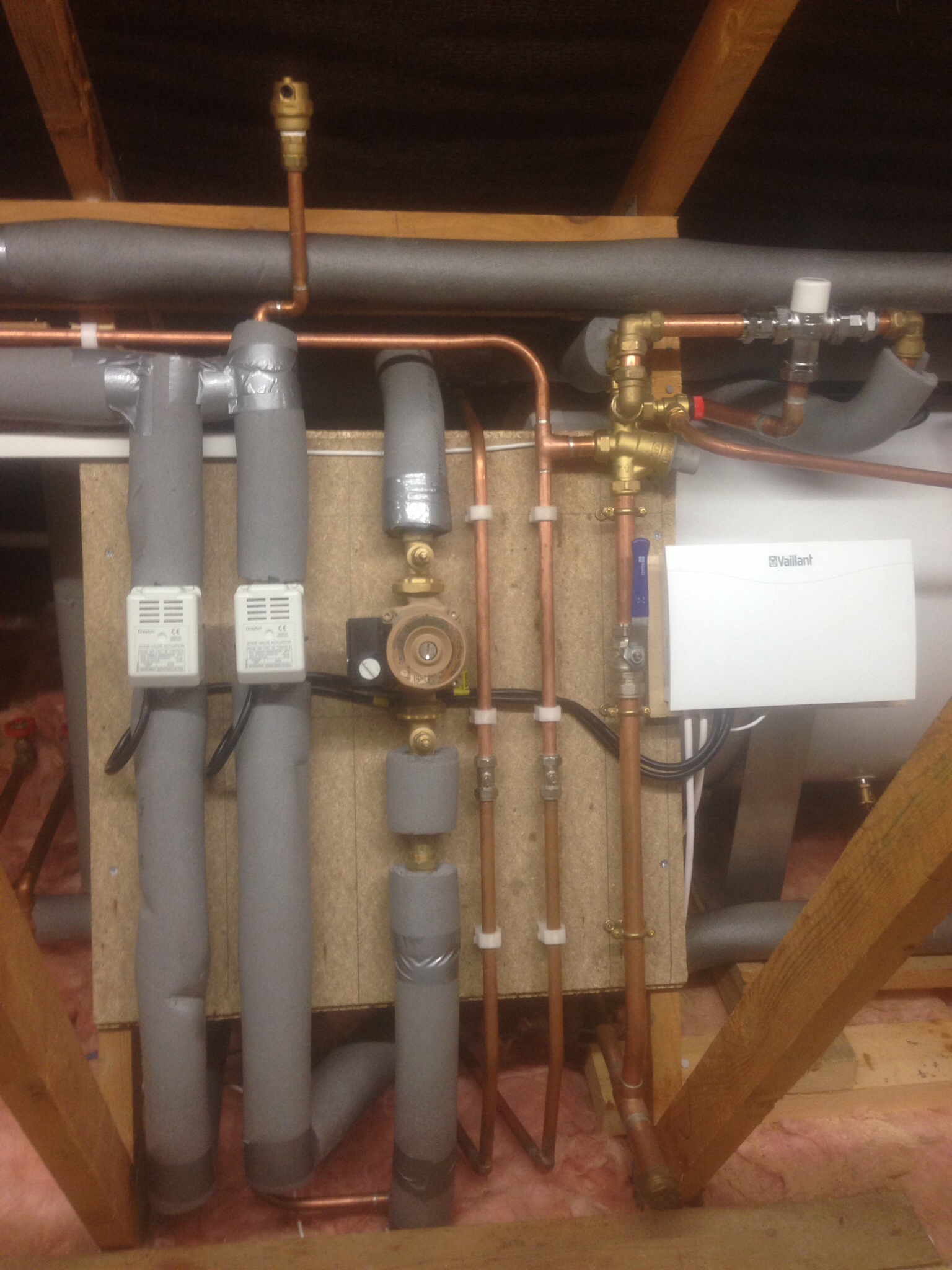
A few ASHP / UFH bits of information.
Nickfromwales replied to ProDave's topic in Air Source Heat Pumps (ASHP)
Your forgetting that @JSHarris does what I would do, and utilises the buffer as a DHW pre-heat via a PHE fed from a second set of tappings. For a dumb buffer I agree, as long as the ashp can draw back from the UFH water, as a medium to aid defrost, then a buffer with a unified slab circuit may well be ott. NOTE: This would be a very different argument in a regular British BR built house however, so we must remember that these 'disciplines' need to be taken as suitable for this topic alone. Just a nudge for the wider viewing audience. -
A few ASHP / UFH bits of information.
Nickfromwales replied to ProDave's topic in Air Source Heat Pumps (ASHP)
Iirc, @JSHarris has a wunda manifold which utilises a thermo / hydraulic head that requires no such differential as it's not a 'typical' blending valve. That uses a hydraulic probe which sits in ( again iirc ) the flow rail of the manifold and regulates the flow temp VERY accurately. ( his blog gives specifics ). -
Architrave options for tiled wetrooms
Nickfromwales replied to TerryE's topic in Doors & Door Frames
Painted hardwood is not a bad option tbph, and, as said, allows one to paint accordingly, rather than be stuck with whatever options are available with the plastic / PVC / metal 'generic' trims. I've seen wooden quadrant used in a half-height tiled bathroom, not wetroom, and it looked / worked very well. I am very much a fan of a pukka polished chrome ( mirror chrome not cheap ass aluminium stuff ) tile trim, but be ready to fork out £25-£50 and upwards per 2.5m length depending on size. Many people will instantly choke on that and say they're not paying those prices, but when your in the finished room looking at them, it's very hard to deny that they look absolutely stunning. -
Yup, agreed. Just ( wet ) sponge it back between layers and allow 24hrs between applications for it to shrink back.