
Nickfromwales
-
Posts
31373 -
Joined
-
Last visited
-
Days Won
345
Everything posted by Nickfromwales
-
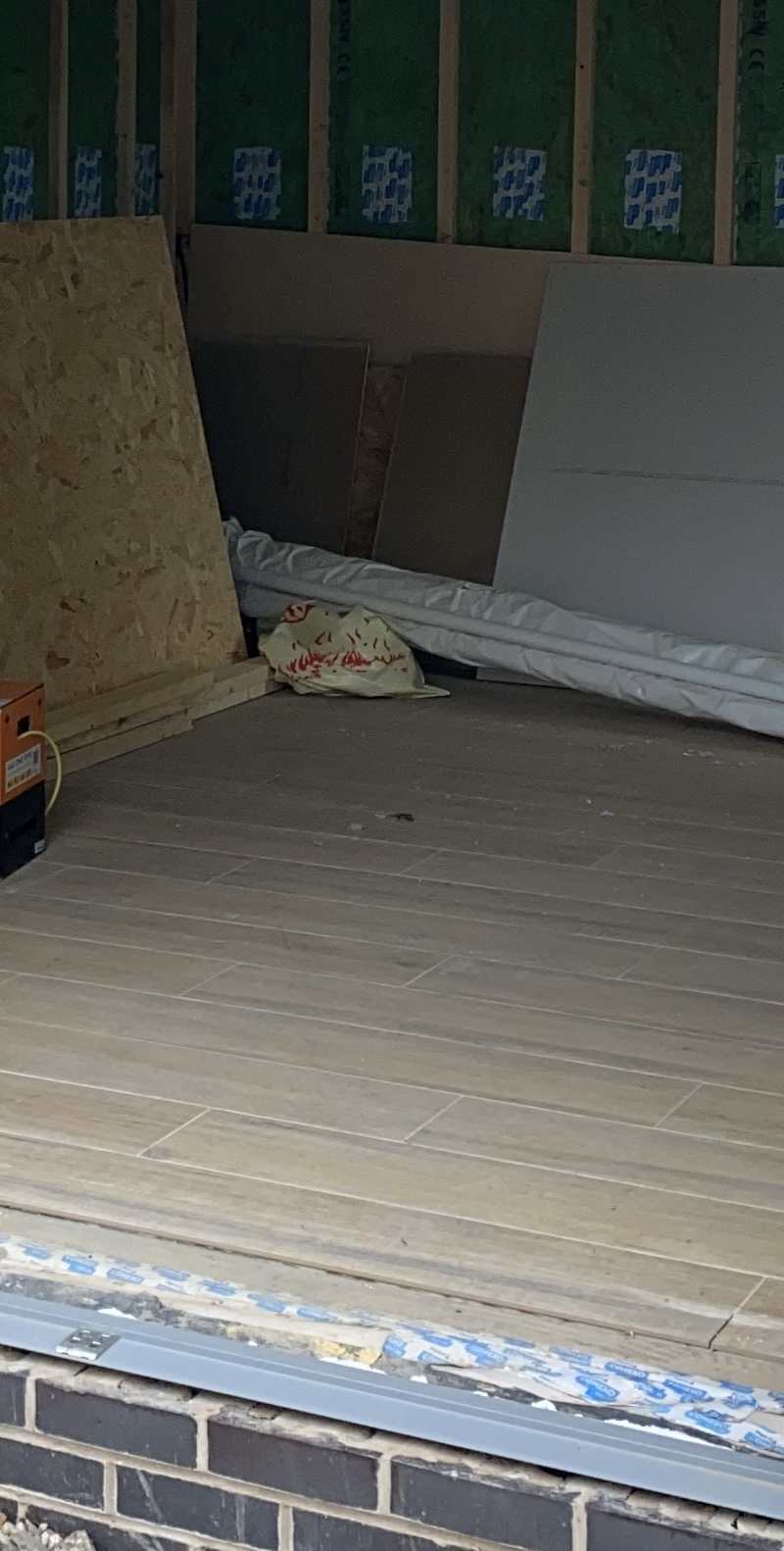
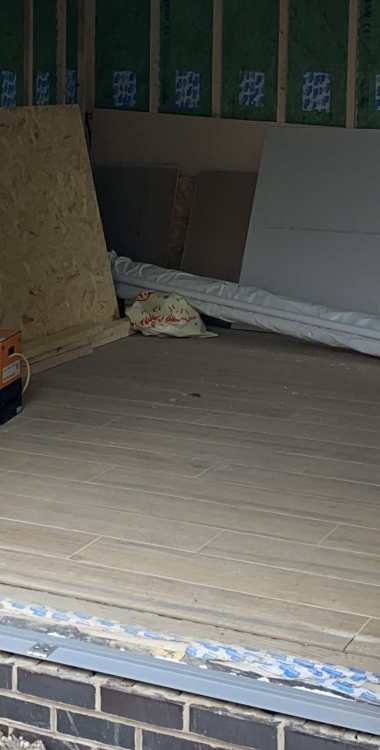
A pic of some we laid on a job, entire ground floor done, bar the lobby / hallway, to harmonise with the oak we used throughout. Not the best pic but one where light is on it. Darker grout may have been better, but that's the clients shout not mine. 1200x200mm iirc.
-
Prob best to add that eBay have upped their game these days; stuff I’ve sold recently has had to have been received by the buyer before they released the funds (~48-72hrs later!!), giving the buyer time to check that what they received matches the sellers description etc etc. If you buy tools then get them tested in this grace period, or don’t moan that you didn’t
-
One time use only!!!!!
-
You’re going to be bitterly disappointed when this works really well and doesn’t block. Lol.
-
I've bought a few used tools off eBay, from trusted sellers, and my "previously loved" 18v Makita recip saw has been in my possession for north of 6 years, and, as of yesterday, is still kicking like a mule. Message the seller, stating that you want the honest and complete appraisal of the item for sale. If they reply and say it's kosher, then proceed; then you have written evidence for recourse.
-
He would have been reversing his wanker-mobile out of the driveway at max power if he said this to me. What a dickhead!!!!!!!!! I think you are saying you fear the repercussions....? I once pulled one private BCO aside at a job on a sizeable and TV-famous site in Oxford, and told him directly that I would recommend the clients sue him for the expense of his unwarranted and bullshit 'frivolities'......... He left, and was immediately replaced with a higher 'partner'. He subsequently got the same "feck you" as his protégé. The clients were terrified they would then get 'repercussions', and I said it would be fine. It was fine.
-
If I couldn't give good advice, I would give you zero advice. I am on a 3 weekly rota for removing 8" long horse tails from my bath (shower over) plughole; 2 teenage girls with hair down their backs, and my plugholes...... Plumb as above, less any "access", and if that pipe blocks I will come there personally, FOC, and sort it. Don't get lost in this; try this bit of advice instead: Tell your better half to chuck some glad-rags on, and just head out to the local for some wine & dine. You'll thank me afterwards. 🙂. Life is too short, let the errant turds fight amongst themselves!
-
If it’s all boxed in, what is the (real life) point in bothering? I’ve a much more convoluted arrangement that I buried into the floor(s) of my bathroom. 9 years of 2 adults, 4 kids, and everything you could ‘throw at it’, never a moments trouble. How many toilet blockages have you had in the last 20+ years? And not the U bend of the WC pan, I mean in the pipework from the pan to the sewers…?
-
These things just don’t block; the flush velocity for the first 3-5m of pipe run is quite suffice to shift U571 along to its final destination.
-
-
It requires a methodical approach, and a lot of careful execution. Shower trays don’t typically break easily, more like mechanical damage or accidental dropping of things onto them. If you’re not having a shower tray then maybe consider a wet room former? You just set this in place with tile adhesive, test the drain for leaks, then screed to it.
-
It’s what we do.
-
That’s quite a choke point, as the internal diameter reduces significantly with those converters. I only ever use those if the stack is cast and I can’t replace it for whatever reason. These fittings are very reliable, assuming the pipe has been chamfered and the rubber seal lubricated correctly, and won’t give you any trouble. If @Super_Paulie is in this amount of turmoil, simply use the solvent weld single socket one linked above, and sleep well. FYI, I have used socket fittings inside residences for decades, zero failures. “Chill”. 👍👌
-
So, for completeness, Q: Who here has specifically treated their system with biocide?
-
 WHOA! Please define "vent", and DEFO post some pics before you begin doing anything
 -
Eh? These are bomb and bullet-proof! I've been using (therefore trusting) them for nearly 35 year You are perfectly fine using the 'push-fit' 110mm stuff, so relax a bit Gives you a bit of flexibility and wiggle-room vs the concrete solidness, and lack of forgiveness, of solvent weld.
-
MVHR Design And Install
Nickfromwales replied to Adrock's topic in Mechanical Ventilation with Heat Recovery (MVHR)
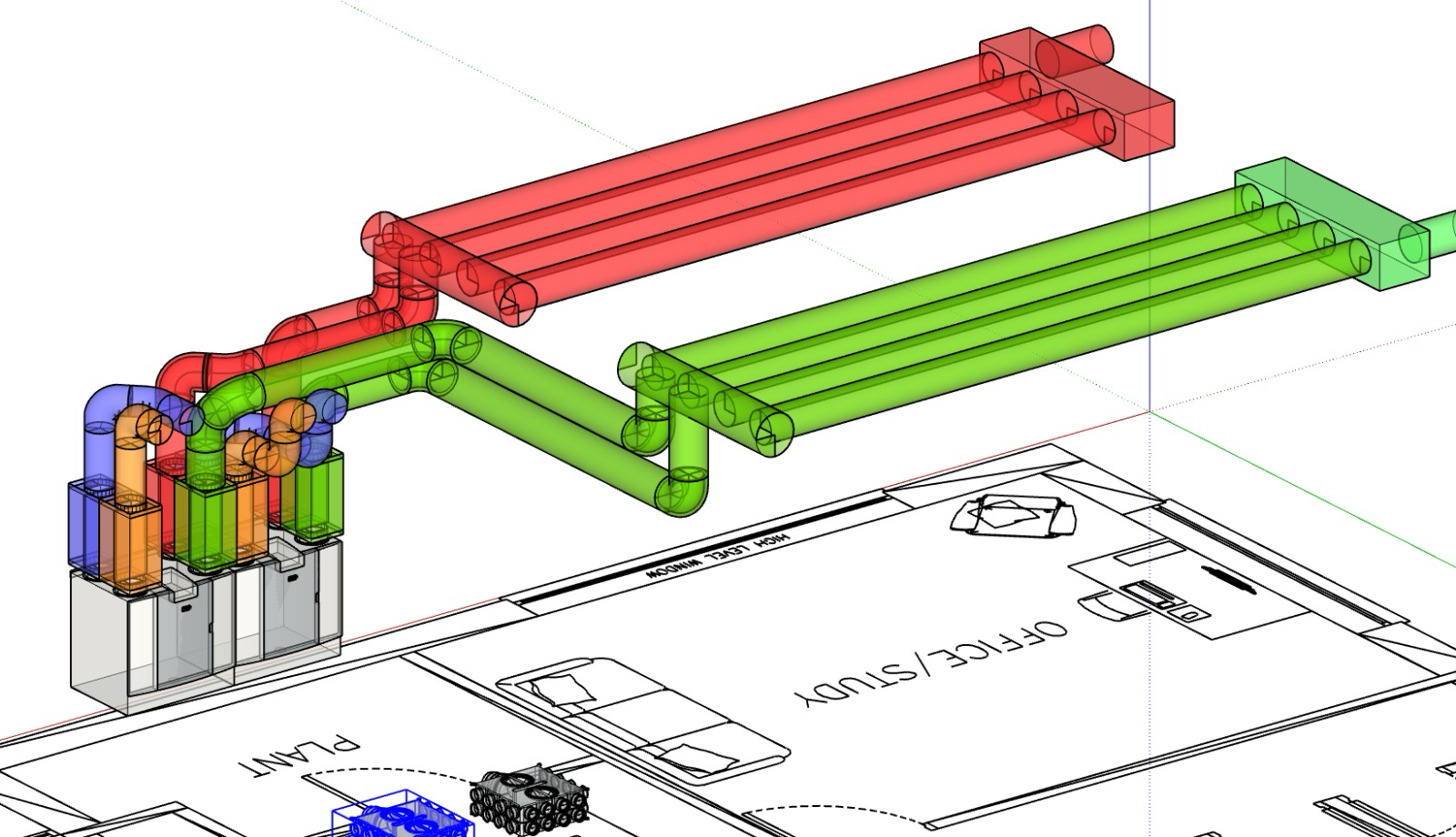
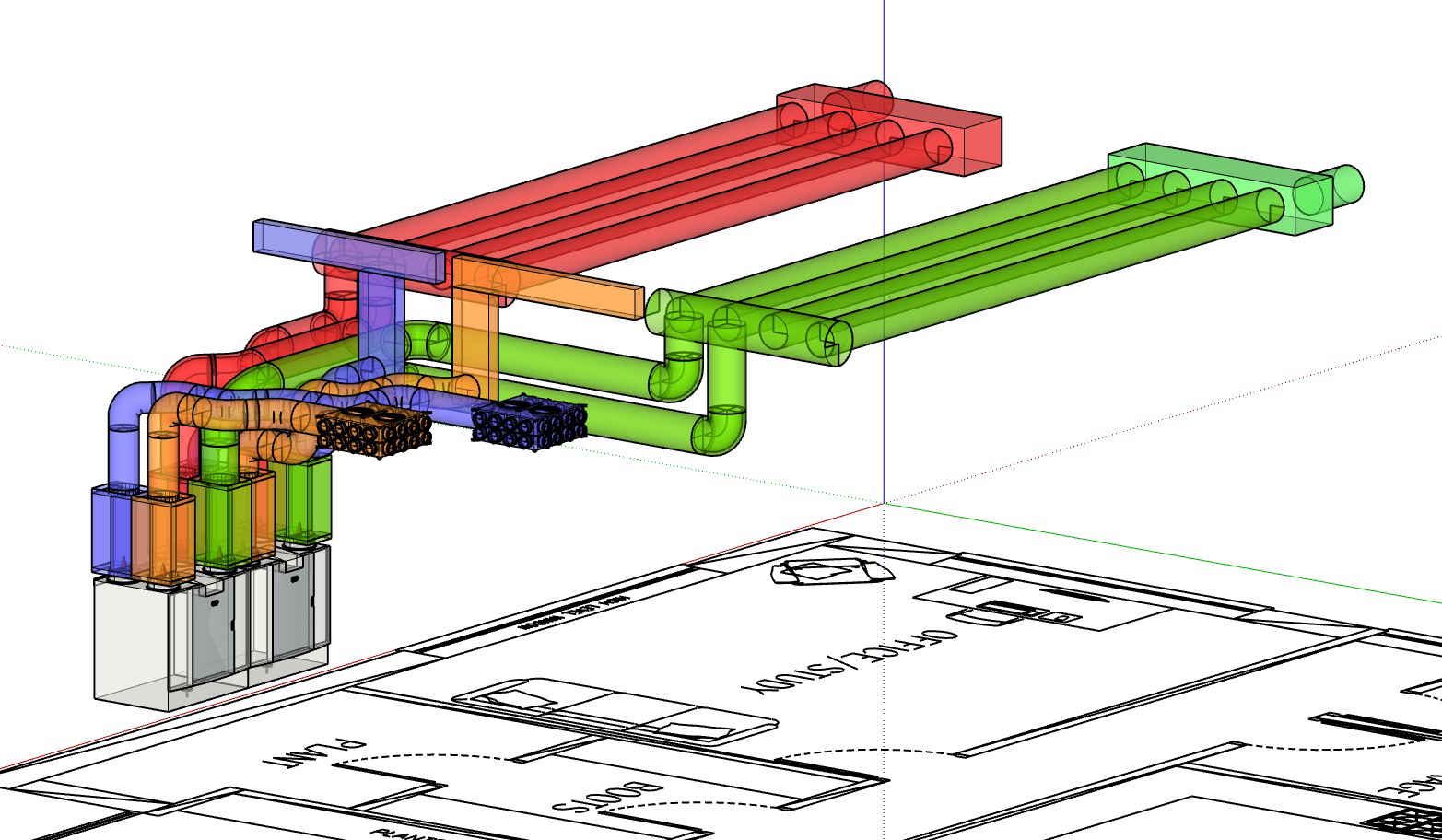
This is exactly what I have just designed for one of my current clients. Sizeable property, >400m2, so 2 units needed here. Beer is helping sooth the brain ache, after beginning the install today.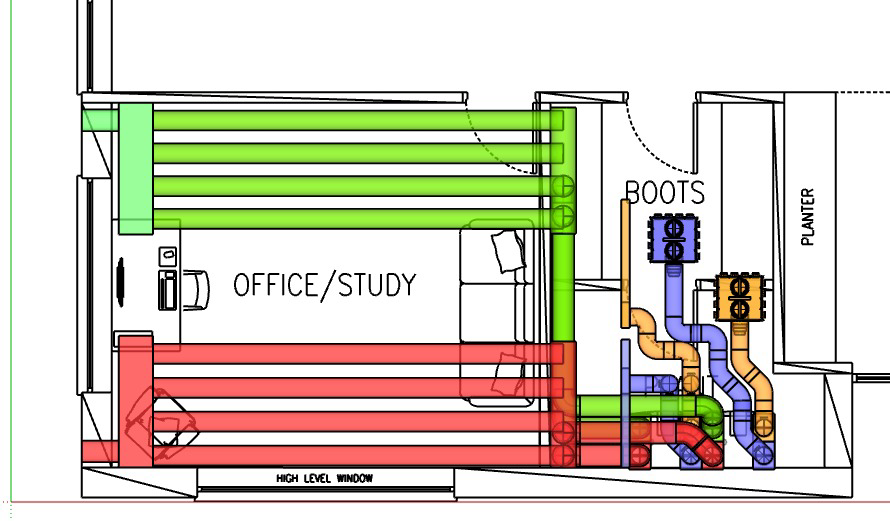
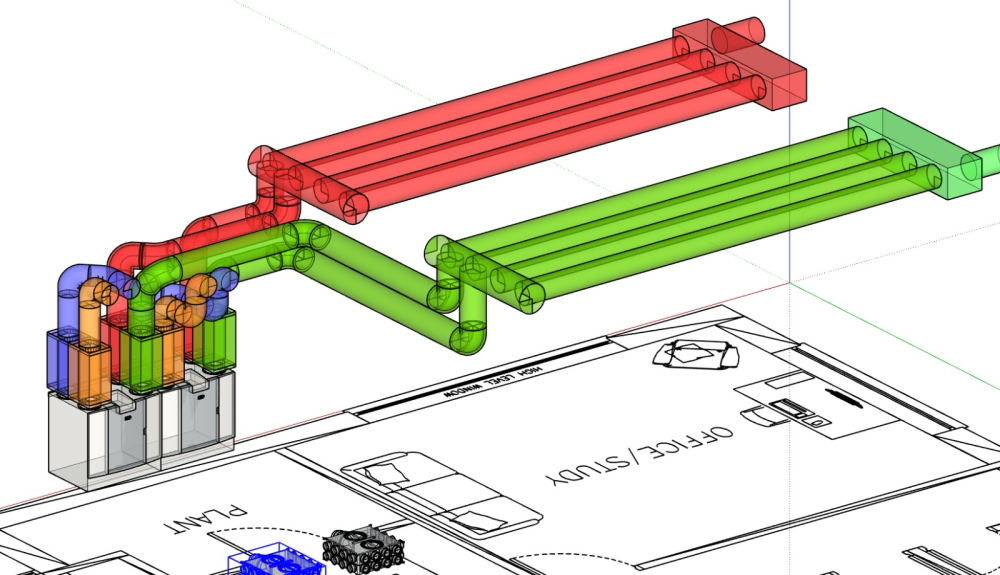
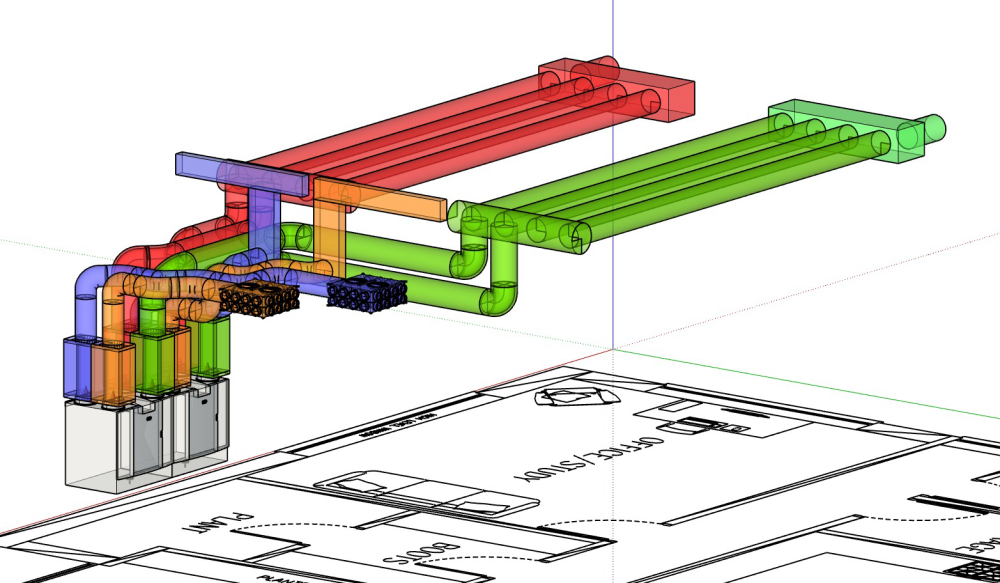
-
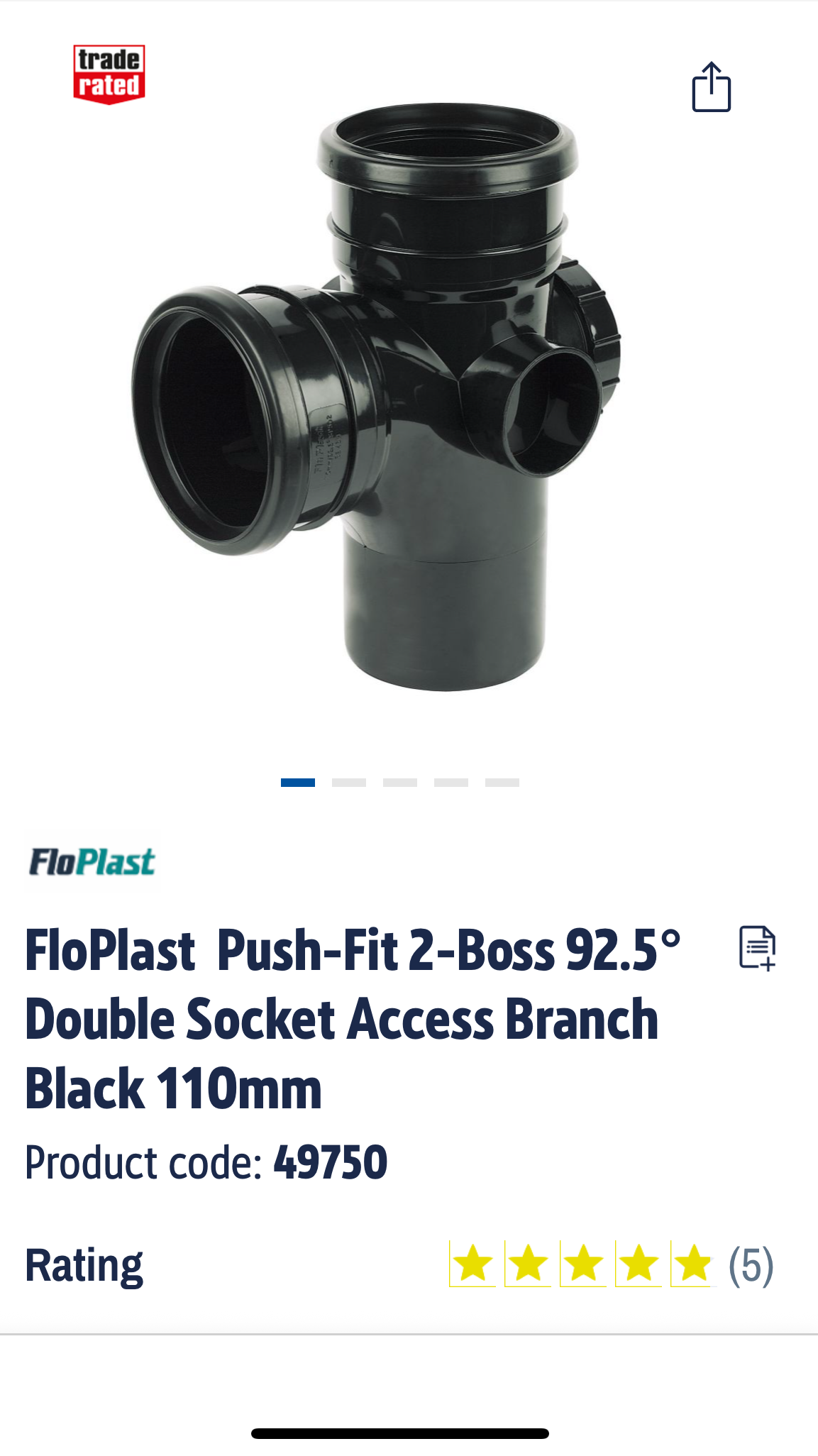
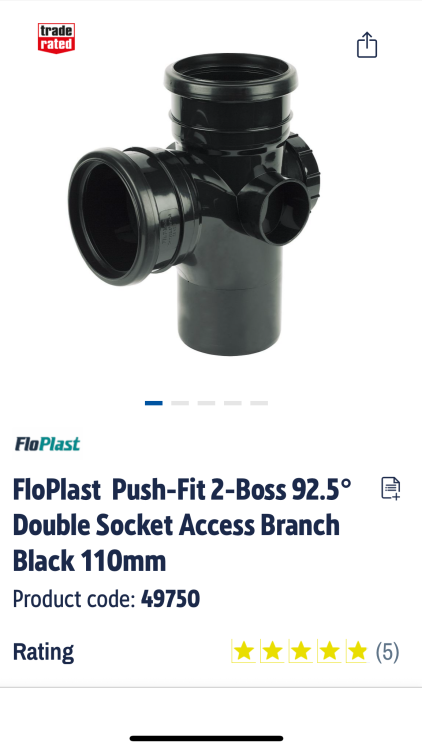
Yup. Or just a regular double socket connector needing zero glue?
-
Or this... https://www.screwfix.com/p/floplast-solvent-weld-3-boss-double-socket-short-pipe-grey-110mm/17138 ....if you need to glue it and push it down from above.
-
Something like this? https://www.screwfix.com/p/floplast-push-fit-3-boss-single-socket-pipe-grey-110mm/18246?msclkid=842481fd35ec11702792ebfa4ba05dd8&utm_source=bing&utm_medium=cpc&utm_campaign=Bing_UK_Shopping_PMax_Heating %26 Plumbing&utm_term=2331720565763883&utm_content=Heating %26 Plumbing&gclid=842481fd35ec11702792ebfa4ba05dd8&gclsrc=3p.ds&gad_source=7&gad_campaignid=22478593832
-
Good and bad (sad) news….. If you’re really stuck, my sparky travels. PM me if you need some interim support, or the job finishing etc. SLC looks good from here, and it is your floor layer who should now survey and advise; if it’s pretty good then maybe just a rub with a carborundum block may suffice, vs additional feathering with another compound.
-
Perfectly acceptable. Carry on. Run 50mm waste for the shower for that distance, and 40mm for the basin; reduce that to 32mm on the outlet of the last 40mm bend. Discharge will be much better than using 32mm to the basin from the stack 👌
-
The fitters should be using (should have used) industry recognised practices for measuring moisture, not a £20 B&Q tester. Likelihood is that they’d never be employed if they tell every client that the slab isn’t dry enough to lay……so maybe an incentive exists to do the most rudimentary test possible.
-
Structural Engineer for Outbuilding and Pool
Nickfromwales replied to phykell's topic in Surveyors & Architects
I specified a ‘sump’ in the space under the 5x15m pool, in the basement, to house all the ‘pool paraphernalia”, so if anything failed the entire contents of the pool could be evacuated quickly. I combined that with the drainage system from the basement, and did the pump set in triplicate for redundancy. Gave me and the SE a headache or 3! I planned to use UFH pipes in the base and lower sides of the pool walls, to minimise the impact of the pool plant space needed. Was an interesting idea, and was received well, but apparently not very common in ‘usual’ pool builds; seemed ideal for one done in ICF though. If you need a very good ICF guy who’s fluent with pools and basements etc, send me a PM. 👍 -
MVHR Design And Install
Nickfromwales replied to Adrock's topic in Mechanical Ventilation with Heat Recovery (MVHR)
It’s just a pair of ducts, and always better to split if a bit of perseverance is all that's required. If not: https://www.fastlec.co.uk/zehnder-2x160mm-right-hand-external-wall-grille?utm_campaign=smartsh&gad_source=1&gad_campaignid=17190426677&gbraid=0AAAAAD8Nz9fu_eyDURmwcHW6P3dpk3hDY&gclid=Cj0KCQjwiJvQBhCYARIsAMjts3Imbzib3ncRTTalOOZ3KgS2mHzKVr_TKBRUixo1vAQCZhQOe8lJffUaAoctEALw_wcB Expensive but good. You can buy RAL coloured spray paint to get it colour matched if necessary.