
Dreadnaught
-
Posts
1819 -
Joined
-
Last visited
-
Days Won
5
Everything posted by Dreadnaught
-

Beam and block alternatives (clay/ground heave)
Dreadnaught replied to DannyG's topic in Foundations
Dwelling footprint is 125 m² approx. A bungalow. Prices from 2020 through to mid-2021. Foundation design: £1,762, no VAT. Screwpile design was £780 ex. VAT. 26x screw piles were £7,886 ex. VAT. inc. delivery. Screwpile installation was £3,840, no VAT. Raft installation was £16,240, no VAT, including the concrete & steel, etc., but excluding the insulation and heave protection panels. Insulation (PIR): £3,421 ex. VAT. Heave protection panels: £2,400 ex. VAT. Hope that helps. -
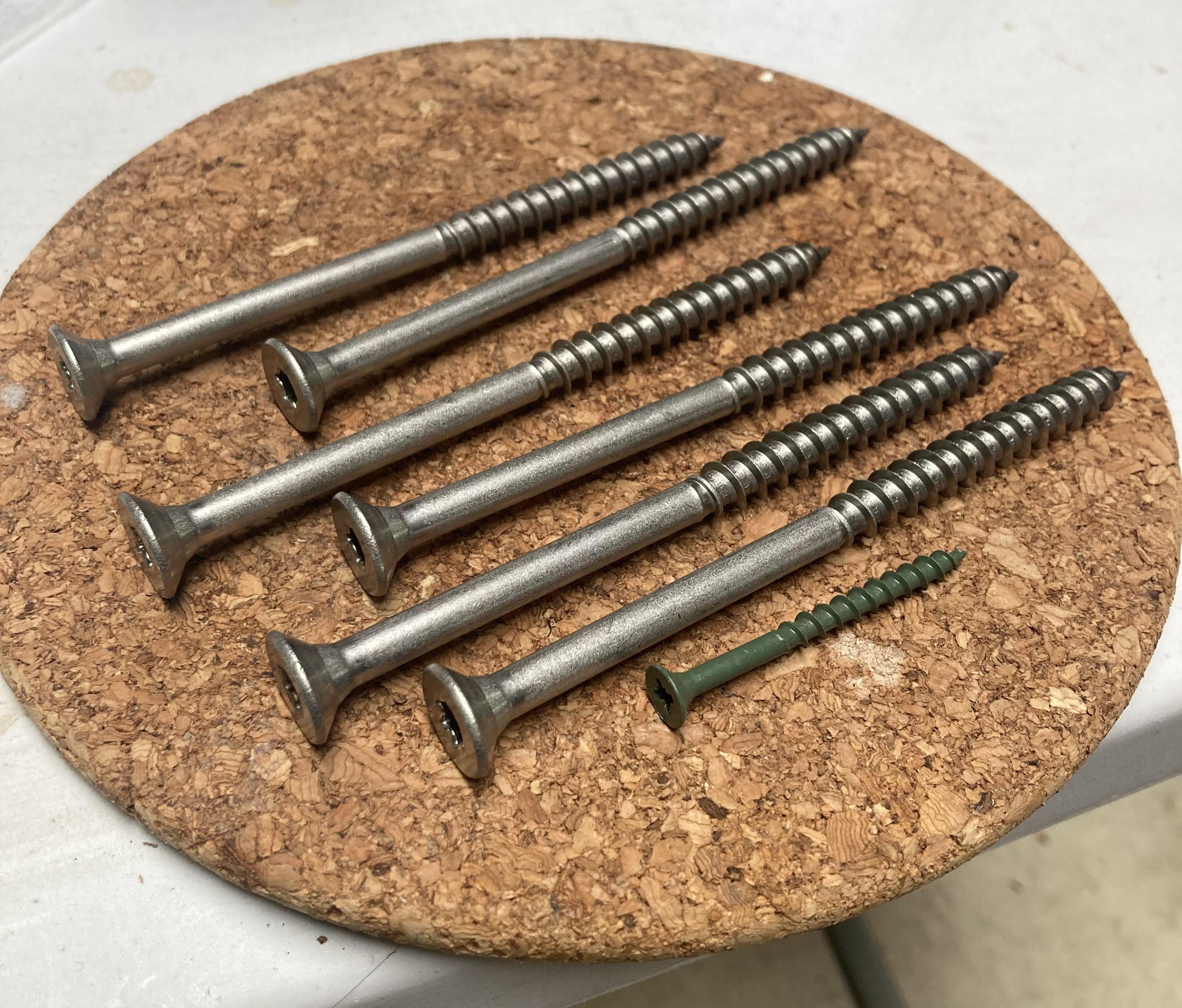
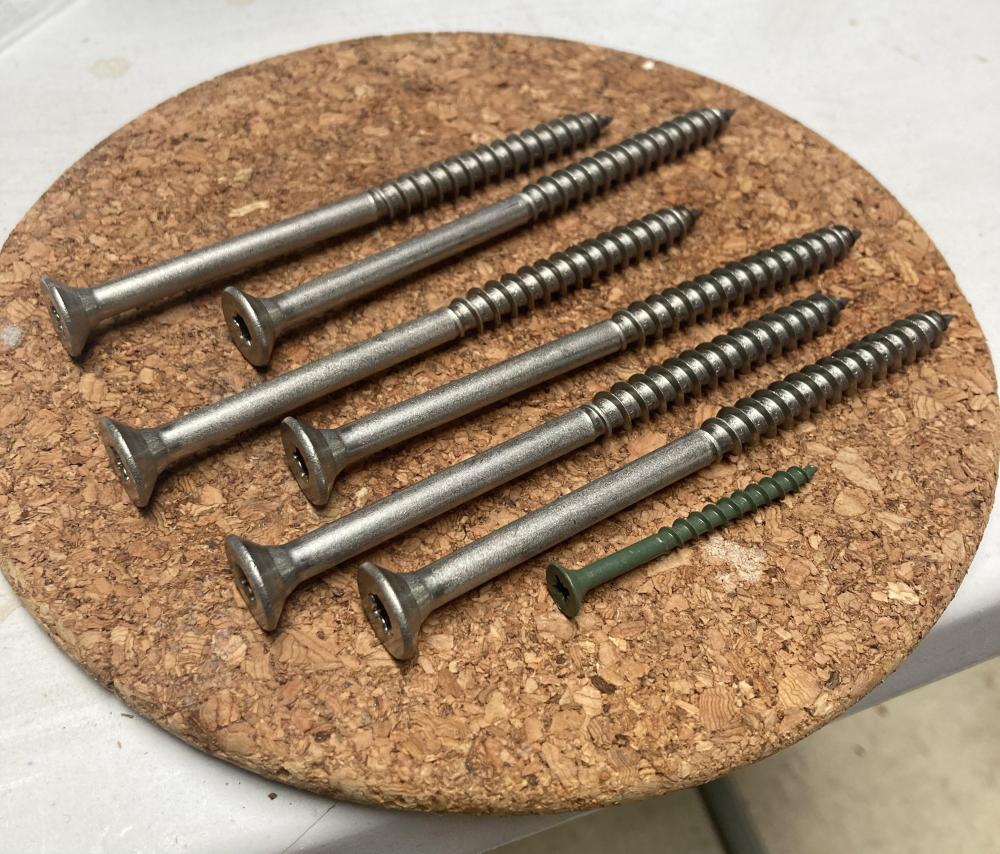
These big boys arrived today (normal 50mm screw included for scale) … should do the job I think … Thanks for all the advice.
-
Beam and block alternatives (clay/ground heave)
Dreadnaught replied to DannyG's topic in Foundations
I have a cellcore-alternative in my build. With screw piles, as I have, then it doesn't get attached, no. And it does need to be. And it doesn't matter if it sinks anyway so long as it stays in place until the concrete sets. The cell core is there to create a void while the concrete sets. Afterwards, it does not really do anything other than "be a void". The concrete & piles holds the building up. If the cell core sank, it wouldn't matter. You'd have a bigger void. However is it is unlikely to sink. In reality, when ground is excavated to make space for the cellcore the soil will slightly heave anyway, quite naturally, as the pressure of the overlying soil has been removed. This is not the major tree-based heave you are guarding against, just a very slight reactive heave. -
Beam and block alternatives (clay/ground heave)
Dreadnaught replied to DannyG's topic in Foundations
I has the same issues: heave-risk and tree roots. Chose to have screw pile foundations to a concrete raft foundation. My raft is technically suspended but actually at ground level. The concrete sits atop the pile caps. I found the screw piles to be one of the easiest parts of my build so far. All of the experts involved were good. And I thought the cost was reasonable. Happy to provide further insights if helpful. -
Good point. I have found other stainless steel screws to be quite soft and its easy to sheer off the head with an impact driver.
-
Good point @Temp. I do have a flask of creosote to hand. Already used it on the cut pieces on my fencing. I could dab some on the battens after using the planer. And fortunately its the good-old stuff that works that they don't sell anymore.
-
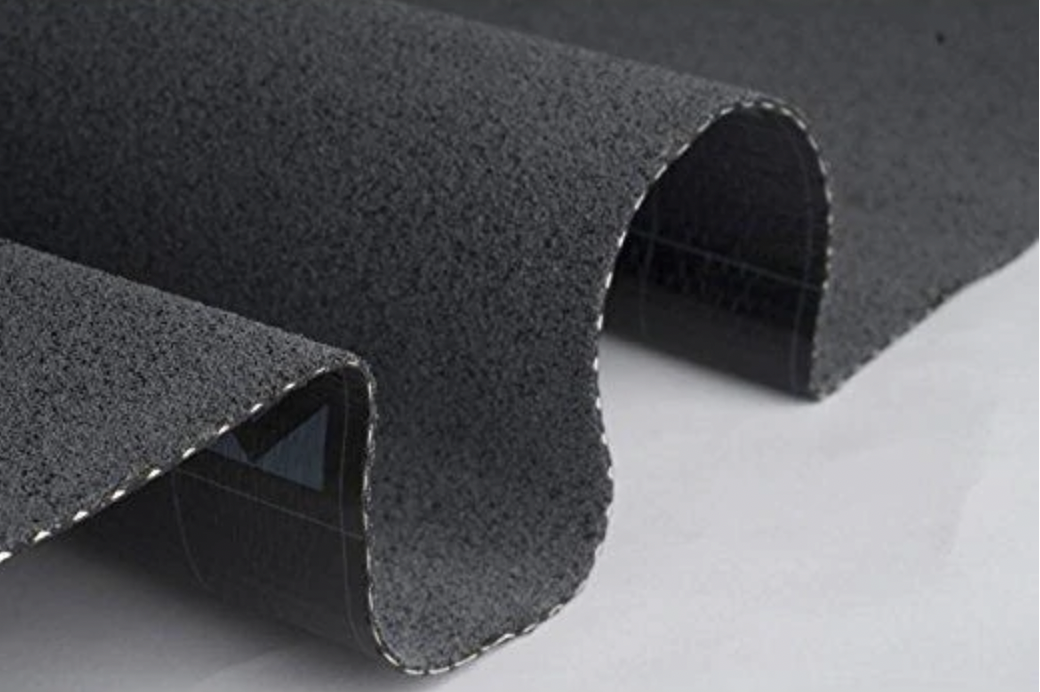
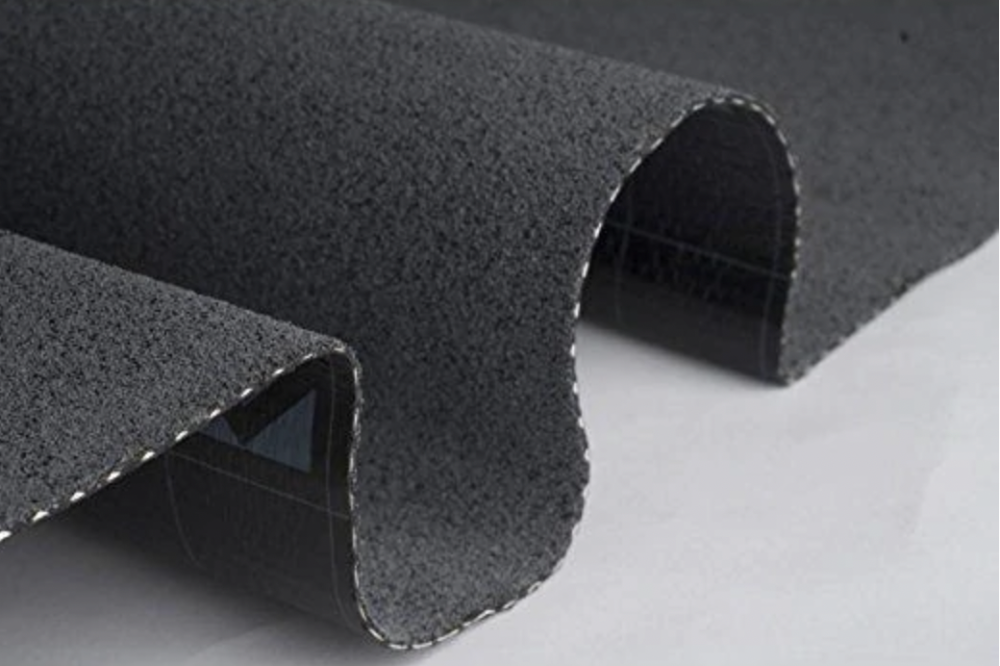
I've decided to use this fake-lead roofing product to protect the edge-insulation of my raft foundation. A convenient place to fix the fake-lead at the top is to the 50mm-timber soul-plate at the base of my timber frame. However, it occurred to me that the the sole plate is above the DPC. Would I be bypassing the DPC by doing this? Is this a big "No No" 😱? (I could just add a length of DPM behind the fake-lead just in case.) The fake lead is a Ubbink product (Ubiflex) …
-
What a story, @ToughButterCup! Inspiring and terrifying in equal measure 😄 But seriously, that gives me a good idea of what to expect. Thank you. What was your cladding? Timber planks? Did the fastidious approach show well in the final result?
-
Thanks guys! Does anybody glue their screws/bolts, belt & braces? I found these online. 120mm long, 8mm (size 16) thread, stainless steel. https://www.accu.co.uk/torx-countersunk-chipboard-screws/68993-SHKC-8-120-A2 What do you think?
-
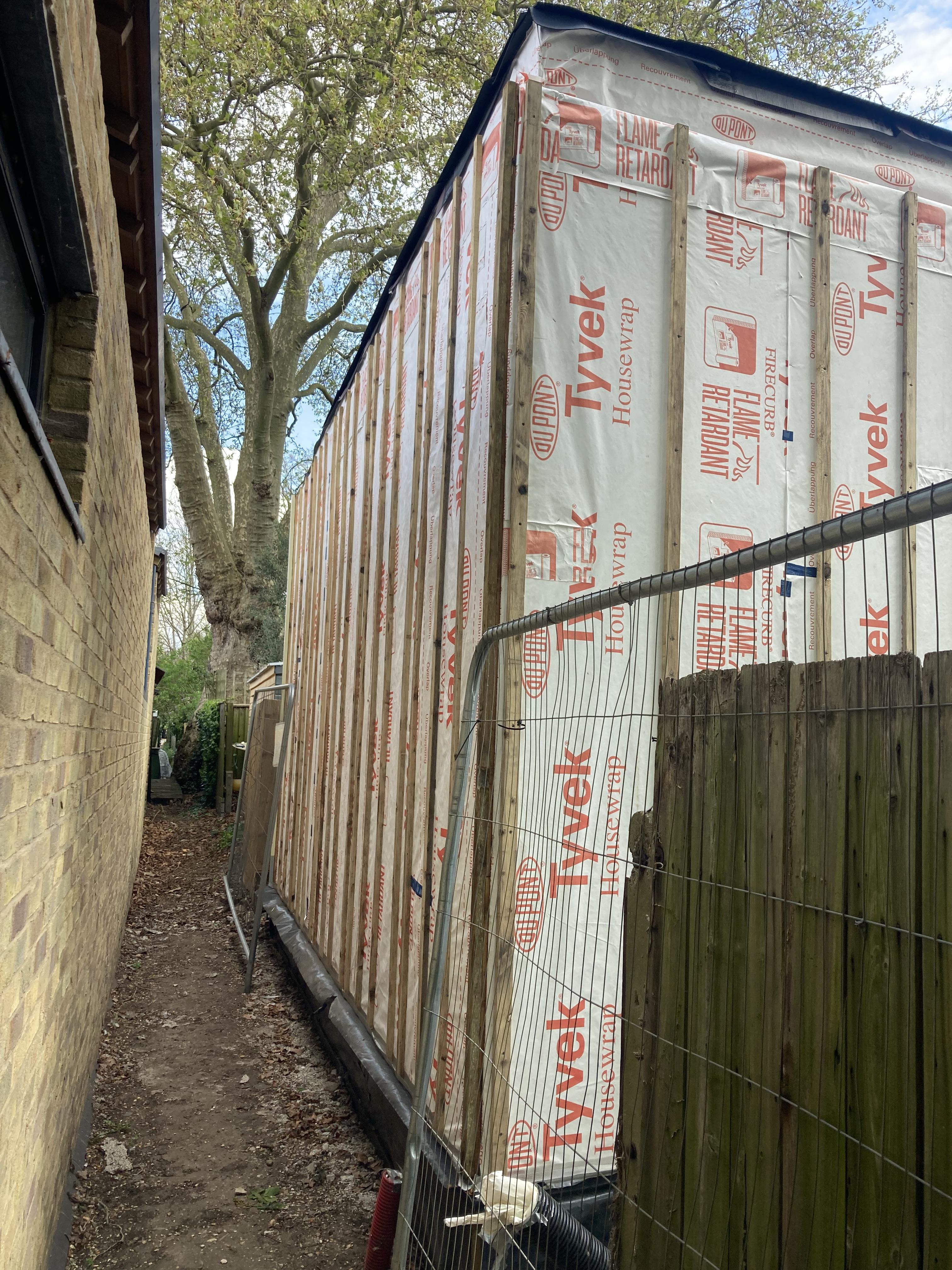
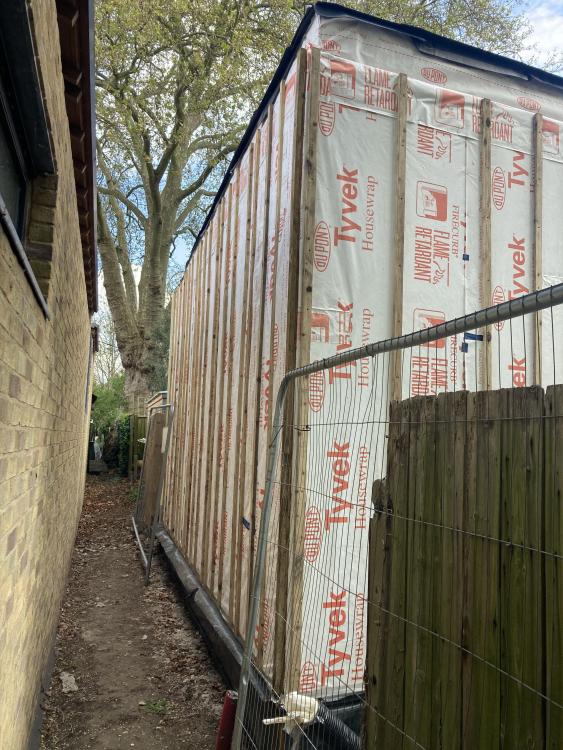
I'd love some guidance from the great people here. Its about battens for external brick-slips cladding and how to get them flat and true. I've got most of the battens up and and all is going well (see photo). But inevitably I've found a couple of bulges in the racking board which I could try and flatten out. The battens are screwed not nailed so I can easily remove them, Is the best approach to pack the battens with plastic packers for the low spots. And use a cheap electric planer on the battens for the high spots. I can buy a planer from Screwfix for £35. Am I along the right lines? And I'm thinking to aim for a tolerance of 2mm at most. Is that OK?
-
I'd love some guidance from the great people here. Its about battens for external cladding and how to get them flat and true. I've got most of them up and and all is going well. But inevitably I've found a couple of bulges in the racking board which I think I should flatten. Is the best approach to pack the battens with plastic packers if they are a bit low. And if they are a bit high use a cheap electric planer, which I can buy from Screwfix, to take a few mm off them? I'm thinking to aim for a tolerance of 2mm at most. Is that enough? Am I along the right lines?
-
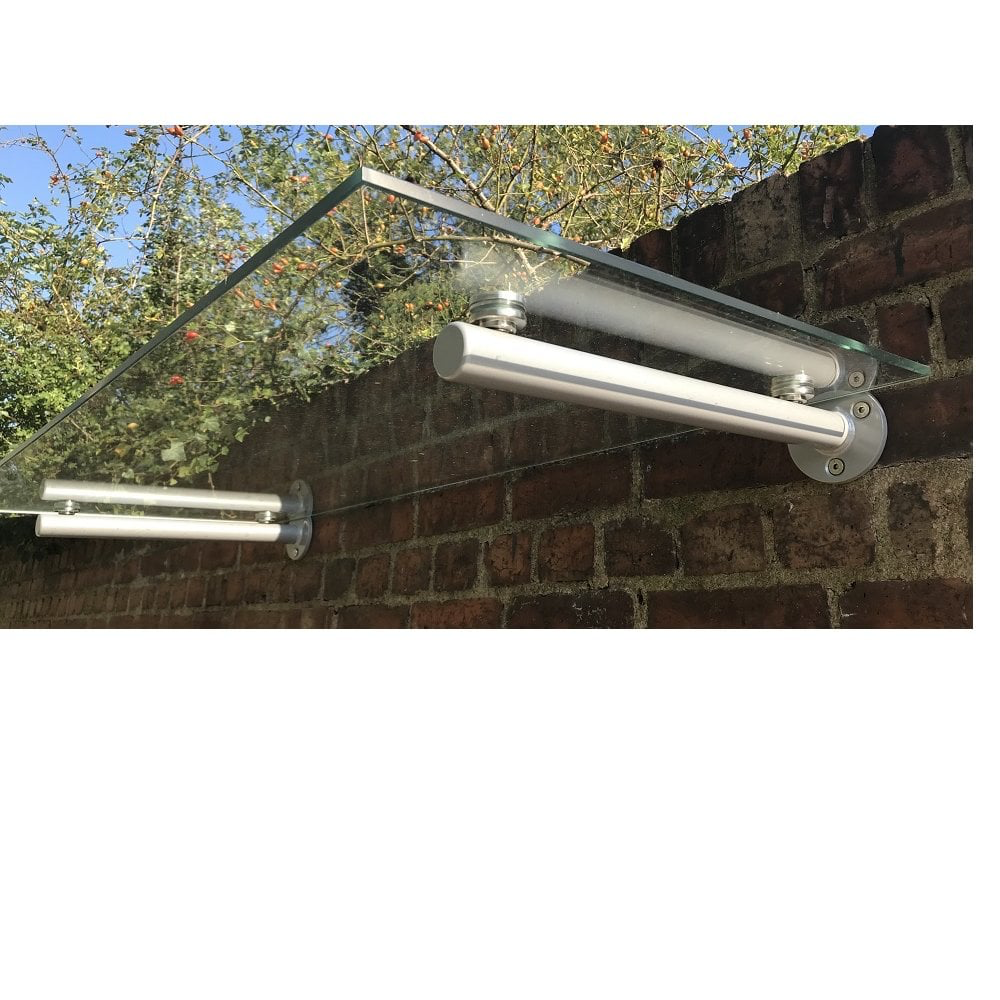
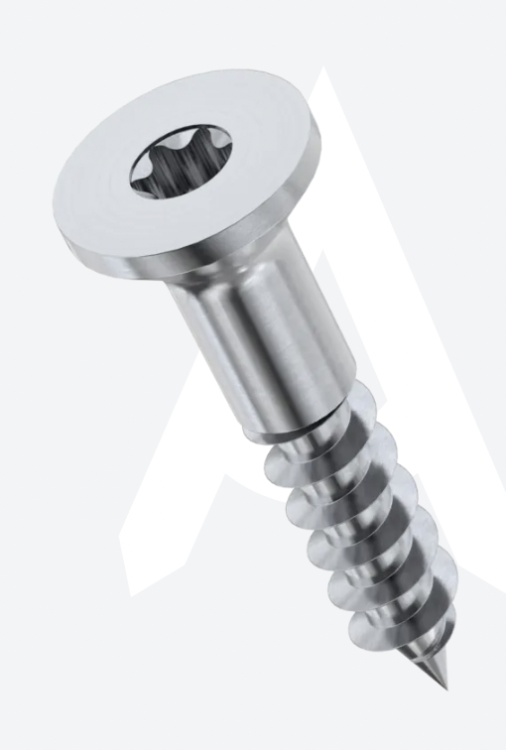
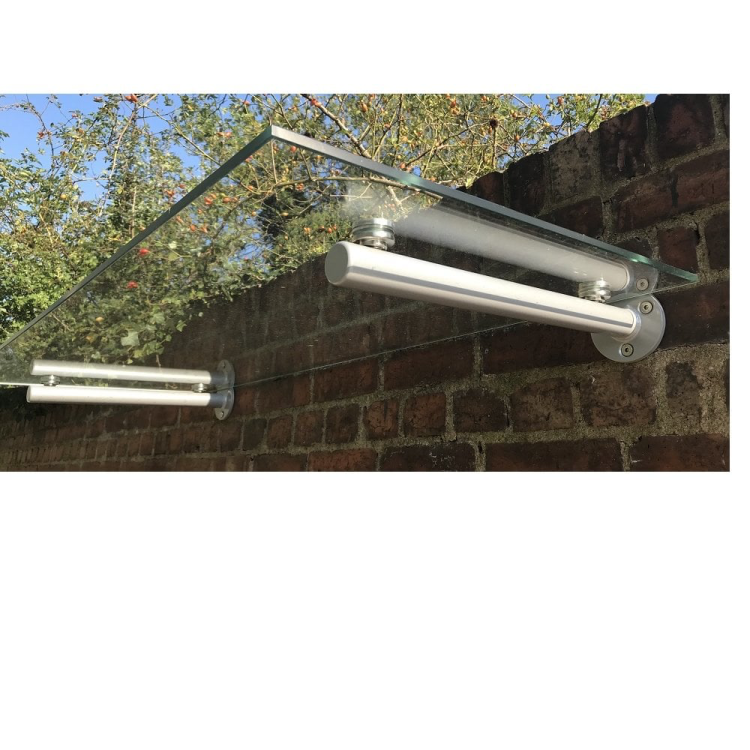
Could do with a bit of guidance from the great people here 🙂 How do you secure a bolts in to a timber stud for a canopy? I've bought my entrance-door canopy (to comply with Part M, stock photo below), which takes 3x bolts for each of its two brackets. I am wondering how to attach the canopy in to the timber stud to above my entrance door. I will be screwing into a triple stud of 45 x 240 structural timber. The fixings will go through the cladding (brackets > brick slips 15mm > backing board 10mm > batten 19mm > sheathing 9mm). I am thinking of stainless m8 boltsfor a strong fixing into the studwork: 120mm, countersunk stainless steel. Do I glue in the bolt in to the stud? Any help much appreciated.
-
Recomended suppliers
Dreadnaught replied to hotnuts21's topic in Mechanical Ventilation with Heat Recovery (MVHR)
I've PM'd you, @hotnuts21. -
2000 x 800, triple glazed, installed directly above the galley of my kitchen. Natural light for chopping the onions.
-
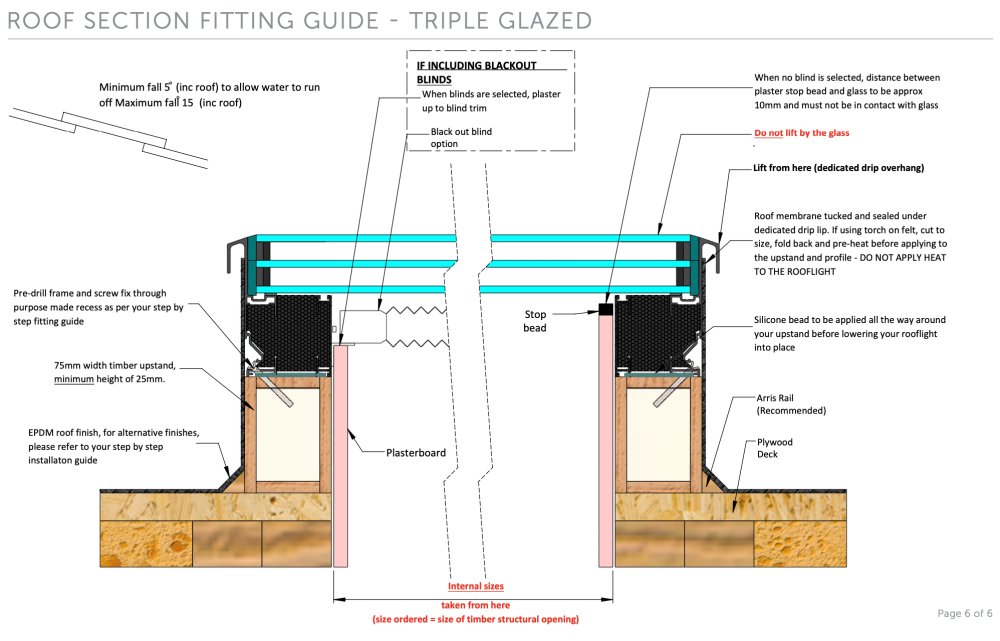
No, not pre-produced by the manufacturer. It is for the customer to make their own up-stand. In my case I entrusted the up-stands (all nine of them, and complete with their 5º fall) to my timber-frame designer and the up-stands were installed along with the rest of the timber frame. All I had to do was plonk the rooflights atop with some glue and screws. It was an easy install. In fact the biggest challenge was not the up-stands or the installation. It was getting the biggest of the rooflights, at 152 kg, on to the roof in the first place. (I am sitting under that rooflight now as I type this.)
-
This is for my flat roofloghts (I have nine in my new build). Hope it helps.
-
Tangentially related to this is I read that one of the effective ways to guard against PEN faults on an EV charger is to use the piles of a raft foundation (which are connected to the steel rebar and mesh of the raft itself) as the earth. I might do this. It is superior to using any earthing mat to achieve an earth resistance way below 2.2.Ω, as required.
-
Thanks for your comments, everyone! I am still debating what to do. Whether to put conduits behind the cladding in advance. Or whether it will be easy to run cables later so that conduits aren't needed. Any other comments, or real-life experiences with cables behind cladding, would be welcome.
-
Hi everyone, any thoughts on this? ↑ 🙂
-
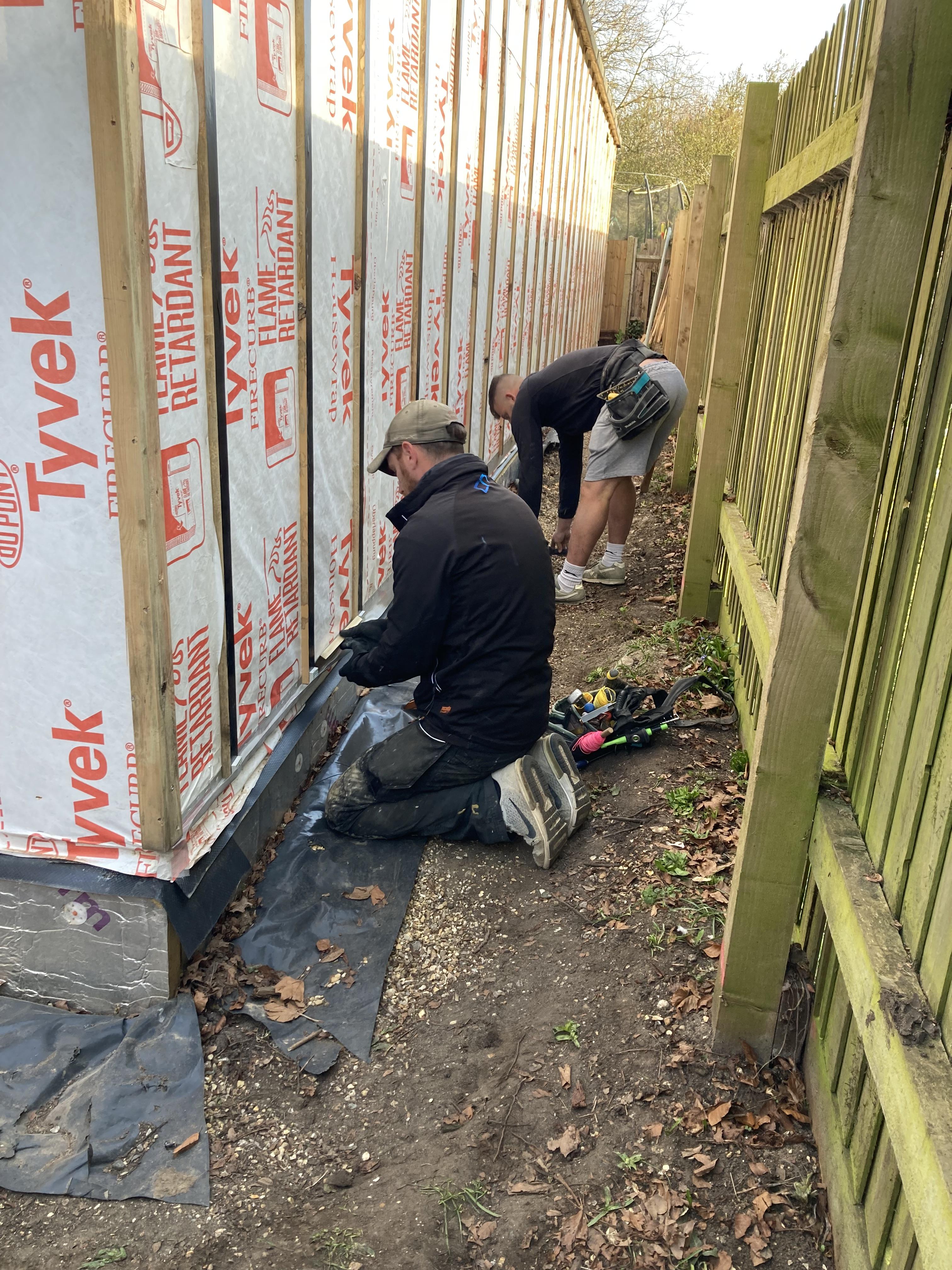
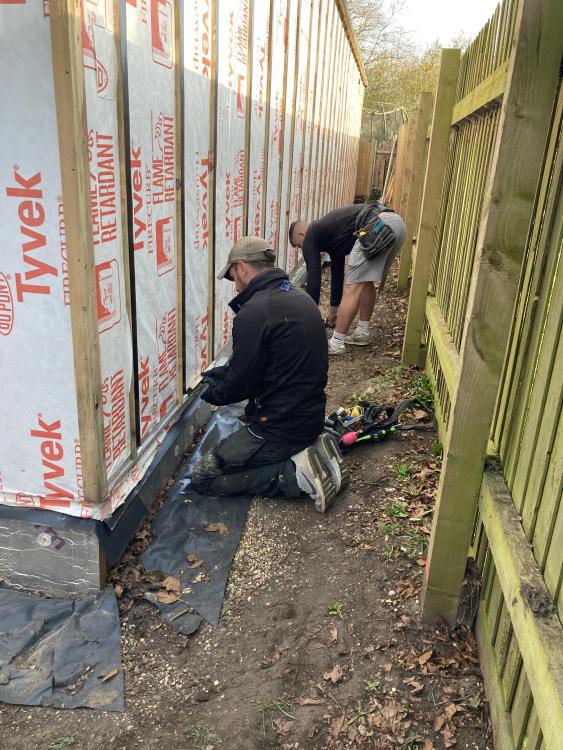
I have question about cables behind cladding, in the ventilation gap. I will be installing the cladding after Easter. It will be brick-slips cladding. The build up will be: 19mm battens, large cement-board backing-panels, and finally the brick slips themselves. Plus insect mesh top and bottom. The question is: in that 19mm ventilation void, how can I later run cables (for lights, CCTV cameras, maybe a WiFi access point, and so on)? I would run each cable vertically from the position down to the base of the cladding, then to underground ducts already buries that all lead back to my plant room. (I don't need to drill though the timber-frame wall.) And I'd prefer not to pre-select the position for the items now so its the general principles I am after. Should I perhaps run some oval conduit in the void in multiple locations just in case? Or not bother with conduit and just feed the cable through the gap later? What have others done? Photo of some battens on my build ↓
-
@thefoxesmaltings, 22 companies is an impressive number. Out does me. Your approach sounds good & thorough. Best wishes. An exciting journey lies ahead.
-
I know and have met some of the designers. And my architect was, I realised after I chosen her, an ex-TF designer for a number of the TF companies. And, as I mentioned, I had a very good relationship with the designer I ended up using. Most TF company use outsourced timber-frame designers that work between multiple TF companies (as they do with engineers). Only the biggest ones (such as MBC) have them in-house. But even they are all ex-freelancers and even they have a lot of turnover. The TF systems are actually pretty generic. Any good TF designer can design for any system. The downside of going by your approach in my opinion is that the some TF companies ration access to the designer. I found I wanted lots of access to mine to tweak the design over many months, and even went back to him during construction phase on a few small issues. I would not have been happy with restricted access via an "customer account manager".
-
May I offer a different perspective. I favour panellised factory-built frames, erected on site, not stick build. The next time I do a timber frame, I am considering not going to the TF manufacturers for tender. But instead going straight to the timber-frame designer. I I have found a good designer via the company that erected my current frame and I would then work with the designer to tweak the frame to my satisfaction and then tender it among the frame manufacturers (including ones recommended by the designer, who knows many of them). This reverses the typical process whereby the frame manufacturer chooses the designer for you. Are those drawings specialised frame designs? Or are you intending that the winning frame manufacturer translate the drawings in to another set of drawings of the frame design with their own chosen frame designer?
-
I will happily defer to @nod and others for the answers. I haven't started my metal framing quite yet, hopefully after Easter.
-
This? https://www.toolstation.com/stick2-contact-adhesive/p47790