SteamyTea
-
Posts
23850 -
Joined
-
Days Won
200
Everything posted by SteamyTea
-
Long time since I was in the health and leisure industry, and we did not sell pools. Ask for 25% of the house asking price because it has a pool. Then fill it in. Cost about a fiver to go to a bigger, cleaner and much safer council run one.
-
@joe90 will tell you how to win at appeal, he had loads of trouble with planning. Timber frame is initially fast. Then you can finish at your leisure. Consider getting loads of PV on the roof at this stage, that will, to a certain extend, set the orientation and the roof angle, and banish things like parapets, chimneys and anything that caused shading.
-

Getting advice on airtightness
SteamyTea replied to Helen2's topic in Mechanical Ventilation with Heat Recovery (MVHR)
Why I was suggesting others but one. There is a new 'pulse test that has been approved. Compressed air is released, then the pressure profile measured. Similar to farting under a light blanket, or so I am told. -
Alternatives to silicone for fitting sinks
SteamyTea replied to markocosic's topic in Kitchen Units & Worktops
Epoxy resin. -
Getting advice on airtightness
SteamyTea replied to Helen2's topic in Mechanical Ventilation with Heat Recovery (MVHR)
Spend a grand and keep testing. Then rent it to others. https://www.ebay.co.uk/itm/164767790472 -
Try without a dimmer and see if it is still noisy. I think there are two basic types of dimmer, leading and trailing edge. No idea which is best. I get my LEDs from Poundland. They work a treat.
-
Could be a job lot to do a new housing development. Cheaper to buy a pallet than the actual numbers needed.
-
3 main reasons. Incompatible resin type mixes. Poor preparation. Thermal expansion and contraction. My guess would be the first one.
-
Could just be two old 275W ones Bosticked together.
-
Grand Designs, the street: Graven hill
SteamyTea replied to ProDave's topic in Property TV Programmes
Can hold my breath for 2 minutes 35 seconds, while holding a full conversation in BSL. What makes me so popular with the ladies. Stimulate mind and body. -
Durisol - in administration
SteamyTea replied to PeterW's topic in Insulated Concrete Formwork (ICF)
Mine comes from the amateurish looks of them, and all you wrote about them. I have seen better formed fake Weetabix and Shredded Wheat. -
Grand Designs, the street: Graven hill
SteamyTea replied to ProDave's topic in Property TV Programmes
Luckily mine a webbed, no one knows the difference. -
Grand Designs, the street: Graven hill
SteamyTea replied to ProDave's topic in Property TV Programmes
You aspire to get fingers like @ToughButterCup. -
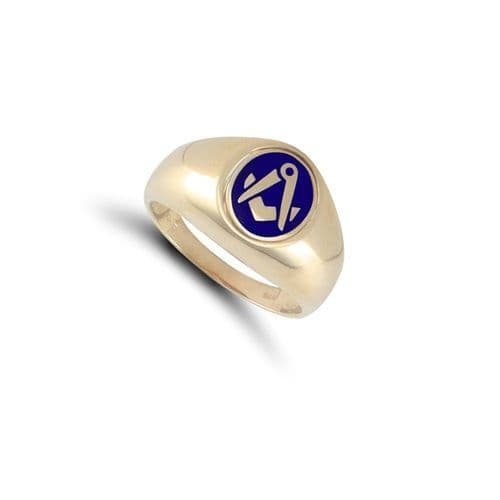
This is the Masons, not the golf club where they 'like to play around'.
-
If you really must get a draughtsman, look at their fingers. They know how to dispose of debt as well.
-
Our @joe90 has a CAD system that he drew his whole house up with. Called Crayon Assisted Design. you don't need to have computer printed stuff.
-
Cornwall got to you then. While not mechanically heated, it will still have a temperature gradient that can cause condensation problems.
-
What is the verified standby current.
-
Time flies when you still haven't finished a renovation
SteamyTea replied to Mears's topic in Introduce Yourself
Time flies like an arrow; fruit flies like a banana- 1 reply
-
- 1
-

-
Working on reducing mains power by best use of PV (without batteries).
SteamyTea commented on Marvin's blog entry in ASHP, MVHR, PV and EV combo
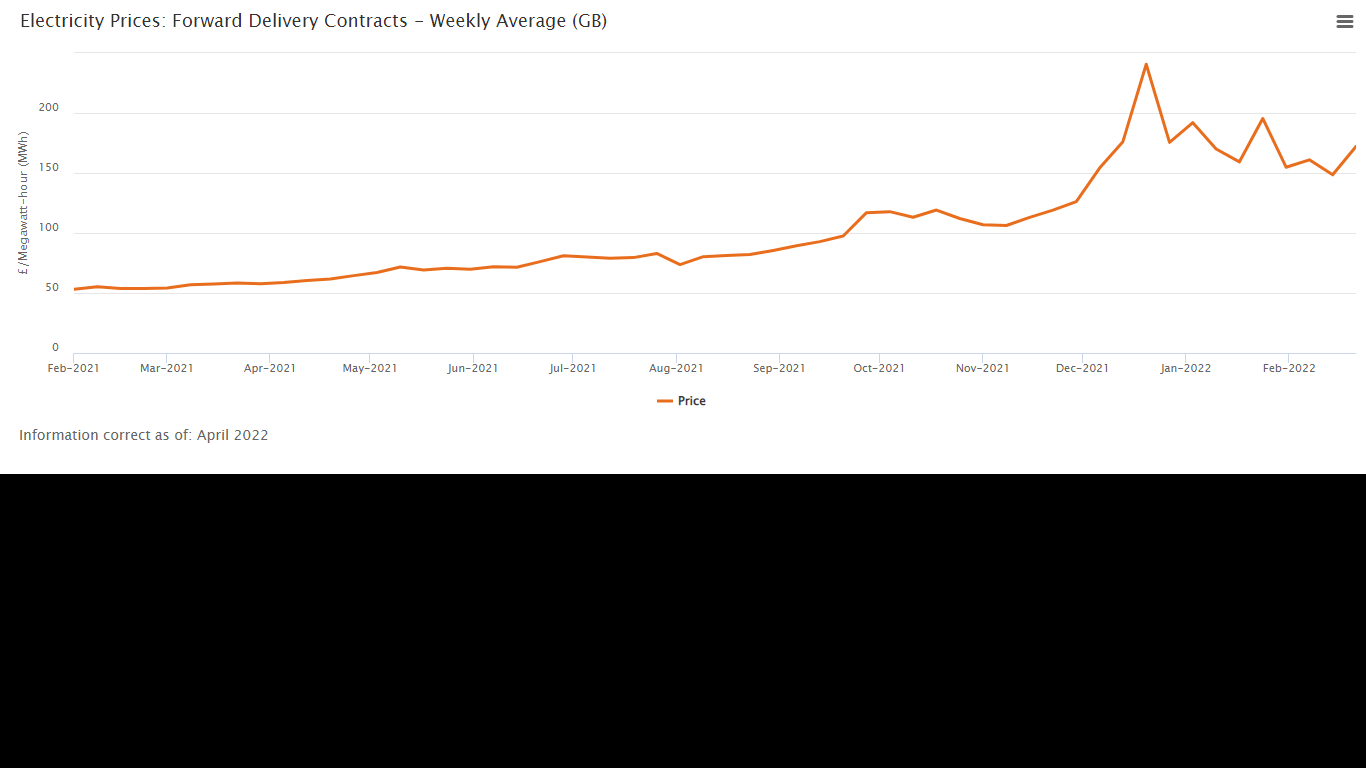
Works for me. You can safely and easily draw 50 or 60 amps at night if you want to, though I really draw more than 40 (two storage heaters and the DHW). During the day, when I am about (work evenings) I used about 2 kWh (cooker/oven and just about nothing else). It would be good to have that amount of storage as there is now a 20p/kWh price difference, shifting that would save £73 a year. And that is the problem, I don't use enough to invest in alternatives, even at todays elevated prices, which may well drop in the next year or two.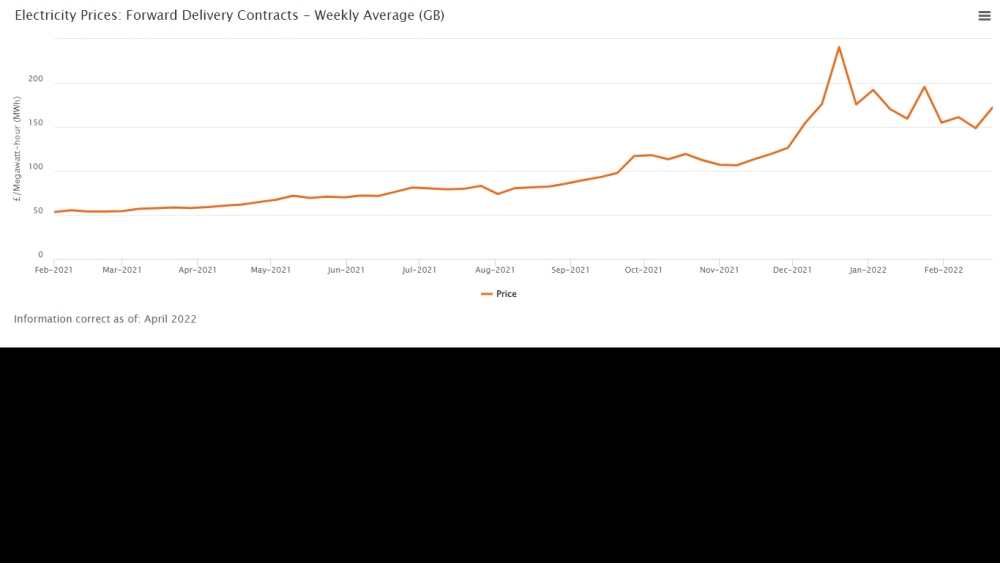
- 15 comments
-
- 1
-
-
- pv
- tumble dryer
- (and 7 more)
-
Distributed battery power banking
SteamyTea replied to Radian's topic in Networks, AV, Security & Automation
I have a vague recollection that the energy rating on a fridge, or freezer, is a moving target. So what was A++ 5 years ago will use more energy than an A++ today. Think our @DamonHD knows a bit about it. Small units are always going to perform worse than large units. The volume to surface area is against them. My cheap fridge uses about 10W I think. So about 90 kWh a year. About £25/year on my E7 mix. -
Working on reducing mains power by best use of PV (without batteries).
SteamyTea commented on Marvin's blog entry in ASHP, MVHR, PV and EV combo
Soft water and more sunshine down here. -
RTFM and the interpret what you read correctly😁
SteamyTea replied to BotusBuild's topic in Tools & Equipment
Yes, how it came. Yes, seen loads like it. -
Distributed battery power banking
SteamyTea replied to Radian's topic in Networks, AV, Security & Automation
Have you thought about putting some EWI on the appropriate bits. -
RTFM and the interpret what you read correctly😁
SteamyTea replied to BotusBuild's topic in Tools & Equipment
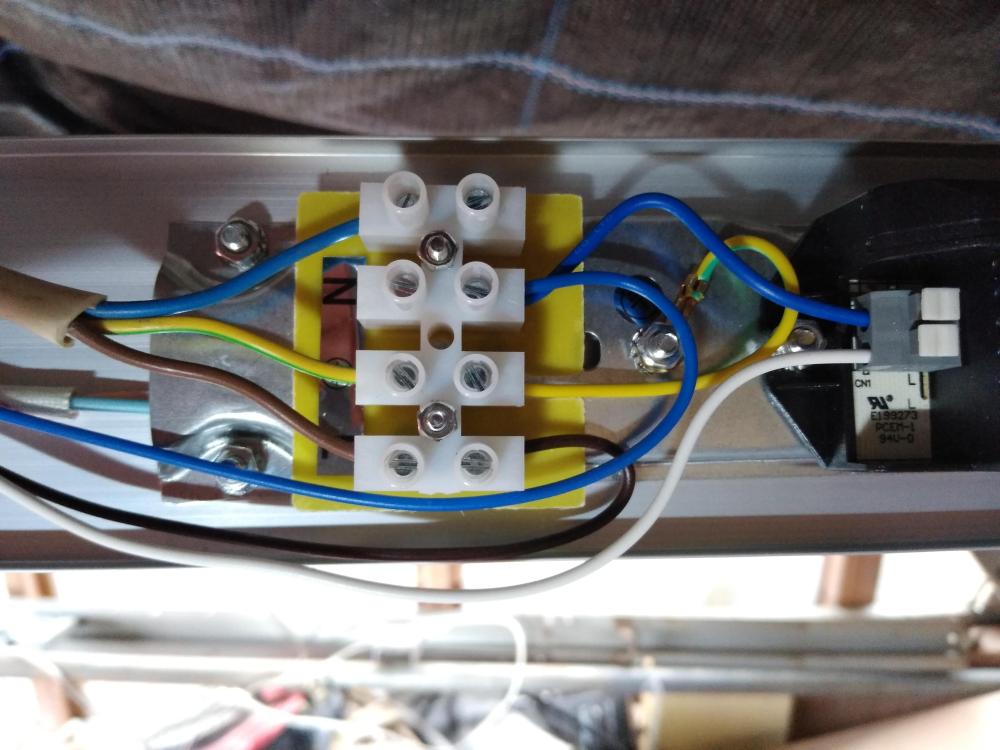
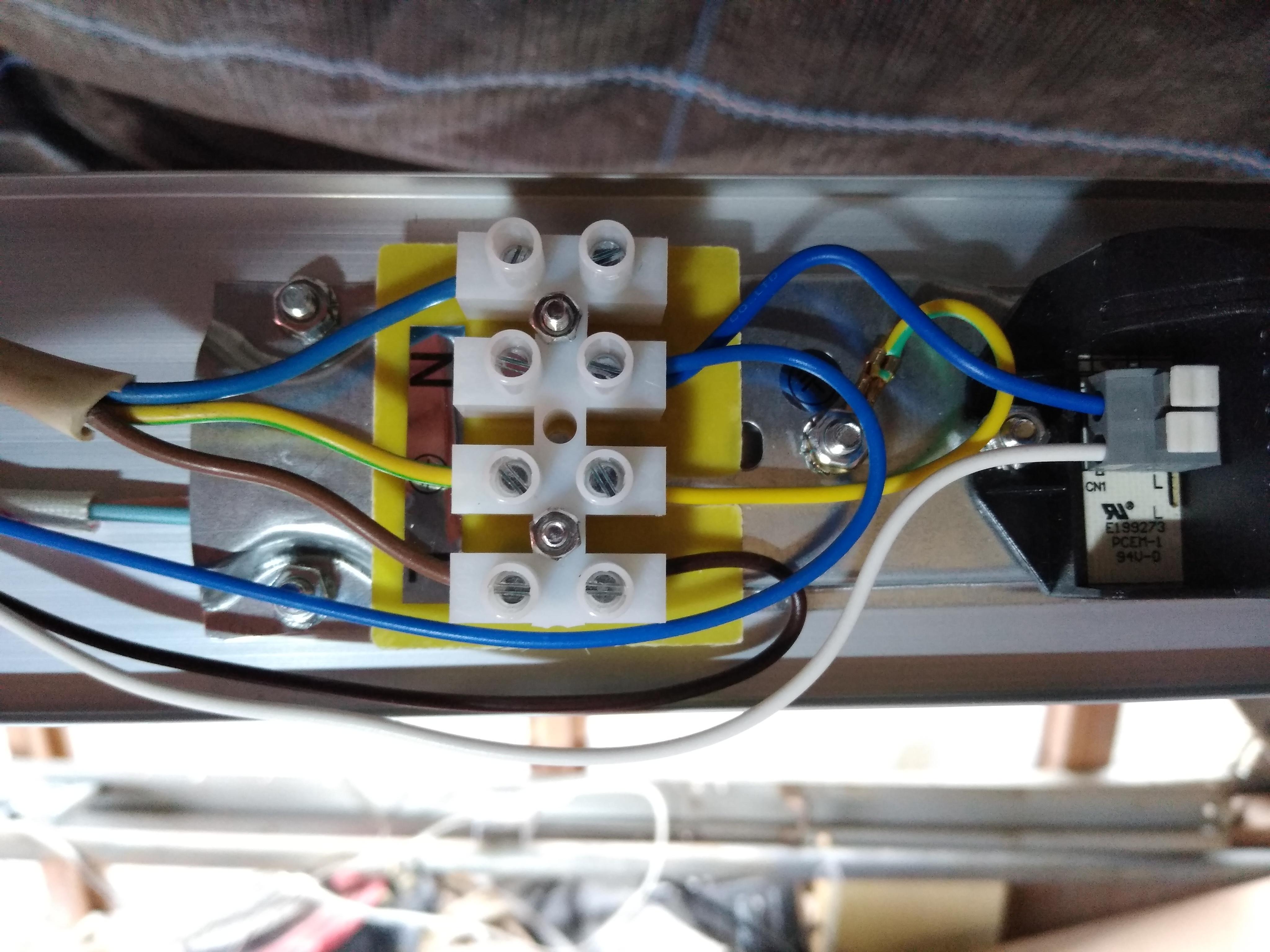
I have know, probably since I was 7, that to make an electrical circuit you have to join up the wires. Working upside down, with failing eyesight is my excuse.