pdf27
-
Posts
387 -
Joined
-
Last visited
-
Days Won
1
Everything posted by pdf27
-
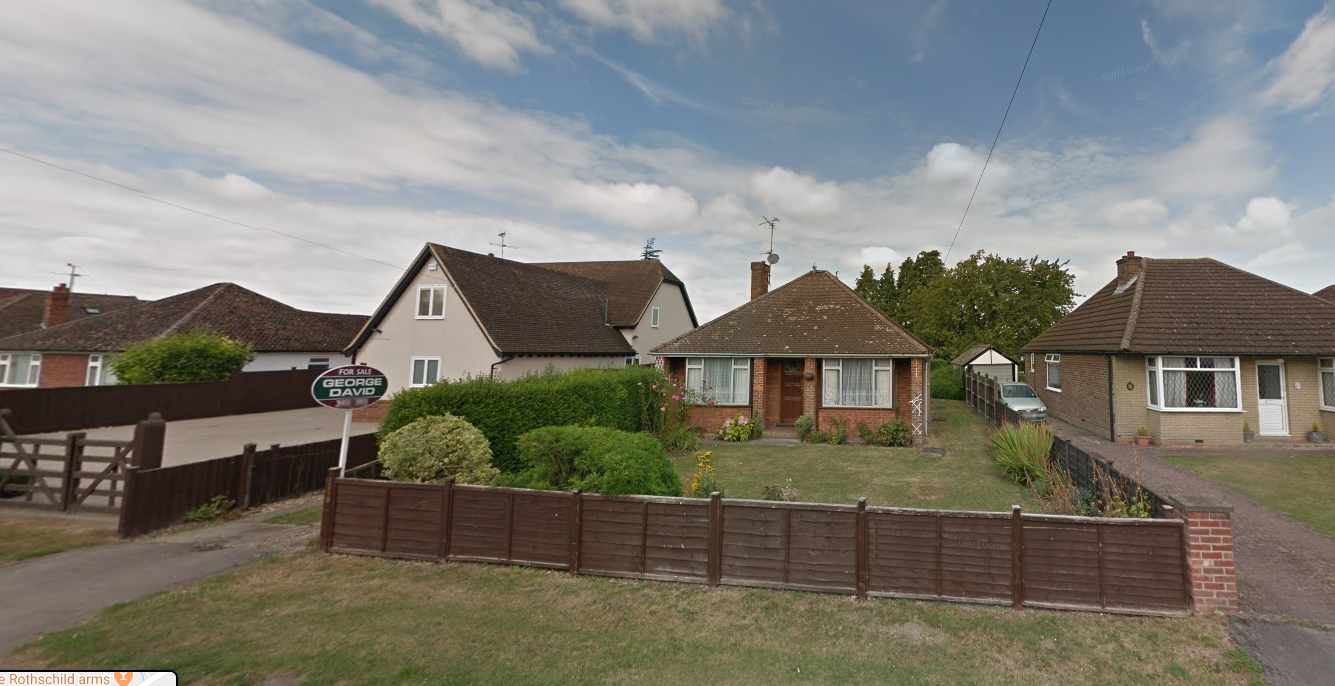
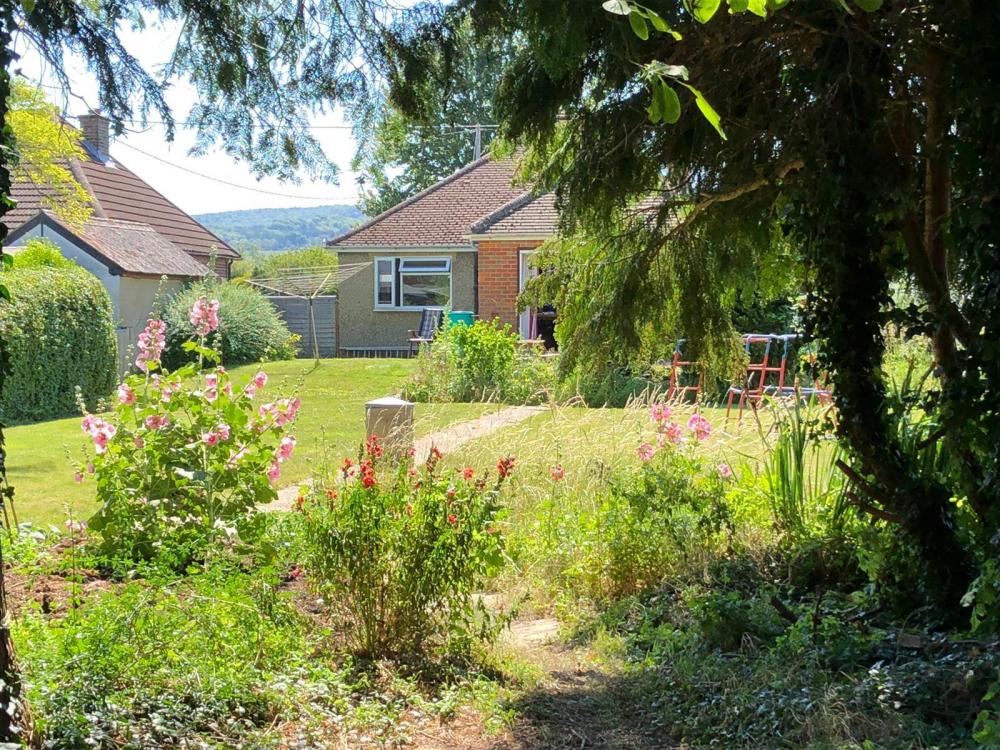
The bit that makes me nervous with pulling the garage forward is that it creates space right in the middle of the house, and what light there is will be coming from the NW. Our current living room is more or less in exactly this situation (plus a couple of NE windows facing next door's rather nasty breeze-block garage) and it's positively stygian in winter. If anything I've been toying with the reverse - bringing the front wall forwards over the garage. That would enlarge the SE-facing "study" to almost 4m x 4m which is probably more useful living area than anything off the back of the garage. If I did this there is probably room for two tiny ensuites on beds 3 & 4. Not something I'd do any time soon (the kids are still 6 and 4), but they're pretty close to the downstairs shower so running water and waste connections to the cupboard underneath (by the lounge) could be done cheaply and easily at this stage making a later retrofit relatively painless. Front garden faces onto a pretty busy road (it's effectively a by-pass for the south side of Aylesbury, although they're allegedly building a proper one so it might calm down in a few years). Back garden is lovely, just spoiled by some huge Leylandii/close relative which smother everything. There are apple, plum and hazelnut trees beyond them so at some point they're coming down. It's a great place to work from home at the moment. One thing I've been wondering about is essentially having the rear roof come down to ground floor level with the windows being dormers. That balances things a bit better and is probably quite cheap, but I'm nervous about how dark it risks making the centre of the house again, particularly in winter. The current model has the back of the house essentially level with that for the neighbours, so there is certainly scope to go a bit further back if needed though.
-
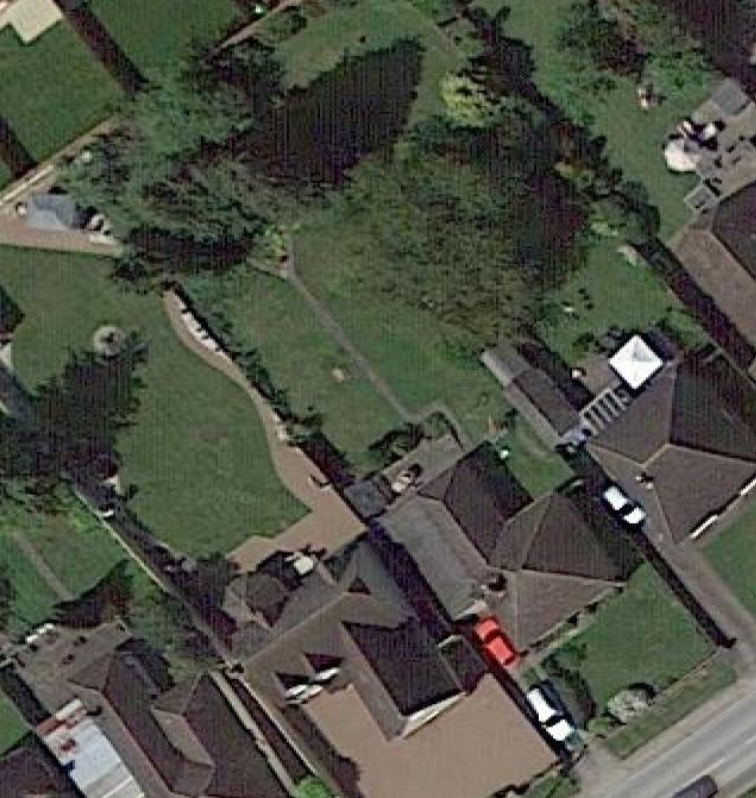
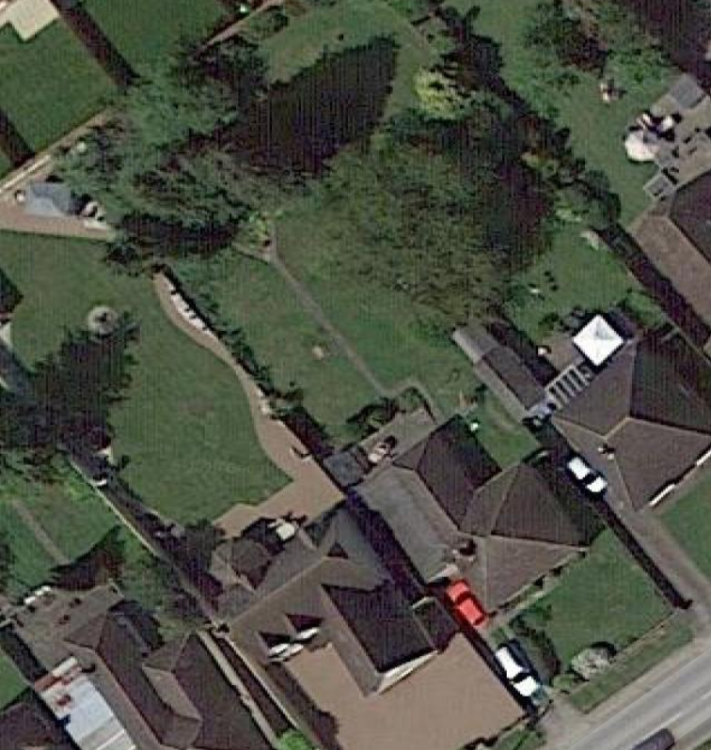
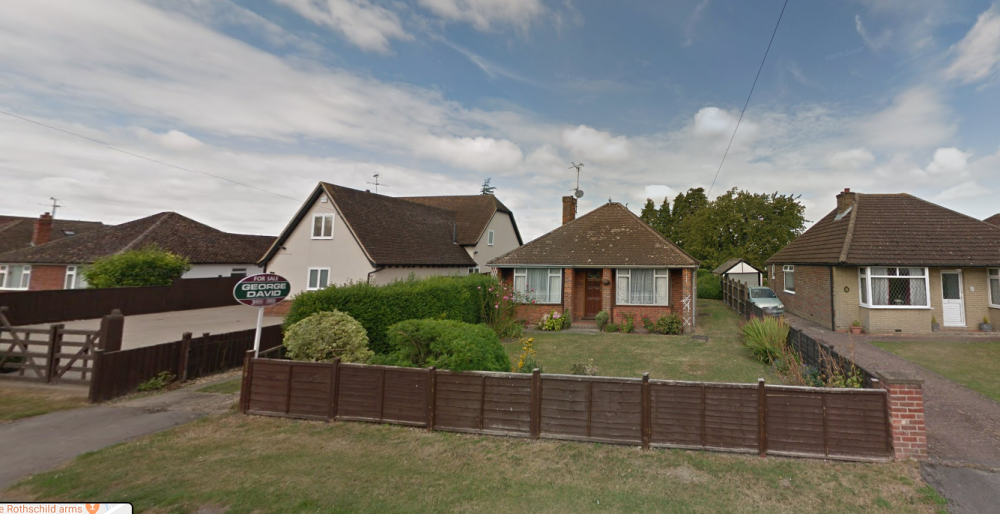
Jack & Jill bathroom isn't happening - I have a passionate and irrational hatred of the things. Airtight door between garage and house is an absolute requirement for me - too much risk of someone leaving an engine going by accident. Needs to be a fire door there as well - was thinking of using the thickness of the wall to fit a double door, with the outer (fire) door being larger all around and on a self-closer tied to the alarm. Plan is to play certification by ear nearer to the time - from what I've seen to date most of the additional costs of certification seem to be in the human time to check things and the fabric, rather than buying items with a certificate. That's paying for documentation and quality control. Because so much of the garage is under the house it sort of needs to be warm by default over most of it's length, so it kind of makes sense to insulate the whole thing. Heating it year-round is probably a bad idea, but being able to (if it can be done cheaply) would be nice. Might not even need a separate zone, just have it on a dedicated loop and leave the isolation valve for that loop turned off normally. Sorry, wasn't clear there. My understanding is that it is possible to claim the VAT reclaim early if desired, but that you only get one reclaim per build. I wasn't aware that the time limit was 3 months, but I did know that you need to get your skates on after completion. North is up in the photos (google earth screen grab, not rotated). Our house is the one with the red and white cars on the drive. Road is just south of south-east. The original bungalow is rotated a little bit on the plot to face more south, just enough to be awkward. As much as possible, yes. That or ones where the majority of the cost is in labour and DIY is feasible (e.g. second fix on bathrooms - buy the materials before reclaim, and fit them later myself).
-
 Could try something like https://www.amazon.com/CrocSee-CRS-022B-Frequency-Multimeter-Transformer/dp/B07K3S4K9L/ref=sr_1_6?dchild=1&keywords=clamp+on+kwh+meter&qid=1596964572&sr=8-6 (The UK version of it obviously - too lazy to search properly) and clamp it on the wire going to the pool for say a week. That would give you a pretty good idea of average pool use. 200W sounds a lot for an LED system - how big is your kitchen??? Does your dishwasher take hot fill? Most do, and provided you're not on a combi that will give you both better cleaning and reduced electricity consumption at the same time. If you're running the drier every day then depending on the type it might pay you to upgrade - the heat pump versions use a lot less power than older types.
 -
1.7kW full time excluding the Tesla - ouch! I'm wondering if it's worth getting some sort of kWh meter with split CT to get a better idea of where that power is going, starting from the consumer unit if possible. You've found almost 400W already, but unless there is a huge amount going to the pool I suspect you might have got something else going on.
-
The original plan was that we were going to extend upwards over the original house plus sort out the various issues. Problem is, we ended up leaving about 2 walls in place by the time we'd done that and the cost was vastly in excess of what we could afford at the time. Our budget has recently increased significantly, and I'm starting to suspect the cost estimates we were given last time reflect quite a lot of different people adding in their overheads, etc. so I want to model up what it would cost if we were project managing it before going down the route with planning, etc. again. That requires me to have a decent idea of what we'd try to build which is reasonably close to what we want for the cost model to be remotely valid. 90% of what's in the garage at the moment is stuff that we'd prefer to keep in the loft if it was accessible, particularly if it was in conditioned space with easy access (the staircase in the plan continues up to the loft with a warm roof) - the rest would go to the utility room or garden shed, leaving just bikes which should be fine in a 6m x 6m garage. Being able to park in a garage is also really nice for 6 months of the year - no need to de-ice or freeze yourself/get wet in winter, or catch fire in summer - and if/when we end up with electric cars charging is a little easier. I'm not entirely sure how much of the "bedroom heavy" is perception and how much reality - if I labelled the current "study" as a "snug" and the 5th bedroom as "study" then I suspect the perception might change without actually needing to change anything at all since the floor area upstairs and down is actually pretty similar, as are the room requirements.
-
I've been thinking about that but it's really hard figuring an effective way to not have one. The current tandem arrangement is a major pain (lots of car jenga) and as soon as we allow for some sort of turning area you end up needing not all that far off the footprint of the garage anyway. There's also the issue that a large house with no garage may be more difficult to sell in future. I'd prefer to have it as a lean-to at the side but that takes 6m of the 15m available on site, and that just makes the rest of the house a bit deep and narrow in the wrong direction (facing the neighbours rather than the garden/road - with the south facing view over the road also having the Chiltern hills in the background). Across the front in an L-shape is also feasible, but seems to end up increasing the footprint without any major benefit inside as you end up with a large, dark area between the garage and back garden. I don't understand the comment about same(ish) - what to you is the same between the current building and what I'm proposing? It's very easy with this sort of thing to be fixated on a solution, which is one of the main reasons I'm throwing this on here for comments so it would be very helpful to understand.
-
My understanding is that you can put in your VAT reclaim at any point, but that any costs incurred after the reclaim point get hit with the full rate of VAT. That **should** mean that e.g. buying stuff for the bathrooms prior to the reclaim and then fitting them myself afterwards is OK. At least half of the other parents at my daughter's school seem to work in London. Annoyingly I work at a factory nearby which has been gradually moving out of London in the 90 or so years since the company started but never quite got far enough for me!
-
Have you got anything about it you'd be willing to share by email? The main concerns I have are making sure we take the correct value-engineering decisions at the very start of the design (i.e. now) and ensuring that once we start we've got sufficient cash to finish. Any lessons-learned I can take away from the fact you're doing it second time around would be particularly helpful with the value-engineering side of things. If we could do it for £300k that would give us a reasonably comfortable contingency. 90% of my day job (mechanical/electrical/aerospace engineering) is on the very far left of this graph, so I've naturally got an interest in applying it to any house I might build!
-
Current footprint is fairly small (136m2 including the garage on a 900m2 plot), the model I've got has a footprint of about 170m2 which doesn't feel unreasonable (19% of plot). The current shape factor is pretty poor, however, so the increased footprint doesn't really make a huge difference - it's mostly coming in otherwise awkwardly shaped bits of grass at the side. I've been wondering about fitting a bathroom to the second bedroom - it's an awkward shape so fitting one in wouldn't be a major drama. That tentatively would be the guest room, so would make the most sense (my in-laws live in South Carolina, are retiring in a few months and our children are their only grandchildren - so I would expect some extended visits in our future). The mixture of VAT and complication are what killed it last time - by the time we had sorted out the various problems we ended up with a relatively small house which was badly compromised and a handful of not very nice walls. The QS estimate was nearly £400k+VAT for a 160m2 house. At least one quote explicitly said that it would be cheaper to knock down and start again than extend. No asbestos survey done to date - for now I'm going to allow a provisional sum since it's safe if undisturbed but if we find something there is a risk that we'll have to deal with it and rectify even if we can't afford the build. It's a 1920 original extended in the 1970s so I need to assume that there is Asbestos present but I haven't spotted any of the usual suspects yet. Current assumption is a static caravan in the back garden, most likely scrapped in situ at the end because the cost of a very large crane to remove it would exceed the value of the caravan. Having services already available makes that a lot more tolerable. Certification is an open point, the quality control aspects of it are worth money in my mind but the standard itself is somewhat arbitrary. If (when) the budget gets tight that's something we would drop. It certainly isn't for money reasons. I'm pretty sure that an airtight door on a garage would be against the rules (carbon monoxide risk - would certainly have a CO alarm in there linked to the house fire alarm in any case). I'd only extend the underfloor to it (on a separate circuit) if it was really cheap to do so. The logic for having the garage there is that we want it to have a weather-protected link to the house and having it side-on completely eliminates any chance of having a semblance of a garden at the front (as next door has done). I've tried to value-engineer it where I can do so reasonably subtly - the shape is part of that, and I've done a few things like sizing the 180 degree turn on the staircase to be part of the frame so the staircase is cheap and simple. Until I start doing a cost model, I won't be able to really understand if I've got it about right however. Part of the logic for the downstairs shower was that it's a relatively cheap way to achieve an extra bathroom, with the benefit of helping future mobility-impaired people who visit. At the moment it has 3 bathrooms between 5 bedrooms, which isn't too bad. Adding an en-suite to Bed 2 does look like a logical change though. My dad has Parkinson's, which may or may not run in the family (his father and brother died of it, but he's been tested and doesn't have any known genetic risk factors). That means I may need it if we stay long-term, and putting it in now is relatively cheap and easy. I'm really not sure if there is any sensible way of adjusting the floorplan to give them some sort of private social space in 10 years time - then again I'd be quite happy hiding in my study (I'm somewhat outnumbered - we've got two girls and even the cat is female) and my wife will probably be as happy curling up in bed as anywhere else, so I think it's feasible to adapt. One of the headaches is that the garage means the ratio between upstairs and downstairs is wrong for us - we'd really like it a bit smaller upstairs relative to the downstairs volume, but I don't see an easy way around this. That's one of the things I want to go into in some proper detail - what we actually want is relatively austere, and there are quite a few things we wouldn't finish until some years later (only doing first fix on most of the bathrooms for instance with me doing second fix later) if it meant we could do the house. That way I can do the working out how bit a house we can afford and whether that's acceptable to us before we start paying professionals to tell us the same thing. Budget is probably a bit below £400k but not massively. Going much above that means it has to be a really special house however, as it would probably take us into needing to sell it at a premium if we ever move given what we bought the current house for.
-
Having been stung last time around (emotionally at least - financially we stopped before we spent too much) when we started down the retrofit+extend route only to find out it just wasn't viable, I'm trying to be quite cautious with whether we can knock down and rebuild our current house. Can I please ask the buildhub hive-mind to take a look at the attached floorplans and comment if they make sense? The idea is if they aren't too far out I can try to build a cost model based on them with some level of confidence it will be accurate before going down the route of modelling it in detail, applying for planning permission, etc. We're both in our thirties, working full time with two young children and retired parents who might on occasion stay for extended periods of time. We're in a commuter village in Buckinghamshire, just outside the edge of the green belt. Target would be Passivhaus, probably certified (I'm an engineer and not properly validating it would really annoy me). Most of the model should be obvious. Stairs extend up to the loft (warm roof) with a Velux above them in the rear roof - my wife is a hoarder packrat and the only way to stop her leaving stuff everywhere is to make it really, really easy for her to store it somewhere I won't always be falling over it. I've also assumed dormers to the rear to bring the ridge line down without compromising the ground floor space too badly - it's currently ~1m taller than the house next door and without them starts to look a bit big. First Floor Model.pdf Ground Floor Model.pdf
-
MVHR Air - Ground Heat Exchanger?
pdf27 replied to Conor's topic in Mechanical Ventilation with Heat Recovery (MVHR)
Under those circumstances I really don't think even a DIY system makes sense - night venting via the MVHR will probably provide all the cooling you need even without opening the windows, and the power used by the MVHR defrost heater will be minimal. If you're only trying to provide a small amount of cooling and have an ASHP anyway, it's almost impossible to beat for a well-insulated house. Small total heat flow and very high COP (from the small temperature difference) means virtually no running costs and zero installation costs. It's very easy to get carried away by a good idea which almost works. Solar Thermal does this for me - I really want it to work, but because we would have an ASHP then more PV is simply a better and cheaper solution to achieve the same thing. Both systems are very similar - they turn a small amount of electricity into a lot of heat: however, that is the wrong problem to solve because it ignores the impact of capital costs and the ability to spend the same money generating electricity. -
So far as I can see, the only difference in up-front cost is that you're using piling contractors rather than a groundworks guy with a digger to make the hole for the foundations/basement wall, you aren't paying for someone to dig the soil out of the centre while nothing is there (pretty cheap as access is the best it will ever be) and you aren't paying to lay a floor in the basement. It's worth costing out properly, but unless you have issues with deep excavations (e.g. close to a boundary) my suspicion is that a basement will be cheaper than piled foundations of the same depth. The extra work is all stuff that is really cheap to do now but expensive later, while piling (particularly if it has to be fully continuous) has a reputation for being expensive.
-
MVHR Air - Ground Heat Exchanger?
pdf27 replied to Conor's topic in Mechanical Ventilation with Heat Recovery (MVHR)
They've got some data on power consumption too... Antifreeze pump is 3-45W, assume 15W. Air resistance when cooling is 70Pa at 250m3/hr (about right for a 200m2 house if I'm understanding correctly) -> 5W additional fan power @ 100% efficiency, so allowing for real life efficiency total system draw will be about 30W. Using their example for cooling, with air into the MVHR at 16°C and ambient at 28°C the cooling power you get (assuming no dehumidification) is (1010 J/kg.K) x (1.2 kg/m3) x (250/3600 m3/hr) x (28-16)= 1kW of cooling for a COP of about 40. Cooling power is 84W x temperature difference attributable to the ground loop (16°C in this case - their figures). DegreeDays.net gives 73 degree-days above 16°C in the past year at Aldergrove (closest station I could find to you) - 84 x 73 x 24 = 147,168 Watt-hours (147 kWh) of cooling. In reality this will be a bit better because it will also do some dehumidification. Same calculation for heating power gives 103 degree-days below 5°C: a 208 kWh saving. To me the numbers don't stack up as a means of energy saving - 400kWh/year is the output of a couple of PV panels, and in reality probably overstates things since night venting will probably deal with a big chunk of the cooling requirement for free and the frost protection on most MVHR systems probably kicks in significantly below 5°C. The only times I think it makes sense is if you're trying to hit a very strict energy requirement for some sort of standard when the very high COP is of value, or if you have a restriction (planning or similar) preventing you from using an ASHP for summer cooling. -
MVHR Air - Ground Heat Exchanger?
pdf27 replied to Conor's topic in Mechanical Ventilation with Heat Recovery (MVHR)
As soon as you do that you've either got a direct air path to the drains, or you've got standing water in the bottom of the tees. You're also starting to add complexity and hence cost. The real problem is that in a UK climate it saves very little energy - you don't need the defrost heater on an MVHR, and it provides a little bit of comfort cooling in summer. That means it's got to be seriously cheap for it to make any sense - if not you're better off spending the same money elsewhere, for example on a couple of extra PV panels. The running costs are also non-zero - either a longer inlet duct with a bigger pressure drop across it or a circulating pump for the brine loop - which needs to be set against any energy saving. For other climates - e.g. in the US - it makes much more sense: they regularly spend extended periods of time well below freezing in winter and have extended periods of high heat and humidity in summer, when it will help very significantly with the dehumidification load. -
MVHR Air - Ground Heat Exchanger?
pdf27 replied to Conor's topic in Mechanical Ventilation with Heat Recovery (MVHR)
Have a read of http://passivehousepa.blogspot.com/2012/12/earth-tubes-heating-and-air.html : they used a system which actually makes a lot of sense to me but nothing like it is available commercially. They use a corrugated pipe (of the type used for field drains) slit along the bottom over it's entire length. It has to be in free-draining soil, but if it is then any condensate will drain straight out cleaning the walls and presumably giving a relatively inhospitable environment for mould/bacteria when compared to a sealed tube which is at risk of spots of standing water. Best of all, it's really cheap - about £1.50/metre plus the cost of digging and back-filling the hole - and provided you ensure that you have an alternative air inlet if it all goes horribly wrong then it looks like a good gamble to me. It's totally dependent on soil conditions though - needs to be free draining and well above the water table (mine is neither!). -
Heat loss from pump to storage cylinder
pdf27 replied to paulc313's topic in Air Source Heat Pumps (ASHP)
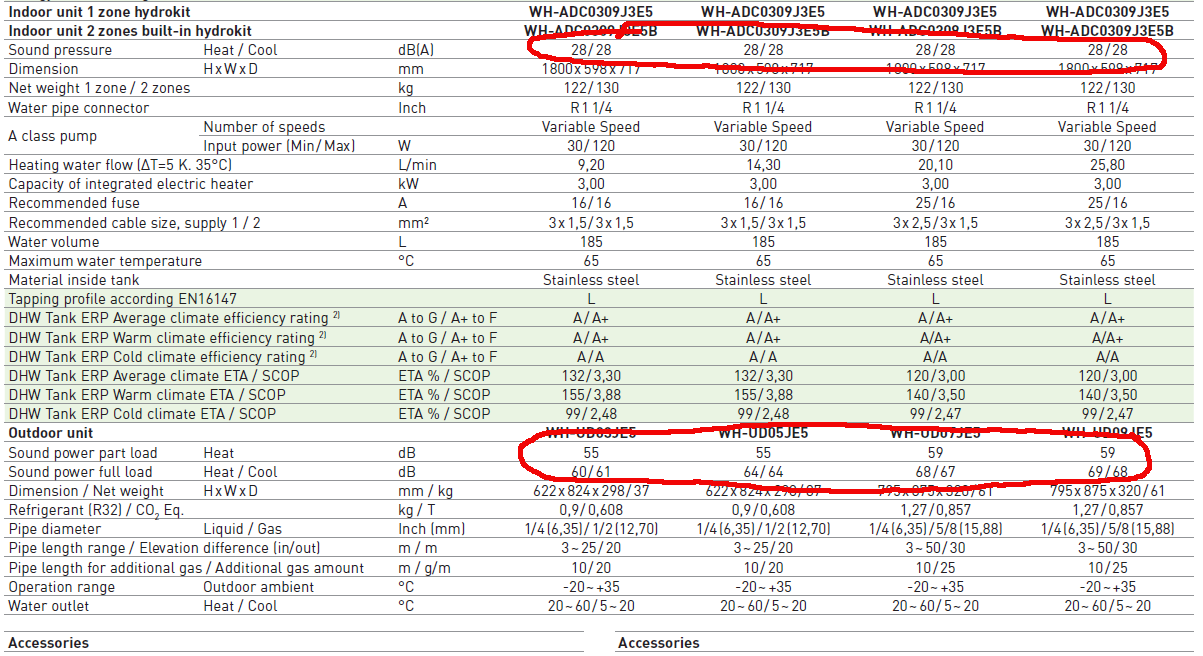
Spec sheet says otherwise - the internal unit is always 28dB(A), outside units are between 55 and 69 dB depending on size and load. Remember that fridge compressors are essentially inaudible in modern fridges - my fridge makes a weird squeaking noise (fancy expansion valve?) but that's it. A well balanced sealed compressor should be all but inaudible.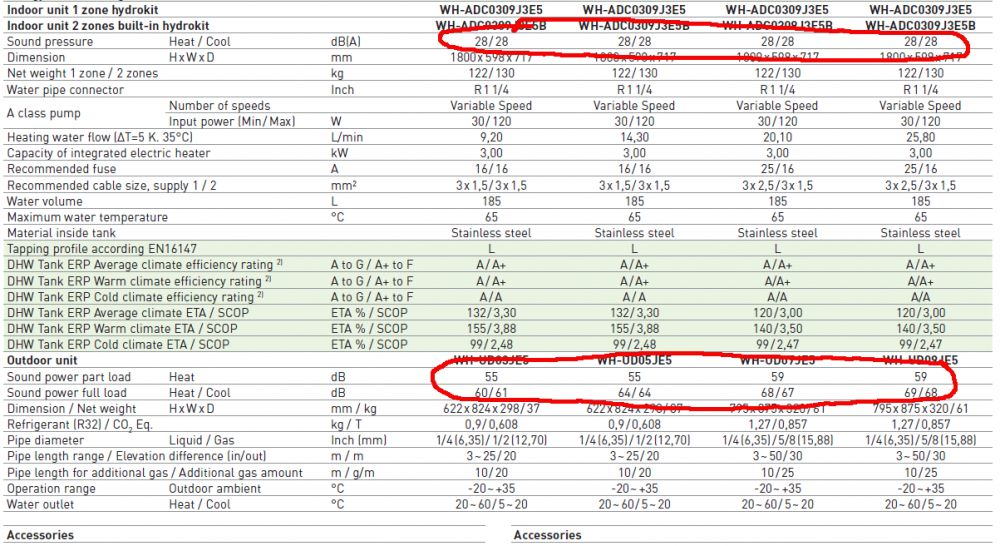
-
Heat loss from pump to storage cylinder
pdf27 replied to paulc313's topic in Air Source Heat Pumps (ASHP)
If you want to put it a long way away, consider split units. Some of the Panasonic ones can be up to 50m long on the refrigerant lines, and the energy transfer is as a phase change rather than heat directly so losses should be small. It's more expensive - not a DIY job - but shouldn't be horrific. -
Pictures might help? It's a box which you put in the ceiling like a smoke alarm. The cable goes in the back where you can't see it, and it gives you WiFi. You can also get waterproof ones, which if you have a big garden like me might well be worth it - my normal WiFi is rubbish at the end of the garden.
-
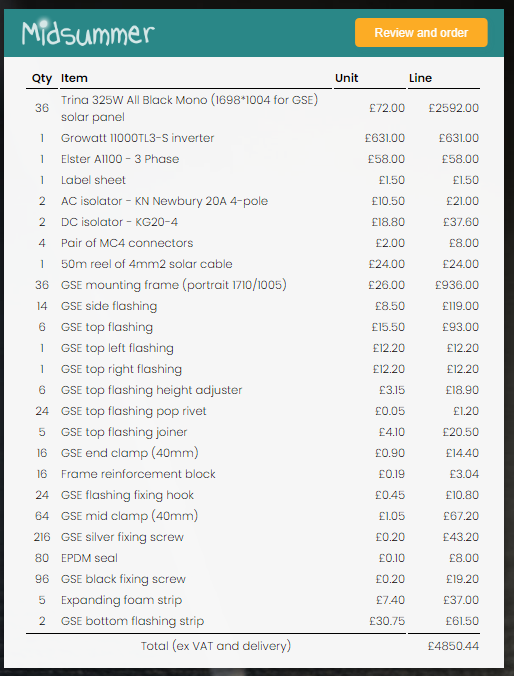
Trina 325W All Black Mono (1698*1004 for GSE) from Midsummer appears to be £72/panel from Midsummer Wholesale at trade price (assuming the values quoted by easy-PV are correct - it looks like a trade-oriented tool, but they might just be out of date), £100 at retail. Even at retail it isn't too bad at 32p/Watt, it's 22p/Watt if you get them for £72. Edit: while I think about it, easy_PV has a tool to let you model up flashings, spacings, etc, on the roof with GSE mounts.
-
Thanks, that's very helpful. It does raise more questions though! How come you used liquid screed downstairs and biscuit screed upstairs? What is the floor like to walk on, and how is sound transmission? What temperature do you run the flow from the ASHP at?
-
Ufh manifold, blending valve with ASHP.
pdf27 replied to Russell griffiths's topic in Underfloor Heating
I think I'm more confused than I was earlier. Does this therefore mean that all regular TRVs are unsafe as they won't protect the slab? How come? Are they just cheaping out on the ASHP water pumps? Is there an additional bypass valve within the TRV? If not then presumably it would be trying to send 100% of the flow through the ASHP and be blocked by the zone valve. Edit: at least some of them do which is starting to make more sense. Sadly, that's kind of my day job - among other things, ensuring double fault cases are treated differently to single fault and we don't try to prevent them unless it's safety critical (as in, everybody dies). I'm still short of a house to put it in at the moment . -
Has anybody done this, and if so how? Most of the suspended timber floor products look like they're aimed at retrofit rather than new build, and I get the feeling they might be quite badly optimised as a result. I've not fully modelled it up yet, but the sort of design we think we want will probably be significantly bigger upstairs than down (over a double garage) and because the back of the house will face NW we may have overheating issues in summer. My suspicion is that this will mean we want a second UFH circuit upstairs for comfort reasons.
-
Ufh manifold, blending valve with ASHP.
pdf27 replied to Russell griffiths's topic in Underfloor Heating
Just to make sure I've fully understood this: The TRV and pump are purely there as a safety measure in case the heat pump thermostat fails leading to the floor overheating and being damaged. If the TRV is below temperature (including for cooling) it will always be fully open. Normal (gas, older ASHP, etc. systems) can't really turn the flow temperature down low enough so the recirculation and TRV is required for comfort. If it's a safety thing only on a system where the heat source can modulate to low temperatures, any old TRV will be fine as precision of switching temperature will have no impact on comfort. With the valve fully open, 100% of the flow goes into the manifold and around the floor. The ASHP and manifold pumps run in series. With the valve fully open, turning on the pump by itself will try to force water through the ASHP (not acceptable). I like what Jeremy has done using the circulation pump to even out temperatures between rooms, but this only works with a buffer vessel rather than direct from the ASHP. The question I have is if this is a real risk for a small heat pump as opposed to a boiler. The small 3.2 kW Panasonic ones have a 9 l/min circulating pump - that's 23.1 kJ added per litre of water. As 4.2 kJ is required to heat 1 litre by 1°C, that's a temperature increase of 5°C. Getting to temperatures (>55°C) which might damage the floor requires a double fault: water thermostat and pump sensor bringing flow down to 1 l/min, or for the room and water thermostats to fail and the whole house to be at >50°C. -
Wheelchair accessible property and damp proof membrane
pdf27 replied to Willow23's topic in Damp & DPCs
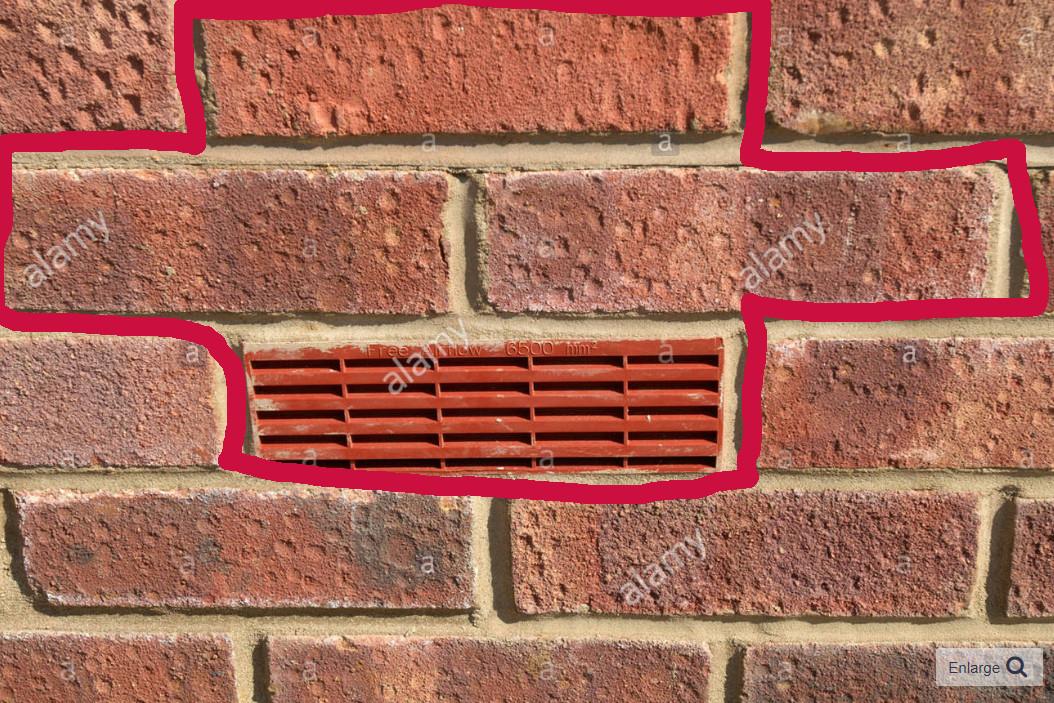
What does it say in the contract and the drawings the builder is working to? If it's a key design requirement then it should be clearly marked up on the drawings, for instance the floor level and external ground levels being shown relative to OS datum: in this case it's a simple case that they've built it wrongly and need to fix it at their expense. If it doesn't then you may have more of a headache and there is a risk you will end up paying for the remedial work. Given your requirements you should not just accept it however. http://www.nhbc.co.uk/Builders/ProductsandServices/TechZone/NHBCStandards/TechnicalGuidanceDocuments/61/filedownload,65368,en.pdf is very relevant here - a trough is possible but needs to be 600mm wide which may be an issue for you and your site (if it's anywhere near a path there is presumably the risk of you falling into it!). How far above the air bricks has the build gone? If it's only just above then knocking a hole in the outer leaf to fit the telescopic air brick extenders shouldn't be very expensive. Essentially you'd take out the 4 bricks shown, attach a telescopic vent to the inside part of the existing air brick, and then make good with the vent in the new (upper) position. If they need to do the inside part of the current air brick as well they might need a slightly bigger hole, but not much.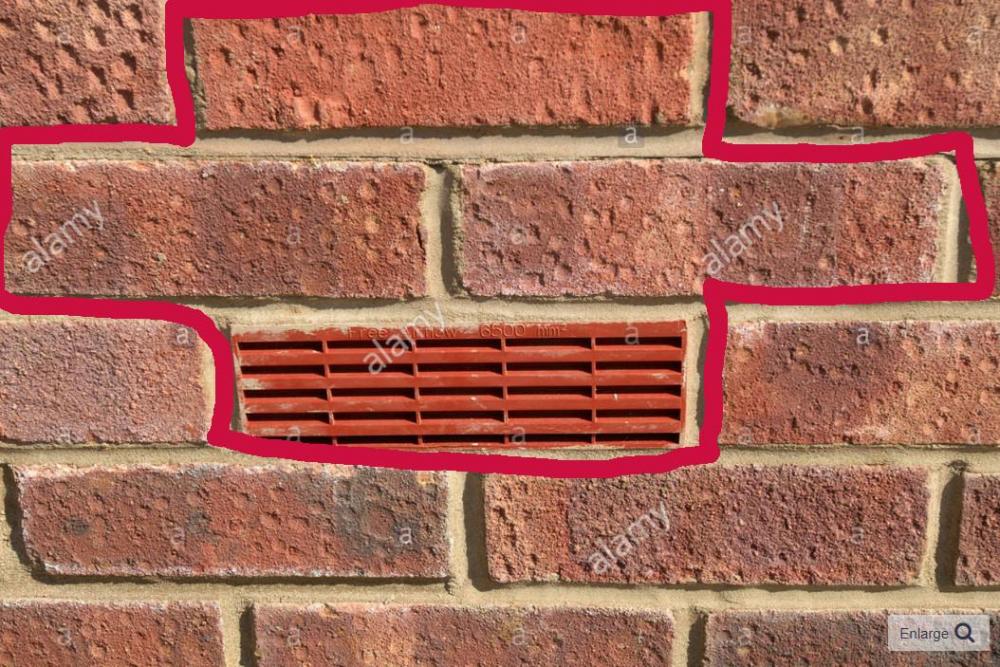
-
That was part of our thinking too. Problem is, the same logic applies to new build - which is cheaper in both time and materials, so you're still better off starting again. Unless you keep the external works pretty minor, the house isn't going to be a lot more habitable while it's all happening either. That would make me nervous given what I know the neighbours found. Again, it depends what you're doing - a minor loft conversion probably won't change anything significant and you'll get away with it, the risk is that you're pushing towards the borderline of a world of pain - and you might not find out until you've done quite a bit of work.