

saveasteading
-
Posts
10890 -
Joined
-
Last visited
-
Days Won
93
Everything posted by saveasteading
-

Rcd tripping regularly
saveasteading replied to saveasteading's topic in Consumer Units, RCDs, MCBOs
Got some good news on this....I think. but more tech help needed. I don't think we need to change the main cable that links the 2 units (I have just about worked hot how to get it up through the stud wall with least mess, but hoping not to.) The circuit continued to trip. Sometimes there would be a week with no problems, on another day several, and occasionally it would refuse to reset....then 10 minutes later all was well. It occurred to me that this was wet weather related. We have a pole in the garden that has an outside light and from which a spur has been taken to our newish electric gate. The box faces south west, and is fully exposed to driving rain. At first I blamed the light, as PIR boxes don't last long until the plastic fails. so I disconnected the light. It was wet inside the box, and put some tape round the duct. Then last night it went again.....and as I had to go out I noticed that the trip coincided with triggering the gate....maybe 10 times. Turned off the fuse for that circuit, and all was well....apart from manual override required to the gate. I will post photos in the next post, as is easier from the phone. The new question: I was about to fit a new connection box, with proper closure glands on it, but I noticed the more complex connection from the armoured cable at bottom right with some sort of sleeve and a nut inside the box.. This is outwith my knowledge....Does it need the nut? what is going on inside the sleeve? I also noticed it was wet on top of the internal tape I put in yesterday, so def coming in the upper trunking. To summarise....the feed cable comes from underground and up in the trunking to the light on the pole. The gate contractor spliced into it and added the box. From this an armoured cable goes down again, and off to the gate. BTW power-wise it is all fine. Originally there was a 300W lamp, but now it is a 20W led. -
75 screed 150 pir 10 sand 90 hardcore or sub-base. = 325 Porches are not warm places, and it will be unheated, so 150PIR is plenty, perhaps too much but allows if heating is added later. So revised: 75/100/10/140 If diy and the screed is likely to be rough then reduce to 65 screed than 10 levelling compound.
-
If you have it there, you will probably use it more, and be less on ladders. Plus if you hire it you tend to lose the first and last days. My biggest issue with hiring towers (which does NOT apply to all hirers) was extras. A certain well-known hirer of scaffolds were always charging us for damage and missing parts. The site workers signed anything put to them so I couldn't do anything , but be suspicious. Then one day I was on site and 'helped' load the lorry and checked all parts were there. We still got charged for some missing parts. So I made a big fuss and got these and some previous 'debatables' reimbursed. And never used them again. I am pretty sure that the drivers diverted components until they had a tower, then sold it. Not suspicious but the same principle is with heras type barriers. There is always damage, and always missing feet, and it is charged for perfectly fairly. So add that risk and cost to any decision to hire or buy. Paint on equipment is also charged for, even when they don't clean it off.
-
Cost comparisons - Aluminimum Clad Windows
saveasteading replied to DavidG's topic in Windows & Glazing
They are measured as the whole window area including frame, and that should certainly be for a fitted price. -
110v versus 240v at start of project
saveasteading replied to Drellingore's topic in Tools & Equipment
I've just seen clients trying to be too clever. Contractors too. By the time the taxman reaches them the business is bust, but they have some nice cars, but will be watched for ever. You seem confident, so good luck. If it works you may change the construction industry, but more likely the tax rules. -
Planners are thick skinned. I have listened to the officer explain why an application should be permitted, then after the decision to reject (my stunning speech, plus councilor backing) happily read out the decision as if it was his own. They do despair though of councillors rabitting on without having done any prep.
-
White render is ubiquitous in the Highlands and NE Scotland. Lots going up in Fife too. It is the fake stone effect they don't want, and i saw lots around Banchory I think. That right hand picture is unusual. 1.5 storeys is the norm. I'd say that was 1.75. My belief is that you can stick build cheaper than kit build, (management excluded) so you don't have to use a standard design. But rectangular is good.
-
I'd have to check. The sections are about 1m high and snap into each other, as few as you like. The platform then snaps into any spars at thd nearest height for your purposes. We subsequently needed extra height, and it was better value to buy an extra tower than the fewer parts. We also bought a platform, with steps. Very handy for moving around to work at about ceiling height. For extensive work area, timber frame and roofing, we hired a big kwikstage from a scaffold company. From memory, scaffold towers are hired at 50% discount, and about 20 weeks = buying price, and they charge a lot for damage or loss.
-
He would not have chaired that case. Counciilors are not trained, can't usually read drawings and seldom study applications. Planning officers can have a hard time with them. It's still better than leaving all decisions to planners, especially non local ones. Appeals seem to mostly go through, I think due to low-paid, uninterested, distant consultants doing them these days. Show us elevations? Id like to see what they regarded as too modern. Many councils are stressing that "exemplary modern" is encouraged. Well done. Now we anticipate a new range of questions.
-
Not if tied down to a concrete base and properly backfilled. From discussions with a digger driver* it is clear thst most builders do not follow any instructions...so establish the design and manage it yourself. *He dug the hole, put in our stone base, hoisted the digester tank, and backfilled. Later did the soakaway. He had done many tanks, mostly digesters. We have no water table. He said he had never seen anyone use a level for height or horizontal, used a concrete base, or used more than a rubble soakawsy. Scary.
-
We got ours from BPS. The "trade" version i think. To me they are just like thr bigger brands. They have been assembled many times and are holding up well and no problem getting people to use them. On ProDave's advice i looked for second hand but there was none around in the area. Be aware of the description of height. "Working height" is where you can use your hands...well above the actual height.
-
There are very skinny ones, dependant on bolt connections, that are OK for occasionl DIY. ie better than a ladder, once up on them. But I wouldn't want to be high or use regularly. There appear to be intermediate qualities that snap together, but may be a bit wobbly. Can't comment further. Then there are proper ones. Use these for a substantial project and make sure to have the stabilisers. Wheels worth the extra too. You should be able to get half your money back by selling on.
-
It becomes a problem when the stone starts to spall, which is too late. Is it sandstone? There is a very informative youtube showing a pair of semis, where one is being ruined by cement mortar and the other remains sound. Found it https://www.youtube.com/watch?v=3Omxc4OK9eE Not urgent but bear it in mind. You have loads of height, so can you retain the floor and build another insulated one on top? About 200mm.
-
Some interesting points, generating my fairly random thoughts. Why would the water be 'stale'? It flows in and out, and although it will stratify a bit, it is not static. In any heavy rain, the flow will be considerable and mix all the water. Then it goes into flush toilets and a bit of staleness isn't an issue Does stale mean low in oxygen? Inside the harvester tank is cold and totally dark, so no organisms should flourish there. I constructed the last manhole before tanks as settlement tanks. A simple bulkhead with percolation* at mid height allowed stuff to float or sink before reaching the tank. But after 3 years it still wasn't worth skimming. ( I got our worst bricklayer to build the bulkhead, so it had lots of little leaks.) I agree about making it bigger. Storms come for a prolonged period, and then so do dry spells. So a small tank wastes more to overflow, then runs out more quickly, both defeating the whole purpose of having it. At a rough guess , this could half your benefit. Do suppliers still allow for a leaf bypass before the tank? It wastes 10% too, hence I used a settlement tank instead. Suppliers are probably not used to integrated design where all the rain goes into the tank. More often the tank is an afterthought and doesn't pick up all the rain. So smaller tanks are maybe all that is required for, say half the roof. Have you designed, or can you still, to get all the rain? Send your drayage drawing if you want any thoughts. Back to the 110 litres. That is reasonable, and I suspect easy to achieve unless using baths, washing the car or watering the garden frequently. Presumably you have to provide a schedule, and with tap and shower fittings, and wc control, modern dishwasher etc, this schedule can readily show the right number. I suggest not listing an outside tap. If all overflow ends up in a reservoir, perhaps soakaways should be discouraged anyway. I'm actually impressed that planners/ water company are doing this. There was an experiment in Ashford Kent (lots of flood risk/ no new water supply despite 30,000 new houses) where a whole new development had mains water control, and was metered on a different tariff. Very low charges for the first volume of water, then higher than the norm for greater use, and the charges were also increased in summer. On balance it should have saved careful users. There was lots of publicity at the launch but, as far as I know it fizzled out. I'm guessing that the average person just uses whatever they like then moans at the cost. Your proposed supplier appears to include a header tank system. That will reduce power used, cycling and maintenance on the electric pump. That should also allow simple plumbing , with just a feed from harvester to header tank. See what I mean about random? I'd say if you are so keen, go for it, as long as you can maximise the efficiency. There are dearer hobbies, and this one gives you some of your money back.
-
Looking at section F, I see a mention of a waterproofing additive 'if required'. You would expect the SE to be the one to 'require' it. Do you know if it was included? Otherwise, I don't see any membrane between the concrete and the stone, so there is nothing to stop the concrete being constantly wet. There are ways of designing concrete to be watertight but I don't think this is it, and this isn't the time to discuss reservoir design. Water won't gush through but it might lt be a bit damp.
-
110v versus 240v at start of project
saveasteading replied to Drellingore's topic in Tools & Equipment
As a contractor, we always used 110V. It was normal and expected. It was a problem on big projects as the voltage dropped a lot with distance, and the electricicles barely dribbled into the power-drills. I think the main safety issue was with multiple trailing leads getting damaged and wet. On a private project and any diy we use 230V. because of any socket, machines are cheaper, less risk of cable damage as not subbies everywhere. Back to VAT. I have done several zero rated projects. Most were private schools who were not vat registered but had an associated business they could use. Whether they always 'got away with it' I can't be sure. But most simply accpeted that they couldn't have it both ways...if they didn't want to charge vat on school fees, they couldn't claim it back on projects either. It was always a big decision and I did not advise. Similarly for a nursing home. Our client too advice, and paid handsomely for it. The company even indemnified our client in case tax was deemed due..imagine the cost of that cover. In all these cases we had to charge zero VAT which is very bad for cash-flow. And in all these, we made it contractual that the client would pay us all vat due if it was deemed required retrospectively. My moral: It is complex. Any cute ideas will have been tried already. Being too cute will cost you the tax plus a big fine. And don't bother asking the vat office to advise...they don't, and leave all the risk with you. Apologies now and for all future bluntness. The anonymity helps. If this was my job I would write and rewrite and include softening statements and niceties. But it is spare time, not necessarily reading your question properly, and without further research. Looking forward to following your project...and asking IT questions. Oh another bit of bluntness. Having a company to claim the vat back on tools is not a priority. What will they cost . £3,000?? VAT £600. You will waste or save £600 many times over in other ways. 5m3 of concrete for example. -
I asked a gas plumber I knew and they advised just to cut it with a disc cutter, as there would be no gas in it. Which I did and am still here.
-
110v versus 240v at start of project
saveasteading replied to Drellingore's topic in Tools & Equipment
Quite right. Choose a good make and the batteries can be used on most. We bought mains power for cement mixer, table saw and chop saw. The rest is battery. -
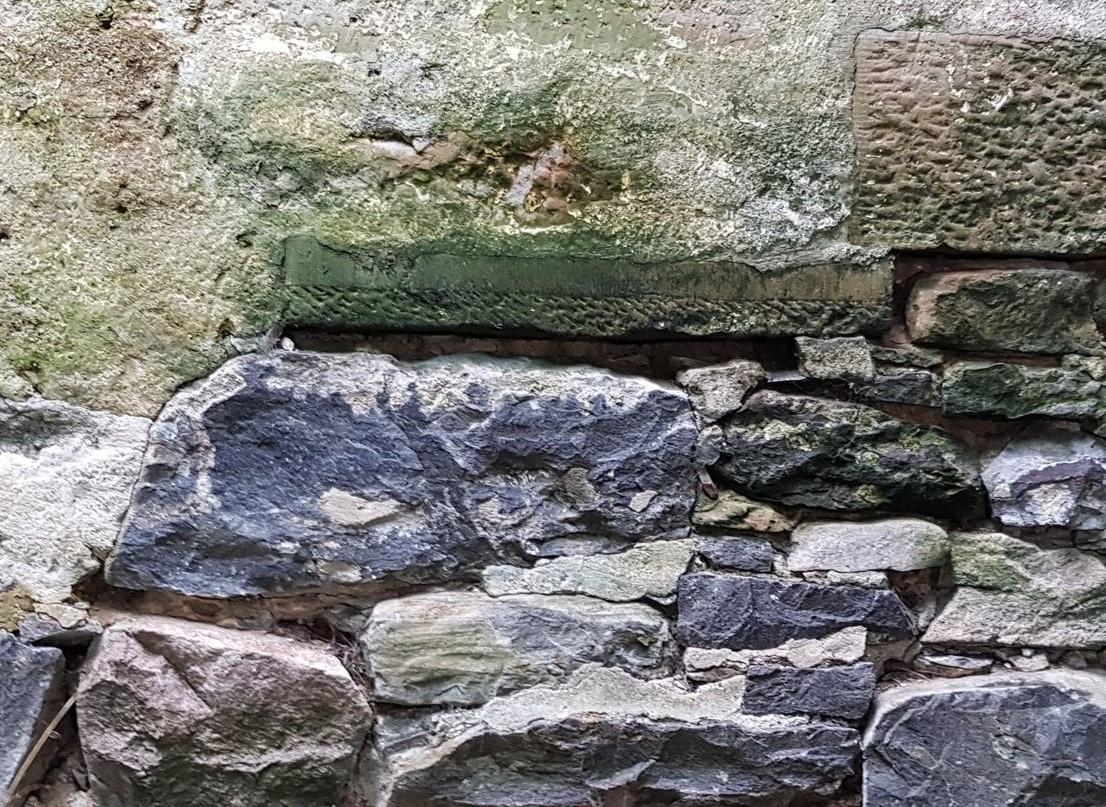
i explained it badly. in a traditional stone building there are major stone elements for lintels, door openings and at corners. There is commonly a twee reference to this by rendering a new house, but applying these patterns in a different colour of over-rendering, to look like lumps of stone. Having said that, I cant find examples, so perhaps it was a short term fashion, stamped out by planning, and removed form brochures. Found one.
-
110v versus 240v at start of project
saveasteading replied to Drellingore's topic in Tools & Equipment
I have skimmed, and agree with most points. 1. Don't try to be too clever, as VAT is horribly complex. Don't assume your accountant understands it...there are special advisers who charge an awful lot for their VAT advice. I have sat with them (for a probably zero VAT client) and realised that sometimes the VAT people don't know either. You can't choose to be a business, then not a business. An individual but also a company. VAT rebates only apply for domestic conversions, with zero business connection. If you avoid tax inappropriately (evasion ) then you will be penalised (severely fined) as well as have to pay whatever is deemed appropriate. Then they will send other inspectors to examine everything else. It is so complex that I will not give more advice on this. Get advice, read all the documents yourself and then get more advice. If the accountant doesn't agree to be liable for any liability then make your own mind up. 2. For breaking out a slab, hire a good breaker: one of these They seem too lightweight and quiet, but they exude breaking power rather than noise and vibration. 3. Drills, saws, cement mixers..buy good ones. 240V. you can have an RCD to keep you safe. 4. CDM isn't a game. People die and are injured far less than in the past. This is due to expectations and Human Rights, but also through the rigour of thinking through safety, and formalising it.
-
It's huge. So glad you are researching lime. Since we got interested it becomes obvious how many buildings are being patched with cement. I like the touch of the 2 black cars. Very appropriate. Prodave says don't consider ufh. Perhaps considering is OK, just don't assume yet. What is the ground floor construction?
-
Absolutely. It is your and others' interest that made me look at the topic properly, which I had skimmed, being about pump sizes. The original photo showed the extent of the problem. The tech drawings explained better than any words. The variety of expertise on her helps a lot too. Different slants on a subject.
-
Which was the question. The drawings were what sent me back to the question. I hadn't read the previous 5 pages. Helps that I've done a few basements and reservoirs.
-
Welfare facilities under CDM
saveasteading replied to Post and beam's topic in Project & Site Management
The painter is a good example. You can imagine a cash guy who takes on any job, with little equipment and little experience. Not just that, but they send out a lad to do it, without the right equipment. Compare with the skilled painter with all the right equipment. The good one sends along skilled and experienced workers with the right access equipment and tools. In 5 minutes they could adapt their risk assessment to show the risks of the job and the equipment to do it. If you can think it, you can write it. Standard method statements can be short. In fact they should be short and relevant so that they can be read, discussed and become policy. Proportionality: an example. My business was supplying the superstructure for a big retail shed, working for a major contractor, now long gone. I was in the site office with the site manager, just doing our own things. In walked HSE unannounced. He asked the manager what was going on today and any particular risks. He just pointed at me and deflected the subject. HSE chatted to me about our role, what was going on today, by what means, and then asked for the relevant part of our documents. I handed it to him and he flicked through it and said it was perfect: relevant and understandable. (It was about 20 pages and job specific). Then he went back to the site manager, and asked for the equivalent in his documents. He pointed at 3 huge lever arches and said 'it is all in there somewhere'. HSE subsequent inspectors have reluctantly suggested I bulk it all out a bit, for effect, but keep the relevance. I never got criticised for anything in the manuals. Moral: write down what is the job and what risks there are. then what you are doing to avoid the risk. It follows that there won't be an accident anyway, because it has been thought through. But if there was, any show of care and thought will go a very long way. -
Ok, that crossed my mind. Re hydrostatic loads. There are a lot of basements in the country. Many are damp, but few have water gushing up. Most don't have reinforced concrete, but you do. . So intuitively I think you are over-worrying. The SE may be happy to help on this, esp as you won't be claiming against them. What method is used for the tanking? Does it enclose the courtyard? I might be a cheaper job than the pumping station you are looking at.


