markocosic
-
Posts
979 -
Joined
-
Last visited
-
Days Won
1
Everything posted by markocosic
-
I think loads of people have direct electric underfloor in bathrooms...and 25C in those probably isn't too hot. COP of an air to water heat pump with ambient air 12C and flow temp 25C will be 7+ vs 1 for direct electric. Not that it makes much odds if you have any PV. Perception depends on genetics. Women operate at higher body temperatures and are more likely to have Raynaud's than men. https://en.wikipedia.org/wiki/Raynaud_syndrome https://pubmed.ncbi.nlm.nih.gov/3425973
-
Yes. Tiles suck the heat our of your feet. Even in summer. If you have real summers, the room is too warm, and the perceived coolth is good. Else if you have "sprautumn" summers I think you'll end up with rugs in the living spaces. And socks. Yes. Your wife will want to warm the tiles outside of a real summer, and it should be as good as free because you're using your PV and a heat pump to do so at an exceedingly high COP due to the low temperature increase. Right? The Thermia unit I've got has a "summer mode" that ensures the return from the heating system is at least X degC at all times, where X is set to 25 degC by default. I'd probably run this...whilst using the source side (ground source brine loop) to cool the intake air...if the floors were tiled. Timber may be better. The perceived temperature of timbers floors is much higher than than of tile, lino, laminate or indeed engineered wood. If your heating system can tolerate the compromise. Likewise carpet. UK house has: - Tile to the porch (with UFH) - Engineered timber downstairs (with radiators) - plus a rug where you're sat on the sofa / lying on the floor - Softwood stairs (bare) - Engineered timber upstairs bathroom (with towel radiator) - plus a bath/sink rug where you might stand for more than a minute - Carpet to bedrooms The tiled area with UFH is decidedly unpleasant underfoot outside the heating season compared with the engineered timber. I wear socks until the floor is about 22C. My wife wears slippers even then. 18C isn't pleasant even with socks. Next house will likely have: - Tile to bathrooms with UFH that has "summer mode" running on a heat pump - Timber everywhere else - Rugs (or low tog carpets with trimmed edges) in key areas over that timber (easier to clean than wall to wall carpet imo)
-
Thanks both, That sounds encouraging enough (not discouraging) to me - I'll buy a bag of fittings and section through some practice ones before burying the final one!
-
How difficult is electrofusion to master? I'd like to try this for the ground loops on the heat pumps. Fittings from BES etc are relatively inexpensive. Seems like there's not much to this beyond cleaning, holding, and melting for the appropriate time...
-
How on earth does my smart meter know this?
markocosic replied to CotswoldDoItUpper's topic in Electrics - Other
It doesn't. They literally make it up "based on properties with similar consumption profiles" -
Russia imposed export tariffs kicked in the year and is now talking of banning exports. https://www.timber-online.net/content/holz/holzkurier/en/log_wood/2021/05/russia-confirms-ban-on-log-exports-starting-in-2022.html https://tass.com/economy/1419909 I'd expect this to feed through into another year of wood bring chuffing expensive. Fast growth pine etc probably not in sorry supply but slow growth Siberian timber probably will be.
-
Weeping Radiator tails
markocosic replied to CotswoldDoItUpper's topic in Central Heating (Radiators)
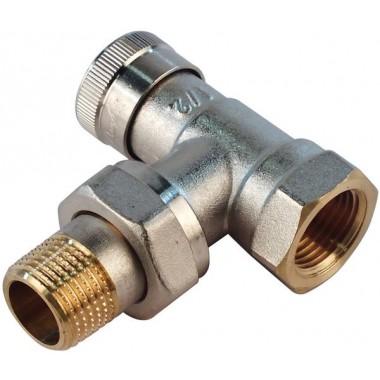
Quick smear of vegetable oil on the O-rings to help avoid shredding them as you tighten up the fitting. This is what loctite 55 looks like fwiw. Truly magical stuff. Premium valves will come with pre 'roughed up' threads to grip string and drag it into the joint. The compression nuts on the are inverted. More like a brake pipe flare nut. It helps to keep the pipe "straight" in the fitting - the bore that the pipe runs through is much longer so it's difficult to stuff up the joint by waggling the body relative to the pipe. I suspect your leaking compression will be caused by tweaking the valve body relative to the pipe as you fix it to the rad. Try to ensure that the valve body is held absolutely stationary as you tighten the compression. A smear of oil on the olive and the threads of the compression fitting will reduce the force that you need to apply on the spanners for the same joint pressure. This can help by making keeping the fitting stable easier.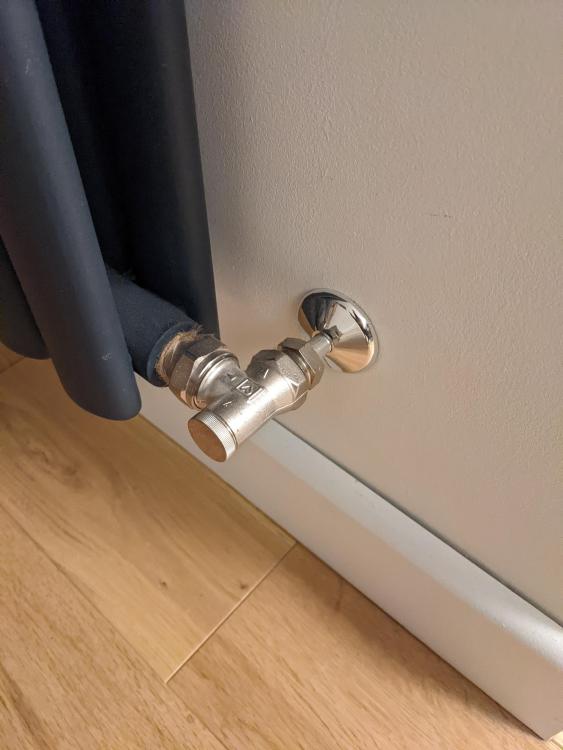
-
Insulating a 1967 timber framed bungalow
markocosic replied to esalglop1945's topic in Introduce Yourself
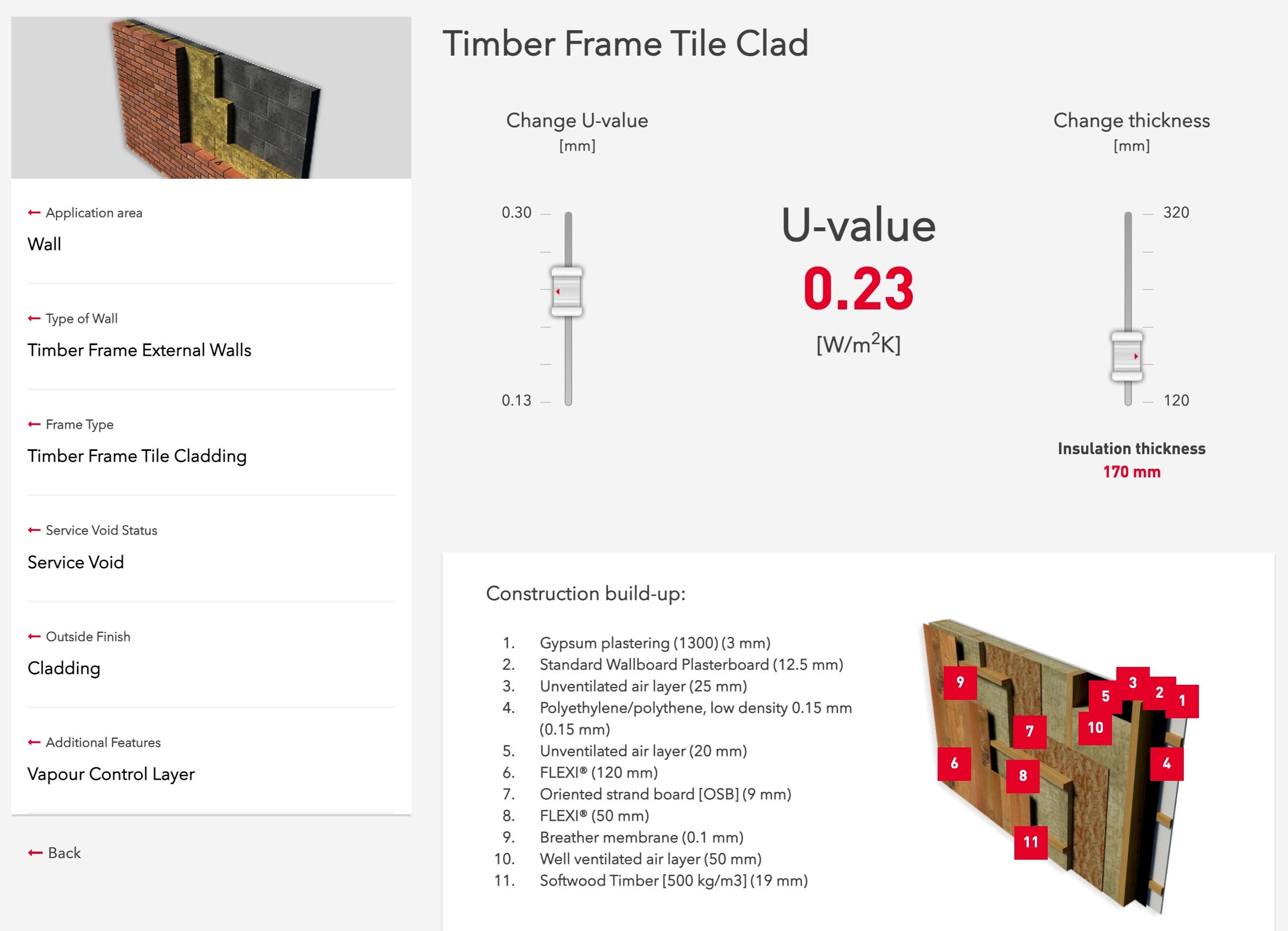
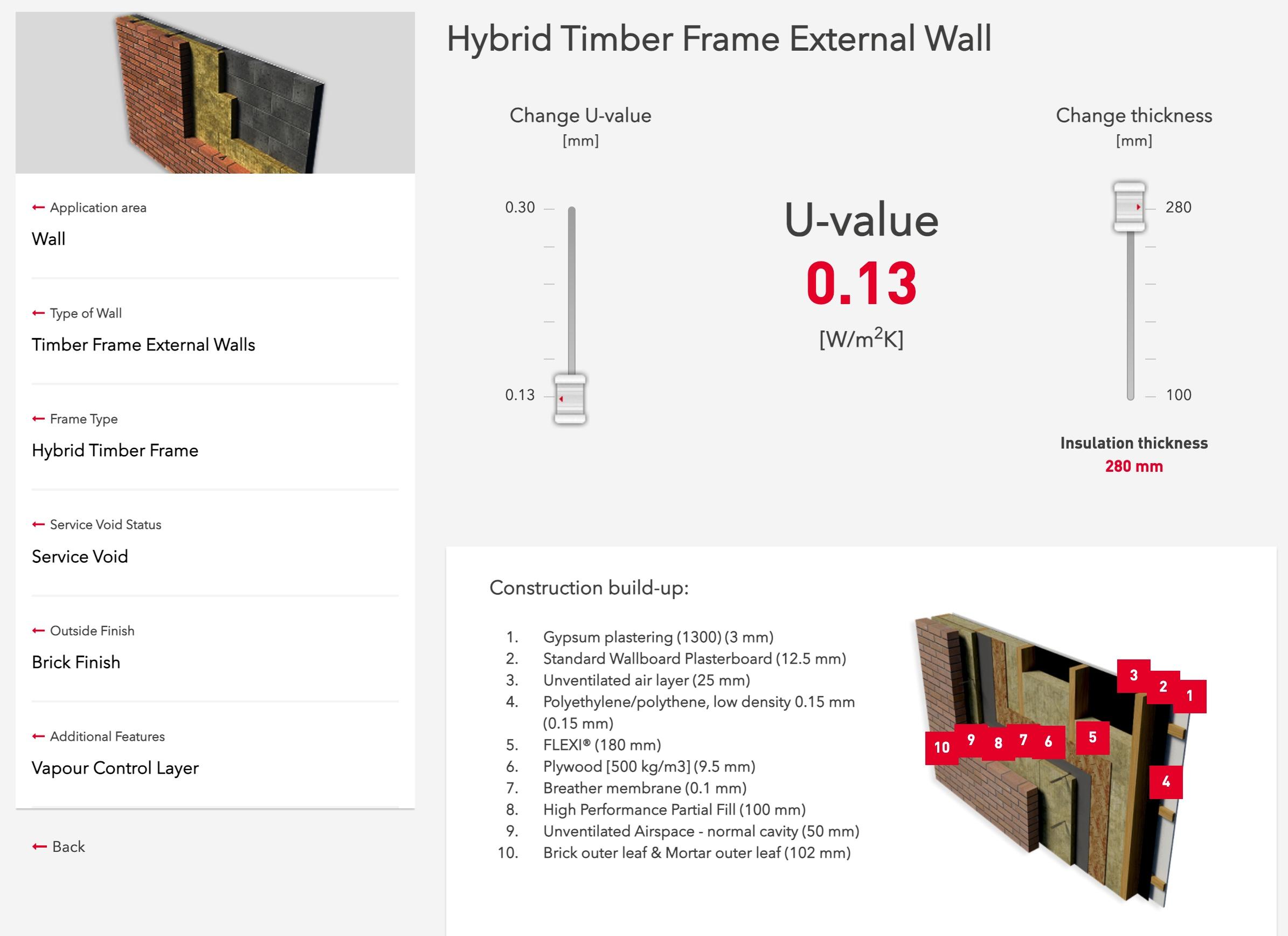
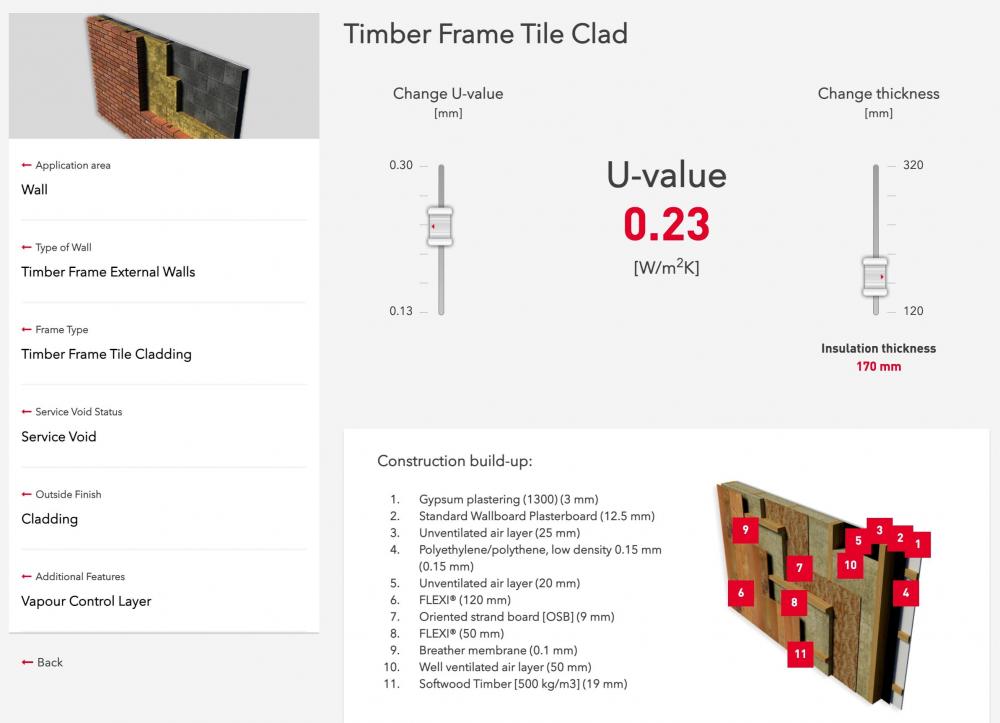
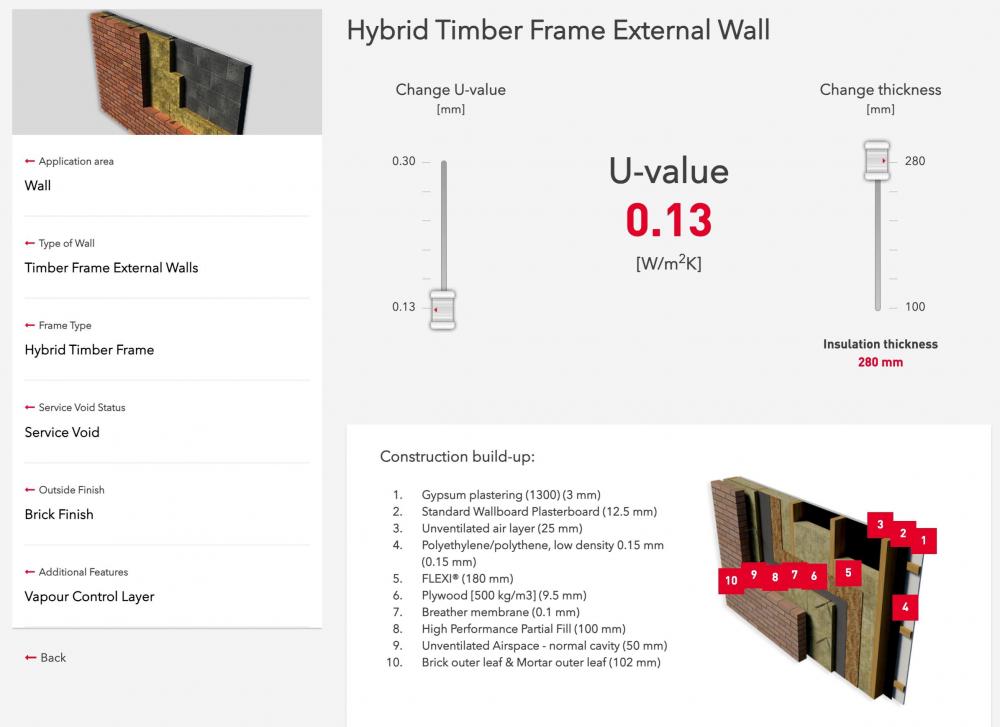
I don't think you should insulate this from the inside if there's a full on plastic air/vapour barrier wrapped around the outside. Not unless you have a *completely* airtight Is there a crawlspace? (can you access the underside of the floor and the bottom of the wall cavity) Is there a roof void? (can you access the top of the wall cavity?) I think would: - Strip plasterboard from the inside - Keep the plasterboard in a pile if you have clay soil. People buy gypsum and dig it into the soil to improve it... - Move any internal walls that you want to move for layout reasons - Swap the windows and doors that you want to swap for insulation / airtightness / aesthetic reasons Walls: - Strip the plumbing and electrics from the walls - Trash the plastic air / vapour barrier in the cavity. Either by ripping it out from the top / bottom or by drilling some 4" holes through the outer sheathing and pulling the plastic out through the holes - Full fill 4" mineral wool between the studs (doesn't "droop" like fibreglass, doesn't need professional application like spray foams, isn't a pain to cut around existing structures and seal usefully like PIR boards) - Air / vapour control layer (airtight, vapour resistant, but not solid plastic) - Counter batten with 75 mm "battens" every 600 mm (e.g. 36 x 75 mm rough sawn arranged so that ) - Run all new plumbing / electrics in this "service cavity" on the inside of your vapour control layer - Insulate in this service cavity with more mineral wool - New plasterboard with sockets etc wherever you want them You've avoided the heavy work of moving bricks / changing structural elements; U-Value of the order 0.23 depending on how much bridging there is. 75 mm loss of space. Bridging can be reduced by using insulated plasterboard instead of the service cavity plus mineral wool...but then you don't have anywhere to run your services. That might be ok if they can sit on internal walls. That might also be ok if you're going to raise the floor and can run your cables under the floor. I don't think it's entirely crazy to use insulated plasterboard with a few "chases down to the floor" where sockets go if you REALLY need a socket in a particular spot but otherwise the outside walls are plain. This isn't the buildup I'm suggesting but it'll give the same U-Value as the buildup described above. To do better build a second stud wall "inboard" of your existing wall? - Existing brick and cavity - Plastic membrane ripped out - Existing sheathing - Existing 4" studs - New full fill 100 mm mineral wool with no bridging (+100) - New stud wall on 600 centres with full fill mineral wool (+89) - Vapour control layer - 25 mm battens horizontally as service void (+25) - Plasterboard That might give as good as 0.13 for 200 mm loss of internal space. Or you could also try to fit PIR boards between the studs, foam them in place then run over the top with insulated plasterboard, again trying to avoid any services in the walls. This will be more of a PITA but allegedly 0.14 for only a 75 mm loss of space. Ceiling easier: - Air / vapour control layer (airtight, vapour resistant, but not solid plastic) - Counter batten with 25 mm thick battens every 600 mm (e.g. 25 x 50 mm roofing battens) - New plasterboard with light etc wherever you want them (lights that don't puncture the vapour control layer) - Top if off with all the loft insulation that'll fit; paying attention to the eaves to avoid air bypassing under the insulation and to avoid blocking cold roof ventilation After you've put your MVHR in first! Floor: Pass. Unclear what room you have underneath this at the moment, if any. If it's block and beam then insulate from underneath?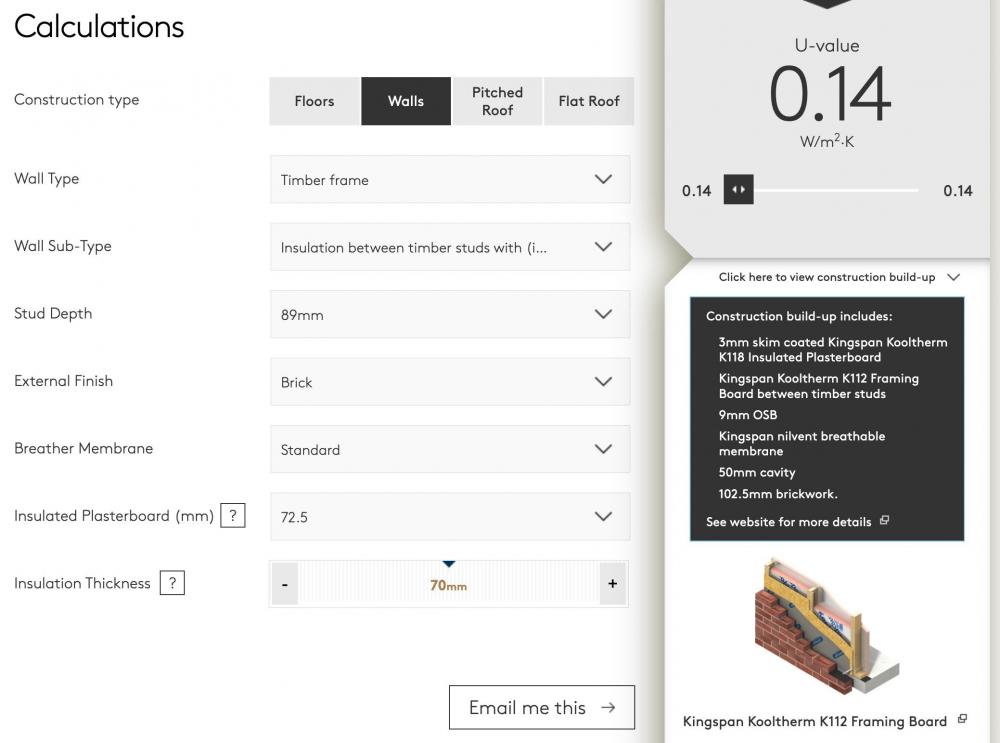
-
Weeping Radiator tails
markocosic replied to CotswoldDoItUpper's topic in Central Heating (Radiators)
Threaded joints? Loctite 55 is more idiot proof than PTFE in my experience: https://www.henkel-adhesives.com/lv/en/spotlights/all-spotlights/news/loctite-55-intro.html Do make the wrapping tight. Don't make the wrapping too neat. Do "rough up" the threads. (scratch a file or hacksaw blade across them so that the outside of the threads feels rough) This will help the male thread "grab" the Loctite 55 and "drag" it deep into the joint. If the male thread is too smooth, especially with PFTE, then often the male part can "screw through" the PTFE as you tighten the joint so it looks like there's loads on but actually almost none of it is inside the joint. IF DIY, paranoid, and not in a rush then fill cold, whack it up to the maximum working pressure of the components (usually 10 bar for radiators and taps), top it up again after the initial stretch is taken out, then leave it under pressure overnight using something like this: https://www.ebay.co.uk/p/16028213862?iid=232209768745 That will find your weeping threads AND the compressions that you completely forgot to do up past fingertight / end feed copper that just has flux in but can hold up surprisingly well with just cold water at 1 bar or so! -
That's a great idea @Radian At low operating temperatures I don't think you'll need pump overrun - there's quite a lot of volume in the little tank - but that wouldn't hurt either.
-
Controlling MVHR preheater
markocosic replied to markocosic's topic in Mechanical Ventilation with Heat Recovery (MVHR)
Preheater is absolutely required here because it's below zero for hours at a time for the entire heating season even in a mild winter. The brine loop is already needed for the ground source heat pump so extra cost for this is near zero. One can't heat with the preheater (it would defeat much of the point of the mvhr) but for cooling with the MVHR in summer bypass it's as effective as it being in the outlet. How is the water side of your comfopost controlled in terms of flow rate? No control just zero or maximum? -
It gets nippy* around these parts. The MVHR will need preheating in order not to freeze or turn into MEV: https://www.paulheatrecovery.co.uk/components/frost-protection/ https://www.ventilation-alnor.co.uk/index/support/alnor-knowledge-base/heat-recovery/preheater-mvhr.html It sometimes gets warm** too. We're fitting a ground source heat pump. I think I'd like to use the heat pump as the pre-heater. Perhaps using just the ground loop as a preheater would be a better idea. I'd also like to use the ground loop as a pre-cooler. 72m2 ground floor area. 48 m2 mezzanine area. Call it 100m2 useful floor area and 100 m3/hr as the base flowrate: http://www.passivhaustrust.org.uk/UserFiles/File/Technical Papers/2018 MVHR Good Practice Guide rev 1.1.pdf The MVHR unit I have (eBay special) 500+, perhaps 300 System air have some calculators for duct heaters / coolers: https://www.systemair.com/support/product-selection-tools/online-selection-tools/ When it's cold a 200-3 duct heater will do 0.9 kW of heating if fed with 10C water from a ground loop: Or 1.6 kW of cooling if we assume 30C incoming air and 10/15C incoming/outgoing water from a ground loop: These seem like useful numbers to me. (1) to stop the MVHR from freezing in winter (that's the limit on how much heat you can put in before it becomes counter productive) and (2) to take the edge off in summer. Questions that come to mind: - Ever seen this done before? - How does one control these things? (the flow on the water side - we don't want to under/over preheat in winter or pump unnecessarily in summer) - Boosting the MVHR whilst the heat pump is making hot water in summer (and the return to the loop is cooler) would be fun. Need to think about how the loop is shared between GSHP and duct preheater/cooler. Assume that condensate is routed into the MVHR then to drain from there. I should probably think about keeping drains ice free if the MVHR runs in winter. That's going to drip slowly. A boiler condensate auto-siphon might be an idea... *Debatable what the cold design condition should be. **Debatable what the hot design condition should be. I'm going with needing to handle -20C winter / 30C summer whilst maintaining comfort and -30C winter without breaking. https://weatherspark.com/y/92709/Average-Weather-in-Molėtai-Lithuania-Year-Round#Figures-Temperature https://weatherspark.com/h/y/148554/2021/Historical-Weather-during-2021-at-Vilnius-International-Airport-Lithuania#Figures-Temperature Warm winters might not drop much below -5 https://weatherspark.com/h/y/148554/2020/Historical-Weather-during-2020-at-Vilnius-International-Airport-Lithuania#Figures-Temperature Cold winters can be pushing -30 https://weatherspark.com/h/y/148554/2012/Historical-Weather-during-2012-at-Vilnius-International-Airport-Lithuania#Figures-Temperature


-
Service voids as MVHR ducts?
markocosic replied to markocosic's topic in Mechanical Ventilation with Heat Recovery (MVHR)
The rooms under the mezzanine (bathroom) would be handled separately via ordinary ducts. This is just large open plan living space albeit with a kitchen too. -
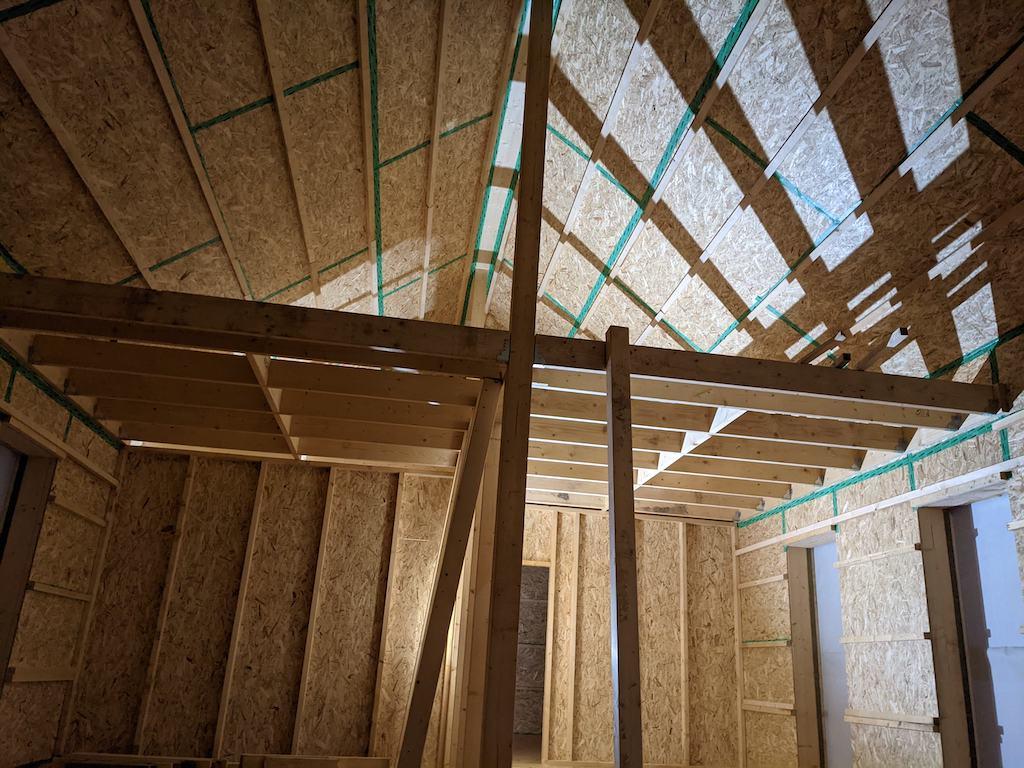
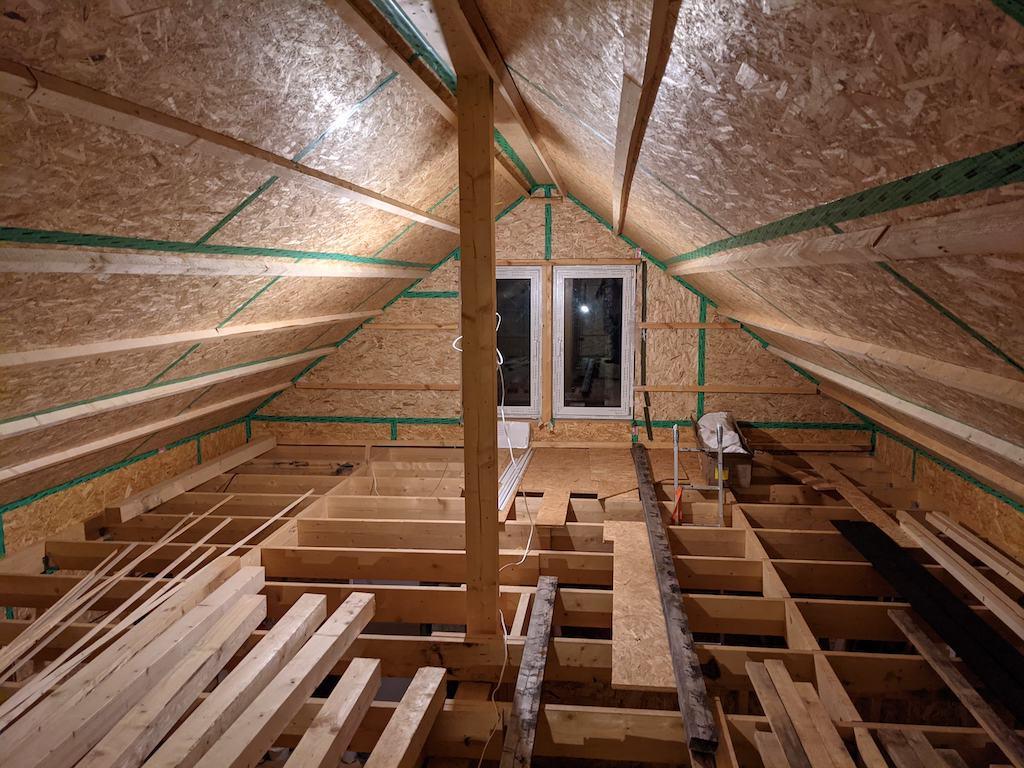
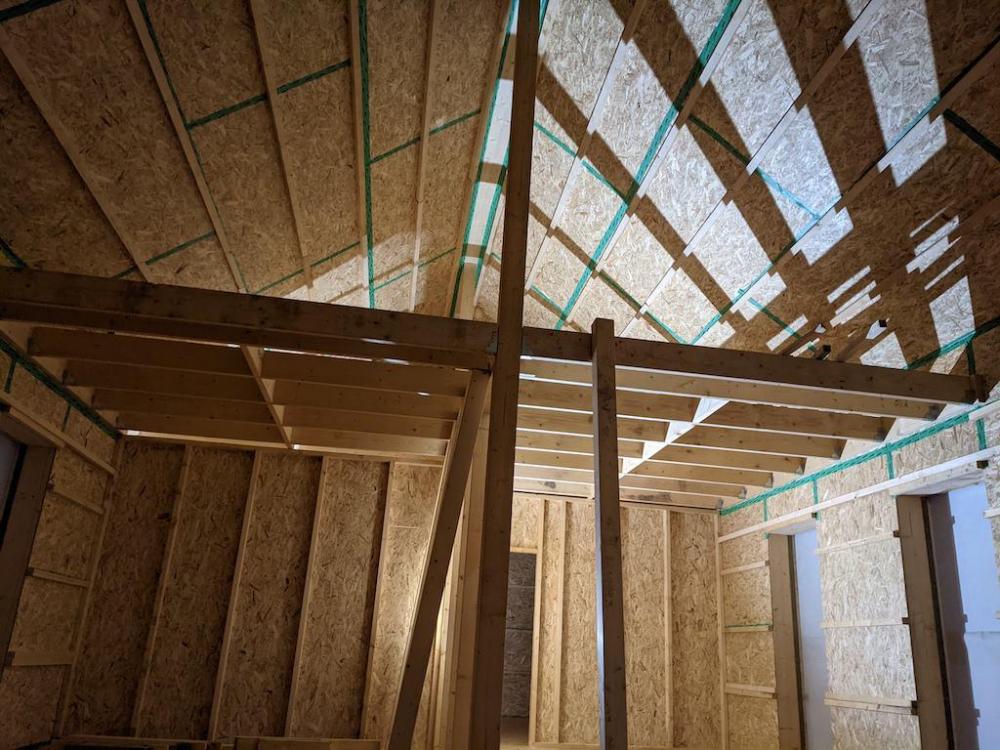
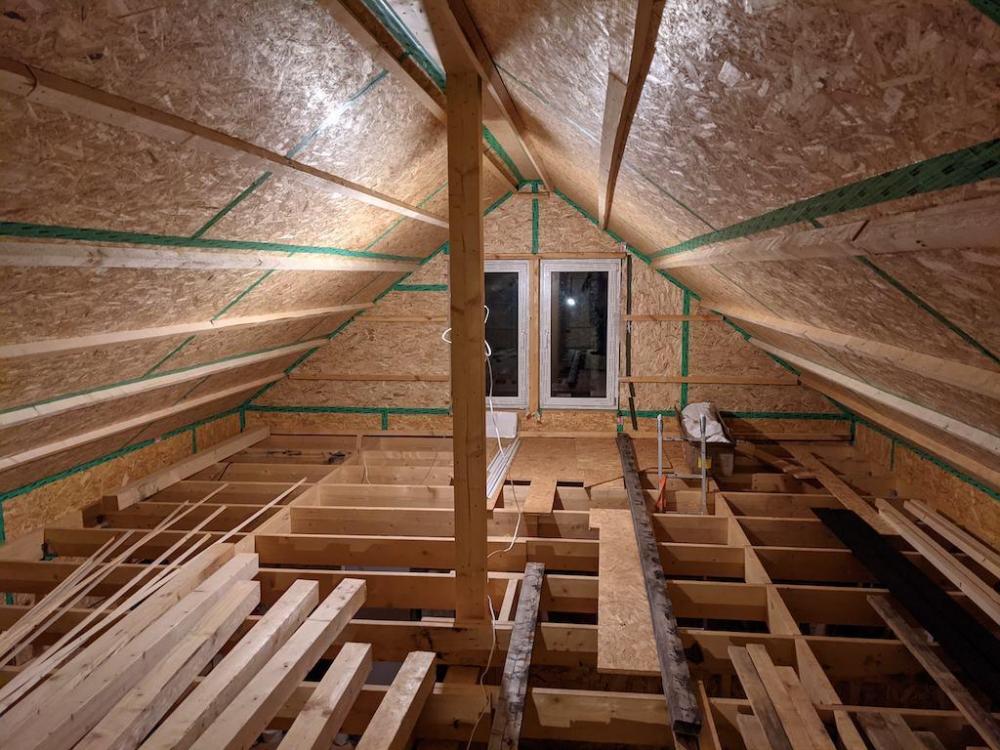
Monopoly house. 12m long. 6m wide. 3m to eaves. 5.5m to ridge. Cathedral ceiling to 1/3rd of it. Mezzanine floor to 2/3rds of it. 12 mm OSB as the airtight layer. 45 mm battens as insulation space / service void. Then plasterboard. The MHVR unit is going to be at the north end which is opposite the cathedral ceiling area. Supply to the two rooms under the mezzanine, and extract from the bathroom under the mezzanine, is easy. I also need to supply / extract from the cathedral ceiling area. This is the kitchen / living room. I would like to extract from the mezzanine / cathedral ceiling area near the ridge. I would like to supply fresh air to the cathedral ceiling area too but am not too bothered about supplying it to the mezzanine. Silly idea time: The service cavities are 500 x 45 mm. At the expense of sacrificing some insulation I could repurpose these as supply / extract ducts by leaving out the insulation. I could pop a hole or six through the plasterboard and let in extract inlet / supply outlet. Tada. Hidden supply / extract ducts that SWMBO won't complain about the visuals for. What could go wrong here? Ever seen it done? The alternatives I can thin of are: - ducts down either side of the mezzanine that stop at the end of the mezzanine, say supply on one side and extract n the other side, and try to "stir the air across" from the living room side (left) to the kitchen side (right) and out of the extract duct before it rises to the ridge - filling in the top of the ridge and having the supplies either side at mezzanine level and the extract at the ridge Assume downdraught recirc extractor for the hob. Assume that humidity isn't an issue. (dry here in winter)
-
LG Therma V mono block Air Source Heat Pump
markocosic replied to ProDave's topic in Air Source Heat Pumps (ASHP)
What's the mmsp spec? District heading is my industry: Leccy meter with mbus £50 Heating/cooling meter with mbus £100 Gateway £250 Data service £3/meter/year Data sim £1/meter/year Mmsp should be easy enough! -
We're still having the radiators vs UFH vs fan coils debate for use with a heat pump. Radiators need to go somewhere. UFH on existing timber floor will be fun. Fan coils are naff for heating. Hiding some plinth heaters in the kitchen (part of a large open plan cathedral ceilinged kitchen-living space) might not be insane. Anybody know where one might find decently sized versions of these things? https://www.heatandplumb.com/acatalog/fan-convectors It's essentially a slimline FCU and would chuck heat out at a height where it doesn't need to be blasted downwards at a rate of knots to de-stratify the room... Slimline FCUs would be another option I guess. I'v never seen one though. A trench heater that could hide in front of the large south facing window? Is there such a thing as an inexpensive source of finned tubes? eBay for boats suggests 400W per metre run at fossil temperatures. Perhaps make the entire plinth into a heater and blow into it with an reasonable efficiency EC fan to provide airlflow? Downdraught kitchen extractor as the blower when you want high output? ? Throwing out silly ideas. The answer is probably radiators but that's so boring, heh! If cupboards were permanent I could hide those under cupbaords in the bedroom or utility room too. hols in teh top of the cupboard. Draw through and out under the front. Keeps clothes fresh etc. Must be a way to sell this to SWMBo as a great complicated idea to never get finished? https://www.ebay.co.uk/itm/111627899018
-
Board on board cladding - fixing advice / critique
markocosic replied to markocosic's topic in General Joinery
Fail...FYI don't bother with ridge vents in snow country! Ridges either need to be vented at both gables or you need little chimneys on the ridge to vent the ridge. I'll vent at the gables with assume features in the yet to be added cladding. Win for failing to finish that before winter... ?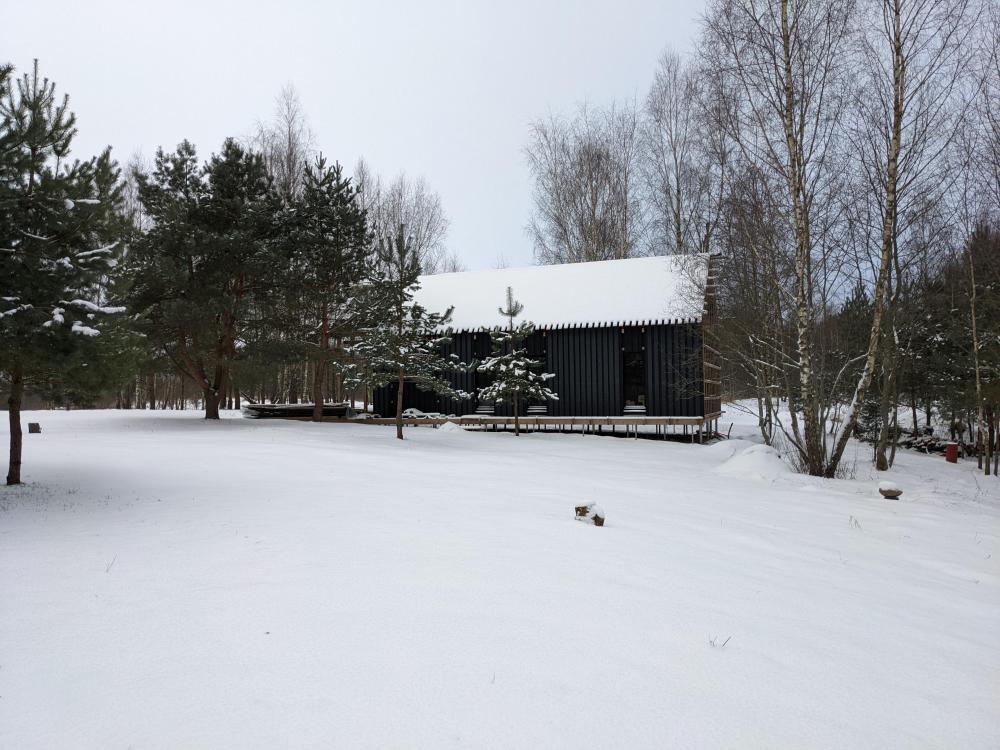
-
roof seen on house 100k built?
markocosic replied to CalvinHobbes's topic in Roofing, Tiling & Slating
Pigeon feet are also bloody loud on these roofs. Kid brother replaced felt roof with kingspan panels because bollox to felt/add insulation and the resin of ok but the pigeons are flipping loud! -
Ducts for wires through external insulated walls?
markocosic replied to Dreadnaught's topic in Timber Frame
Cladding? Bunch them up into as few entries as you can then run the cables behind the cladding to their final destination? (e.g doorbell and outside light to share a single penetration) Aside from chimney and mvhr entry/exit we're putting everything else through the floor then running it up behind the cladding to final destination. Minimises the number of penetrations and makes it pretty darn hard for things to get wet. -
What fittings do I need to connect to my shower mixer and heads?
markocosic replied to Conor's topic in General Plumbing
Why not use compression onto plastic pipe @Nickfromwales? I've used this (with soft copper olives not the useless brass ones usually supplied) everywhere I've filled from 15 mm pex to copper for radiators... PTFE tape is naff IMO. Loctite 55 every time; after roughing up the threads first. Much more forgiving of how far you turn it up. -
What do you have over the top of it as a final finish, and how does it perform in terms of output and any clicking and clacking as the pipework expands and contracts?
-
Ground floor built already. 22 mm OSB bubble GLUED to within an inch of its life (so not coming up) and screwed. 245 mm joists underneath with full fill of mineral wool. I'd router the grooves. Painful...but short work compared with the 7km+ of grooves in the written roof/wall cladding. Mezzanine just 195 mm joists at the moment. Only asks for 170 mm structurally so could also notch the tops if I wanted to then use a finish for that could dish the 600 mm spacing (e.g thicker t&g pine boards) which if glued largely makes up for the strength loss on notching anyway.
-
I'm reconsidering UFH - in a timber build that I don't want to add to the foundation loads on. 1) For comfort (floor warmer than ambient air rather than cooler than ambient air) 2) For system volume (the heat pump is a fixed speed unit that wants a minimum system volume to work with) I'm interested in this style of UFH: https://www.youtube.com/watch?v=ANxHZ17AVGA https://www.youtube.com/watch?v=Z4jShqK6qNQ Anybody ever done one like this and care to share their experience? - Floors are timber (ground 22 mm OSB on on joists at 600 centres; 1st floor currently just joists on 600 centres and wouldn't need heating but could be used as an additional emitter for bulk heat / just for the heck of it to see how things perform without any consequence if they don't work well) - Surface covering will either be engineered oak, actual oak parquet, or pine boards, depending on how the mood takes SWMBO - I'm not needing huge output (10-20W/m2 would heat the place nevermind take the edge off the floor temperature)
-
How to keep Exposed Frame Dry In Winter
markocosic replied to bob the builder 2's topic in General Structural Issues
Breathing membrane over the top and down the sides. It'll go up fast and it'll dry fast too. Roll the membrane straight over the window openings and don't cut out the holes. It will let more than zero light through. Avoiding all the flooring / sheathing getting wet is the trickier bit. What is the buildup / when do the bits that "can't get wet" start going up? -
Self employed mortgages of 4x your PAYE+dividend income as declared on your SA302 (three lesser of the last two years) and less than 90% loan to value are high street territory. The broker just gets in the way - if this is the only complication - mangling the requests for info from the lender and delaying proceedings etc IME. Also worth knowing that the high street lenders will also accept applications that aren't advertised on their websites. "Oh no, we can lend on one years accounts, you don't need two, it just get referred to the underwriters." Start with the best buys then call direct for initial advice if you have the time. You might learn more from this than a broker rusted chief up on self employment but not construction type and vice versa. Pull you credit files now too. Experian, Equifax, TransUnion. You might think there's little to go wrong but when done fat fingered oaf mis keys the delivery vs invoice address for your phone like etc this causes no end of grief!