Gone West
-
Posts
4521 -
Joined
-
Last visited
-
Days Won
19
Everything posted by Gone West
-

Replacing Hyundai Brush cutter. Is Stihl the only option.
Gone West replied to flanagaj's topic in Tools & Equipment
I've gradually swapped over to all Ego 56V garden tools. I haven't got the brushcutter, only the strimmer, but they all work well and have plenty of power. https://egopowerplus.co.uk/products/line-trimmers-brush-cutters -
Is chimney flashing usually like this? Just wondering.
Gone West replied to Gone West's topic in Demolition
Thanks for the reply. -
Ours is fully treated and we don't intend to carry out any maintenance other than sweeping leaves off it.
-
We had some slip-resistant decking installed at the beginning of the year. It has been no problem so far and the quality is very good. https://www.jacksons-fencing.co.uk/product/sc_755900sr/slipresistant-heavy-decking-board-ex-32mm-x-150mm-3.6m-long-natural-finish
-
Back in the nineties we did a full renovation of a Victorian farm workers cottage, while we were living in it, and in 2010 we started our self build. There are advantages to both, although living in a renovation whilst doing it, is pushing it a bit. Wendy said we would only do another self build if it was a turn key build. Hopefully this is our last renovation.
-
Hi Lisa, welcome to the forum and well done with the renovating. We self built our last house in East Kent and are now renovating an old bungalow near Holsworthy.
-
Need a copy of paperwork to submit to dno for panels
Gone West replied to CalvinHobbes's topic in Photovoltaics (PV)
Is this a recent change or has it always been like that since the MCS FiT started. Our system was apparently installed in 2012 and is wired like the above diagrams. Could it be wired to the main CU if it didn't share an RCD with other loads? -
Quote for ashp - didnt expect that much!
Gone West replied to TheMitchells's topic in Air Source Heat Pumps (ASHP)
Any idea what's in the 'Parts & Fittings', the most expensive part of the estimate? -
Tally your preventable mistakes :)
Gone West replied to puntloos's topic in New House & Structural Warranties
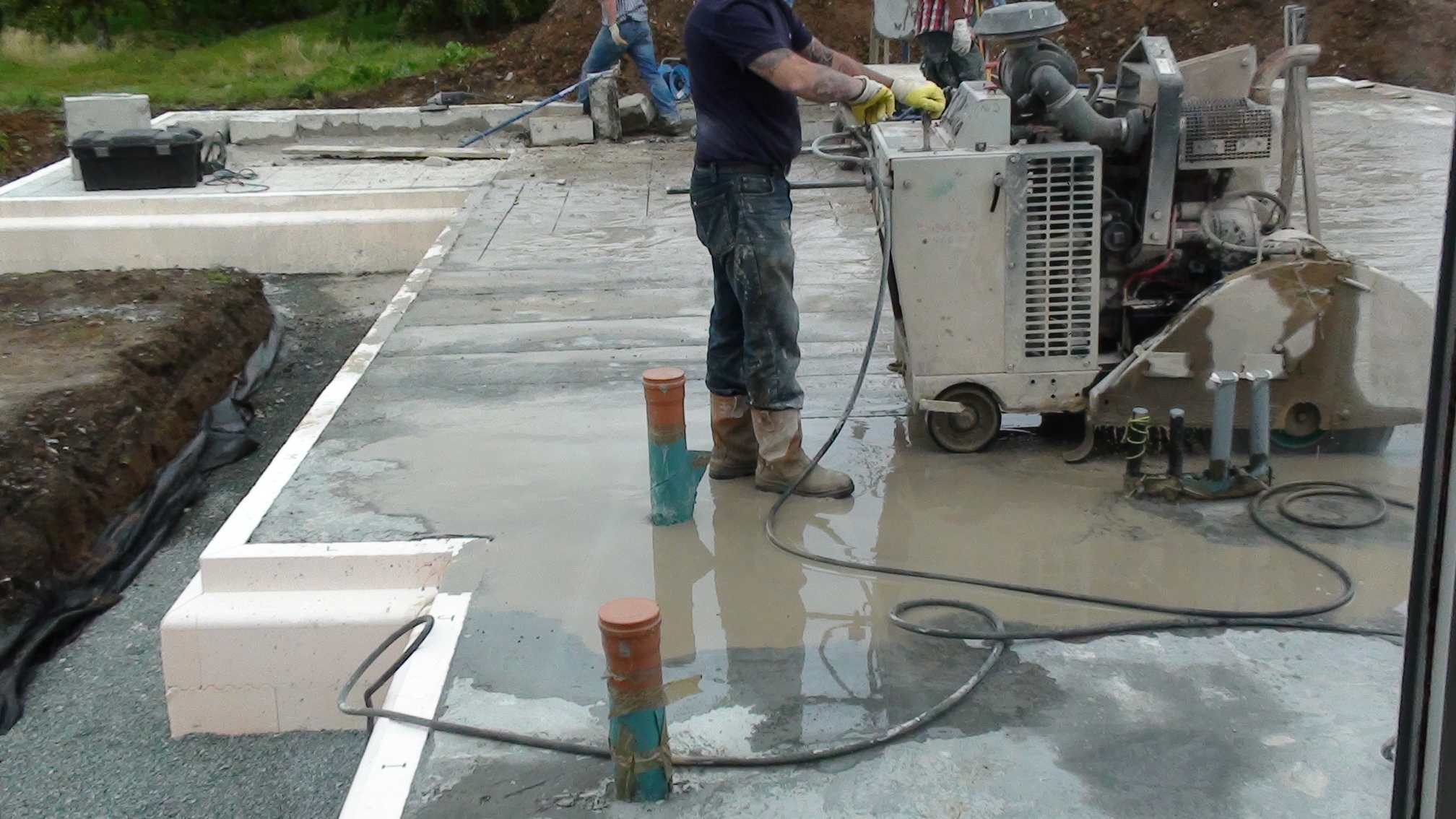
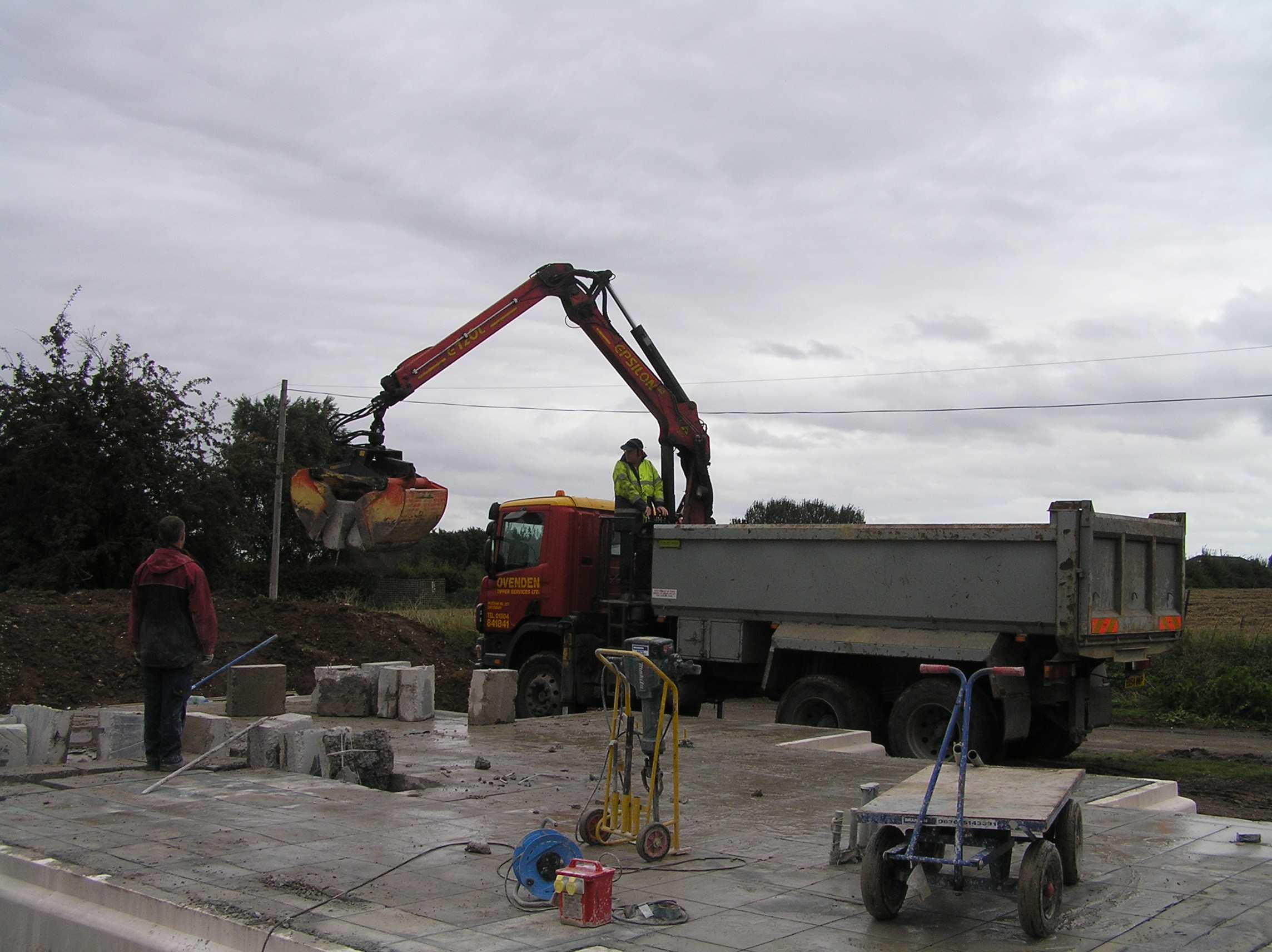
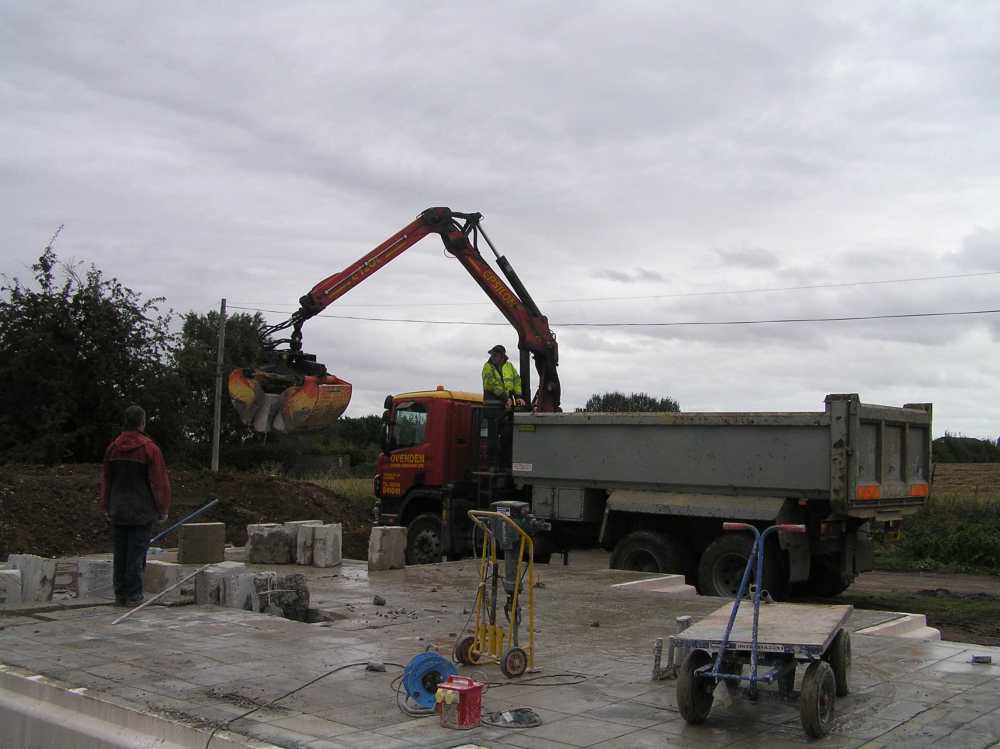
Back in 2010 we were the first Isoquick foundation system to be laid in England. Unfortunately the concrete laying did not go well. A combination of cost cutting, by not using a pump, and the concrete setting too quickly left large voids in the 200mm slab which were detected using ultrasonic testing. The results were confirmed by drilling core samples. Fortunately I had videoed the whole process which showed the mistakes made by the concrete installers, and the company doing the work for us accepted full responsibility. A month later we had a completely new slab. We just carried on, but a few weeks later than we had expected, but as the whole build took eight years it wasn't too bad. -
Tally your preventable mistakes :)
Gone West replied to puntloos's topic in New House & Structural Warranties
The major one was having to completely dig up and replace the the whole insulated concrete slab foundation. Surely things couldn't get any worse?.......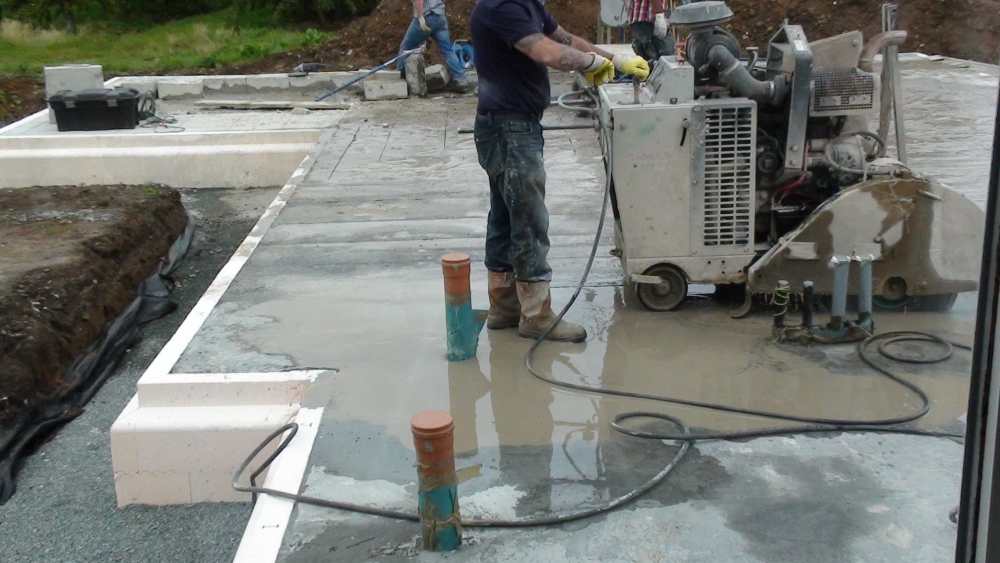
-
We used Trueline Products to fabricate the aluminium sills, to our dimensions, for our windows. Trueline powder coated them to match the windows. It was a long time ago but I assume they still do it.
-
What is allowed to be left on a building site?
Gone West replied to Vijay's topic in General Self Build & DIY Discussion
I had this after we had built our house. We were in the process of dismantling the bungalow we had lived in during the build, we had three months to do this, and an enforcement officer turned up to say they had received a complaint about the length of time it was taking us. He was just ticking boxes and said he was monitoring the situation and we never heard anymore about it. Try not to get stressed about things like that, if they've received a complaint they have to investigate it. Try to work with the enforcement officer as much as you can. -
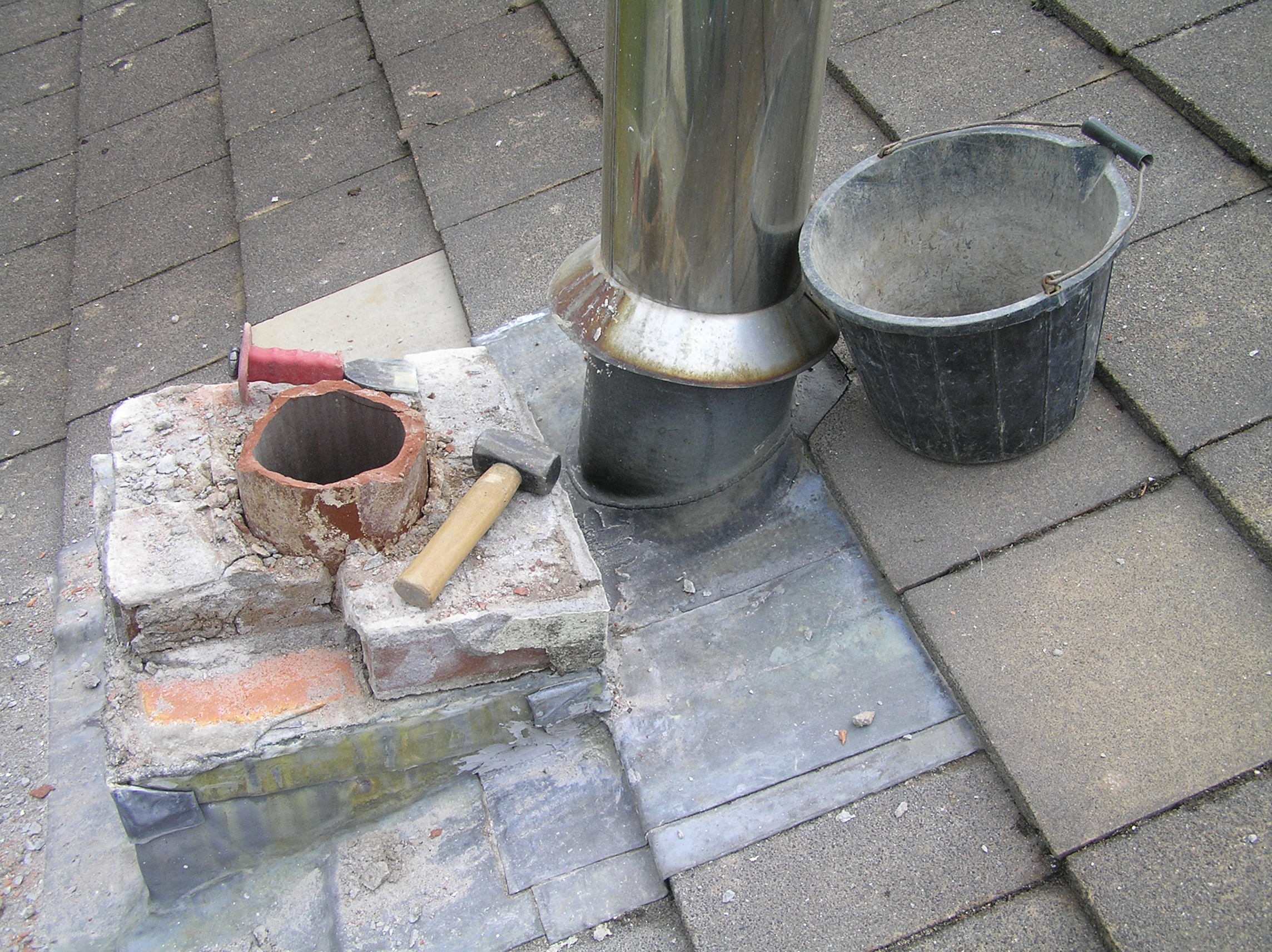
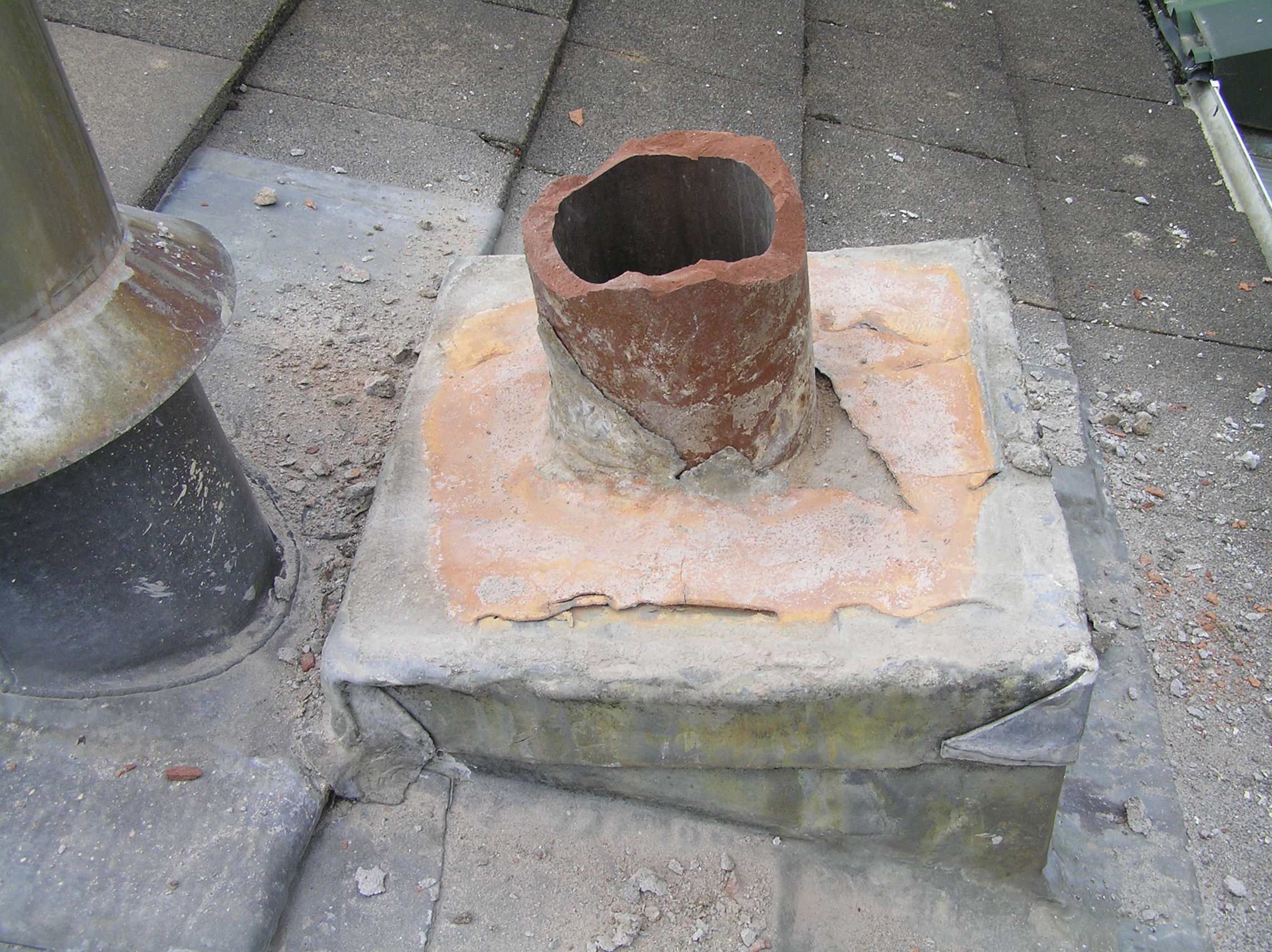
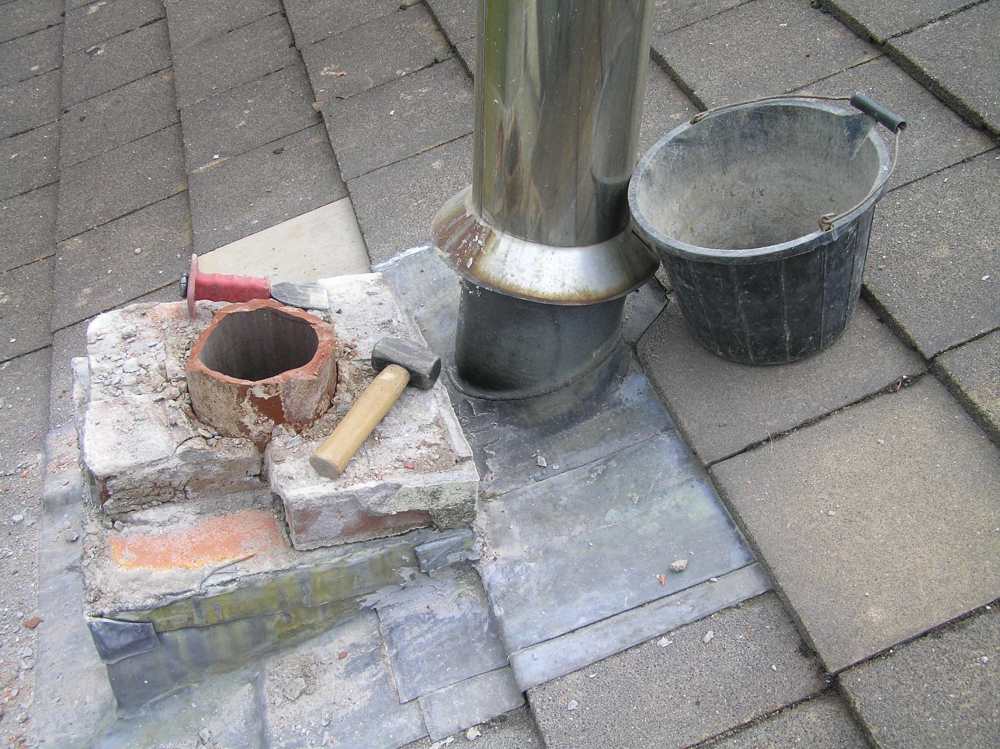
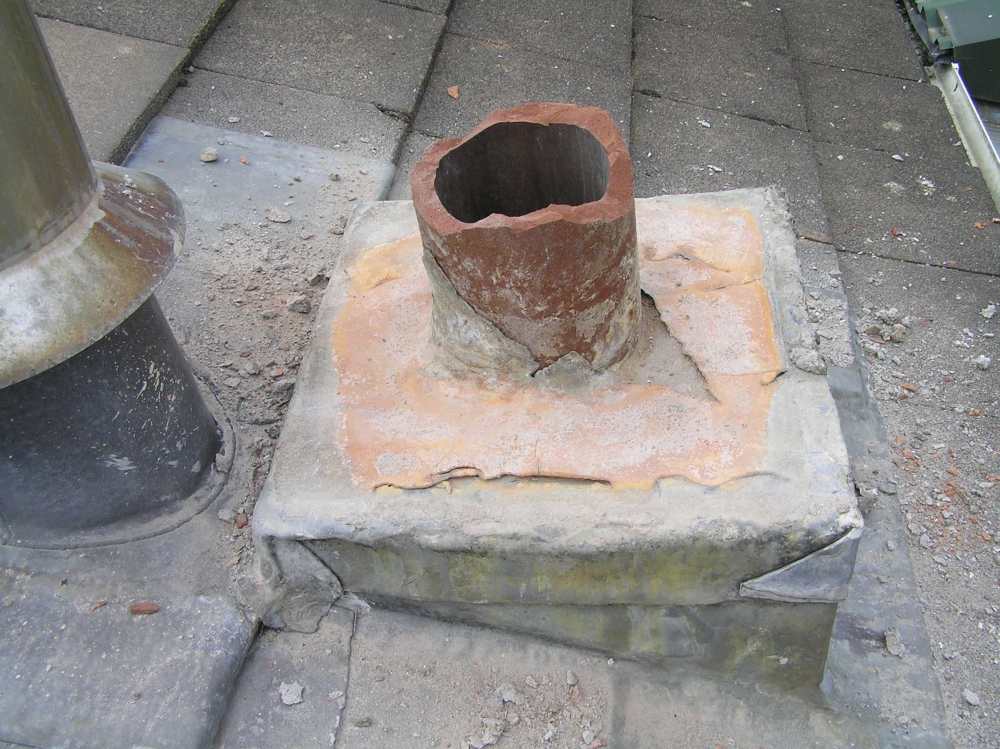
I've only taken down one chimney stack before and that was conventional double brick with a square hole and flashing let into the brickwork about 40mm. I've now been taking down a 2m high stack on this bungalow. It's built centrally above the 600mm thick stone wall with the hole going down through the wall. I'm pretty sure the stack was rebuilt in the 1970s and it now has a ceramic liner which has been concreted around tying it to the surrounding brickwork. The flashing has gone under the bricks and has been dressed up around the liner. The concrete had stuck really well to the lead flashing and I had to tear the lead to get the concrete off. Any idea if this is normal?
-
There was rebar where the holes were drilled. Used a Bosch concrete rebar cutter drill bit, not used it much though.
-
Yes, to the extent of putting the half built house on the market, because I was pissed off with spending all my time working on the house. When we didn't have any interest, other than nosey viewers, we decided to carry on. We're glad we finished it, even if it did take us eight years. I think that if you don't finish the challenge you will regret it. It's important to split the tasks up into manageable bits and not to get stressed. If it is getting on top of you, walk away for a time and come back refreshed.
-
Our frame was fixed to the slab with 12mm threaded studs bonded into the slab with two part resin.
-
brick slips Brick slip companies
Gone West replied to John Keith's topic in New House & Self Build Design
It was several years ago but I used the Wetherby system, just for a plinth around the house, six rows. Didn't have any problems.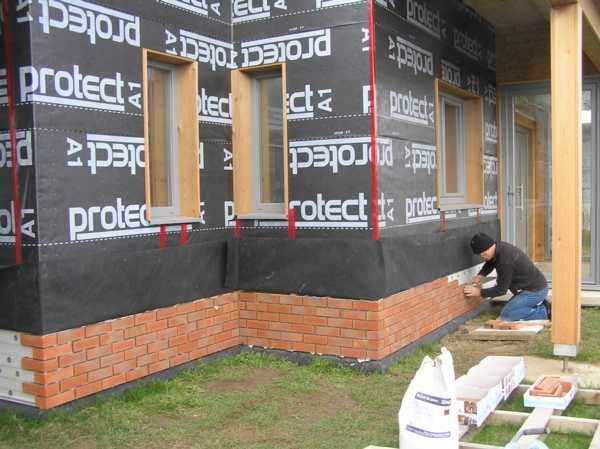
-
Isolation Switch for three-phase power beyond 100A
Gone West replied to Boba's topic in Consumer Units, RCDs, MCBOs
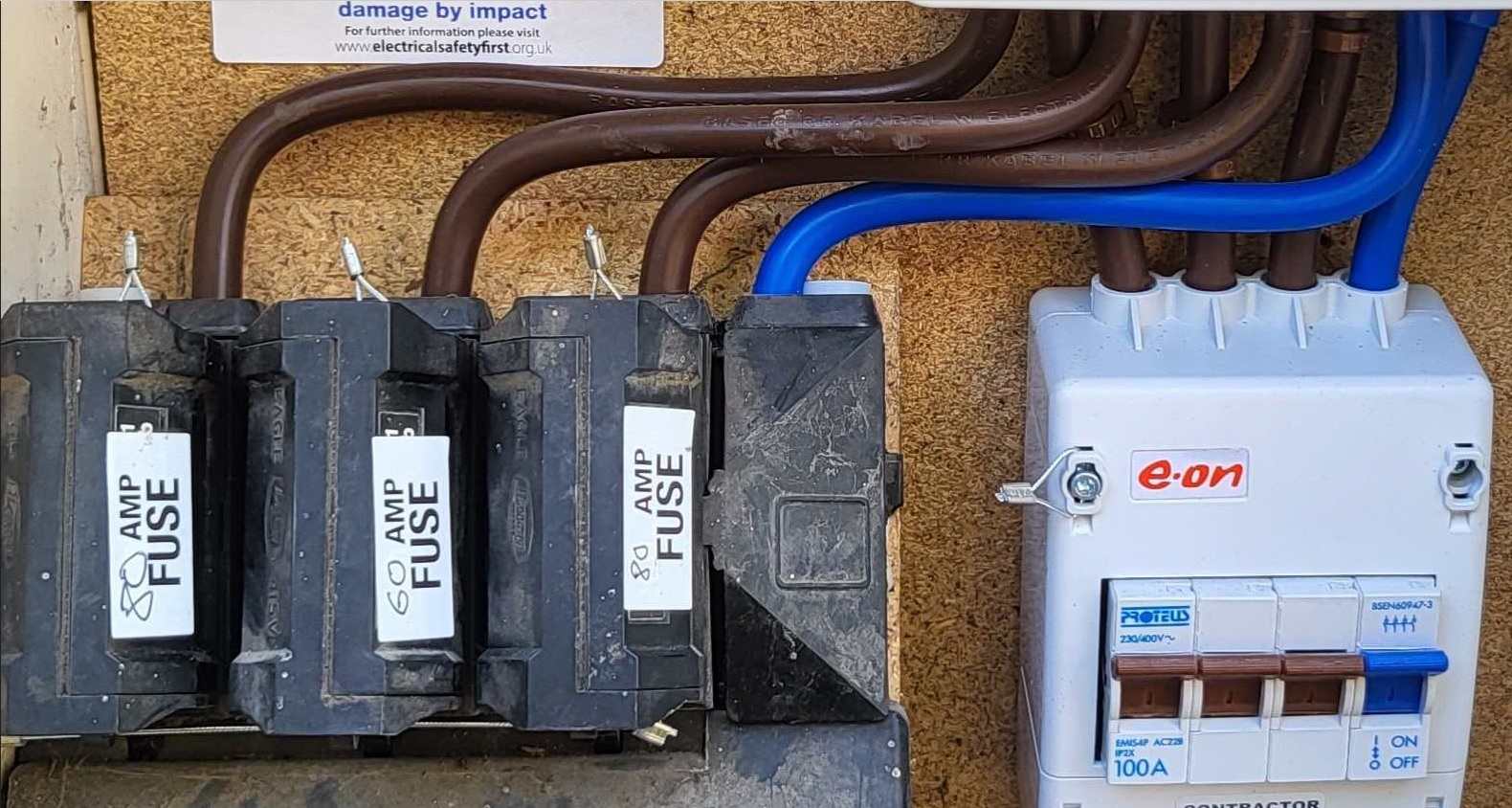
Looks like 60A, which is odd. Do they put stickers on the other isolator switches, showing maximum amps, when the other phases are connected up.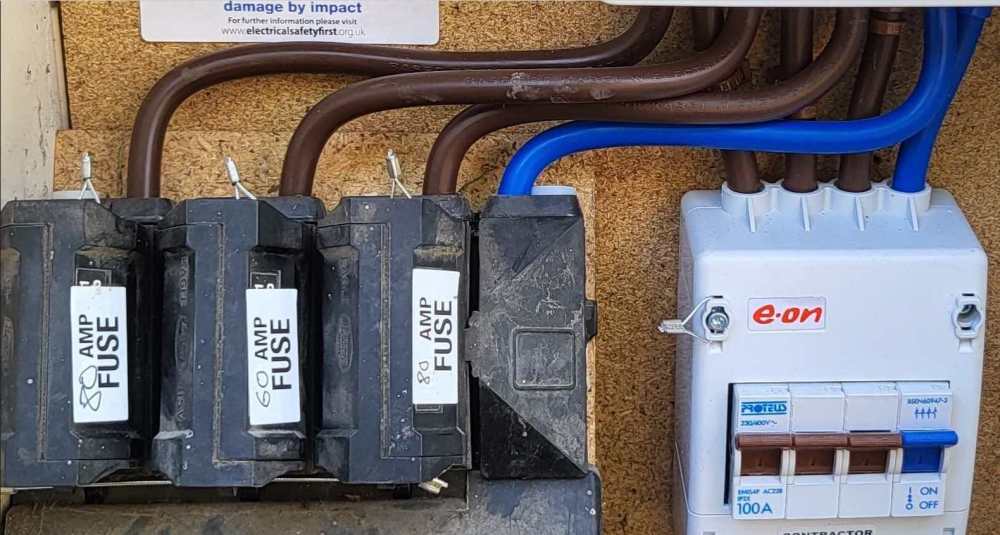
-
I bet you're glad, that picture brought back a lot of memories. 😢
-
Small house using I-beam portal frames
Gone West replied to pir8ped's topic in New House & Self Build Design
🤣 They were Steico I beams which were 45mm x 300mm. The web was 9mm which left 18mm each side, so the ply plates ended up flush with the flange. I didn't have any say in the construction of the frame which was done by the SE and the TF company. -
Small house using I-beam portal frames
Gone West replied to pir8ped's topic in New House & Self Build Design
There were no beams used. A picture paints a thousand words, so IIRC the joining pieces were 18mm ply both sides, glued and screwed. I think the roof angle has to be around 45 degrees to prevent spread. I am not a SE though, so could be wrong about that, it was many years ago.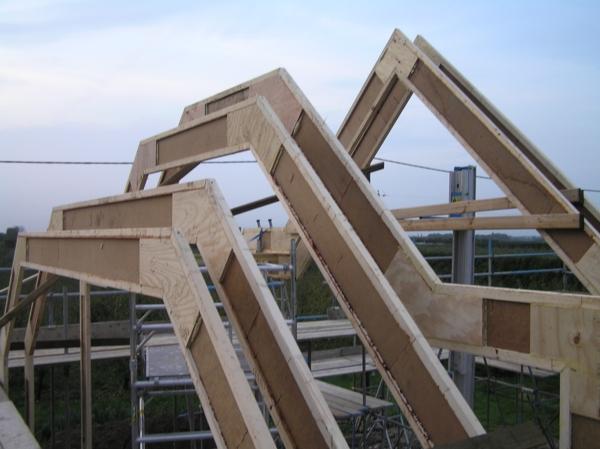
-
Small house using I-beam portal frames
Gone West replied to pir8ped's topic in New House & Self Build Design
We did indeed have a factory built timber I beam portal frame. IIRC there were limitations when designing, such as the roof angle which determined the maximum width for a given height. Ours was only 6m wide. I think PH15 construct their frames in a very similar way to ours. -
Many years ago I had a Victorian semi built in 1900 which had 2" cavity walls. It had a slate DPC and had a damp problem in one area. The problem was due to the soil level being above the slate DPC. Ignore the chemical DPC and look for the level of the original DPC to see if there is a problem with the soil level.
-
D4 glue.. is this a structural glue? Be careful folks!
Gone West replied to Gus Potter's topic in Timber Frame
In the fifties and sixties my Dad used animal glue for less serious work and Cascamite where some strength was needed. IIRC we used Cascamite when we built a Mirror dinghy at school in the sixties. -
I thought I recognised that picture from around 2018. It was cobbled together connections for the EASHP condensate and the water softener regeneration outflows. It was a standard swept T junction with threaded male end with a reducer with threaded male end. I just searched for female threaded spigots to fit the pipes I had. IIRC they were smaller than washing machine waste fittings.