
Cpd
-
Posts
1627 -
Joined
-
Last visited
-
Days Won
7
Everything posted by Cpd
-
Exactly how I am going to do it.
-
Soundproofing ceiling/internal floors from the top instead.
Cpd replied to Patrick's topic in Sound Insulation
First laid old shuttering ply and whatever I could find until watertight and then laid loose chip board until I was ready to insulate. Floor down now and stud work for room division to be done next. All services and joist centres marked on floor surface to prevent and accidents. -
Soundproofing ceiling/internal floors from the top instead.
Cpd replied to Patrick's topic in Sound Insulation
I put up a vcl under my floor joists and then two layers of normal plaster board ......... and then another of acoustic plasterboard ! I then from above put in 3 layers of insulation with various acoustic properties and left a 50mm air gap between the top of the insulation and the 22mm chip board flooring which was glued and screwed. The plasterboard joints were all sealed with acoustic mastic and all laid with off set joints. I still have final floor coverings to add and the stairs to build so can’t comment on how it’s going to perform but feel I have done enough ! Once the stairs are in and various doors installed I will be able to see how it works and then add additional soundproofing on top of the chip board if required. -
Welcome to the forum, I am sure your advice and specific skill set will be another valuable cog in this growing forum. Thanks for offering your help.
-
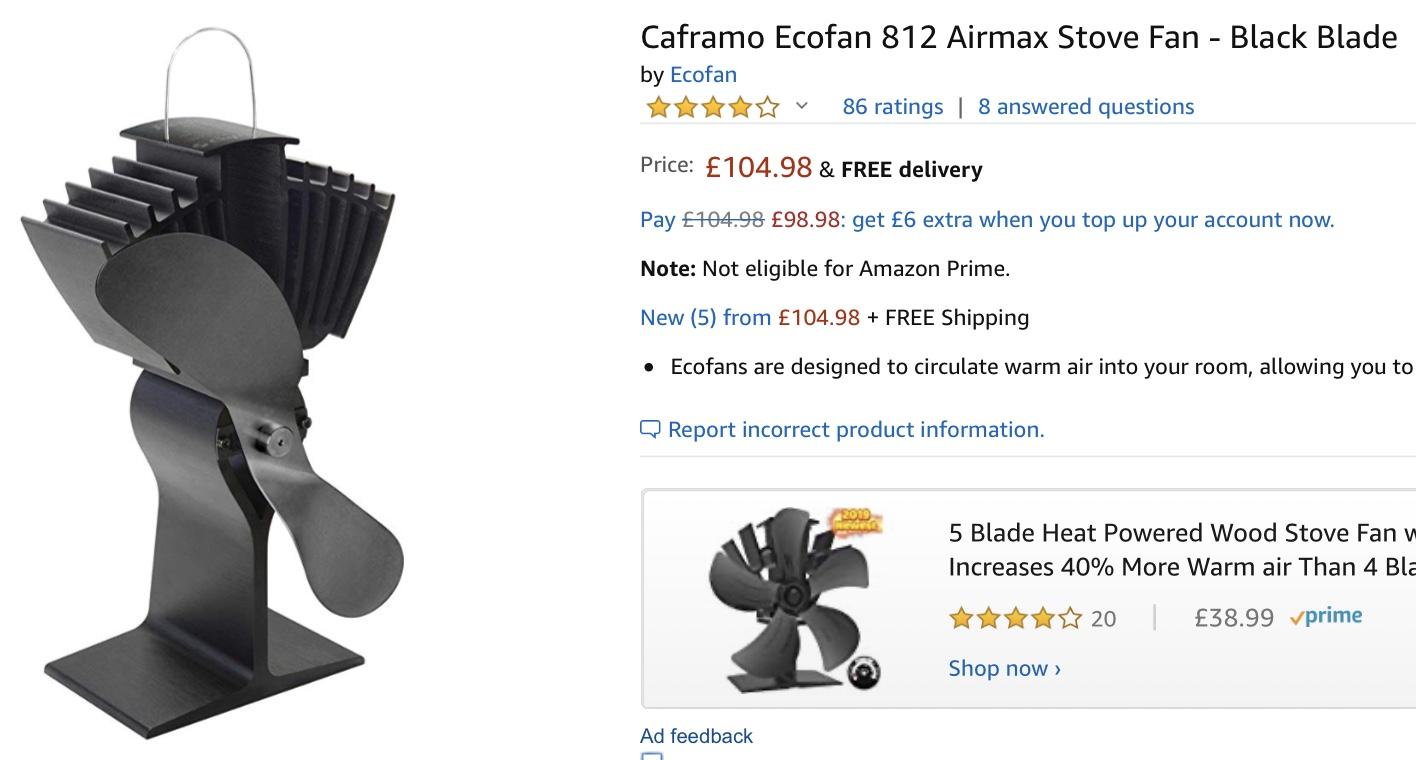
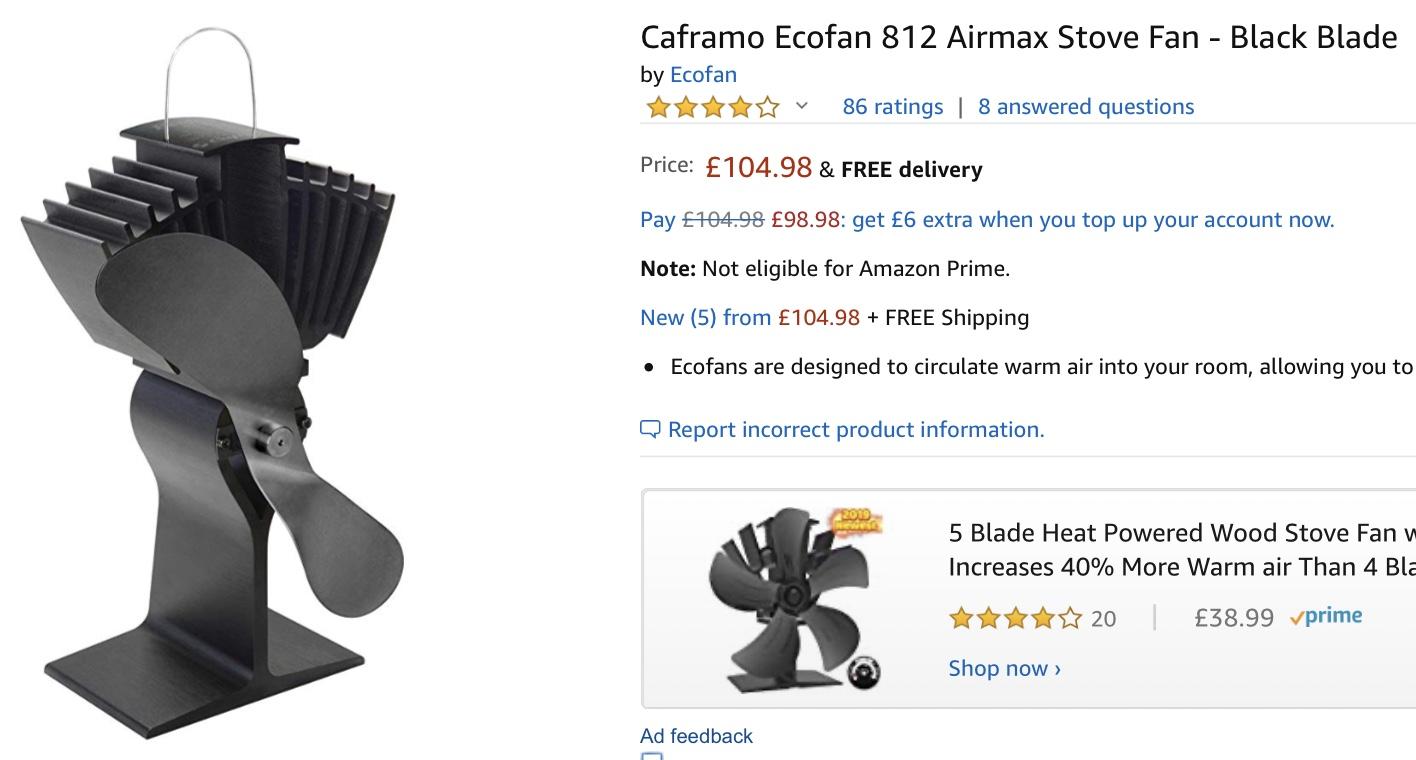
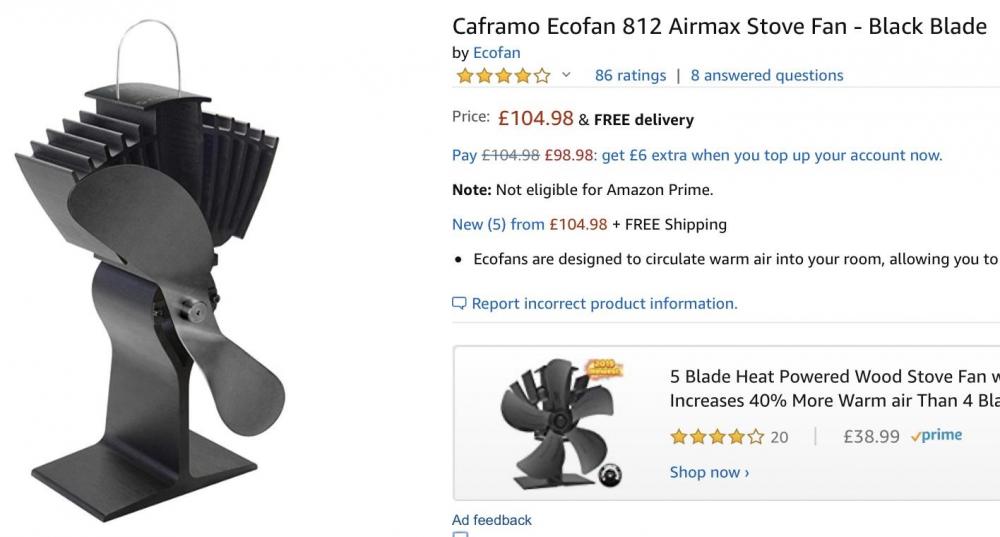
Yes it’s expensive but I have had one running for years, very quiet, simple and never broke down yet.
-
Scaffolding tent for temporary roofing
Cpd replied to andyscotland's topic in General Self Build & DIY Discussion
Always great when a bonkers plan actually works ! Best of luck. -
What's your biggest DIY calamity?
Cpd replied to Mulberry View's topic in General Self Build & DIY Discussion
The act of falling off could be classed as stoopid but risk is something I am very comfortable with and pottering about on my roof unprotected would be Classed as one of my lower risk activity’s...... put me in a professional environment and I tick all the boxes and more, but my personal time is my own to do as I please and I like the freedom to do as I want when I want. I hope to have many more happy days fluffing about on my shite slate roof without the constraint of a rope but if I stop posting on Buildhub abruptly............ -
What's your biggest DIY calamity?
Cpd replied to Mulberry View's topic in General Self Build & DIY Discussion
On top of my house roof repairing the ridge without fall protection on a very cold and icy morning....... slipped and proceeded to very quickly zoom down the slate roof, onto the garage roof also on an angle and then shoot of the bottom, hit a retaining wall.... bounced of the house wall and landed on the pavement. Not a scratch or bruise on me. Bloody lucky I guess. -
Never had this problem but my bathroom has never been heated and is often below 10 degrees At this time of year........
-
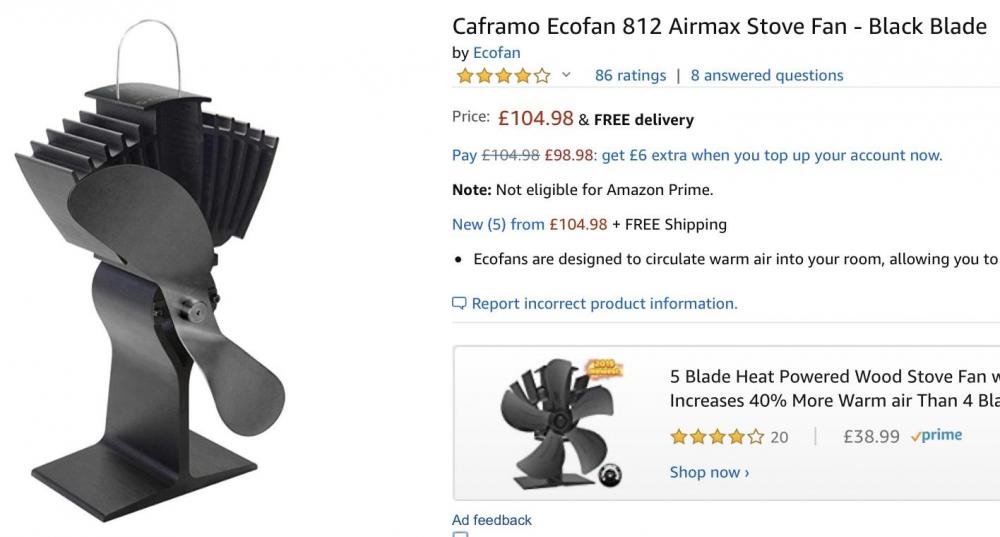
I have been using one for 6 years, it was quite expensive but I went on the reviews and it’s been working great, as I live In An uninsulated house the fire is on a lot during winter and this fan has raked up thousands of hours ! I am sure cheeper ones are great but I prefer to spend my cash once and not be disappointed by a noisy fan or failing parts. I have recommended this one to friends who have not complained at all. If you have a big high ceiling then an overhead fan is very good at moving the air around.
-
You need to be very careful if using a scutch hammer with a comb in it if hitting really hard stone as the combs can shatter and they can cause serious damage to you. I know as I still have a big bit of comb in the top of my hand, the surgeon said he would do more damage taking it out so said to leave it alone until it caused problems....... 10 years ago. So remember always wear gloves and eye protection. I have not read the whole thread but a scutch hammer is designed for use on mortar and stones such as sandstone, not hard stone like flint......
-
this is the way I do it, quick work with a sharp knife.
-
You could try and brush it back a bit with a stiff brush before the mortar sets to expose a bit more of the stone, this will also help to get rid of any snots and give a consistent finish, but it looks good for a first attempt.
-
BFH na crow bar will be fine.......
-
Scaffolding tent for temporary roofing
Cpd replied to andyscotland's topic in General Self Build & DIY Discussion
Not sure if you have talked about securing it but I have found that the best way to secure tarps / plastic is to clamp the lower edges (screw batten to batten) between long lengths of timber and then screw / clamp the timber into something solid, it’s best to roll the bottom of the plastic over itself so it does not pull out. I would also buy a large roll of cheep string, bailer twine is fine and create a web over and between the scaffolding on top to prevent pooling, you can add to this as required afterwards. Pooling water was always the biggest problem for us and even with a GOOD slope you would get problems at the lower end with water pooling behind the tension of the tarp or cross memberS, as soon as the water starts to pool it pulls all the spare tension out of the tarp into that one area creating a bigger pool, very quickly it becomes very heavy and without somewhere to go will put a lot of tension on the weakest link and something will give, if using greenhouse plastic it will split under these conditions as it’s just not designed to be load bearing, a good tarp would be stronger. Also green house plastic will damage much quicker and again will not stand up to being tensioned for long periods over anything sharp like a bolt head without splitting. I used to have to tarp our jobs in Australia to enable us to work power tools in the rain...... they always failed at some point if not constantly tweeted and maintained. I think your plan could work but it’s going to need to be very robust if it’s to be up for any length of time. -
Don’t hold back, vent you hidden anger!!!!!!
-
treatment of existing leaking / cold lintel
Cpd replied to Moonshine's topic in RSJs, Lintels & Steelwork
I am wondering about that moss, is this because water is building up inside and leaching out and this provides the moss with adequate moisture to grow in that specific low down spot ? I would agree that I think the problem is water getting in above and solving this should be a starting point. -
? your very brave to mention those words so soon........ It’s a a bit of a hot subject on this forum but rest assured most of us understand what your talking about!
-
Looks very tidy, well done !
-
Which kerbstones for driveway entrance flood prevention.
Cpd replied to epsilonGreedy's topic in Driveways
I have put in a few thousand bare root plants and they are always slow to get going, this year I have put in 600 cell grown trees so will see if they respond quicker. This year I planted 300eucalyptus (x3 varieties ) 100 lodgepole 100 Italian alder 100 snowy mespilus -
well if that’s all you can agree to then I am very obviously wasting your time so I will refrain from trying to help / advise and will just observe Quite literally unbelievable, what a very poor interpretation of my efforts to offer guidance. good luck with the build. signing of. regards cpd
-
You have this drawing as your main building plan, it’s very basic with only a few key measurements, from previous threads I think the horizontal dotted lines are your existing floor levels in the existing house, however this is NOT stipulated on these plans and this should be a major concern as it seems to be the only datum point you have in regards to the height of the new extension in relation to the main house and as much as you tell us this is understood by the builder it does not seem to be what he is working to. You have also refused to transfer this mark to a wall or peg or some other point on the work site so that the builder and you have a fixed datum point that all the construction can be referred back to, this is total madness IMHO As without a fixed datum the builder could build you your extension and as long as the internal measurement are as per your drawing it’s final placement in relation to your existing house is a bit of a grey area that your going to find hard to argue he got it wrong. (I have seen lots of badly written contracts where the subsequent work is sub standard but the contractor gets away with it due to lack of information in the contract ) It’s very hard to give clear advise with so little information, why are you not posting photos so that people can see the timber frames to better understand what a solution might be, we need to see the plans the timber frame crew are working from, more information will help forum members HELP YOU better. You talk about the whole thing being 350mm to low and your builder talking about “shimming it up” my interpretation of shimming something up does not equate to lifting a whole extension up by 350mm. look forward to some photos of the framework so far.
-
but surely they just need to raise the lower section by building a 350mm timber frame and then the pre built frames just sit on top ?
-
Makes a lot of difference, I have my go to socket set and then I have my impact 6 point set which is indestructible https://www.amazon.co.uk/gp/product/B001BJM8XQ/ref=ppx_yo_dt_b_search_asin_title?ie=UTF8&psc=1 matched with this rattle gun https://www.amazon.co.uk/gp/product/B01AVXACYO/ref=ppx_yo_dt_b_search_asin_title?ie=UTF8&psc=1 and these extenders https://www.amazon.co.uk/gp/product/B00ALYEXDU/ref=ppx_yo_dt_b_search_asin_title?ie=UTF8&psc=1 and there is no stopping you.
-
Ha the funnels were your idea I think and they work really well, good point on the extra cover over the electrics, I had added the black plastic below the roof as a secondary protection from above just in case some how water tracked back from some unknown location behind the roof.... but it would be easy to cover the electrics specifically as well just in case a small leek was to spring and somehow get in there, will do it before I go. Thanks for the tips.