
BotusBuild
-
Posts
1408 -
Joined
-
Last visited
-
Days Won
10
Everything posted by BotusBuild
-
I normally would, but I wanted to show off 😁
-
The pipes or the zip ties?
-
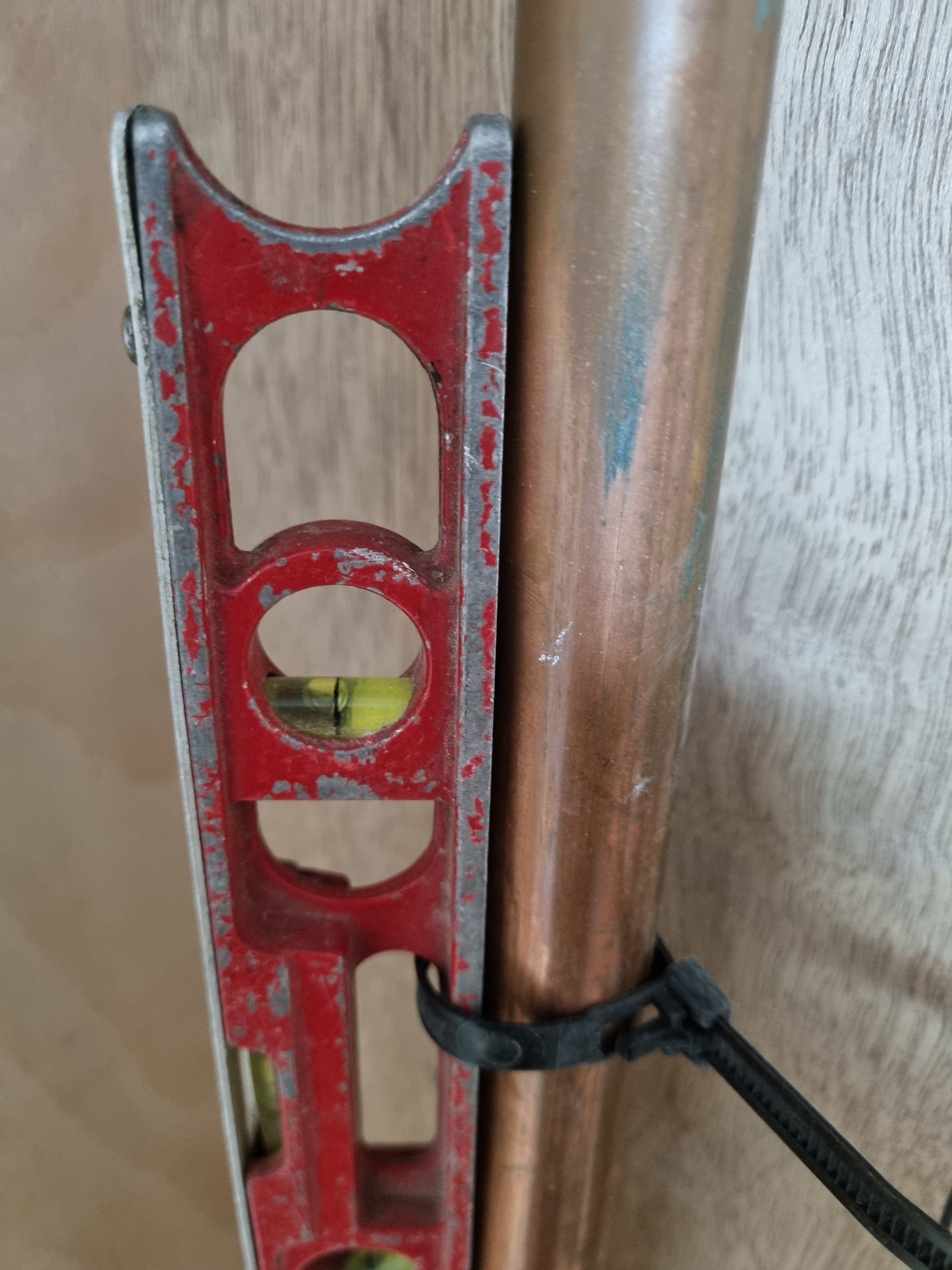
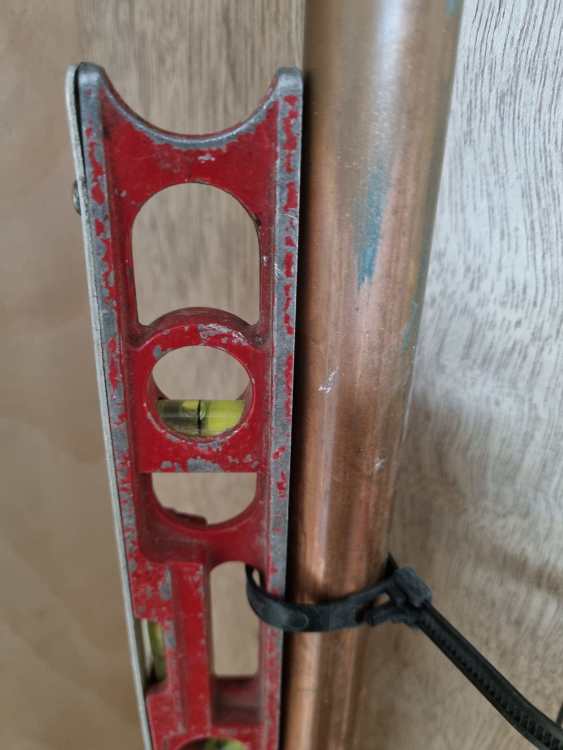
Photo taken before levelling! 😄
-
I have a number of these re-usable zip ties donated to me by a friend. Today I found a new use as a third hand. Yes, it is a well used spirit level 🙂
-
Static van towel rail leak. Advice reqd
BotusBuild replied to BotusBuild's topic in Central Heating (Radiators)
That is what I will be trying. Carefully. 🙂 -
Static van towel rail leak. Advice reqd
BotusBuild replied to BotusBuild's topic in Central Heating (Radiators)
Not yet, but already on the shopping list🙂 -
Static van towel rail leak. Advice reqd
BotusBuild replied to BotusBuild's topic in Central Heating (Radiators)
A simple case of bleed a radiator until the pressure reads zero? -
Static van towel rail leak. Advice reqd
BotusBuild replied to BotusBuild's topic in Central Heating (Radiators)
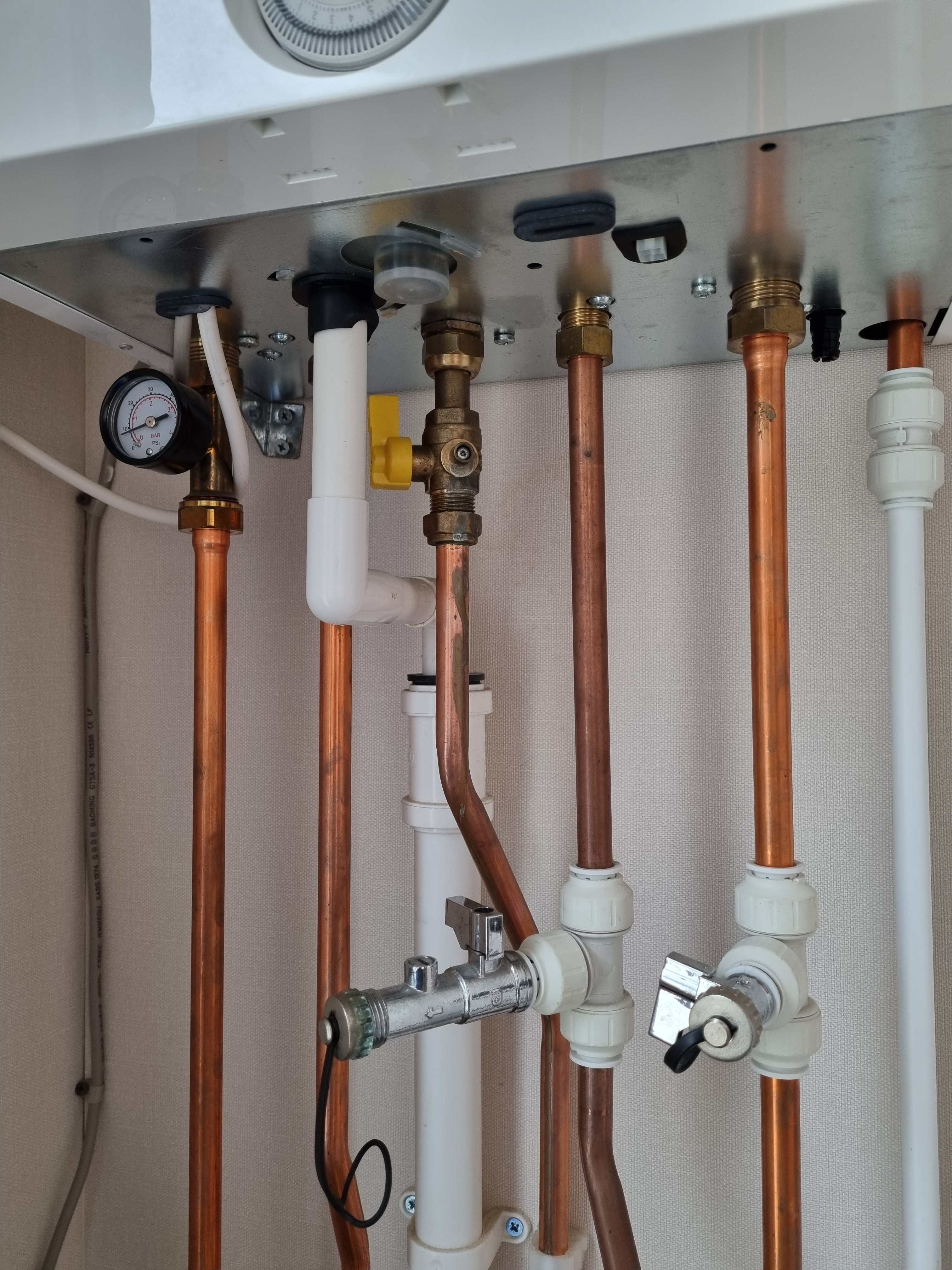
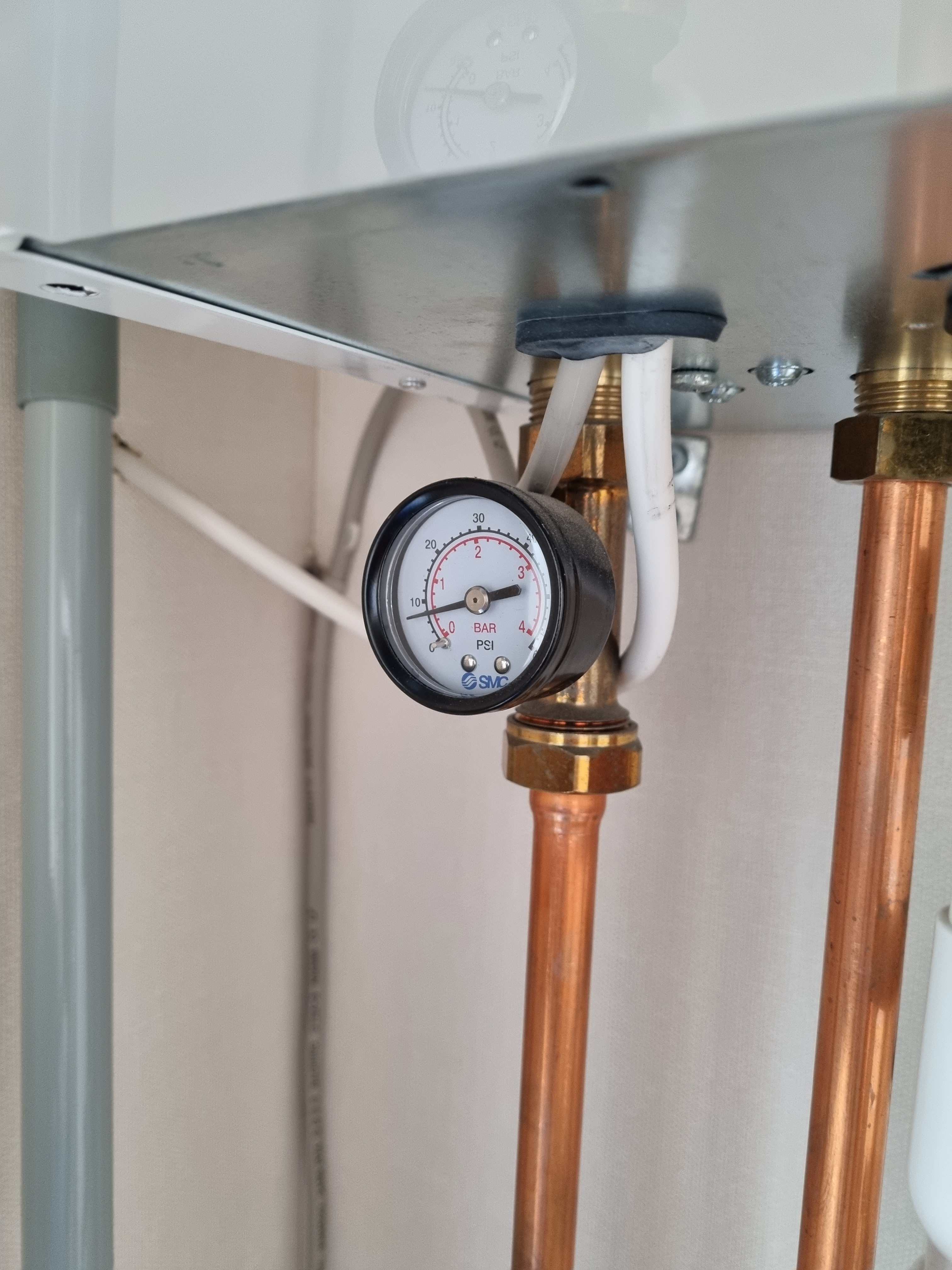
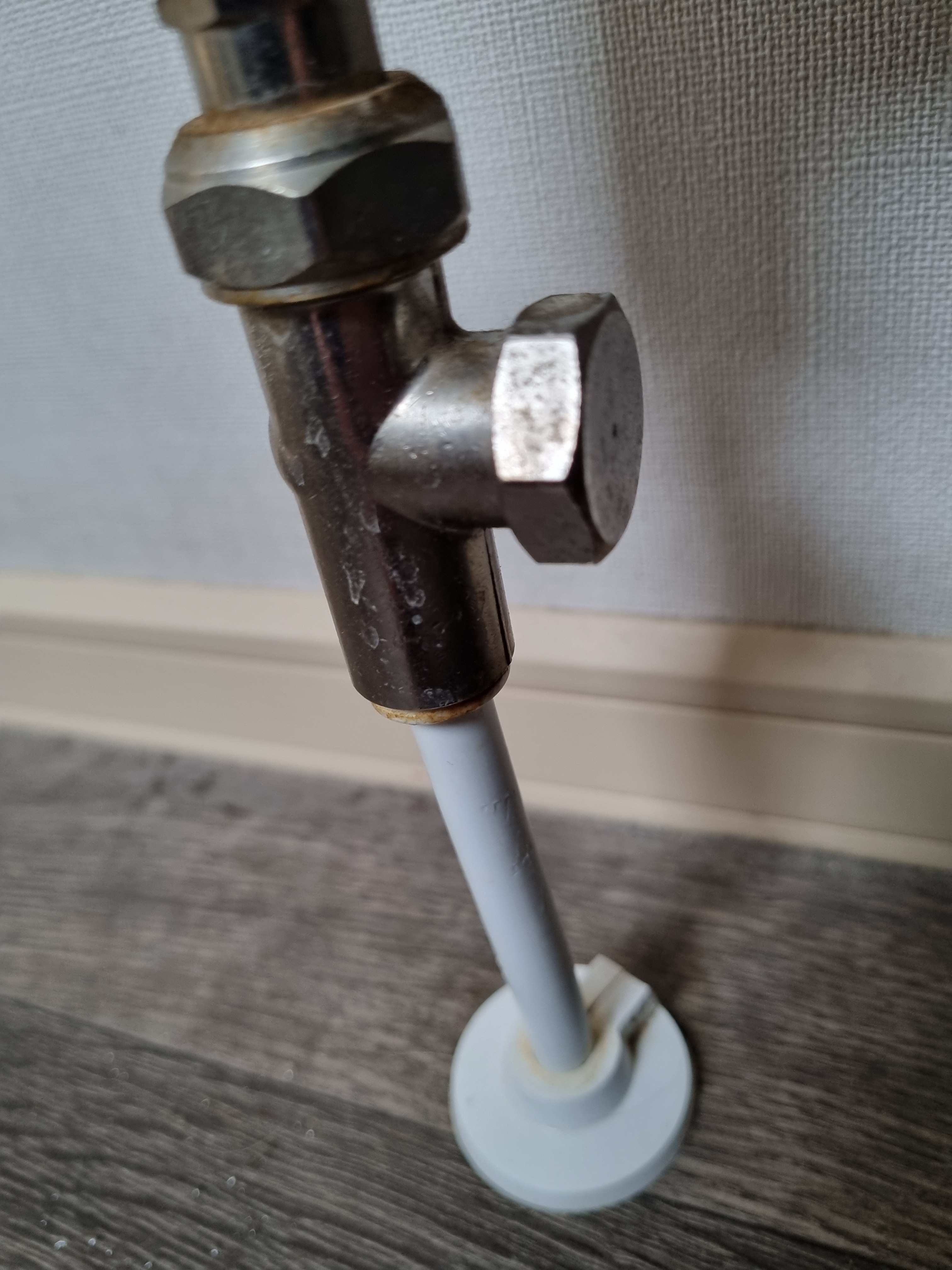
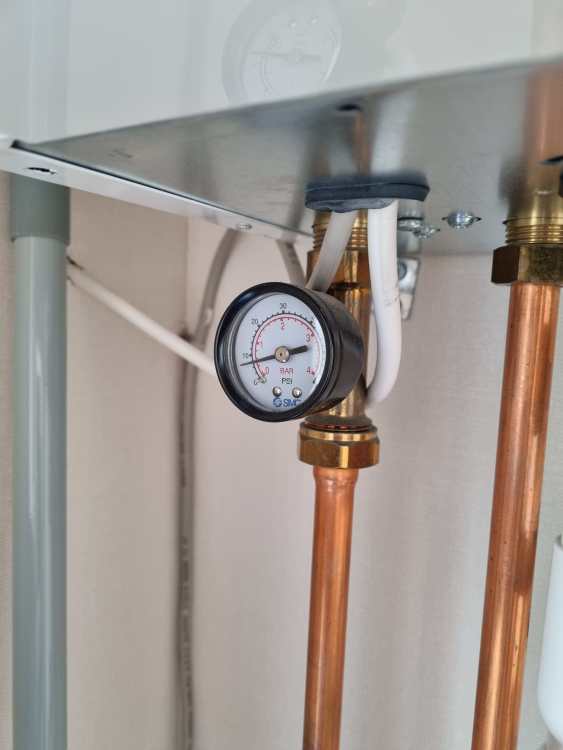
Next Q 🙂 Thus is what is below the combi boiler And this is the closeup of the pressure How do you depressurise?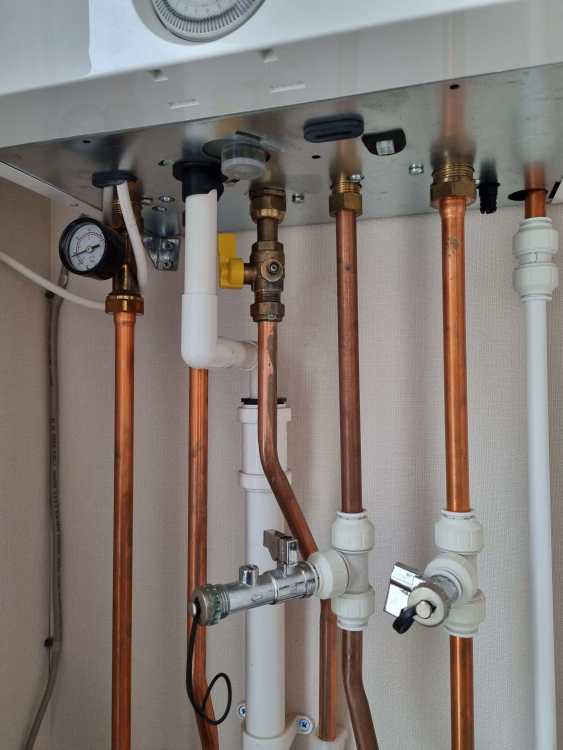
-
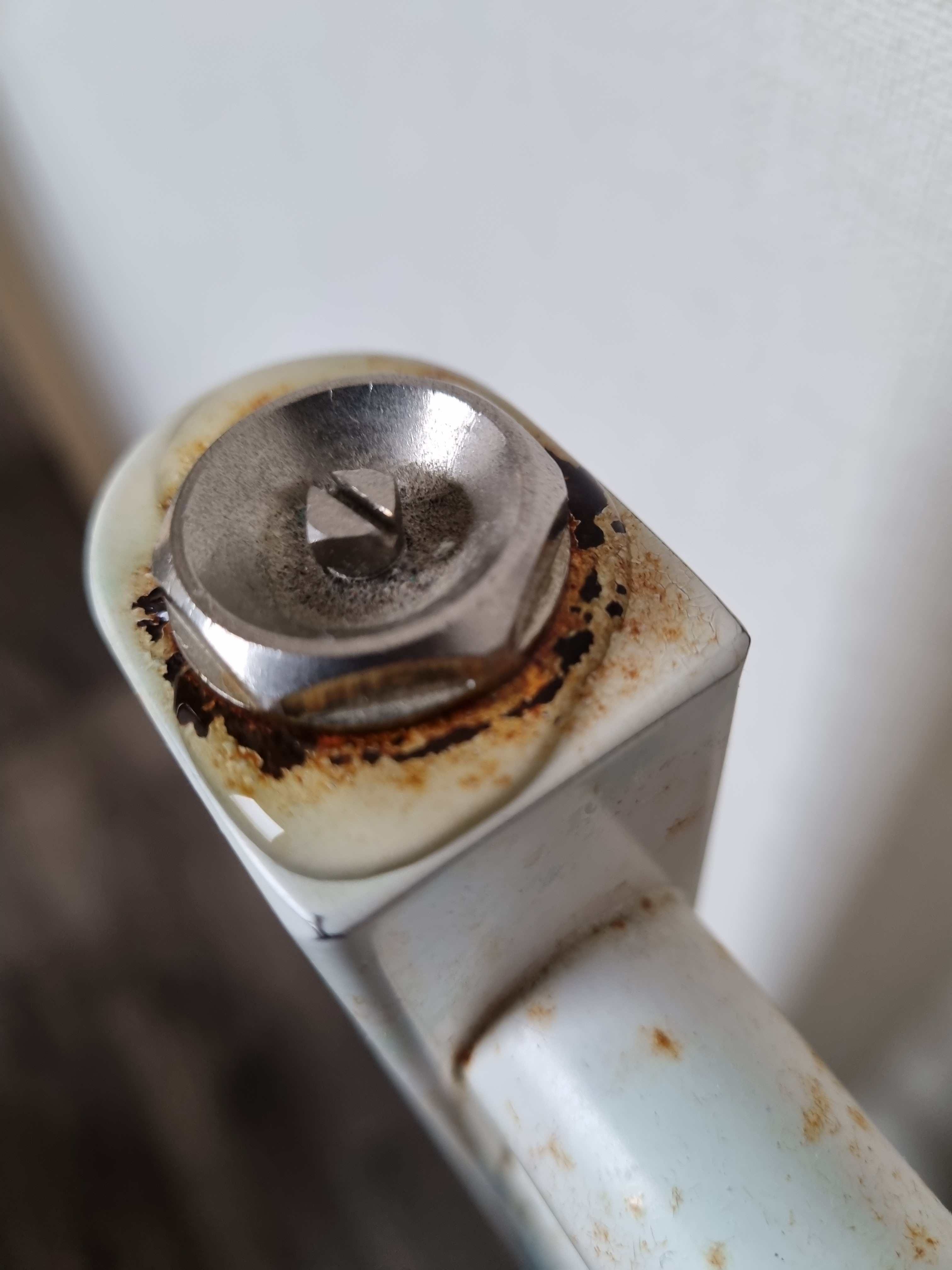
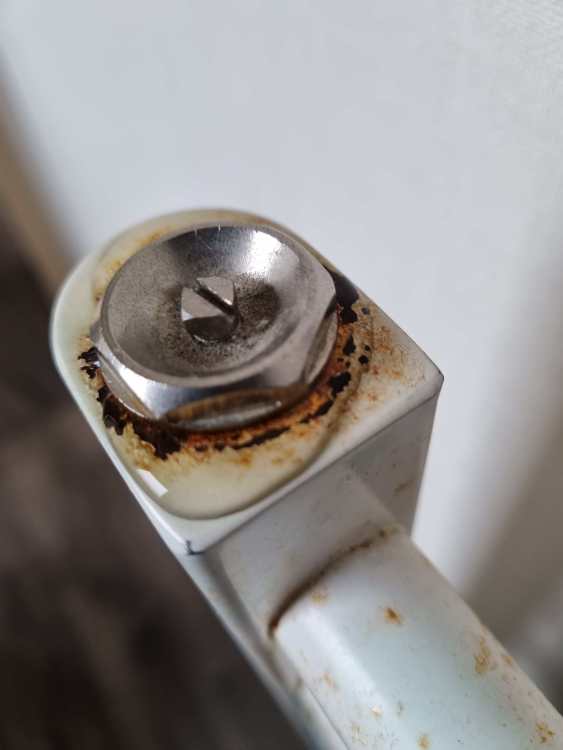
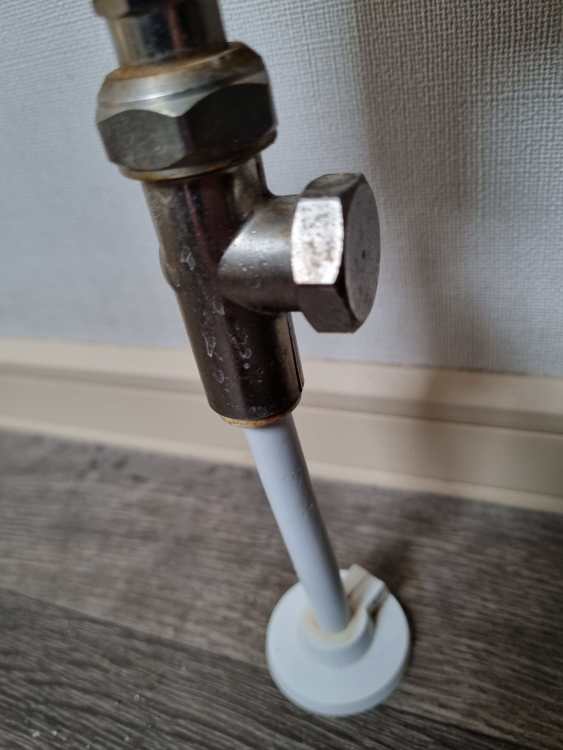
We are currently in a static van and have a slight leak on a towel rail. I'm confused about how to isolate in order to fix the leak as the "valves" don't look like I am used to, and I don't want to undo the "cap" (see pic) to find the water just pours out. Anyone worked on this kid of thing before? FYI, heat source is a combi boiler. Thanks in advance
-
The tree and all it entails, especially the roots. If what you can see of the tree overhangs where you propose to build, it is highly likely the root system will be there too, so you would be affected. Deal with any other trees that may affect you before your planning application is submitted.
-
We find ourselves in posession of a bit extra 12.5mm standard plasterboard (about 40-50 boards!). Wondering if there is a way of using this in a bathroom, say by "painting" it with a PVA solution? Or maybe a waterproof sealant, as we have used as part of our "basement" waterproofing on the outside wall (we also have some of this left over 😁)
-
SWMBO returns!!
BotusBuild commented on BotusBuild's blog entry in South East Cornwall Low Energy build
I just re-read this blog and noticed date error - the GRP roof went on in July 2023, not 2022. -
Unless, like markc, you are looking for something particular, be flexible in your search such as - location - size - blank space vs demolish and rebuild vs renovate (in general order of flexibility in what you can build) Keep in mind what you would like achieve with your new house, but don't necessarily be tied to achieving it exactly. Work out how you propose to finance buying the plot, and then paying for the materials and any labour you may need to bring in. (whatever you think this will cost add 20% contingency - some may say more (or less)) Good luck with your search.
-
That's not going to work for us. We only have about 65mm to play with. We have 100mm R45 acoustic insulation between joists with 18mm ply t&g on top of the joists in situ already. This is upper floor living areas
-
Yes, I think it needs to sit on some other insulation as stated above, and maybe a thin hardboard layer before final floor on top
-
@SteamyTea The answer I got- the thermal conductivity value is 0.034W/mk. The boards are an XPS insulation with cement coating on two sides of the boards.
-
is our living space (upside down well insulated house) would be possible.
-
Hmm, neither can I. Have asked the question
-
Has anyone used this for their UFH? https://theufhgroup.co.uk/products/tekwarm-lite-lp-ufh-board-1200mm-x-600mm We have 18mm T&G board down on upper floor already, with about 50-60mm space left for floor buildup inc UFH. This, or something similar is our way forward. Anyone used anything similar that they would recommend?
-
Or a long radius drainage pipe (usually 110mm, other sizes may be available) Depends on the external diameter of the ASHP pipes 🙂 Think ahead!
-
Yes, they can. Best to install a pipe (conduit) through which you can feed the pipes at a layer date. This also provides protection to your ASHP piping
-
Crazy Devonians 🙂
-
Remember, cream first for you 🙂
-
MVHR installation help! Please
BotusBuild replied to AppleQueen's topic in Mechanical Ventilation with Heat Recovery (MVHR)
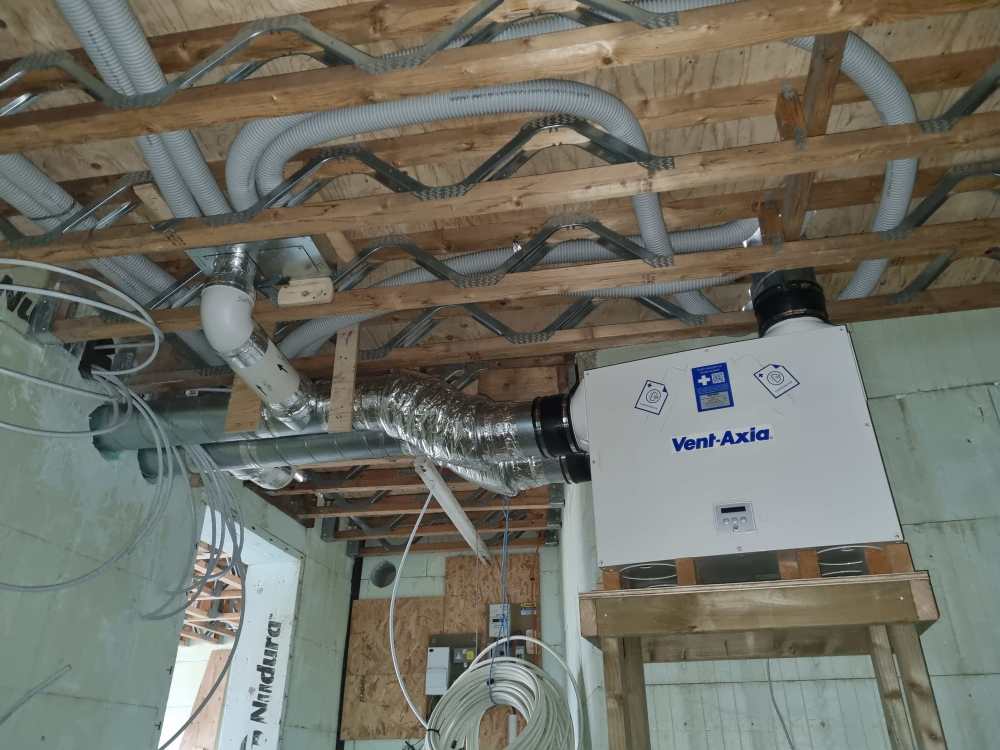
The materials and initial design comes from them, but I got fed up arguing and adapted it to what I knew would work for what I had. Their free design was minimal as already expressed, but I had some experience with ventilation already, so k ew of some of the gotchas of vent locations etc -
MVHR installation help! Please
BotusBuild replied to AppleQueen's topic in Mechanical Ventilation with Heat Recovery (MVHR)
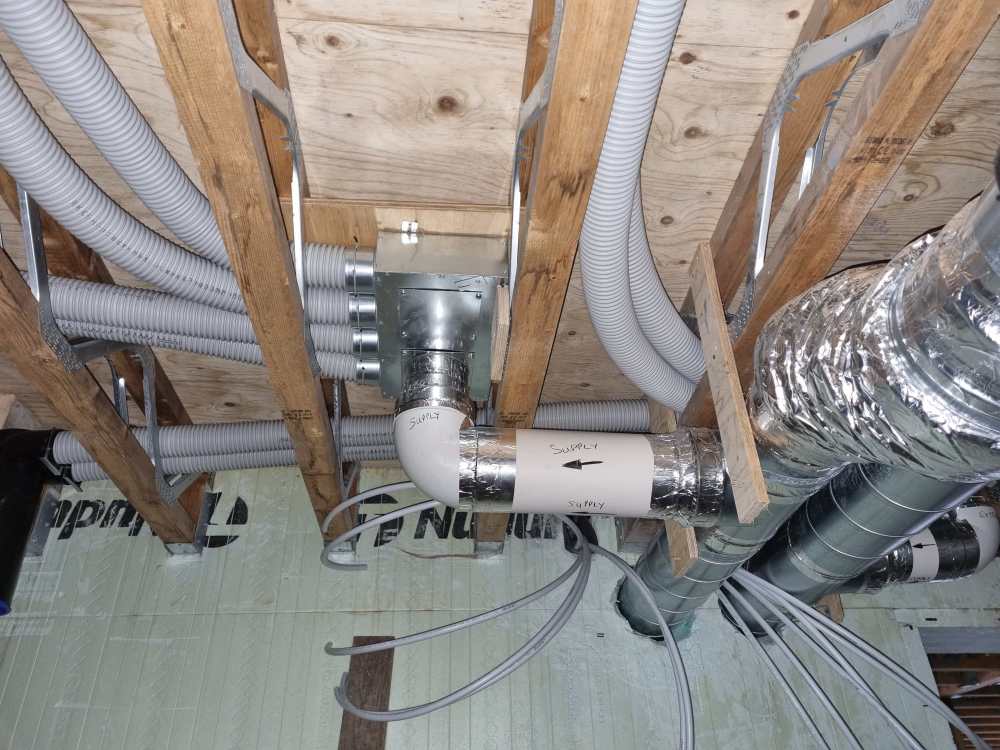
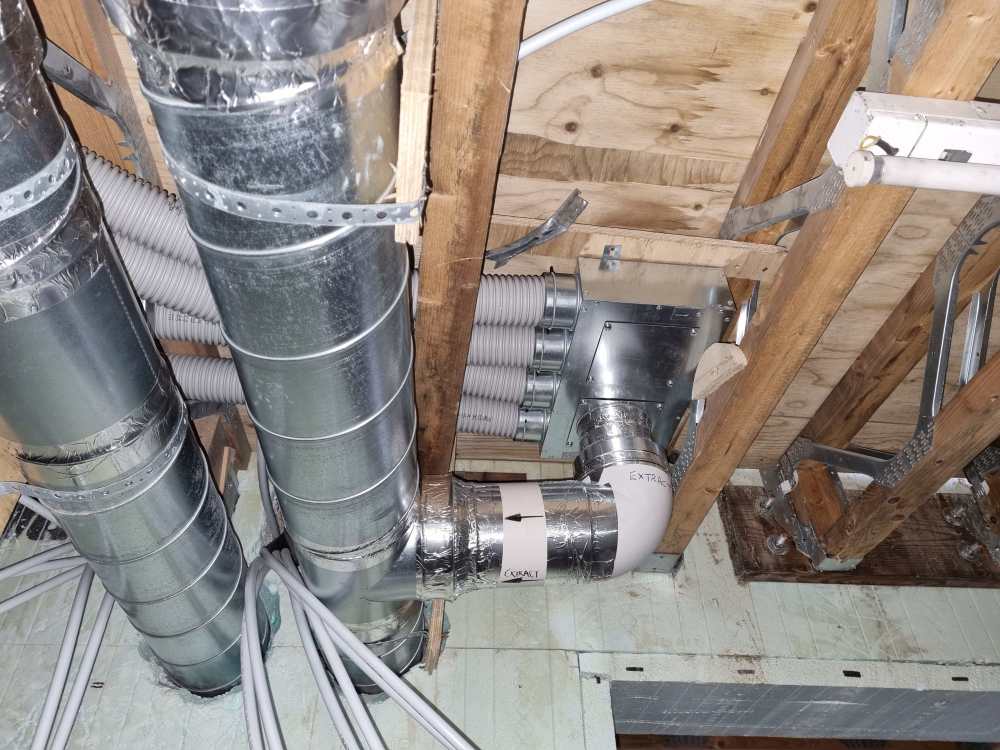
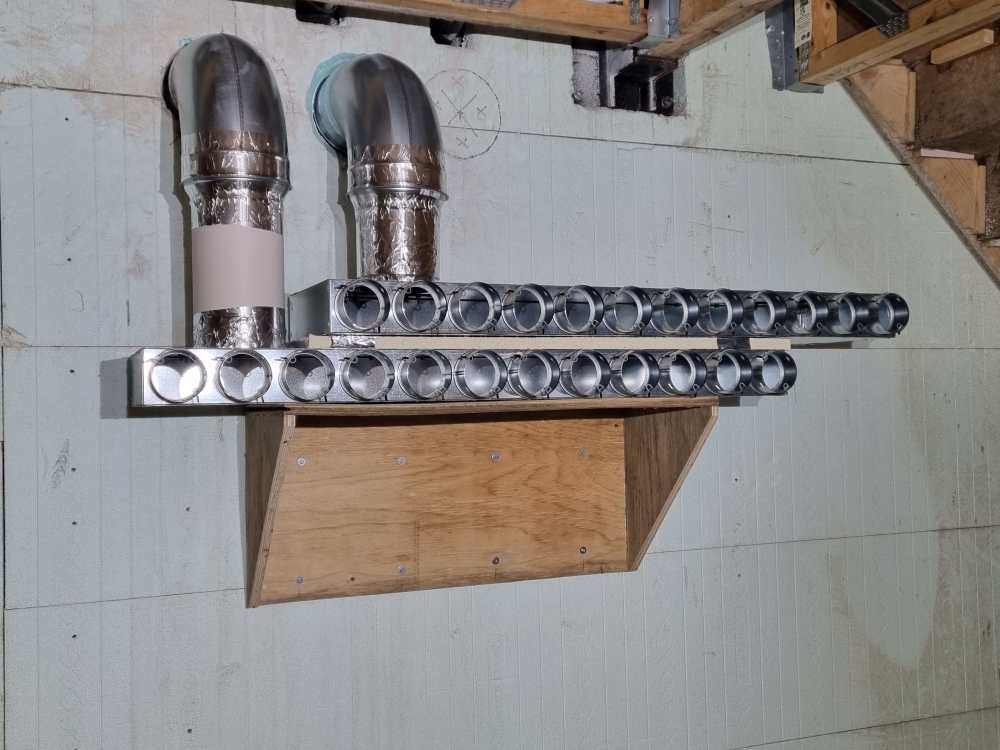
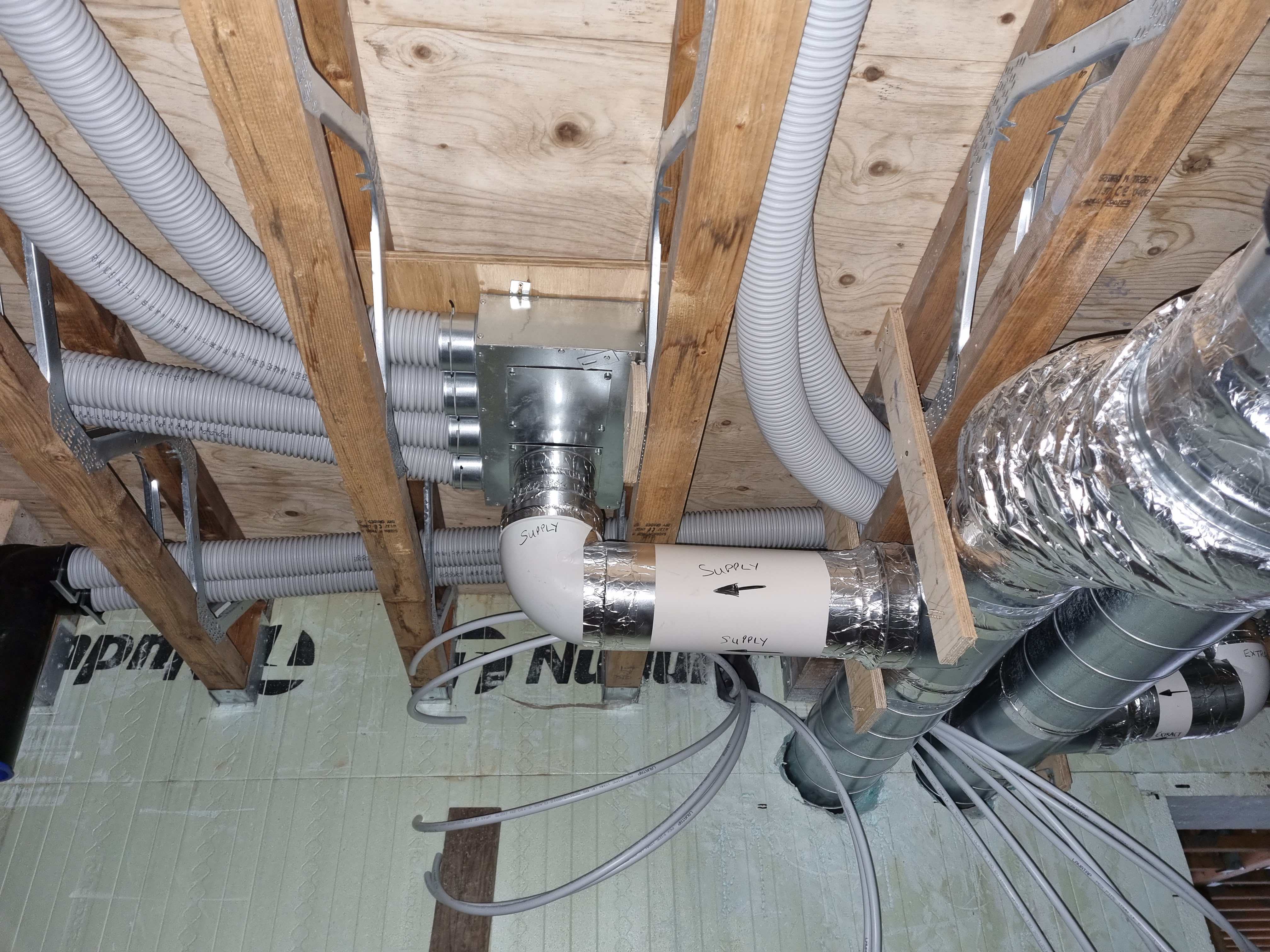
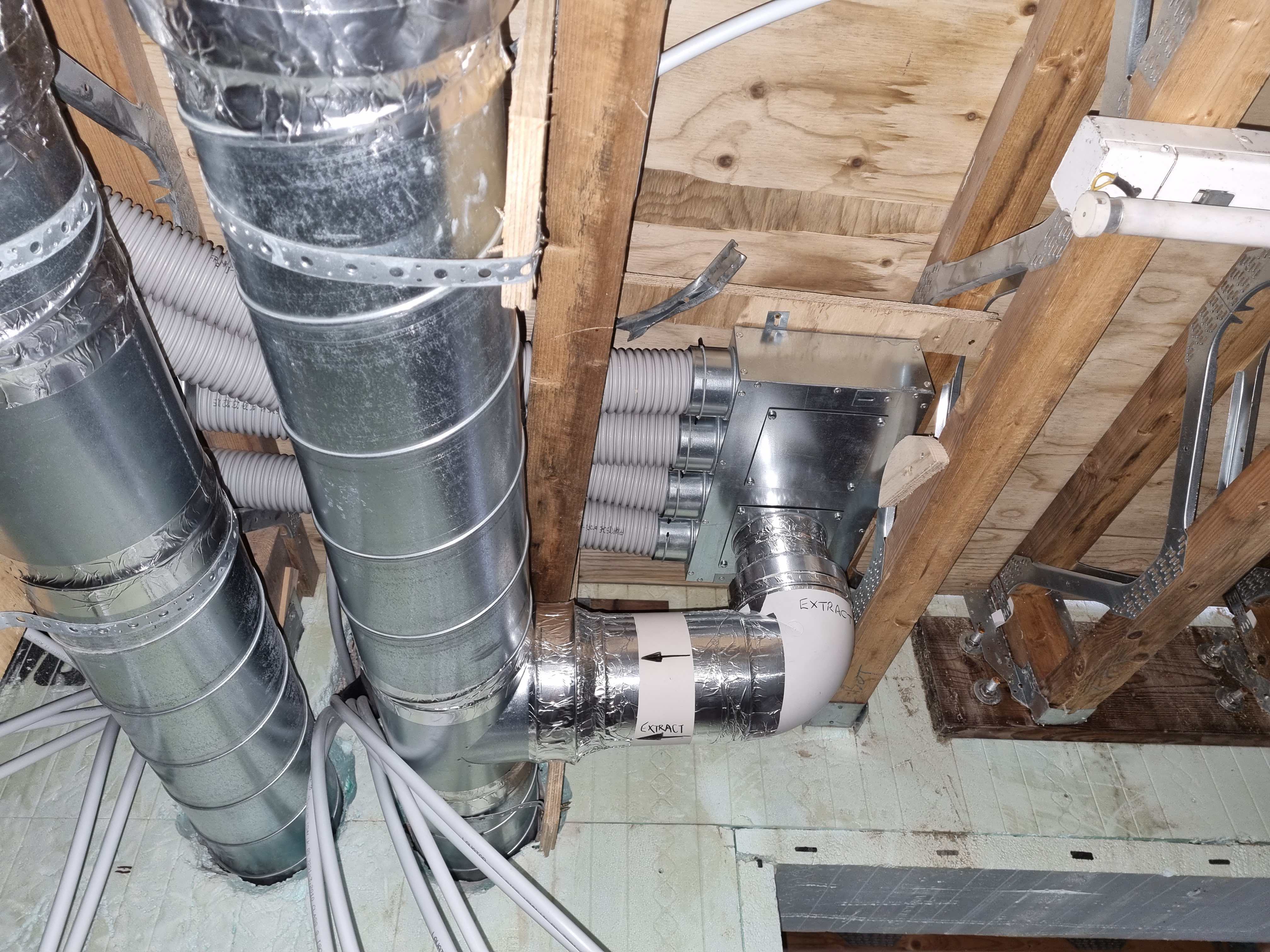
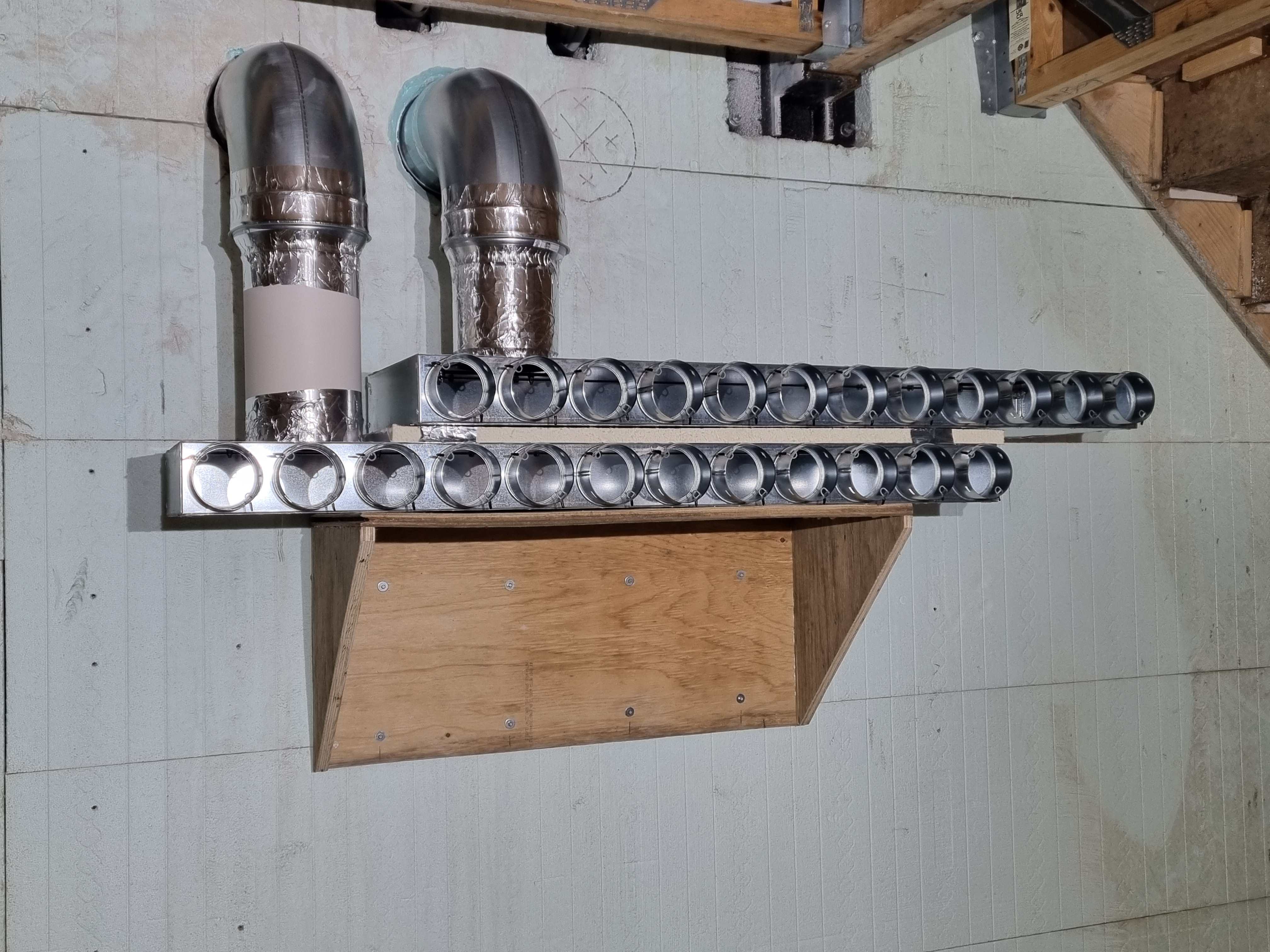
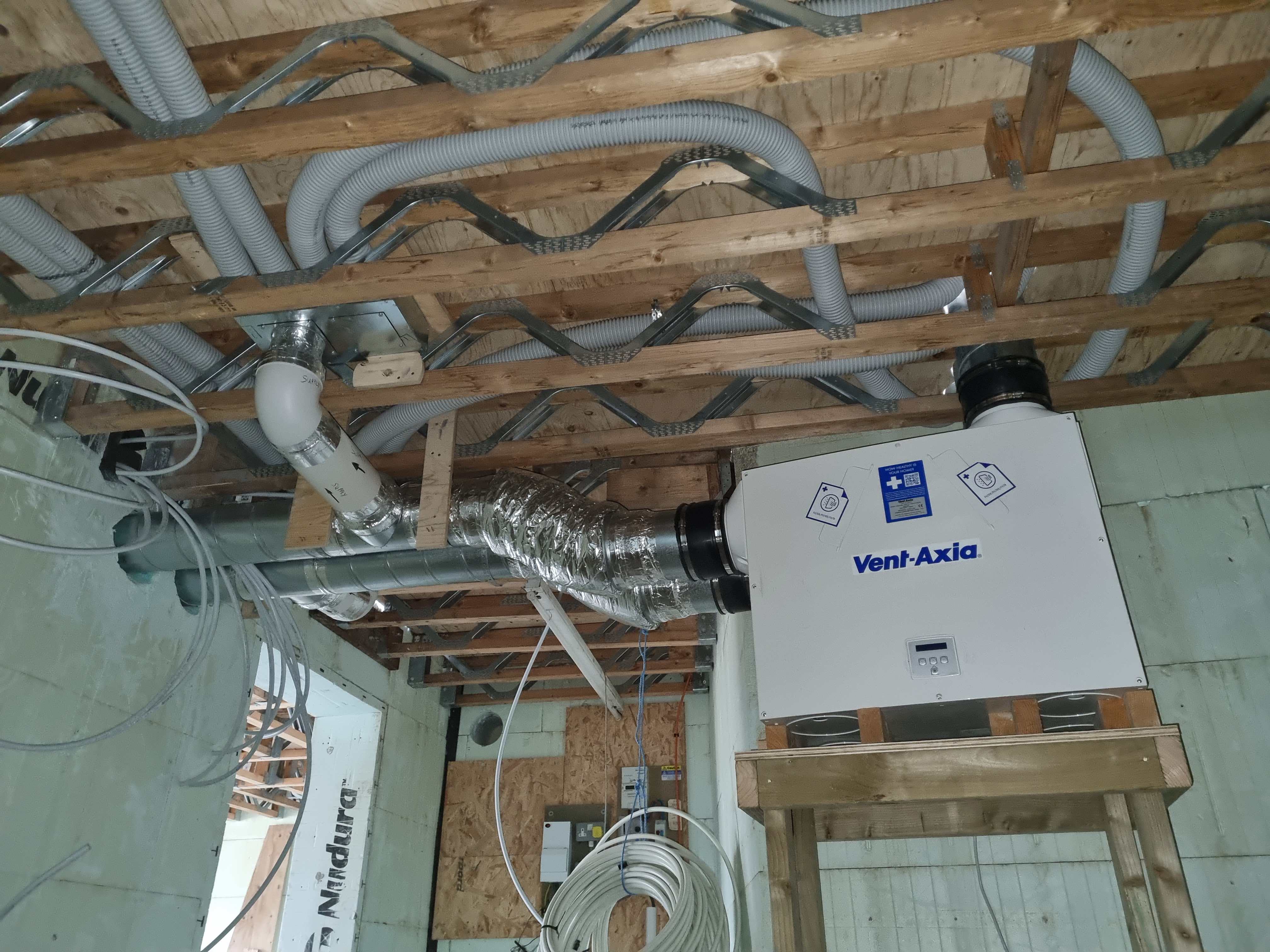
This is what I had to do, through a 200mm concrete wall!! Unit in plant room Two x 180mm feed and extract pipes Tees of the above to two distribution boxes on one side of the wall, and the 180mm go thru the concrete to two more distribution boxes