Iceverge
-
Posts
4384 -
Joined
-
Last visited
-
Days Won
31
Everything posted by Iceverge
-
 Having tinkered with a little auto wiring I would say absolutely nothing about house wiring is nearly as involved. Can you put in a resistive heater as a stop gap and dedicate 2 days of your holidays to this later on. You'll be well able.
 -
This post says a tremendous amount. Passive standard gives fairly random number. The complete purist who wants only to heat their house to exactly 20⁰ with a MVHR post heater doesn't exist in reality. Most of us are happier a little colder or warmer in reality. Passivhaus ignores this. Copying someone else who has done all the hard work and arrived at the best solution is a trait that should be applauded. It's a great use of brain power. Cheap ASHPs make perfect sense. A low cost insurance of UFH pipes for the "just in case" is well worth it. Also despite best planning and hopes life changes sometimes. It's only a house in the end, don't worry too much about it.
-
Like lots of low energy builders I got completely bogged down by deciding on a heating system for our passive house. In the end I said "stuff this" to all the salesmen and opted for no heating. We use an electric resistive rad. I put some pull string patio heater style heaters in two bathrooms and a fan heater in the other for a bit of post shower comfort. I have no regrets about not opting for a full central heating system. However electric UFH just under the tiles would be nice in the bathrooms for little cost. I should really have made more provision for "just in case" but I had lost patience with the confusion and cowboy prices. That means: UFH pipes, Pipes for radiators, UFH resistive wires, a duct for an ASHP, a wall duct for A2A, A fused spur for a storage heater. Do one or two of these and then pour every other penny into the fabric and airtighess. When the house settles in 2 years you'll be able to make an economical and effective decision. We're putting in an A2A to cut the electric bills a bit.
-
Steico Flex / Pavaflex for sound insulation?
Iceverge replied to Sparrowhawk's topic in Sound Insulation
Don't get hung up on the density of insulation for sound proofing. The main job of fluffy insulation is to dampen the reverberations or "drum effect" in a cavity. Concentrate on sealing each and every air path. Perimeter, board to board, wiring holes. Downlights are a disaster. The add some fluffy insulation for reverberation. Then add mass. Denser insulation of course helps but it's an expensive way to add those extra kgs. Standard plasterboard, soundbloc and OSB are all about the same price per kg and mug cheaper than insulation. If you're feeling really cheap sand in bags or plasterboard off cuts will all help if shoved between joists above the ceiling. Finally decouple the floors although this is more important for impact noises. Strips of carpet or rubber above the joists and resilient bars underneath. -
Do you have the original proposed drawings showing the metal hangers? Thermal bridging is really important once you get to high levels of insulation. I would encourage you to download THERM and have a play. It's not too user friendly and won't give you accurate results like @ADLIan says but it does give you a good feel for the situation. I suspect it'll put your mind at ease once you see how little point connections like wall ties matter and how much difference even 25mm of insulation makes to break a thermal bridge
-
I think I've seen this somewhere. Before the finale of Grand Designs the producers arrive with lots of cushions and potted plants to disguise any exposed wires or abandoned breeze blocks.
-
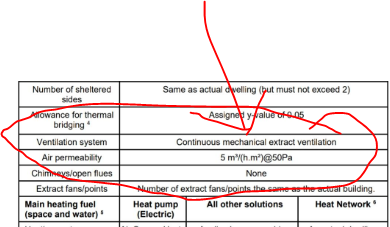
Apart from this bit. Like @Kelvin says. Our PHPP predicts 2625kWh/m2/Annum at the moment. If I put the limiting values in for Air permeability and ditch the MVHR it goes to 7525kWh. It really is the lowest hanging fruit. Far more so than super insulation.
-
Passive or "Passive". About 2 years ago, at a stag party, I was looking forward to an in depth chat about thermal bridging with and airtightness details with a man who introduced himself as a passive house self builder. Imagine my dismay when I learned he had double glazing, hadn't done an airtightness test, had no idea what insulation levels were at. Turned out his living room was almost unliveable with all the glazing for most of the year. Too hot or too cold.
-
Excellent. Can we see the finished cavity? Do you think it would work with celluose?
-
Water ingress at back door - any theories?
Iceverge replied to Omnibuswoman's topic in Doors & Door Frames
It may be a case of fiddling with the door to get it snuggly fitting soby adjusting the hinges and latches. I wish wish wish someone made doors with fridge door style magnetic seals. Then the cheapest crappiest buckled door would still seal perfectly everytime . -
I've used TF 100, cheap and plasticky, and TF400, top notch in my opinion. Better than Tyvek, is TF200 closer to 100 or 400?
-
Water ingress at back door - any theories?
Iceverge replied to Omnibuswoman's topic in Doors & Door Frames
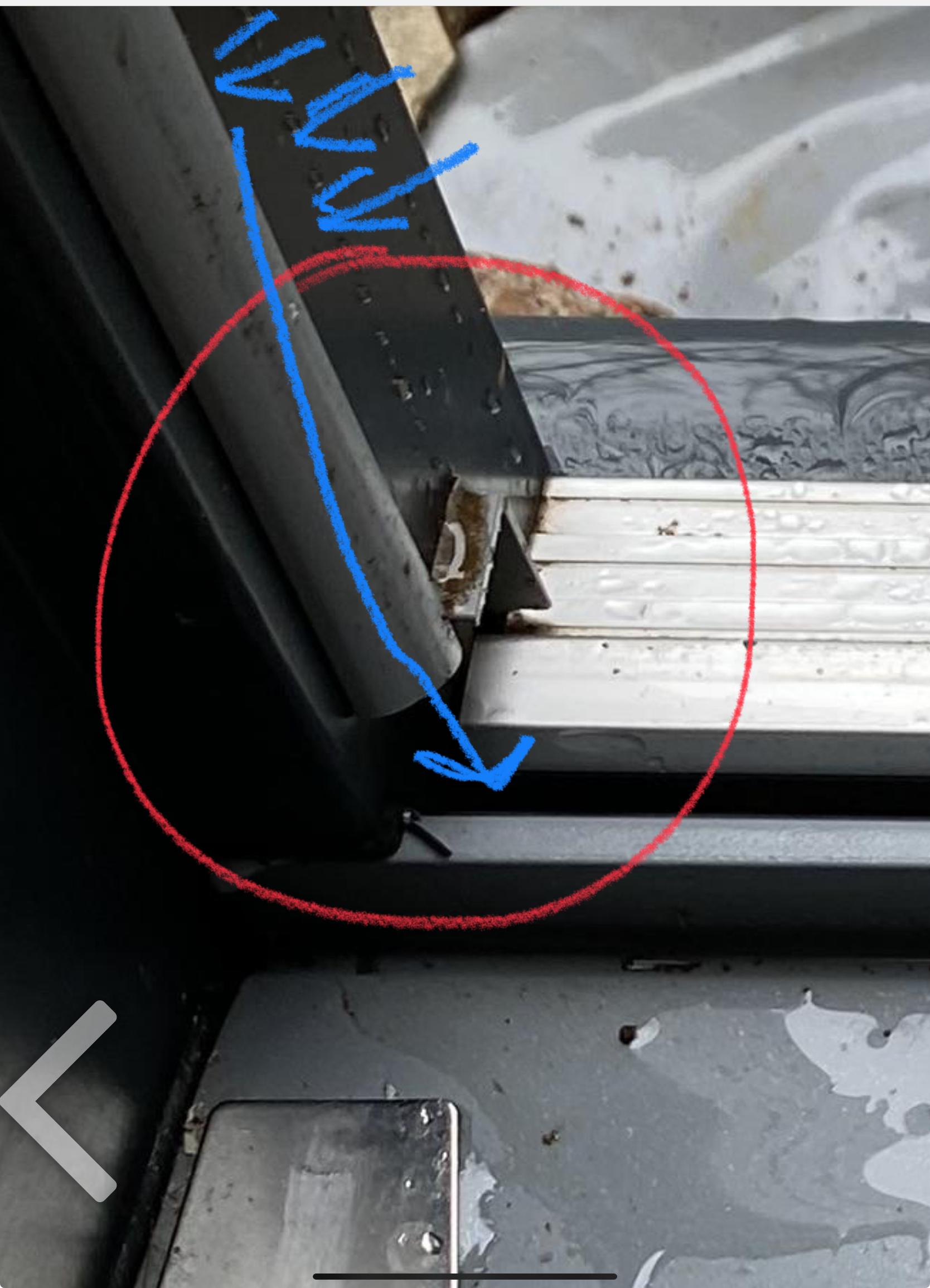
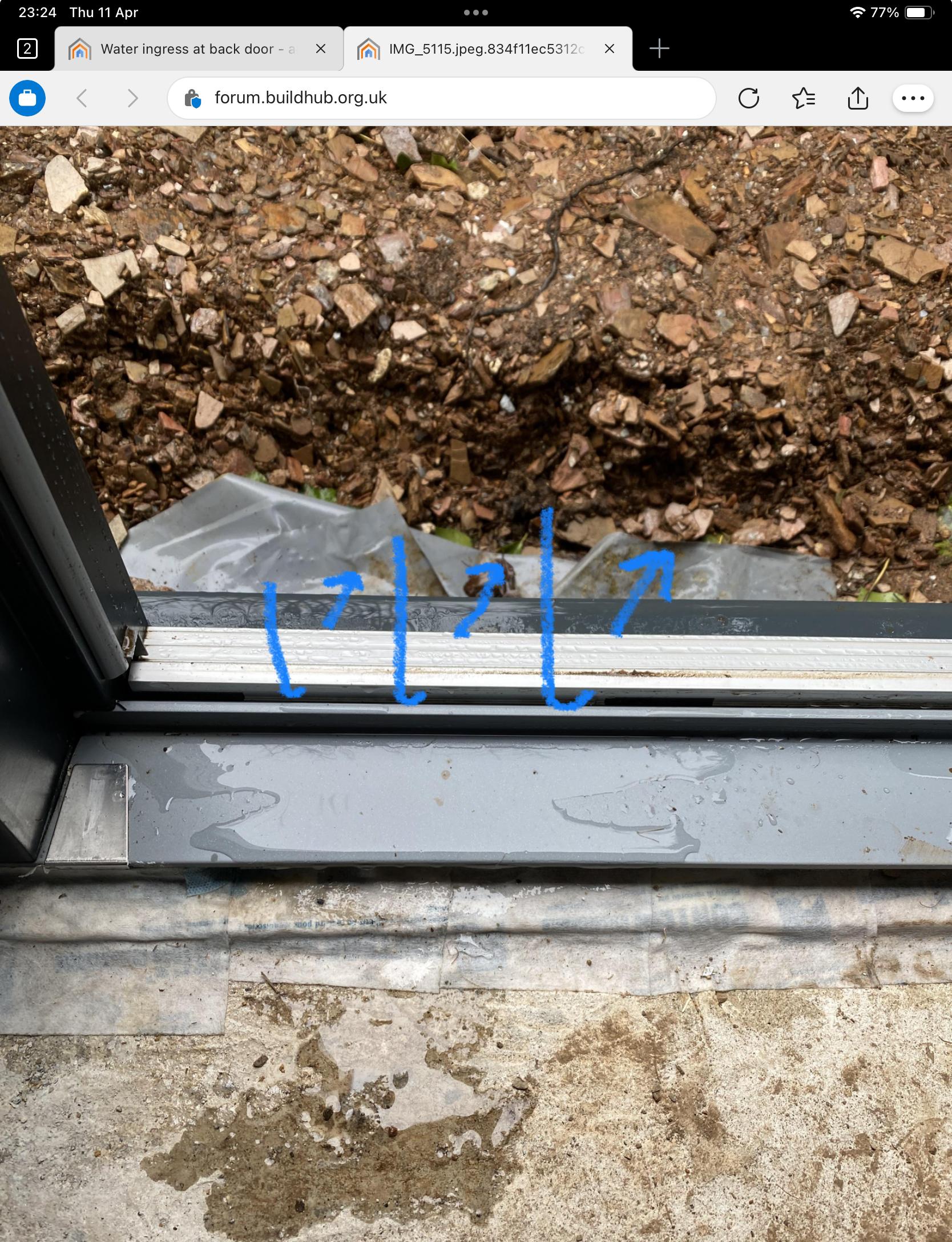
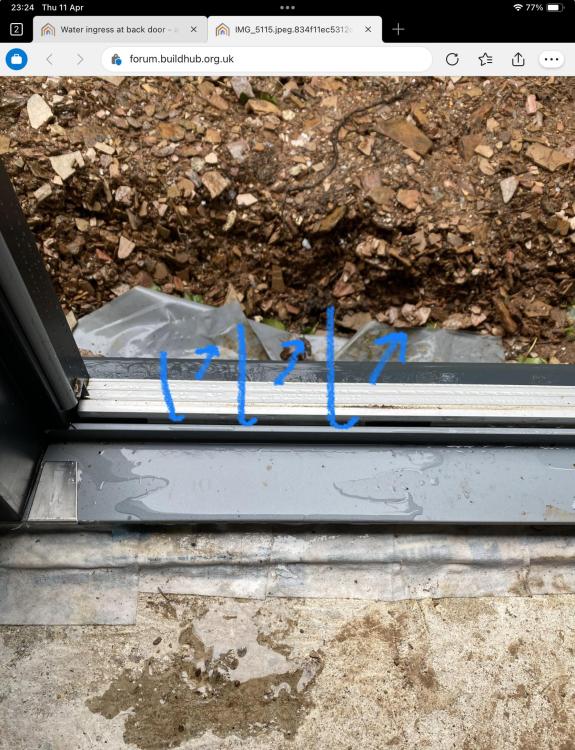
Looks like the rain runs down and is directed into the channel here and cannot escape. Can it follow the route of my arrows to any external drainage holes? Are they blocked?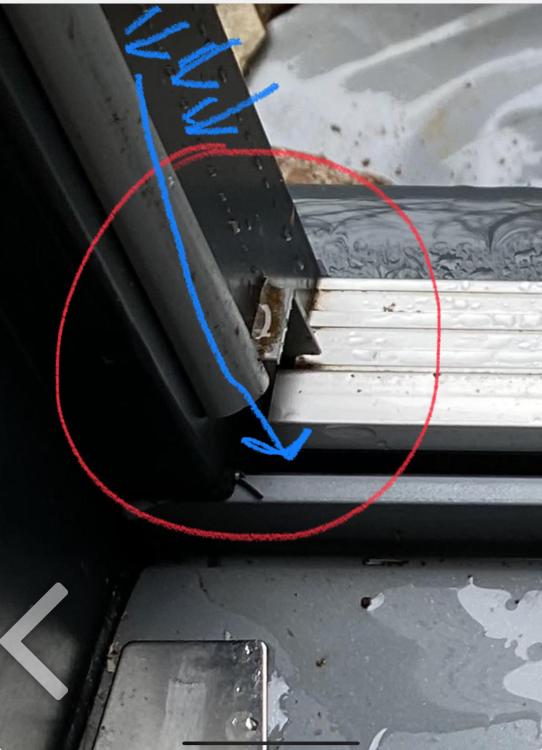
-
Improving living conditions in my mum's damp and humid small bungalow
Iceverge replied to minty's topic in Ventilation
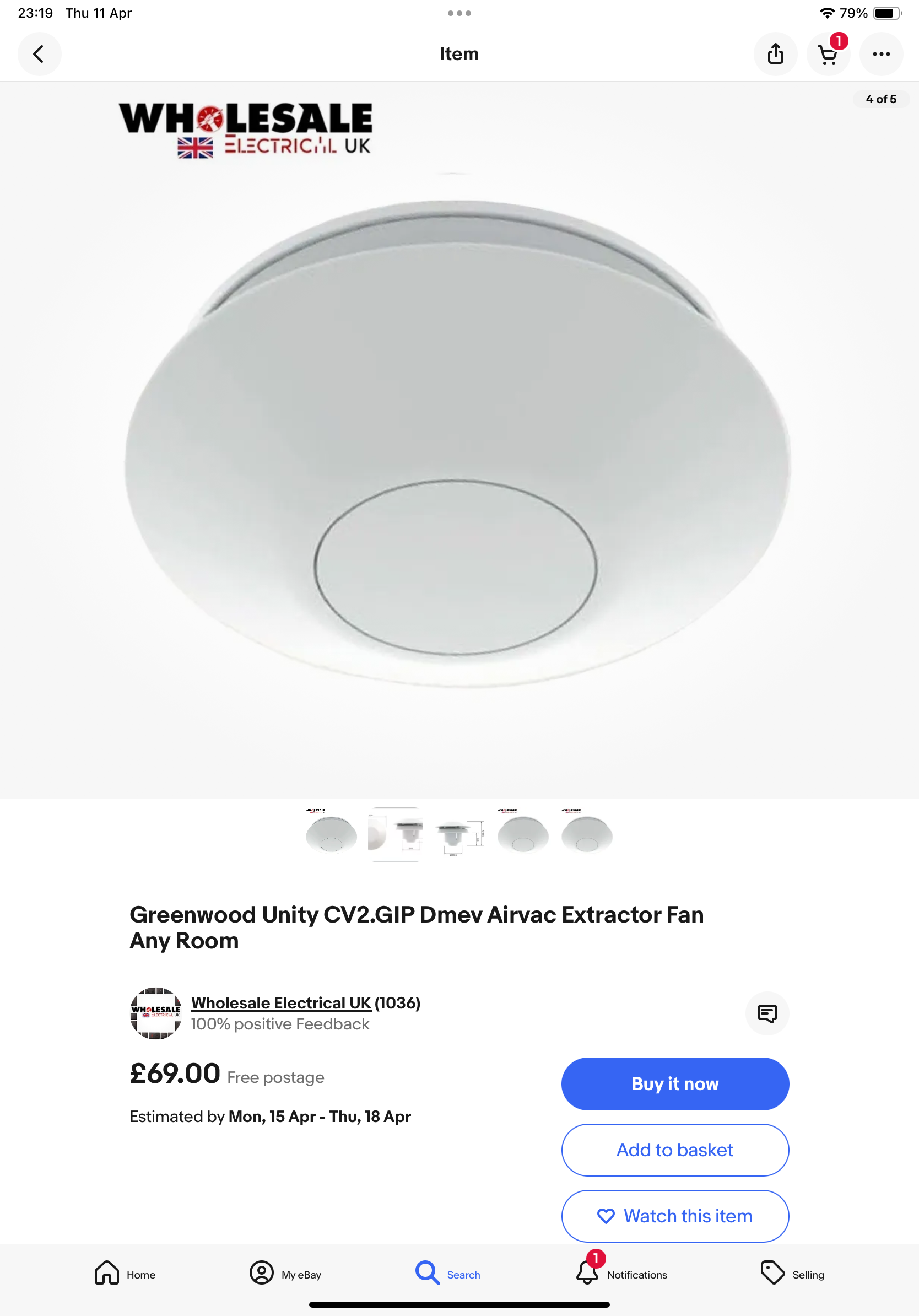
@minty Sorry I think I(we) might have git a bit bogged down here in an effort to assist. Shortest answer I have to solve your problem. 1. Stop any water leaks from outside or inside. ( Roofs, windows, doors, pipes, shower trays, washing machines etc etc) 2. Replace the bathroom fan with this. You can DIY it or pay an electrician. 3. Make the house hotter by leaving the rads on. 4. Give it time.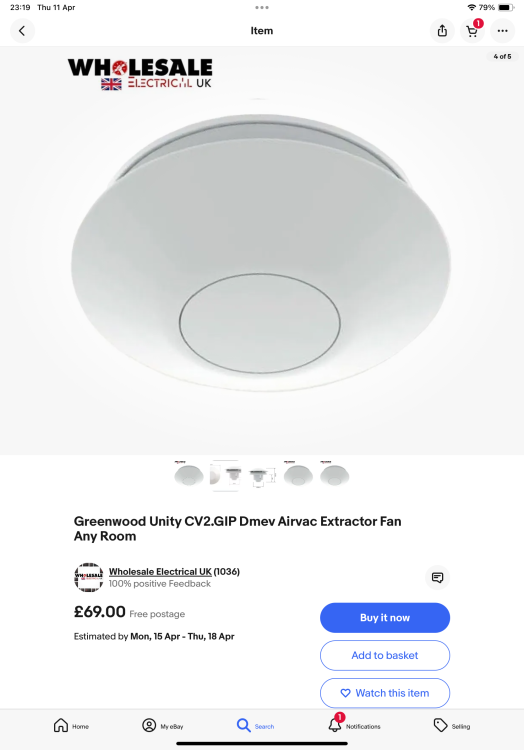
-
Improving living conditions in my mum's damp and humid small bungalow
Iceverge replied to minty's topic in Ventilation
It's just a way of heating the air. Like an electric rad but costs about 4 times cheaper to run. Your mould is caused by poor ventilation. You need to tackle this first. -
Improving living conditions in my mum's damp and humid small bungalow
Iceverge replied to minty's topic in Ventilation
I'd be cautious with the unit you buy as those optimised only for cooling may not work efficiently when heating. I bought a Daikin FTXM25R. I will update IF I EVER MANAGE TO GETTING AROUND INSTALLING IT. -
Improving living conditions in my mum's damp and humid small bungalow
Iceverge replied to minty's topic in Ventilation
Probably not enough, You need 2x windows open to get a decent cross flow. The trouble is then that the house gets cold and they get closed. This needs to be on 24/7 a max power. Take this out and replace with one of these. As mentioned above, it runs continuously and ramps up when the humidity does. and sucks out all the damp air. Costs about 1/20th of what a dehumidifier does to run.
-
Improving living conditions in my mum's damp and humid small bungalow
Iceverge replied to minty's topic in Ventilation
I think I improved that marginally.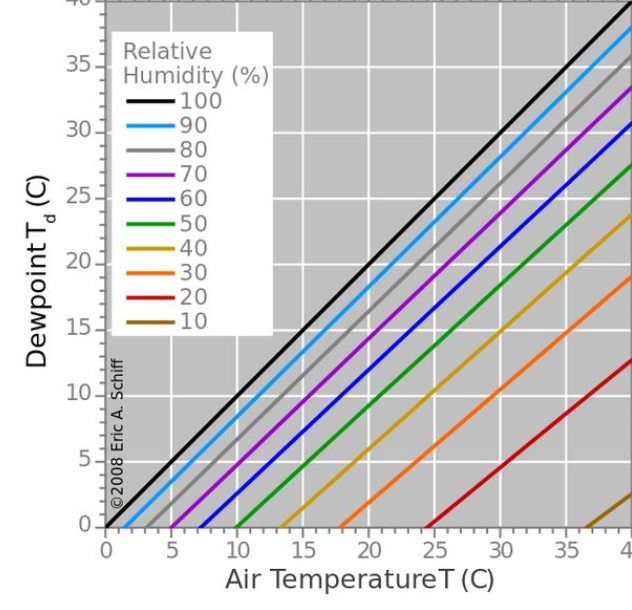
-
47x42mm is what I've used. You can nailgun them then, if that's any use to you. Also 50mm mineral wool insulation is readily available, I wouldn't object to wider mind you.
-
Self Build in Northumberland - odds stacked against us!
Iceverge replied to charlieroper's topic in Introduce Yourself
What was the final wall build up you chose? -
Self Build in Northumberland - odds stacked against us!
Iceverge replied to charlieroper's topic in Introduce Yourself
Interesting. I've seen it mentioned but invariably people opt for something like woodfiber or (shudders at the thought) badly fitted PIR. Is it dear? I'm guessing a wet plaster layer is your airtighess then? Does the barn need an internal timber frame to support the first floor? -
Self Build in Northumberland - odds stacked against us!
Iceverge replied to charlieroper's topic in Introduce Yourself
If you're near passivhaus levels then an GSHP is the worst choice you could make. It'll never pay itself back. In fact for all but the cheapest ASHPs restive heating can be competitive for a very low energy house. What are the specs of your walls etc? Do you have a proposed build-up? -
Self Build in Northumberland - odds stacked against us!
Iceverge replied to charlieroper's topic in Introduce Yourself
Firstly Welcome welcome! Congratulations on the planning. Secondly STOP! Hit the brakes for a minute. Please post the spec sheet of the build and some de-identified drawings. I can already see a £10k saving from your first post. I suspect collectively the "hub" can save you much more. Thirdly, be realistic with your budget and labour. You have a young family, time is precious with them. Overcommitting yourself financially and in terms of time will make the build miserable and home life strained. Good luck! -
My Heat Pump Experience 2022-2024
Iceverge replied to Green Power's topic in Air Source Heat Pumps (ASHP)
Will give that a spin with a cuppa later. Cheers. -
Yup. I've turned it off for a while to see what happens.
-
Ideas for extension / new house layout.
Iceverge replied to Jodie Hologram's topic in House Extensions & Conservatories
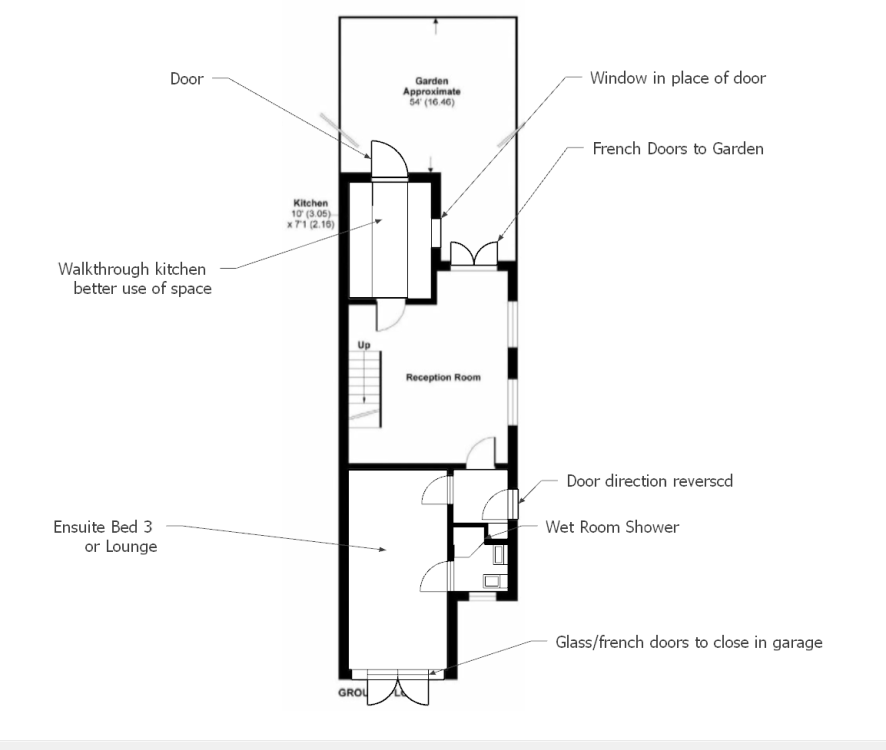
Upstairs looks very logical apart from the lack of south facing windows but since they're bedrooms it's probably not worth the effort of changing them . It depends how far you want to go with extensions etc and what your budget is, and what your needs are? Pics will help too. Without any more info I would consider something like this.