
Nickfromwales
-
Posts
31381 -
Joined
-
Last visited
-
Days Won
346
Everything posted by Nickfromwales
-

Wall mounted tap assembly
Nickfromwales replied to jamiehamy's topic in Bathrooms, Ensuites & Wetrooms
It's ok to have a soldered joint in an inaccessible place you know . Average homes have scores of them, and dry carpet . -
Wall mounted tap assembly
Nickfromwales replied to jamiehamy's topic in Bathrooms, Ensuites & Wetrooms
Ah, I'd not considered such lunacy ? It appears your right, so apologies. @Onoff, you can get my coat for me. ? -
Bath Surround / Boxing In, and concealed pipework
Nickfromwales replied to Onoff's topic in Bathrooms, Ensuites & Wetrooms
Yup. Sounds good. The WC's in particular shouldn't affect the flow to the shower, so getting as much of the cold 'backbone' in 22mm is the way forward. Once you've cleared the bathrooms I'd drop back to 15mm for any runs that then terminate at a single outlet. A flow restrictor(s) on the cloakroom bog and taps may be a big help too, as you want to preserve as much pressure / flow when showering as possible. -
But the consumer does not have access to these points. If you send a DNO generated earth AND provide a rod at the consumer location, and said rod earth becomes detached / high resistance, is that not where the problem lays? Were not talking about the local area network, which isn't public domain, we're talking about someone's home here so best keep the T's crossed ?. Ill get my coat and tin hat ready ?
-
UFH pipe literally sandwiched between mesh...a problem?
Nickfromwales replied to mvincentd's topic in Underfloor Heating
Happy days. . Thanks for the update ? -
Be careful making those kinds of promises.
-
Mould in plaster-work - how can I cure it?
Nickfromwales replied to LeanTwo's topic in General Construction Issues
PMSL -
Aren't you better off with just a rod at that stage so you can't get two separate earths at two different potentials? ( Didnt Harold mention this in one of his rants? )
-
Wall mounted tap assembly
Nickfromwales replied to jamiehamy's topic in Bathrooms, Ensuites & Wetrooms
I don't know TBH, as you'd get a soldered bend almost flush to the rear of the brass plate where it's already brazed. Not a bad idea -
50mm . No problem running 2 showers then lol.
-
What about 35mm 4-core and have a second phase too? Any advantage to that ?
-
The time has come to fit the wet room tray.
Nickfromwales replied to MikeSharp01's topic in Bathrooms, Ensuites & Wetrooms
- 16 replies
-
- 1
-

-
- wet room tray
- level
- (and 2 more)
-
The time has come to fit the wet room tray.
Nickfromwales replied to MikeSharp01's topic in Bathrooms, Ensuites & Wetrooms
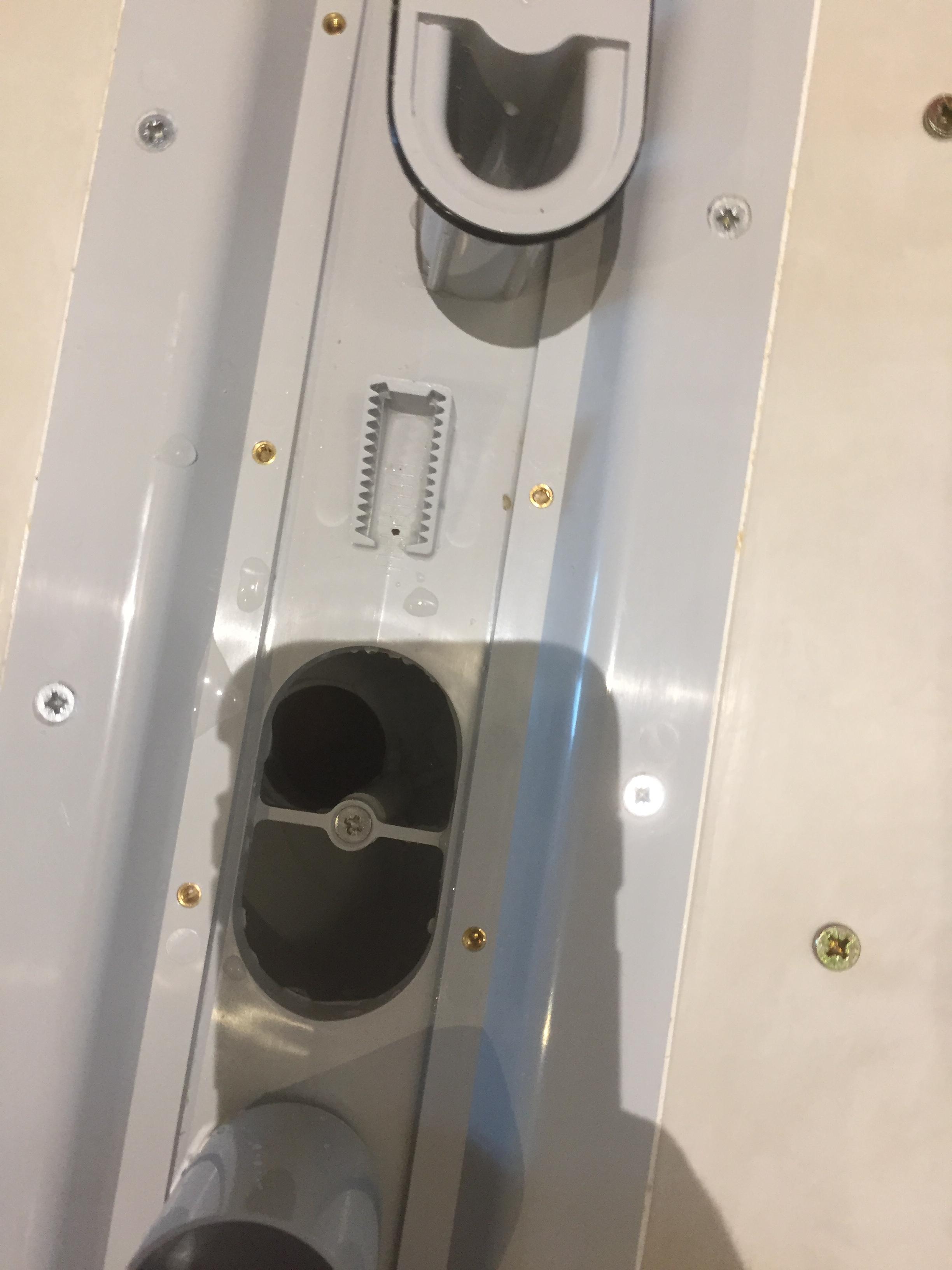
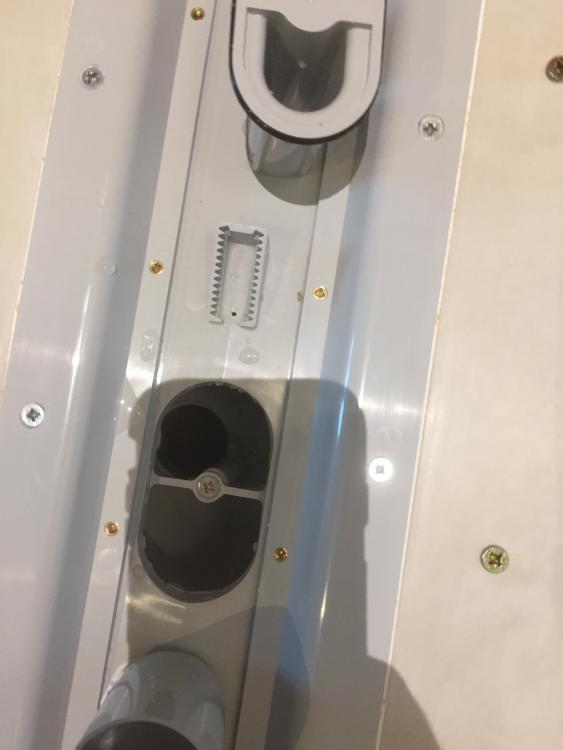
Not at all. I only did that one as Impey allow it by making the outside of the trap body 110mm. If you see the pic looking down it reduces to 40mm . I could have cut the bottom of the trap body so it was fully open, but the discharge rate of that linear drain is already crazy fast.- 16 replies
-
- 1
-
-
- wet room tray
- level
- (and 2 more)
-
As this will have to be signed off by a sparky, it won't be down to interpretation, it'll have to be by the book. If the house AND the workshop are on the end of the 100m run, whatever configuration, its going to be a biggy. I'd certainly run at least a second phase up and have the workshop on its own phase so the house lights don't show activity in the workshop. Over that run, and with things running at peak loads I'd fear there would be some noticeable drop otherwise, even with the bigger cable.
-
The Leyalnd contract stuff is only for obliterating the walls and not any good as a final finish coat . Ok to leave it on the ceilings in every room other than kitchen / bathroom ( where a scrubbable Matt is recommended such as Diamond Matt by Dulux ) as its a very chalky paint used for loading up and rubs off with a wet sponge ridiculously easily. I use it almost as a filler, rubbing down after two heavy coats and then you apply the top / final coat or colour coat over those two 'mist' coats. Works incredibly well this way and covers new plaster amazingly quickly, even on the first coat. Don't be shy with it that's all or it ends up very rough.
-
Wall mounted tap assembly
Nickfromwales replied to jamiehamy's topic in Bathrooms, Ensuites & Wetrooms
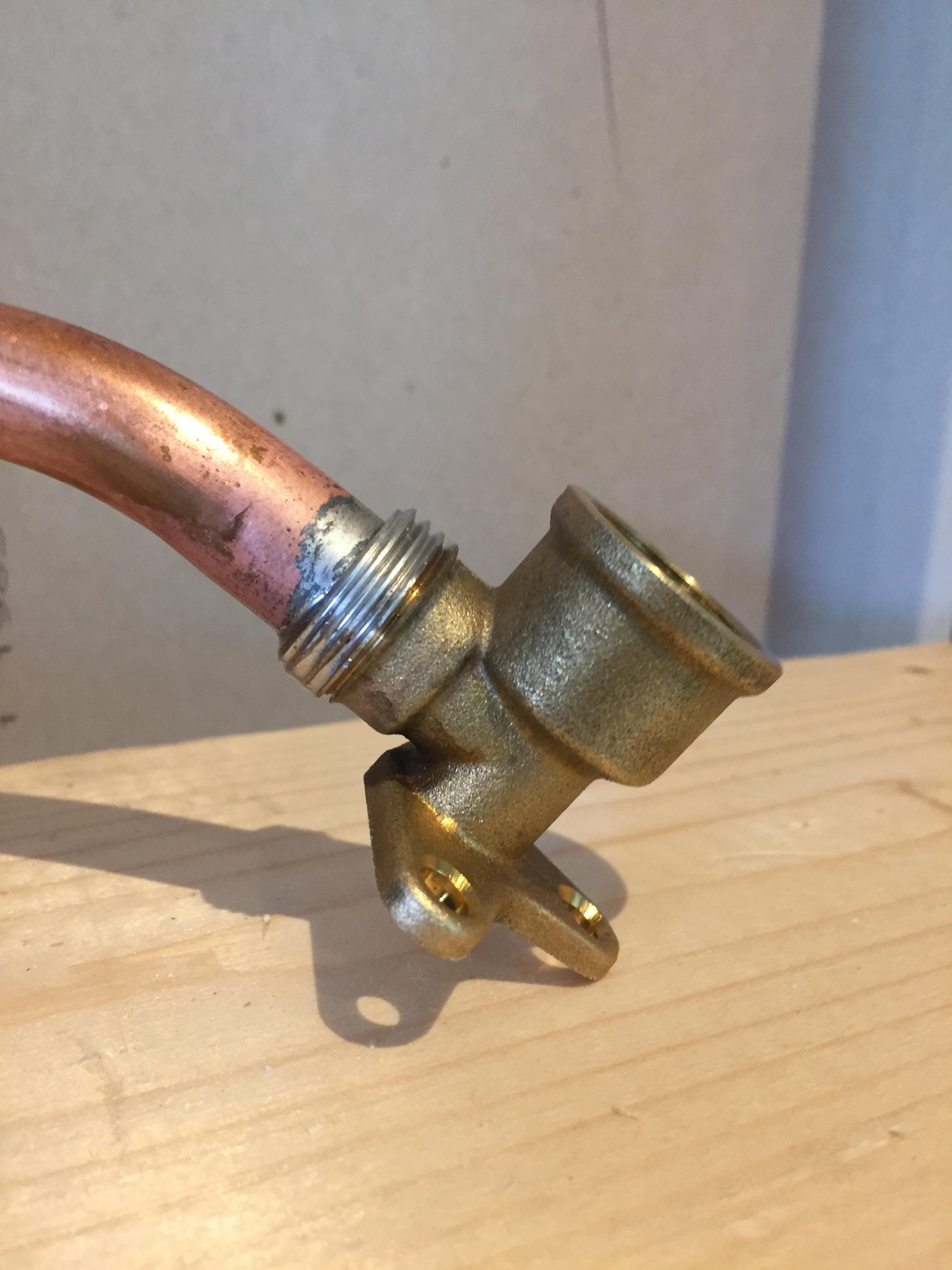
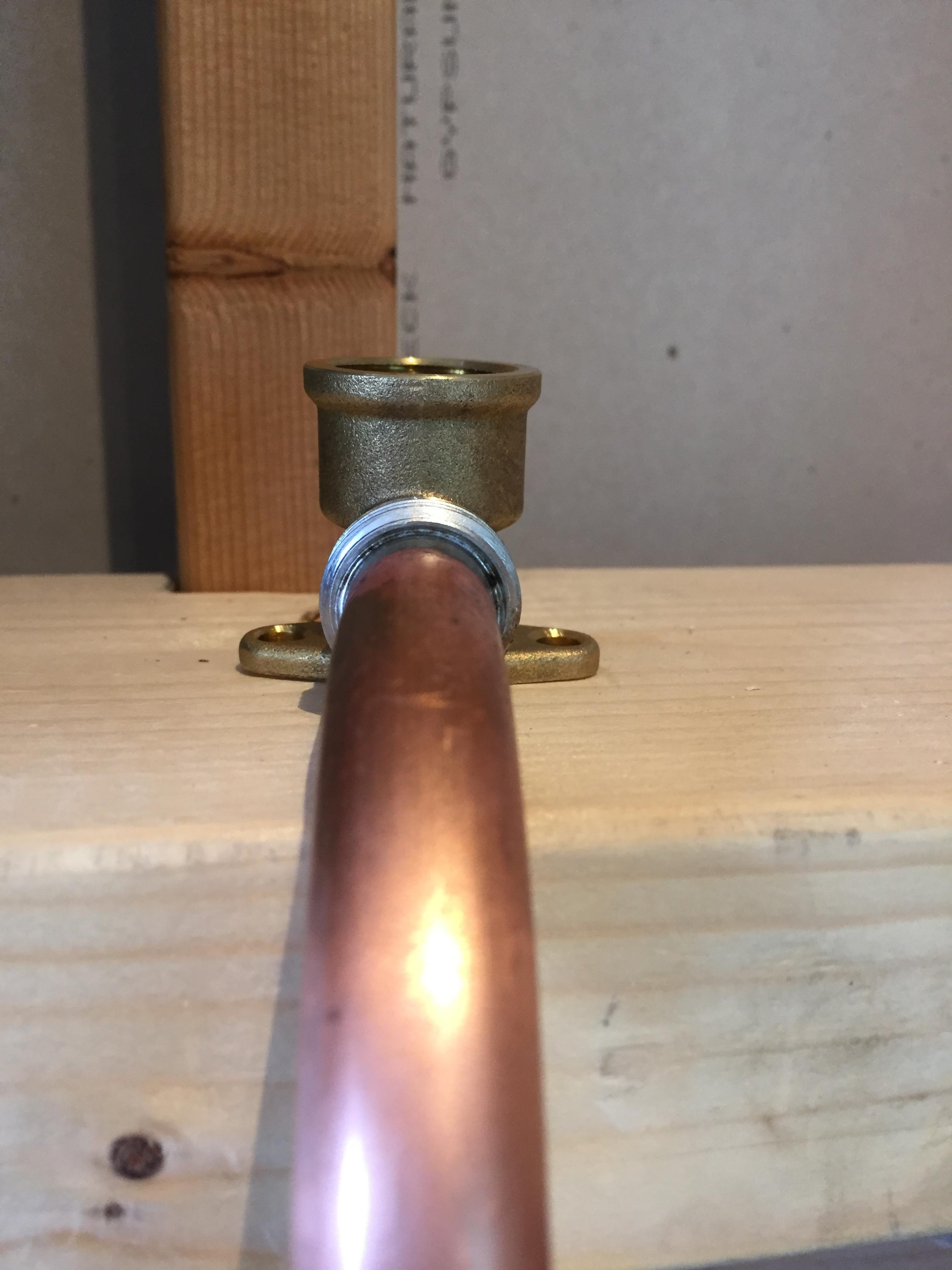
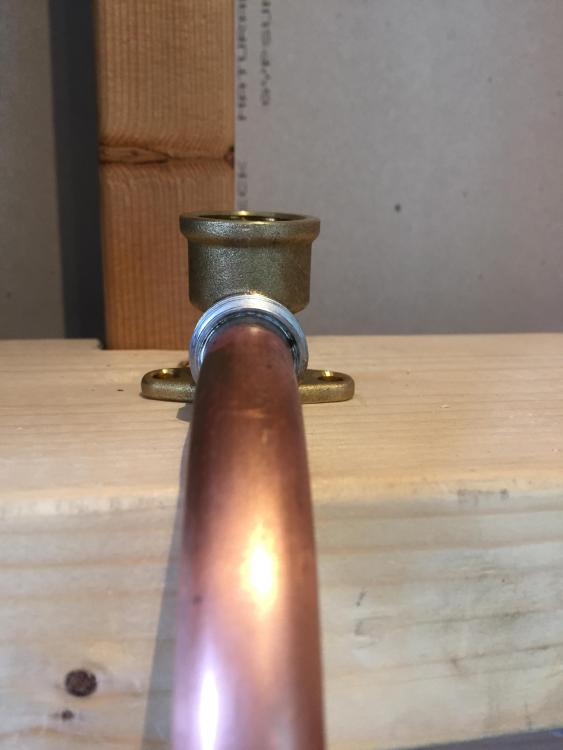
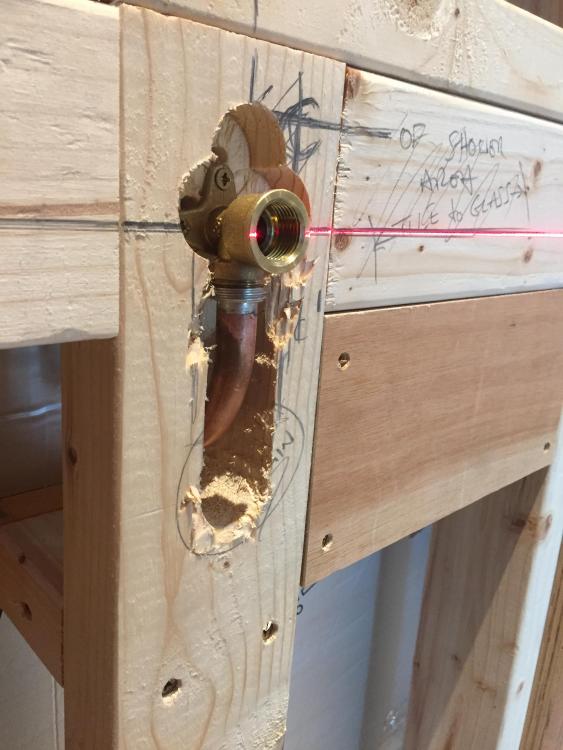
Not any hotter than a copper fitting, but you do start gently heating the brass instead of the copper and slowly let the heat transfer through. When the flux starts to fizz and evaporate at the brass / copper junction, that's when it's time to add a bit more flux and start soldering. The trick is to have the lot made up prior to soldering and the pipe running downhill towards the brass backplate, that way you get the solder saturating the joint before welling up and spilling out. It also allows you to look inside the brass fitting and see that there is a solder ring / puddle forming, for reassurance that the joint is fully saturated. You can get these end feed as well as compression, but tbh they both solder up the same so I just crack on with whatever one ive got to hand. -
Wall mounted tap assembly
Nickfromwales replied to jamiehamy's topic in Bathrooms, Ensuites & Wetrooms
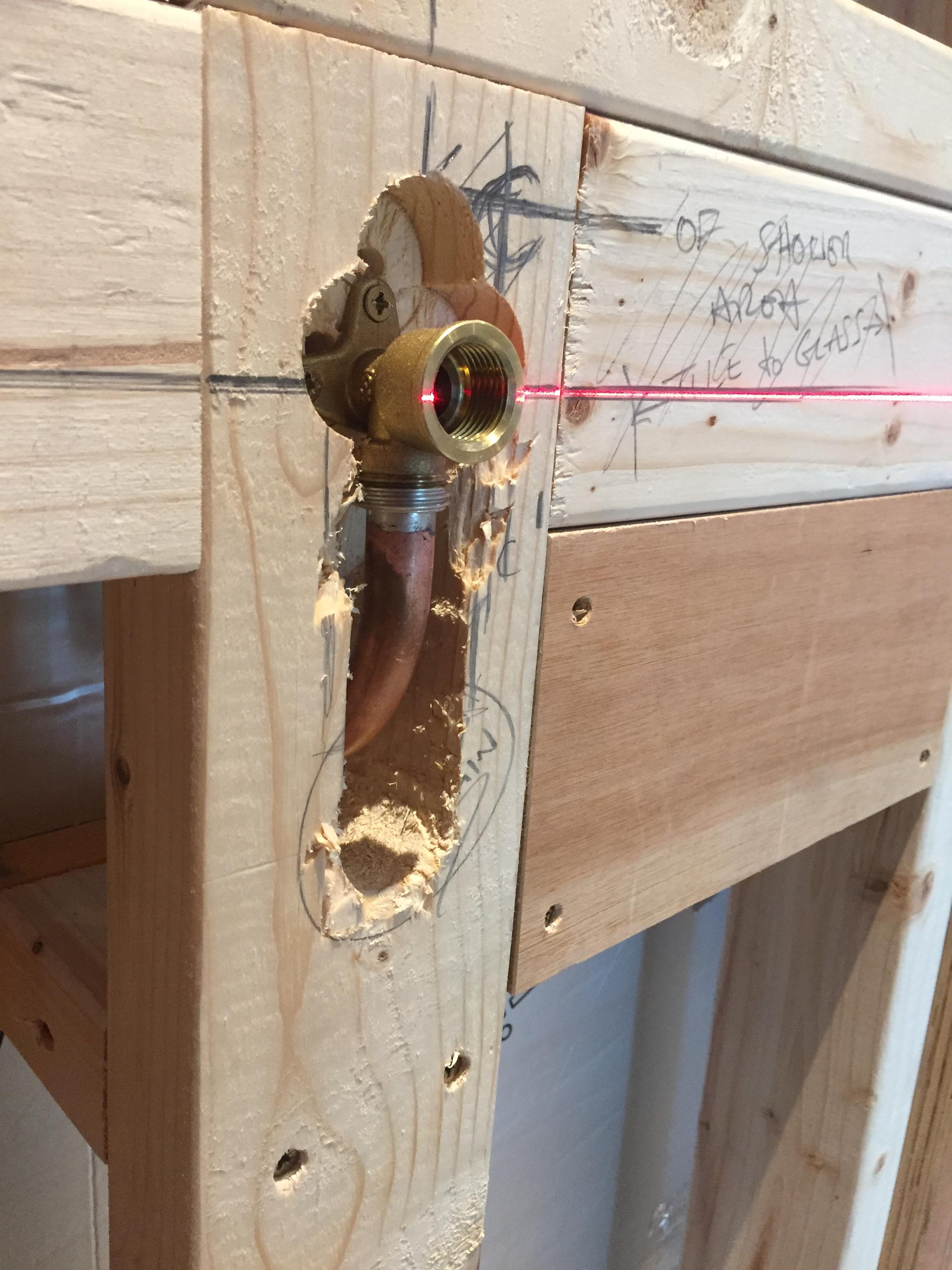
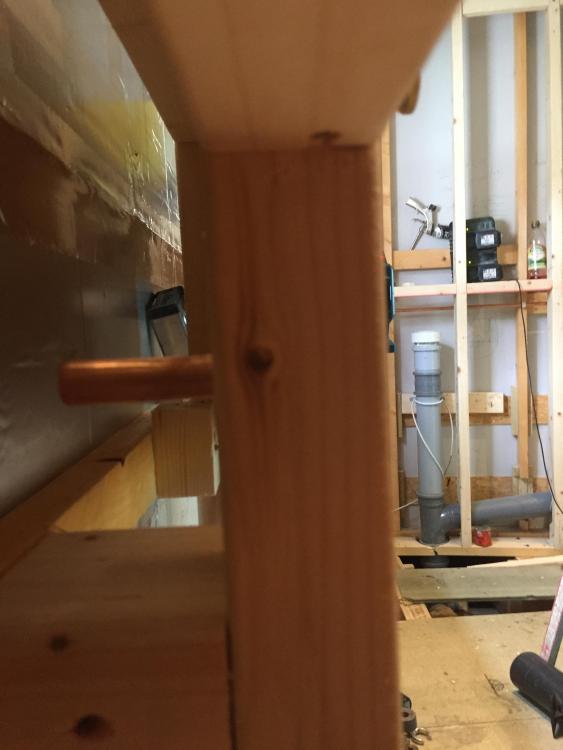
Sorry @jamiehamy , only now seeing this. . How do you intend supporting these if you use the connector shown ? I use 1/2" brass backplates for this. Latest one..... As this is all that's supporting the handset outlet doo-dah I always fit backplates so there's a means to fix them mechanically. Dont know if you've sorted it by now though ? ( Stick my username into these posts so I get a ping ?? )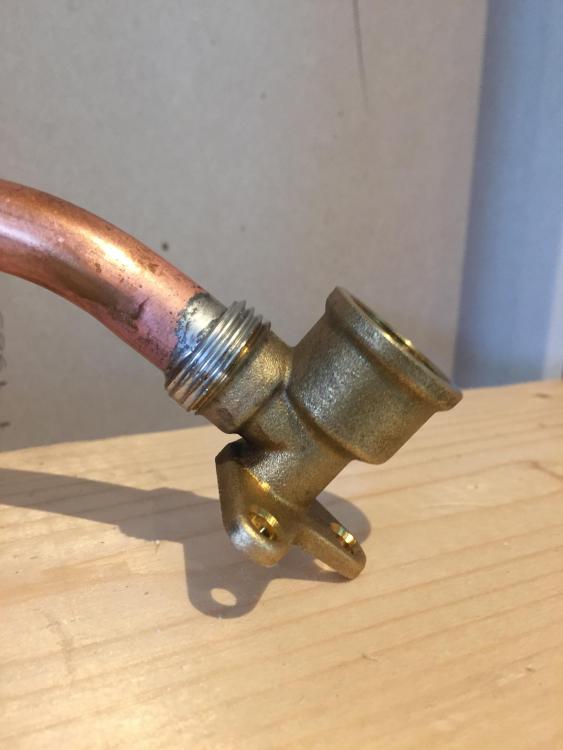
-
Running 3 x 70mm SWA singles or 1 x 70mm 3-core SWA doesn't really make any difference to the price. Still around £1500.00 One example for 3 core And singles
-
Won't 2 cable runs be more money? Plus 2 switched fused isolators too to separate the two different rated cables ? One big cable to the house, or if the garage is significantly closer, go there first for the new meter location and then onto the house so you don't have such a big incomes going into the house. 100m is a long old run, so get the chequebook ready
-
The time has come to fit the wet room tray.
Nickfromwales replied to MikeSharp01's topic in Bathrooms, Ensuites & Wetrooms
Mix a bucket of S&C and another with flexible tile adhesive. Push your left and right hands, one into each bucket, and pull them back out. Then decide . -
Tidy. ? Sunday is meausure up day to see where it fits without too much butchery. Cheers.
-
The hondas are very highly sought after in the used market. Push button just takes all the fun out.....next thing you'll tell me it ticks over whilst emptying the grass box too.....?
-
And warmer underfoot than tiling .
-
Just going to blatantly hijack this thread. This velux says 2 ventilation 'points'. Anyone know if they're still rainproof on the first 'click' ? Want to fit one in the attic I did for my boy last Xmas. Haven't got room for a bigger one as the perlins are still there and it's not a very high roof / tall room . I don't want the pivot type as it'll likely end up in the stairwell at the top of the stairs as the perlins are cut out there. Ideally I'd want a smaller window, anyone know where I'd get smaller without a big budget?
-
Complete garden landscaping.
Nickfromwales replied to daiking's topic in Landscaping, Decking & Patios
I wouldn't have decking if it was free. Can't stand the stuff. Slippery, maintenance hungry, and takes a lot to keep looking even half decent. ?