
Nickfromwales
-
Posts
31390 -
Joined
-
Last visited
-
Days Won
346
Everything posted by Nickfromwales
-
Put it in the bin dave, it lasted 16 years lol!!
-
Yes, but it’s a coarse statement I agree. Just recounting every job I’ve been on with thin screeds vs the ones I’ve been on with thicker / more substantial heat density (?) / thermal inertia. Totally different jobs with hugely differing results. Most of the issues are with managing the heat delivery to the manifold, and then getting it emitted from the slab ( screed ) in a comfortable and effective way. Lots of customers complained that it was either too hot or too cold as the over / undershoot was almost unmanageable. Paper exercises are one thing, reality from practical experience is my church, so I can only recount what my actual experiences have been with the different disciplines.
-
Go for 100mm of EPS, then 100mm of PIR rigid foam type insulation above that. EPS is cheap as chips and will make a huge difference to the naff bit of PIR your BCO will ‘insist’ you install If you stay at home, then 100mm of screed will serve you well, as the thicker the slab, the more like a heat battery it will perform. Thin screeds need higher temps for longer durations, and the hysteresis is terrible in comparison to thicker ‘slabs’. Plus they don’t hold heat for very long either. They do heat up quicker, of course, but you only need to use a timer and learn how long it needs to come on for before affecting the room interior and vice versa. Eg with a thicker slab set it to come on sooner than you need, but also to turn off sooner as it’ll keep emitting heat until it cools off. It’s all dependant on what / how you’re building and how good it performs, so a bit tricky to call in a few posts.
-
What’s the boiler flow temp vs UFH flow temp? Is it quiet when starting from ‘cold’ then gets progressively noisier as the UFH temp rises to the TMV set point?
-

Don’t pay your trades up till they have finished
Nickfromwales replied to nod's topic in Floor Tiles & Tiling
.......a thing of beauty ?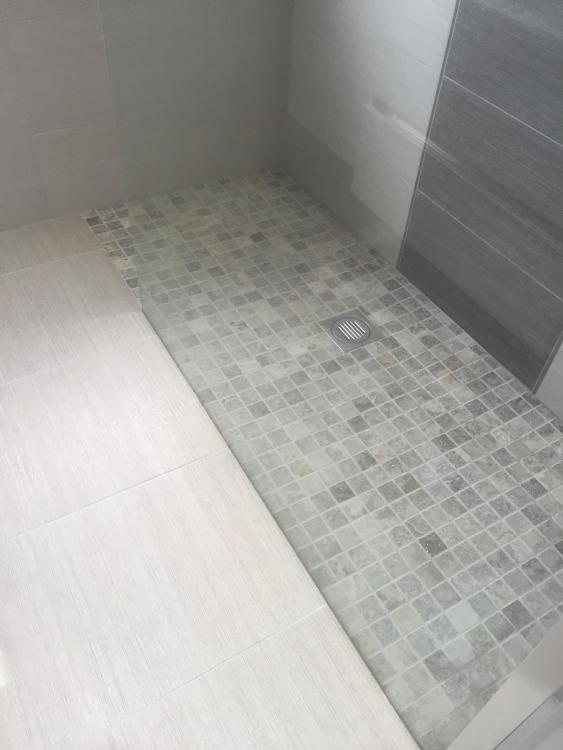
-
Don’t pay your trades up till they have finished
Nickfromwales replied to nod's topic in Floor Tiles & Tiling
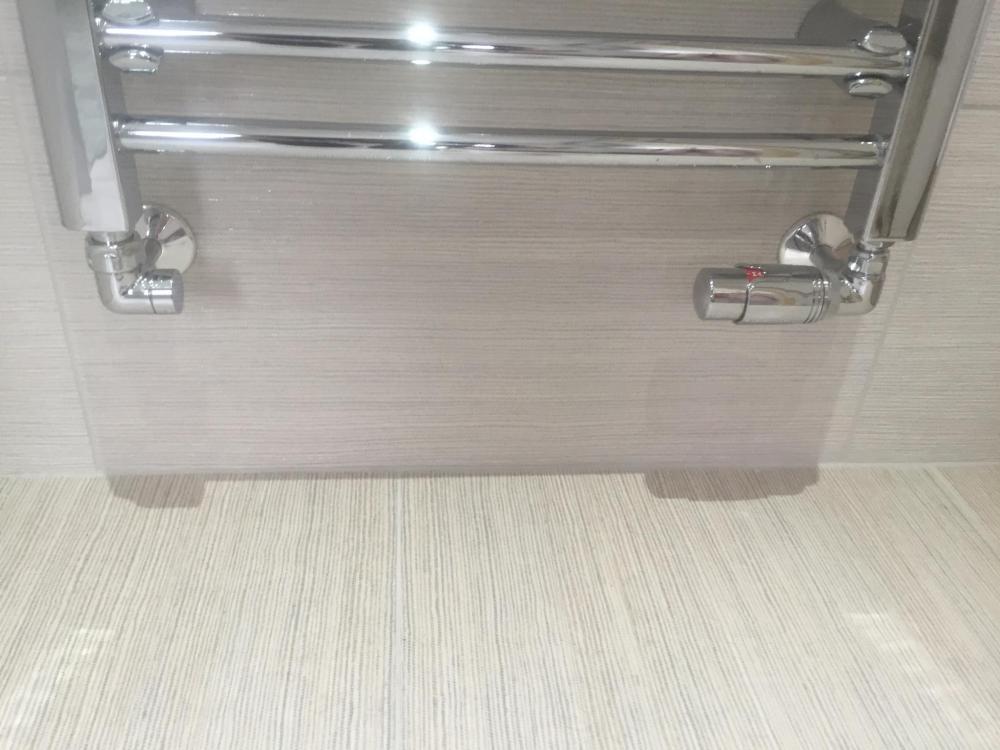
That’s what tape measures are for ? You don’t plonk a house down and draw around it for the foundations -
Don’t pay your trades up till they have finished
Nickfromwales replied to nod's topic in Floor Tiles & Tiling
Floor first baby. ? -
Don’t pay your trades up till they have finished
Nickfromwales replied to nod's topic in Floor Tiles & Tiling
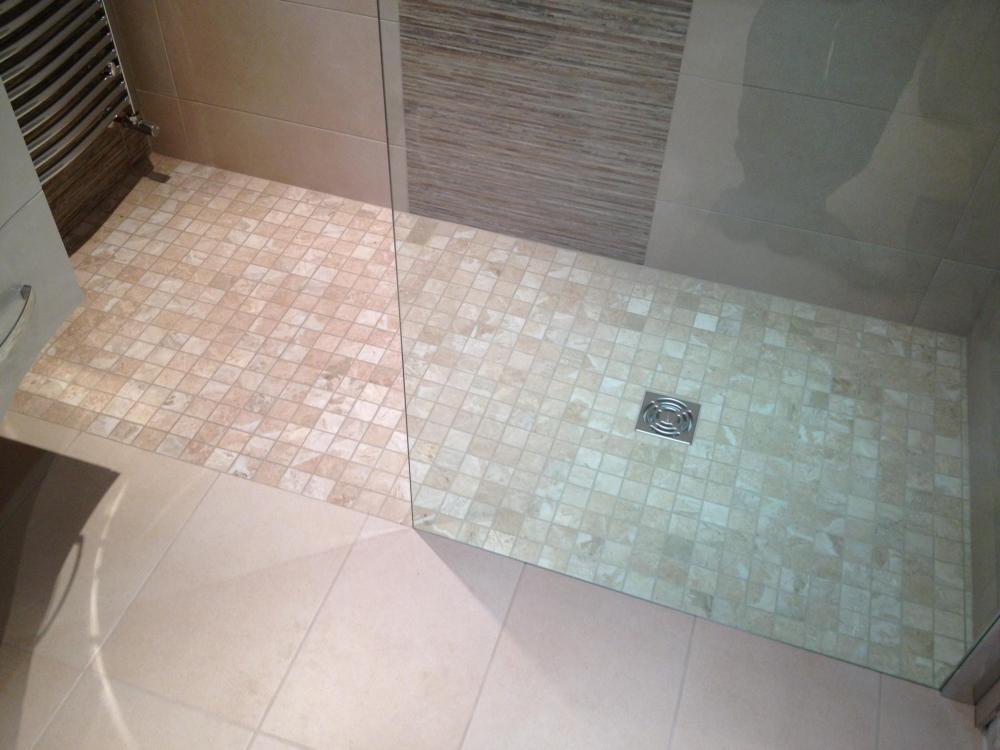
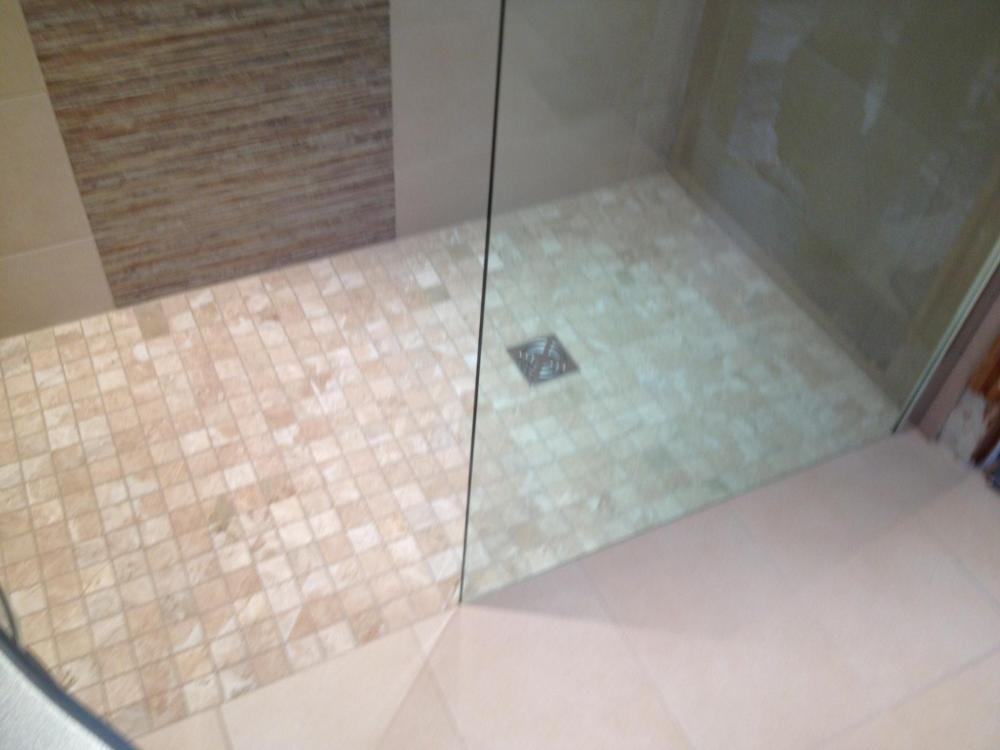
-
Don’t pay your trades up till they have finished
Nickfromwales replied to nod's topic in Floor Tiles & Tiling
B&Q is my co-pilot. -
Don’t pay your trades up till they have finished
Nickfromwales replied to nod's topic in Floor Tiles & Tiling
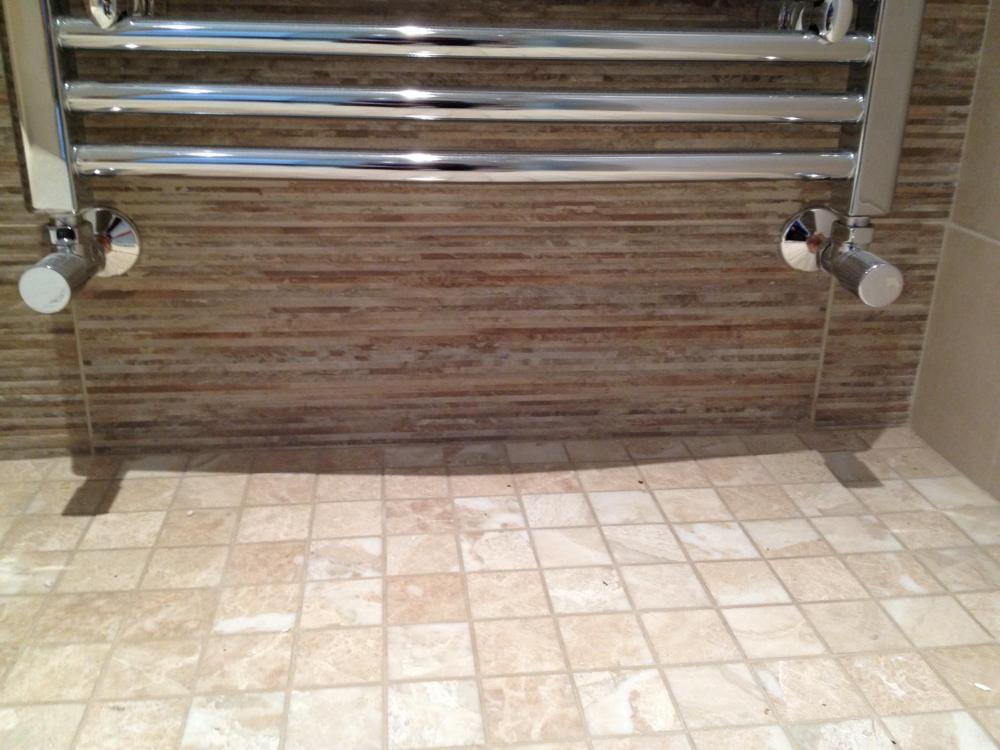
Floors first. Cleanest lines possible. Plus, silicone corners is the anti-Christ. -
Don’t pay your trades up till they have finished
Nickfromwales replied to nod's topic in Floor Tiles & Tiling
Fight !!! -
Plumbing completed - what paperwork do I need?
Nickfromwales replied to Weebles's topic in General Plumbing
Does make you laugh tbh. WTF is the point of ticking the boxes if they’re so lazy as not to ask for the results?!? No wonder such boxes of shite get thrown up by mass builders........ -
Solar DHW with UniQ and PV Diversion
Nickfromwales replied to DamonHD's topic in Boilers & Hot Water Tanks
+1 -
Solar DHW with UniQ and PV Diversion
Nickfromwales replied to DamonHD's topic in Boilers & Hot Water Tanks
Best to see if your beloved project will still be standing long enough to gather data? ? -
Plumbing completed - what paperwork do I need?
Nickfromwales replied to Weebles's topic in General Plumbing
Not pressure tested? Got to jump through a hundred hoops on my job in Essex ? -
Plumbing completed - what paperwork do I need?
Nickfromwales replied to Weebles's topic in General Plumbing
You should have a G3 benchmark book for the cylinder. Either stuck on it or ( usually ) an A5 booklet that’s comes with it. That is a separate item from GSR and 100% needs to be completed, regardless if a sloppy BCO overlooks it ( as it’s required for warranty from the manufacturer for one, but also may affect your building insurance in a related claim too ). You can get this done by your GRS’d guy easily, as long as their complimentary G3 qual ( that they got with their ACS ) has not past 5 years and expired. A lot of GSR’d fitters don’t bother to renew G3 unless under duress. Don’t know why, it’s a couple of hours refresher and less than £150 ( free with some manufacturers if you’re promising to fit their products ). Needs doing ASAP. -
AC electricity is not polarity conscious. You’ll get the same reading either way.
-
If so, stick with the insulated raft as intended. Load shifting E10 heat into the slab, to go all electric, would be less attractive without such a capacitor. To burn gas and heat via such an emitter, eg with such a short thermal time constant, would need a ‘large’ buffer tank, vs the slab + electric which would not so much so. You’d probably get away with a small low loss header / hydraulic balancer if you go Willis now and ASHP retrospectively fitted ( if deemed necessary later down the line ).
-
Thanks, but not generic enough to leave behind with a client. Coincidentally I bumped into a chap on the weekend at the NSBRC who fits cold rooms / wine / champagne rooms so I’m going to approach him to see if these monitoring systems are available off the shelf somewhere. I’m sure they are.
-
Watching with interest as I have a client that we’re installing a wine / champagne store for in their upcoming new build and it needs monitoring. Client needs to be able to see it remotely ( as they don’t intend residing there all year round ) so WiFi accessible portal would be required. Off the shelf solution is the only option where I have to depart after installation as things need to be generic / industry recognised for 3rd party repair / replacement down the line. Temp and RH are the key requirements for this instance. Apparently dry corks are not good corks
-
Smoke/heat alarm for large kitchen?
Nickfromwales replied to MJNewton's topic in Electrics - Kitchen & Bathroom
I always fit multi sensors in plant rooms / attic spaces where anything electrical or electronic is present. I also always fit at least one ‘hush / test / find me’ switch in a strategic position(s) which allow the detector that has been triggered to be found quickly. The find me function silences every other detector. The test button and hush button repeat the function buttons on the front of the detectors, which is almost a critical requirement in a house with very high / vaulted ceilings. -
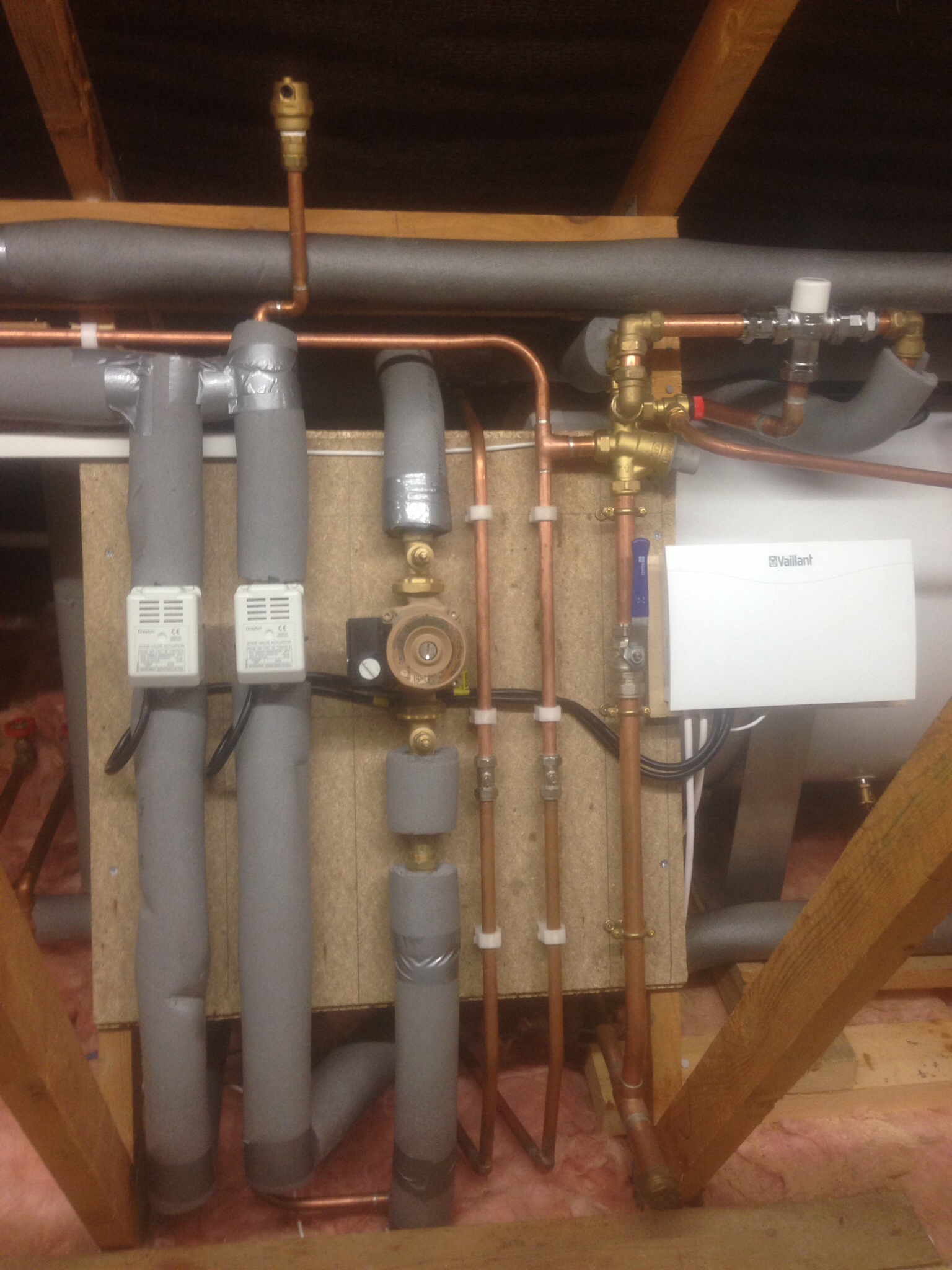
To clarify ( for others ) it's the brown wire that feeds the motorised valve actuator head that I'm referring to. That will be a 5-wire arrangement; Brown = Call for heat / demand - which when energised spins the stepper motor and actuates the valve body Blue = Neutral Green / Yellow = Earth Orange = Common Grey = Switched live back to the heating system ( activated by the valve getting to 100% open and the actuator arm striking a micro-switch in the head thus completing the circuit ) 4&5 can be wired either way around without affecting operation.
-
Basically what we need to know is, if, when the heating is turned on / off, does the brown wire get energised / de-energised ? If it does then the controls that are giving the signal are fine and the motorised head is duff.
-
+1
- 78 replies
-
- 1
-

-
- dry lining
- fermacell
- (and 1 more)
-
Oops, should have said repaired not simply ‘changed’. Long day yesterday.... Thanks.