AliG
-
Posts
3211 -
Joined
-
Last visited
-
Days Won
11
Everything posted by AliG
-
Basically yes, the SE wanted to use this method. The conductivity of the 365mm block is 0.26 so the block on its own would have a U-value of 0.71. You could use 365mm blocks with EWI/IWI I guess. I didn't really look into it, with hindsight I think I might have been better using full fill bead insulation than PIR. I am using insulated plasterboard on the inside now which I was not before and this would have achieved an acceptable U-value. I was not sure how BC would see full fill insulation. Theoretically it is fine where I am but they might have worried about water ingress. One reason for choosing Porotherm is it does not need perpend vents which I find unsightly. I think in reality it proved much slower to use than advertised and may not have offered that much benefit over other kinds of blocks despite being more expensive, but it is hard to compare as you cannot know how your job would have gone with another method.
-
General Election Predictions 2017
AliG replied to Ferdinand's topic in General Self Build & DIY Discussion
I didn't say it works well! -
General Election Predictions 2017
AliG replied to Ferdinand's topic in General Self Build & DIY Discussion
I disagree with the whole England imposes its will on Scotland thing. I could say Glasgow will vote one way and Edinburgh another or Newcastle and Surrey, or indeed just me and someone else. That's how democracy works. -
I hope my builder knows as I was just discussing the exact same thing with my architect today. We will be using wet room formers and have liquid screed which goes down in two weeks. I understand that they shutter off the area for the former, but after speaking to the architect about that it dawned on me that the former is thinner than the liquid screed and so how do they lift it up to the same level whilst keeping a firm base to tile onto. This is exacerbated in my build because there will be insulation under the screed, so how do you lay the former on top of the screed. I imagine they could build up the level with sheets of marine ply but I am not clear how that can be laid securely over the insulation. I am sure @Nickfromwales will enlighten us rather than me wildly guessing.
-
Depending on the size of the heat exchanger 500l should be more than enough. A 20kW heat exchanger could heat 5-600l of water by 30C every hour. It's unlikely that you use hot water at more than that rate. @PeterW is right though, a larger boiler might help if you want to run the heating and generate hot water at the same time. Does the boiler heat the thermal store in the same way as an indirect cylinder or is there a coil in the store as indirect heating will struggle to keep up with the hot water output of the store? Also the hotter you store the water the more equivalent capacity you will have although it will modestly increase standing losses.
-
It will depend a lot on the size. I was assuming 150-200 sq metres. If it is less than 100 then should be less than 10k
-
I was about £28,000 to demolish a 4000sq for 2 storey house plus 2 garages including removing the foundations and taking all the material away. It also cost £1200 to have all the utilities disconnected. I'd guess £10-15000 depending on the size of the bungalow. If there are any fittings of value that will reduce the cost.
-
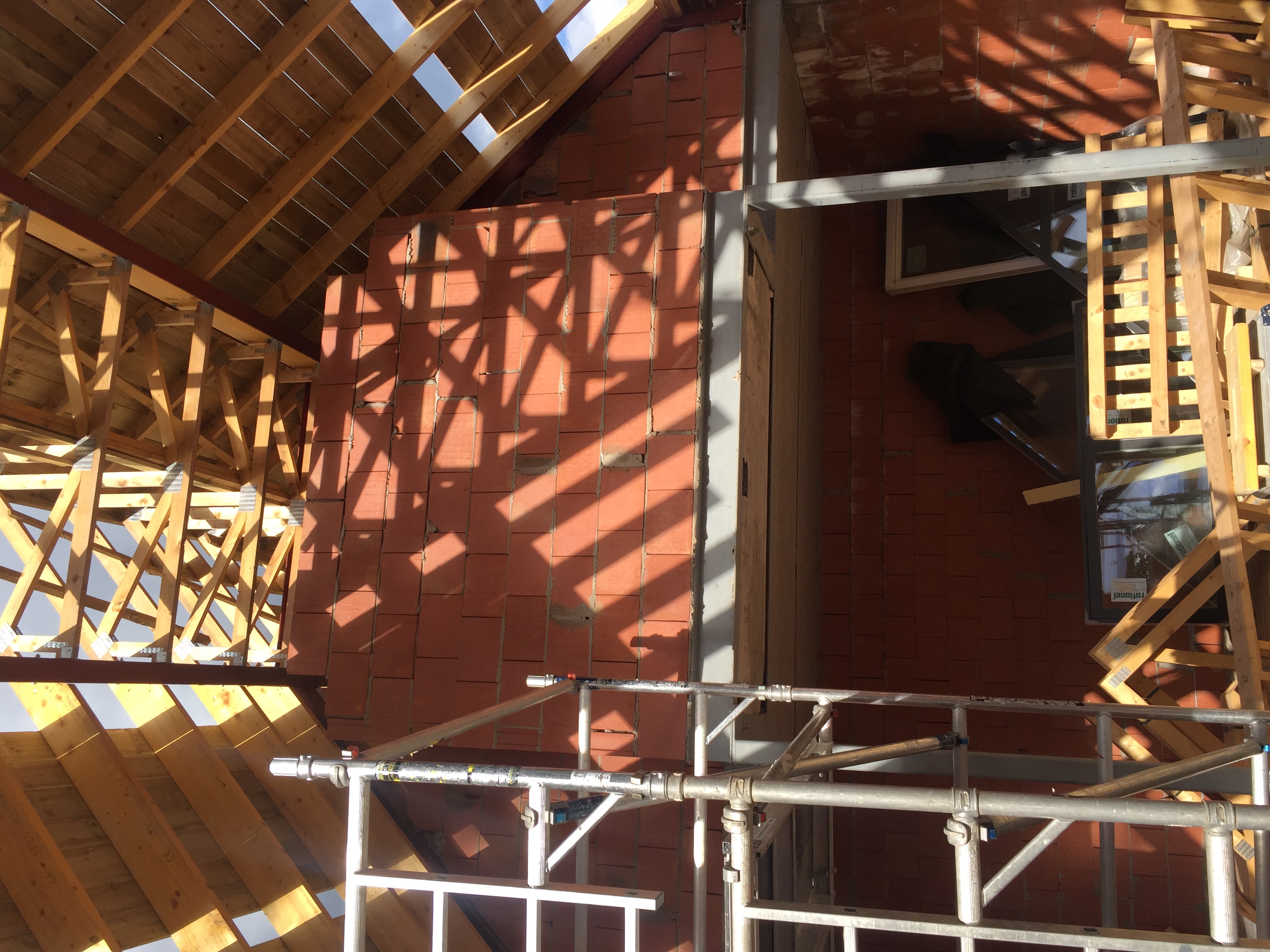
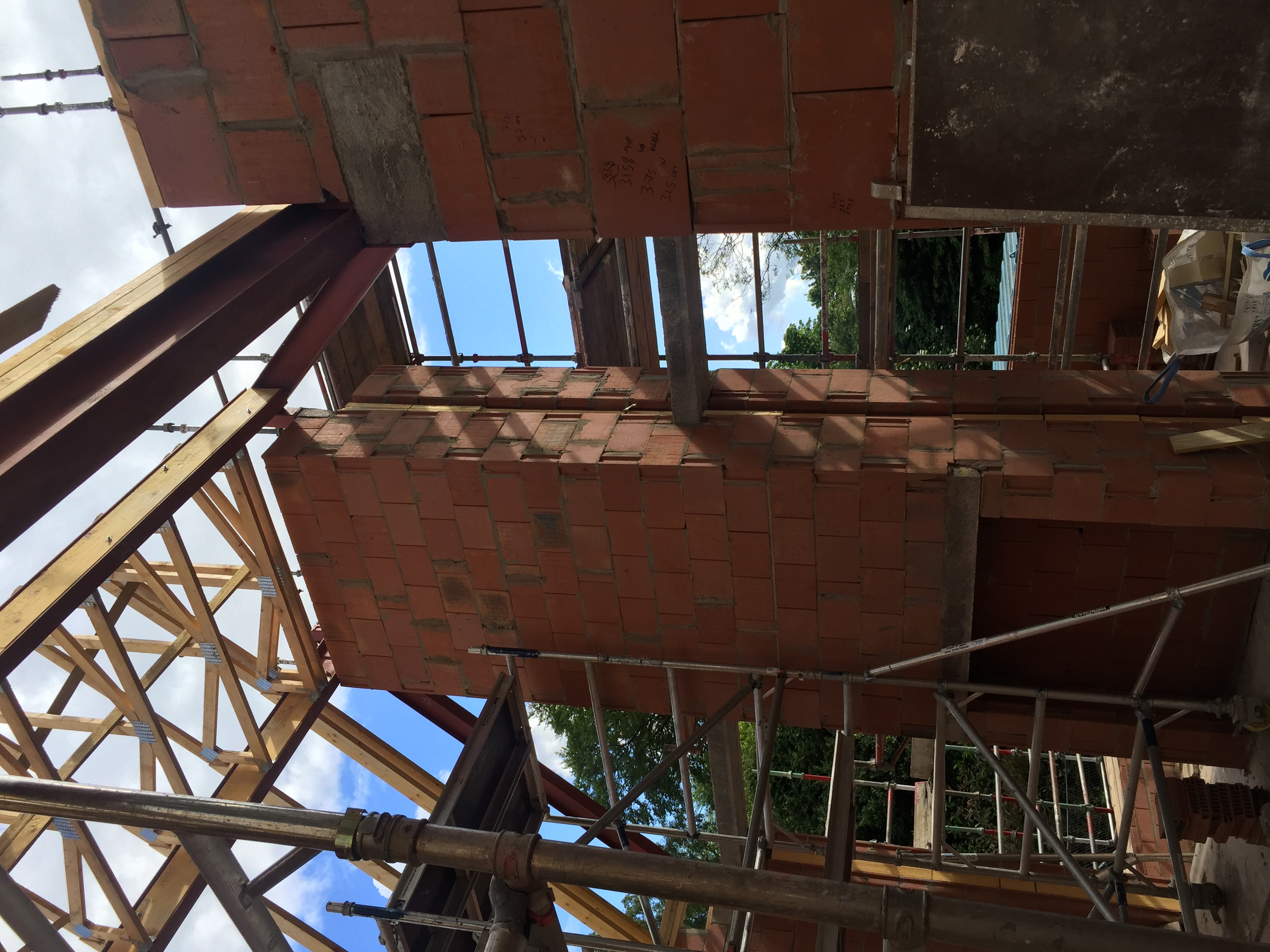
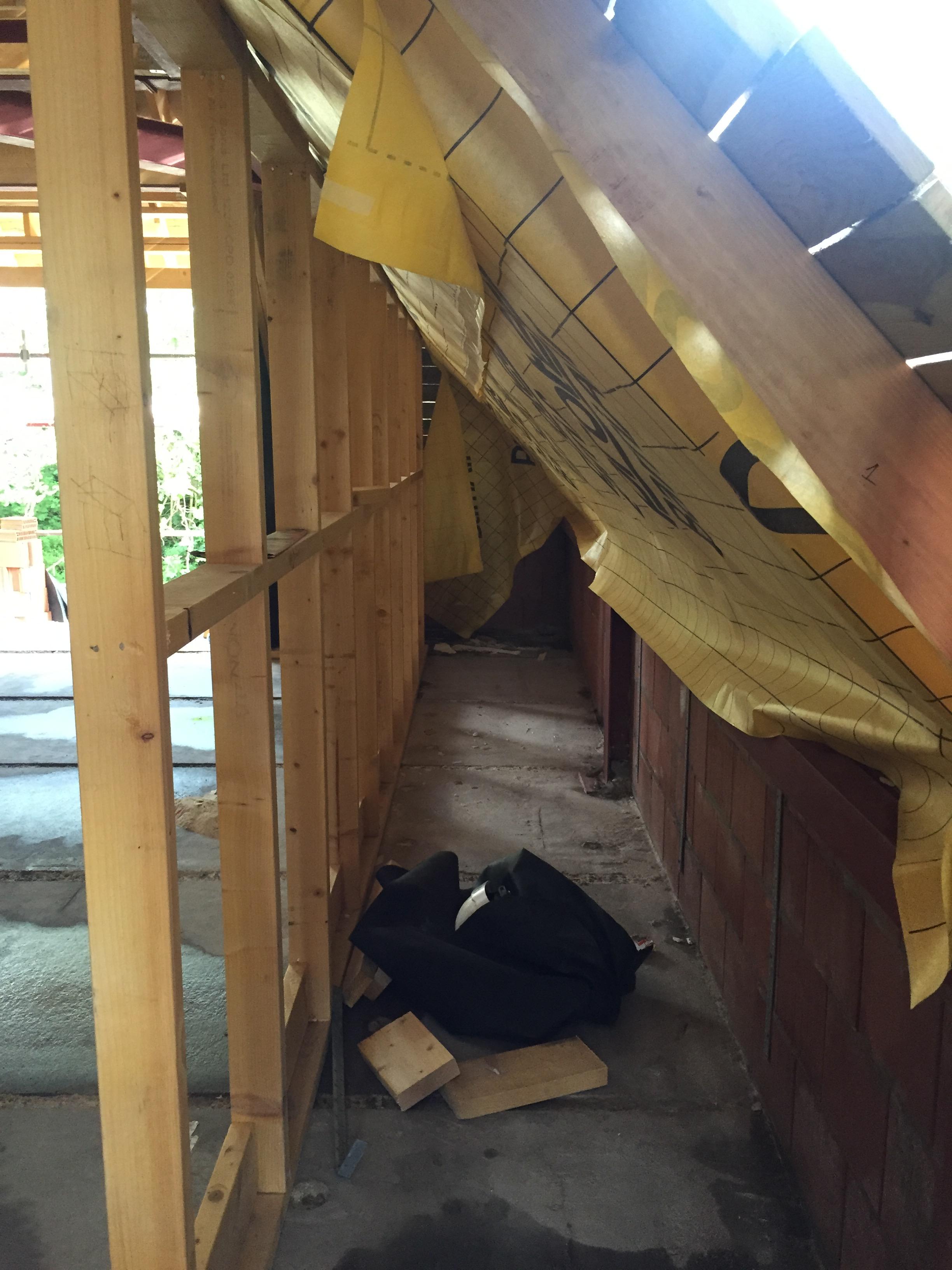
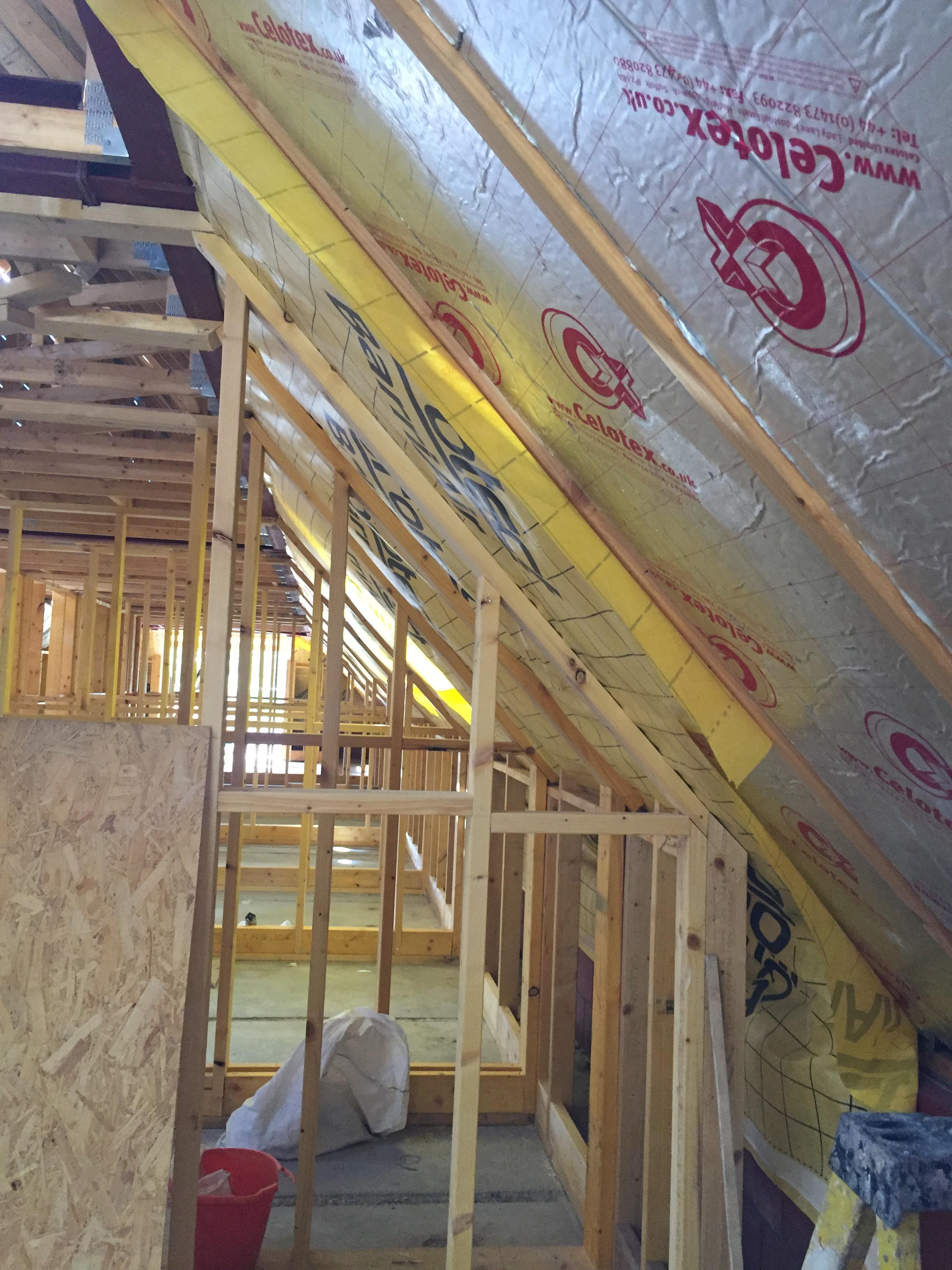
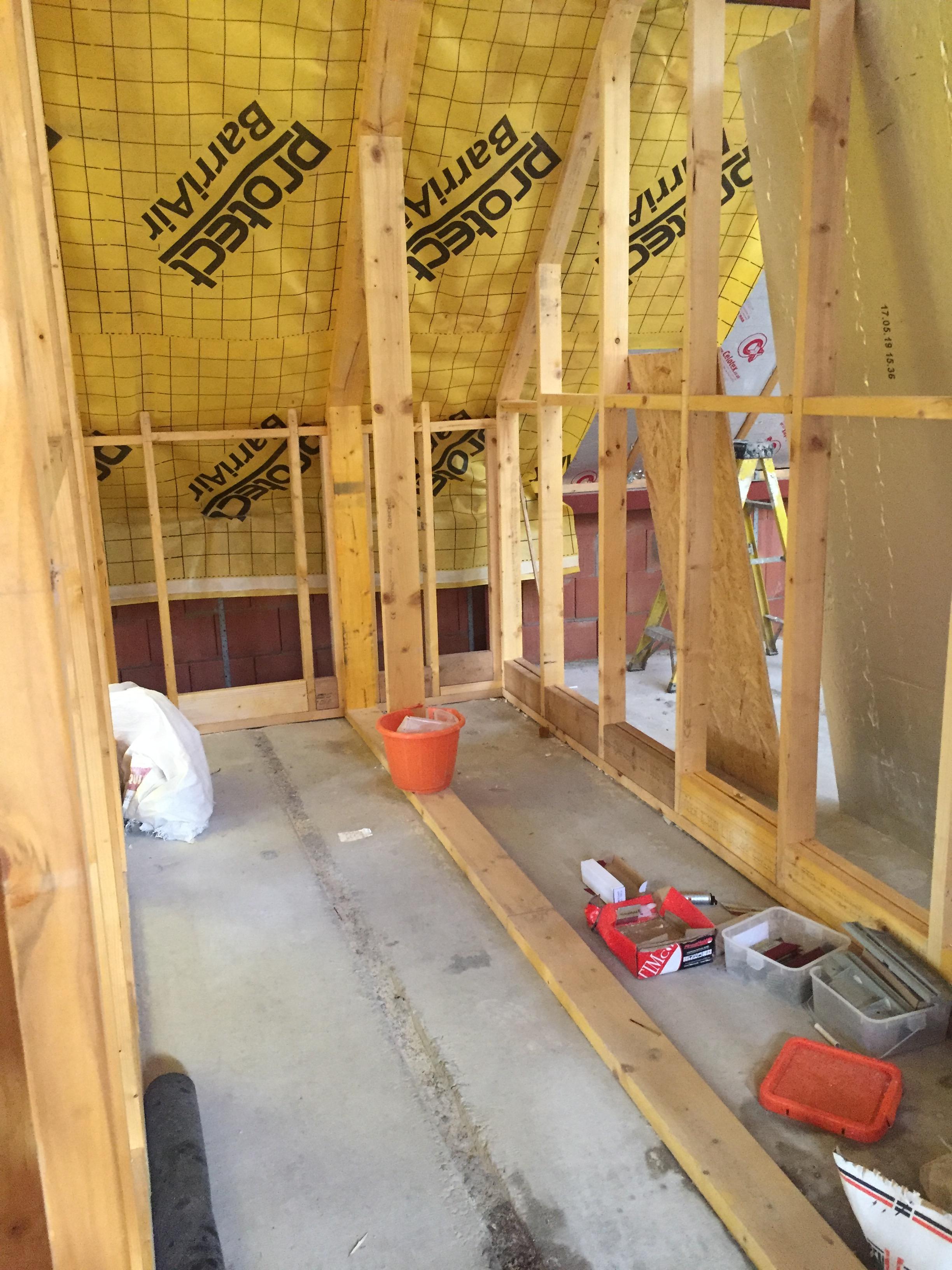
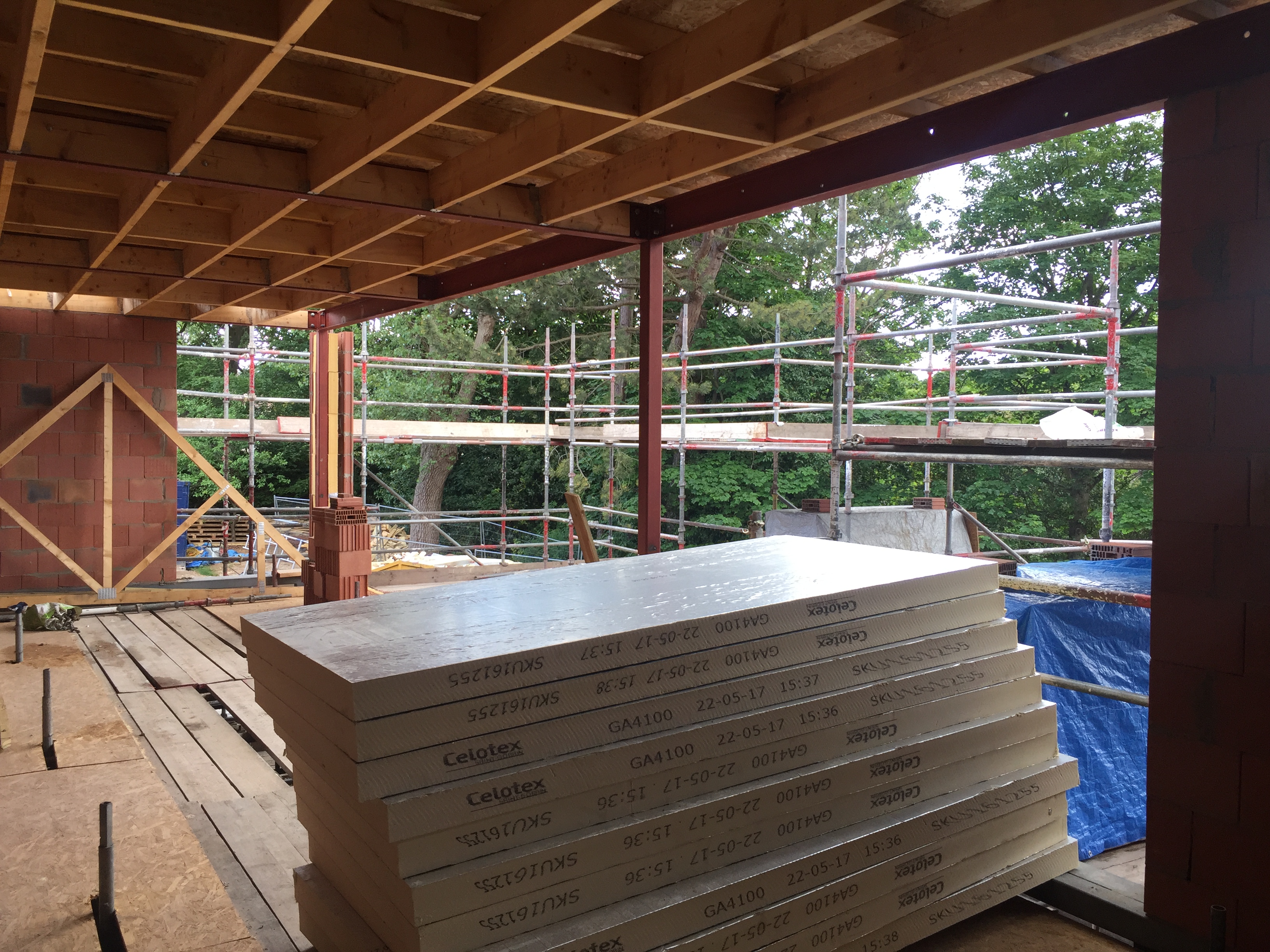
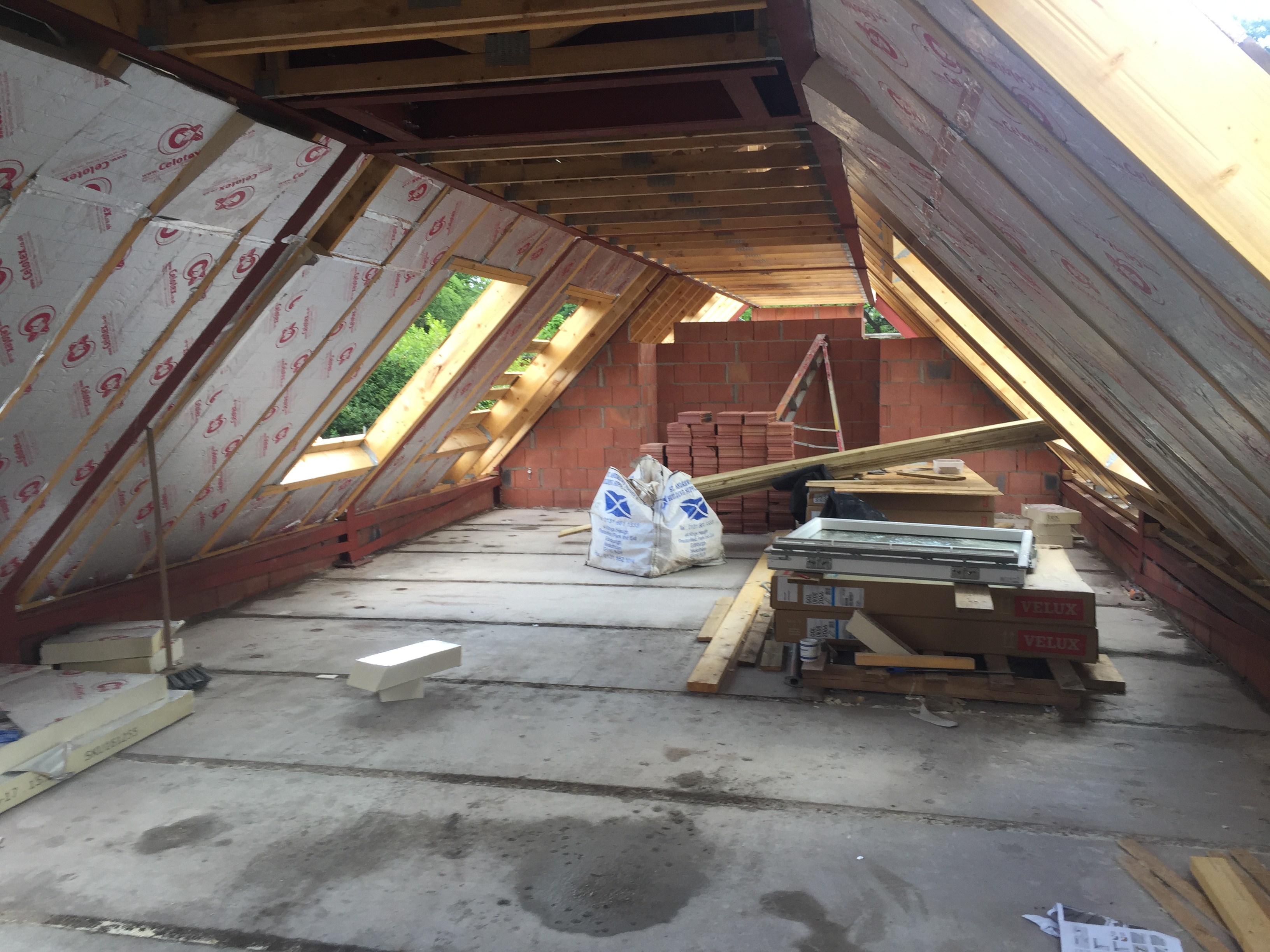
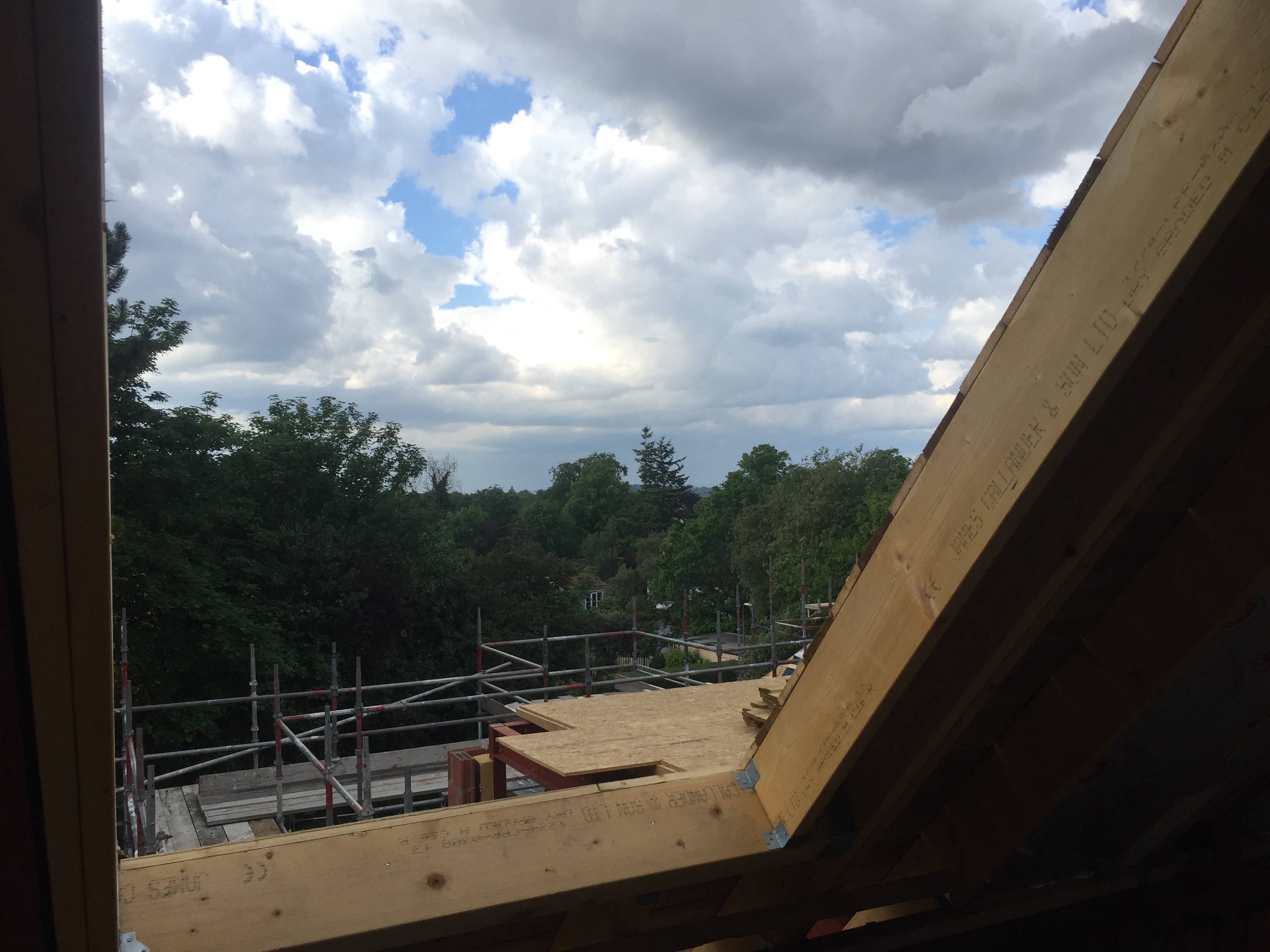
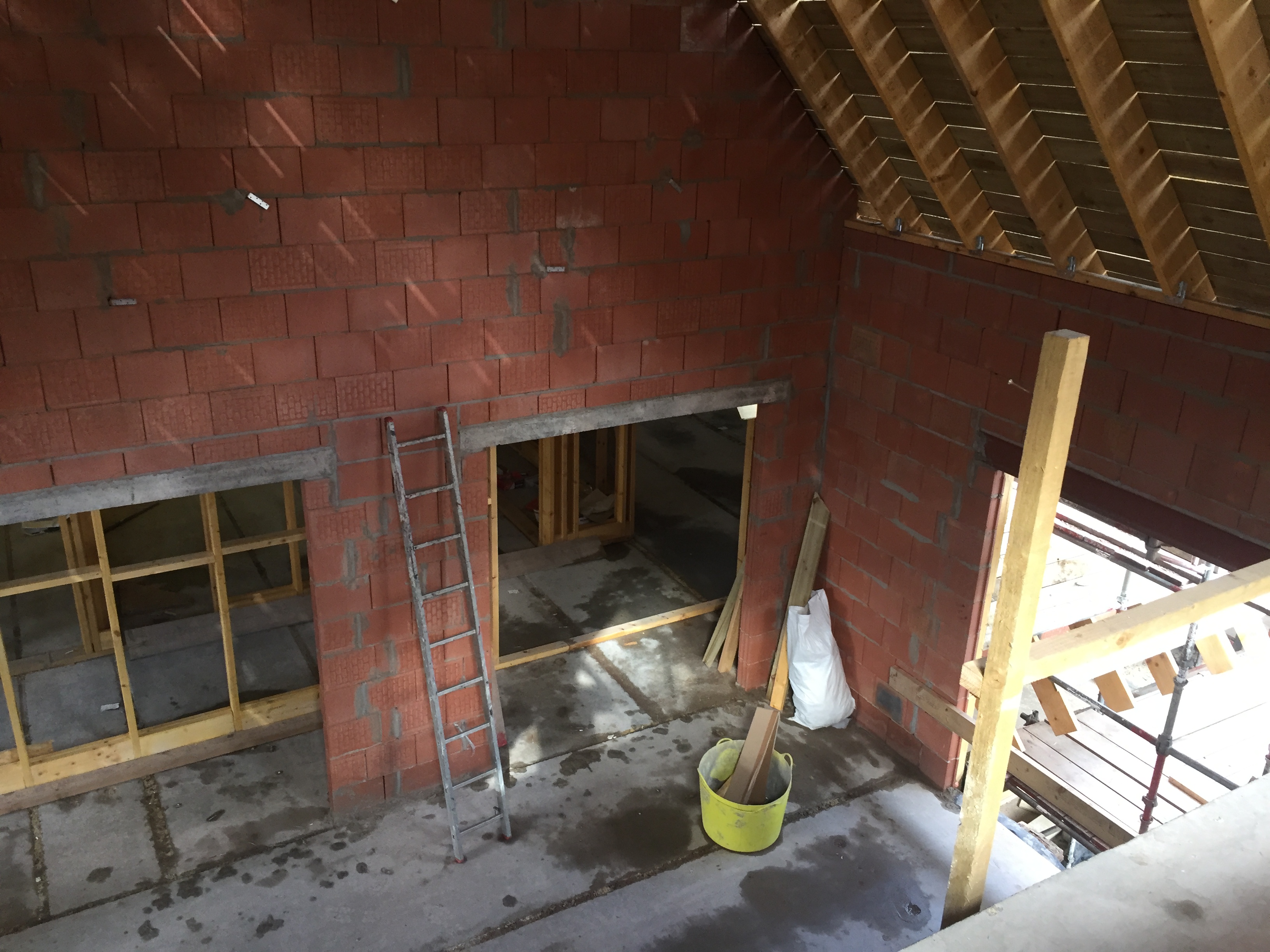
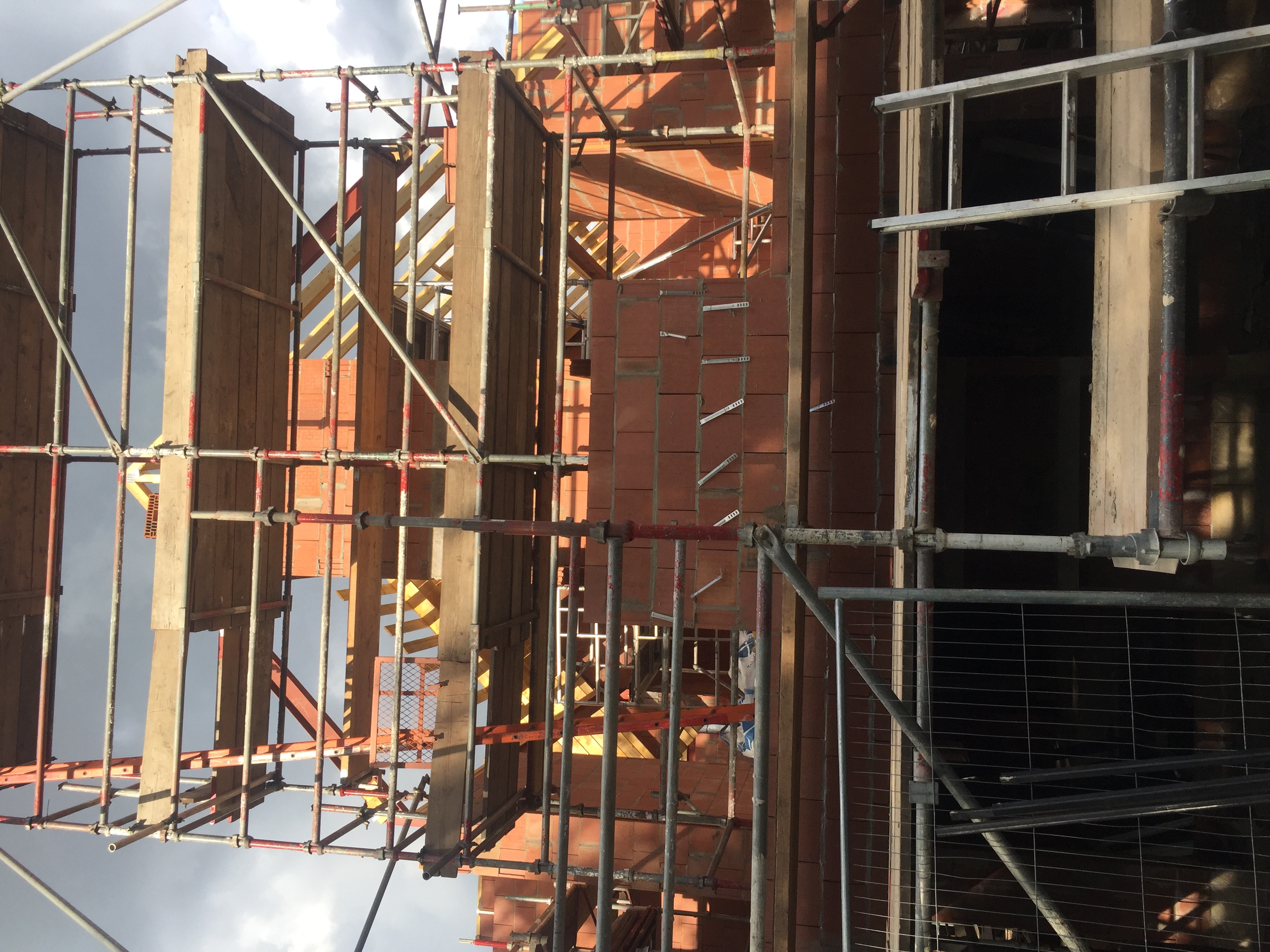
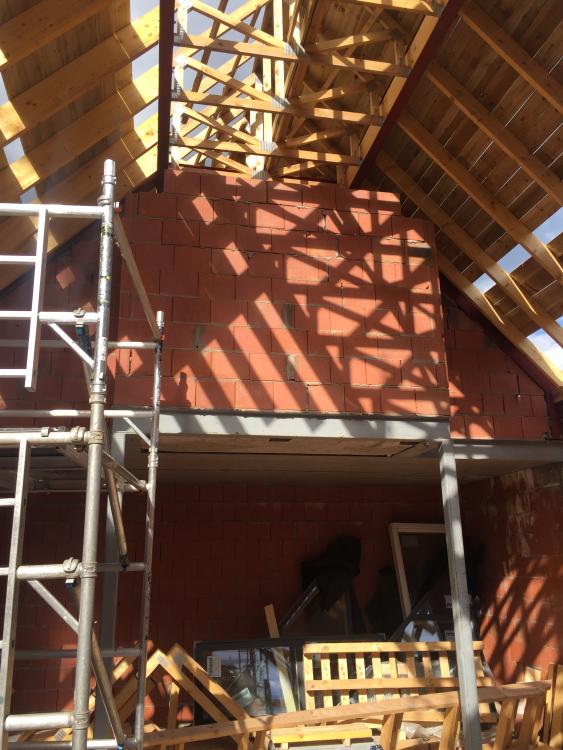
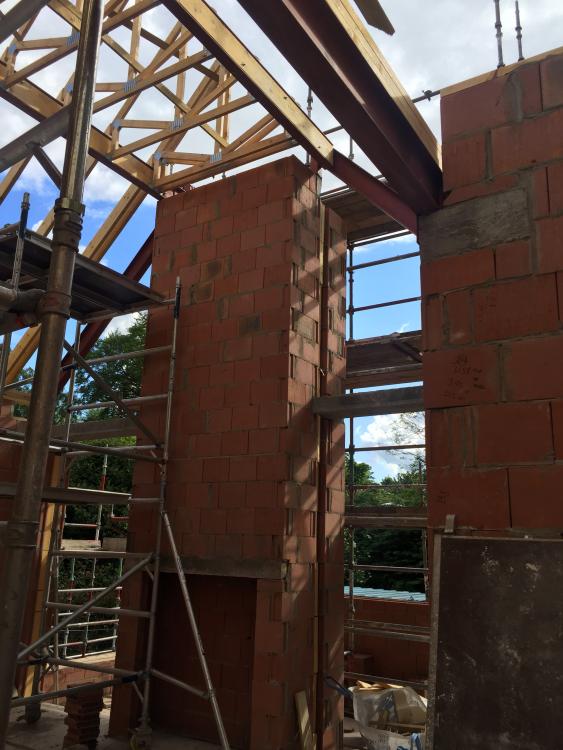
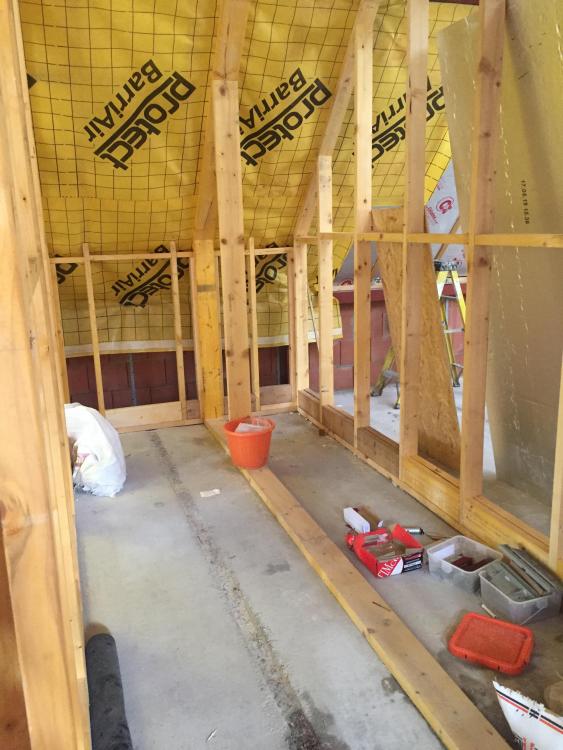
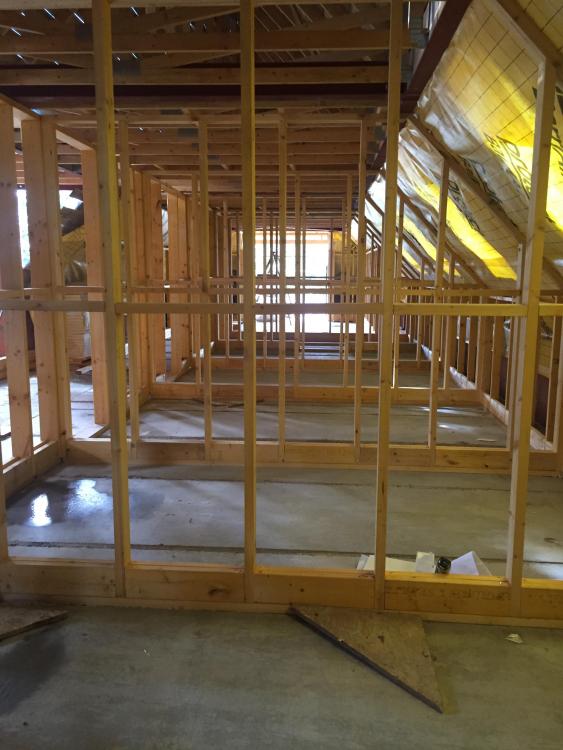
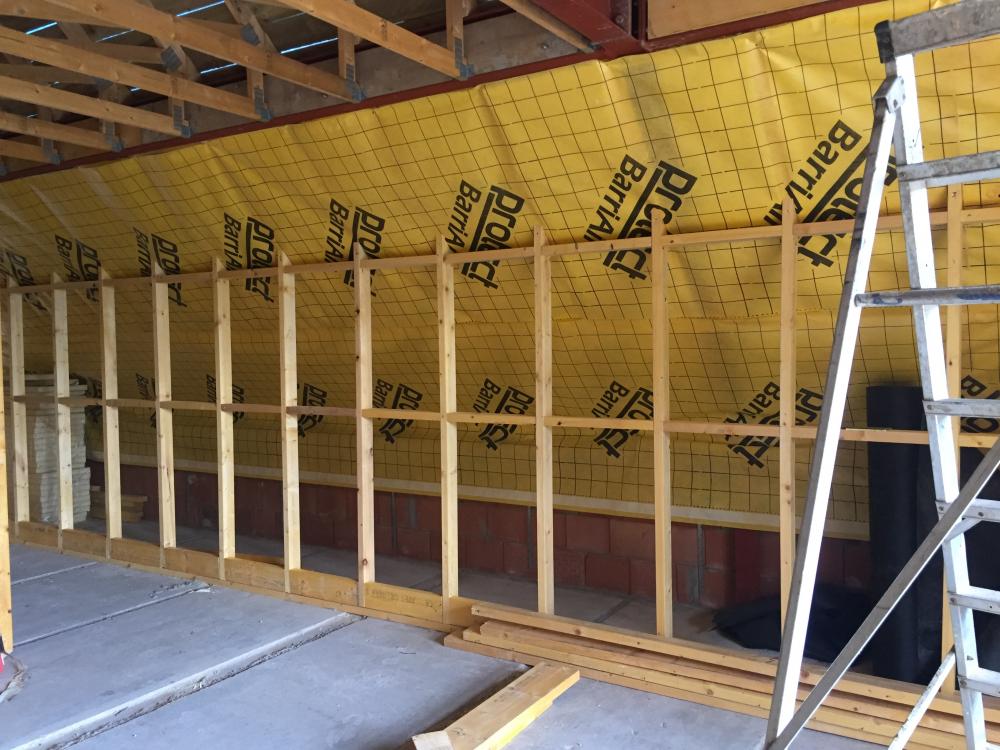
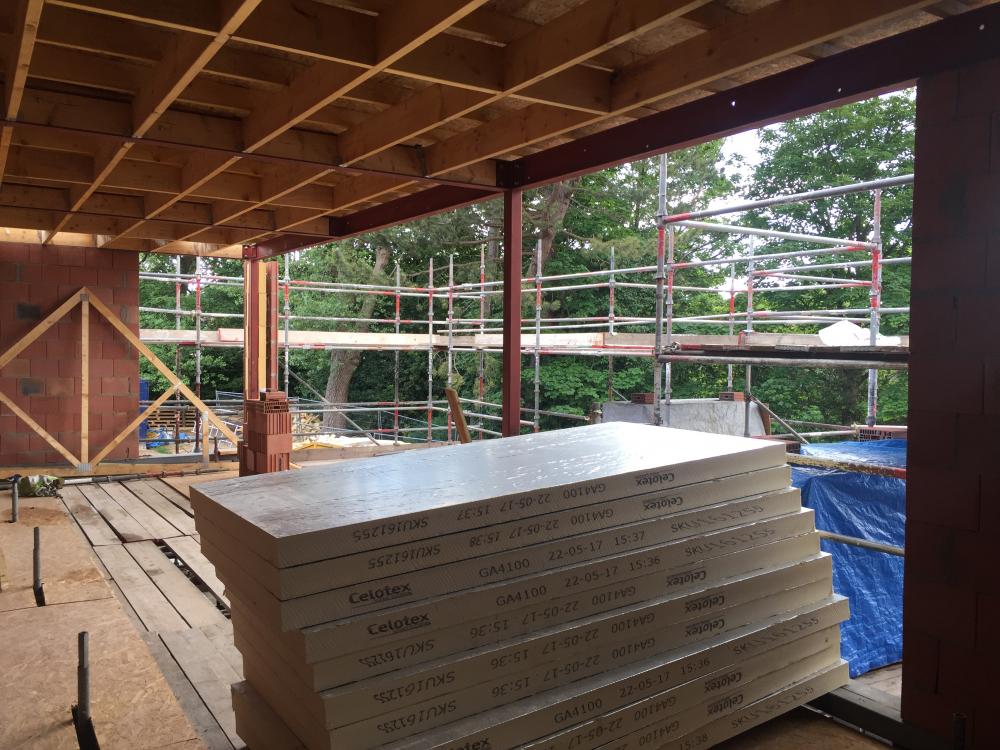
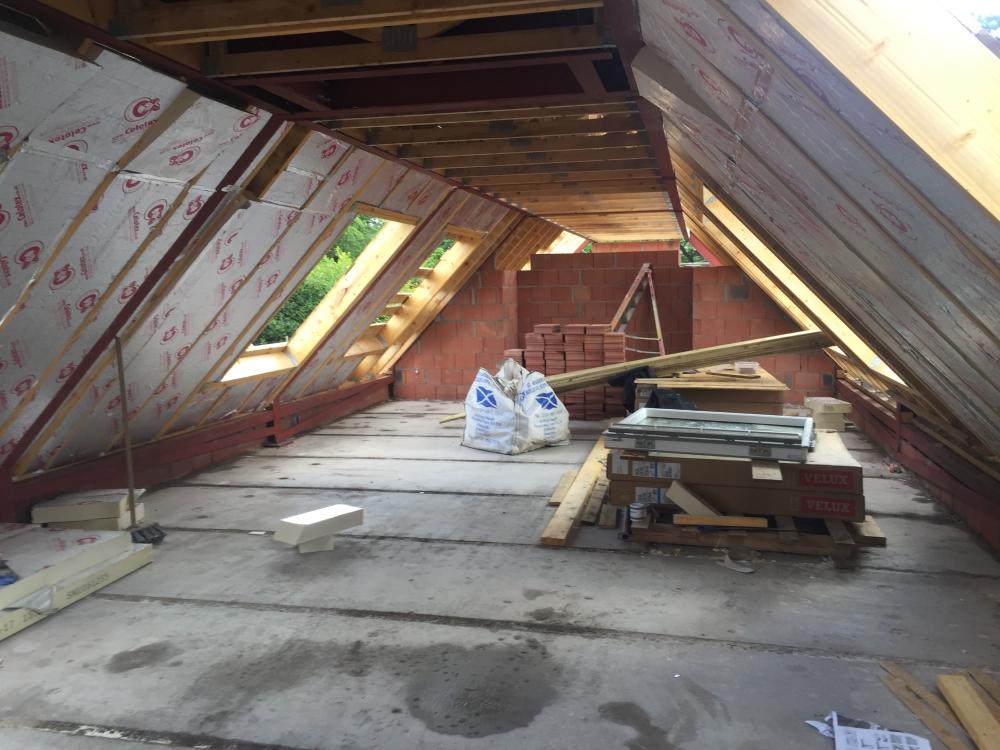
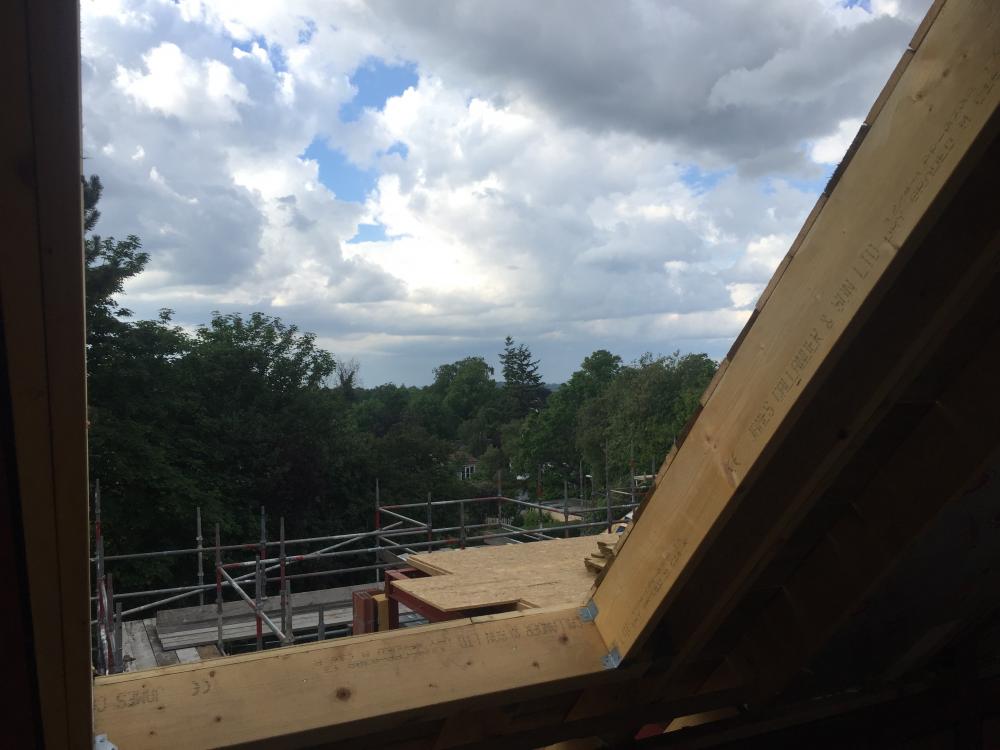
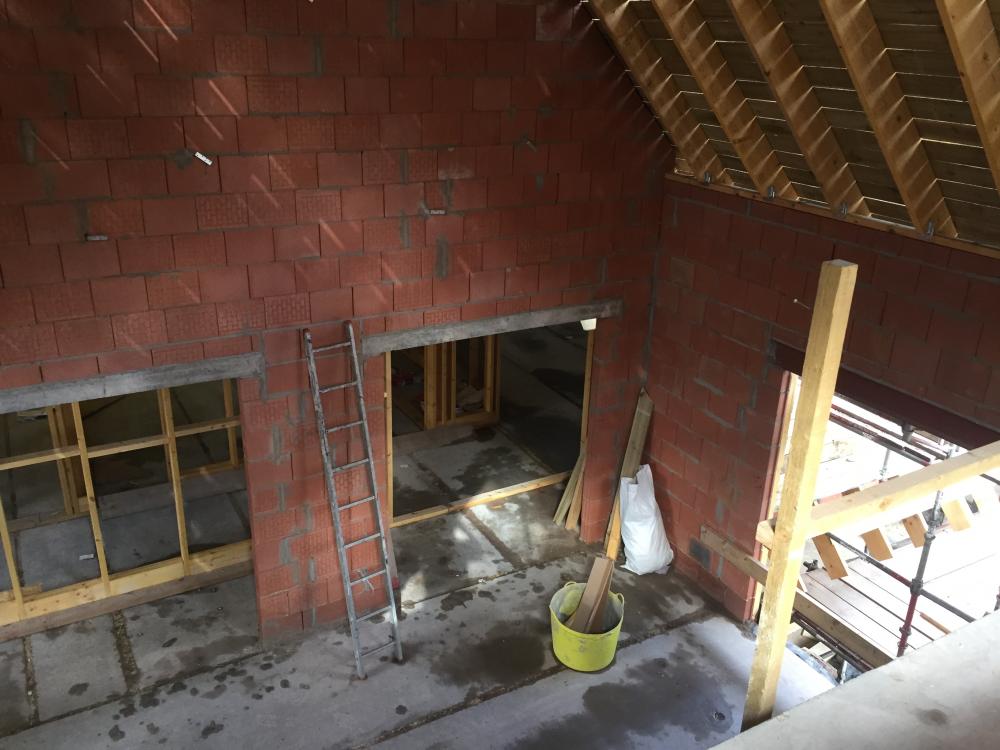
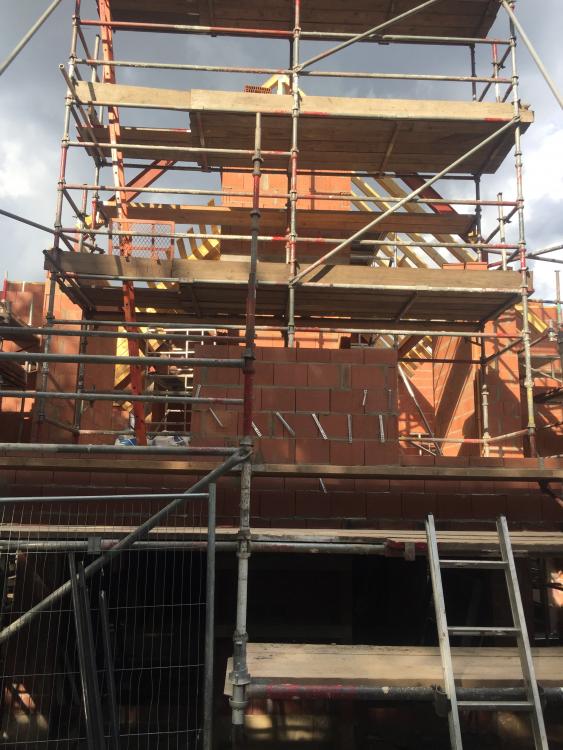
I've not been in town to see how the build is going for weeks. So I had to sneak into my own site today. There has been a nice amount of progress. I am loving the double height spaces and the glass front to the upstairs landing. Master bedroom looking back towards the dressing room. Chimney breast and glazed gable in the master bedroom. View from upstairs landing. Double height upstairs study, when I was in here I wondered about putting in a roof window. Eaves space that I asked about using for storage in another thread. View along bathrooms/en suites/dressing rooms. Velux windows go in soon. Guest room dressing room. Not sure about the airtightness membrane. First stud walls going in. Another view from the upstairs landing. Games room, really sunny with the Velux windows. View from the top. View down into study from games room. Chimney and balcony at the end of the house. Eaves space in my daughter's bedroom. She wants a secret area in here.
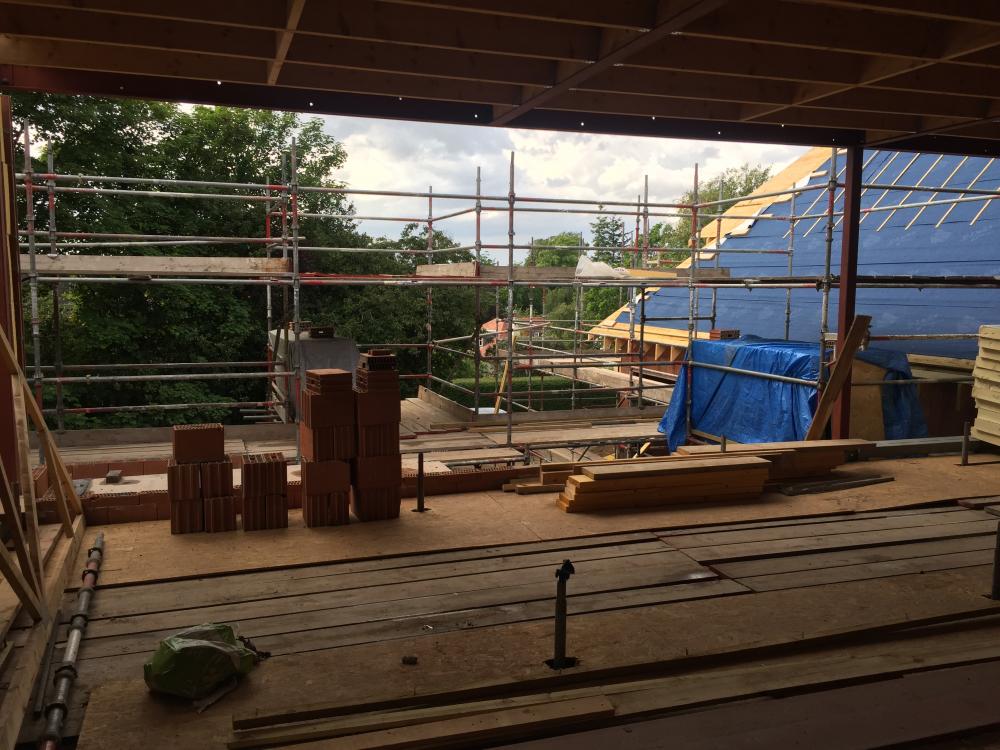
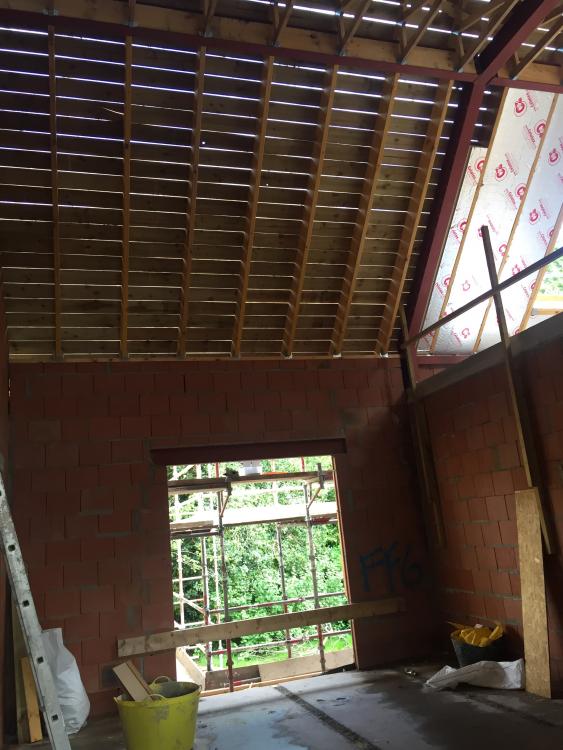
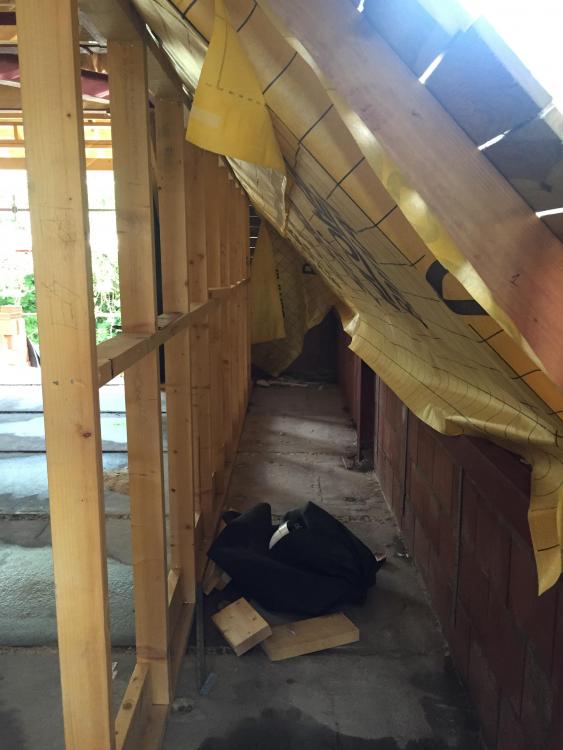
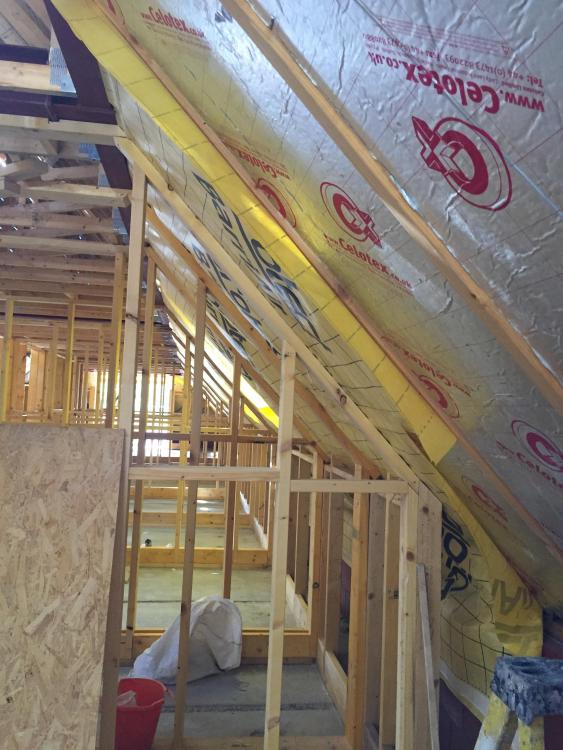
-
Just about to order my PV system. They want to use Solarworld. If the warranty is insurance backed, can anyone think of a reason not to use them?
-
Appliances: brand new or brand name?
AliG replied to Crofter's topic in Kitchen & Household Appliances
Ceramic hobs are a nightmare to clean compared to induction -
Comfort cooling MVHR
AliG replied to AliG's topic in Mechanical Ventilation with Heat Recovery (MVHR)
Thanks Jeremy. The location is not sheltered and as opening a window at night usually provides decent cooling I suspect that summer bypass would work well at night. I am less bothered about daytime temperatures. I was going to ask if running the cooling massively increases the running costs of the MVHR then I remembered that your PV panels will be genratins enough electricity to rn a small town when the weather is good I was surprised about what he said re the pipework and condensation, sounded overly careful. I know some people have UFH based cooling but as my UFH does not run off a heat pump I don't have that option. It is perhaps a good reason to choose that option. -
I found some mention of this in other posts but not my specific question. Now that the hot weather is back I have noticed that on occasion the master bedroom in our current house is a little uncomfortable at around 25C although opening the windows soon fixes this. In the new place the master bedroom has a lot more glass, basically a west facing glazed gable and insulation levels are higher. This got me thinking should I consider "comfort cooling" which I often see advertised on flats in London. I believe that @JSHarris has this on his MVHR, I think via running his heating in reverse? In my case I would have to change the MVHR unit to one that allows cooling. It is partly an attractive option because we will have 3 MVHR units (Dantherm) but one supplies the most used rooms in the house with the most glass so I would only have the extra cost of changing that one unit. I spoke briefly to the heating engineer and he felt it wasn't worth it as there would be an considerable increase in costs because we would have to also up spec the pipework to allow for the possibility of water condensing in it. It would effectively have the same costs as putting in an AC system. He felt that summer bypass is enough, certainly in Scotland it would be rare for the actual outside air temperature to be well above 20C, especially in the evenings. Also we can always open the windows. If this isn't enough he recommended looking at solar reduction film for the windows or a through the wall AC unit. Does anyone have any thoughts or experience of using comfort cooling and how well summer bypass works in practice?
-
As a basic rule of thumb if you are buying materials you should pay VAT and then you can claim it back, but if you are buying something on a supply and fit or labour and materials contract then it should be zero rated. If it isn't by mistake you cannot claim it back later. I had some real arguments with suppliers to make them zero rate things.
-
I thought you meant the roof when you said 100mm on top! 100mm PIR plus rockwool in the frame would be the best value solution as suggested. that will give around a 0.15 U-Value. 2 layers of PIR would be lower again, but the benefit would not offset the considerably higher cost.
-
Architects do some strange things. I found 95mm PIR for roofs when I googled which you presumably could use, but surely he knows that 90 or 100mm would be much more normal. 95mm is the standard size for a stud wall. Historically these were insulated with rockwool, but the U-Value would be too low now. 90mm would be fine, I see a lot of walls with cut PIR in them and the builders seem to do a decent job of fitting it in place. As @Crofter says you could use rockwool and then insulated plasterboard on the inside. This may well work out cheaper, but will lose you some interior space. 90mm of PIR is basically at the minimum acceptable level of insulation for a wall today. 100mm in the roof is too thin. There are various standards depending on whether your building is a conversion, or an extension or new build. I am not sure from your first post. But 100mm of PIR will give around a 0.22 U-value for the roof. The roof is normally the easiest place so get better insulation unless you have a height restriction. Unless you are planning to use heated roofspace 400mm of rockwool gives around a 0.11 U-value and would also be much cheaper.
-
Airbricks are below the desired finished ground level
AliG replied to daiking's topic in Brick & Block
We had a terrace built behind the house. They effectively extended the air bricks from the house wall to the steps up to the terrace using ducting, so there are now air bricks in the steps. Assuming that the ground doesn't slope so you have a step up onto the patio then you should be able to duct the air bricks under the patio. If there is no step up I think you would need a well which will be a bit of a pain. -
Would appreciate some thoughts on plans please :)
AliG replied to Kuro507's topic in New House & Self Build Design
You are creating a problem for yourself if you want to buy a 1 acre plot for a 250 sq metre house. A plot will generally be priced based on the largest build that a developer can put on it and sell. A 250sq metre house would fit very comfortably in a quarter of an acre, indeed a developer could get 6 houses that size into an acre, or a couple of blocks of flats. If the value of a house that size is £500k then I would expect a build cost of around £300-350k and to be spending £150k for the land it is built on. If you want to buy a piece of land that could take a substantially larger house or multiple houses you will end up spending more than the house is worth, although you could of course recoup it later by selling the excess land. -
I am assuming this, but is the inlet pipe to the MVHR inside the roof unusually long so that it has time to heat up the incoming air?
-
Would appreciate some thoughts on plans please :)
AliG replied to Kuro507's topic in New House & Self Build Design
I agree with people's comments re matching the house to the site. On the specific design you have the bathroom door over the stairs would break building regs for head height. Only one bedroom has a decent wardrobe. Unless you have a massive preference for freestanding furniture I would have a fitted wardrobe in every bedroom plus other storage/plant room space. As to your question on estimating costs, within reason the design doesn't have that much effect. Large areas of glass as you have shown might add and things like wide spans requiring extra steel or a very complicated roof. But often what causes the swing in the costs is construction and materials choices. Thus if i was you i would think about a few things. 1. What specification of house do you want in terms of construction, e.g. target U-Values, double or triple glazing, alu clad or pvc windows, ceiling heights, do you care if it is timber or block built. Higher construction specification will add considerably to the cost and give a more pleasant house to live in whilst maybe not being obvious to other people or adding much to the value. I would guess a good £200-300 per square metre difference between a low and high end construction. Many people on the site are opting for higher end and seem to be seeing higher build costs in the £1300-1500/sq metre range (depends on what you include eg architects, ground surveys, SE etc all add to the cost) 2. Can you do any work yourself? This will dramatically reduce the costs. 3. I created a list of rooms that I wanted and their sizes. I then let the architect design a house around them to fit the plot. For example 4 bed, 2 en suite, 60sq metre eat in kitchen. If you add all of these up allowing for the hall and storage you will get an idea of the total size of house you need without specifically designing it. A specific design is not needed to get an idea of costs. 4. What kind of finishes do you want. Tiles versus carpets, plaster skims, hundreds of LED lights, silestone worktops. Again these will likely produce a reasonably large divergence in the final cost. -
I was thinking more accidentally cutting through pipes than arms. My dad once fell off a chair putting up a curtain rail. A 10 minute job turned into plastering and repainting a wall as the back of the chair went through the plasterboard. He was fine. He is useless at DIY, his brother built his own extension!
-
Im sure a thread of DIY related accidents could run quite far on here
-
A few years ago my dad was helping me to load some wood into the car. He lifted up the wood then I slipped it into the boot. He handed me a piece and I slipped it right through the tail light. I blamed a car that drove past us too close or something. Clearly any DIY savings were wiped out by the cost of the new light.
-
Thanks guys, very useful info.
-
Yes, I have always felt that it would give a more reliably flat finish. It also improves the UFH efficiency because there's less chance of voids as well as increasing the response time as it is thinner. I never really understood sand cement in the first place. I spoke to the builder today. So we have to allow for screed, perimeter insulation and the plastic sheeting under the screed. Fair enough. One thing he kept mentioning is that there is the cost of a pump for the screed. When people are quoting prices, I assume the screed people turn up with their own pump and it is part of the cost, not separate? The screed people who were doing the sand cement are coming to quote next week so I will see how it looks, but I am suspicious it will be high.
-
Currently my build costs include around 1040 square metres of 80mm sand cement screed at a cost of £42 per square metre. This includes the cost of perimeter insulation. I had already pointed out to the contractor that even including his mark up etc this seemed high. Part of the argument from the screeder is the cost of taking the screed up stairs, it gets more expensive as we rise up through the house. Anyway the spec is now being changed to 60mm liquid screed. I am not sure of the exact screed yet as it will be used in wet rooms and a pool so will need to be waterproof and one floor will be tiled which I know causes issues with liquid screed. Anyway every time I Google 60mm liquid screed a cost of around £17-18 per square metre comes up. If this is correct I would think including perimeter insulation I might be looking at £25ish per square metre from my contractor and a nice saving. Is this a realistic price from people who have actually purchased liquid screed. Also if anyone has had a good price from someone who does SE Scotland then can they shoot me their details. the contractor will get new quotes, but this is a large single item where I was already concerned that the previous quotes were high and I want to have some data to back this up.