markocosic
-
Posts
979 -
Joined
-
Last visited
-
Days Won
1
Everything posted by markocosic
-
PM me your address, bung £30 in the forum kitty, and I'll post you a (non IoT; just local LCD) heat meter...
-
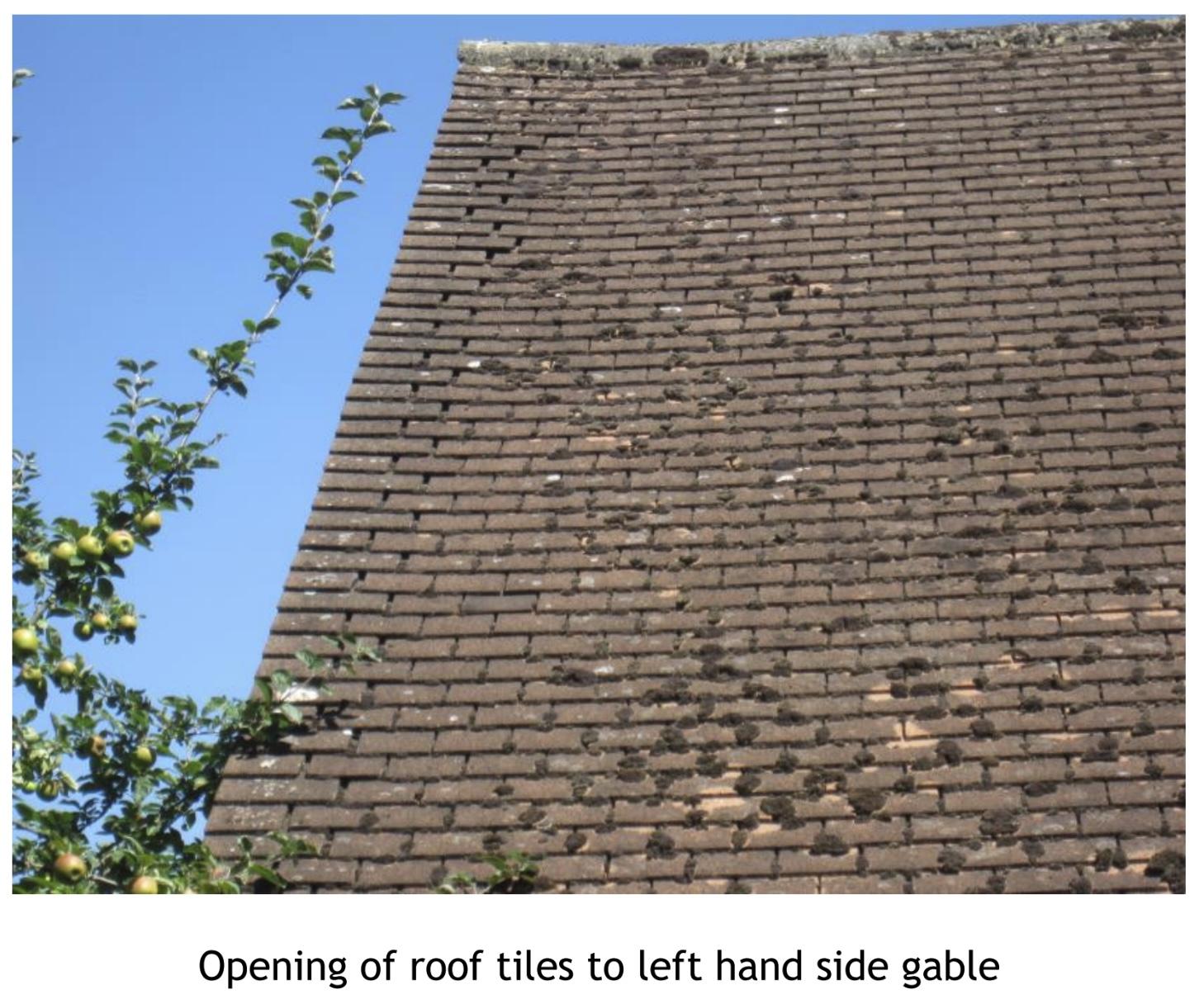
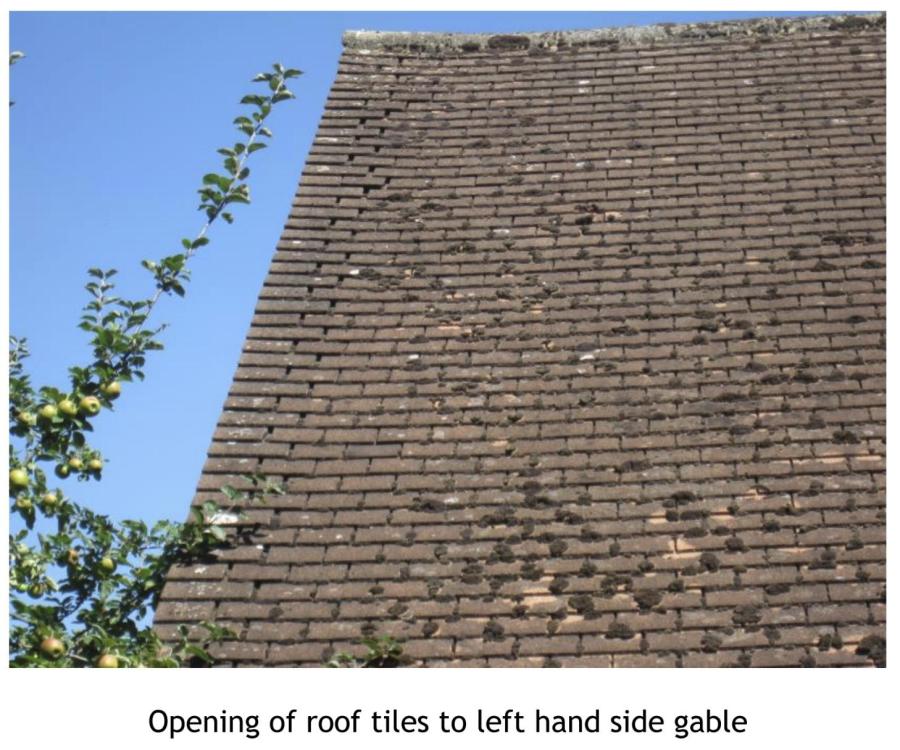
A friend of mine is (very likely) buying a property. 1920s solid wall grandma house. Plan is to refurb and keep as a home for years; probably starting with essential gardening and a basic clean / decor then the roof including PV, chimney deletions, and side/end extensions to allow for EWI later; followed by doors/windows and EWI etc. Survey highlighted this roof spread - any cause for concern? Full PDFs: 2022063 4.1 Photo Schedule.pdf 2022063 8.1 170822.pdf
-
Hygiene Pufferspeicher Hygiene Solarspeicher One steel coil (for heat input from a boiler) and one copper or stainless coil (for the DHW) are fairly common. e.g. https://www.ebay.co.uk/itm/124306034654 https://www.ebay.co.uk/itm/125426739465 Tank (and rads) filled with pressurised, sealed, treated, primary water. Boiler loop into the Rayburn/Aga/Woodstove stays gravity pressurised with the option to safely boil dry if all goes to shit. It can still be pumped (and there's some good sense in using the pump to decide when to heat the storage or not to avoid cooking the storage) but you leave it gravity pressurised / open vented. DHW loop has...DHW in it. Better systems use plate heat exchangers mounted external to a tank with no heat exchanger inside for hot water. These offer tighter control of your outgoing hot water temperature and a smaller deltaT. You need something to ensure stratification within the buffer vessel (to avoid heating water stirring the whole thing into a convection-current mixed mess and your hot water being lukewarm) I would move the walls myself or find a new location to put in a larger tank. (1500 rather than 600 litres) If you don't heat pump this today then make provision in the buffer design / system layout to bolt one on later. Doesn't have to be to replace the oil. Can be an additional. If wood really is free though then why not get something more efficient than a Rayburn/Aga at putting heat into water? Or got the opposite way with a log boiler and a log water heater that are meant for heat-to-rads and heat-to-water? https://www.senukai.lt/p/kietojo-kuro-katilas-kalvis-5-12-12-kw/5r8d?cat=ayf&index=2 https://www.senukai.lt/p/vandens-sildytuvas-ariston-sle-80-3-75-l/3nl7?cat=azr&index=25 The latter have DOUBLED in price since Russia invaded Ukraine for what it's worth. Use to be sub €200... https://www.ebay.co.uk/itm/252418071520?hash=item3ac54a1be0:g:WskAAOSwz~paFIpy 80 litres is enough to shower. Many come with small immersions (the lithuanian one was 1.2 kW) designed for hokey power supplies but also good for PV diversion.
-
I'd plunder the Thermal Integration designs for ideas: https://www.heatweb.co.uk/hot-water-storage/ And the continent for hygiene buffers as the like to call them. Putting a 1,000 litre coil-in-tank thermal store on the ground floor is a standard use case. Lower half serves heating and hot water preheat. Upper half serves hot water only. Either gravity circuit to pressurise this and the radiators and the aga; or run coil-in-tank to put heat from the aga (on a small gravity circuit) into the sealed thermal store and radiator circuit. Heat pump is your only other option to reduce oil use. This can heat the bottom of the store when the aga is not is use. Or you can arrange it to heat either the top (to 55c) or the bottom (to whatever degC) of the store with some changeover controls. The big volume will let you follow the sun/follow the pv in summer and ride through cloudy days. Treat the primary water as you fill. Then no need to worry about primary pipework materials. Coilsn for hot water in these tanks will be stainless. Tanks mild steel.
-
Light pressure and speed as @Nickfromwalessays...plus a cowl with a large flange to hide any mess... Are you drilling a table end in the loft space? If so I'd say there's no need to seal that particularly.
-
My retrofit mvhr runs eaves vents - a short run of 200*60 rectangular ducts to follow the rafter line and pass over the top of the bricks / out through the soffits. Only thing to note is their dripping on boost extract when shower is at 110%. Don't site them above doors!
-
Or - always get 3ph on self builds and install 11 kW worth of PV / 11 kW worth of EV charge - install a load more than 3.7 kW and export limit; then reprogramme to fill export the minute their back is turned Part of the reason that they double dip is metering capabilities. Precious few can even get basic billing right; let alone the half hourly settlement that would be needed not to double dip using the current metering tech. (the meters report gross in / gross out and it's up to the reader to work out the net import/export...and guess this in the event they meter falls to communicate for any period) Hence the suggestion that unit rate should be identical both ways. Force the swines to fix their technical capabilities else find themselves unable to price differentially.
-
For sure 1 kWh (extracted) is not the same as 1 kWh (delivered) for north sea gas. Highlighting that it's even worse for LNG was the purpose of that multiplier. Using 1 kWh of PV generation to immersion heat hot water, instead of using 1.25 kWh of gas to heat hot water, will increase overall natural gas use and carbon emissions. That's because to avoid burning 1.25 kWh of gas yourself, you just took 1 kWh of electricity away from the grid, and more than 1.25 kWh of gas will need to be burned to generate that 1 kWh of electricity. The only time this stops being true is when there are so many renewables that we are burning zero gas on the grid. We are not there yet. Diverting PV is economically the right thing to be doing but it is also the environmentally wrong thing to be doing.
-
Efficiency: Gas? If it's all from the north sea 1 kWh = 1 kWh. If we're importing LNG then say 1 kWh actually = 1.1 kWh (due to cost of getting it here) and it's the LNG imports that would reduce if you use less. Generation? Yes CCGT operating under perfect baseload conditions is 60% efficient. But in practice it's the peaker plants / part loaded plants that would be turned down if you were to use less. They're not as efficient. Say 40%. Distribution? This isn't without loss. On average it might be around 8% but this is grossly distorted by lots of large loads that are served relatively efficiently at high voltages. The losses en route to LV domestic customers will be higher. Say 20%. So 1 kWh used = 1.25 kWh supplied (80% efficient) = 3.125 kWh burned (40% efficient) = 3.4 kWh imported (allowing for LNG faffery?) It's not as great as you might first think. Suppliers: Suppliers need to "settle the bill for what they have purchased" This is settled on a half hourly basis. If in that settlement window you import 3 kWh and export 2 kWh then the suppliers will only need to buy 1 kWh. To charge you for 3 kWh, then pay you a pittance for 1 kWh, is a joke. It is a legitimate argument, if you use 0 kWh and export 2 kWh, to say that they should pay you wholesale rate for that 2 kWh. They absolutely shouldn't be double dipping by charging retail rates for the gross import though. Only for the net import. That absolutely encourages socially / environmentally stupid behaviour. But I'd counter that argument by saving that actually, most of the cost of each kWh (in a normal time) is recovering fixed overheads (fixed cost of dealing with a consumer, fixed cost of distribution network) not the cost of the kWh. And the way that you deal with this incentive to (mis)use your own rather than export the electricity is to shift those fixed costs onto the standing charge (look, it's £500 per connection per year, ok, because that's what it actually costs to have the cable there and ready to use) then the import rate per kWh could be much closer to the export rate per kWh. In Sweden the distribution and generation were separated on your bill. Distribution cost more than generation by some margin for low (domestic) consumers. Heat pumps? Please. Funny that.
-
It's not a criticism of what you're doing @Marvin - that is logical given the rules of the game - it's a criticism of the rules! We would like people to "use electricity when it is available" so to speak. We already have this tool called the electricity grid. Within reason we can each draw 23 kW peak (230 VAC / 100A) whilst using an average of 350W over the course of a year (3,000 kWh). That's very useful. Thanks to this grid that spreads out the peaks in demand we don't need as much infrastructure. What can we do with PV? The "smart" thing to do would be to use the grid. Did you consume some electricity? Did you generate some electricity? Ok. Then your net consumption / generation was X. That's what you pay for (or get paid for). You can't average this out over a year or even a day because the electricity that you used (in the nighttime, in winter) might be worth a lot more than the electricity that you generated (in the daytime, in summer) The UK has an "import tariff and an export tariff" today. You pay (a lot) for anything imported. You get paid (almost nothing) for anything exported. This is dumb. It is encouraging people to waste electricity. Say there is 2.5 kWh of PV available. - (1) One could use 1 kWh of electricity to put 2.5 kWh into the hot water tank (run the heat pump) AND sending the other 1.5 kWh out to the grid so that we burn 4.5 kWh less gas to generate that 1.5 kWh. - (2) One could also export the entire 2.5 kWh of electricity (so that we burn 7.5 kWh less gas to generate that 2.5 kWh) and burn 1.25 kWh of gas in an 80% efficient combi boiler to make the hot water. That would...actually be better for the world as it stands today. - (3) Or one could spend money on a diverter to throw all 2.5 kWh using an immersion into the hot water tank, leaving the grid to burn 4.5 kWh of gas to supply 1.5 kW of electricity elsewhere. This is the worst possible outcome for the world...but the one that the rules of the game make you play. One could also spend money on a battery to store that excess then return 80-90% of it back to yourself later. This is much less bad for the world than (3) but it's still not as good as (2) or even (1). Net metering can also be dumb. Lithuania has net metering. You pay (a lot) for anything imported. You get paid (a lot) for anything exported. They do this on an annual basis. This encourages people to generate as much as possible in the summer (when it is easiest / cheapest to generate with PV) and does nothing to discourage consumption in spring / autumn (when the electricity is most expensive to generate from gas). It isn't as ridiculous as ti could be because electricity actually gets a bit cheaper in winter...because they are using the heat from the power plant to heat the cities / need the heat from the power plant to heat the cities. But it's not ideal either. Perfection? 1) Let suppliers charge whatever they like for import and export but force them to do "net metering" on a half hourly basis. Yes, you can put the kettle on at 3 kW for the minute or two it takes to make tea, even if your PV is only generating 1 kW for the other 28-29 minutes in that half hour, and you would be charged £0 for net import and paid £X for the net export. This way you don't need fancy diverters tracking minuscule buckets as @Radian is trying to do and you don't need heat pumps that can turn down to virtually nothing. You just need a basic forecast of what the PV will generate in the next half hour and a way to tell your discretionary appliances to "please, if you could, randomly use 0.5 kWh in the next 30 minutes to do your thing" so that the net import/export is near zero. (that's a much easier technical problem to solve) It maximises value from the grid that we already have. It avoids sending money to China or Elon for batteries that are totally pointless except for playing an accounting game at the expense of those who can't afford batteries. What this wouldn't do is encourage you to export the (high value) electricity and burn (low value) gas to make your hot water if this is the best thing for the world right now. That's because of the difference between import and export. 2) Force the suppliers to charge the same for import kWh as they pay for export kWh...and let them choose the timescale down to some regulatory minimum (e.g. half hourly). Those that have the technology will probably choose the shortest timescales to avoid needing to supply electricity at night at the same price as they are having to pay for it during the daytime. Those that don't...won't be competitive for anybody with self generation. This would give a clearer signal about when it is better to export the (high value) electricity and burn (low value) gas to make your hot water if this is the best thing for the world right now. 1&2 are not mutually exclusive. You could do both.
-
It's a right (expletive deleted)up isn't it - the UK electricity market that it. Why they won't do "half hourly net metering" (bill you based on the net import/export over each half hourly period) is beyond me. Avoids all the faffing with "diverting the pv" or investing in batteries just so that you can run small loads intermittently whilst the PV is running at less than this etc at peak but more than this on average. It should not be a good thing to encourage use of PV instead of the heat pump but...that's what they're doing with the pricing system! Standby on that heat pump is disappointing too. Not quite mitsi but far from ideal. Is there any "force stop" mode that can be set on a manual timer?
-
Behind tile fixing plate for mains bar shower
markocosic replied to Modernista's topic in General Plumbing
Those look neat. Flat plate thin enough to fit behind tile in the adhesive. Compression fitting to grab copper pipe as it comes through the wall. Your need a shower bar that could compression into the protruding ends of the copper pipe and big rough to hide the clearance booked for the nuts on that plate and you're good. Glue it to the pb with some cartridge type adhesive. Prime the other side of it with something that tule adhesive can stick to. Or goo the tile to it using some cartridge type adhesive. Only as strong as the plasterboard tile sandwich. That's probably pretty good if you're using big porcelain tiles etc. Could you rip a tile off using a bar mix as a lever? No? Good. my wall mounted sink tap is essentially glued into brick before plasterboard using a polyester resin cocoon to tie it to resin fix screws that all wanted to go into frogs or mortar lines etc. Works fine. -
What energy rating is your HW cylinder?
markocosic replied to Adsibob's topic in Boilers & Hot Water Tanks
The best insulation will be Phenolic. Kingspan Kooltherm etc. Available up to 40 mm thickness but much beyond 25 mm is rapidly diminishing returns for smaller pipework. Don't use it on anything much above 60C. It will turn to dust in time in spite of what the manufacturer (with Grenfell morals / ethics) claims. Tape all joints to stop air movement. Plastic clips spaced off the wall as Marvin has done. Failing that class o armacell (as used on cooling systems) tends to better job than climaflex mostly thanks to being designed to be taped/sealed properly. Stretches between glued joints father than shrinks. Expanding foam also works for chuffing awkward bits that you care not to touch again...and fibreglass / mineral wool stuffed generously into awkward boxed sections. -
That's a cracking writeup! Agree on the MVHR for cooling recovery over you're into the cooling season. It's more like a spring/autumn bypass than a summer bypass! Depending on how tall you are... lifting that washer and dryer up on a plinth until they're level with the wooden units might be genius. Oh. My. Days. Is it easier to load and unload a washing machine or dishwasher if they're 10 to 20 cm higher than standard. We are all 6' in this house though! I've come across GivEnergy / crossed words with them on LinkedIn and thought the chap heading up their UK operations was a bit of a prize a hole and subsequently proved himself full of lies. Careful there. Credit card and writing. Don't store anything flammable near it. All Shenzhen specials.
-
Gutter slope / fall - will you see it?
markocosic replied to markocosic's topic in Rainwater, Guttering & SuDS
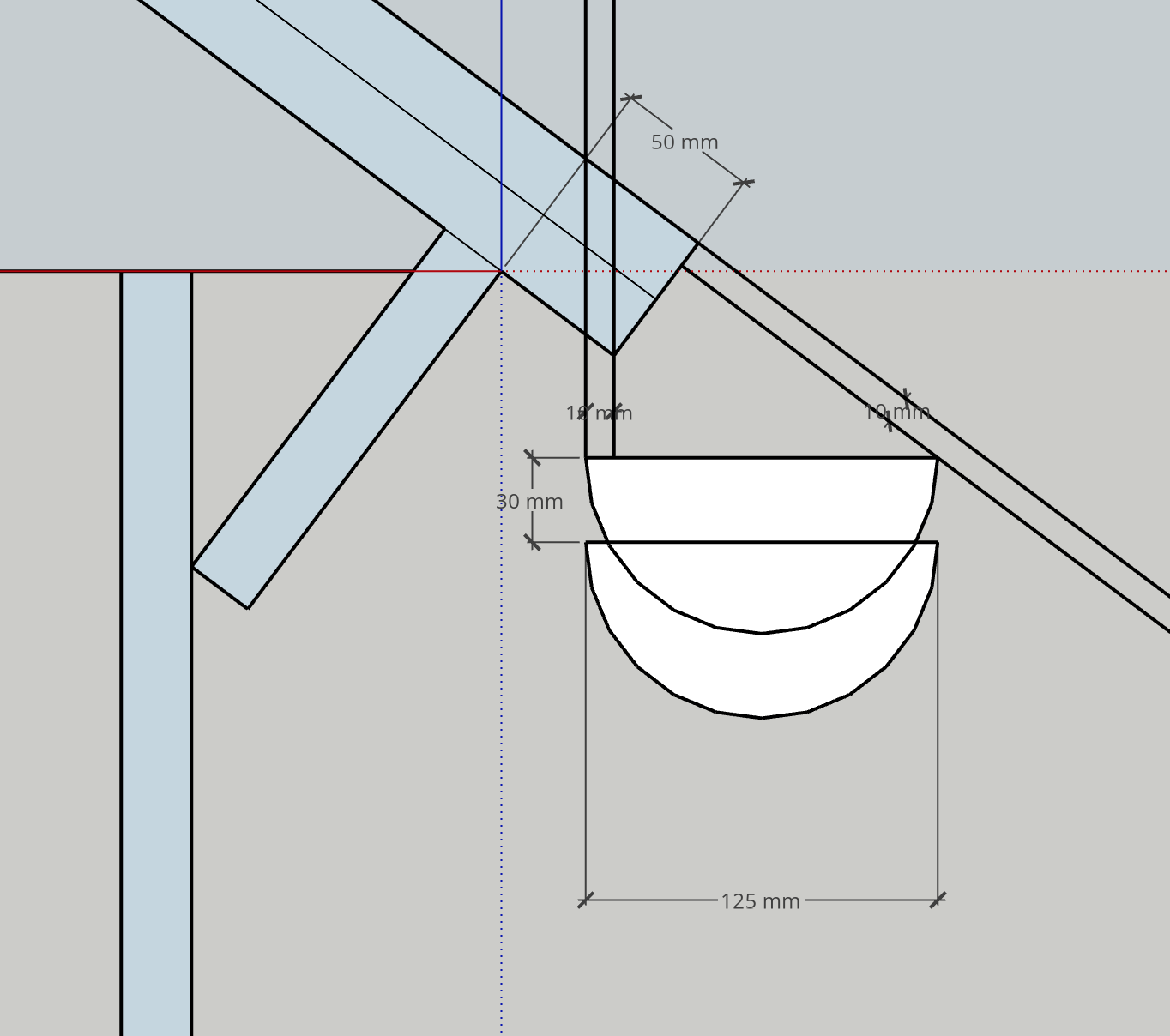
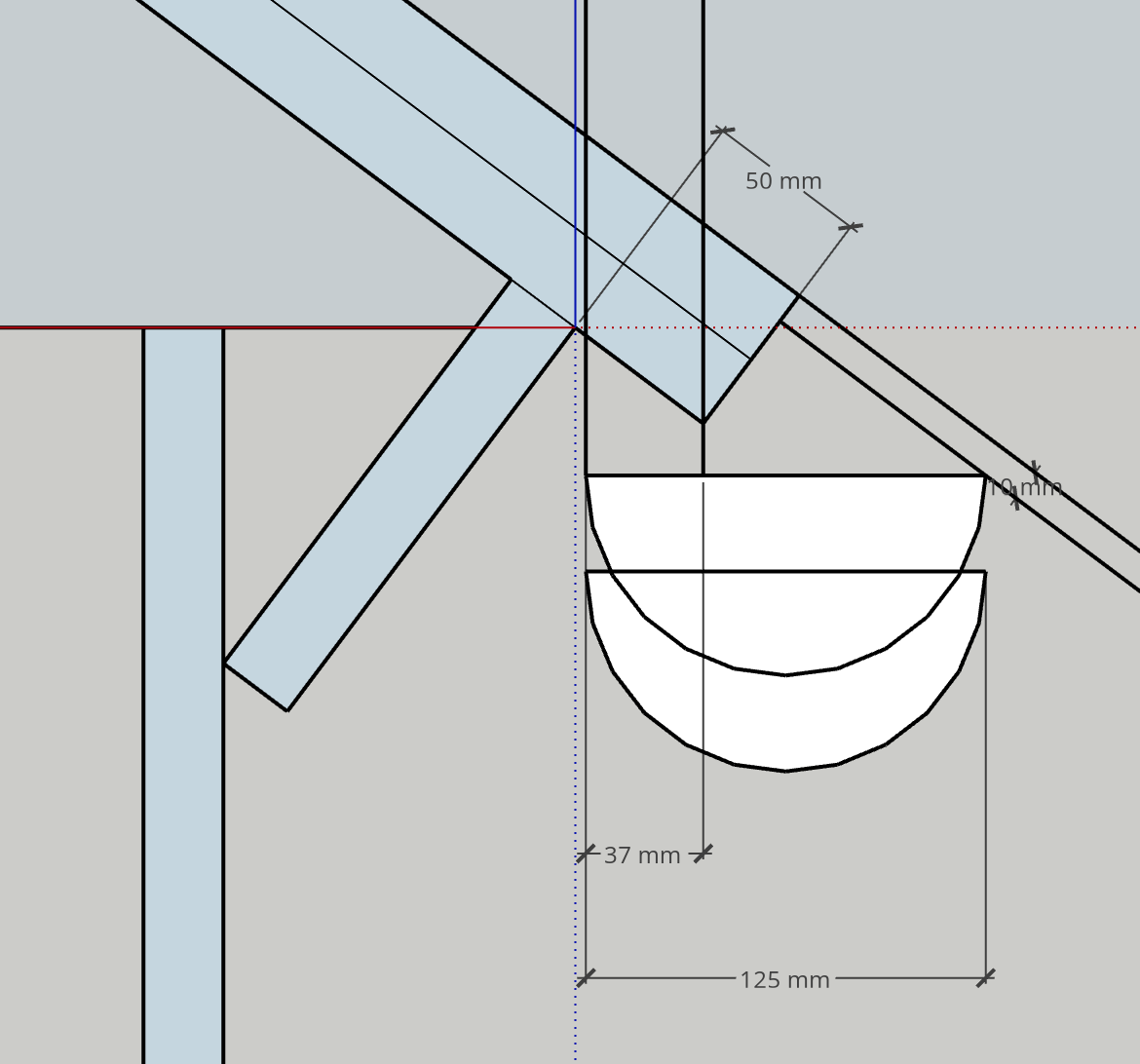
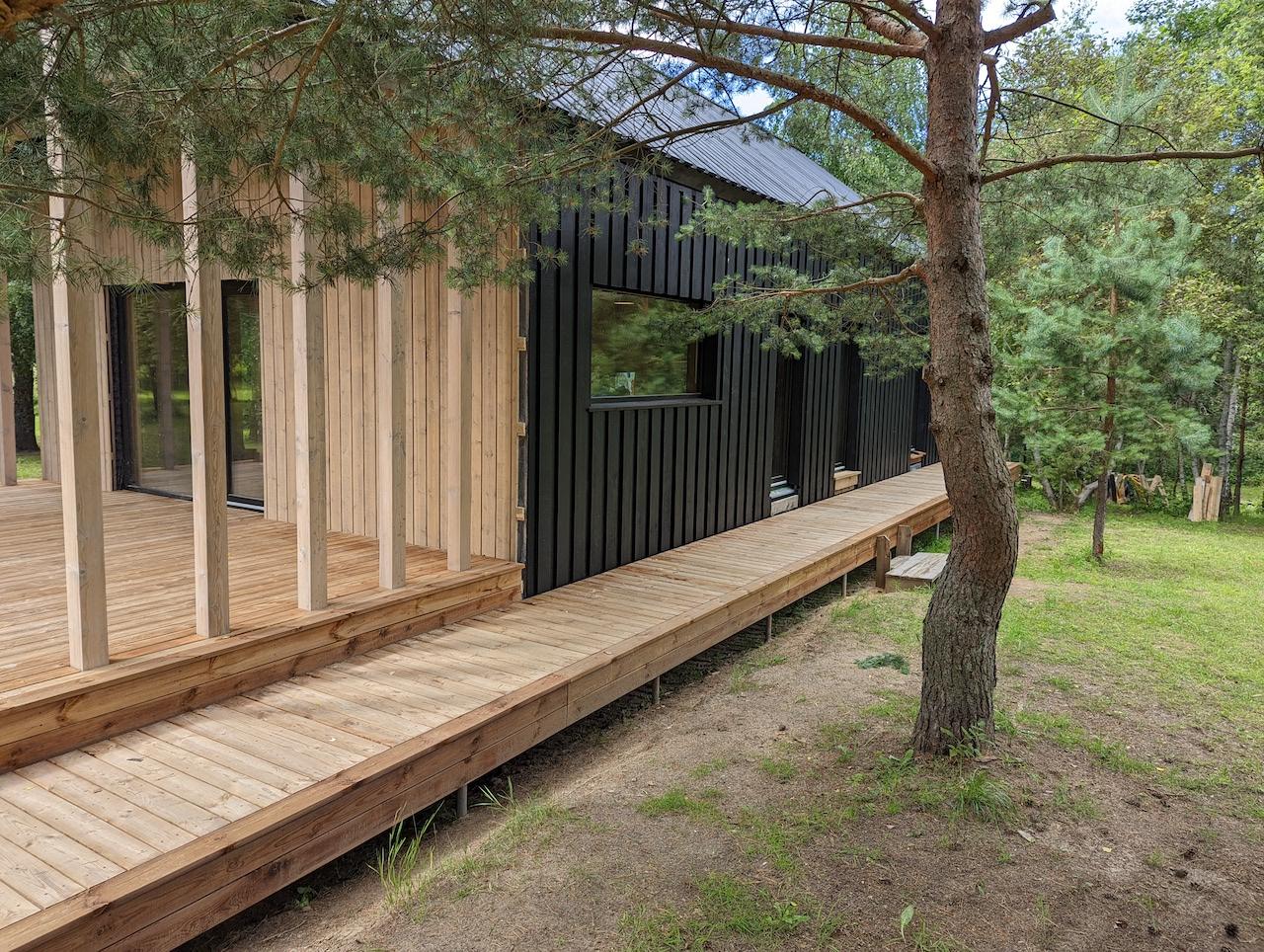
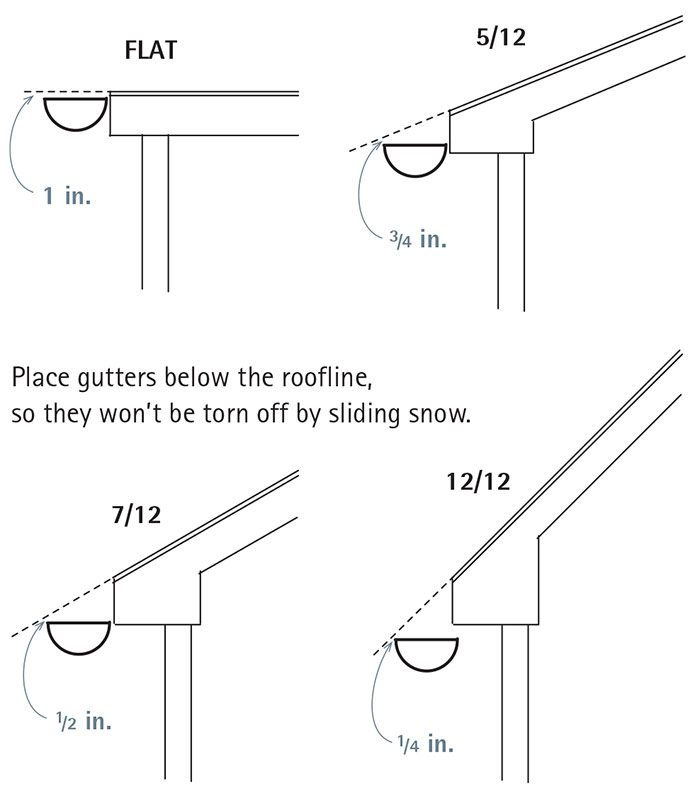
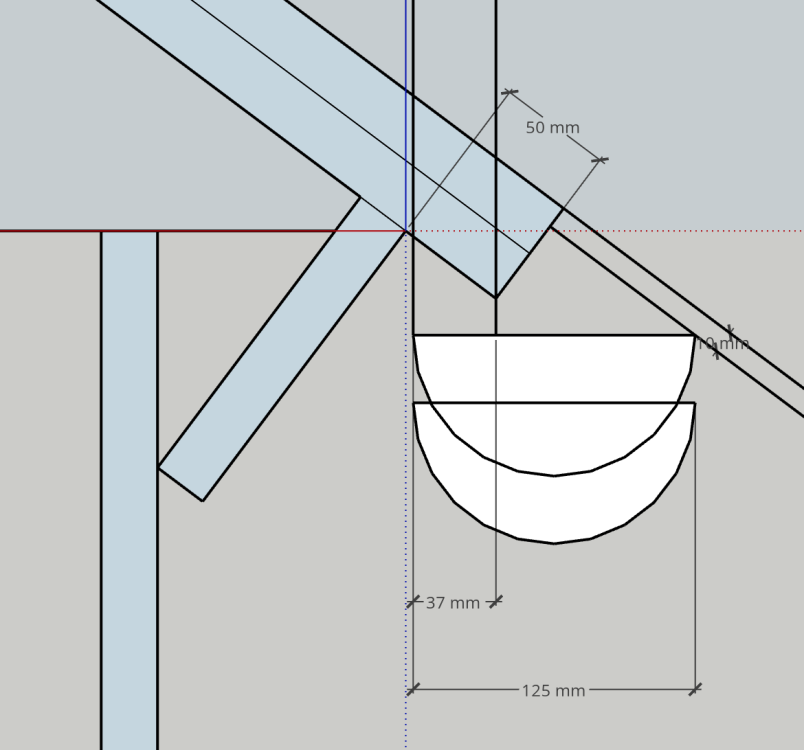
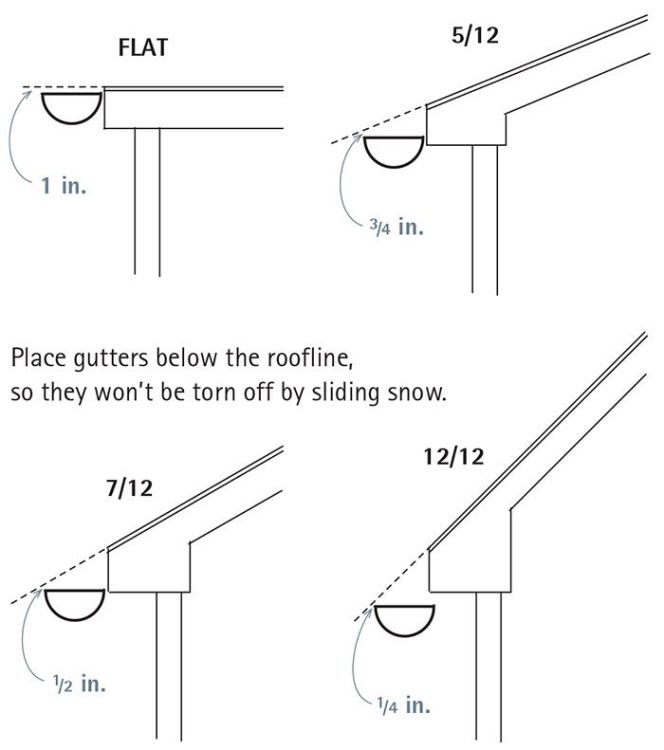
Can I get feedback on more overthinking please? Ho far should these sit from the (non existent) fascia / relative to the roof edge? Option 1: place gutters 10 mm below "top" of roof covering (avoid snow ripping them off) and 10 mm set back from the "drip edge" of the roof covering nearest the wall. Shown with 30 mm total fall from highest to lowest point. Option 2: place gutters 10 mm below "top" of roof covering (avoid snow ripping them off) and 37 mm set back from the "drip edge" of the roof covering nearest the wall. Shown again with 30 mm total fall from highest to lowest point. 37 mm was an arbitrary "looks about as much as I could get away with" MOST of the water would run down the middle of that roof covering (the less bold line) in heavy rain. SOME will drip off the very bottom edge. SOME may run off the top edge but that would have to be exceptional rain. SNOW risk is pretty much all from the very top face. If you imagine a 25 mm thick clay tile with 25 mm of waviness that's about what we have. The Ruukki guidance is silent on this positioning as their roof thickness is effectively zero. I've not found something decent yet.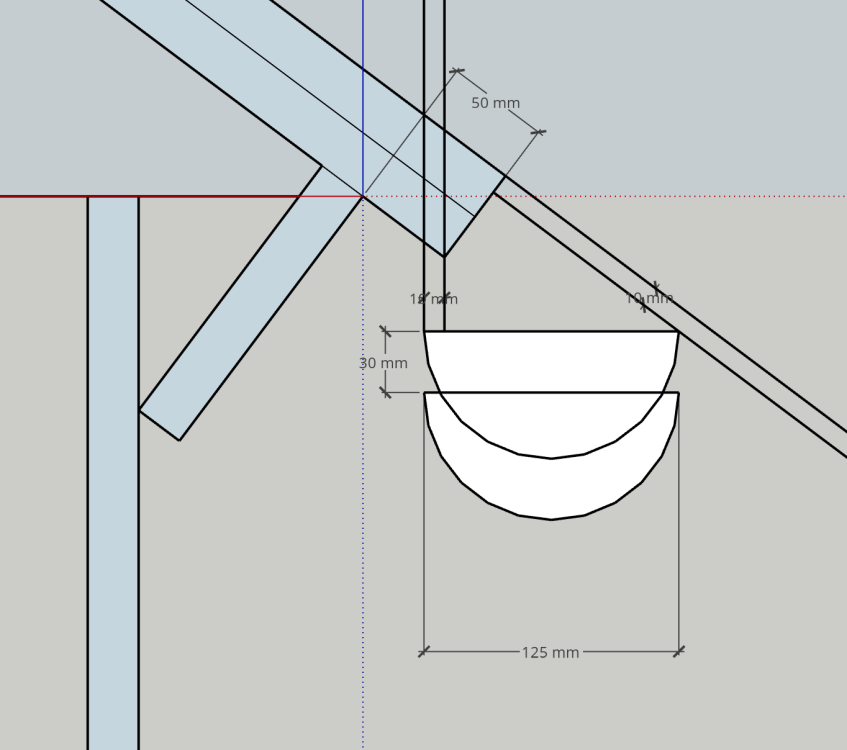
-
Gutter slope / fall - will you see it?
markocosic replied to markocosic's topic in Rainwater, Guttering & SuDS
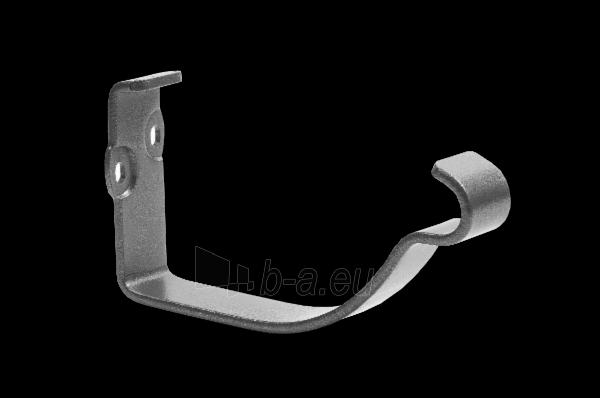
Only thing that Ruukki don't seem to do is stabiliser bars for joints: https://www.b-a.eu/en/p841278/latako-standiklis-200mm-struga-125-mm English instructions... https://www.ruukki.com/docs/default-source/roofing-documents/export/ruukki-rws-siba-brochure-2017.pdf ...say 5 mm per metre length and have a hole load more guff on safe working than the Lithuanian ones. Interesting.
-
Gutter slope / fall - will you see it?
markocosic replied to markocosic's topic in Rainwater, Guttering & SuDS
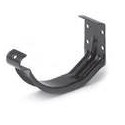
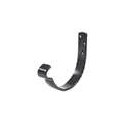
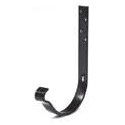
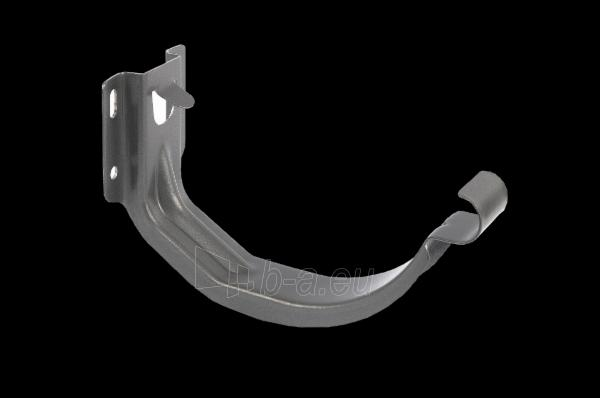
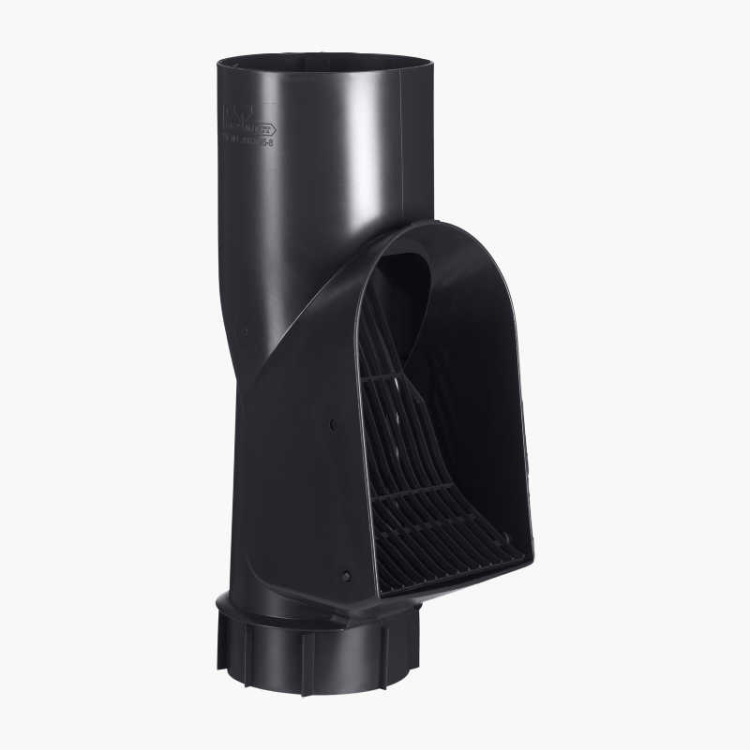
For those interested: Ruukki instructions for mounting: https://www.ruukki.com/docs/default-source/roofing-documents/lithuania/ruukki_lietaus_vandens_nuvedimo_sistema.pdf Start the mounting brackets 10 cm from the edge of the run Centre brackets spaced 30 cm either side of the "max height" in the middle Then brackets at recommended 60 cm spacing / max 90 cm spacing (with the stronger brackets) thereafter until you hit the ends On the slope....just 2mm per metre is their recommendation for the round bottomed gutters...but that's compensated for by suggesting a max run of 10 metres. And stay with round bottomed gutters if possible. The square bottomed stuff is more prone to pooling. That pooled water either breeds mosquitos or freezes here. Hadn't appreciated this subtlety. Material? Ruukki is SSAB Prelaq - 275g/m2 zinc with 35 microns greencoat RWS apparently: https://www.ruukki.com/docs/default-source/roofing-documents/export/ruukki-rws-siba-brochure-2017.pdf https://www.ssab.com/en/products/brands/greencoat/products/greencoat-rws https://www.ssab.com/en/products/brands/greencoat/colors So "black" probably means Nordic Night Black = RR33 / SS0015 and not quite RAL9005 of the paint. RAL9004 or RAL9005. Find out when it turns up probably. https://hextoral.com/color-matching-tables/rr-to-ral/ https://themetalroofcompany.co.uk/available-colours/ Other brands also use the same material so probably nothing huge to choose between them other than range of accessories and stock holding https://stogupartneris.lt/plieniniai-lietvamzdziai/884-81480-struga-lietvamzdziai-12590.html#/51-spalva-ral_9005_juoda/2401-lns_struga_elementai-latakas_3m Ruukki 4 metre lengths (22 EU, 5.5EUR/metre) https://stogupartneris.lt/pagrindinis/88-3268-ruukki-12590-lietaus-nuvedimo-sistema.html 6 metre lengths allegedly available too but nobody stocks them. Bratex / Struga only 3 metre lengths (15.3 EUR / 5.1 EUR/metre) https://stogupartneris.lt/plieniniai-lietvamzdziai/884-81480-struga-lietvamzdziai-12590.html#/51-spalva-ral_9005_juoda/2401-lns_struga_elementai-latakas_3m https://www.b-a.eu/en/p841274/latakas-struga-125-mm--3-m- https://bustostilius.lt/struga/vandens-latakas-l-4000-mm-ral-9002-260 Ruukki offer a bigger range of brackets. From thin stamped ones for hot country use through adjustable angle ones to hulking great 4 mm thick jobbies: They offer other bits like the paint and the leaf separator widget too. https://stogupartneris.lt/ruukki-stogo-sandarinimo-priedai/280-22625-ruukki-dazai-100-ml.html Struga offerings look more basic. The option of a top restraint is interesting - mounted of the top of rafters it helps stop falling snow peeling the gutters off. https://bustostilius.lt/struga/latako-laikiklis-compact-ral-9002-264 What I'd consider in hindsight is this hidden detail though. Roof ends over an "L" shaped gutter that the membrane drapes over. Then you pop a regular butter on top of that with the downpipes hidden within the wall. There's then a drip-gap between the base of the "L" and the wall in the event that the gutter is overwhelmed or blocked. https://www.ruukki.com/docs/default-source/roofing-documents/lithuania/ruukki_paslepta-lietaus-nuvedimo-sistema_-montavimo-instrukcija-2021-04.pdf Perhaps still not a good idea still due to insects. Looks flair though. Might consider in a city environment. That and why I didn't argue harder to fit the Ruukki roof (at 25€/m2 materials and stuff all labour vs wood) is also a consideration in hindsight. This stuff is dead easy if noisy in rain. https://stogupartneris.lt/ruukki-valciniai-profiliai/81-85583-ruukki-authentic.html#/87-ruukki_garantija-25_metu_estetine_50_metu_technine/94-padengimas-matinis/110-perkamas_kiekis-virs_200_m2/113-skardos_storis-06_mm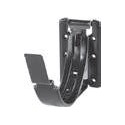


-
Take-aways from Installer Show '22
markocosic replied to HughF's topic in Air Source Heat Pumps (ASHP)
1000 litre tanks are common in the continent and really not that big in footprint (<1m2) -
Where is the drainage for that path? Damp could just as well be splashing from floor up on wall, or there being nowhere for the water in the past to get except through the wall?
-
Can you first fix for A/C just in case it's needed in future?
markocosic replied to cbk's topic in Other Heating Systems
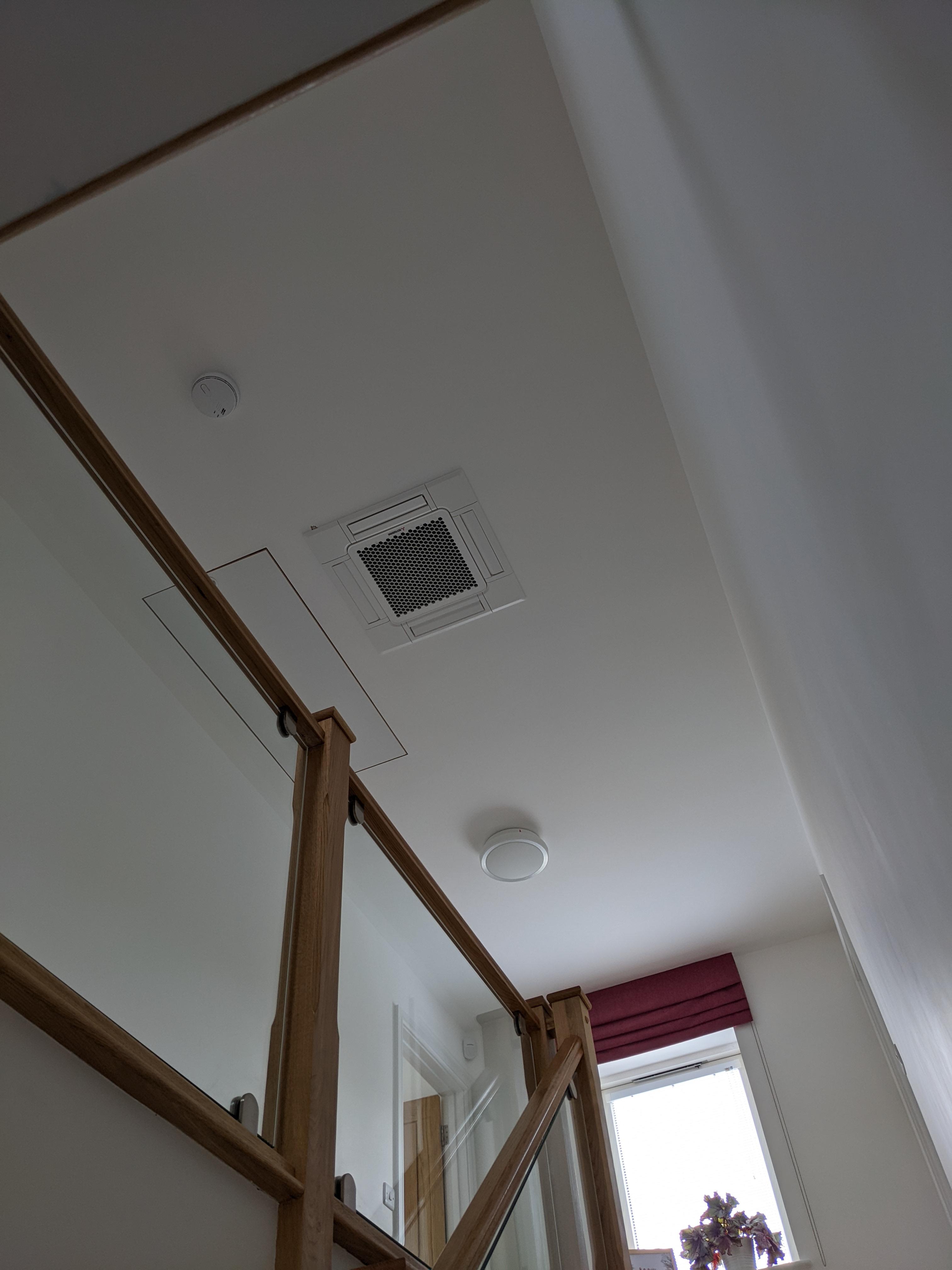
First fix boxes make slapping the wall units on later easier: https://www.vecamco.com/prodotto/dry-safe-box/?lang=en etc then it's just a case of burying your drain line, the copper lines to your final outdoor unit location, electric cables between the two etc Given that the AC unit is perhaps £750-£1500 worth of the install cost you might as well fit it at the outset imo. Another option is a ceiling cassette at the top of the stairs on the first floor. That'll cool upstairs rooms during daytime if does are left open; and coolth will fall down that stays to take the edge off downstairs too. Fairly out of the way and can hardly be installed after the event with poor and cable through attic and down an outside wall to the outdoor unit. They include condensate pumps with a lift of 750+ mm so that gives you lots of room in the attic to run the condensate to a soil stack boss etc. The catch? You'll need >600 mm centres on your joists. I'd suggest 750 spacing where this goes. Some are close to fitting (e.g 580 mm) but that leaves little for building an insulated airtight box on top.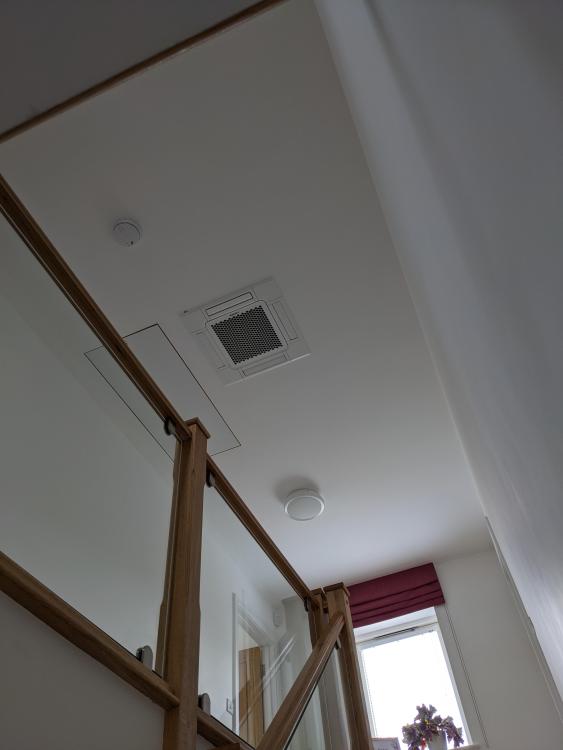
-
Gutter slope / fall - will you see it?
markocosic replied to markocosic's topic in Rainwater, Guttering & SuDS
Thanks Bozza; probably 5 mm / metre and 40 mm in that case! -
Don't run one cable between downstairs and upstairs. Run two for when you break one. 🙂 I run this as a router. £50 and runs at the full 900 Mb/sec that Vodafone offer with hardware offloading for what it's worth. https://eu.store.ui.com/collections/operator-edgemax-routers/products/edgerouter-x One switch / subnet for "the house" (IP cameras, noddy TP Link WiFi access point, Internet of Shite devices) One switch / subnet for "the work" (desktop PC and various work hardware) in the attic. In terms of routing I had a box of spare CAT5 offcuts so ran two cables from a central location to each room before plasterboarding. Direct clip to wall with no protection. Drop from 0.5m on first floor into the floor void. Run in the ground-first floor void to a central location. Drop to a patch panel on the ground floor. Dot and dab plasterboard over the lot once they're fitted. Another pair run into the attic office and were just run up the 1st floor wall before plasterboarding. For the "outlet" end they run into a socket box that's next to a double socket. At the moment most are coiled up and taped up and there's a socket on top of that socket box that's spurred off the double socket so there's two sockets on the wall. If I need the network cables I can remove that socket and fit the RJ45 outlets. For the "switch" end they sit in a cupboard and for the most part aren't connected as everything except the work stuff in the attic and the house alarm is WiFi anyway... If you're retrofitting then you're either making a mess indoors or you're pretending to be Virgin Media and covering the outside of the house in Spaghetti. In the past I've router-ed a groove in chipboard floorboards, tucked CAT5 in it, then stuck the underlay and carpet back down again. That can work for getting from floor to floor. Switches shouldn't be a bottleneck but I'd still put a pair of cables in in case you break one. TV people...will do their own thing anyway. I'd ignore.
-
Gutter slope / fall - will you see it?
markocosic replied to markocosic's topic in Rainwater, Guttering & SuDS
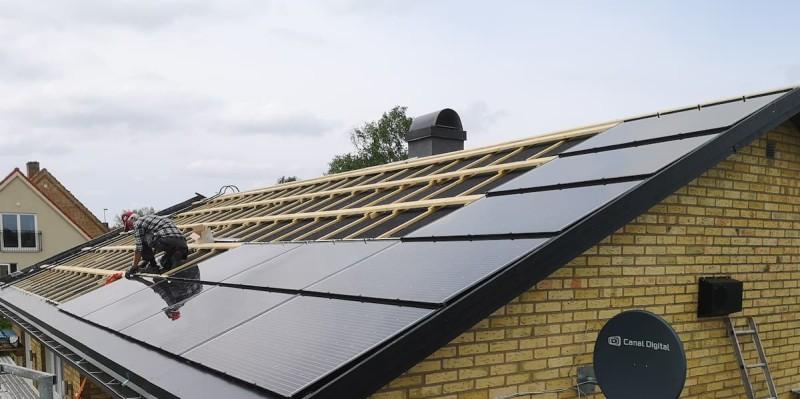
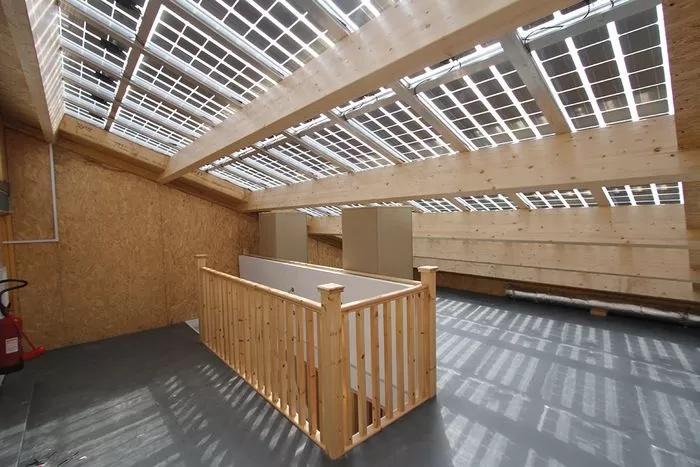
Thanks @Bozza I have little visual imagination / taste myself and am more trying to avoid having to do build everything two or three times courtesy of an "eew; no; what have you done" from she who must be obeyed than I am enjoying obsessing over these details... Your barn / garage / shed is prefect thanks. I see the fall a mile off but it doesn't look wrong. How big is it and over what distance can I ask? I'm guessing 50 mm over 10 metres on about a 3 metre high eave? Do you have any drawings for the shed that I could pinch actually? I will be suggesting a pure-pv roofed wriggly tin walled structure on the plot to house the pv and a lawnmower and any other treasure that I can no doubt collect once the house is finished...my suggestions for which will probably be rejected on the grounds of looks...and yours looks rather nice if I dare say so! Pure-pv roofing meaning fitting the things as if they were regular tiles having largely setup your structure / overhang to suit the panels: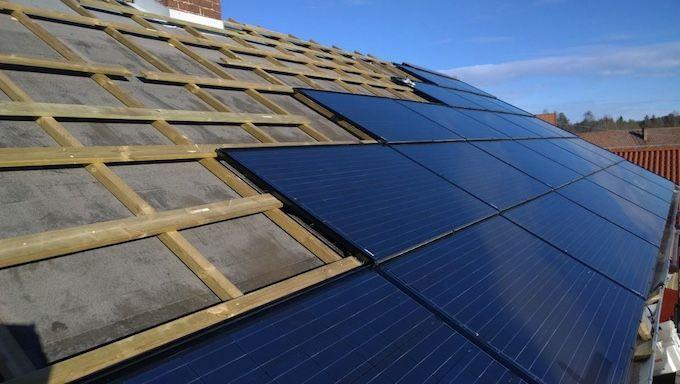
-
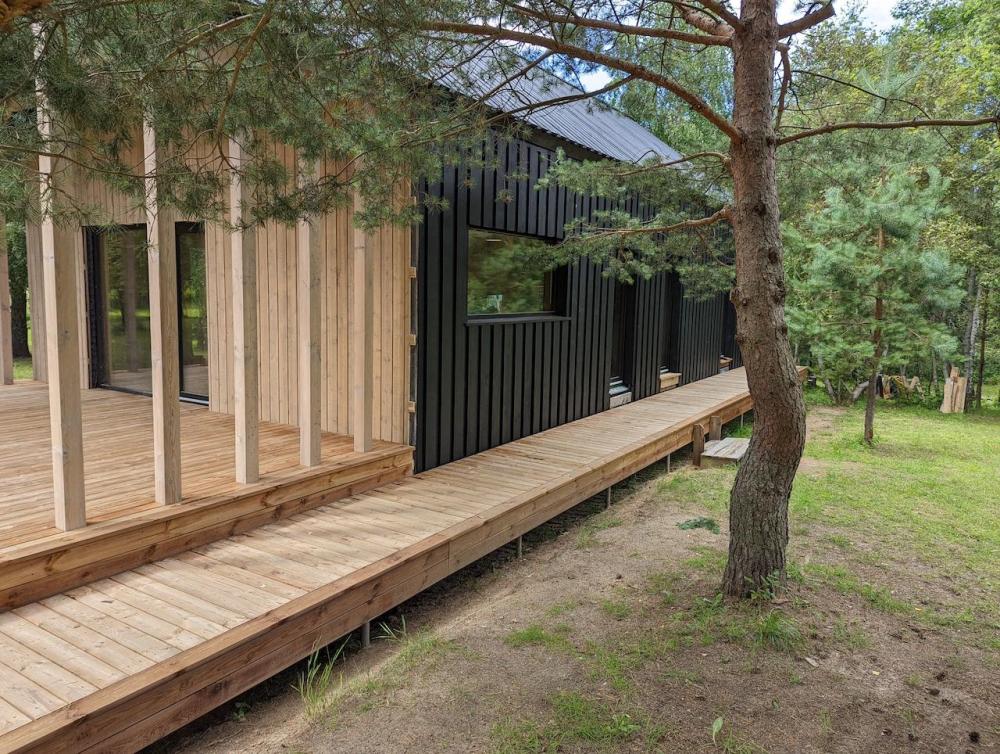
We need to decide on gutter slope. Do you slope them for avoiding pooling / performance or lay them dead flat for visual effect and to heck with avoiding pooling? Formal tables suggest slope of 5 to 20 mm per metre for performance: https://www.engineeringtoolbox.com/sloopes-roof-drainage-d_1107.html We have a "monopoly house" shape that's ~16.5 metres long. 13 metres of this is the house itself and 3 metres is an overhanging gable over a raised deck. One downpipe each side means a gutter that is "\" shape with the pool / fall over 16.5 metres. Two downpipes each side means a gutter that is "\/\" shape with the longest pool / fall over 6.5 metres. Each side of the roof is ~60 m^2 in plan area. Gutters are to be 125 mm half-round in metal. https://mokivezi.lt/1550015-latakas-bilka-2-m-skersmuo-125-mm-juodos-spalvos-ral9005 If that table is to be believed a 0.5% slope is fine for 100 mm/hour rain into one slope "\" into one downpipe. But 0.5% is an 82.5 mm fall over 16.5 metres. Huge? Visible? Objectionable? Over 6.5 metres it's 32.5 mm. Smaller. Still visible? Is "wobbly" line more or less objectionable than a straight line with bigger total fall or will you never really see the sharp corners of the "\/\" shape? Does anybody similarly obsessive / anxious have examples of both to hand? Do you see this fall? Will you regret laying the gutters dead level? Roof slope is 9:12 (37 degrees) and they would be positioned low enough to avoid being town off by falling snow. They would be the same colour (RAL 9005) as the roof / wall / fascia which should help to hide them I guess. Other thoughts... Originally we planned for no gutters because (1) avoids having anything that we will inevitably have to clean LOTS of leaves out of, (2) avoids anything with pooled water for the mosquitos to breed in and (3) rinses the muck off the decking. That's not viable it turns out because (1) the one place that you don't want to end up damp (the shade under the decking) ends up the perfect shaded and damp mosquito breeding ground thanks to the runoff and (2) you get quite the splashback up the walls/windows that looks a mess even if it isn't a big problem. Allowing the ends of the gutters to overflow on one end or fall into a hopper of some kind wouldn't be a big deal. Allowing them to overflow in occasional heavy rain wouldn't be a big deal. Don't know is this makes any difference capacity wise for having them level vs not level. In hindsight... I think we would have gone metal roof and had a bigger gap between the rain screen/cladding and the house (e.g. 125 mm) and hidden shutters, downpipes, etc in there where they were free to overflow without risk of damaging the house itself.
-
Answer: Pop the connection off the stove; chop the existing 129mm OD ring to 1cm high, weld another ring of mild steel around it; now you have >130 mm ID for going direct to 130 mm OD twinwall without adapters. Weld on the inside and water/airtight.