ProDave
-
Posts
30861 -
Joined
-
Last visited
-
Days Won
427
Everything posted by ProDave
-
Well red is the L feed and the blue and yellow are switched L out. You need a grid switch with one dimmer module and one switch module. Wired as before.
-
 That's lucky you hopefully have fixed it. I speak from experience that it can sometimes be difficult finding an identical blending valve.
 -
New build "what if / what's that " Anxiety
ProDave replied to Jenki's topic in General Self Build & DIY Discussion
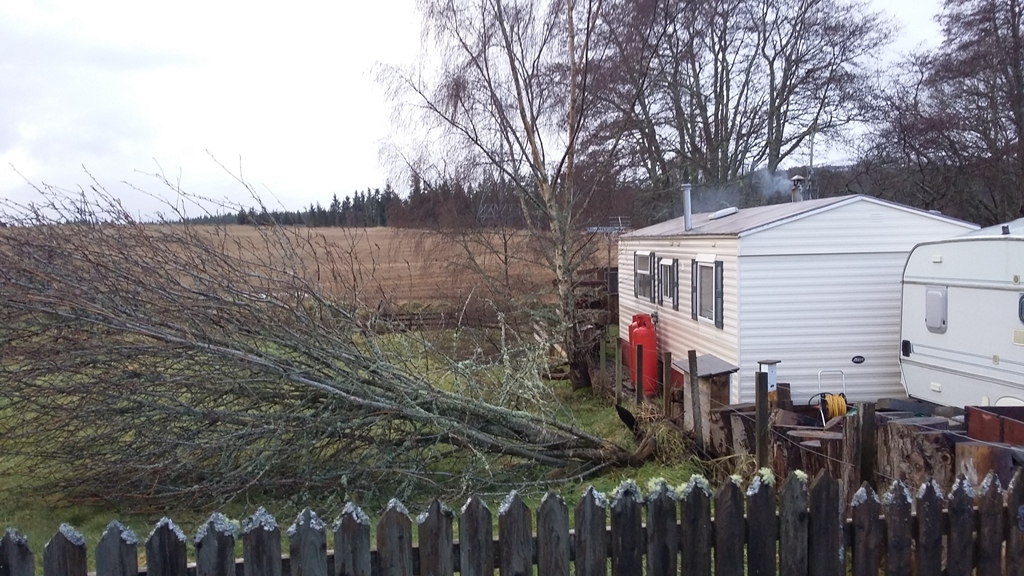
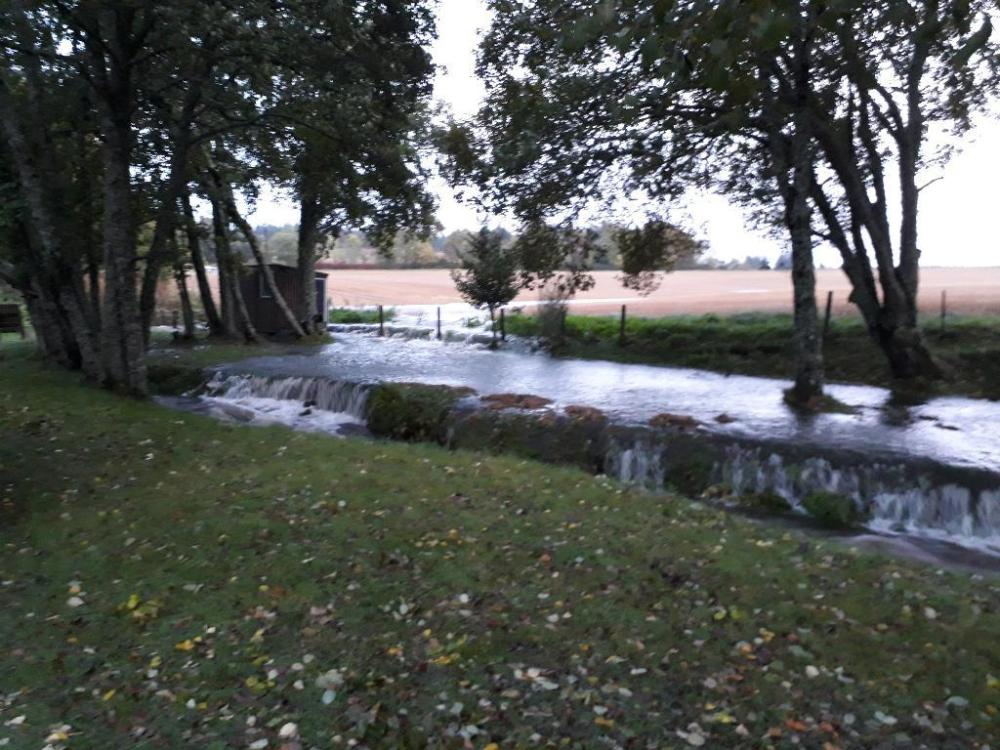
We had a storm while living in the static caravan. Obvious concern about would the 'van survive, it did and is still in one piece now. But we barely noticed the noise of a neighbours tree blowing down. We were asleep in the 'van when that happened, good job the wind was not the other way. Being an all timber house, we expected a lot of creaking and groaning when the wind blows but surprisingly little. I guess are two big worries are if a tree blew down onto the house, or flooding from the burn. Neither has happened yet. The burn has had two "once in 10 year" floods in the time we have been here. No danger to the house, just a little damage to the banks of the burn and each time we learn and try and alter things or improve them to make them more resilient for next time. The lesson learned from this years flood is we now know where flood water is likely to run across the garden back into the burn and that bit of the bank has been reinforced, and the berm I built along the boundary to try and keep flood water out of our garden in the first place needs to be a bit higher. See this picture. the berm along the boundary needs raising to try and limit flood water from the field entering. And where most of it spilled over back into the burn, that part of bank that got eroded has been reinforced with big rocks. The grass in the foreground is the house side and no flood water threatened that so the house was not in any danger.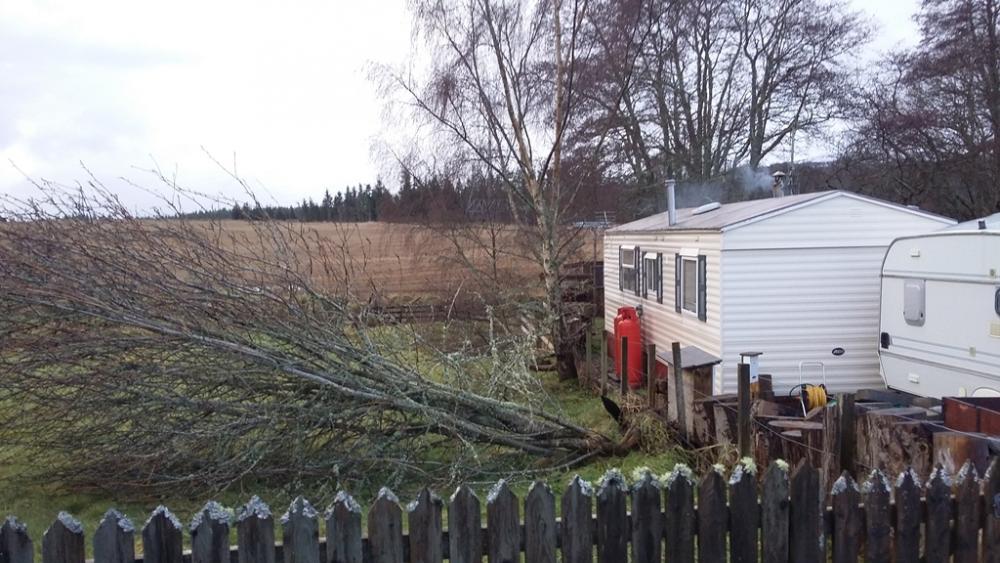
-
So are you saying you HAVE done that and and it is now "working" again? if so tell us what he did please.
-
Educate the rug rats.
-
More details of what you are joining to and what you want to connect to when you have found something that will fit your 50mmOD pipe? That is not a standard UK size of pipe
-
Conditions to be satisfied prior to start
ProDave replied to Post and beam's topic in Planning Permission
4, 5, 6 are the only ones that need some more details or action plans submitted before commencing. -
Radiators? Under floor heating? I can imagine the draughts through the sockets being annoying, but I would be surprised if that is the reason an oil boiler is struggling to keep the house warm.
-
What heating system?
-
Who specified and built the frame? What air tightness did they expect to achieve? Having the service void in between insulation layers is just plain wrong. Whoever specified that needs "educating" Every single hole into that space, for cables etc, will be allowing cold air into that service void, virtually negating the insulation of the 120mm if PIR between the frame members. So if you are going to do it that way, then sealing the living daylights out of every single cable penetration is required. I suspect the best you can hope for now to improve it is go into the loft, roll back the insulation all around the edges and seal the living daylights out of every single hole where cables come up into the loft. This will apply to cable drops down into the (probably non load bearing) partition walls between rooms as well. It is probably too late to do anything about the (hopefully fewer) cable penetrations down into the sub floor space downstairs. What about plumbing? Are there also pipes going up into the loft or down under the ground floor?
-
Until the OP replies I suspect there is no air tightness layer apart from the taped top layer of PIR that has lots of holes in it for cables. Perhaps when the OP answers he can tell is what air tightness details have been used, what about under the floor and in the loft (assuming it is a normal cold loft)?
-
Looking at that picture, how are the cables getting into the service void? (the gap between the PIR and the plasterboard? It looks like they are coming up from under the floor in that picture. That will be one source of cold draughts. Likewise I bet lighting cables are going up through the ceiling into the cold loft space and that is another source of cold air getting in. As an electrician, I have come to expect this sadly as "normal" when you remove a socket on a windy day, and icy cold draught comes out of the back box. What stage are you at? and who has been advising you? If you read the forum there is a lot talked about attention to detail, and that is what has let you down. EDIT: looking at the picture again, is that a service void I am looking at, or is that the frame with the insulation between studs before the over sheeting insulation went on? If so you have created a cold gap between the insulation layers.
-
My first question is what are you planning to put on the outside of the wood fibre EWI? I take it the idea is full fill of the frame with insulation? The reason for it being so thick is to get the extra insulation depth. My house frame is all 195 *45.
-
PD Extensions and floor plan advice
ProDave replied to FreddieW's topic in New House & Self Build Design
11KV overhead lines right over the building. I am not sure you are allowed to build under them now so that might scupper the extension plans. -
@ToughButterCup Will give you the low down on this.
-
That does sound like you have helped create your own problem. This is just like our previous house, planners dictated both plots take access from the same service layby. As both plots were under the same ownership when outline planning was granted, when they were sold, the area forming the shared layby was sold as jointly owned by the 2 plots. It never presented any problem.
-
So did you buy the lay by space from someone else to achieve that requirement?
-
That is a very unusual boundary line for you to own the layby space? What is your concern as long as the addition to the layby us properly surfaced?
-
Build a PD shed with PV on the roof. When I did my planning for the house, it was a last minute addition. Just a square outline on the site layout plan "Ground mounted solar PV" NO details at all. Nobody ever checked or asked for any details.
-
Generally unfenced green verges withing 3 metres of the road are classed as the highway.
-
Boiling Water Tap Under Kitchen Units Condensation
ProDave replied to revelation's topic in Kitchen & Household Appliances
That looks like a kitchen design error. There is a reason most people don't put cupboards above a sink. Even without the tap, you would get steam from a bowl of normal hat washing up water. -
Please tell me the electrician did not charge you £800 just to connect the electric boiler?
-
It's good practice to have an obvious local switch to isolate it for maintenance. This will be on it's own circuit so the rcbo is all the "fusing" in needs. Don't try turning it on until he has fitted the correct switch.
-
Clean Heat Market Mechanism to incentivise heat pumps
ProDave replied to LnP's topic in Air Source Heat Pumps (ASHP)
The thing that still staggers me, is the housing market takes almost no account of the quality or performance of a house. By that I mean people pay just as much for an old leaky house with a dreadful EPC as they do for a better more modern house, and then when they move in complain at the heating cost. I have said for a long time, I would not want to own a house with an EPC worse than C. But I have no intention of moving from here. Having built our present house it would be almost impossible to move to anything comparable, apart from of course doing another self build. -
IF there are 2 cables one would need to be large for the heaters. Post some pictures when you are home.