


markc
-
Posts
3754 -
Joined
-
Last visited
-
Days Won
22
Everything posted by markc
-
 Electric UFH is not like wet. Water running through pipes is at a constant temperature and limits floor temp. Electric heater wire does not self regulate so anything left on the floor creates local hot spots (ask my cat).
 -
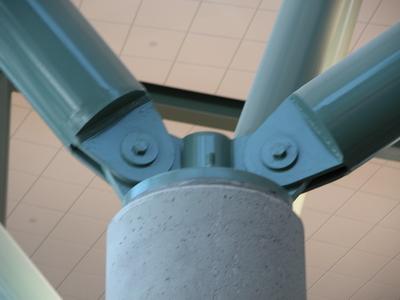
We used to use a similar design to this for steel and timber connection. Look really good and not difficult to fabricate.
-
I remember the first Nissan Cabstar we got will hill assist, we fitted a crane to it. I took it to do a demo, parked on a hill, got out and put the jacks down and performed the lift perfectly. Problem occurred when I lifted the jacks again and the “auto brakes” were now not engaged and the truck set off down the hill. Luckily I jumped in the cab and stopped it before hitting anything
-
Def local fabricator then get them galvanised, or you could use stainless of course
-
Filling in around base of vertical structural steel beam
markc replied to Chanmenie's topic in General Construction Issues
Totally agree -
Normally yes I agree but I’m thinking the sketch shows a stud wall and probably OSB sheathed making the frame above the door very rigid (no lintel) take that away and you are/could be loading the top midspan of the door frame. unless the sketch is indicative and there is supposed to be a lintel/door header.
-
Filling in around base of vertical structural steel beam
markc replied to Chanmenie's topic in General Construction Issues
Absolutely, but you will probably end up with cold bridges around a house anyway, door handles is the most common as the handles are metal and the turn bar is one piece of steel. Very few door handle sets are thermally broken -
If it’s taking the roof load then things get a little more complicated as you will need a lintel or load bearing header above the windows. BC would/shoul want to see an SE spec and sign off for the detail there.
-
Filling in around base of vertical structural steel beam
markc replied to Chanmenie's topic in General Construction Issues
I think this is very like being anal on air tightness and then opening a door every few hours for visitors or Amazon (other delivery services are available) parcels. yes build well but don't overspend on something that makes very little difference. -
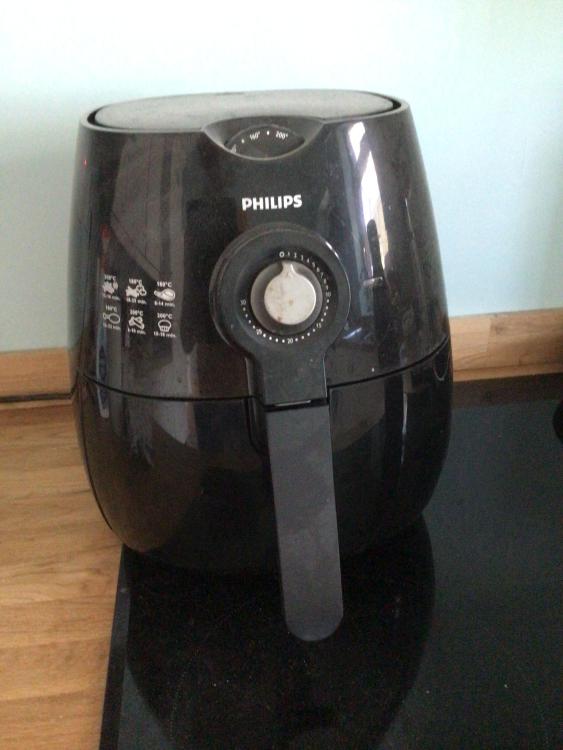
I have this one and it’s brilliant, Acti fry (with rotating paddle) is a pain. Most used thing in my kitchen. I live on my own and fiancée visits. Just so much quicker and easier for small portions than using the oven
-
Filling in around base of vertical structural steel beam
markc replied to Chanmenie's topic in General Construction Issues
True, and if you had holding down bolts or rods then there is no point trying to isolate the base -
Good morning and welcome, sounds like you have more practical experience than many on here undertaking some pretty advanced projects
-
No problem doing that assuming it’s not a load bearing wall. No difference to fixing in middle of a stud wall
-
How does your garden grow?
markc replied to recoveringbuilder's topic in Landscaping, Decking & Patios
Think the thread needs a name change -
MOT within 30mm(ish), blinding around 10mm is good.
-
Filling in around base of vertical structural steel beam
markc replied to Chanmenie's topic in General Construction Issues
The amount of heat transfer by the studs and post base will be very small -
Hi, if you do a bit of searching on here you will find loads of info, pros and cons of the different ways to approach this. Lot depends on the existing structure, build, insulation levels etc.
-
That is very easy to take down and would only be a weeks work for 2 people (experienced) and a tele handler and scissor lift. if you want to do it yourself, hire a small scissor lift, get the sheets off, most of purlins out and then get someone local with tele handler to give you a hand for a day to lay frames down. Say £200 for 2 weeks scissor lift and £300 for tele handler for a day.
-
Filling in around base of vertical structural steel beam
markc replied to Chanmenie's topic in General Construction Issues
If you are boxing in with PB then you are keeping it warm and fireproofed -
Filling in around base of vertical structural steel beam
markc replied to Chanmenie's topic in General Construction Issues
Condensation really depends where the steel is, if fully inside the warm envelope then condensation will not be a problem. And steel will stand up to fire better than timber trusses etc so no need for fire protection. -
+1
-
Filling in around base of vertical structural steel beam
markc replied to Chanmenie's topic in General Construction Issues
As above bituminous paint is good (especially where the steel exits the concrete). Steel fully covered in concrete is left bare (re-bar) with no concern for corrosion. -
How do you keep a half round fence posts straight…
markc replied to Russdl's topic in Landscaping, Decking & Patios
Only way is a couple of battens across the two with a single screw so they can rotate and knock in sequentially -
Show us yer shuttering...
markc replied to Mulberry View's topic in General Self Build & DIY Discussion
Found pour levels often done with rods/rebar/big nails pushed into trench sides (on a site vertical rebars in trench would be classed as a hazard and need caps. -
Long crack in brickwork- under chimney stack in loft
markc replied to karatekaren's topic in General Structural Issues
You rake out mortar across a crack, insert a small length of reinforcing (mesh, rod, brick-tie) and then repoint the mortar. Leave to cure and then do the next joint. (You can do a few joints at once but not adjacent or the crack can open more while mortar is going off) .. unless you bend rod into a elongated U shape and hook over the ends of bricks into vertical joints.



