bassanclan
-
Posts
1352 -
Joined
-
Last visited
Everything posted by bassanclan
-
In planning they always refer to the "original house" as it stood in 1960 or thereabouts, so an 1870 map won't help. Even if you can prove it was there in 1960 it wouldn't help as it's gone now! Why not build within your domestic curtilage? You would need to prove that your proposed outbuilding falls within the curtilage of the domestic dwelling. If its on agricultural land you are allowed to build agricultural buildings to a certain extent if you have sufficient land.
-
Permitted development and replacement
bassanclan replied to Randomiser's topic in Planning Permission
I think in this instance a picture (and plan) paints 1000 words -
I'm assuming your house is the cream rendered bit. If your land genuinely goes up to your neighbour's gate then no part of your property overhangs his land and you actually own a narrow strip of land underneath the gutters of the extension, but I think you would be wise to take a few measurements and be 100% certain that no part of your extension overhangs his property before you get into a dispute.
-
Porch, internal door and building regs
bassanclan replied to clickclick23's topic in Building Regulations
This will be classed as an extension to your habitable space, so you need a U value of 0.28 to meet minimum building regs. Or an R value of 3.6. Your single skin brick has an R value of around 0.44 so you will need an R value of around 3.16 for your insulated plasterboard. This means you need a minimum 70+12.5mm insulated celotex/kingspan plasterboard. Have you considered putting a second skin around it or external wall insulation? -
Dormer extension, are 75 X 195 joists necessary?
bassanclan replied to DIYjake's topic in Lofts, Dormers & Loft Conversions
If you look at the Trada span tables 195x75 is just enough to span 4.96m If you want to reuse existing joists at 100x150 I would sat doubling up will be fine, but I'd want them glued and bolted together which may take more labour than simply putting in new correctly sized timbers. Also double check the joists really are 100x150. That is suprisingly beefy for the 60s. -
If you use the trench wacker suggested you can get up and down the hill no problem
-
kill grass and weeds permanently
bassanclan replied to deuce22's topic in Landscaping, Decking & Patios
There is actually little point in spraying ivy. The steams and leaves etc are still there after they are dead and still need removing, only they are even more dusty. Youve really got to rip the stems off. If its on a flat wall you can use a wallpaper scraper etc. Once you are left with just a stump you can kill it off for good. -
Massive overkill and expense for a garage. Would some floor paint not do?
-
Driving over Common Land - Let's Get Creative
bassanclan replied to harry_angel's topic in Driveways
I doubt it will help, but a Google satellite view or block plan etc might at least give us an idea of what we're talking about -
Oil Prices nearly 30% Down
bassanclan replied to Ferdinand's topic in General Self Build & DIY Discussion
They have risen about 20% from their low a week ago, but brent crude is now around $30 a barrel. I'm going to look around 19 may when the next futures contract expires and traders have to sell oil to avoid it being delivered to their desk! This phenomenon last month caused the negative oil price -
Personally I wouldnt notch the joists. Either have thr joists sit on the steel (no good if you want a flush celing). Or have 12mm holes at 400mm centres drilled into your steel and bolt a piece of timber into the web on both sides using threaded rod. Then fix the joists with joist hangers. You may want to use a 203 or 254 steel rather than a 178mm in that case.
-
If you have the yime you could sand tiling laths, but it would take forever for 300mm. Personally I would try a length of PSE from wickes etc and a length of tiling batten and see if they really look that different once painted, it will be about half the price. Or buy panels and then diy a final small section if the sizes don't fit your space exactly https://www.ebay.co.uk/itm/292756948697 Local merchants should be able to provide panels cheaper and if you can find an actual fence manufacturer they will make it to size
-
Where do you need them delivered to? https://www.nwtt.co.uk/ex-50mm-x-25mm-planed-all-round-redwood
-
My father in law's lockdown project was making us a picket fence out of old pallets. It sounds like you need tiling battens, but watch out for them being dyed. If by smooth you mean planed as opposed to sawn timber, I think you are going overboard for a fence!
-
The diagram has slightly misled you. The rsj actually goes to the very end of the grey circle. The black line of the rsj stops short of the circle because otherwise you wouldn't be able to tell that there is 100mm square section there. The location of the double joists around the stairs is determined by your design of the stairs. You should know the length and width of this. Is the existing spine wall single brick, double brick or cavity wall?
-
Online only

-
TP are open for delivery to account customers only
-
Buildbase is reopening in stages over the next week for click and collect
-
Wickes? B&q?
-
If you are on clay soil you will need to take precautions against heave even if you take the tree away, for a couple of years. This is because the clay then has to cope with the extra water not taken up by the missing tree.
-
I imagine your bricks will use a brick as the cavity spacer when setting out, so will naturally go up to 103-105mm. Rather than dritherm etc have a look at pumping in EPS beads. It works out around the same price and offers a better u value and full fill.
-
I imagine the tree is trespassing, I suggest you sue the tree!
-
There is a difference between flow screed and strucrural liquid concrete e.g. agilia
-
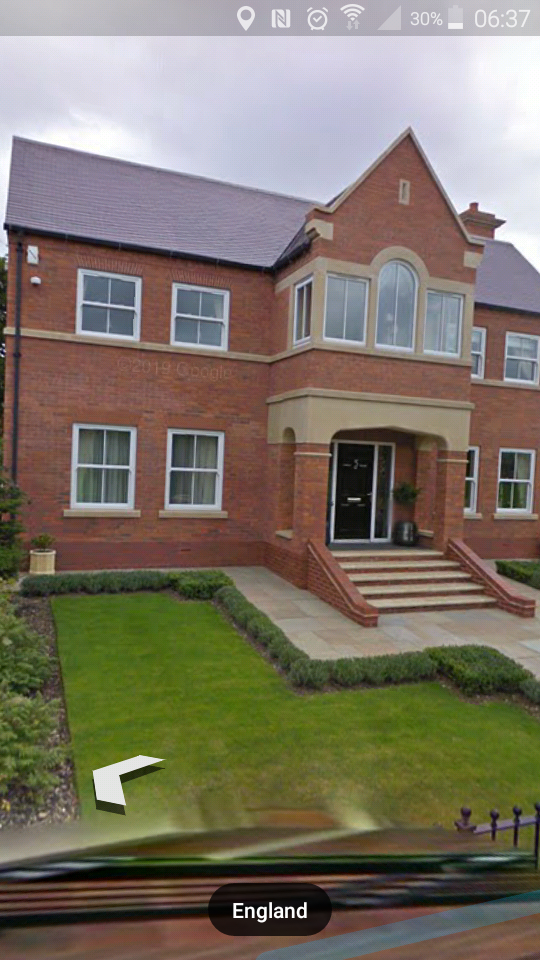
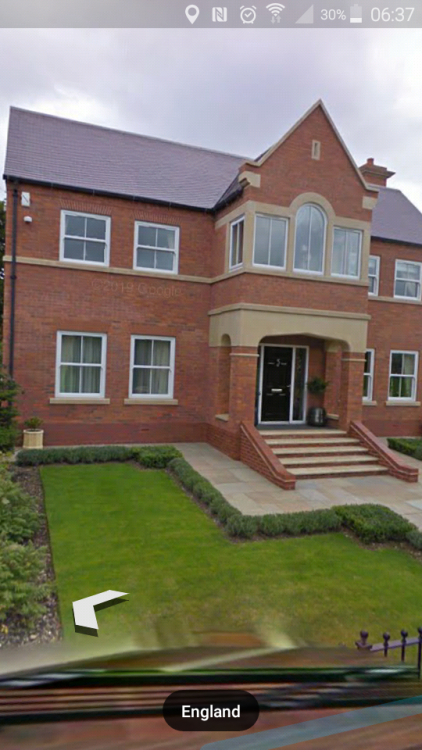
I think the single storey at the front of the house is unnecessary. Visually it makes the elevation look a bit cluttered. The cost of the steels etc will be expensive. If the office and garage are too small without then make the bedrooms above larger too. Similarly the porch overhang could be removed in favour of a structural storm porch, allowing bedroom 4 to be larger, such as shown in this picture. It would be more expensive, but also more impressive.
-
What weight? 2 or 3 strong men and some rope might do the job. That's what I used for 8m span trusses, but I imagine oak/attic trusses etc would have been hard going.