Gone West
-
Posts
4668 -
Joined
-
Last visited
-
Days Won
20
Everything posted by Gone West
-
I had a similar softener to that many years ago. We used to have a lot of power cuts and unfortunately it lost the time setting with every power cut. If I didn't remember to reset the time it would regenerate unexpectedly. It was less than half the price of yours though so I expect yours has a rechargeable battery in it.
-
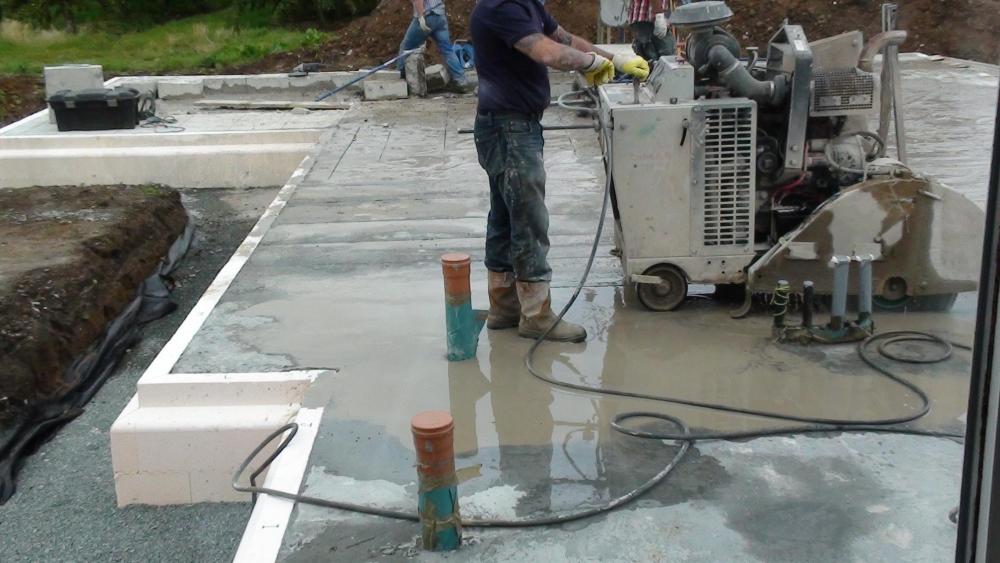
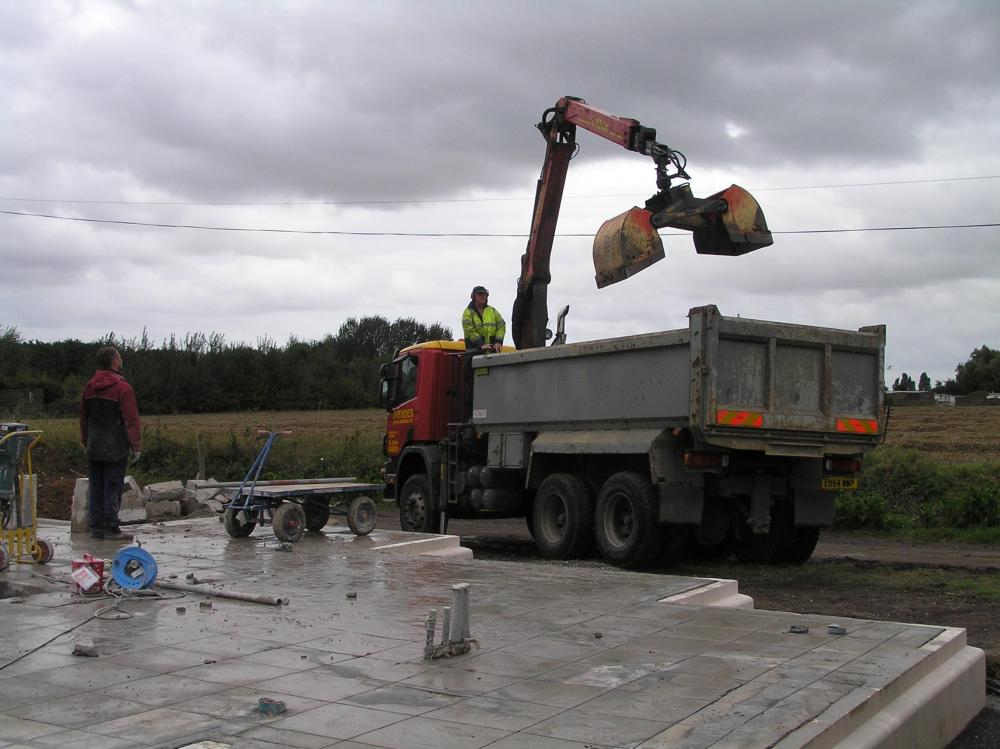
We had the first Isoquick foundation installed in the UK back in 2010. It all went well until the concrete was poured. Unfortunately the concrete laying did not go so well. A combination of cost cutting, by not using a pump, and the concrete setting too quickly left large voids in the 200mm slab which were detected using ultrasonic testing. The results were confirmed by drilling core samples. Fortunately we videoed the whole procedure and had the evidence to show to the boss of the company. The result of the farce was that the whole system was cut up using a diamond road cutter and taken away. The second time around it all went smoothly fortunately.
-

Suspended ceiling at openings
Gone West replied to Pocster's topic in General Self Build & DIY Discussion
https://rbjplastics.com/standard-profiles/glass-fibre-angles.html -
Suspended ceiling at openings
Gone West replied to Pocster's topic in General Self Build & DIY Discussion
Sorry I didn't understand. You could use fibreglass angle if you're worried about thermal bridging. -
Tell me about it!!
-
Suspended ceiling at openings
Gone West replied to Pocster's topic in General Self Build & DIY Discussion
Can't you just fix four lengths of aluminium angle in the corners hanging down whatever length you want and attach your ceiling struts to them. -
I already offered this a week ago - "We are hopefully replacing our oil fired Rayburn this year with an external oil fired boiler. Oil fired boilers are not quiet but I don't hear it when I'm in bed and it does produce very hot water very quickly. You are welcome to it if your new system doesn't work as you would like, although you would have to collect it."
-
Sealing parallel threads on external uv filter
Gone West replied to Easain's topic in General Plumbing
There are two types of PTFE tape, the standard plumbing type and the gas grade type which is much thicker. -
New build floorplans - opinions welcome
Gone West replied to Indy's topic in New House & Self Build Design
It is certainly an interesting subject. The 'monstrous carbuncle' springs to mind. So was that good design, poor design or just mediocre. Interesting that there were so many different opinions for something that should be judged objectively. -
New build floorplans - opinions welcome
Gone West replied to Indy's topic in New House & Self Build Design
I don't think those two comments mean the same. The problem with design is that it is subjective not objective. -
New build floorplans - opinions welcome
Gone West replied to Indy's topic in New House & Self Build Design
I don't usually comment on these sorts of threads, and I'm not sure whether you have just worded that comment poorly. If I was paying to have a house designed I would want it to look like I wanted, not what somebody thinks I would like. If @Indy likes this design then what's the problem, he's going to be paying for it and living in it. -
Rigid vs semi rigid ducting?
Gone West replied to SBMS's topic in Mechanical Ventilation with Heat Recovery (MVHR)
It was a while ago now but IIRC the metal silencer had a rubber 'O' ring on the outside which sealed against the inside of the ducting and I don't remember any problems. I bought all the ducting etc from i-sells. I used Titebond PU gel adhesive to to glue the ducting together. https://www.axminstertools.com/titebond-greenchoicetm-polyurethane-construction-adhesive-311ml-952217 -
Rigid vs semi rigid ducting?
Gone West replied to SBMS's topic in Mechanical Ventilation with Heat Recovery (MVHR)
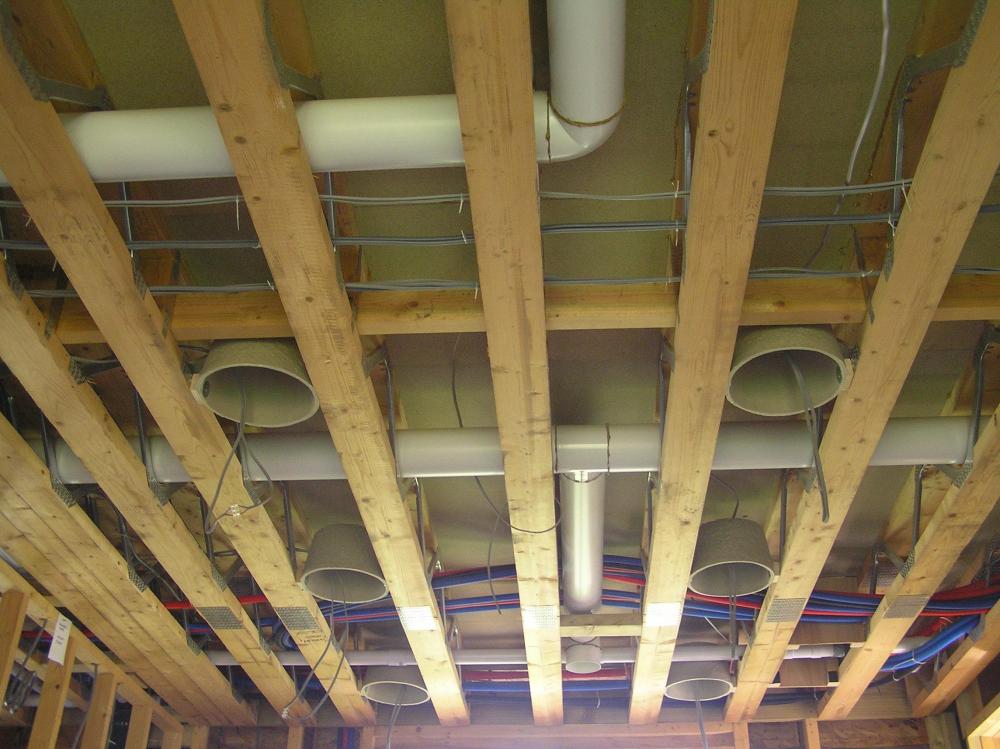
I designed a branch system using rigid plastic ducting.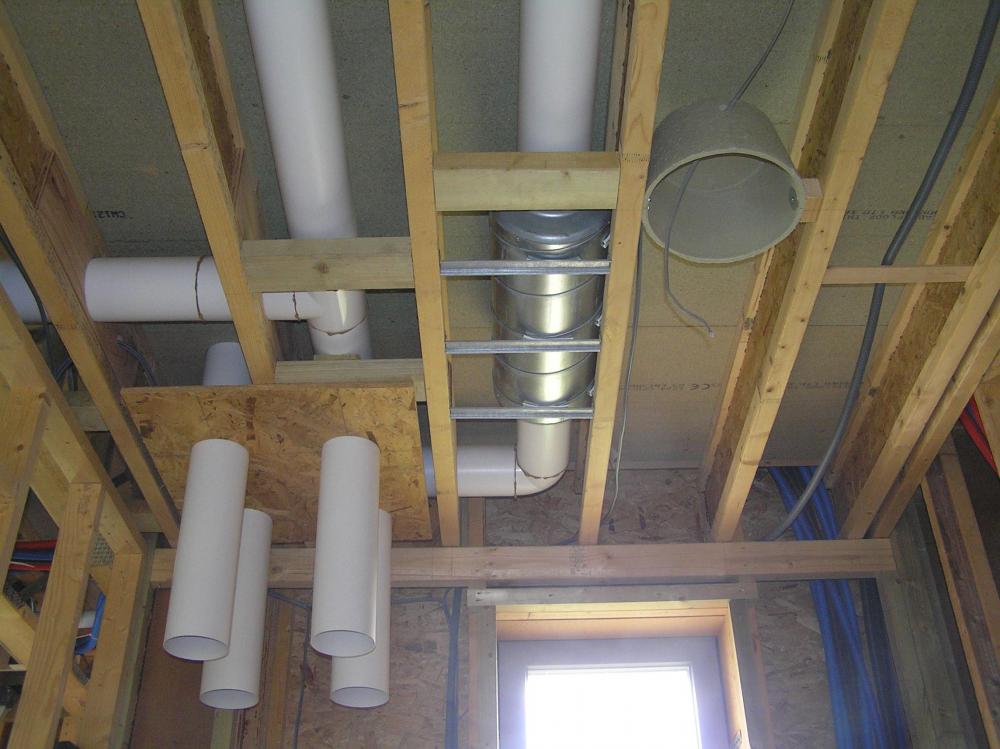
-
Insulated Raft Slab Foundations - Finished Flooring
Gone West replied to TBlew's topic in General Self Build & DIY Discussion
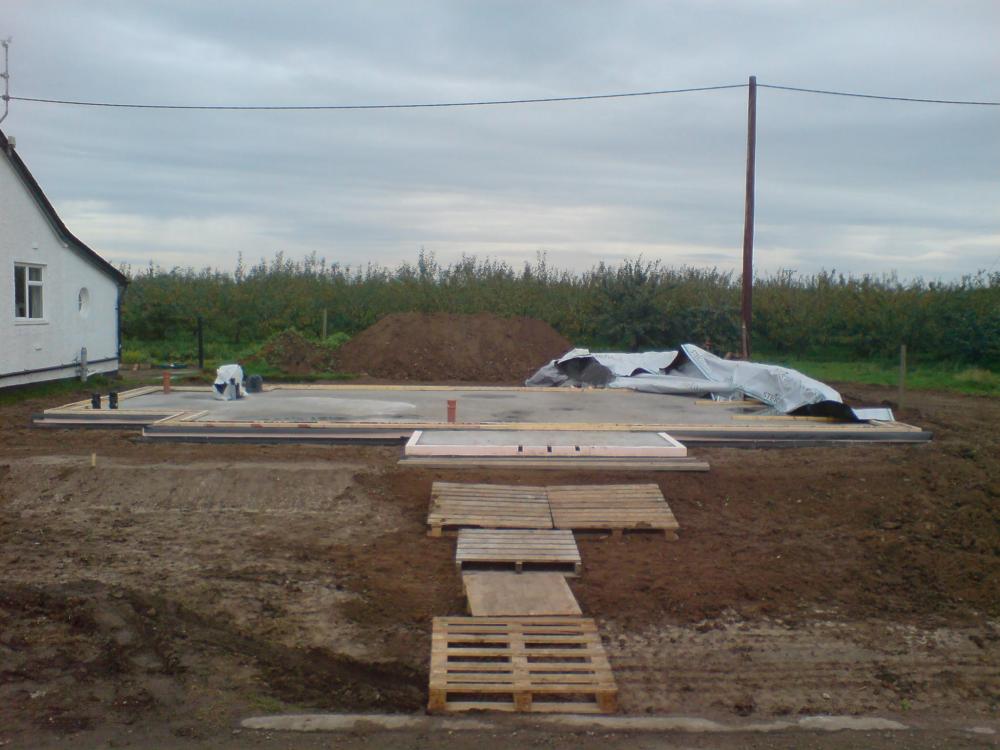
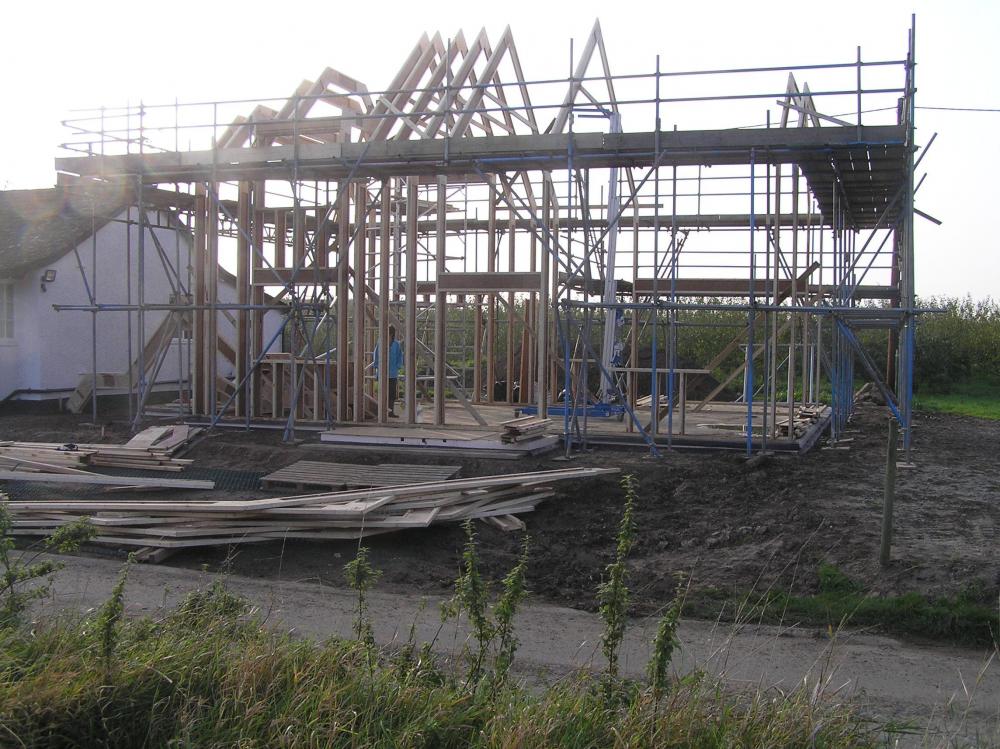
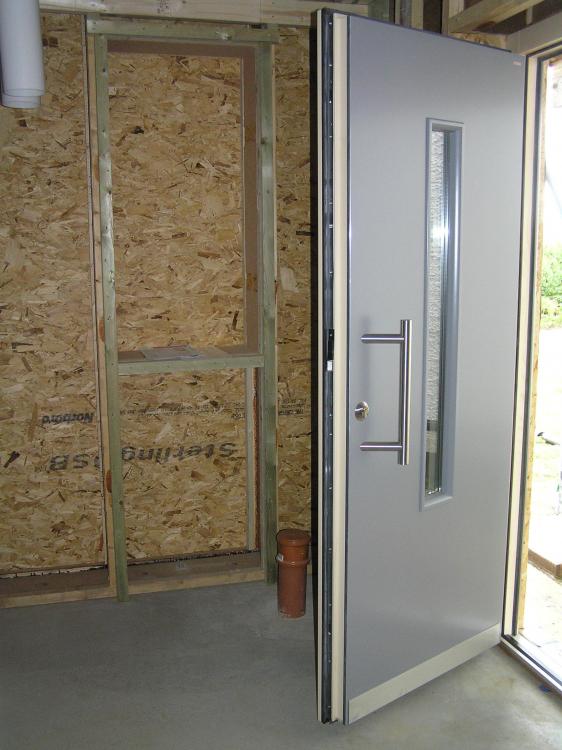
We used an Isoquick raft foundation. We had an I-beam frame with an I-beam sole plate. The installers fitted the sole plate around the whole perimeter and then when the frame was up they cut out all the openings in the sole plate at ground level. Even though the slab was power floated it had lots of dips and we used a latex self levelling compound. A picture paints a thousand words as they say.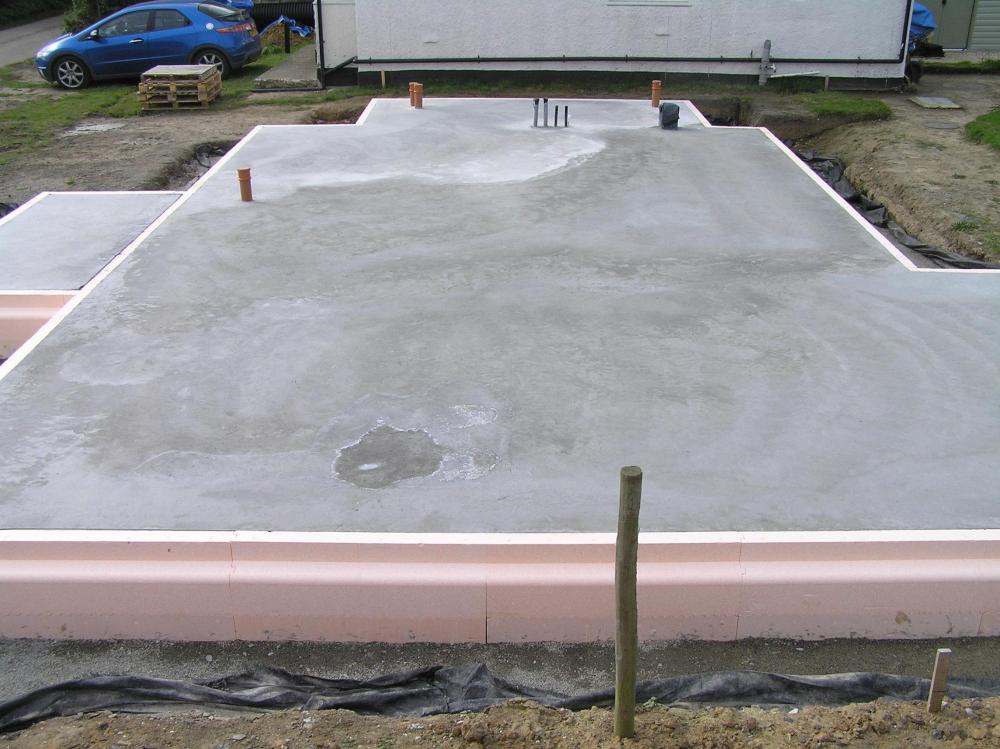
-
MVHR Supply and install
Gone West replied to SBMS's topic in Mechanical Ventilation with Heat Recovery (MVHR)
ADM Systems were really helpful when I first looked into MVHR many years ago. https://admsystems.co.uk/ -
Moving in to an unfinished self build
Gone West replied to hbooth's topic in General Self Build & DIY Discussion
You may well have the council tax officer coming round at intervals to check whether it is habitable so they can start charging you council tax. If you are living in it they will charge you, strictly speaking habitable, or not. I did my VAT reclaim a few years ago once it was signed off by building control but I think you can use when you start paying council tax in order to claim VAT. I should check on that as they seem to change the rules at times. -
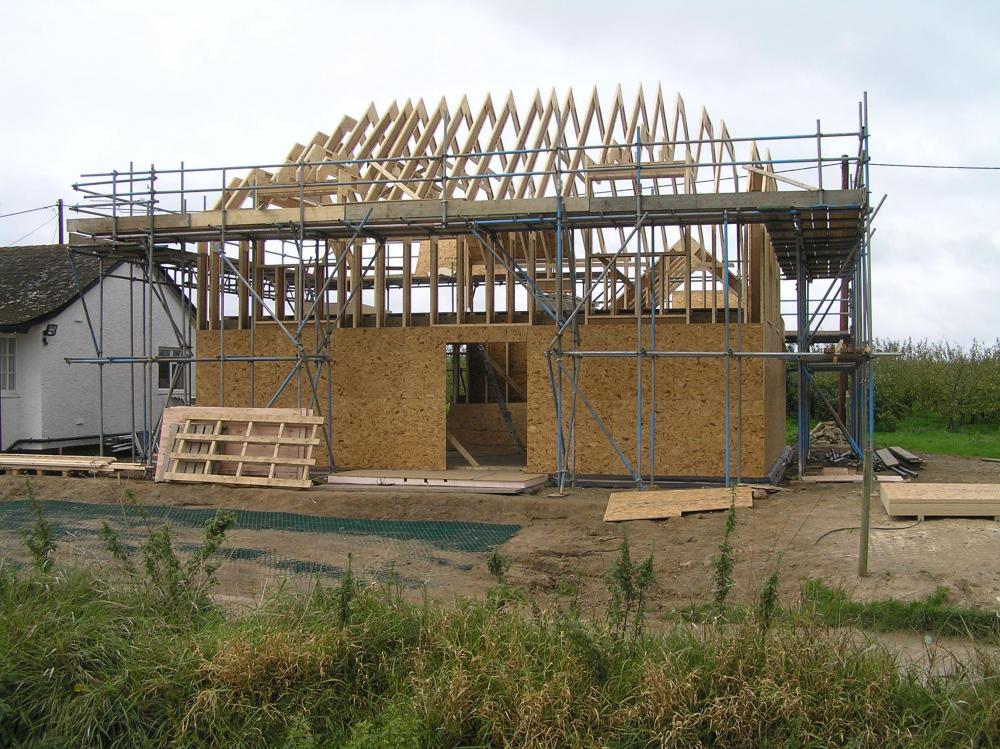
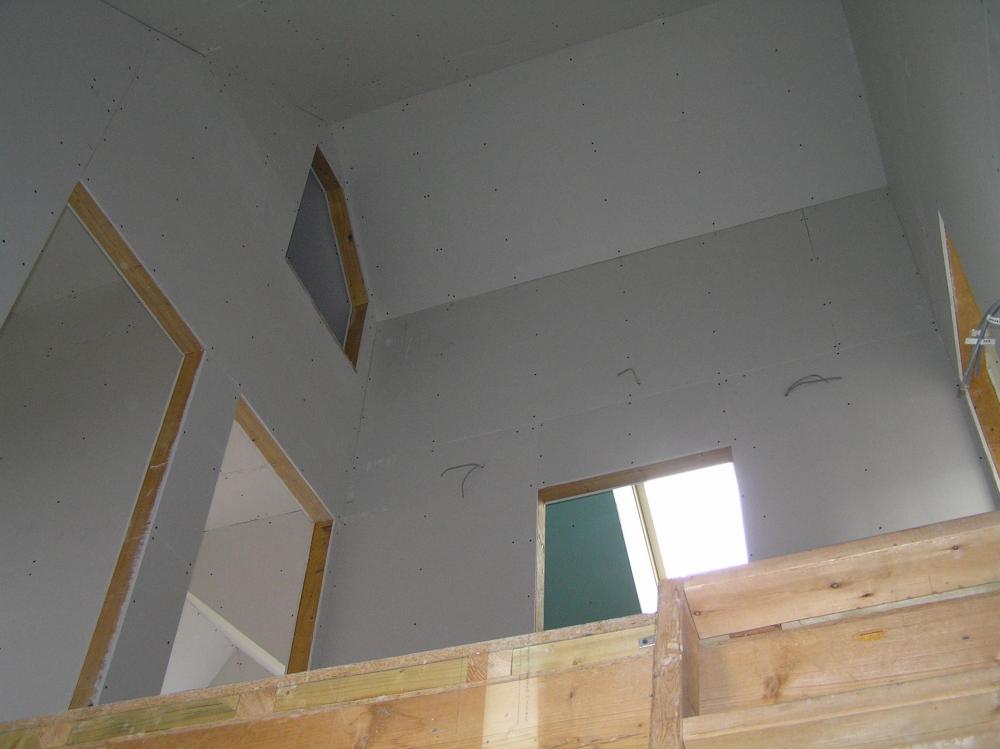
Our last house was a portal timber I-beam framed house. Being a portal frame there were no internal structural walls and it was open to the apex wherever we wanted it. It was a PH and the MVHR vents upstairs were low level with the ducting running in the ground floor ceiling. I'm sorry I don't have any decent pictures of the ceilings.
-
We are hopefully replacing our oil fired Rayburn this year with an external oil fired boiler. Oil fired boilers are not quiet but I don't hear it when I'm in bed and it does produce very hot water very quickly. You are welcome to it if your new system doesn't work as you would like, although you would have to collect it. PS. I don't suppose your buffer tank would fit in your workshop room downstairs.
-
My solar thermal system has a thermostat, which at the moment is set at 60C, but I will increase it to 75C. The solar thermal has apparently been installed for many years and is a low maintenance system. The boiler stat is near the centre of the tank but it could be set to a higher temperature if required. I will be using radiators so I would want the temperature in that part of the TS to be around 55C to 60C.
-
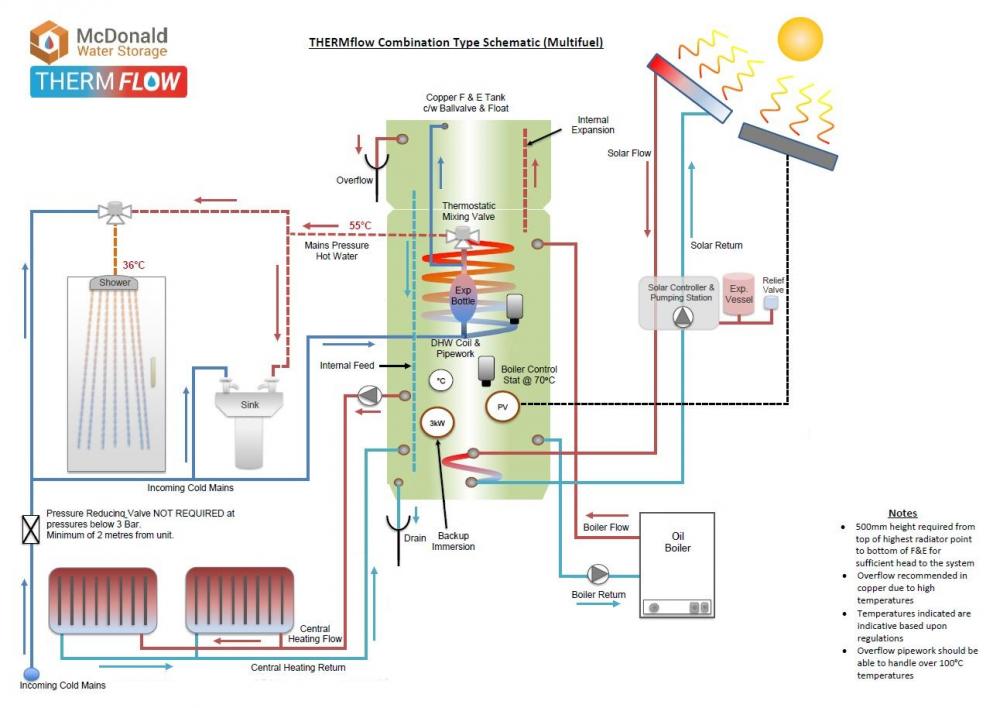
This year I am hoping to replace our oil fired Rayburn with an external Grant oil fired standard boiler. I was going to use a McDonalds thermal store with the TS directly linked to the radiators and a coil for DHW. There will also be a solar thermal coil and a PV powered immersion heating the TS. Something like this:
-
I used Durbocem last summer to paint a damp retaining wall. Seems to have worked well and I only brushed the surface off before painting. https://www.andrewscoatings.co.uk/shop/interior-exterior-walls/damp-mould/durbocem/
-
I can only again say that I used water softeners for seventeen years with a septic tank and for eleven years with a treatment plant and had no problems at all. I can only imagine it's the salt content from the regeneration cycle which is thought of as possibly causing a problem and that the bacteria are adversely affected but I've seen no evidence of that.
-
We had a Southern Water chap come round every year checking for leaks from the mains. All he had was a long metal tube with a metal cup attached to the top. He used to touch the water main with the tube and listen at the cup end. He told me it was the easiest way to find leaks.
-
Until recently we lived in East Kent and the water hardness was very high. We used twin cylinder water softeners for many years and had septic tanks and treatment plants and had no problems at all.
-
Heat pump vs gas, UFH vs rads?
Gone West replied to Greatescape's topic in Air Source Heat Pumps (ASHP)
I would check the tiles for Chrysotile Asbestos as it is a possibility. This system outputs more heat per m2 but without a well insulated slab you might be losing half of the heat downwards into the ground. If you used IWI the pipework could be hidden behind the plasterboard because you will need some form of wall insulation.