HerbJ
-
Posts
588 -
Joined
-
Last visited
-
Days Won
4
Everything posted by HerbJ
-
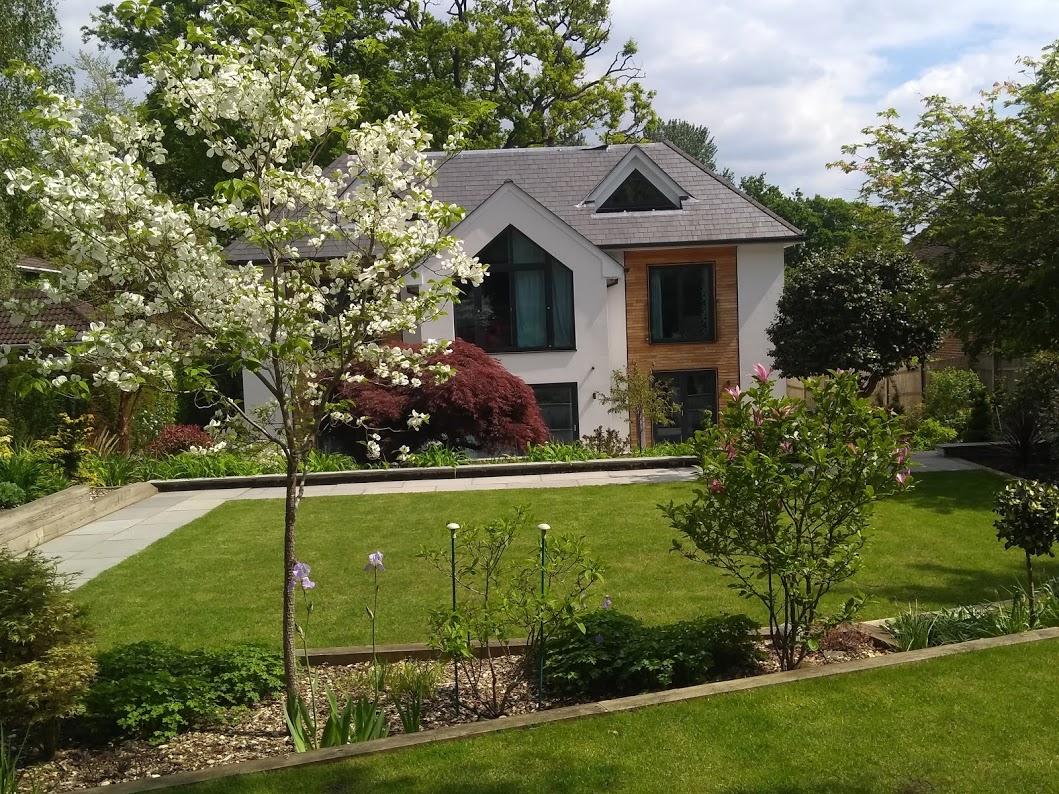
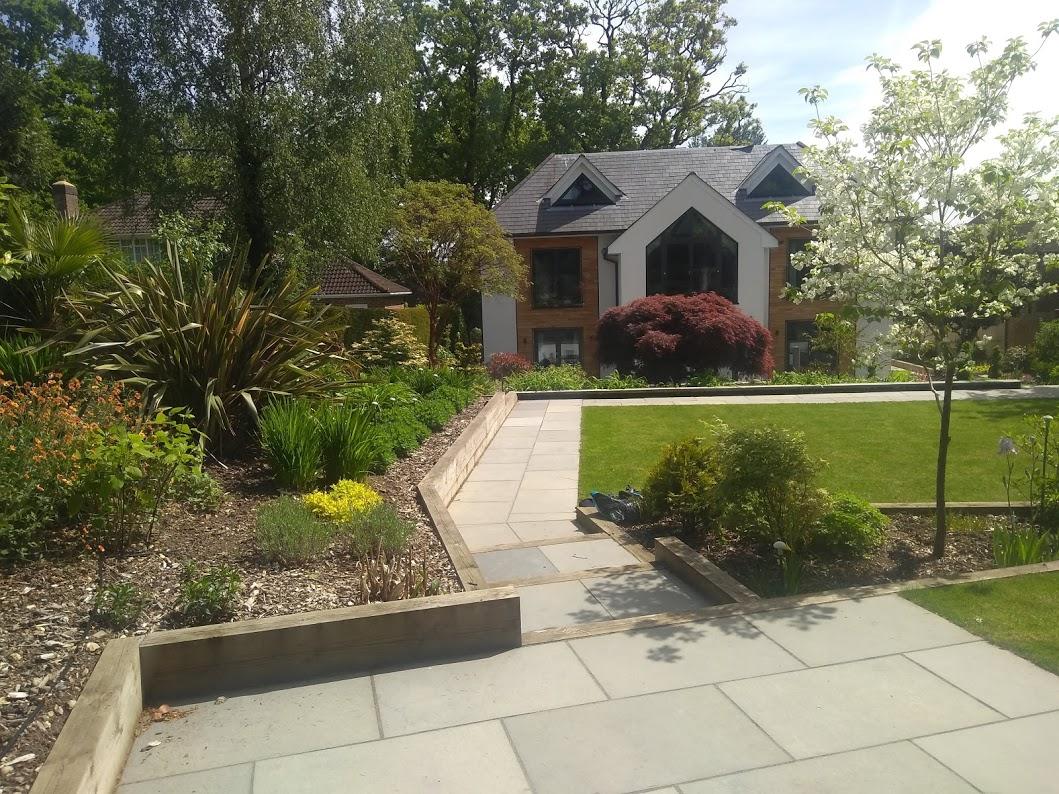
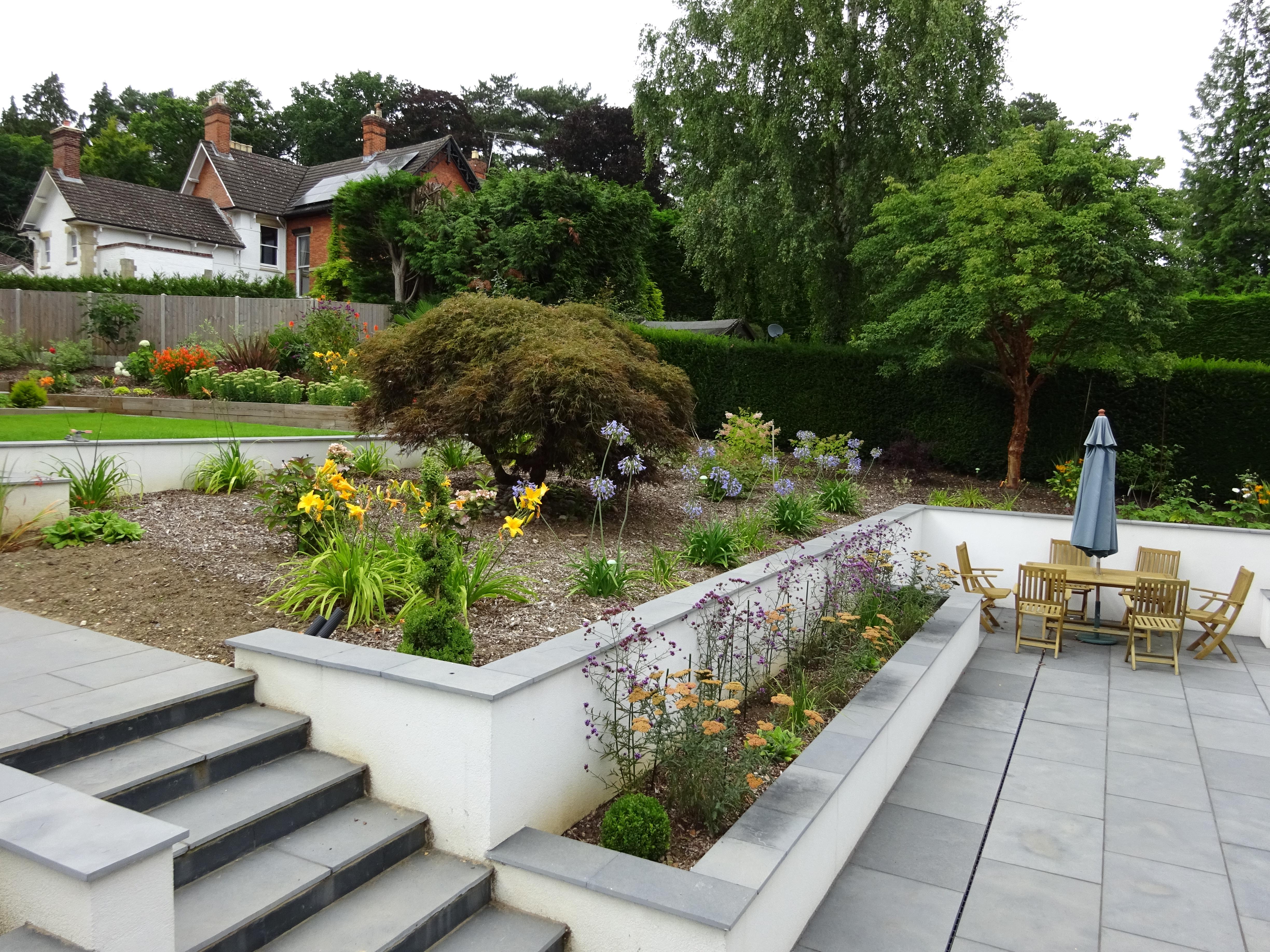
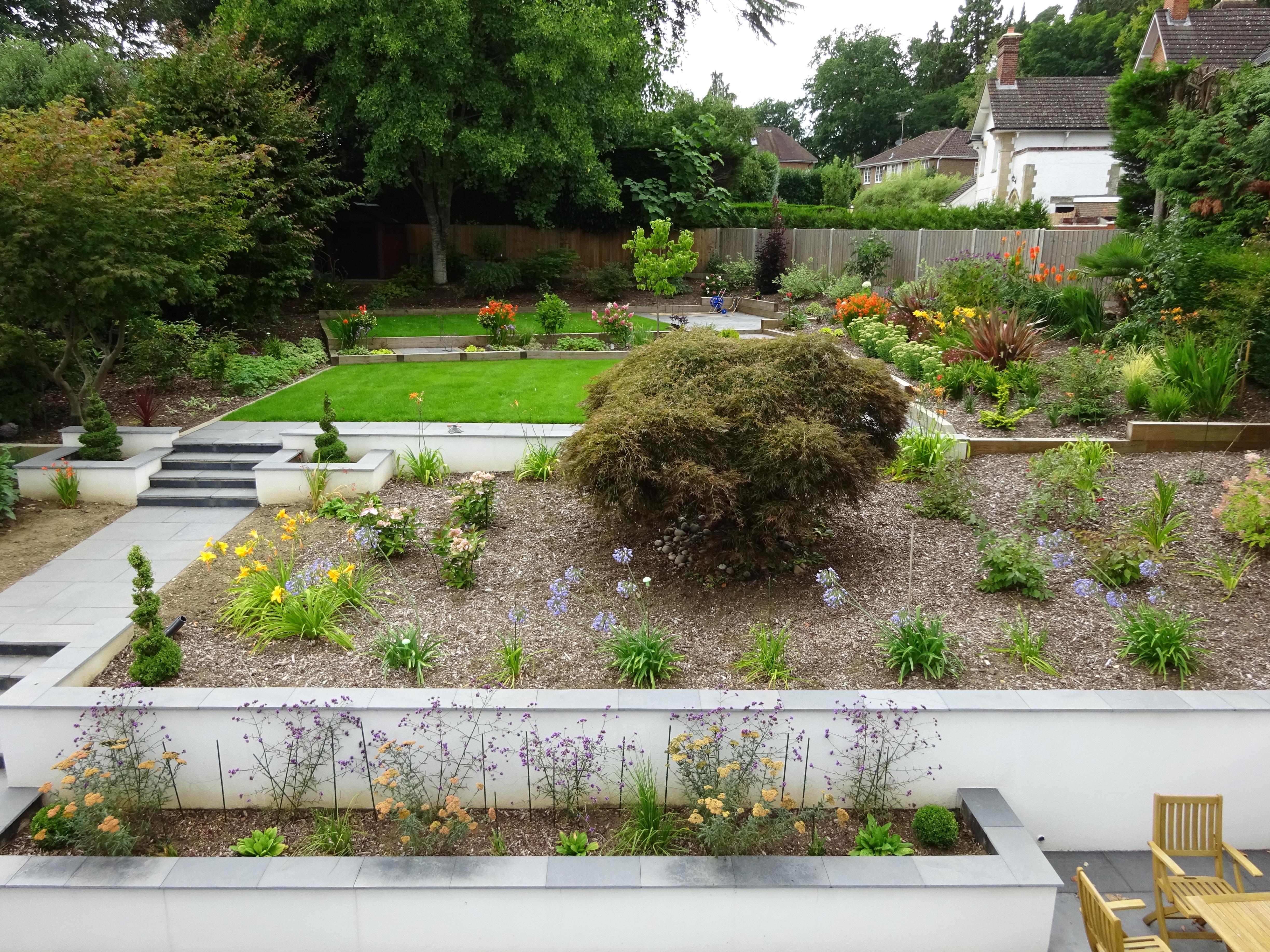
i have misleading info in my post above - I couldn't find the actual data when I respond and made a guess without checking ( we only had a paper copy of the original quote and I couldn't find it before I posted - apologies. So in the interests of providing good data, SWMBO has has now located the paper copy and the actual facts are: 1) Landscape Designers would seem to work like architects and their normal basis of fees is based on % of final landscape cost. I attach a redacted copy of Appointment for Landscape Design Agreement, which sets out the expected % Fees, Their % fees vary from 17.5% to 10%, depending on the total costs off the work value. 2) We only used their service for stages A and B but on a hourly rate basis, as we had no intention of using their services for Detailed Design and other subsequent stages. Our cost was £3500 (including VAT). SWMBO still insists that this was money very well spent! 3) Landscape Designers do not undertake actual construction services but would offer project management and contract services to supervise/manage the actual works. ( analogous to architects mode of engagement). 4) For completeness, I summarise the actual landscaping costs ( 2015/2016) , including ground clearance, regrading, retaining walls (both concrete block and wood sleepers), all foundations ( including garden shed, paths, terracing and drive), supply and lay terracing (210 m2), supply and lay SUDS drive (Marshall stone 110 m2) topsoil for planters, copings for walls, all service ducting for cables and water to various points in garden, ACO drains in terrace etc . Rear and side garden and terraces/paths/retaining walls - £45,311(% VAT rated) Drive - £16,450 (% VAT rated) 5) On this basis of these construction cost, the Landscape Fees would have been £4737 +VAT (as a minimum) though I suspect they would not have carried it out a efficiently as my contractor, as we utilised all the heavy machinery already mobilised to site for the main ground works and foundation preparation. So, I have probably been unduly critical of landscape designer fees...... 6) SWMBO did all the planting design and planting, providing many of the plants from cuttings taken from this garden before ground clearance and previous garden. Much of this was completed before the house was completed, as the retaining walls provided a garden separated from construction traffic and builders damage. Of course, we also retained and protected all of the mature hedges, trees and plants during the ground clearance, which provided a great basis for the landscape design/plan. _Appointment for Garden Landscape Design Agreement_a.pdf
-
@PeterW absolutely correct about pricing and how it ramps up if you require all the services, especially in Surrey and Berkshire, where we built.. For our concept design, the total cost was £3,500 (including VAT which could not be claimed back as it was design service). I will admit to being horrified at this but SWMBO was adamant that it would add value to our overall scheme - she was right, as usual.... The proposed costs estimate for the next phases, including detailed design and then supervision of construction (hard landscaping) and planting would have been £ 6 to 10,000 , depending on the cost of the landscaping works - see my post below The photos I attached were last year. The garden is now looking great, especially with the lock down and all the work that SWMBO has been putting into the garden recently
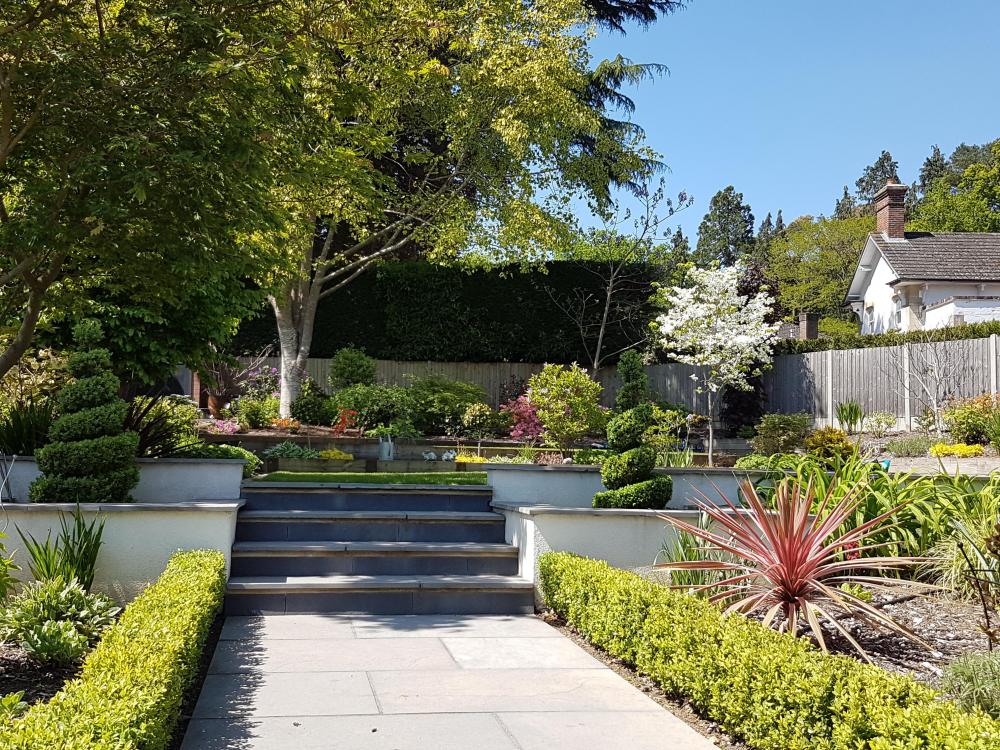
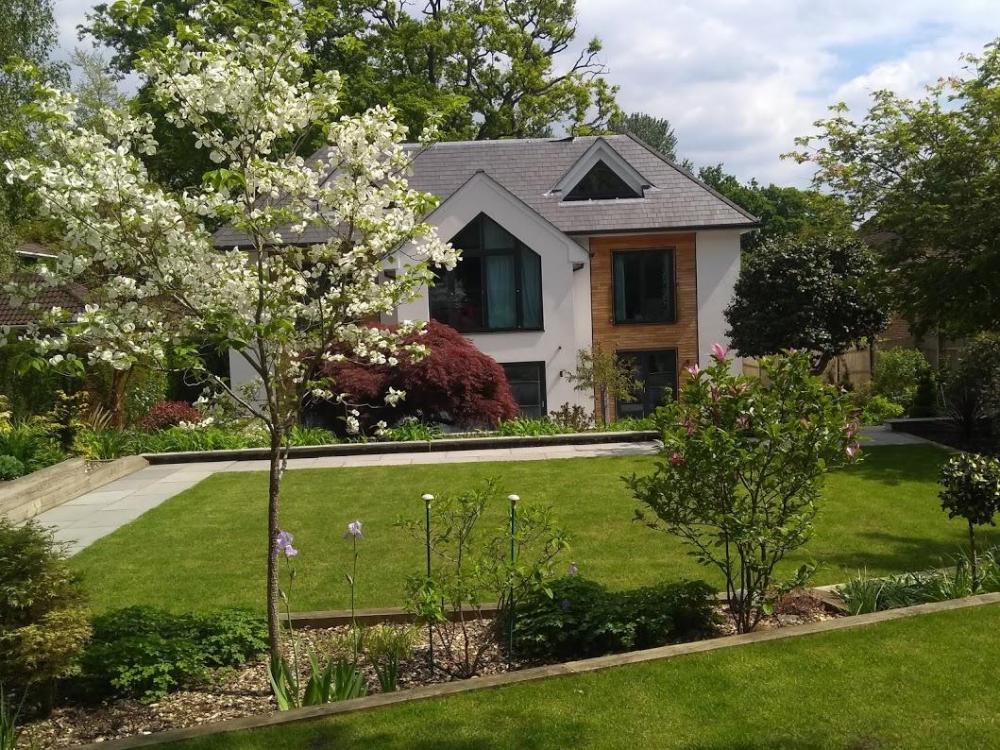
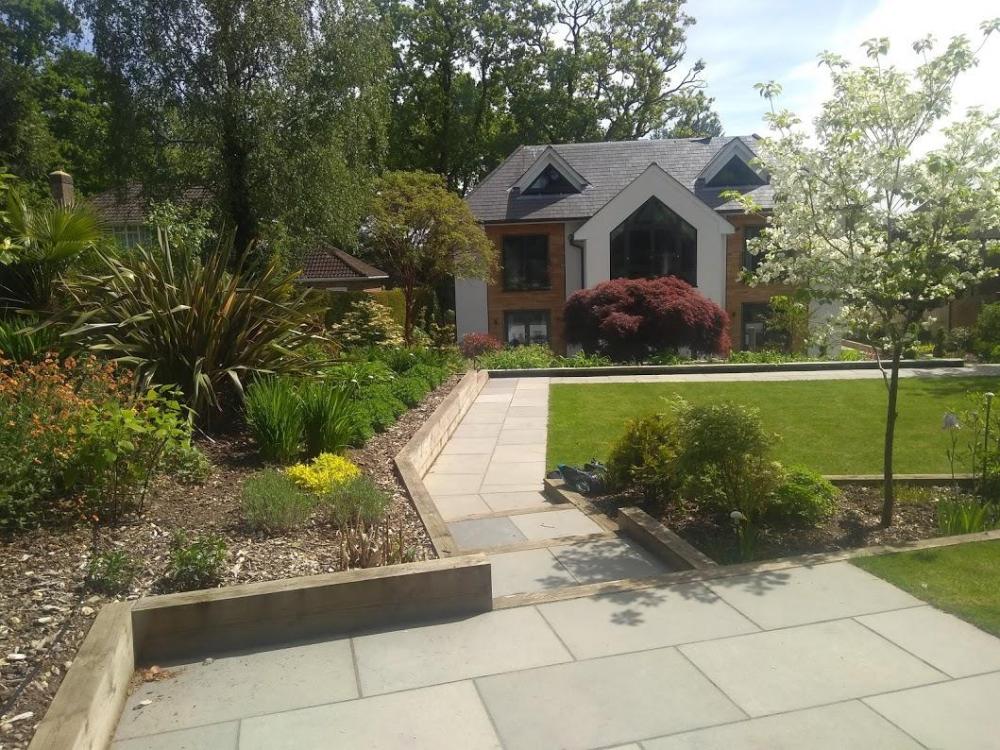
-
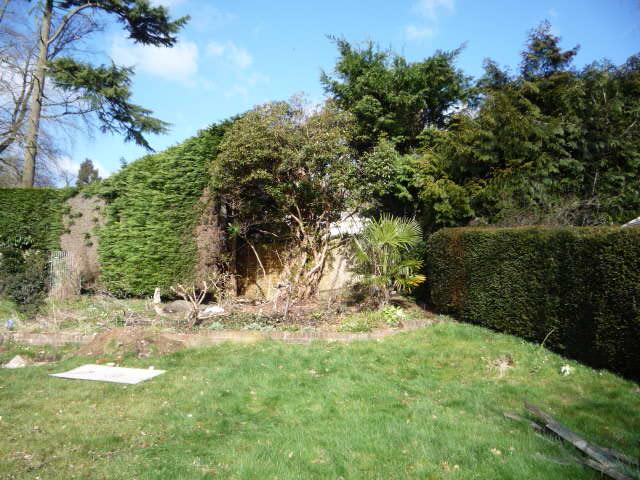
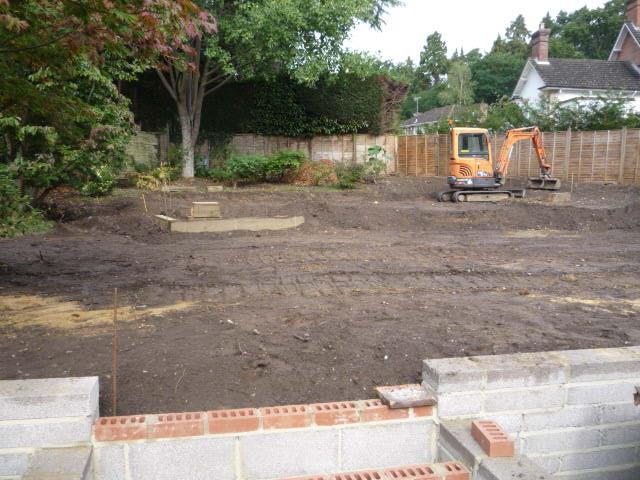
We used a landscape/garden designer for our garden. Our site sloped up from front to back and side to side. We could not envisage a way forward but the landscape designer developed a clear design that we incorporated in the PP and in construction plans. It was expensive but well worth it, as it provided a clear plan for groundworks and landscaping, which allowed us to utilise the heavy construction equipment as part of our ground works contract. Broadly, they gave us a landscaape concept design, incorporating existing trees and shrubs and using the topographic survey daata. . SWMBO did the planting plans and did all the plant (with a little manual help from me) I attach the concept design, some early ground clearance photos and a couple of recent photos. The company we used was PC Landscapes based in Farnham. pclandscapes_Concept_Design_a.pdf

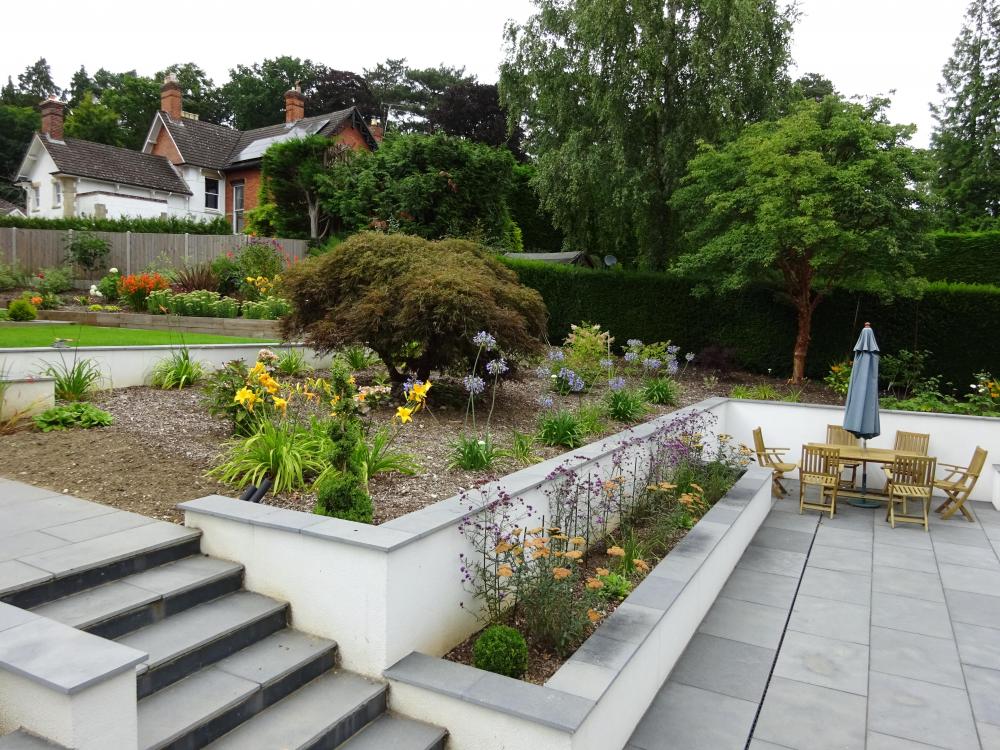
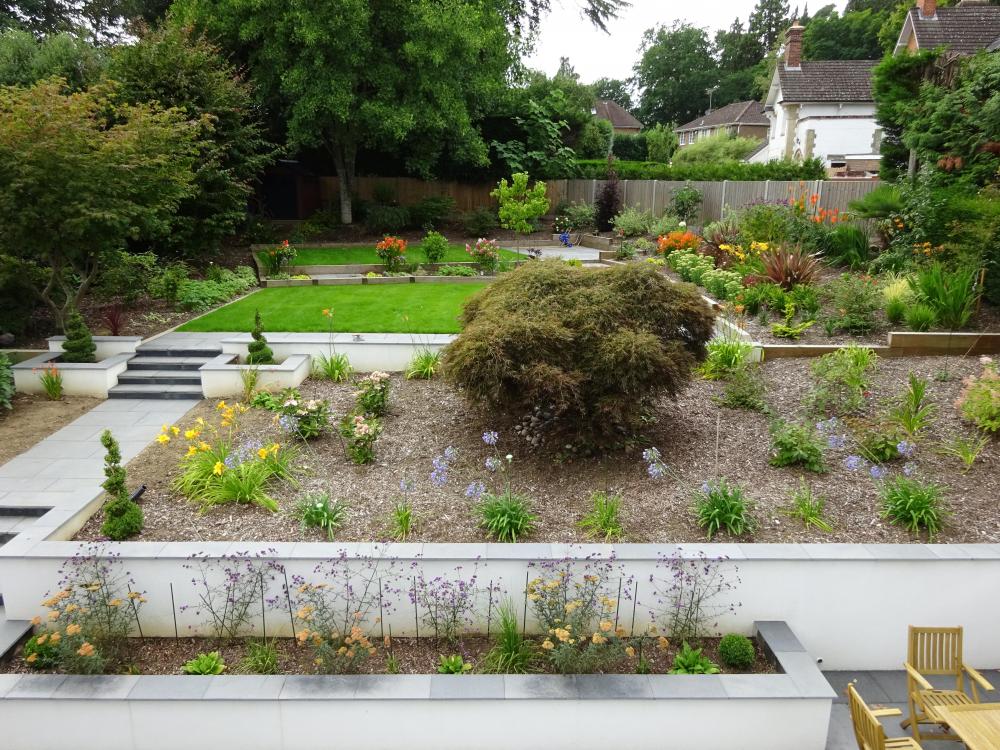
-

Handling transition into garage on raft foundation
HerbJ replied to jack's topic in Garages & Workshops
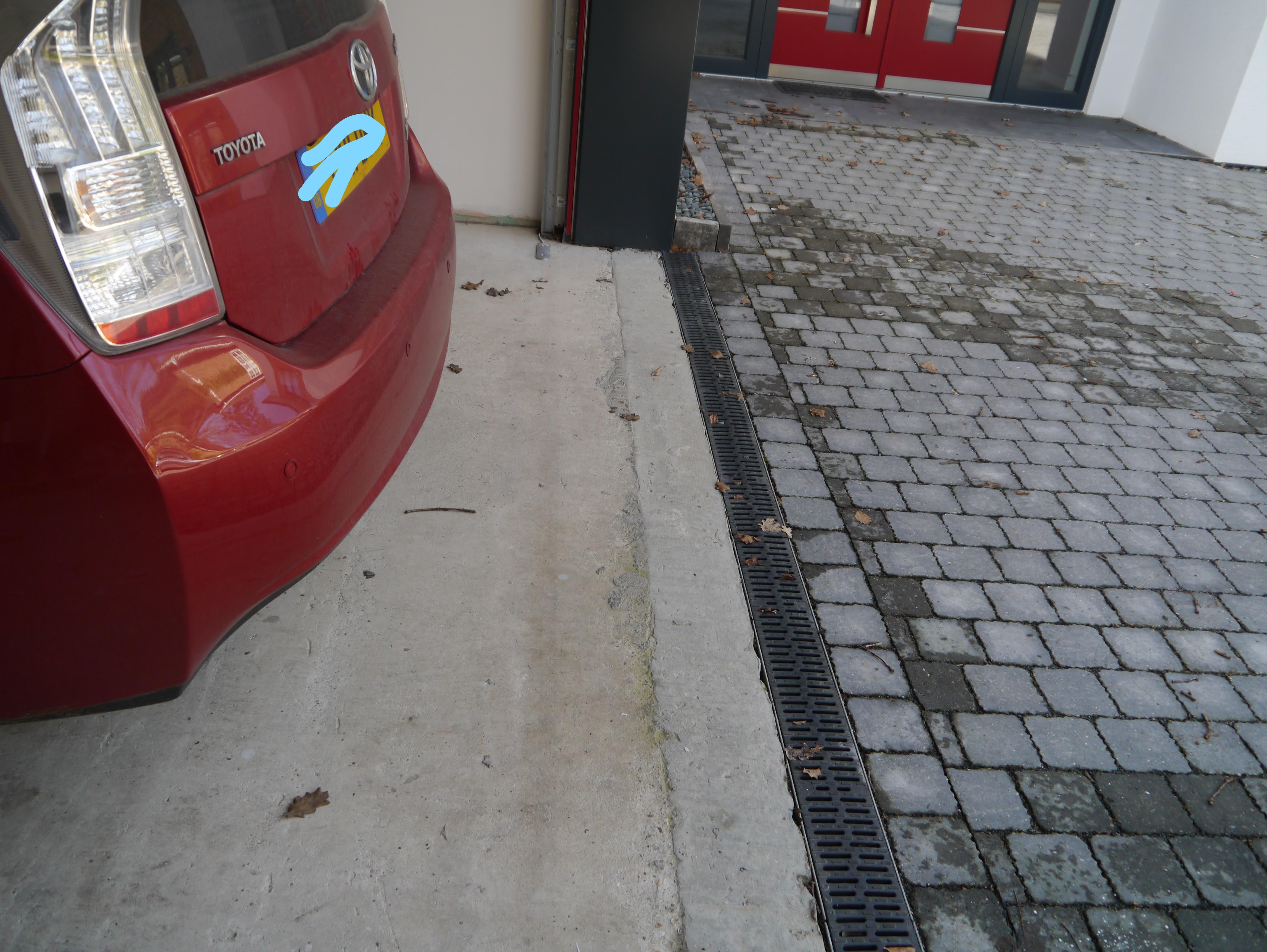
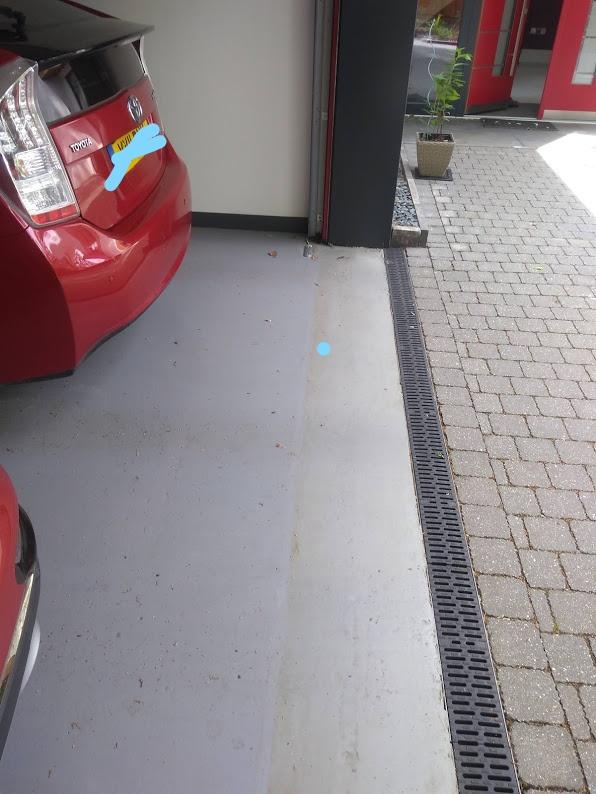
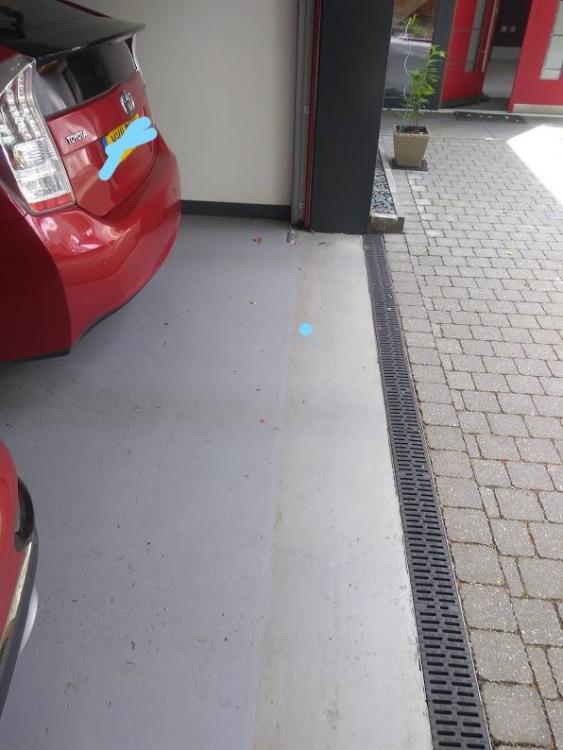
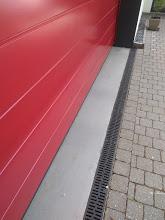
We cut out the EPS upstand in the garage door opening, pulled back the DPM and cast a level concrete infill. The DPM was just laid under and around the cast concrete infill. Looks like the same/similar approach as @Weebles Looks a bit rough in the first photo but it was leveled with epoxy and a commercial resin floor finish was applied to the garage floor - see photos taken just now. The slight colour difference on the garage floor is just sun and weather outside the garage door ffre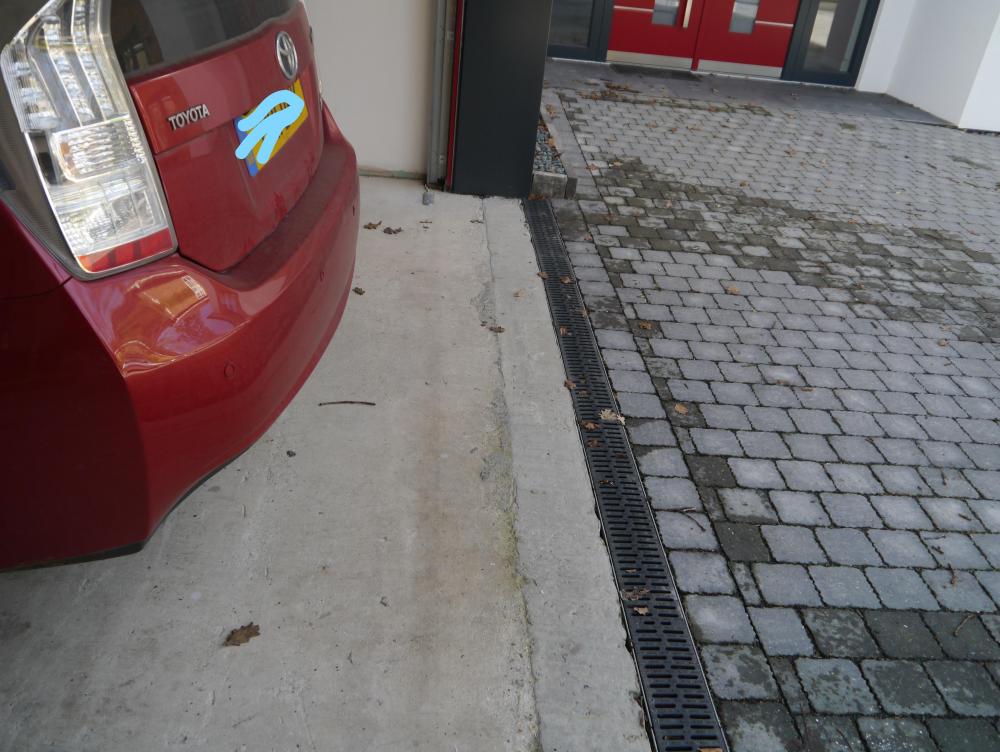
-
MBC foundation question. Do I need that much Type 1?
HerbJ replied to rufusmacdoofus's topic in Foundations
I had 16 loads, each 20 tonnes, of railway ballast -
MBC foundation question. Do I need that much Type 1?
HerbJ replied to rufusmacdoofus's topic in Foundations
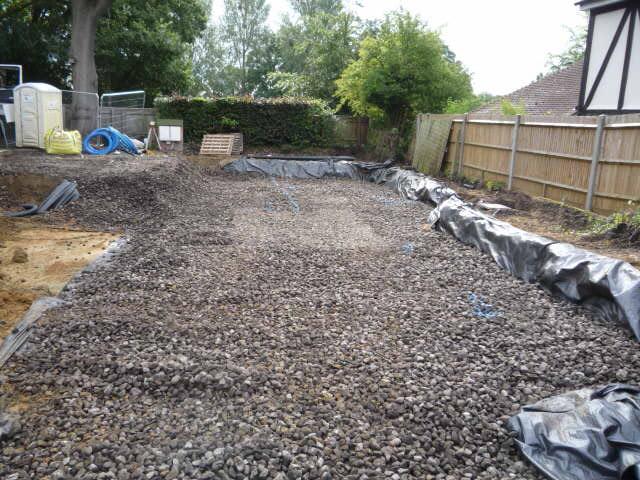
Yes, that what we used. The depth of our this material was deeper for our design 850mm for the front third, then 600mm for the middle third then 450mm for the rear third. our SE specced this because of two oak trees on the front boundary. Somewhere, I have the number of truck loads of railway ballast delivered to site, but I can't ;lay my hands on it. The ballast was installed pretty much as proposed by @PeterW Some photos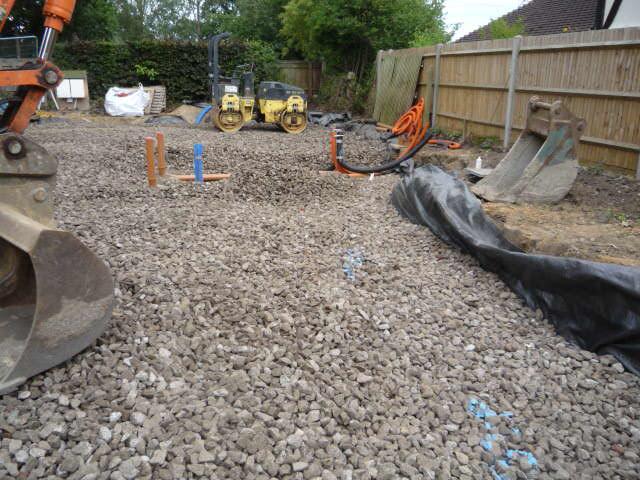
-
Front garden excavation for drive
HerbJ replied to Margaret dailey's topic in Landscaping, Decking & Patios
Forgive me if this seems rather blunt and harsh but it needs to be said. You must stop and listen to the advice you are being given above and seek professional assistance starting with an experienced structural engineer. The consequence of continuing without a complete understanding of your house foundations and the slope are likely to be catastrophic. As as described by @ProDave below- it may lead to failure of the current house foundations and the collapse of the front of both your and your neighbour's houses, leading to a far larger cost than the original retaining wall. Your building insurance company may not respond to such damage if it caused by your own negligence in NOT take seeking professional advice. Lots of nice people on BH are trying to give you some guidance on how to proceed to plan the work and get some idea of cost and what is possible but none of this advice can be relied on to undertake the work - none of them have seen the job site, nobody has carried out any site Investigation works and they are certainly not structural engineers, qualified to undertake a full design of the works to ensure structural integrity of the retaining wall and ensure structural integrity of the existing house You CANNOT AFFORD THE CONSEQUENCES OF NOT taking professional advice!!! -
There was another thread, to which contributed. I used a local glazing company for supply and install - see full thread below
-
It's also way off topic and little relevance to 99+% of the membership of Buildhub.
-
Which one of his guys did he hand on the business to? I had been trying to get hold of him about something minor but no response - your post explains why....
-
MVHR in large volume New Build
HerbJ replied to Triassic's topic in Mechanical Ventilation with Heat Recovery (MVHR)
It's a propriety system supplied with the MVHR system by PAUL. In fact, there is no control panel on the MVHR Unit. The touch screen control panel is directly connected to the MVHR by Cat6 cable and there is a special connector at the unit. From memory, there are only 3 cores of the CAT6 cable used. There is no connection to the internet for my model, but I believe that this may now be an option. https://www.paulheatrecovery.co.uk/product/paul-tft-touch-screen/ -
+1 to this
-
MVHR in large volume New Build
HerbJ replied to Triassic's topic in Mechanical Ventilation with Heat Recovery (MVHR)
The MVHR is automatically boosted when the light is turned on ( via a auxiliary relay,, and runs for 15 minutes after the light is turned off, in each of the downstairs WC, the bathrooms ( family and ensuites). Our MVHR system has a remote control panel ( which allows us to control all the MVHR settings), which is installed in the hall, close to the kitchen and utility room. So for us, it is a simple matter to manually switch the MVHR to boost when required when coking or drying clothes in the utility room. -
Wetroom - Forget it Pal. Damn and blast it
HerbJ replied to ToughButterCup's topic in Bathrooms, Ensuites & Wetrooms
You'll be fine cutting into the EPS for the shower waste. That's exactly what I provided for on my passive slab for a wet room. i did post on this subject on e-build a few years ago but don't have a copy of that post to share. So, i have provided details again I made provision for a wet room in the Ground Floor WC, though at the present, the shower former has not installed and it tiled over. I checked all this with the SE (Hedley Tanner) and the cutout in the foundation slab was formed with EPS before the slab was poured - see attachments. The plan was to install an ACO shower former and the shower drain at some time in the future, when required. We just have to remove the existing tiles and temporary EPS, rearrange the existing posh cloakroom into a wet room and lay a new tile floor with the former and drain . The waste drain will be installed in the top level of the EPS - really no different to the various conduits installed in the EPS for the kitchen island electrics. 1528-01 Foundation Plan- REV A.pdf Eastcroft Aco Wetroom gully 2.pdf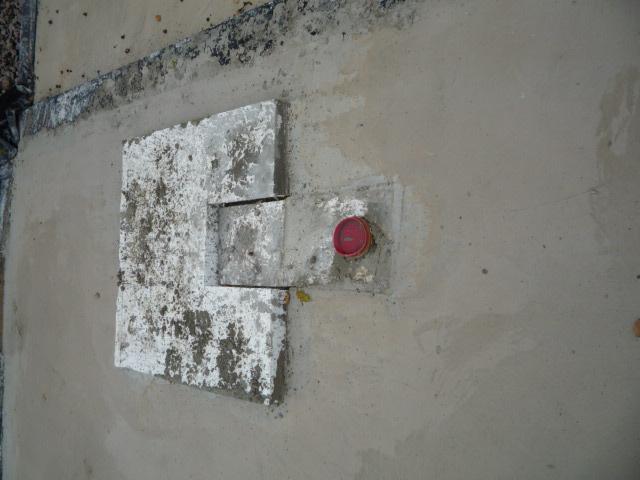
-
MVHR in large volume New Build
HerbJ replied to Triassic's topic in Mechanical Ventilation with Heat Recovery (MVHR)
Yes, it was attached to my post in the Topic started by @ProDave above that I referenced on Tuesday. To help you, I have attached again. 38167 HRV Volumetric Design 2015-4.pdf -
MVHR in large volume New Build
HerbJ replied to Triassic's topic in Mechanical Ventilation with Heat Recovery (MVHR)
Yes, that is correct. Stairwells and corridors, etc (rooms not normally habitable are not discounted as such, but benefit (and provide the conduit)from the airflow going from living spaces (supply air) to wetrooms - kitchens, utility rooms, bathroom and toilets. That's why it's important to balance supply and extract volumes. Also , why all doors should have the ability to allow airflow bypass/transfer pat all the doors when closed, . I believe stairwells, corridors etc are characterised as" overflow" spaces" in DIN standards and on my MVHR volumetric data sheets as "Vthrough". That being said, it is not unacceptable to put a supply/extract duct in a hall. For instance, I am aware that @Jeremy Harris installed an extract grill in the his hall, outside the kitchen door to assist with minimise kitchen smells being drawn though this overflow space and into the rest of his house. I haven't found this an issue or need with my MVHR design! -
MVHR in large volume New Build
HerbJ replied to Triassic's topic in Mechanical Ventilation with Heat Recovery (MVHR)
On reflection, it may have been useful to have an extract in the Dressing Room, but it is a small room after all the fittings were installed and the extract volume would have been very low. A through vent is a good idea . We also fitted an extract in the Plant Room, as an afterthought during the installation, as it was very easy. It is not in the original Design calcs but it is on the Commissioning Test Sheets. -
MVHR in large volume New Build
HerbJ replied to Triassic's topic in Mechanical Ventilation with Heat Recovery (MVHR)
Yes, I was advised this as well. I have an enthalpy exchanger for the that reason - only 2 occupants usually in a 5 bed house ( 340m2) -
MVHR in large volume New Build
HerbJ replied to Triassic's topic in Mechanical Ventilation with Heat Recovery (MVHR)
See this Topic in which I give details of the way that my high volume MVHR system design was resolved. My system volume calculations, detailed by my MVHR designer, are included for reference. Looking at your volumes, I think my volumes are much higher and I have a single 450m3 MVHR which normally runs at less than 40% capacity. I hope it helps....... -
Heads Up! Ordering from Germany.
HerbJ replied to ToughButterCup's topic in General Construction Issues
Agree- we bought fittings from all over Europe - Ireland, Germany Poland, Italy, Austria - and did exactly as outlined by others above. No problem claiming the applicable VAT on our HMRC Claim -
I believe this is correct but ONLY if it is invoiced as part of the total package and not separately. We had a staircase designed, manufactured and delivered. It was expensive, with a long design/manufacture schedule to suit our build and we reasonably agreed to stage payments. Unfortunately, Stage 2 Payment was invoiced as Design Service. it was only 10% of the total cost but HMRC rejected the invoice from our claim, because of the Invoice description. So, include the design services within the total package cost and if you are agreeing Stage Payments, make them Stage 1, Stage 2 etc and do not be specific on the Invoices,that is Stage 2 ( or whatever)for Design Services. The Stage Payment milestone achievement criteria can be described in a a separate document ( for, example the contract...)
-
Setting up / balancing my MVHR
HerbJ replied to ProDave's topic in Mechanical Ventilation with Heat Recovery (MVHR)
That's correct. Sizing MVHR is not an exact science and it seems prudent and sensible to look at various methods/standards to achieve a reasonable and practical design approach - that is what the more experienced suppliers/designers do. Ah, I can see understand your thought process - I believe the md of Paul Scotland is German and he is very experienced, bringing a sensible and pragmatic approach to MVHR design, so looking at the design from both UK BR requirements and DIN standards. It's not something you may get get from many of the UK suppliers! -
Setting up / balancing my MVHR
HerbJ replied to ProDave's topic in Mechanical Ventilation with Heat Recovery (MVHR)
I can assist by providing the Volumetric Design Calculations that were produced for my MVHR systems. These were produced using two different approaches for the design target levels for each room - the DIN standards and also the BR Part F Requirements. The reason the bedrooms have different flow rates is basically because they are different volumes... Note, my house is located in England @Bitpipeand I went through the same brain twisting being experienced by @ProDave and I produced this note to rationalise my thoughts at the time. I hope it helps you ( note, the figures quoted were early in our design process and sizes changed during development of the build and the Helios Tool is an online app for calculating design volumes according to the DIN standards) .... I have been contemplating our MVHR designs and it is very clear that both designs are completely dominated by the BR Part F requirements for whole house ventilation. Table 5.1 (b). - for Eastcroft = 364m3/hr and for your house 372 m3/hr ( depending on your measured GIFA). Anyway it seems to me, and to others, that though we will have demonstrate that our systems can meet this requirement for BR , we would never operate the system at this level and the system would be set up for something completely different. Unfortunately, it is this system sizing that most of the less experienced retailers focus on when they sell their systems and thisn drives a requirement for these systems to be sized and operated at this level. I am fairly sure that where Zehnder are coming from by insisting that Eastcroft requires two Comfotair CA550 units, so that they run quietly at a much lower operating point they will never see again after the BC have approved the installation. I have also come to realise that though the DIN designs managed to produce from the Helios Tool are correct, for what I entered but I have probably entered some rooms that may not require individual extract/supply air and this has potentially oversized the system, though DIN does seem to be able to take into account the practicalities of operating systems at various levels - Moisture Protection, Reduced, Nominal and Intense ventilation So, realisng my lack of MVHR experience, I have trying to found some practical and sensible technical approach to sizing MVHR systems and even tried to get a copy of the DIN standard (no joy, it costs 140 euros). Finally, I came across a recent Passivhaus document that was actually highlighted on ebuild only within the last week. I attach a pdf version of the Chapter 5 which provide practical and passivhaus approach to sizing MVHR systems see http://www.ebuild.co.uk/topic/16037-how-to-build-a-passivhaus/page__pid__121081#entry121081 So, I have quickly used this simplified and practical approach to re- look at both Eastcroft and your house. For your house, if we just take the quoted extract rates for your kitchen, Ensuite bath, two family bathrooms, utility room and cloakroom this gives a Extract Requirement of 240m3/hr. Then for supply, I reckon you have nine habitable spaces at 30m3/hr = 270m3/hr. In any case, your house will only have 4 occupants and this should also be taken into account. So, taking the Standard (or nominal setting as per DIN) as 0.3 ACH = 0.3*853m3 ( the volume of your house from Helios) = 255.9m3/hr and the Boost Rate = 1.3* 255.9 = 332.6 mm3/hr. So these "passivhaus" recommendations are not too dissimilar to the Helios Fan supported airflow volumes, according to DIN, on page 4. In Part F the boost rates for extract volumes are for kitchen =48.83m3/hr, cloakroom/toilet = 21.6m3/hr and bathrooms = 28.8m3/hr. so the passivhaus recommendations are all higher except for the cloakroom /toilet which was 20mmm3/hr This starts to provide a little more confidence about sizing of our MVHR systems, rather than to start and finish at Part F Requirements . 38167 HRV Volumetric Design 2015-4.pdf How_to_build_a_Passivhaus_Chapters_5_to_9(3).pdf -
MVHR newbie.. help needed
HerbJ replied to Savage87's topic in Mechanical Ventilation with Heat Recovery (MVHR)
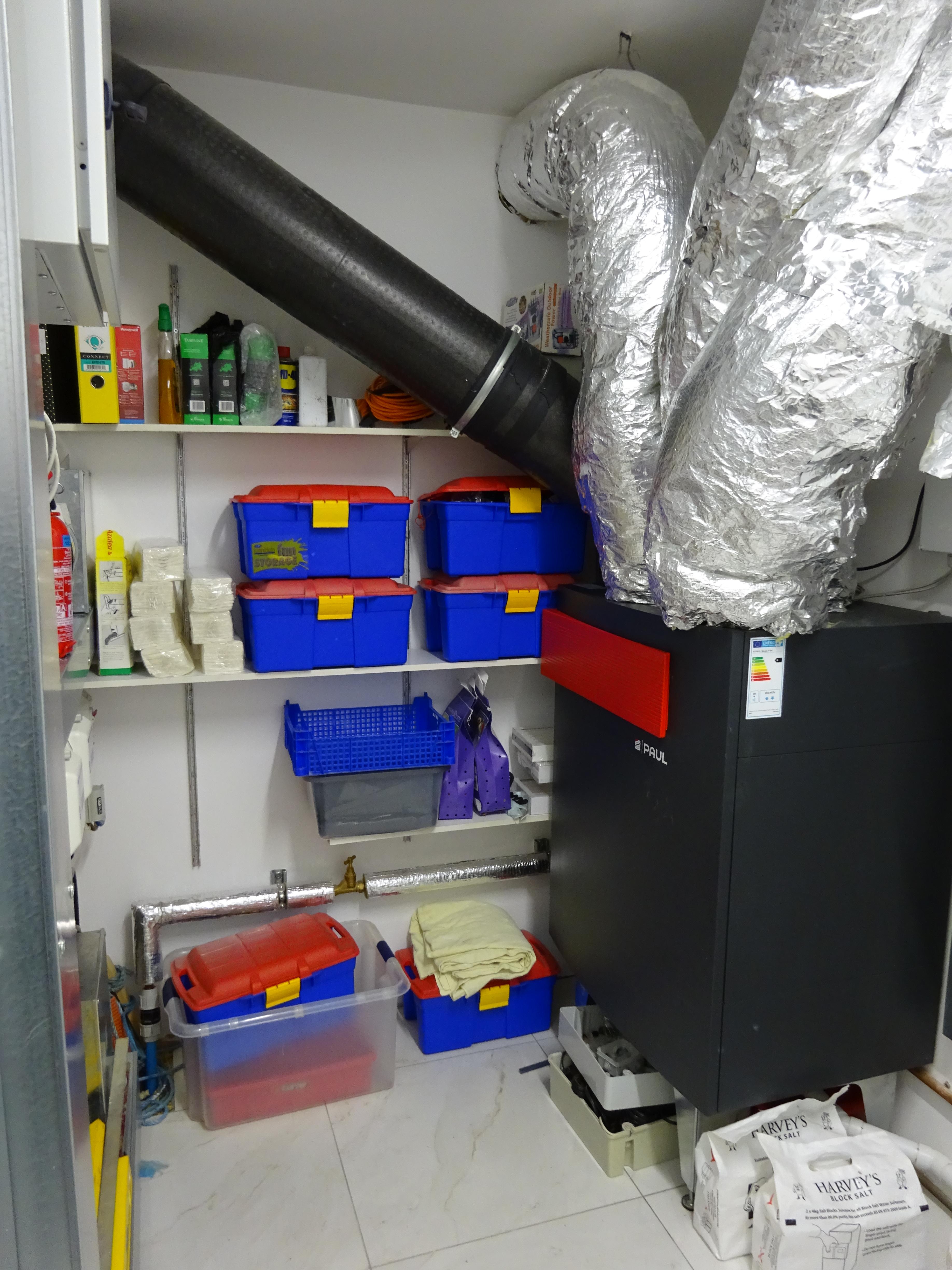
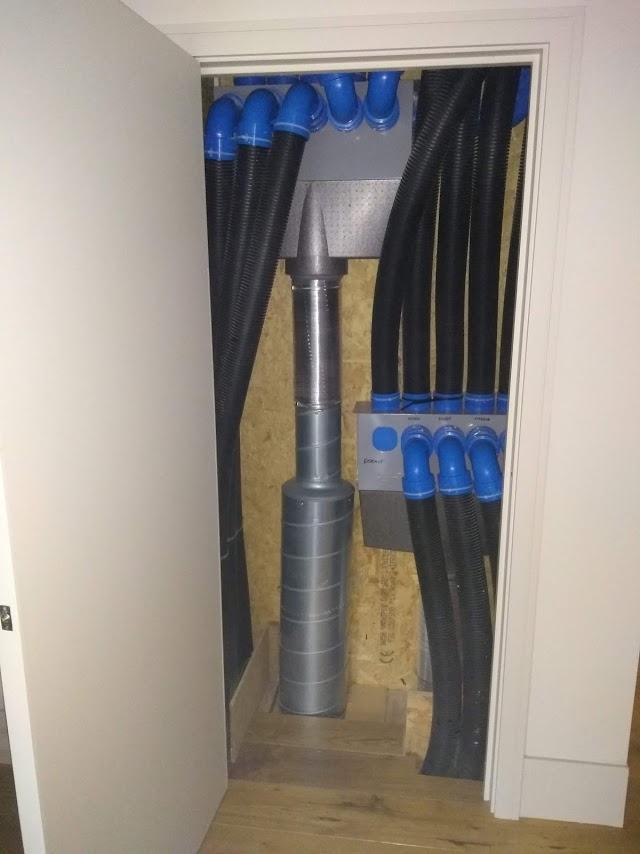
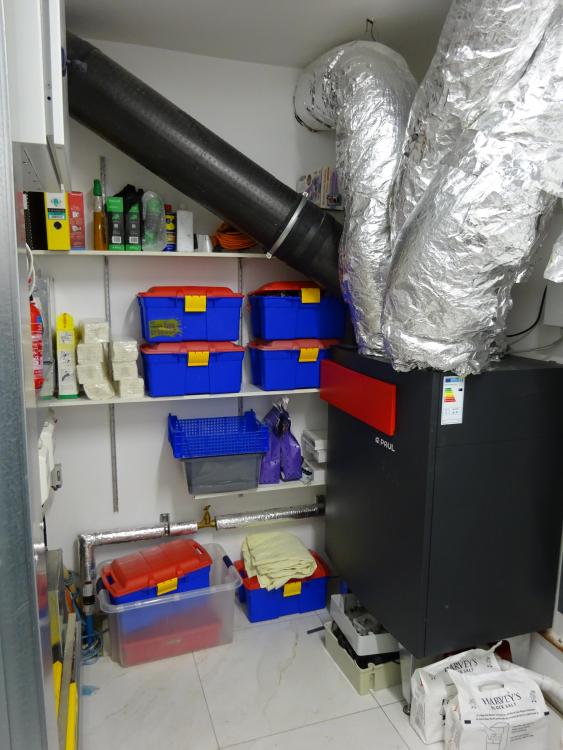
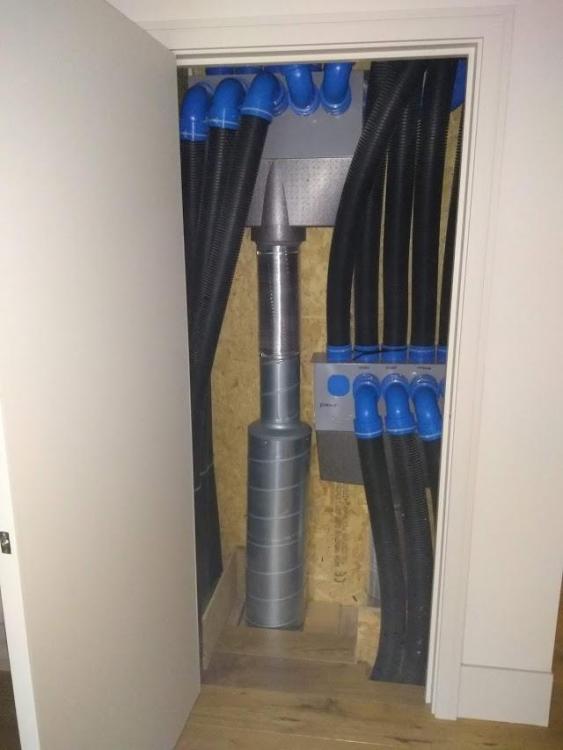
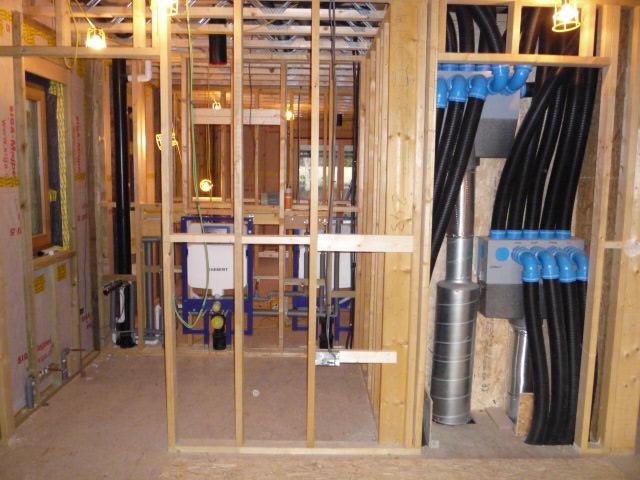
Yes, I installed a Paul Novus 450 in 2016 and it has been operating successfully and quietly since it was commissioned in October 2016. I routinely change the filters. It is installed in a reasonably Plant Room , which is accessed from the garage and is adjacent to the downstairs cloakroom and pantry/utility room. The MVHR unit is mounted on feet, directly to the floor (passive foundation) and not attached to the TF structure, so no vibration induced noise.. I ensured that good sound insulation was installed on walls and ceiling. When in the Plant Room, the MVHR unit is relative quiet in normal operation but the noise increases on boost, but not enough to be uncomfortable when working in the room ( cleaning golf clubs as I was on Monday). Outside the Plant Room, in the garage or house, it is completely silent, though if you have really good sensitive hearing you might just hear a very low noise on boost, when you are in the cloakroom. The MVHR unit has flexible silencers to connect to the steel ducting, which goes to the two plenums in the room above ( see plenum). I have also wrapped both the flexible silencers and the insulated extract duct (from the MVHR to the outside extract grill) with a layer of aluminium foil faced ductwrap insulation, which made a noticeable reduction to sound level on boost. The Plant Room is located immediately, below the Guest Bedroom and there has never been a noise problem. In fact, the inlet and extract plenums are installed in a service cupboard in the guest Bedroom and they are completely silent. The plenums are connected by steel ducting and a large silencer before the inlet plenum and a flexible silencer on the outlet from the extract silencer. All the inlet and extract vents in each room are reasonably silent except for a slight increase in noise on the extract in the Family Bathroom when on Boost.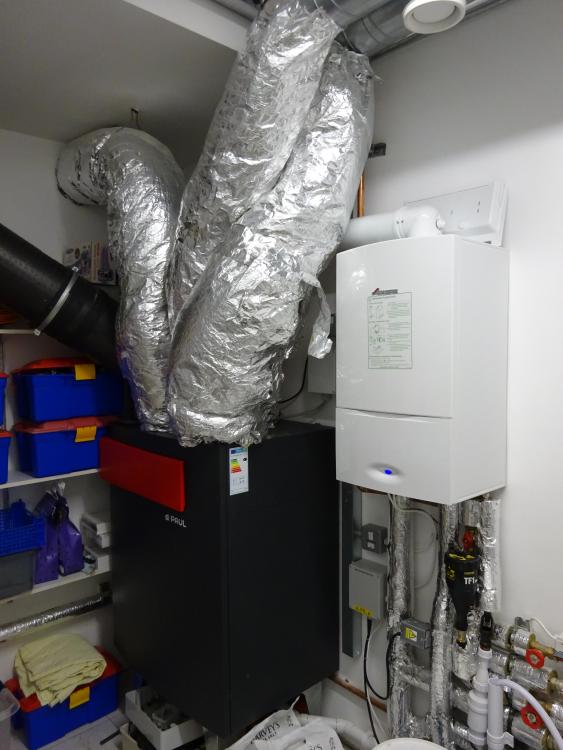
-