


Mr Punter
-
Posts
8582 -
Joined
-
Last visited
-
Days Won
27
Everything posted by Mr Punter
-
Grohe Concealed Cistern - Very very slow weep into pan
Mr Punter replied to steveoelliott's topic in General Plumbing
I have found that they all leak. I have used several makes. We are in a hard water area so it may be the scale that kills them. Just had to refund over £100 to a tenant because she has said her water bill is high due to a leaky cistern. -
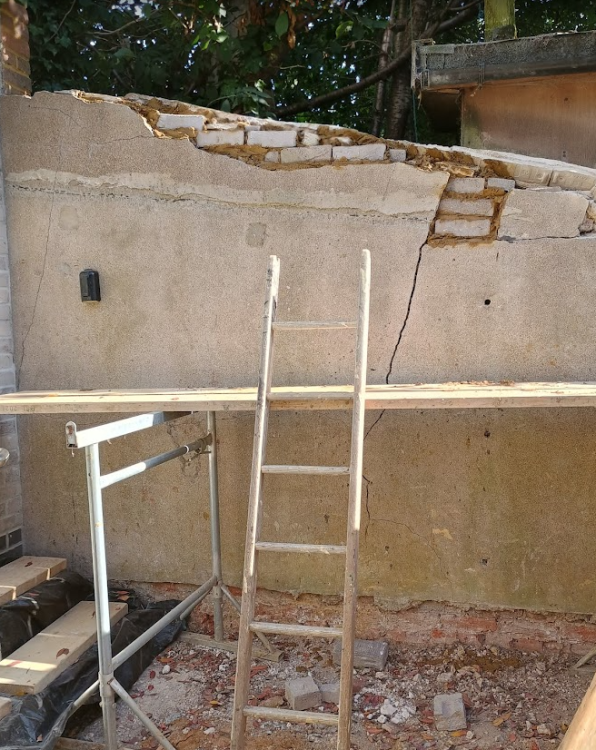
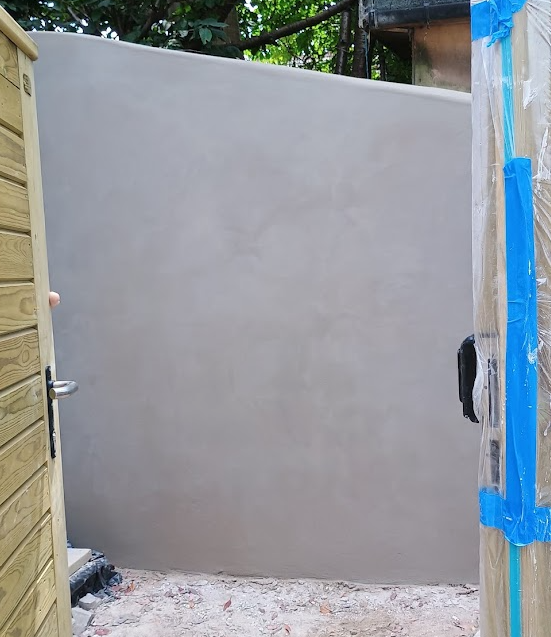
True although I got lucky recently and found a couple of guys to do some rendering from seeing them on another job still working at 6:30PM last Tuesday. Very keen price for the location. CIS registered. Got on with the job on Saturday, Sunday and this morning and they are popping back this Saturday to finish up. Albanian and Afghani. Before: After:
-
It is an awful looking job. There are lots of photos of bits you will not normally see. I would want all the unpainted timber ends to be properly coated to protect them. Smarten up the grp. Leadwork looks rough but is hopefully keeping the rain out. Make sure everything is secure and properly fixed. I agree with @Jenki that nobody would try to move a rafter on an existing roof to get a vent tile central.
-
Aluminium box gutter in non standard ral colour
Mr Punter replied to G and J's topic in Building Materials
I have used Guttercrest powder coated ali gutters and copings. Nice quality and still looks OK. The brackets were fixed with stainless screws. 7 years on no sign of corrosion. -
Umm I think you mean push back...
-
Blimey what is the cost of that patio and sleeper retaining wall? Also, was it designed and built by others, or were you in charge? That is a lot of work and very well executed.
-
Another vote to sell. I have a small HMO but I doubt it will easily sell so I am stuck with it. It is a maisonette above a launderette.
-
Hello Mark and welcome. In the plan section you do not need the DPM. If you really want something, you could add breather membrane. Leave a 25-50mm gap between the studwork and the brick wall. Add a polythene vapour barrier where you have shown. On the floor you may want a layer of EPS or PIR, then T & G chipboard floating floor. Easier to clean and more comfortable. This will probably be easier to build in place. You could also insulate the ceiling, but that may be a hassle. If this is for frequent use and / or it gets damp, add some ventilation.
-
Will you paint some bitumen or staple some DPM to the back of the sleepers before you backfill?
-
Yes your 18 degrees would count as pitched. Any chance of a section drawing of the eaves and ridge? Also what is the roof material?
-
Ahh OK. I assumed it was a shallow pitch lean-to, thus treated as a flat roof. What is the roof covering? Why are you against eaves and ridge ventilation?
-
Finishing window reveal around brackets?
Mr Punter replied to BadgerBadger's topic in Windows & Glazing
Yes it was a lot of messing around that I could have done without. Very few contractors take pride in their work. Here is an intermediate stage: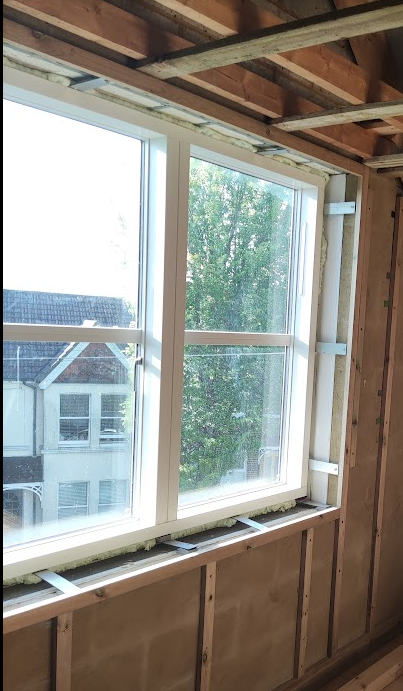
-
That should not be there on a proper warm roof. No timber on the cold side of the insulation.
-
Structural warranty and internal fire doors
Mr Punter replied to WisteriaMews's topic in New House & Structural Warranties
No. Any competent chippie can do this. Some BCs / Warranty people want a certified door set. -
The VCL is to stop warm moist air getting into the joist space and condensing on the joists or deck. The VLC will typically go on top of the flat roof deck, followed by firrings, insulation and waterproofing. A warm roof should not be ventilated.
-
Plus it messes with the blockwork coursing.
-
Finishing window reveal around brackets?
Mr Punter replied to BadgerBadger's topic in Windows & Glazing
I agree it looks very poor, but it is the way of things on sites all around the country. At least they were firmly fixed and reasonably level and plumb. It was a bit of a battle getting the cill and reveals to work. Here is how they are when finished: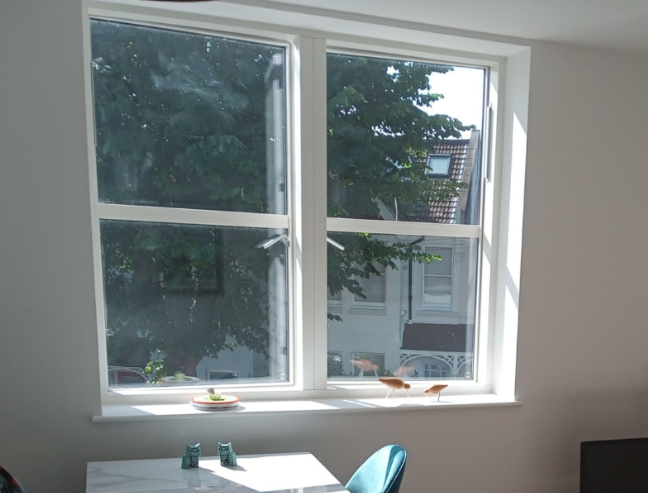
-
Finishing window reveal around brackets?
Mr Punter replied to BadgerBadger's topic in Windows & Glazing
I would say that is fairly standard. Here is one on a project of mine fitted by a Velfac approved installer: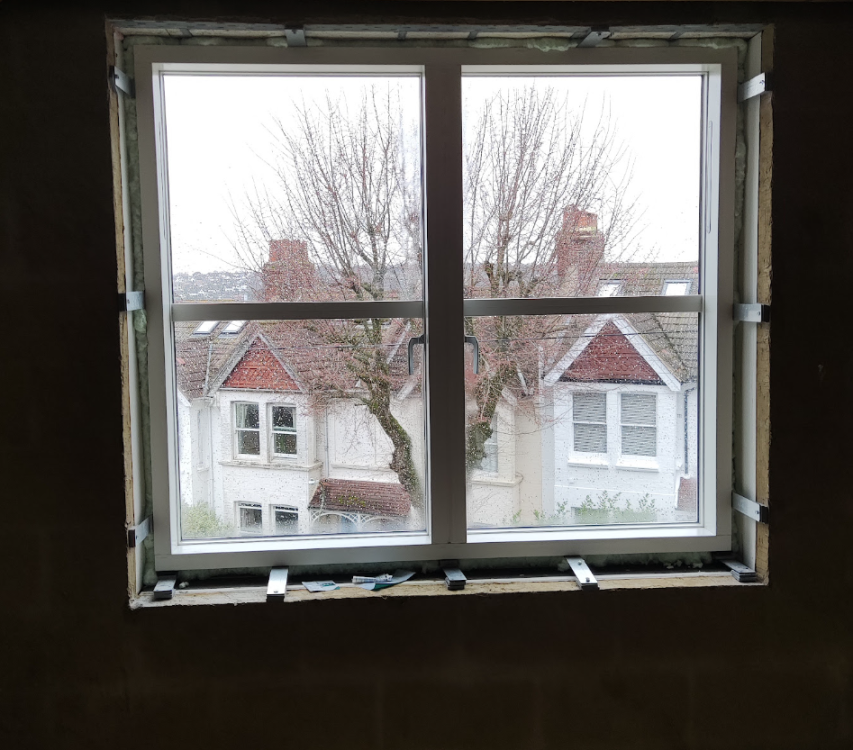
-
Could you introduce any ventilation along the open part, along the front? A drawing or photo may help.
-
That is very odd. There is normally plenty of notice for the committee meetings, especially as you are the applicant. Less than a fortnight is ridiculous. Did the officer recommend refusal? You could still appeal.
-
In my experience balconies accessed from bedrooms are seldom used, unless it is a hotel room. Have you had this work priced?
-
Porcelain Patio advice needed!
Mr Punter replied to Sam odell's topic in General Self Build & DIY Discussion
The easiest way to adjust the fall is with MOT. I it will be fine, as long as it is properly wacked down. It seemed that you had already ruled out option 1. Bear in mind you will have about 40-50mm mortar plus the slabs. I would not have a fall towards the wall unless it was unavoidable. If you have to go that route you could have a slot drain against the wall, but it will need part of the slab breaking out to install plus it will need to run to a soakaway. I specified DekDrain Edge recently and it looked quite good and they deliver small quantities direct. You could have perimeter borders and drain to them but for this you will need to break out lots of concrete. -
If they are already in it is tool late. They are on the warm side of the insulation anyway, sticking out into the room so should be fine.
-
Could you add an extra batten?
-
Unless this is a good reason to do otherwise, stretcher bond works well for buildability, economy, durability and structural soundness. The selection of brick and mortar colour can make a huge difference.



