Jump to content

SteamyTea

Members
  • Posts

    23703
  • Joined

  • Days Won

    198

Everything posted by SteamyTea

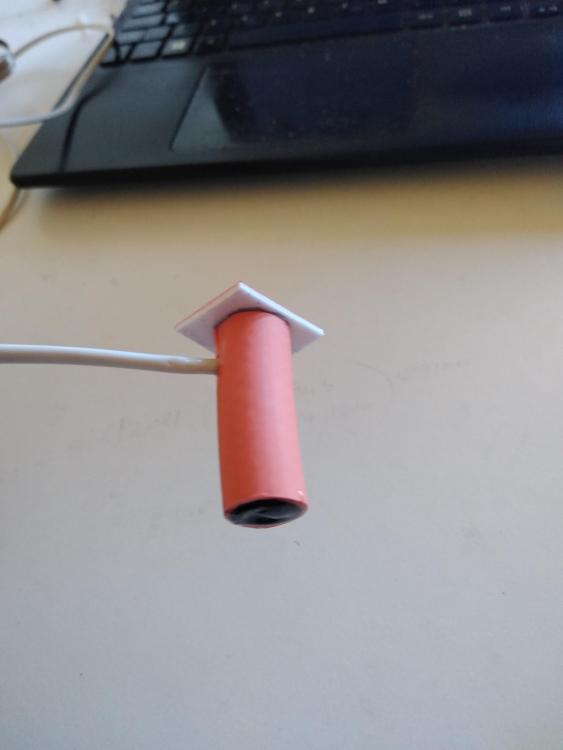
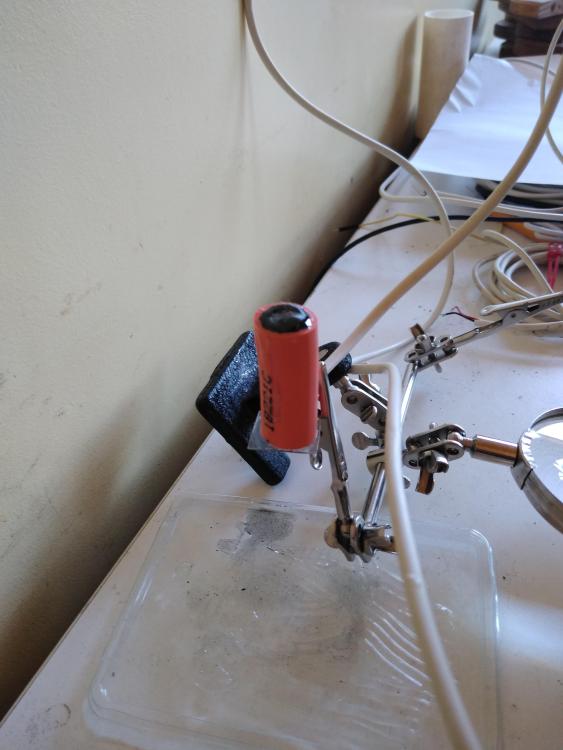
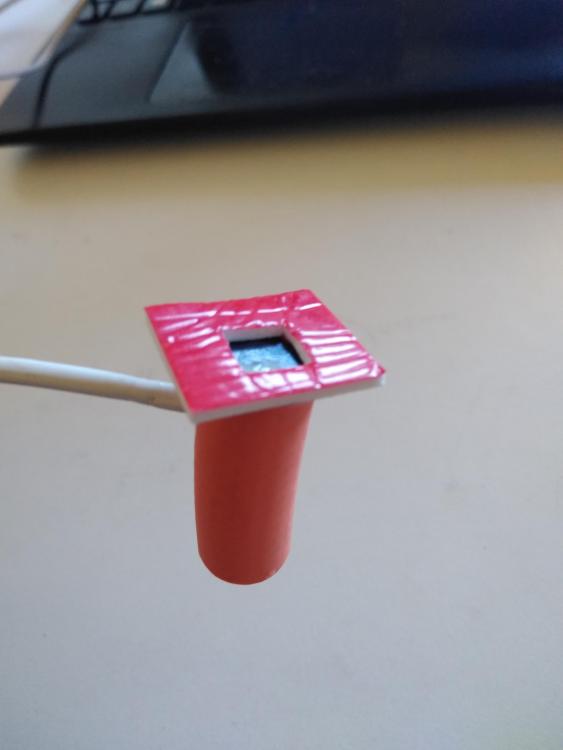
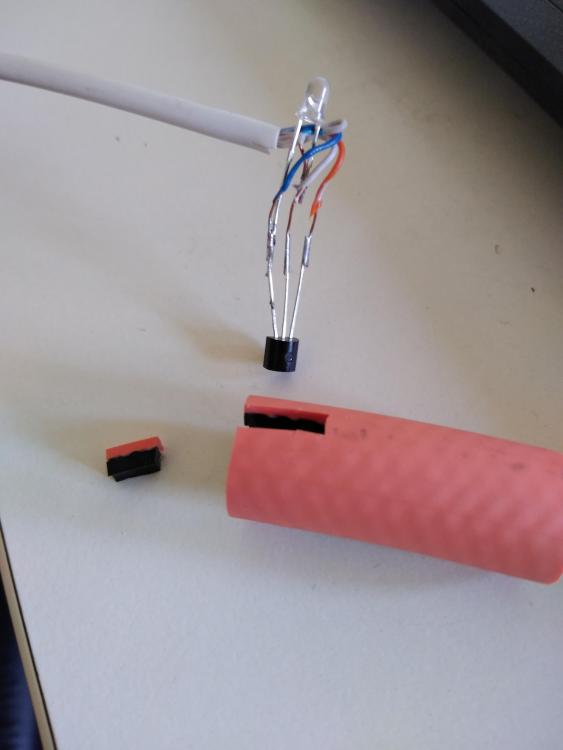
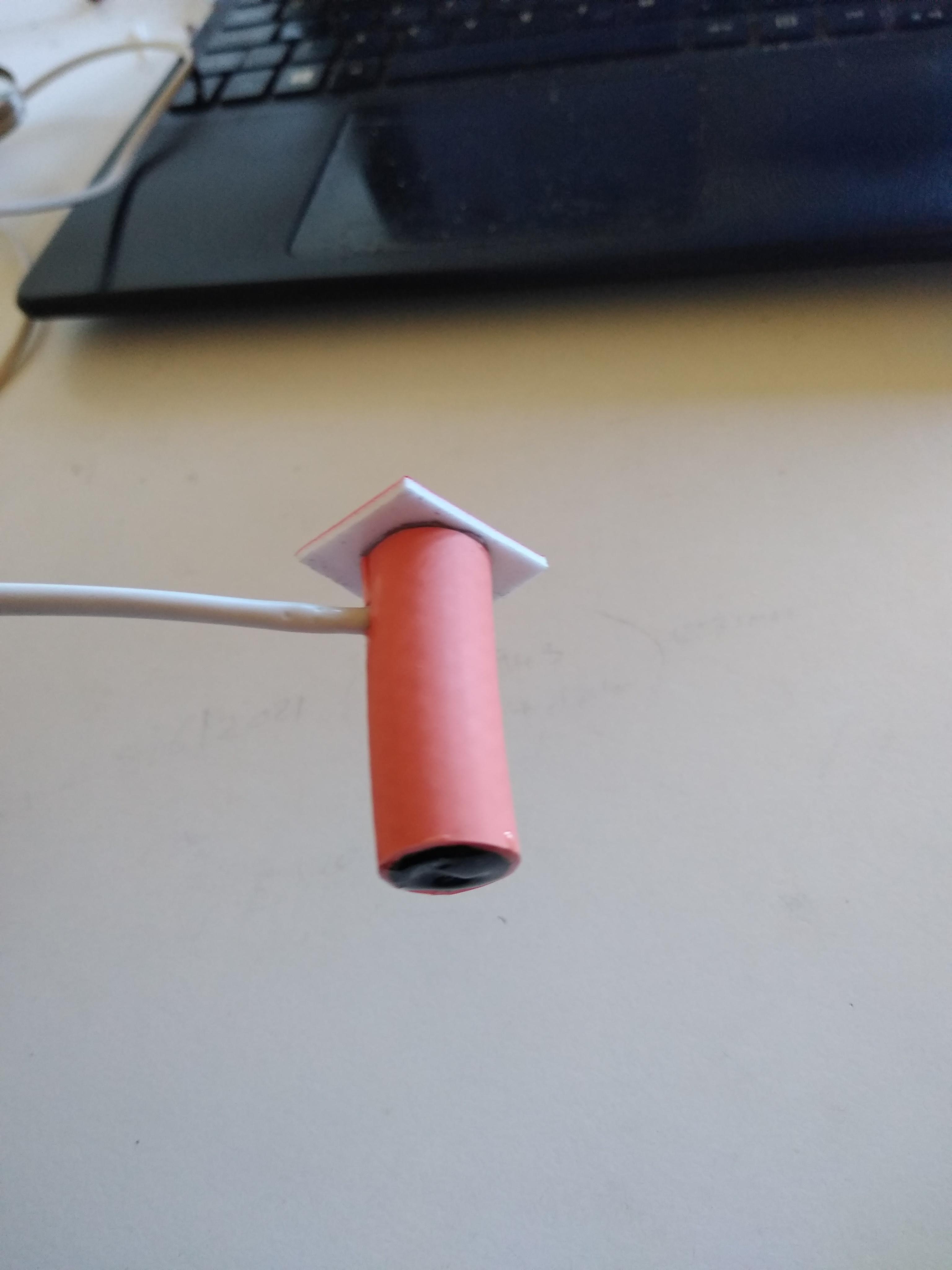
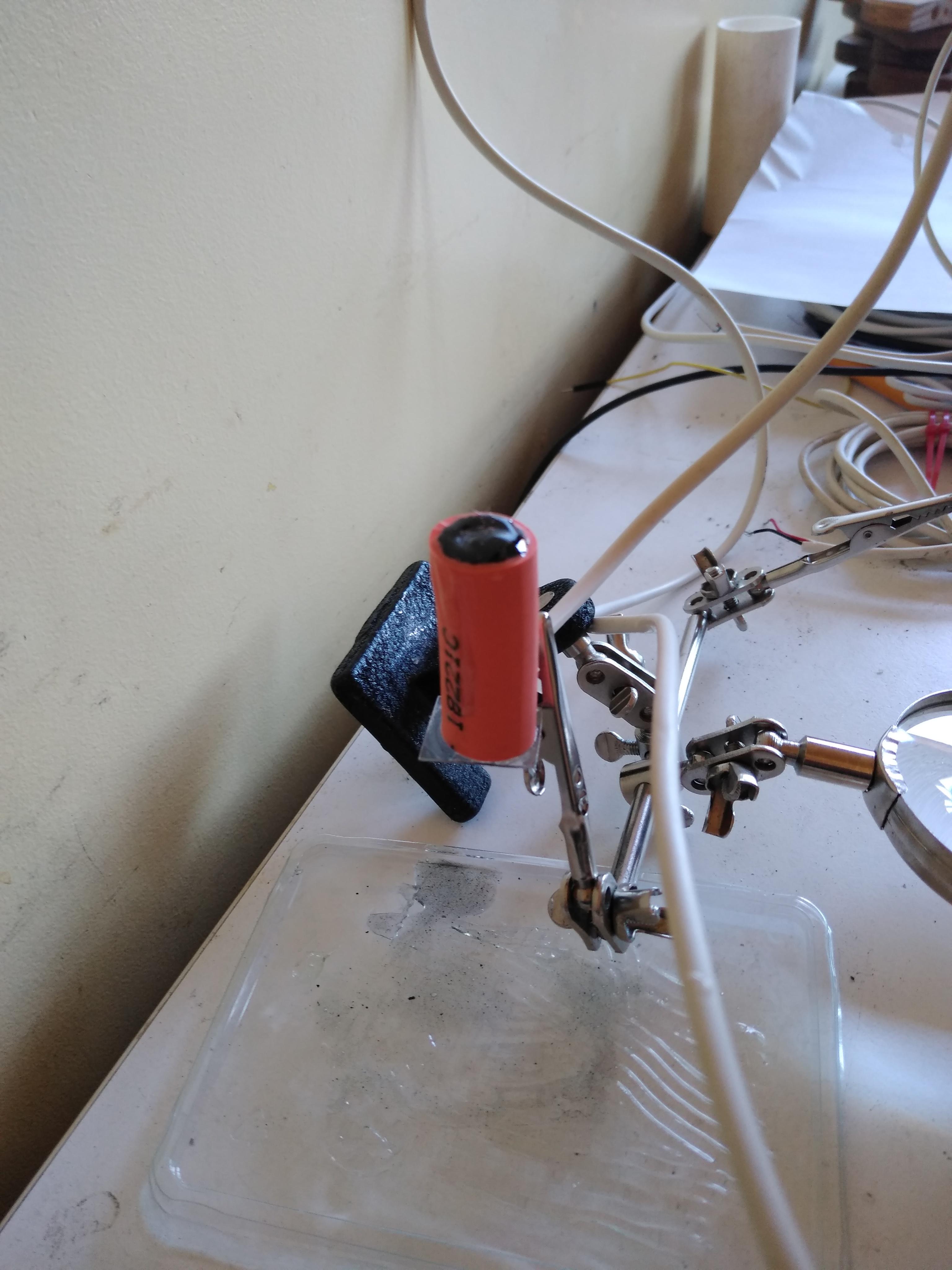
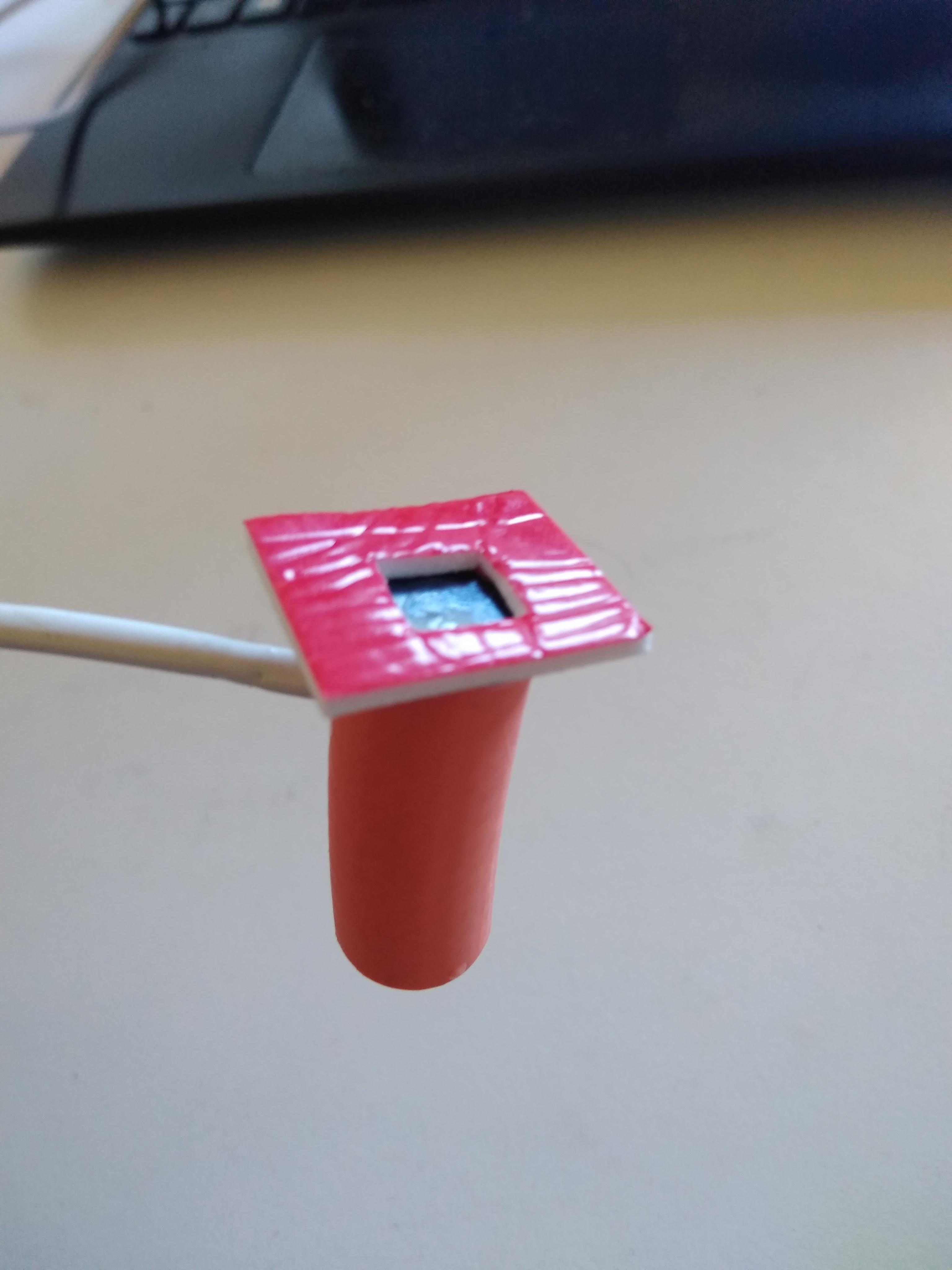
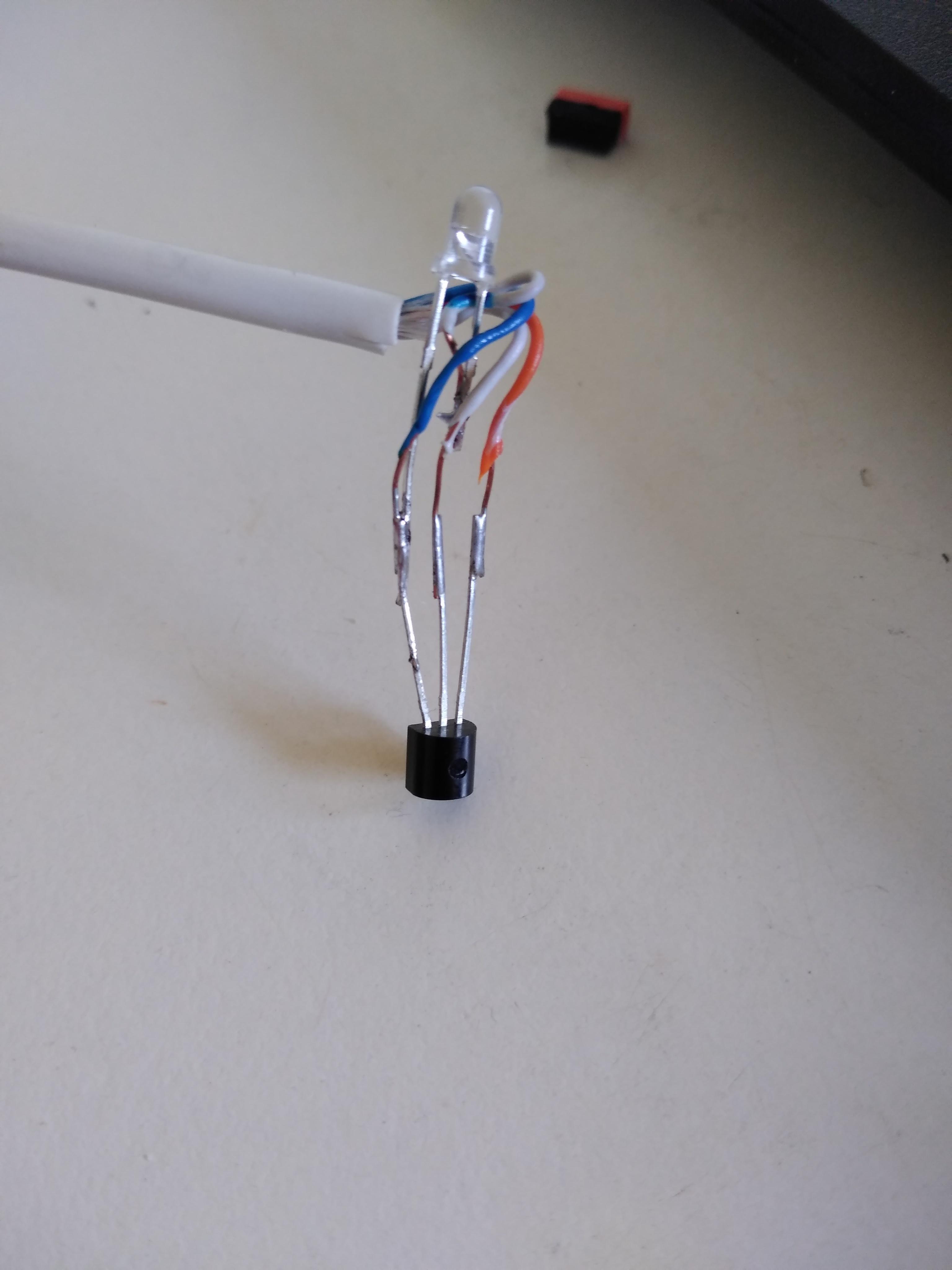
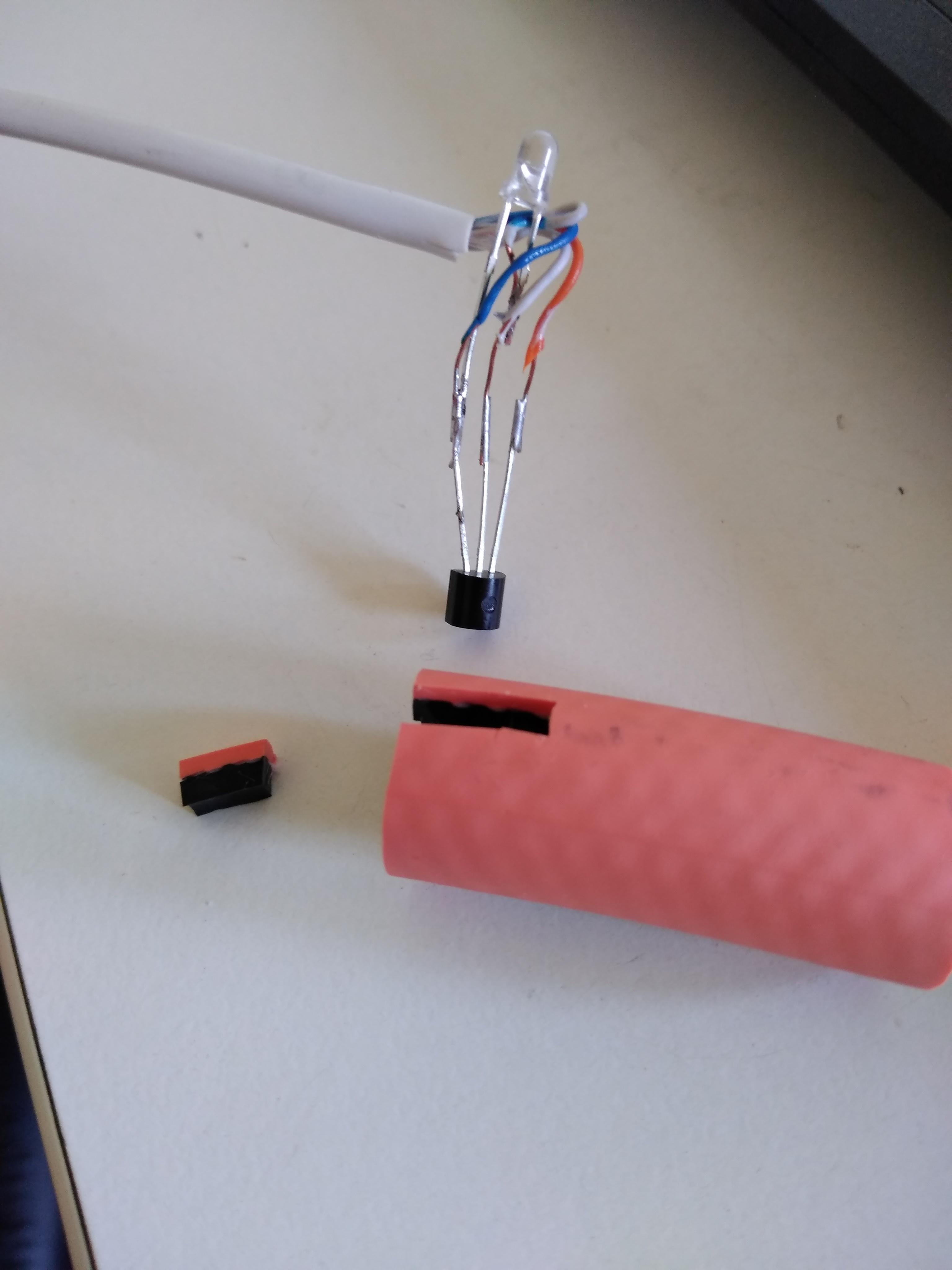
  1. I may give that a go as I have never managed to get it to SSH in with the 'create an empty file' method. Can you get small crimps to join very small wires. Though that is more things to buy. I am going to look around the shops and see if I can find anything that can be easily modified to make the LED holder. I used a bit of rubber pipe and some epoxy. after super gluing the LED into place. Picture to follow in a few minutes.
  2. May be called something else in UK. Work on improving it. Makes any heating problem smaller.
  3. Thanks. Shall see what I can knock up.
  4. Like that today, and we have an extreme weather warning issued. I am off to the beach, it may get to 23°C today.
  5. Yes, could probably work out the dB of it know the energy and power it is delivered at.
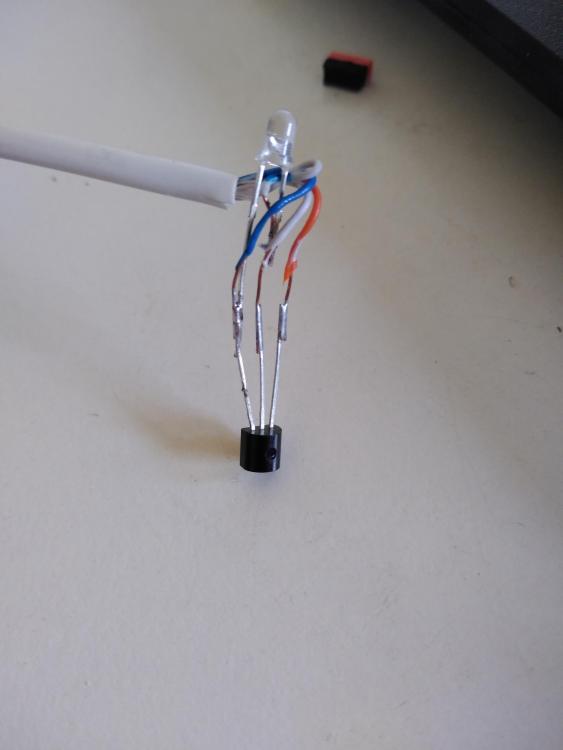
  6. Welcome There seems to be a number of things going on here. An ASHP, generally, does work better when the temperatures are higher, but they can take a dip in performance when the OAT (outside air temperature) is between 0°C and 4°C, this is due to the humidity. The next thing is to do a proper calculation of the house's thermal losses, this is independent of the heating system. It will give you a kW/°COAT value. Without this, it is all guesswork. Just knowing the worse case is of little usage as that case may only happen for a few days a year, and at 11p/kWh for electricity, you just plug in some fan heater. OAT is usually normally distributed, so once you know the kW/°C, you can calculate the total energy, the kWh, for a day, a week, a month, a year. Next is the choice and size of ASHP. Heat Pumps all work the same. They expand a gas, which cools, that cooled gas then gets warmed up and, during compression, warmed up even more. Depending on the gases used, the operating temperatures i.e. the min and max, vary a bit, but not much in practical terms. Never worth trying to work at the extremes, pick the middle 70%. So if a manufacturer claims that the ASHP works down to -10°C and can deliver to 65°C, then work with a temperature range of 52.5°C, with the bias towards the lower end, so between -2°C OAT and 50.5°C delivery temperature. 50.5°C should heat any store to around 48°C comfortably. Now the tricky bit starts, and highlights why you need to know what power your house uses. All a thermal store, or buffer, does is allow the ASHP to run to a fixed target i.e. 48°C without having to overshoot that temperature. While the ASHP is delivering energy, energy is taken out of the store to heat the house. As the house warms, the return temperature from the radiators reduces. The maximum efficiency is when half the energy is taken out. So if you can deliver, after pipe losses, 46°C to the radiators, and knowing that your ASHP is delivering at 52.5°, half the difference is 6.5°, so the return temperature should be around 39.5°C. The flow temperature may vary a bit depending on what temperature you like your house at. Say you want your house at 22°C, the radiators have a mean temperature of 43°C, that is a temperature difference of 21°C. Radiator manufacturers usually have a chart to show what size, for a given power output, their radiators will deliver, at different temperatures. That will size your radiators (rule of thumb is that just over double the area for halving the supply temperature is pretty close). That is the radiator sizing sorted. Now the thermal store, or buffer tank. All this does is allow the ASHP to run for a decent amount of time. Think of it as the driving to a main road. As you wiggle though the lanes (or sheep tracks in NZ) your fuel economy is dreadful, but once on the main road, you can drive faster, but much more consistently, and get a decent amount of distance out of a litre of fuel, even when you have to overtake a tractor, you have momentum on your side. Like anything, there is always a compromise, store too much, at too higher temperature, you loose, store too little, at two low a temperature, you loose, and the ideal spot is constantly varying. To make matter even harder, the standard units for domestic energy and power are similar, energy is the kWh, power is the kW. Now you have worked out the power needed to warm your house for any given OAT, and hopefully accepted that an ASHP will not deliver at the lowest extremes. So how do you size a store. Well we have already worked out the flow and return temperature difference, 6.5°C, we know the temperature window we are working with. Heating up a litre, or in real money, a kilogram, of water takes 4180 joules of energy, or 4.18 kJ. That converts to 0.001161 kWh. A small amount. But of you have 1000 litres, or 1 tonne, then at 6.5°C temperature difference, that is 1000 [kg] x 6.5 [Δ°C] x 4.18 [kJ.kg-1.K-1]. That is 27,170 kJ, which works out as 7.5 kWh. Not much for 1 tone of storage. A 10 kW ASHP delivering at 70% of its performance, will take just over an hour to replenish that. But of your house only needs 7 kW of thermal energy delivered, there is no need for a 1 m3 of water to act as a buffer, it can deliver that quite happily. But as you say, there are times when it needs to deliver twice that. In those scenarios, the ASHP will be working constantly, and the store will be depleted in half an hour, then the ASHP efficiency (the CoP) will start to decline. Doubling the size of the store, will only buy you an extra half hour in those conditions. So you would not be gaining much. From that, I can see why you think a huge store is useful, and why using supplementary heating to raise it up to a higher temperature may be useful. But in my opinion, you may as well use that supplementary heating (your cheap 11p/kWh electricity) to heat the air in the house directly. As I have said, these are the extremes and do not happen often. If you had 'Canadian' winters, then you would just fit a larger ASHP that can deliver at those lower temperatures, for longer. So, task list. Work out the house heat losses and get the kW/°C number Find out the historic temperature profile for your area (this might help https://www.worldweatheronline.com/auckland-weather-history/nz.aspx) Find out the power delivery of your existing radiators
  7. Mine is the diesel, so 2 tonnes, 0.73 MJ at 27 m/s. About 7p of electricity.
  8. We always put the nerdy, wimps head down the lavatory at school. Is it ginger hair that causes the problem.
  9. Got some that have lasted 10 years of logging. And can easily change the file location to copy to a memory stick at the same time.
  10. Tis easy, even you can wire it up.
  11. I tried it in my kettle and it was fine. My CurrentCosts write up to 10 times a minute, large files are not really an issue these days. There could be a secondary file that counts up from the first file every hour, then shows that. It is those kind of details that others are better at. It would be good if someone replicated my design and tested it, very easy to convince oneself that it is perfect otherwise.
  12. Thank you, I like to thank myself for a job well done.
  13. Ok that should have fixed it - I can now edit the 'about this blog' but rest of you can add comments, I hope! (This entry created on @SteamyTea's behalf by sys admin.)
  14. I am not sure how well it works yet, but it works in trivial cases i.e. a 40 W lightbulb and my fridge (once I had stopped stray morning light). I am going to ask my neighbours if I can pop the Photo Diode on their meter as I don't want to stop the one that is already logging mine. What would be good is if others, who have a lot more knowledge and skills than me (I am really just a chancer than fiddles about till it seems to work) could improve and add to it. Things that would be nice are a remote sensor to save having to run a small bit of wire into the meter box. A nicely made sensor cover that holds the magnet in place, and does not let stray light in. A display, and an enclosure for the complete kit (thinking of you @Onoff and your plastic printing skills). Remote, but not cloud based access may be interesting, but as will all new toys, after a few days, does not get used often. Other 'things' could easily be added i.e. temperature, humidity, air pressure, but they are really stand alone items, though inside and outside temperature is useful. So here it is, my feeble attempt. What I have used to make my energy meter. A shop bought energy meter https://www.ebay.co.uk/itm/354118466147 I used this purely to test the power, 1 pulse per Wh, same as my main meter. I will, as I bought 3 of them, use them on my 3 ‘night circuits’ once I have finished playing. Some magnets with holes in the middle https://www.ebay.co.uk/itm/184928442876 These are to hold the light dependant LED onto the meter. A suitably sized metal washer was super glued in place. Some photodiodes to sense the red flashing light on the meter. https://www.ebay.co.uk/itm/232690475106 This is the real magic, just wired in between a GPIO pin, 22 in my case and ground. The important thing is to wire it in the ‘wrong way around’. So the anode, the longer leg on the diode, is wired to ground, and the cathode, the short leg, is wired to pin 22. A Raspberry Pi ZeroW https://thepihut.com/products/raspberry-pi-zero-w Just a bog standard RPi ZeroW A header https://thepihut.com/products/colour-coded-gpio-headers Are useful, and I think you can buy the RPi ZeroW with them already soldered in place. You need it to easily fit the RTC on. A Real Time Clock https://www.ebay.co.uk/itm/234603677979 While not necessary, I always fit an RTC (real time clock) as I cannot guarantee an internet connection all the time. You have to muck about with the /boot/config.txt file to include the line dtoverlay=i2c-rtc,ds3231 and edit the /lib/udev/hwclock-set file to disable the settings with the # symbol # if [ -e /run/system/system ] ; then # exit 0 #fi A USB to TTL Serial adaptor https://www.ebay.co.uk/itm/203604196200 Useful when setting up a ‘headless’ RPi. Just make sure to change the /boot/config.txt to inclide the line enable_uart=1 The Code The code I have used uses Python3 and standard libraries. After much searching and thinking, I found that GPIOZero library was quite useful (https://gpiozero.readthedocs.io/en/stable/api_input.html) as it has some useful code for a ‘button’, or switch to the rest of us. I also, included a block of code to create a daily *.csv file that automatically changes the filename every midnight. All the code does is sense when the light dependant LED senses light, and when that light stops, it timestamps the daily *.csv file, then wait until more light appears again. Simple, 3 lines of main code. #!/usr/bin/python3 from gpiozero import Button import time, datetime button = Button(22) def sort_time(): dt = datetime.datetime.utcnow() runday = dt.day dt.day == runday ts = time.time() UTC = datetime.datetime.utcfromtimestamp(ts) logfile = '/home/pi/monitoring/data/meter-%s-%s-%s.csv' % (dt.day, dt.month, dt.year) tfile = open(logfile, "a") tfile.write("%s"%UTC + '\n') tfile.close while True: button.when_pressed button.when_released = sort_time What could be simpler. The output is presented like this. 2022-07-09 13:05:38.577239 2022-07-09 13:05:40.028295 2022-07-09 13:05:40.374854 2022-07-09 13:05:50.753515 2022-07-09 13:05:52.390287 Each timestamp is equal to 1 Wh. I do all the analysis in a spreadsheet.
  15. I changed the switch so it should allow comments.
  16. It is how I would understand it as well. It is the use of words like can, must, will etc that makes rules and regs hard to read and understand.
  17. Don't know, never done one before, shall go and look. Try it now. Off to feed the poor and needy, or is it the fat and greedy.
  18. Does that include the MC3, MC4, Helios H4, SolarLok and Radox DC side, or is that part of installing the modules. Maybe the final connection between the module strings and the inverters needs to be done by a qualified person.
  19. Now all we have to do it make it pretty.
  20. Gravity works in all directions, why it is a vector.
  21. Give me a few hours and I shall post up what I have done. Still out, but in the sub tropical park now.
  22. Depends. If I move my hand up and down, rapidly, infront of Redtube.com, it may pick up some pulses and show how much power I am burning. May have to close curtains to stop stray light ruining the readings.
  23. I think it turns on the LED permanently when exporting. Not an area I have looked at as I don't have PV. While sitting having a coffee, I have had a couple if thoughts about mimicking a meter, should speed the testing process up a lot. I shall start a new topic on all this, there is enough brains, and brawn, on buildhub to make a useful, and very cheap, device that is easily customisable and useful.
  24. Does it require you to glue a spare phone to the DNOs meter? And does it log the data in a simple format? Could have saved me a few hours work while I stuck at home.
×
×
  • Create New...