ProDave
-
Posts
30862 -
Joined
-
Last visited
-
Days Won
427
Everything posted by ProDave
-
I think @SteamyTea must have been confused on this occasion and was thinking of a thermal store not a UVC. But a UVC fed from treated mains water does not pose a legionairs risk even without high temperature cycles.
-
Wanting advice and feedback - Therma V Split
ProDave replied to Sketching's topic in Other Heating Systems
I have the monoblock Terma V, while not the same animal the principles are the same. Lets start with what your DHW and heating flow temperatures are set to? -
toilet smells vs humidity
ProDave replied to hendriQ's topic in Mechanical Ventilation with Heat Recovery (MVHR)
Are you proposing a boost switch in each bathroom? I solved the problem by having the boost switch on the landing so you press it before you enter either the bathroom or en-suite. But I think that IP rated switch should be okay in a bathroom. -
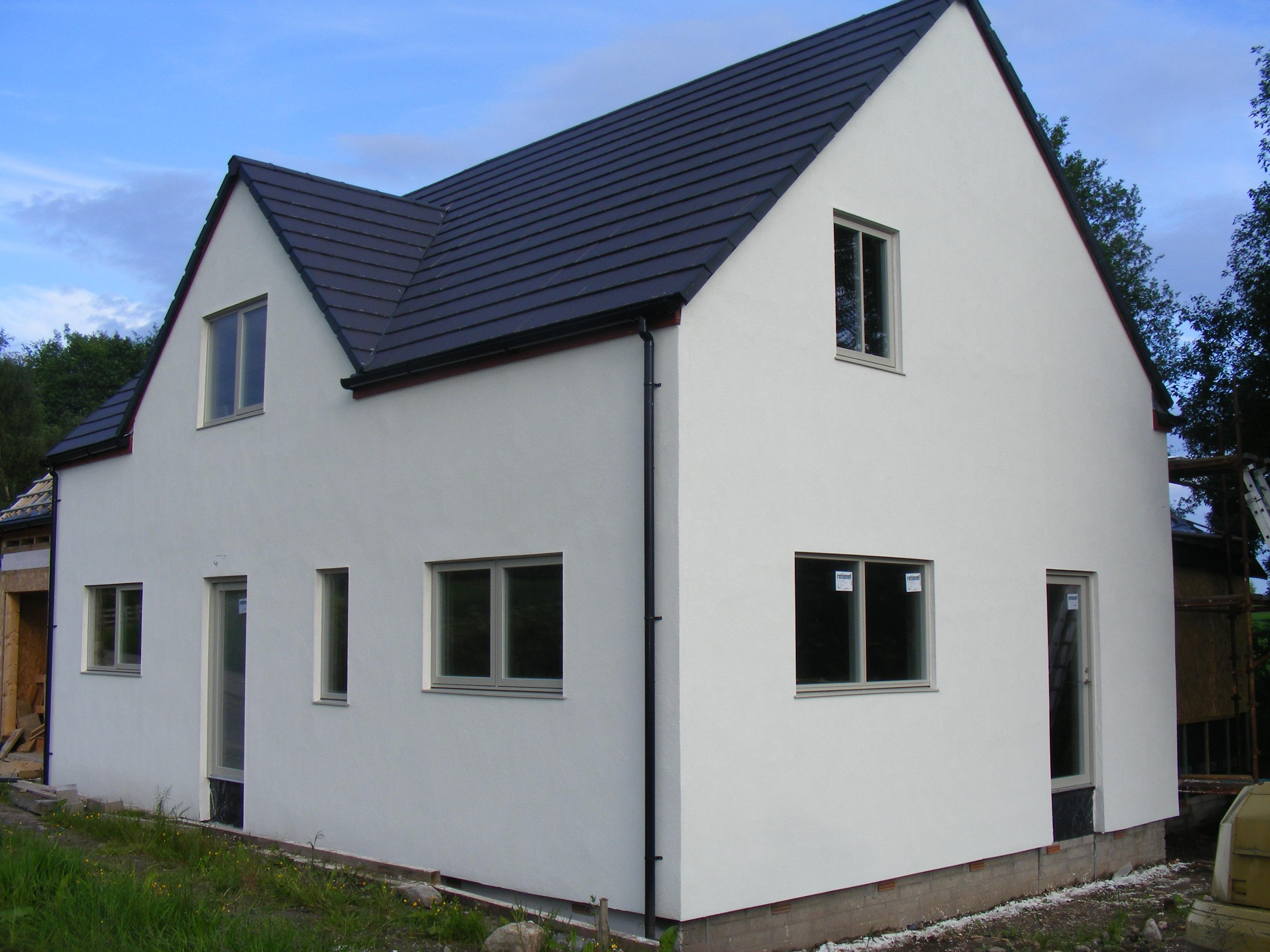
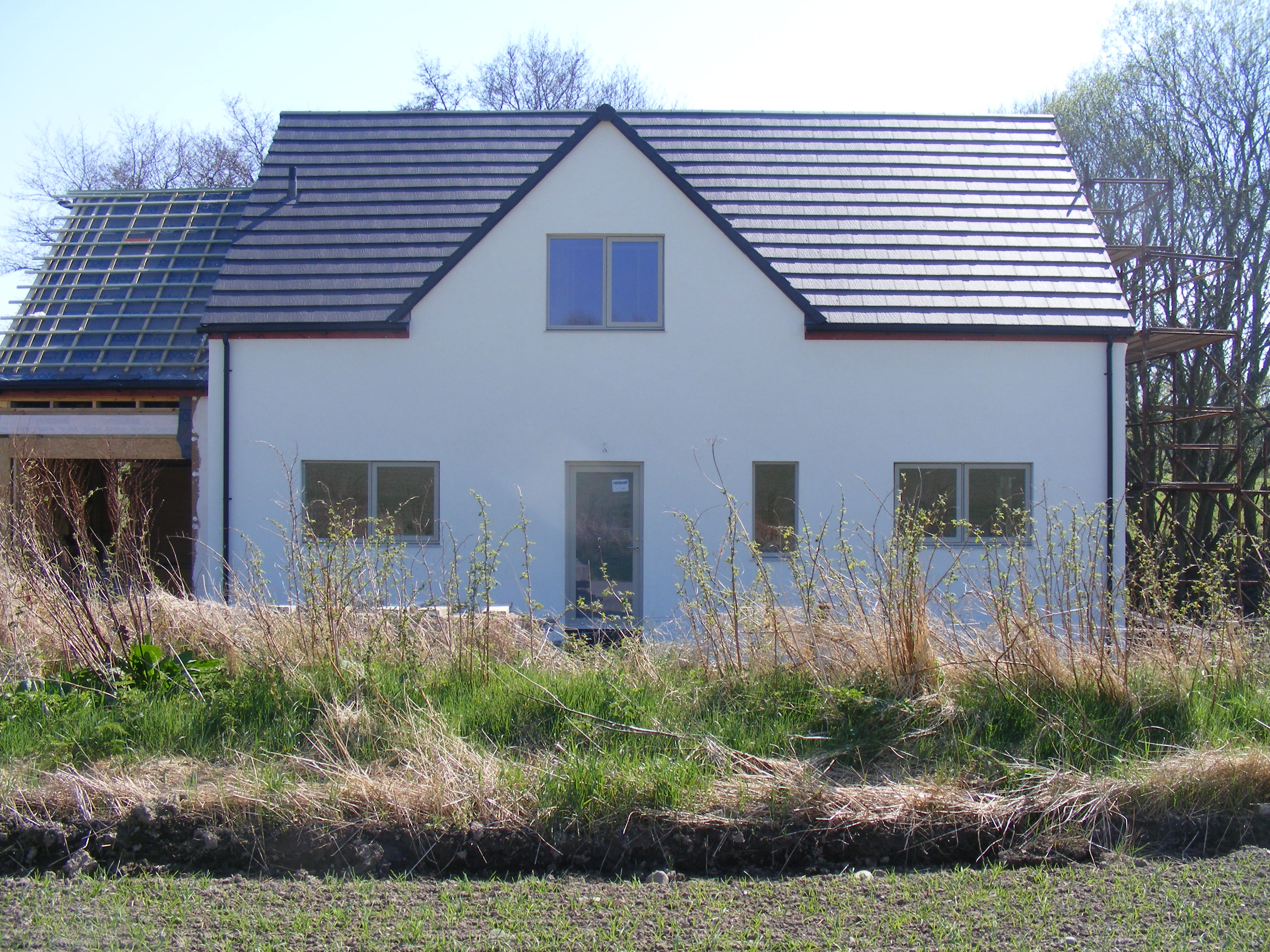
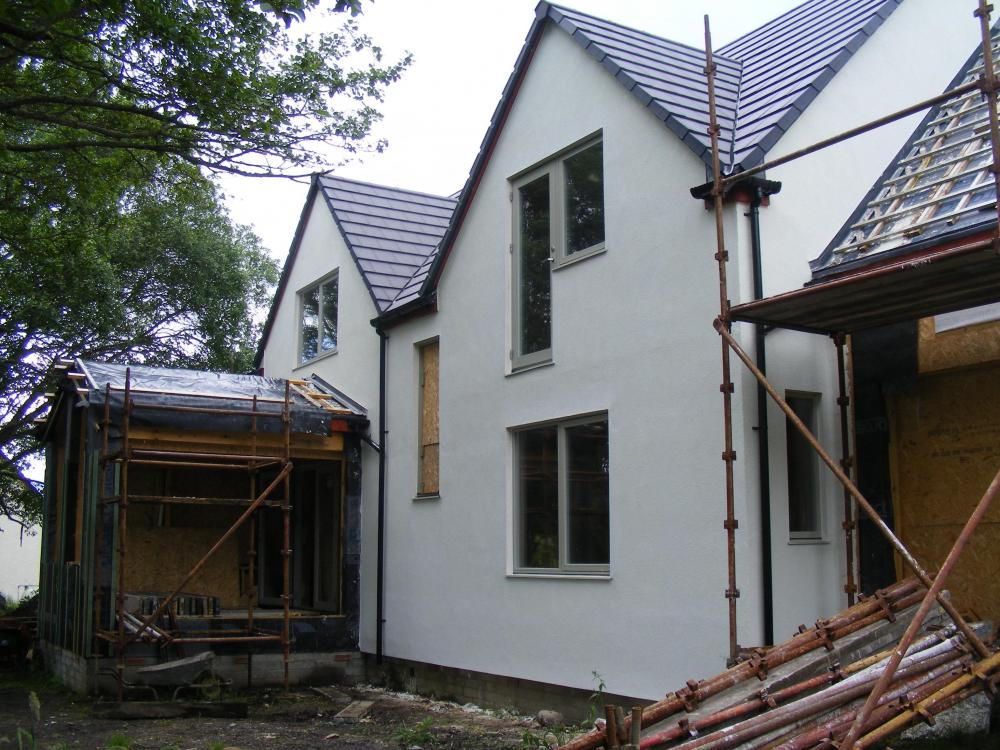
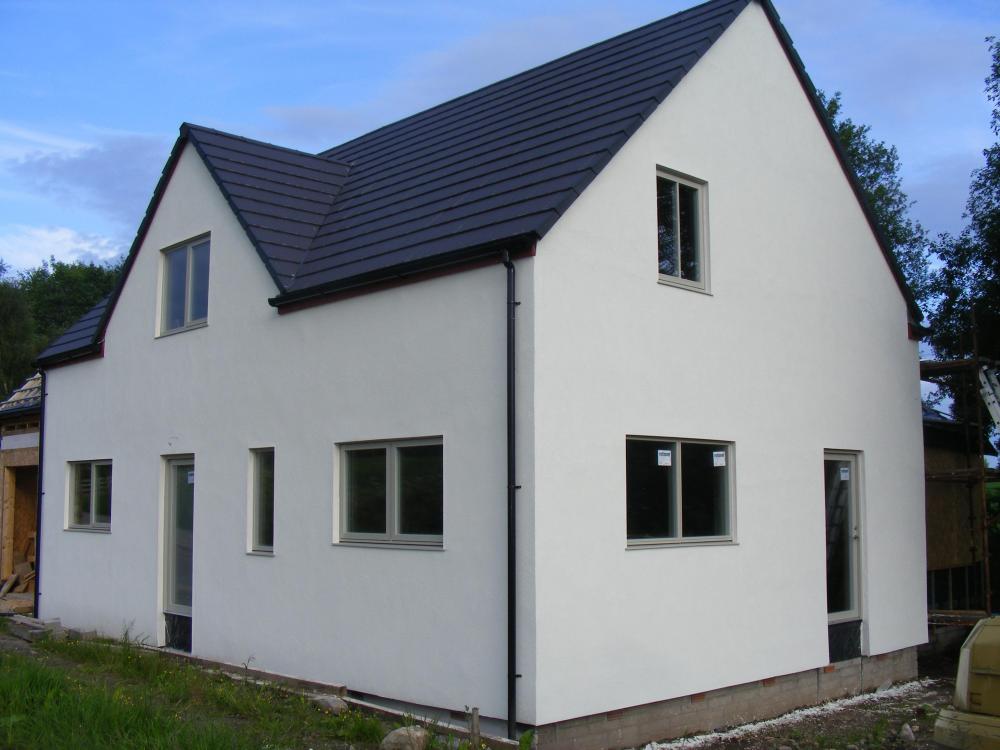
You won't get 2 storey except perhaps in the town, in the countryside you are expected to have some element of room in roof. I think our design with gable ends rather than dormers pushes that quite far, almost all of the upstairs space is usable headroom, much more so that a roof with dormers, while still keeping the room in roof look. I got the idea seeing houses like this more common on Skye, so should fit in where you are.
-
Connect to rainwater drain outside of house
ProDave replied to tvrulesme's topic in Rainwater, Guttering & SuDS
The immediate issue I see is you need to install a French drain alongside the wall of the house to drain it, BUT the land you need to install the drain on is not yours, it is the public pavement. you can't just go digging up the pavement and installing this drain without getting permission, and then the work will probably have to be done by an approved streetworks contractor after paying the council for a road opening permit. -
Yes, by power factor correction you might see small reductions, but nothing like the massive drop they are claiming.
-
^^ Snake oil. How do they get away peddalling that nonsense?
-
Okay so that's a 3 phase supply to the transformer pole. How about a close up photo of the connections into the transformer?
-
How many wires are there on the "through" line on the pole where the transformer is (I have tried zooming in but can't see against the backdrop of the trees) Whatever that supply is, I would say the cable size is substandard and the cable in from the pole should be upgraded.
-
Where is this trench? your land? Public pavement? New build or rebuild or you just want it moved? What I did was get the trench dug by the cheapest provider, and before it was filled in, I dropped in a length of black electrical ducting with a draw string. I then got the electricity to re quote on the basis there was already a duct laid in for them so all they had to do was pull their cable through and connect it.
-
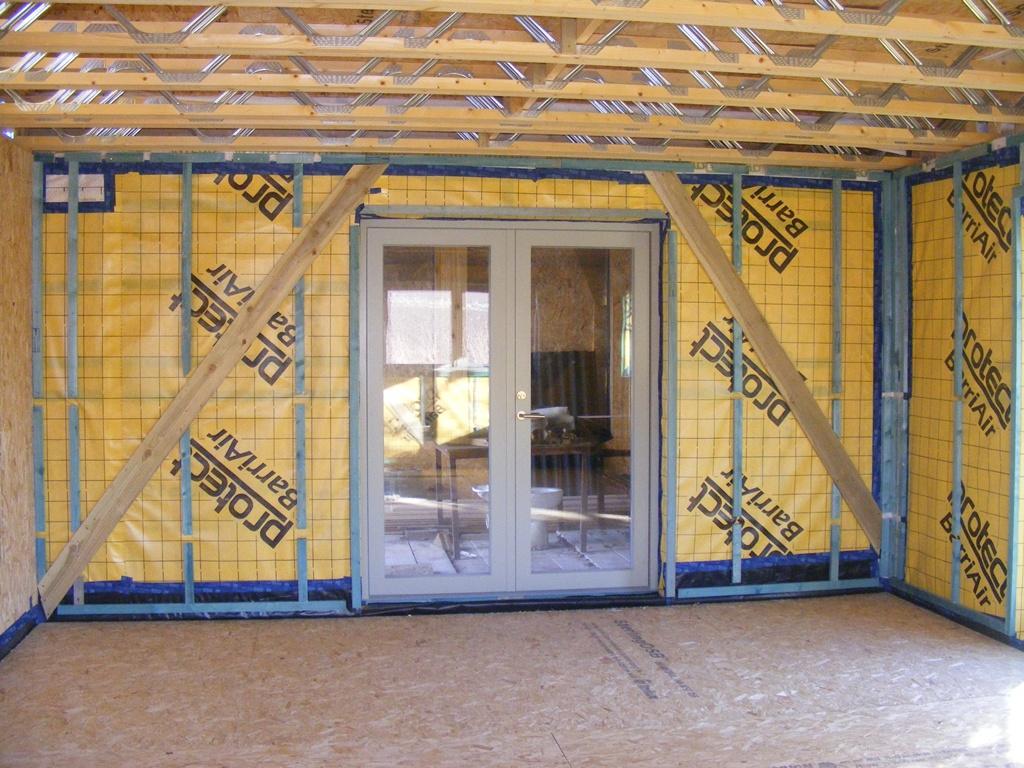
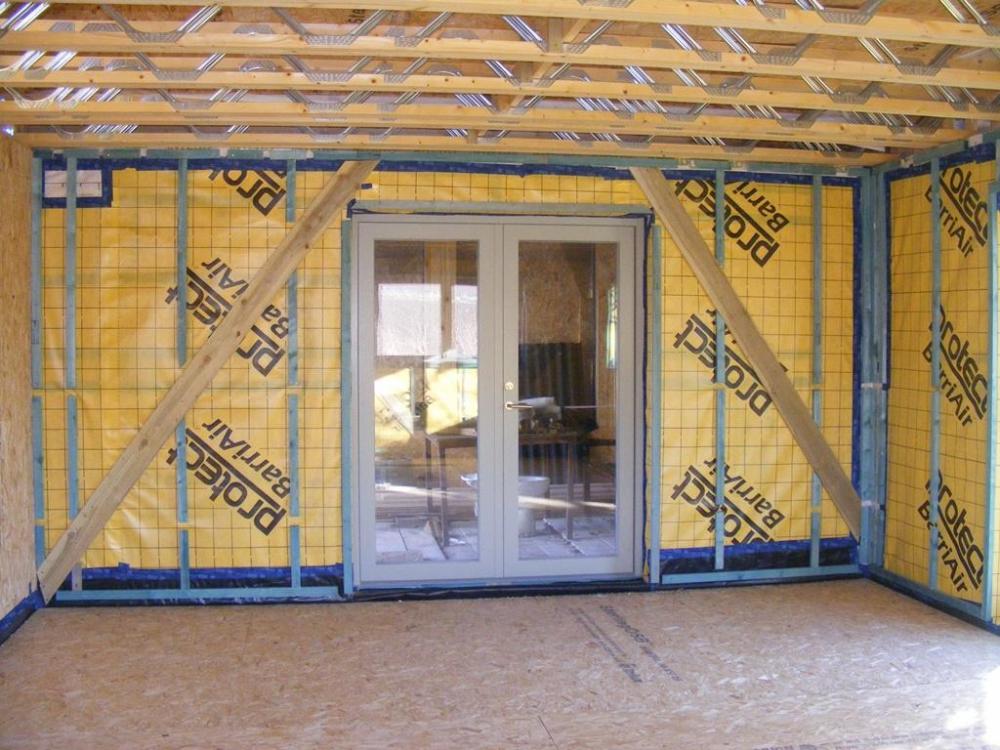
The entire inside of the timber frame is lined with an air tightness membrane, all joints sealed with air tight tape. All penetrations sealed, air tight membrane taped to all windows and doors. The key thing is attention to detail. One thing you need to think about at frame up time is sealing the joist ends at first floor. I used a "Tony tray" which is a strip or membrane that exits the frame, round the outer end of the joists and then back in, and then taped to the rest of the membrane.
-
I think 4 is generally used as a default value in design SAP calculations. Mine came out at 1.4, I would have preferred less but it is what it is.
-
Highland council have this note. https://www.highland.gov.uk/download/downloads/id/1346/bst_018_caravans_and_mobile_homes.pdf The fact you assembled it on site is not relevant. How do they even know that? As long as now that it is assembled it is capable of being moved, then it complies. Try showing the Highland Council policy note to the Western Isles Council.
-
Yes exactly that. the ASHP is set to start heating DHW at 11AM (to ensure there should be reasonable PV generation by then) and shuts off when it gets to 48 degrees. Any surplus PV after that, and the immersion heater soaks up the excess heating the water hotter. In the summer, often there is enough just from the immersion heater that the ASHP does not turn on because by 11AM it is already up to 48 degrees.
-
It needs to be transportable in 1 or 2 pieces, that does NOT mean it has to be on wheels. Lifting it with a crane onto a low loader is a valid means of moving it. So it has to be small enough and strong enough to be lifted. Who is your council, some have a specific policy note on the matter.
-
I, and a few others on here, heat our DHW to 48 degrees with the ASHP. that is plenty hot enough and within the capabilities of an ASHP. I don't heat it deliberately with the immersion heater, someone else concluded that with an unvented hot water cylinder and treated mains water, there really is no risk of legionairs. The immersion heater will heat it above the 48 degrees when the sun shines using excess solar PV.
-
In the present climate I doubt that will be available much longer. I just paused from switching to it as I suspect it won't be around much longer.
-
The key to self usage, is use the big appliances (Washing machine, dishwasher, tumble dryer) near to the middle of the day, one appliance at a time. If you are out at work, set them on a timer. I time our ASHP to do the DHW heating starting at 11AM so PV generation should be reasonable by then. And the PV dump controller sends excess that would otherwise be exported to the immersion heater automatically. The only electricity that I export is when the PV generates more than the immersion can absorb or when we are away and the HW tank has maxed out at full temperature. About 1/3 of what we generate goes to the immersion heater.
-
I take it the pipe spacing is not to scale? Don't run ANY pipes through the Larder, take them around it. Are you seriously suggesting not putting pipes under the sofa's in the living room?
-
Yes just cheap chipboard furniture board from the orange DIY shop, in glorious pretend (plastic picture) Oak. The shoe and coat rails are standard chrome oval wardrobe rail and associated brackets.
-
Mine cost £1500 for the parts. A days labour to fit, add another £250
-
That's not all the footwear. The walking boots and wellies are on a separate rack in the utility room.
-
I would say not worth it if you pay full price for am MCS install. But I installed mine myself and they will have paid for themself in saved electricity in less than 6 years. You only need a competent electrician to install them. for a new build I would say definitely worth it for lower bills and the few extra SAP points you get.
-
Post a picture of it please?
-
I don't suppose LPG is going down in price any time soon? I need to refill one of my 47Kg cyliners.