
ProDave
-
Posts
30862 -
Joined
-
Last visited
-
Days Won
427
Everything posted by ProDave
-
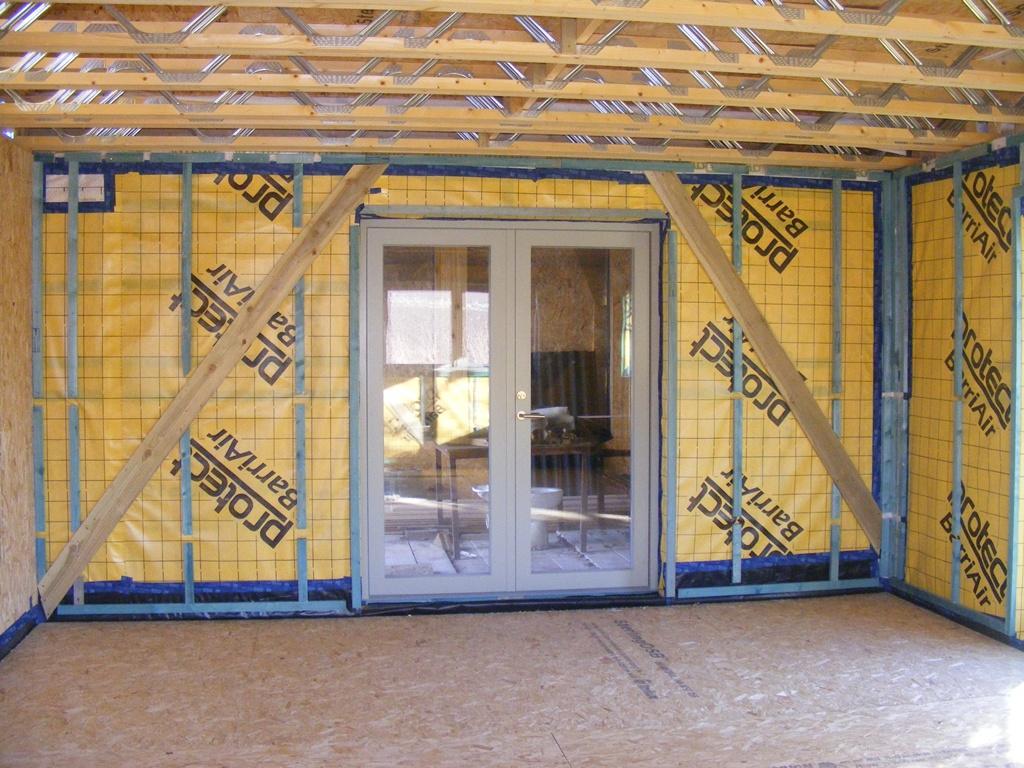
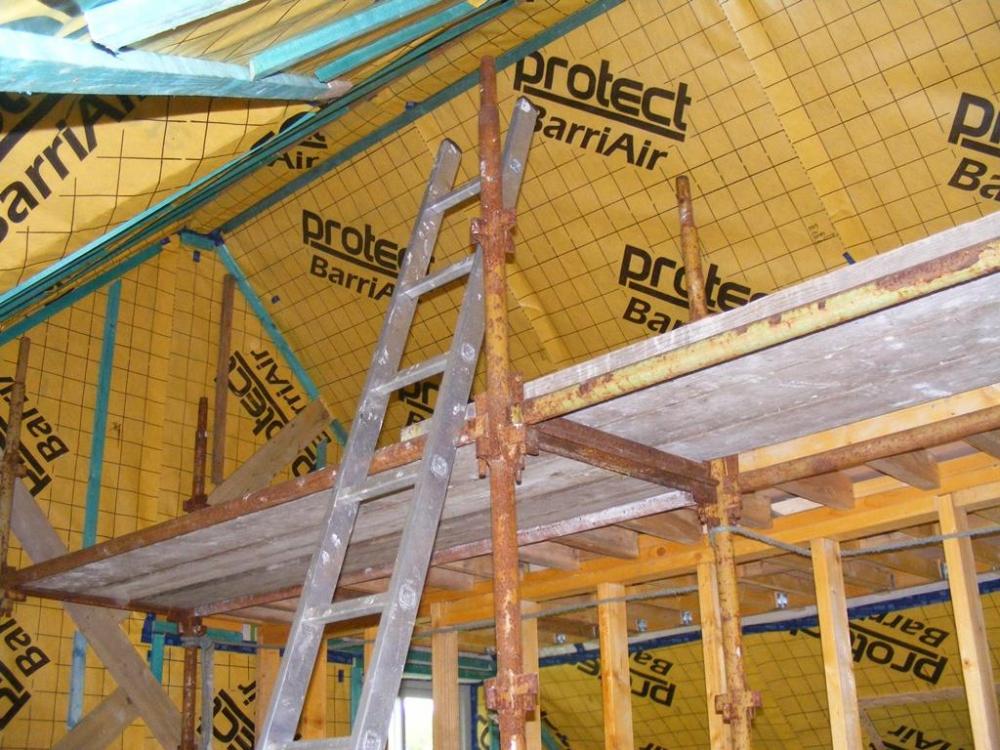
I started at the ridge, fixed a strip of AT membrane in place with a batten (start of service void) then worked down the wall. All single handed. It does feel like trying to put up a massive tent from the inside. Scaffold down the middle to work from and reach the ridge, worked from planks and trestles lower down. If the service void battens don't line up with the self adhesive joints, tape with proper AT tape.
-
 Not enough information. Who fitted the lights? Did they fit initially? Who removed them for plastering? Are they much to big or just a bit? Nice round holes or ragged edges? Old or new ceiling? Plasterboard or lath and plaster?
 -
Which implies UK prices are much higher than theirs. WHY?
-
The highlighted bits interested me. So much as I observe for a typical house install, batteries to not yet make sense unless you are a larger than typical array size. I am still surprised with the 2022 electricity price, that battery viability has not got better. and I am staggered that transmission costs are what they think will rise prices further, erm no I think that's Mr Putin that will do that.
-
Yes don't try DIYing a chimney repair. It may look from the ground that you can just stand on the ridge and do it, with your safety ropes, but have you ever been up on the ridge of a roof? You will likely find the chimney is a lot larger and taller than you expected and the pots are monsters. It really does need a proper platform to work from.
-
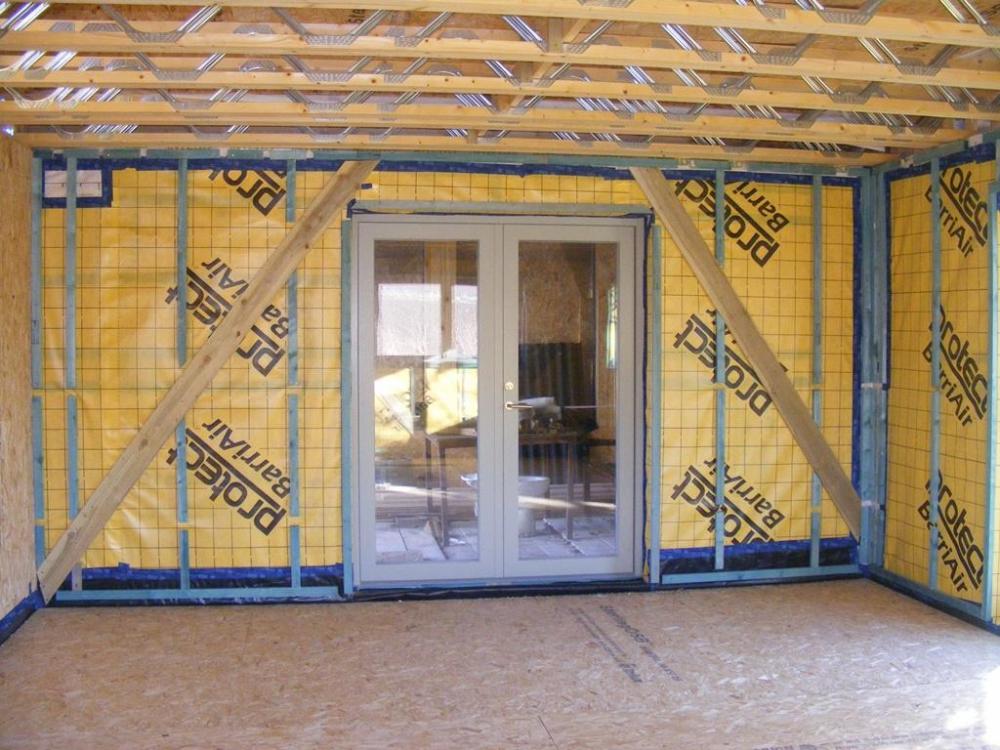
I used the Protect Barriair, very similar to the Intello but without the webbing built in so not quite as strong, but a lot cheaper. TIP: This comes with built in adhesive tape but do not trust that, use a good air tight tape as well at the jonints. This comes in a 2 metre wide roll.
-
Connection between masonry / timber frame - render cracking
ProDave replied to Moonshine's topic in General Structural Issues
Put a standard render expansion bead at that joint. -
Starting a 40 year old generator, not ran for 20 years.
ProDave replied to ProDave's topic in Boffin's Corner
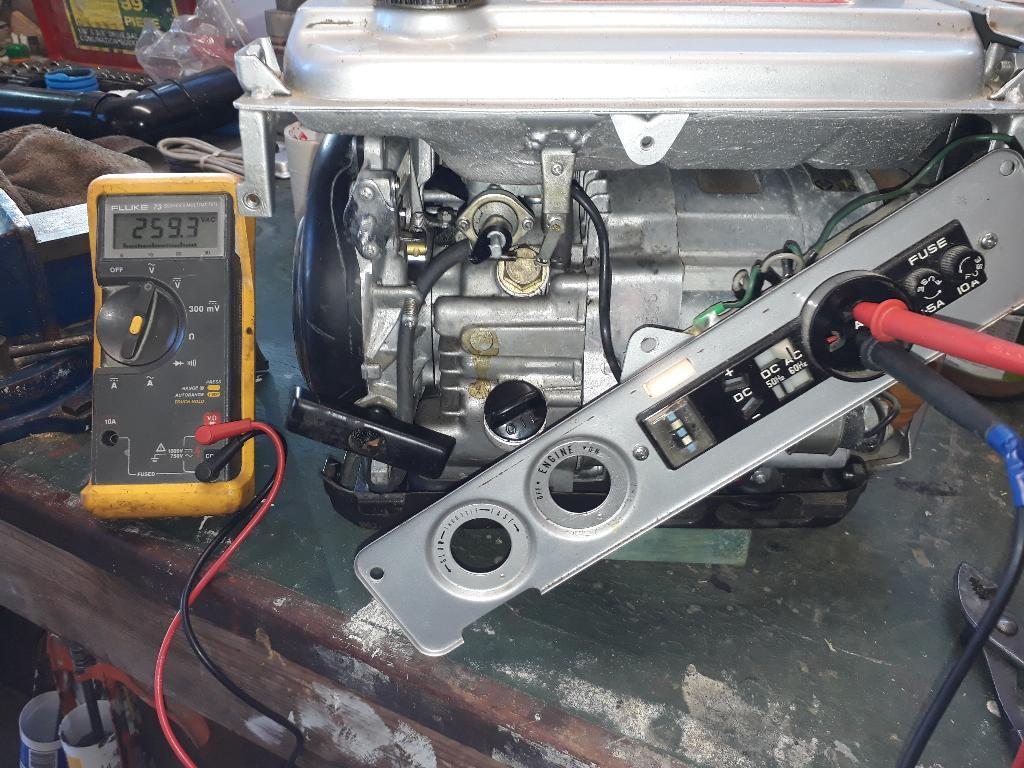
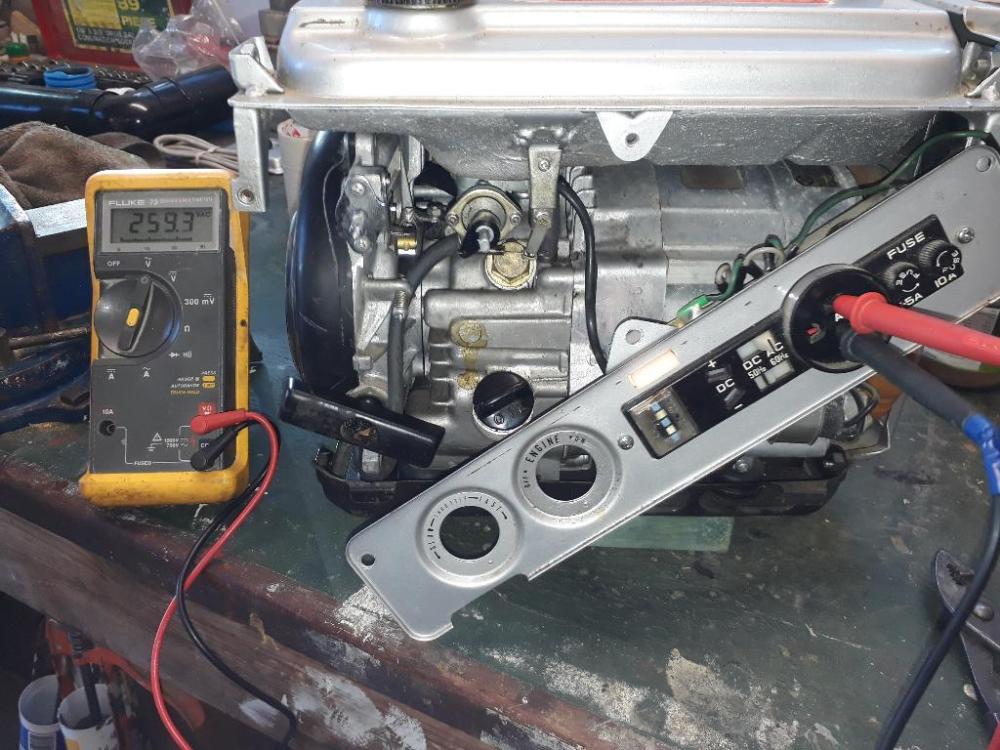
That's it all back together and running nicely. I load tested it. It's rated at 300W ac and the smallest power tool I have is a 350W jig saw. It runs that, but the start up current nearly stalls it. Last thing left is i need a new air filter. It's only a foam filter and the original has turned to dust. I found once person selling the original. but £15. https://www.ebay.co.uk/itm/154823546691?hash=item240c33d743:g:DKcAAOSwtJhh-nq2 It's just a square bot of foam with a hole in it. I could buy this for £2.33 https://www.ebay.co.uk/itm/203106988816?hash=item2f4a1eb310:g:2QMAAOSwSw1gW1wT I can cut 2 the size I need from that so very tempting. Anyone tell me why not? -
Internal drain for tundish valve discharge from UVC
ProDave replied to Chanmenie's topic in General Plumbing
The pipe will need to be capable of accepting boiling water, so not your average PVC waste pipe. Someone with a better memory than me will come along I hope and tell you what it is. -
Starting a 40 year old generator, not ran for 20 years.
ProDave replied to ProDave's topic in Boffin's Corner
Looks like Peter was correct. The bottom of the float chamber was full of similar crud to that I cleaned out of the petrol tap. Every other jet I inspected looked clean and free of blockages. Back together again and it still flooded. I then had to adjust the float height, don't ask me why I should have to, but it was simply not shutting off in time even though the valve was clear and working. First try at that resulted in too little fuel in the float chamber to pick up. So somewhere between the two and no petrol pouring out and she purrs like a kitten with no choke, running nicely. Just got to clean things up and put it all back together and then change the engine oil. -
I fitted one of mine in a void made for it about 160mm deep. To achieve that I rotated the pump for least protrusion forwards.
-
Starting a 40 year old generator, not ran for 20 years.
ProDave replied to ProDave's topic in Boffin's Corner
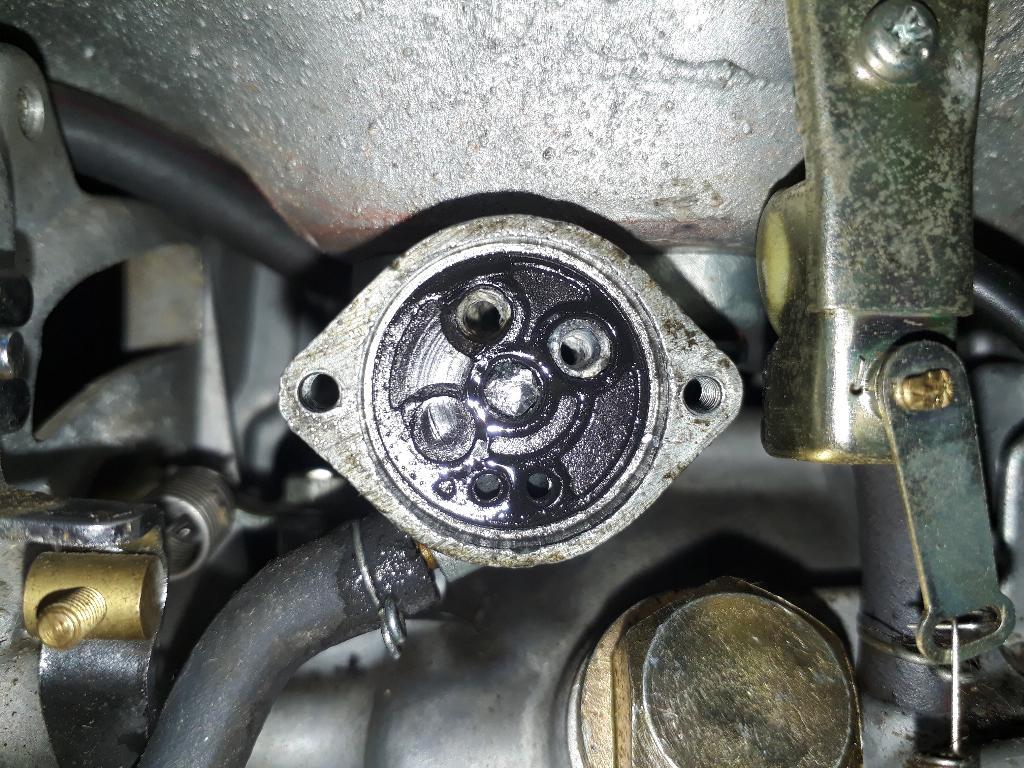
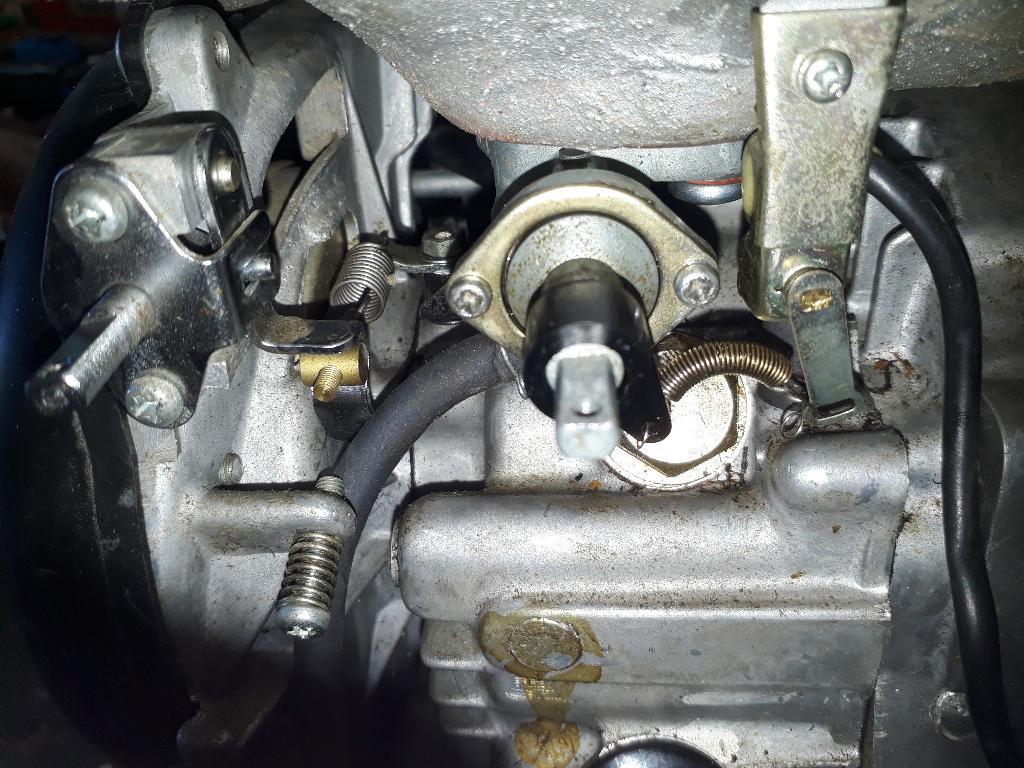
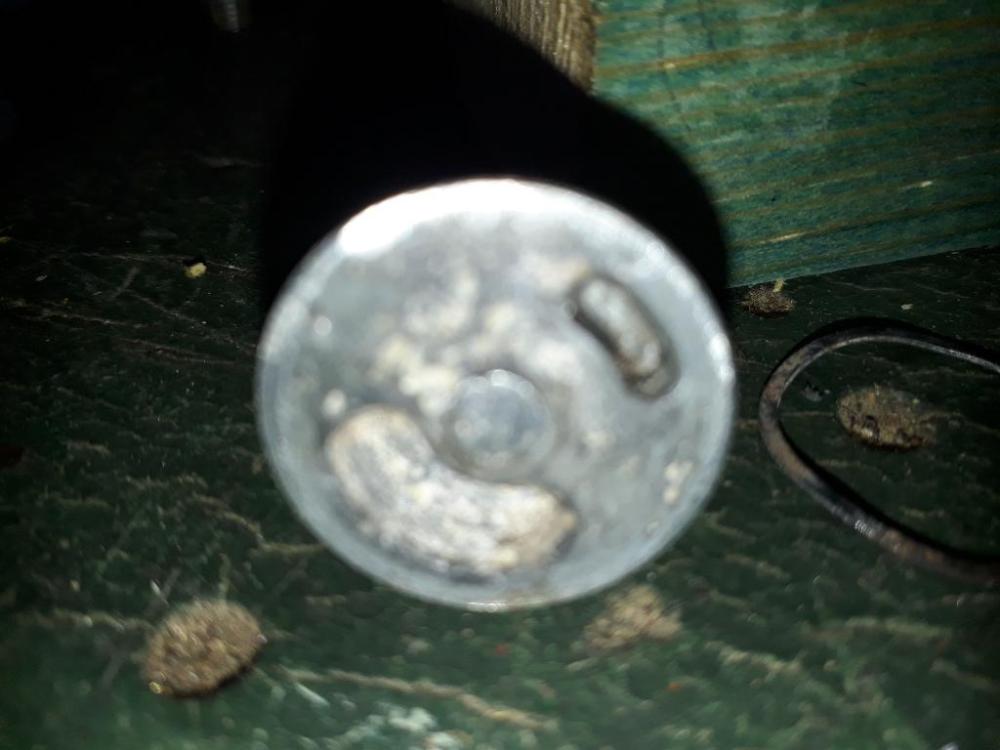
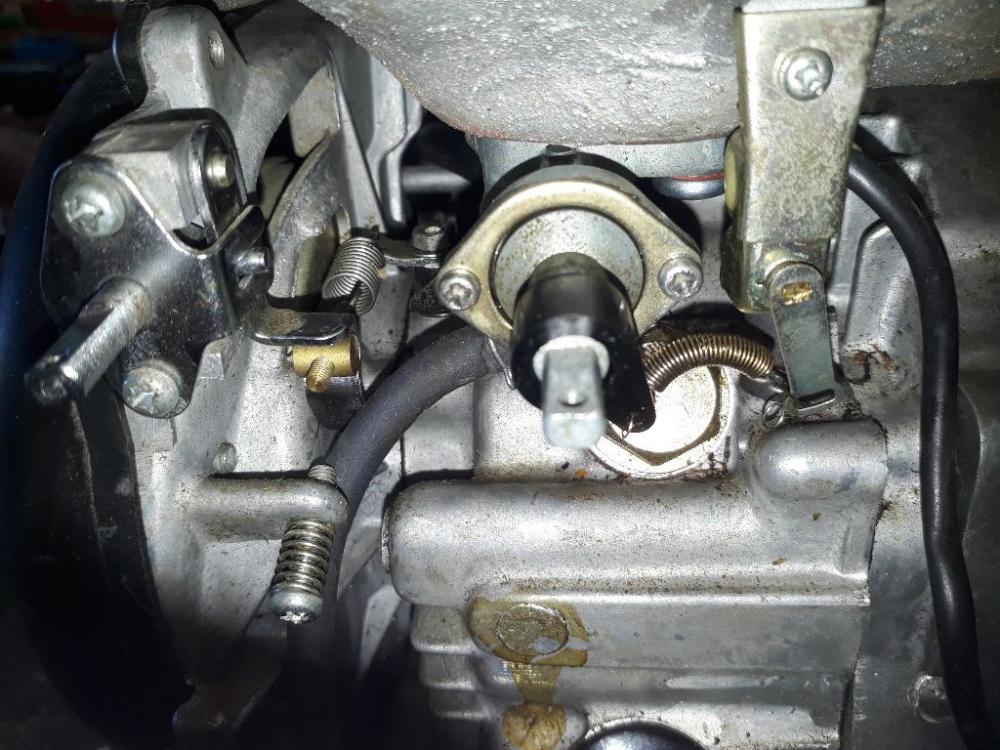
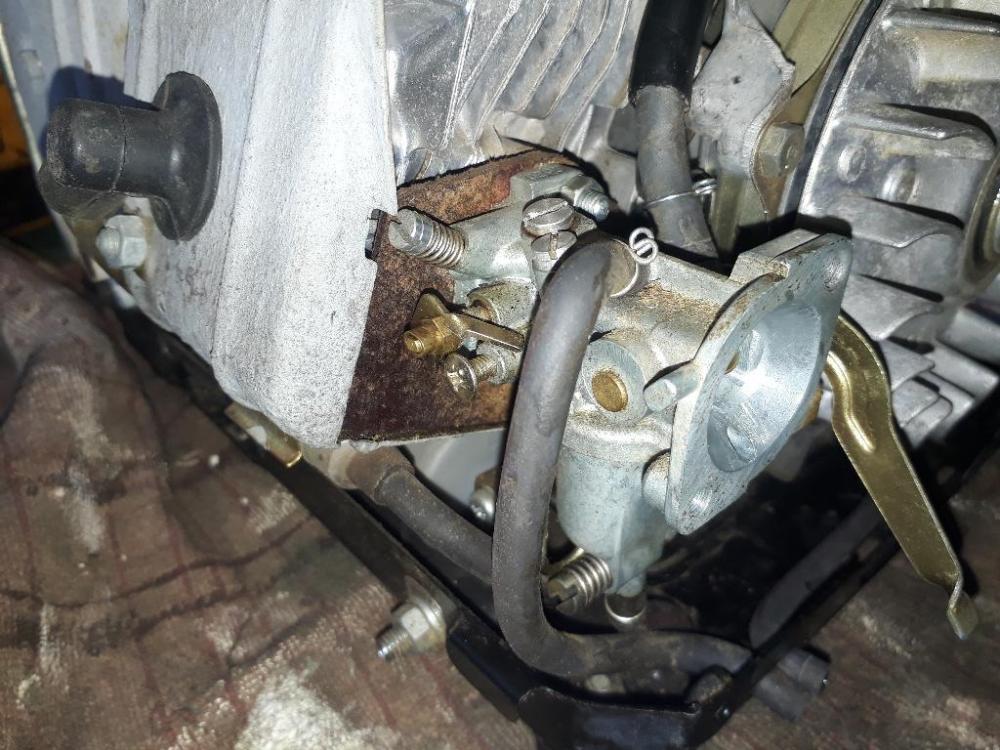
So some progress. I had another look at the fuel tap. There is a fixed part and a rotating part, and between them is a ported rubber washer. When you offered the rotating part into the fixed part, it did not seem to fit flat, it wobbled about it's centre, that did not seem right. These are the two parts In the centre of each part is a "pip" which seems to serve no useful function, but it appeared these two pips were touching and preventing the 2 halves pushing together and sealing against the rubber washer. So I ground some off the rotating part, and now they mate together and don't wobble. My guess is over time the rubber washer has compressed and it is not as thick as it once was. Here is the tap back together on the tank on the generator with the engine kill switch fitted So that's the tap working shutting fuel off and not leaking. Time to crank her up All looks well in the picture but it is not a happy bunny. It will only run with at least half choke and when you stop the engine, fuel then starts dripping out of one of the jet holes next to the air inlet. Lets just say fuel flow through the carb is not right. So that will be the next job, take the carb off and investigate. Here it is. it looks easy to remove, in particular the throttle mechanism looks easy to detach which can be difficult on some engines.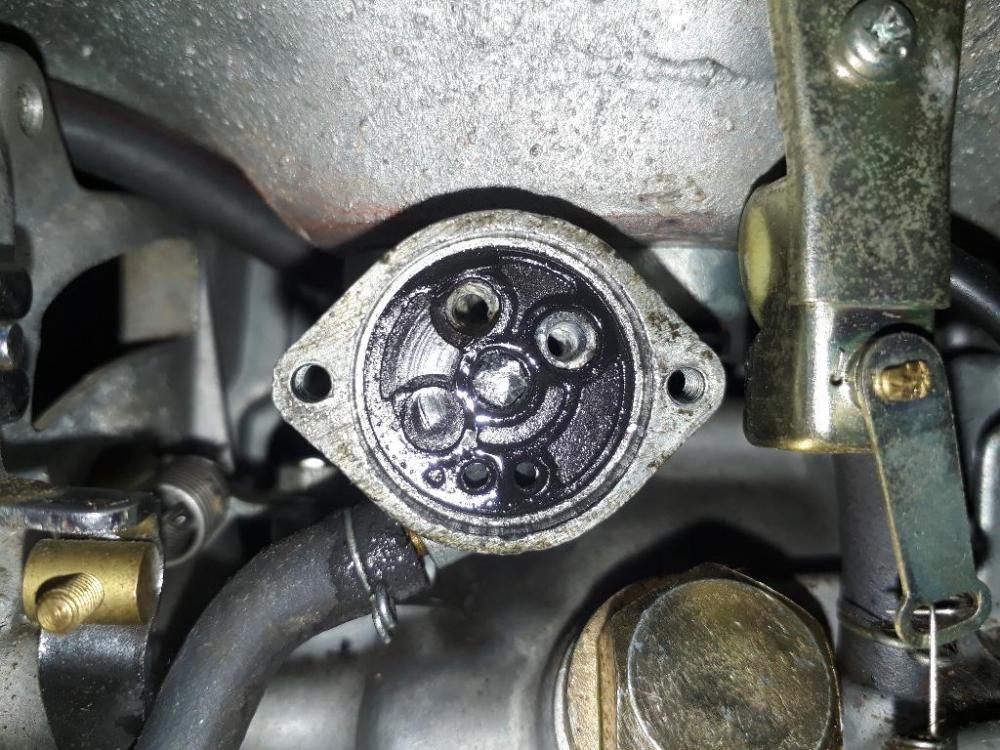
-
Reducing Energy Bills - How goes it?
ProDave replied to Ferdinand's topic in General Self Build & DIY Discussion
You are more of an optimist than I am. -
Starting a 40 year old generator, not ran for 20 years.
ProDave replied to ProDave's topic in Boffin's Corner
The small pipe just goes down past the engine and out of a small hole in the casing. My theory is the little pipe in the tank is a vent pipe that goes high in the tank, so no petrol will come out. and the tap is in fact 2 taps, one opening the fuel and one opening the vent pipe. I think what has gone wrong is petrol is bypassing between the 2 either I have put it back together wrong, or there is something damaged. I will investigate more and take pictures when I do. -
Reducing Energy Bills - How goes it?
ProDave replied to Ferdinand's topic in General Self Build & DIY Discussion
Daughter goes to the gym. Comes home, goes straight in the shower for 15 mnutes. WTF!!!! When we go swimming, we make use of the facilities included and have a shower there before we leave, we never shower at home on a swim day, why would you? And if I say anything like why did you not shower at the gym to save our energy use, I just get call grumpy old dad. This younger generation are not going to learn about energy saving until they eventually get their own house and have to pay their own bills, then they are going to get a shock. Until then I am expected to shut up and bite my tongue when i see them undoing my energy saving measures. -
We did not pay any land tax on our plot or when it was completed, and I would not expect to if we sold it. We will however be laiable for some capital gains tax when we sell our old house as we have not lived there for 5 years.
-
So even if you start at that 1630 edge you have room to drop down 2 steps to a quarter landing. That will give you your 2 metre headroom to the window corner. From that work out how many steps you could get to the right before another quarter landing then the remainder in a straight run. You would need to model it carefully to ensure the bottom flight would not run out of headroom. Have you tried on the on line modeling tools on the likes of stairbox, Pear Stairs, TK stairs etc? I can't see a winder working at least not on that top turn, as at least part of one step will fall foul of the 2 metre headroom, and if you get a jobsworth building inspector it will fail. I still think you have to lower that wall to allow 2 steps down to that quarter landing so it can be the full width.
-
Did you have a building regs compliant stair design before you formed the stair opening, as it's beginning to look like the stair hole is not big enough. What is the distance from the wall with the window to the bottom edge of the stair opening hole in this picture?
-
Starting a 40 year old generator, not ran for 20 years.
ProDave replied to ProDave's topic in Boffin's Corner
To compound the issue I have seen reference to 2 different part numbers for the petrol tap, I have found what i think is the serial number of my generator 1271536 I wonder from that how you can tell the age and whether it's classed as early or late for the petrol tap variants? -
You pay stamp duty (I forget the current name for it) on the purchase price. North of Inverness i would expect a plot to be less than the threshold for paying any.
-
Starting a 40 year old generator, not ran for 20 years.
ProDave replied to ProDave's topic in Boffin's Corner
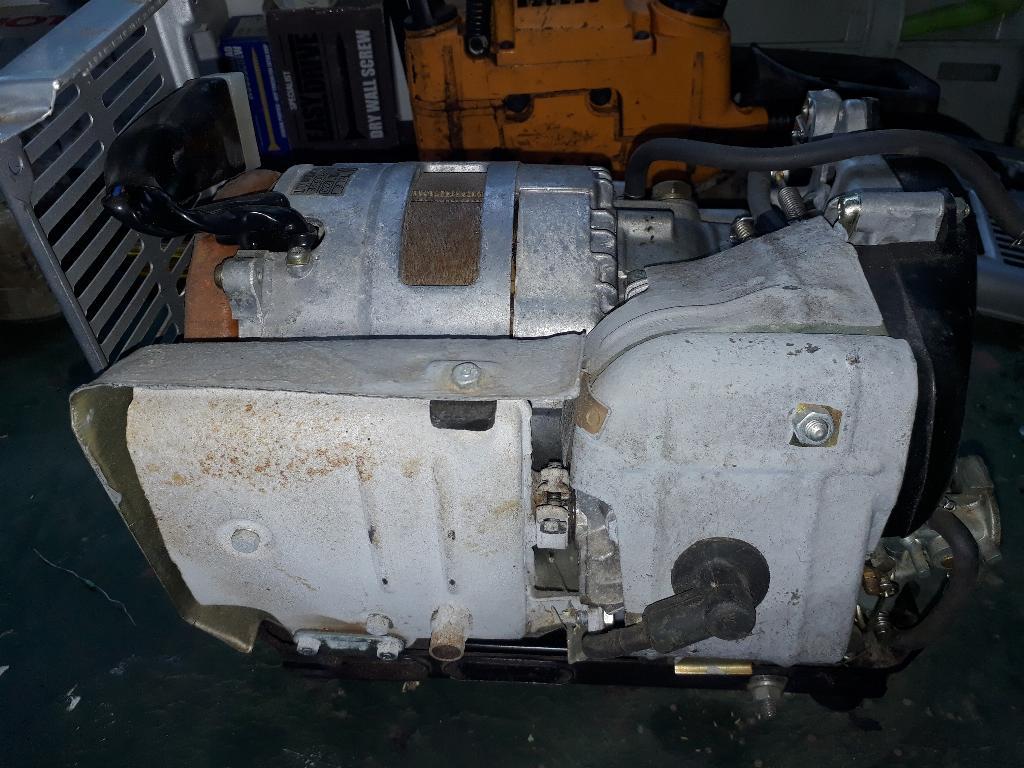
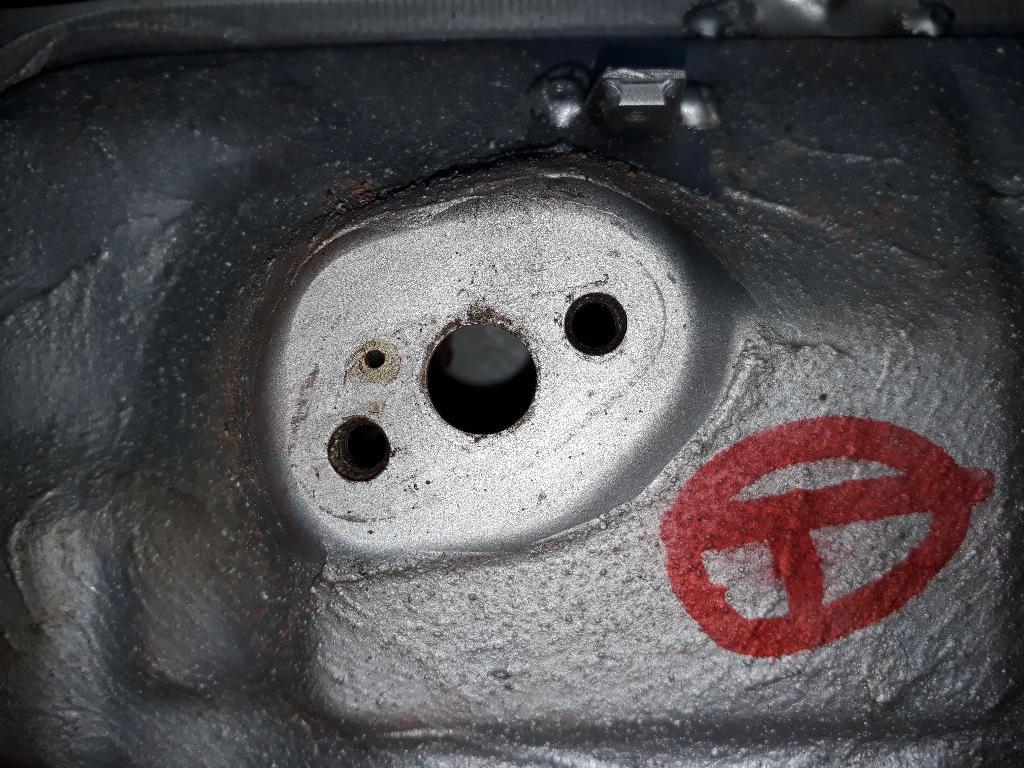
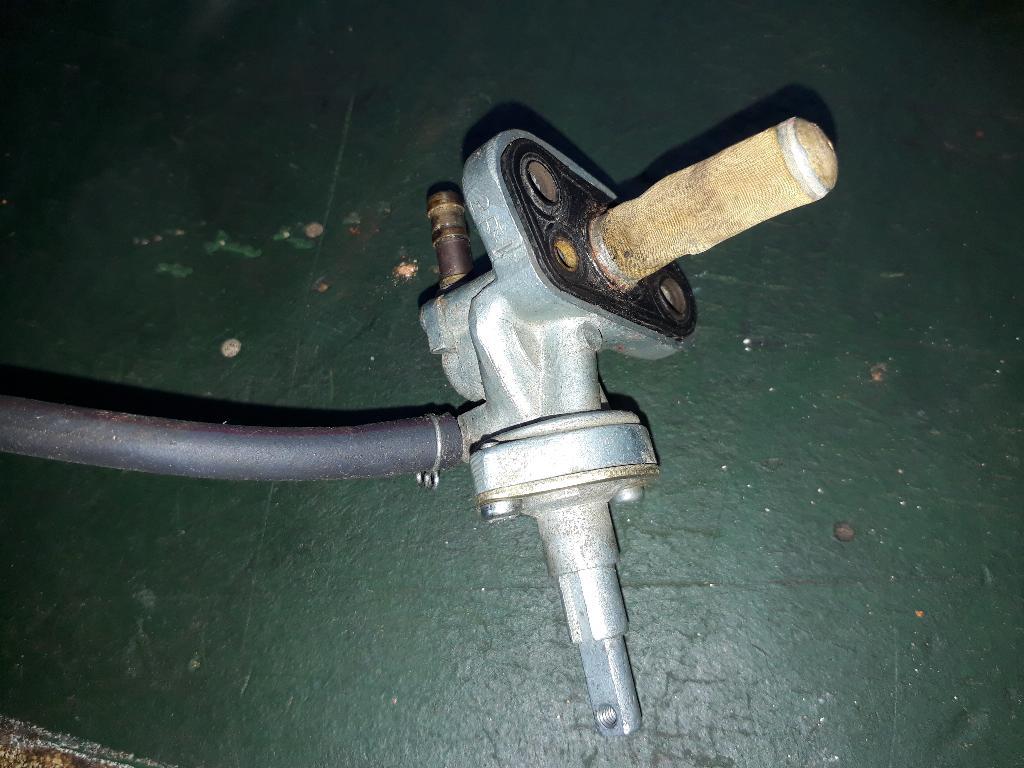
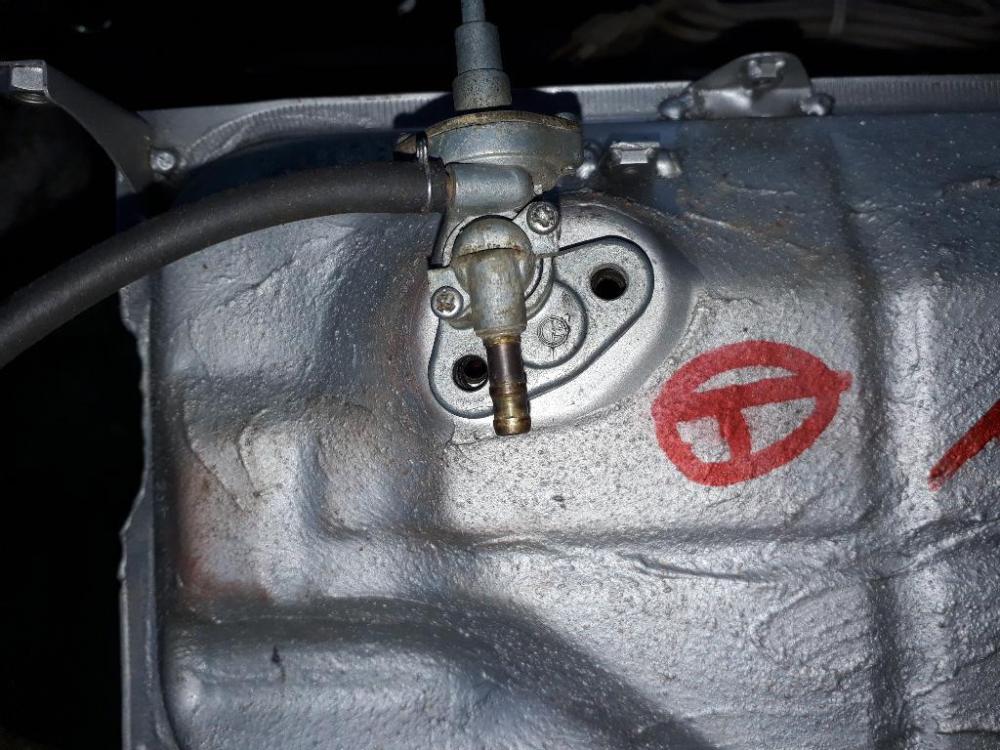
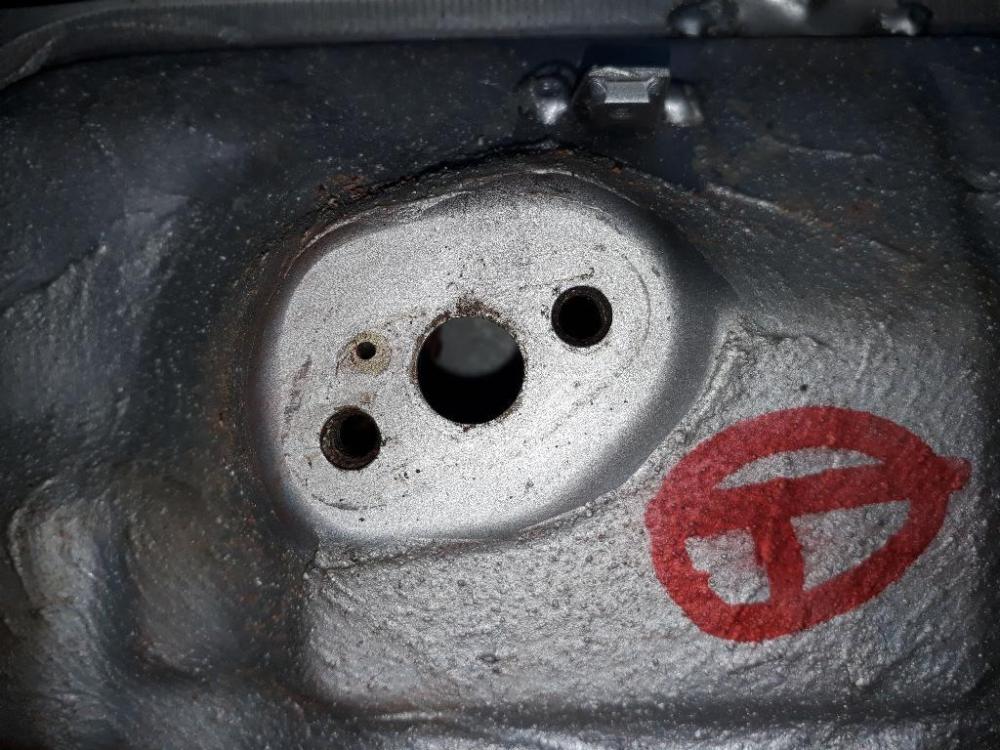
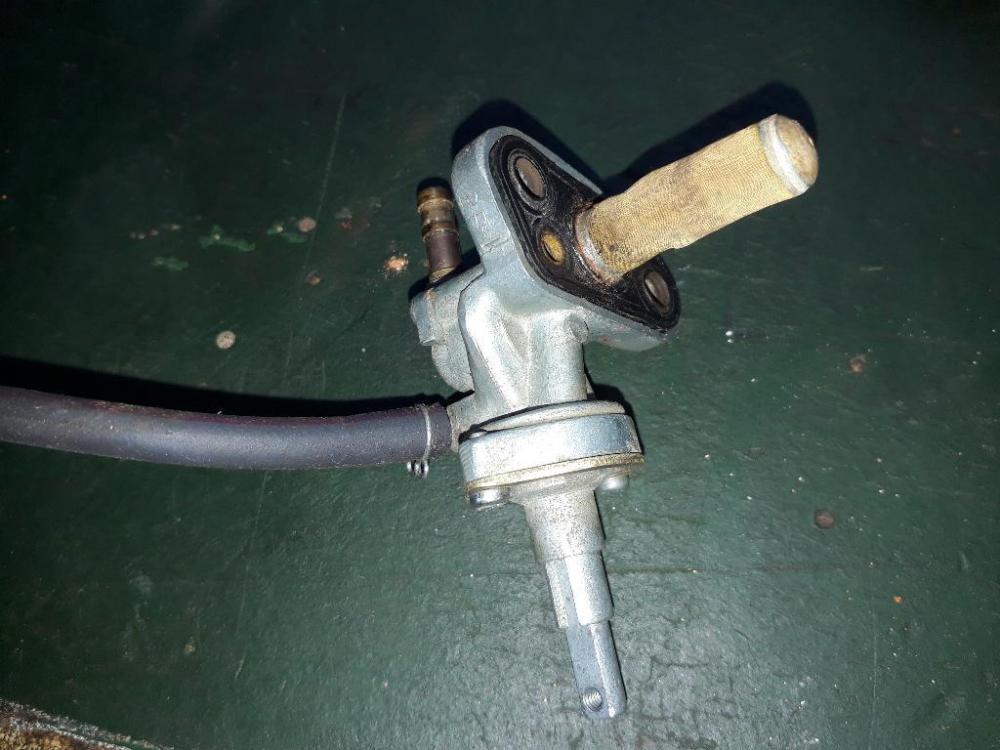
The long awaited photos. Sorry annoying things like having to go out to do some work have got in the way. The bare generator with all the casing and tank removed. This bit works fine. The petrol tap, in the tank (though fixing screws not inserted) The holes in the petrol tank, fixing holes are 30mm centres. Note the extra tiny hole as well as the main one. And the tap on it's own. So here is what I think is happening. The petrol tap is in fact two taps. The main fuel is picked up through the big hole in the tank, through the petrol tap and out via the large hole, the one without a hose currently fitted. The tiny hole, appears to connect inside the tank to a tiny pipe that goes right high up in the tank. That when the tap is on, connects to the small hose that is still connected to the tap. This I believe is the tank vent. But since dismantling the tap to de crud it, as soon as you turn it on, petrol comes out of this vent pipe. It never used to. I need to dismantle the tap again and photograph the individual components and work out what is going on. I think it very unlikely I am going to get a replacement tap so fixing the one I have looks the best hope. Even if a different tap that fitted could be found, I can't see how it would ever function properly unless the spindle exited in exactly the same place.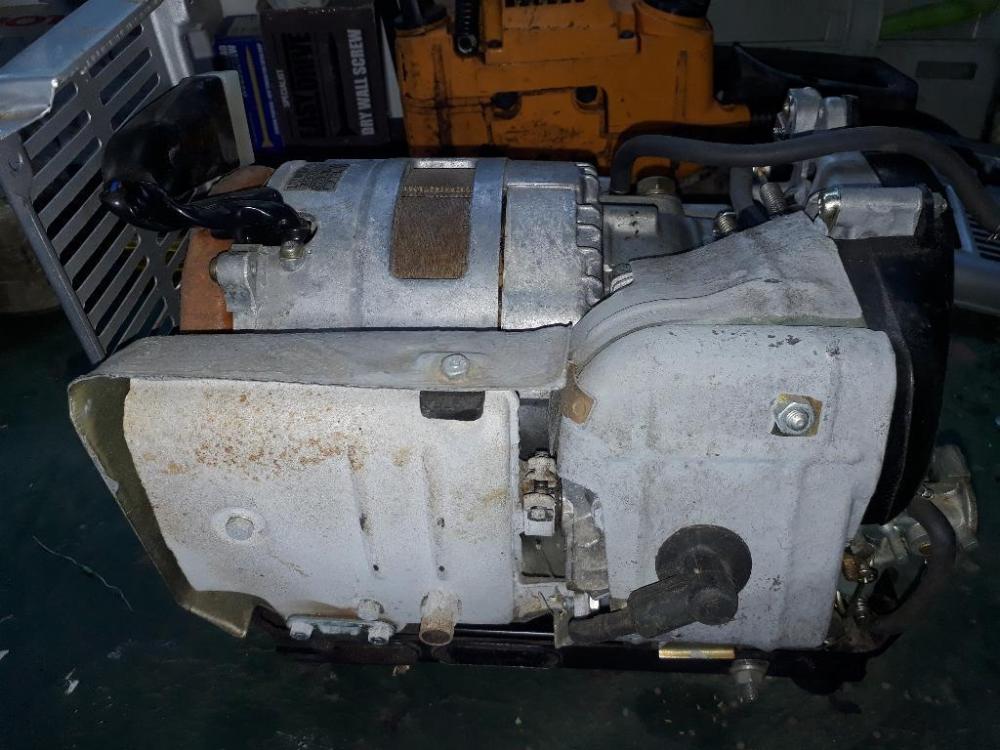
-
There are at least 4 ways of wiring 2 way switching, use whichever you prefer. But I would always loop a feed through a switch, even if not actually used. I never use 1.5mm no point it's too large for some fittings if you have to get more than one wire in.
-
Starting a 40 year old generator, not ran for 20 years.
ProDave replied to ProDave's topic in Boffin's Corner
The tap is unusual. It fits to a flat flange on the tank with 2 screws a bit like the way a carburettur fits to a cylinder head. so that flange must be the right size and shape. Then it does not have a handle as such, just a shaft with 2 flats. Onto that goes the ignition kill switch then a knob. So it needs to be the right part. I will investigate further later. -
What is below that wall? I would design the stairs properly, then rebuild that wall so it meets the underside of the stairs however they end up.
-
A monblock ASHP requires some plumbing skills and some electrical skils. Do you have these?